


Causes of Emphysema
1. Tobacco Smoking
The leading cause of emphysema is long-term smoking. Inhaling smoke from cigarettes, cigars, pipes, or marijuana introduces harmful toxins into the lungs, which directly destroys the fragile walls of the air sacs over time 3.
2. Secondhand Smoke
Continual exposure to smoke exhaled by others, or the smoke coming directly from burning tobacco products, can also significantly damage lung tissue and lead to the disease in non-smokers 4.
3. Occupational Dust and Chemicals
Long-term exposure to airborne irritants in the workplace is a major risk factor. Breathing in chemical fumes, industrial vapors, and dust from grain, cotton, wood, or mining operations causes chronic inflammation that permanently alters and destroys lung structure 5.
4. Air Pollution
Persistent exposure to heavy outdoor smog and exhaust, as well as indoor air pollution from burning wood, animal dung, or other biomass fuels for cooking and heating in poorly ventilated spaces, strongly contributes to the development of emphysema 6.
5. Genetic Factors (Alpha-1 Antitrypsin Deficiency)
In a small percentage of cases, emphysema is caused by a rare inherited genetic disorder known as alpha-1 antitrypsin deficiency. This condition results in a shortage of a specific protein that normally protects the elastic structures of the lungs, leaving the lung tissue highly vulnerable to rapid breakdown even in individuals who have never smoked 7.
Symptoms of Emphysema
1. Shortness of Breath
The most prominent and common sign is a gradual increase in breathlessness. It typically begins only during physical exertion, such as climbing stairs, but slowly progresses until breathing becomes difficult even while resting or performing basic daily tasks 8.
2. Chronic Cough
A persistent cough that lasts for several months is a frequent symptom. This cough often produces clear, yellowish, or greenish mucus as the damaged lungs constantly attempt to clear out excess secretions and irritants 4.
3. Wheezing
Individuals often experience a whistling or squeaky sound when exhaling. This noise occurs because the stale air is being forcefully pushed through respiratory passages that have become inflamed, narrowed, or structurally compromised 9.
4. Chest Tightness
A recurring sensation of pressure, heaviness, or restriction in the chest area is common, making it feel physically difficult or impossible to take a complete, deep breath.
5. Fatigue and Unintentional Weight Loss
In advanced stages of the disease, the physical act of breathing requires significantly more muscular effort and metabolic energy. This constant strain often leads to chronic exhaustion and noticeable, unplanned weight loss 6.
6. Cyanosis (Blue-Tinged Skin)
A severe warning sign of advanced emphysema is a bluish or grayish tint appearing on the lips or fingernail beds. This indicates dangerously low oxygen levels in the bloodstream and requires immediate emergency medical evaluation 8.
Natural Remedies for Emphysema
1. Quitting Smoking
How it may help:
Quitting smoking is the single most effective step to prevent further damage to the lungs in individuals with emphysema. Stopping tobacco use halts the constant exposure to harmful toxins that destroy the fragile air sacs and cause airway inflammation, preserving the remaining lung function and easing breathlessness 10.
What research says:
Clinical research confirms that completely stopping smoking is the only proven intervention that significantly slows the progressive decline in lung capacity associated with emphysema. Evidence demonstrates that patients who quit experience fewer severe breathing flare-ups and have a markedly lower risk of early death compared to those who continue smoking 4.
How to use it safely:
To quit safely and effectively, work with your healthcare provider to create a structured cessation plan. You can use prescription medications, supervised nicotine replacement therapies, and behavioral counseling to manage physical cravings and psychological triggers successfully 11.
Potential precautions or side effects:
You may experience temporary nicotine withdrawal symptoms, including irritability, anxiety, increased appetite, and sleep disturbances, though these safely resolve over a few weeks with proper medical support 12.
2. Physical Exercise and Pulmonary Rehabilitation Programs
How it may help:
Pulmonary rehabilitation and regular physical exercise strengthen respiratory and skeletal muscles. While these programs cannot repair damaged lung tissue, they train the cardiovascular system to use oxygen more efficiently. This significantly reduces severe shortness of breath and physical fatigue, making daily routines easier to manage 13.
What research says:
Clinical studies consistently demonstrate that pulmonary rehabilitation improves physical stamina and overall quality of life. Research concludes that participating in supervised exercise programs significantly decreases the frequency of severe breathing flare-ups and reduces hospital admissions for individuals with chronic lung diseases like emphysema 14.
How to use it safely:
Always consult your doctor before beginning any new physical activity. To exercise safely, enroll in a supervised pulmonary rehabilitation program where respiratory therapists can tailor routines to your specific lung capacity and closely monitor your oxygen levels during exertion 13.
Potential precautions or side effects:
Avoid overexertion, which can cause extreme shortness of breath, dizziness, or chest pain. Stop exercising immediately and contact your doctor if you experience severe wheezing or sudden lightheadedness 15.
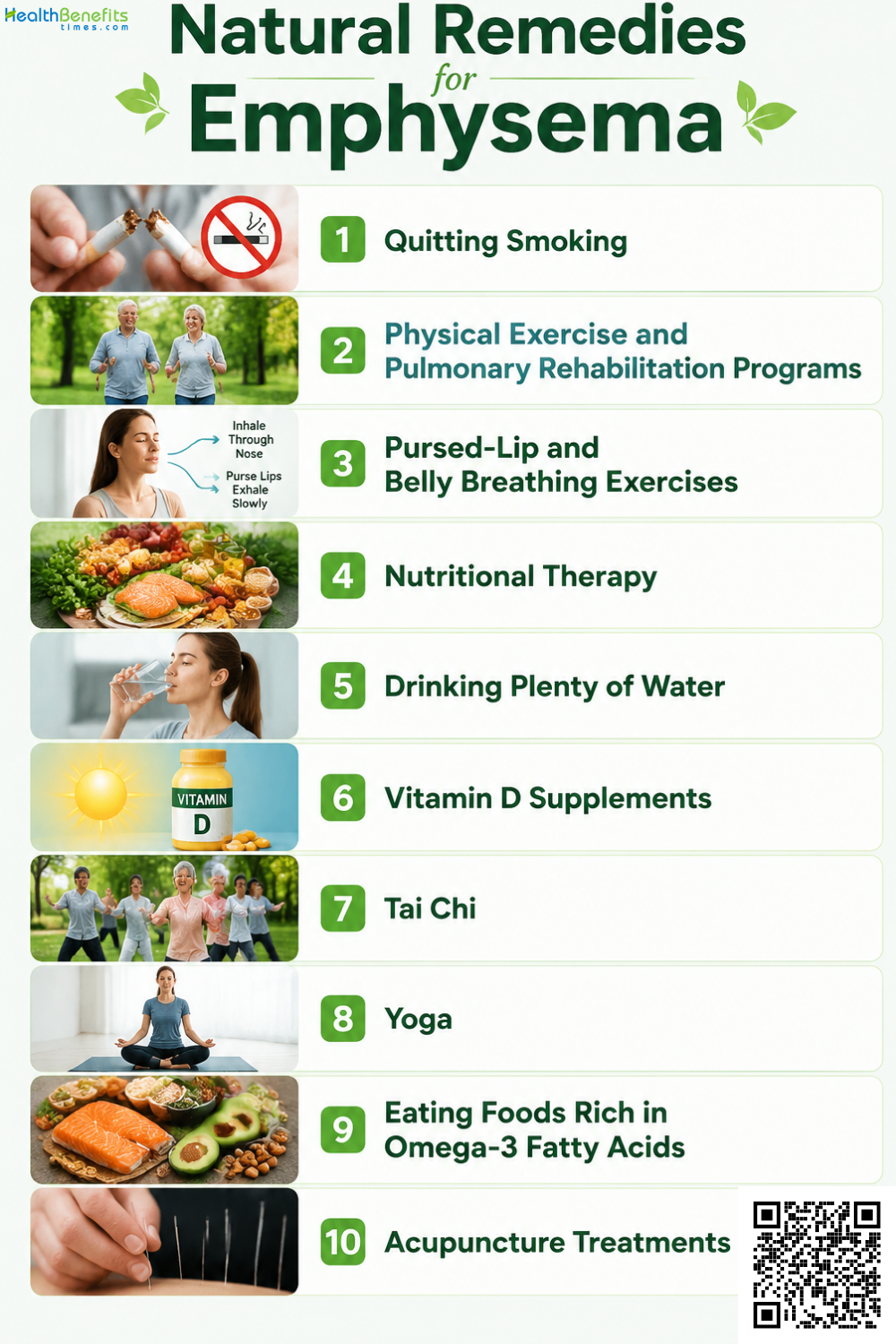
3. Pursed-Lip and Belly Breathing Exercises
How it may help:
Pursed-lip breathing slows down the breathing rate and keeps airways open longer, allowing trapped stale air to escape the damaged lungs. Belly breathing, or diaphragmatic breathing, strengthens the main breathing muscle, which reduces the physical effort required to breathe and relieves shortness of breath 16.
What research says:
Clinical studies show that practicing specific breathing techniques significantly improves breathing efficiency in individuals with emphysema. Research concludes that pursed-lip and diaphragmatic breathing lower the breathing rate, increase oxygen levels in the blood, and effectively reduce the physical discomfort associated with severe breathlessness 17.
How to use it safely:
To practice safely, relax your neck and shoulder muscles. Breathe in slowly through your nose for two counts, then purse your lips as if whistling and breathe out gently for four counts. Practice daily while resting to build the habit before using it during physical exertion 16.
Potential precautions or side effects:
Never force the air out of your lungs, as this can worsen breathing difficulty. Stop the exercises and rest if you feel dizzy or lightheaded while practicing 16.
4. Nutritional Therapy
How it may help:
The physical effort required to breathe with emphysema burns significantly more calories than normal breathing. Nutritional therapy ensures the body receives enough energy to maintain strong respiratory muscles and prevent severe, unintended weight loss. Proper nutrition also strengthens the immune system to help fight off respiratory infections 18.
What research says:
Clinical studies indicate that targeted nutritional support significantly improves muscle strength and exercise tolerance in individuals with emphysema. Research concludes that maintaining a healthy body weight through proper diet reduces the frequency of severe respiratory flare-ups and improves overall survival rates in chronic lung disease patients 19.
How to use it safely:
To eat safely without worsening breathlessness, consume small, frequent meals throughout the day rather than three large ones. Rest before eating, and chew your food slowly. Work with a registered dietitian to create a balanced meal plan that provides sufficient calories without causing bloating 18.
Potential precautions or side effects:
Avoid eating large, heavy meals, as a full stomach can press against your diaphragm and make breathing much more difficult. Limit foods that cause excess gas and bloating 18.
5. Drinking Plenty of Water
How it may help:
Staying well-hydrated is crucial for managing emphysema because it directly thins the thick, sticky mucus that builds up in damaged lungs. When mucus is thinner, the body can cough it up and clear the airways much more easily, which reduces chest congestion and lowers the risk of developing severe respiratory infections 18.
What research says:
Clinical guidelines emphasize that proper systemic hydration is a fundamental component of airway clearance therapy. Medical consensus confirms that drinking adequate fluids significantly decreases mucus viscosity in chronic lung conditions, making coughing more effective and thereby reducing the frequency of severe bacterial exacerbations in the lungs 20.
How to use it safely:
Aim to drink six to eight glasses of water or caffeine-free liquids daily, spreading them evenly from morning to evening. Keep a water bottle nearby and take frequent, small sips rather than gulping large amounts at once, which can cause bloating and press against your diaphragm 18.
Potential precautions or side effects:
Consult your doctor before increasing fluid intake if you have co-existing conditions like heart failure or kidney disease, as these require strict fluid restrictions to prevent dangerous fluid buildup 18.
6. Vitamin D Supplements
How it may help:
Vitamin D helps regulate the immune system and reduces lung inflammation. For people with emphysema, this added immune support can help protect the lungs against frequent viral and bacterial respiratory infections, which are the primary triggers for sudden and dangerous breathing flare-ups [8] 21.
What research says:
Clinical trials show that vitamin D supplements do not reduce breathing flare-ups in all patients. However, research consistently demonstrates that supplementation significantly reduces the rate of moderate-to-severe exacerbations specifically in individuals who have a severe, pre-existing vitamin D deficiency [9] 22.
How to use it safely:
Ask your doctor for a blood test to check your current vitamin D levels before starting any supplements. If you are deficient, your healthcare provider will prescribe an exact dosage to safely restore your levels without causing toxicity [8] 21.
Potential precautions or side effects:
Taking excessively high doses of vitamin D can cause dangerous calcium buildup in your blood, potentially leading to nausea, profound muscle weakness, and kidney stones 23.
7. Tai Chi
How it may help:
Tai Chi is a gentle mind-body practice combining slow, deliberate physical movements with deep, rhythmic breathing. For individuals with emphysema, it helps strengthen the primary respiratory muscles, improves chest expansion, and increases physical stamina, making it easier to manage shortness of breath without causing extreme physical exhaustion 24.
What research says:
Clinical studies confirm that practicing Tai Chi significantly improves exercise capacity and lung function in people with chronic lung diseases like emphysema. Research concludes that it is an effective, low-intensity alternative to traditional pulmonary rehabilitation, leading to noticeably better breathing control and enhanced overall quality of life 25.
How to use it safely:
To practice safely, look for a certified instructor experienced in adapting movements for respiratory conditions. Start with short, 15-minute sessions to build endurance gradually. Always coordinate your physical movements with your natural breathing rhythm rather than forcing deep or uncomfortable breaths 26.
Potential precautions or side effects:
Though generally safe, you might experience mild muscle soreness initially. Stop practicing immediately and rest if you feel dizzy, severely short of breath, or physically off-balance 26.
8. Yoga
How it may help:
Yoga integrates gentle physical stretches with specific breathing exercises. For individuals with emphysema, this combination strengthens the chest muscles, improves posture for better lung expansion, and significantly reduces the intense anxiety and stress that often accompany chronic breathlessness 27.
What research says:
Clinical studies demonstrate that regular yoga practice safely improves lung function and physical endurance in patients with chronic lung diseases. Research concludes that structured yoga sessions enhance overall exercise capacity and effectively reduce both the physical and emotional symptoms of respiratory distress 28.
How to use it safely:
Begin with restorative or chair yoga classes led by an instructor trained in respiratory conditions. Focus on coordinating your movements with steady, relaxed breathing. Never force a physical stretch, and allow yourself to rest between poses to prevent overexertion 29.
Potential precautions or side effects:
Avoid poses that require holding your breath or hanging upside down, which dangerously increases chest pressure. Stop immediately if you experience dizziness or sudden chest pain 29.
9. Eating Foods Rich in Omega-3 Fatty Acids
How it may help:
Omega-3 fatty acids contain powerful natural compounds that help calm chronic swelling throughout the body. For individuals with emphysema, reducing inflammation in the respiratory system helps keep narrowed airways open, making it easier to breathe and protecting fragile lung tissues from further structural damage 30.
What research says:
Clinical studies indicate that diets high in omega-3 fatty acids are linked to improved lung function in chronic respiratory conditions. Research concludes that regular intake of these nutrients significantly lowers inflammatory markers in the blood, reducing the severity of breathing flare-ups and slowing the progression of emphysema 30.
How to use it safely:
Incorporate natural food sources like fatty fish—such as salmon, mackerel, and sardines—into your diet two to three times a week. You can also add plant-based sources like walnuts, flaxseeds, and chia seeds to your daily meals for a safe, steady intake 31.
Potential precautions or side effects:
High doses of omega-3 supplements can increase bleeding risks. Always consult your doctor before taking fish oil capsules, especially if you take blood-thinning medications or have upcoming surgeries 31.
10. Acupuncture Treatments
How it may help:
Acupuncture involves inserting very thin needles into specific body points. For emphysema, it may help relax the muscles involved in breathing and reduce the severe anxiety often caused by chronic shortness of breath. This relaxation can make the daily effort of breathing feel noticeably less exhausting 32.
What research says:
Clinical studies demonstrate that acupuncture safely improves exercise endurance and reduces shortness of breath in people with chronic lung diseases when used alongside standard care. Research concludes it significantly enhances quality of life and helps patients walk further distances without experiencing severe respiratory distress 33.
How to use it safely:
To ensure safety, only seek treatment from a licensed and certified acupuncture practitioner experienced with respiratory patients. Always verify that the clinic strictly uses sterile, single-use, disposable needles to prevent any risk of bacterial or viral infections 32.
Potential precautions or side effects:
Common side effects include minor bruising or bleeding at needle sites. Rarely, improper needle placement near the chest can cause a collapsed lung, making a highly trained professional essential 32.
Foods to Avoid When You Suffer from Emphysema
1. High-Sodium Foods
Excess salt causes fluid retention. This extra fluid forces the heart and lungs to work harder, severely worsening shortness of breath in emphysema patients 18.
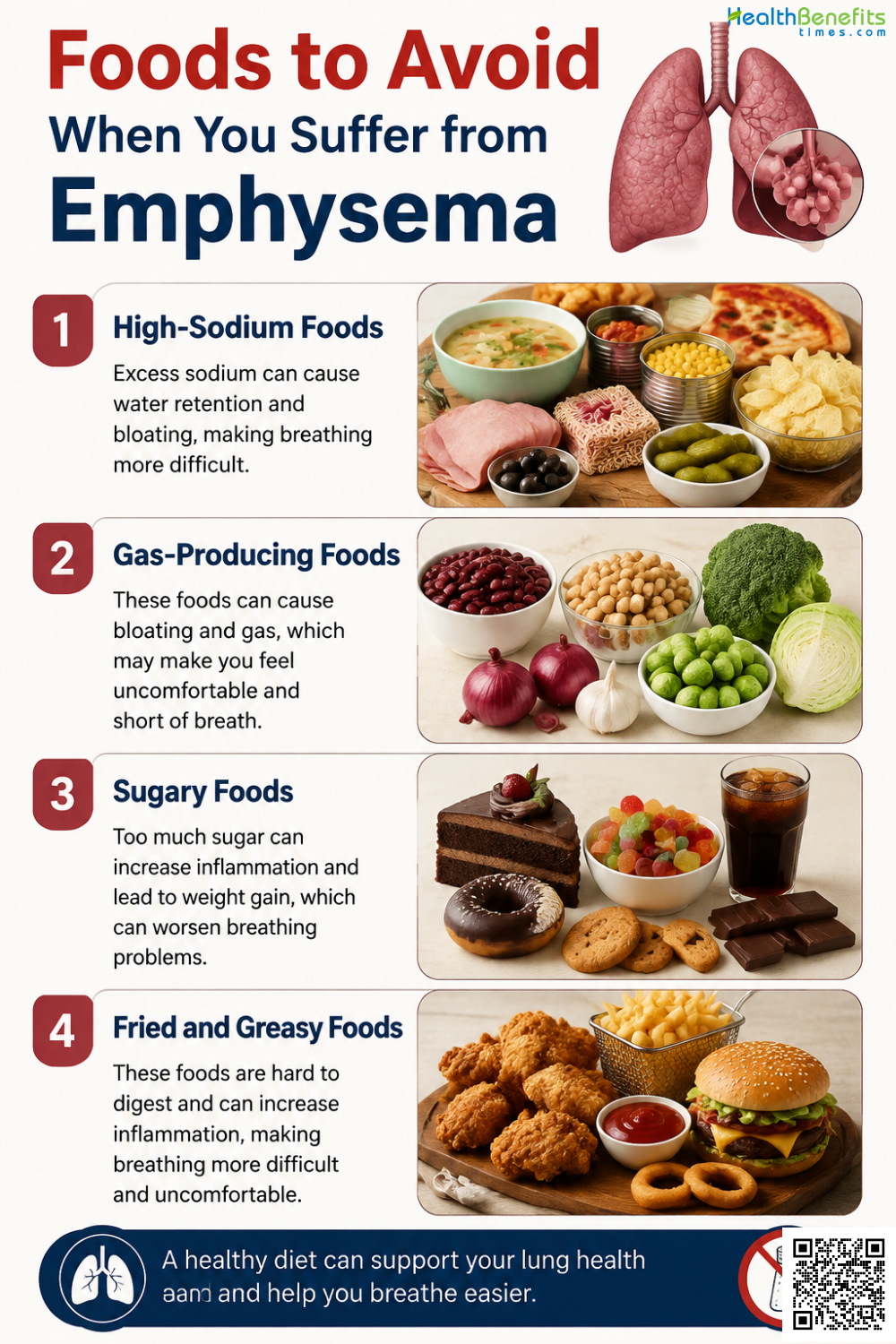
2. Gas-Producing Foods
Beans, cabbage, and carbonated drinks cause stomach bloating. This presses upward against the diaphragm, physically restricting lung expansion and increasing breathlessness 18.
3. Sugary Foods
Metabolizing simple carbohydrates produces excess carbon dioxide. Damaged lungs struggle to exhale this extra gas, which directly triggers rapid, exhausting breathing 18.
4. Fried and Greasy Foods
Heavy, fried foods digest slowly, causing significant abdominal bloating. This upward pressure limits diaphragm movement, reducing lung capacity and making breathing physically harder 18.
When to See a Doctor When You Struggle from Emphysema
1. Severe Shortness of Breath
Seek immediate medical care if you experience sudden, severe shortness of breath that does not improve after using your prescribed rescue inhalers 34.
2. Blue Lips or Fingertips
Go to an emergency room if your lips, fingertips, or nail beds turn blue or gray, which indicates dangerously low oxygen levels in your blood 8.
3. Mental Confusion
Get emergency help if you develop unexplained confusion, severe drowsiness, or slurred speech. These symptoms strongly suggest a toxic buildup of carbon dioxide in your bloodstream 8.
4. Changes in Mucus
Contact your doctor if you cough up more mucus than usual, or if it turns yellow, green, or bloody, which often signals a new respiratory infection 34.
5. Fever or Worsening Cough
Schedule a medical visit if you develop a fever or a worsening persistent cough. These symptoms indicate respiratory infections that can trigger severe emphysema flare-ups 34.
Comments
comments