

Causes of Endometriosis
1. Retrograde Menstruation
Menstrual fluid containing endometrial cells flows backward through the fallopian tubes into the pelvic cavity rather than exiting the body 4. These displaced cells implant on the surfaces of pelvic organs, where they multiply and bleed in response to cyclical hormonal changes 5.
2. Cellular Metaplasia
Normal cells lining the abdominal and pelvic cavities can spontaneously transform into endometrial-like tissue. Clinical models conclude that specific hormonal or inflammatory stimuli trigger this cellular alteration, which explains the occurrence of the disease in individuals who do not possess a uterus.
3. Embryonic Cell Activation
Remnants of embryonic tissue can be retained in the pelvic cavity during early fetal development. Hormonal surges during puberty stimulate these dormant cells to differentiate into active endometriotic lesions.
4. Lymphatic and Vascular Dissemination
Endometrial tissues can enter the lymphatic system or blood vessels and circulate throughout the body. This mechanism functions as a benign metastasis and explains instances of the disease appearing in distant organs, such as the lungs or brain 6.
5. Genetic Factors
Hereditary gene variations account for approximately 50% of an individual’s susceptibility to the disease 7. Additionally, acquired DNA mutations in genes such as KRAS and PIK3CA directly drive the cellular expansion and persistence of the abnormal tissue.
6. Hormonal Dysregulation (Estrogen Dominance)
The condition is fundamentally estrogen-dependent, requiring the hormone for tissue survival and growth. The misplaced lesions possess the enzymatic ability to synthesize their own estrogen locally, creating a continuous cycle of cellular proliferation and chronic inflammation 8.
Symptoms of Endometriosis
1. Severe Pelvic Pain
The primary indicator is intense, debilitating pelvic pain that typically begins before menstruation and extends several days into the cycle, frequently radiating to the lower back and legs. This pain is significantly more severe than typical menstrual cramping and worsens over time as the misplaced tissue continues to swell and bleed 9.
2. Pain During Intercourse
Deep pelvic pain during or after sexual activity is a common occurrence. The physical stretching of the vaginal walls agitates underlying inflamed tissues and scar structures where the abnormal lesions have developed.
3. Painful Urination and Bowel Movements
Individuals frequently experience sharp, localized pain when urinating or passing bowel movements. These symptoms peak during the menstrual cycle and clinically indicate that the lesions have attached to the bladder or intestinal walls.
4. Infertility
Approximately 40% to 50% of those with the condition face difficulties achieving pregnancy. The widespread chronic inflammation creates a hostile environment that damages eggs and sperm, while the accumulation of dense scar tissue can physically obstruct the fallopian tubes and prevent fertilization.
5. Heavy or Irregular Bleeding
The condition frequently triggers abnormally heavy menstrual periods or irregular bleeding between cycles. This excessive bleeding results from the underlying hormonal dysfunction and the highly inflammatory environment within the pelvic region.
6. Chronic Fatigue
Persistent, severe exhaustion is a systemic reaction reported by a majority of patients. This fatigue operates independently of sleep quality and is the body’s physiological response to managing continuous internal inflammation and chronic pain 10.
7. Gastrointestinal Disturbances
Nausea, diarrhea, constipation, and severe abdominal bloating are heavily prevalent, particularly alongside menstruation 11. Because these digestive symptoms closely mirror irritable bowel syndrome (IBS), it often complicates and delays the accurate diagnosis of the underlying disease.
Natural Remedies for Endometriosis
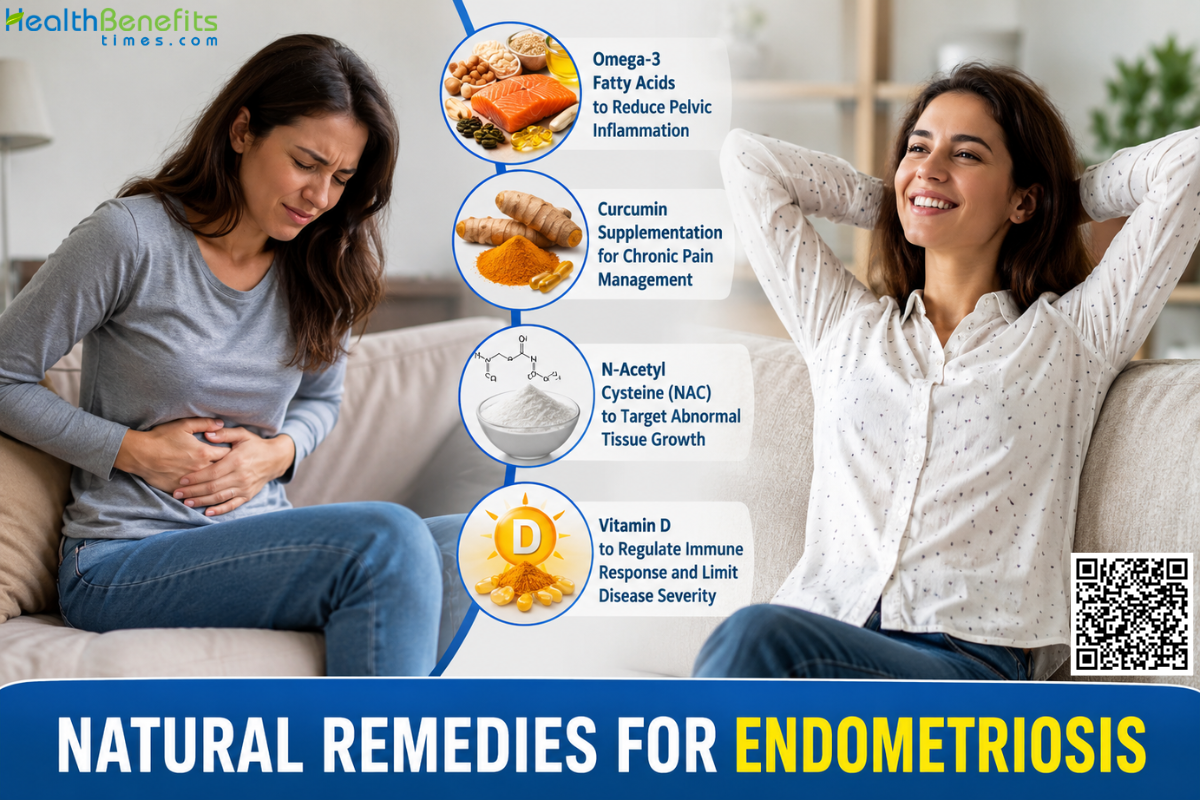
1. Omega-3 Fatty Acids to Reduce Pelvic Inflammation
How it may help
Omega-3 fatty acids block the body’s production of inflammatory chemicals called prostaglandins, which trigger severe pain and swelling. By lowering these chemicals, omega-3s help decrease the chronic pelvic inflammation caused by endometriosis, potentially slowing the growth of abnormal lesions over time 12.
What research says
Clinical studies confirm that individuals consuming high amounts of omega-3 fatty acids have a significantly lower risk of developing endometriosis 13. Furthermore, evidence demonstrates that the active components in omega-3s actively reduce the physical size of endometriosis lesions and decrease pelvic pain markers.
How to use it safely
You can safely increase omega-3 intake by eating fatty fish like salmon twice a week. If you choose supplements, medical guidelines generally recommend taking 1,000 to 2,000 milligrams of fish oil daily, ideally with a meal to improve absorption 14.
Potential precautions or side effects
High doses of omega-3s can thin the blood and increase bleeding risks. Stop taking supplements before any surgery and consult your doctor if you take blood-thinning medications.
2. Curcumin Supplementation for Chronic Pain Management
How it may help
Curcumin, the active compound in turmeric, limits the production of estrogen and stops the formation of new blood vessels that feed abnormal tissue. By disrupting these processes, it directly suppresses the growth of endometriosis lesions and dramatically reduces the chronic pelvic pain associated with the disease 15.
What research says
Scientific studies conclude that curcumin stops the spread of endometrial cells and prevents them from attaching to organs in the pelvic cavity. Research also shows it lowers inflammatory markers in the body as effectively as some prescription painkillers, making it a viable strategy for long-term symptom management 16.
How to use it safely
You should take curcumin supplements containing piperine (black pepper extract), which increases its absorption by the body significantly 17. Clinical protocols suggest a safe daily dosage of 500 to 2,000 milligrams, taken alongside a meal that includes fats to further aid digestion.
Potential precautions or side effects
High doses of curcumin can cause mild digestive issues like stomach upset or diarrhea. You should avoid it if you have gallstones, gallbladder disease, or take blood-thinning medications.
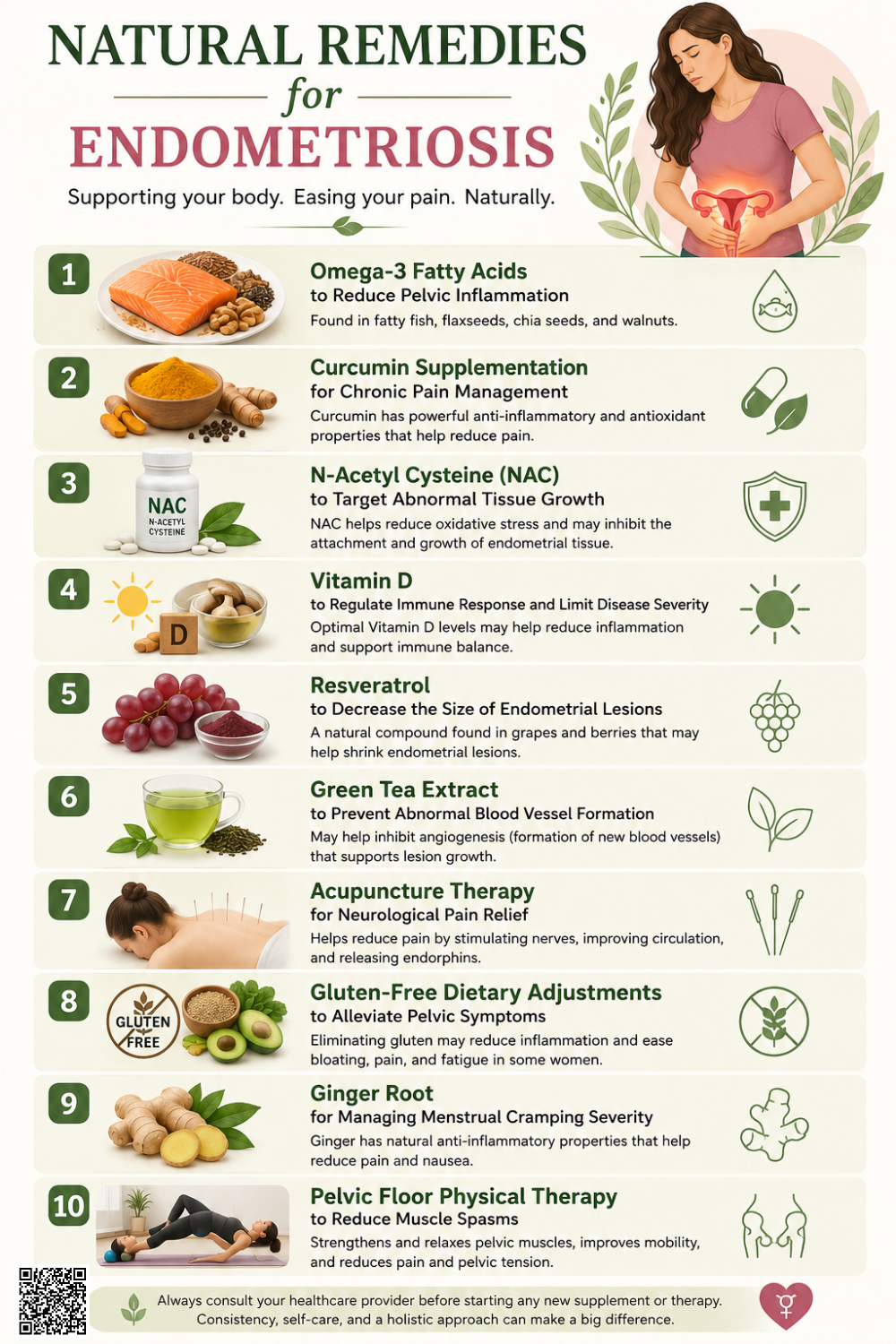
How it may help
N-Acetyl Cysteine (NAC) is a widely available antioxidant supplement. In endometriosis, it actively limits cellular oxidative stress and interrupts the abnormal division of misplaced cells, forcing them to stop multiplying and preventing them from invading surrounding healthy pelvic tissues 18.
What research says
Clinical evidence demonstrates that NAC supplementation effectively shrinks endometriomas, which are painful ovarian cysts. In observational studies, patients taking NAC for three months experienced significant reductions in cyst diameter compared to untreated groups, which ultimately allowed many patients to cancel their scheduled removal surgeries.
How to use it safely
When adopting this supplement, you should follow the specific dosing schedule established in successful clinical trials. Take 600 milligrams of oral NAC three times a day for three consecutive days each week, followed by four days off to prevent continuous internal accumulation.
Potential precautions or side effects
Oral NAC is highly safe, though it can occasionally trigger mild nausea or diarrhea 19. Because it slightly thins the blood, use caution if you have diagnosed bleeding disorders 20.
4. Vitamin D to Regulate Immune Response and Limit Disease Severity
How it may help
Vitamin D functions as a hormone that directly controls the immune system. It restricts the production of inflammatory chemicals in the pelvic region and actively suppresses the physical growth and spread of abnormal endometrial tissue, preventing it from invading healthy organs 21.
What research says
Clinical studies reveal that individuals diagnosed with endometriosis consistently demonstrate significantly lower blood levels of vitamin D compared to those without the condition. Furthermore, research concludes that higher vitamin D levels are directly linked to milder disease severity and a substantial reduction in chronic pelvic pain 22.
How to use it safely
You should request a blood test from your doctor to determine your current baseline before starting supplements 23. Medical guidelines generally recommend a daily dose of 1,000 to 4,000 International Units (IU) of vitamin D3, taken with a meal containing fats to ensure proper absorption.
Potential precautions or side effects
Consuming excessive amounts can cause a dangerous buildup of calcium in your blood, potentially leading to kidney stones, severe nausea, and irregular heart rhythms.
5. Resveratrol to Decrease the Size of Endometrial Lesions
How it may help
Resveratrol is a powerful plant compound that restricts the formation of new blood vessels. By blocking this crucial blood supply, it effectively starves the misplaced tissues, which prevents them from growing and actively shrinks the size of existing lesions in the pelvic cavity 24.
What research says
Scientific evaluations conclude that resveratrol significantly decreases the overall size and number of endometriotic implants. Researchers confirm it reduces powerful inflammatory markers within the body, making it highly effective at decreasing the severe, chronic pelvic pain caused by the condition 25.
How to use it safely
You can obtain resveratrol naturally through grapes and berries, or take concentrated supplements. While standard medical guidelines have not established an exact dose for endometriosis, successful clinical studies typically use 400 milligrams daily 26. Always discuss new supplements with your doctor first.
Potential precautions or side effects
Resveratrol supplements can thin your blood and interact dangerously with anticoagulant medications 27. You should stop taking it before surgeries and avoid it if you have bleeding disorders.
6. Green Tea Extract to Prevent Abnormal Blood Vessel Formation
How it may help
Green tea extract contains a powerful active compound called EGCG (epigallocatechin gallate). EGCG acts as an anti-angiogenic agent, meaning it directly stops the formation of new blood vessels. This starves the misplaced endometrial tissue of the blood supply it needs to survive, preventing the lesions from growing and spreading within the pelvic cavity 28.
What research says
Clinical models demonstrate that EGCG treatment significantly disrupts the development of endometriosis by both blocking blood vessel formation and triggering the natural death of abnormal cells. In specific studies, highly bioavailable forms of EGCG shrank endometriotic lesion sizes by up to 80% without negatively altering the body’s natural reproductive hormones 29.
How to use it safely
You can consume green tea safely as a daily beverage. If you choose concentrated extract supplements, toxicological safety reviews recommend a strict maximum limit of 338 milligrams of EGCG per day in capsule form to avoid internal complications. Always take these supplements with a full meal 30.
Potential precautions or side effects
Taking high doses of concentrated green tea extract on an empty stomach can cause severe liver damage and gastrointestinal distress. Consult your doctor to monitor your liver health 31.
7. Acupuncture Therapy for Neurological Pain Relief
How it may help
Acupuncture stimulates the central nervous system, triggering the brain to release endorphins, which act as the body’s natural painkillers. By increasing blood circulation to the pelvic region, this targeted therapy helps clear away inflammatory chemicals and limits the severe nerve pain caused by endometriosis 32.
What research says
Clinical reviews conclude that acupuncture significantly reduces pelvic pain and severe menstrual cramping in endometriosis patients. Researchers confirm that individuals receiving regular treatments experience a measurable decrease in overall pain severity, allowing them to rely significantly less on prescription pain medications compared to standard medical care alone 33.
How to use it safely
You should only seek treatment from a licensed, certified acupuncturist. Clinical protocols typically recommend starting with one to two sessions per week, beginning several weeks before your expected menstrual cycle, to properly build up the neurological pain-relieving effects over time 34.
Potential precautions or side effects
Acupuncture is generally very safe, though minor side effects include slight bruising, soreness, or bleeding at the insertion sites. You must always ensure practitioners use single-use, sterile needles.
8. Gluten-Free Dietary Adjustments to Alleviate Pelvic Symptoms
How it may help
Gluten can trigger systemic inflammation and worsen intestinal swelling, which exacerbates nearby pelvic nerves. Eliminating gluten from your diet directly lowers inflammation in the gut and pelvic cavity, helping to decrease the severe pain and heavy abdominal bloating that frequently accompany endometriosis 35.
What research says
Clinical studies show that removing gluten yields significant pain relief for endometriosis patients. In a prominent trial, 75% of patients who followed a strict gluten-free diet for 12 months reported a dramatic decrease in severe pelvic pain, while no patients reported a worsening of their symptoms.
How to use it safely
You should replace wheat, barley, and rye with naturally gluten-free whole foods like quinoa, brown rice, and vegetables 36. Commit to the diet strictly for at least three to six months to allow internal inflammation to subside and evaluate symptom changes.
Potential precautions or side effects
Strict gluten-free diets can lead to deficiencies in essential nutrients like fiber, iron, and B vitamins. You should consult a dietitian to ensure your meals remain nutritionally balanced.
9. Ginger Root for Managing Menstrual Cramping Severity
How it may help
Ginger root contains active compounds called gingerols that block the body from producing prostaglandins, the chemicals responsible for severe uterine muscle contractions. By halting these chemicals, ginger directly reduces the intense menstrual cramping and pelvic discomfort that often accompany endometriosis 37.
What research says
Clinical trials confirm that consuming ginger at the beginning of a menstrual cycle significantly reduces pain severity. Researchers conclude that ginger powder is as effective as common over-the-counter pain medications, such as ibuprofen, for managing intense menstrual cramping without the risk of severe gastrointestinal damage.
How to use it safely
You can take standardized ginger capsules for exact dosing. Clinical protocols recommend taking 750 to 2,000 milligrams of ginger powder daily, divided into smaller doses. Start taking it one to two days before your period begins and continue through the first three days.
Potential precautions or side effects
Ginger is generally safe but can cause mild heartburn, gas, or stomach upset. Because it acts as a mild blood thinner, consult your doctor if you take anticoagulant medications 38.
10. Pelvic Floor Physical Therapy to Reduce Muscle Spasms
How it may help
Chronic pelvic pain from endometriosis often causes the pelvic floor muscles to tighten and spasm severely. Pelvic floor physical therapy uses targeted manual techniques to release this chronic muscle tension, directly reducing the sharp, secondary pain caused by these constant spasms 39.
What research says
Clinical research confirms that targeted physical therapy significantly decreases deep pelvic pain and discomfort during intercourse for endometriosis patients. Studies conclude that relaxing these muscles provides substantial relief from chronic spasms and measurably improves patients’ overall daily physical functioning and quality of life.
How to use it safely
You should seek treatment specifically from a licensed physical therapist trained in pelvic floor rehabilitation. A typical treatment plan involves weekly clinical sessions combined with a daily routine of gentle, at-home stretching and breathing exercises tailored to your needs 40.
Potential precautions or side effects
Therapy may cause mild, temporary soreness initially. You must communicate openly with your therapist, as the manual techniques used should never cause sharp or worsening pelvic pain.
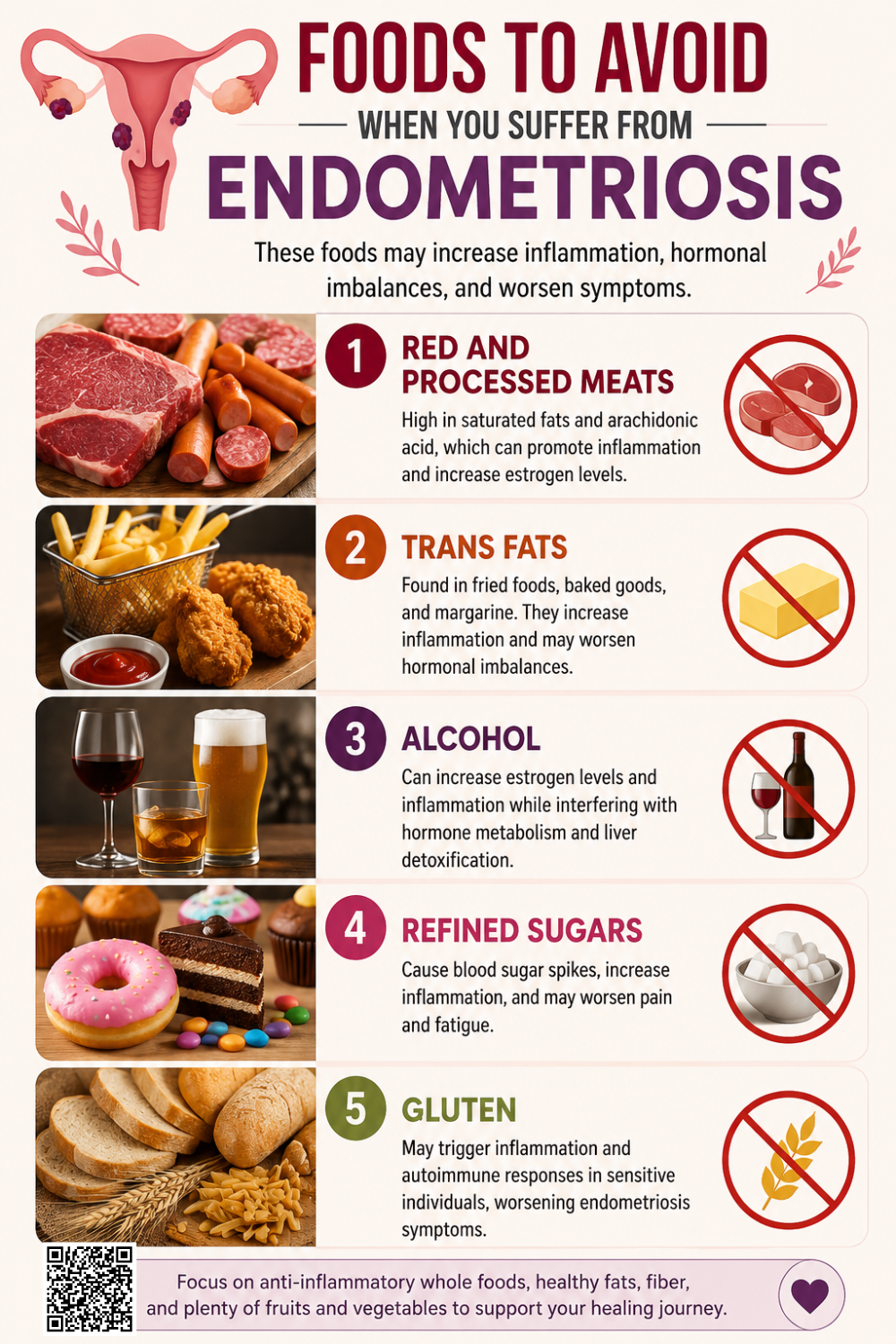
1. Red and Processed Meats
High intake increases estrogen production and systemic inflammation, which directly stimulates the growth and severity of abnormal endometrial lesions.
2. Trans Fats
Artificial trans fats drive severe internal inflammation. Clinical evidence shows individuals consuming high amounts of trans fats double their risk of developing endometriosis.
3. Alcohol
Alcohol consumption elevates estrogen levels by impairing liver clearance, which directly fuels the continuous expansion of endometriotic tissues and exacerbates chronic pelvic pain.
4. Refined Sugars
High sugar intake triggers rapid insulin spikes, increasing the body’s inflammatory markers and significantly worsening severe pelvic cramping and pain during menstruation.
5. Gluten
Gluten triggers painful intestinal swelling in sensitive individuals, heavily irritating nearby pelvic nerves and significantly worsening endometriosis-related abdominal bloating and chronic discomfort.
When To See a Doctor When You Suffer from Endometriosis
1. Severe Pelvic Pain
If your menstrual cramps prevent you from completing daily activities and over-the-counter medications fail, seek medical evaluation, as this strongly indicates abnormal tissue growth.
2. Infertility Challenges
Consult a reproductive specialist if you cannot achieve pregnancy after twelve months, because widespread pelvic inflammation and accumulated scar tissue physically obstruct fertilization 41.
3. Pain During Intercourse
See a doctor if you experience deep pain during sexual intercourse. This symptom clinically signals that endometriotic lesions have attached to internal pelvic structures.
4. Painful Bathroom Habits
Contact a physician if you experience sharp pain during urination or bowel movements, which suggests the abnormal tissue has invaded your bladder or intestinal walls.
5. Heavy or Irregular Bleeding
Schedule a medical appointment if your periods become abnormally heavy or if you bleed between cycles, as this reflects severe internal hormonal and inflammatory dysfunction.
Comments
comments