

Causes of Epiphora (Watery Eyes)
Investigating the underlying reasons for tear overflow reveals a diverse spectrum of structural, environmental, and physiological factors. The condition generally stems from either a physical obstruction in the drainage system or a defensive overproduction of tears triggered by external irritation.
1. Nasolacrimal Duct Obstruction (NLDO)
A physical blockage within the tear duct pathway remains one of the most frequent structural culprits, preventing tears from reaching the nasal cavity. Clinical studies often find this obstruction to be the leading cause of watering eyes, responsible for roughly thirty percent of cases in adult populations 5. This stricture can be congenital in newborns or acquired later in life through age-related tissue narrowing, localized infections, or facial trauma.
2. Functional Epiphora (Lacrimal Pump Failure)
Sometimes, the drainage anatomy is entirely open and completely unobstructed, yet tears still fail to clear from the eye. This specific scenario occurs due to a failure in the “lacrimal pump” the muscular mechanism in the eyelid that physically pushes tears into the drainage ducts every single time a person blinks 6. When the eyelid muscles weaken, the pump fails, leaving tears to pool and spill.
3. Reflex Tearing from Dry Eye Disease
The ocular surface is highly innervated and exceptionally sensitive to moisture loss. When the eye becomes irritated by an underlying lack of stabilizing oils, the brain commands the main lacrimal gland to flush the eye with a massive volume of aqueous fluid, far exceeding what the normal ducts can handle at one time 7.
4. Eyelid Malposition
Eyelids must rest perfectly flush against the curvature of the eyeball to collect tears effectively. Conditions such as ectropion an outward turning or sagging of the lower eyelid pull the drainage puncta entirely away from the tear pool, making drainage physically impossible 8. Conversely, entropion involves an inward turning that causes eyelashes to scratch the cornea, stimulating intense, painful reflex tearing.
5. Environmental Air Pollution
Living in densely populated urban environments exposes the sensitive mucous membranes to harsh airborne irritants. Exposure to high levels of particulate matter (PM2.5), ozone, and vehicle exhaust acts as a severe chemical irritant, triggering a sudden, overwhelming flush of defensive tears and significantly increasing the prevalence of ocular surface disorders 9.
6. Chronic Rhinosinusitis
Because the tear drainage system terminates directly inside the nasal cavity, severe sinus issues can back up the entire pathway. Inflammation in the nasal mucosa may lead to epiphora by causing intense localized edema directly around the orifice of the nasolacrimal duct, pinching it shut from the bottom up 10.
Symptoms of Epiphora (Watery Eyes)
Observing the specific signs accompanying watery eyes can assist individuals in pinpointing whether the root cause is structural, allergic, or infectious. While the primary hallmark is obvious tear overflow, several secondary symptoms frequently arise alongside it to form a broader clinical picture.
- Constant or intermittent spilling of clear tears onto the cheeks, often requiring frequent wiping.
- A persistent sensation of wetness or an abnormally high pooling of fluid resting in the lower eyelid margins.
- Intermittent blurred vision that typically clears immediately after a hard blink redistributes the excess tear film.
- Redness and visible swelling in the white part of the eye (sclera) or inflammation localized near the inner canthus.
- Soreness, itching, or a gritty, foreign-body sensation on the ocular surface, strongly indicating an underlying dry eye trigger.
- Crusting around the eyelashes upon waking, especially if a bacterial or viral infection is concurrently present.
- Tenderness, warmth, or a palpable, swollen lump near the side of the nose, which may indicate acute lacrimal sac inflammation or a trapped mucocele.
- Increased sensitivity to light (photophobia) and general ocular strain, particularly after prolonged periods of visual concentration.
Epiphora (Watery Eyes) Facts Table
Compiling the core epidemiological, diagnostic, and clinical aspects of this condition provides a clear, structural overview of its impact on different populations.
| Parameter | Clinical Details |
| Symptoms |
|
| Causes |
|
| Types of Epiphora |
|
| How it Spreads |
|
| Age Group |
|
| Risk Factors |
|
| How Doctors Diagnose |
|
| Other Facts |
|
Natural Remedies for Epiphora (Watery Eyes)
Finding lasting relief from excessive tearing often begins with addressing the foundational health of the ocular surface. When your eyes water due to environmental irritation, underlying dryness, or minor meibomian gland blockages, several gentle, non-invasive home interventions can successfully restore the natural, delicate balance of your tear film.
1. Warm Compress Therapy
Applying carefully controlled heat to the closed eyelids serves as a foundational, highly effective therapy for stabilizing the complex tear film. Human eyelids contain dozens of tiny vertical structures called meibomian glands, which secrete a crucial biological oil known as meibum; this lipid layer heavily coats your aqueous tears and physically prevents them from evaporating into the open air. When these glands become clogged with hardened, stagnant oil, your tears evaporate far too quickly, directly prompting the brain to trigger a frustrating flood of watery reflex tears. Clinical data reveals that consistently heating the eyelids to an optimal, sustained temperature of 40°C actively melts this solidified lipid, allowing the natural oils to flow freely and immediately stabilize the ocular surface 11. The use of moist heat is noted to be particularly beneficial in this process, as it offers superior heat retention and deeper tissue penetration compared to dry heat sources. Heating the meibum slightly above its natural phase transition temperature increases the disorder of the lipid molecules, successfully transforming them from a thick paste back into a healthy, clear liquid that can protect the eye 12.
Note: To safely use this remedy, heat a clean, damp washcloth or a specially designed microwavable bead mask to a comfortably warm temperature, and gently place it over your closed eyes for at least 10 minutes daily. Ensure it is not too hot before applying to avoid burning the incredibly delicate eyelid skin.
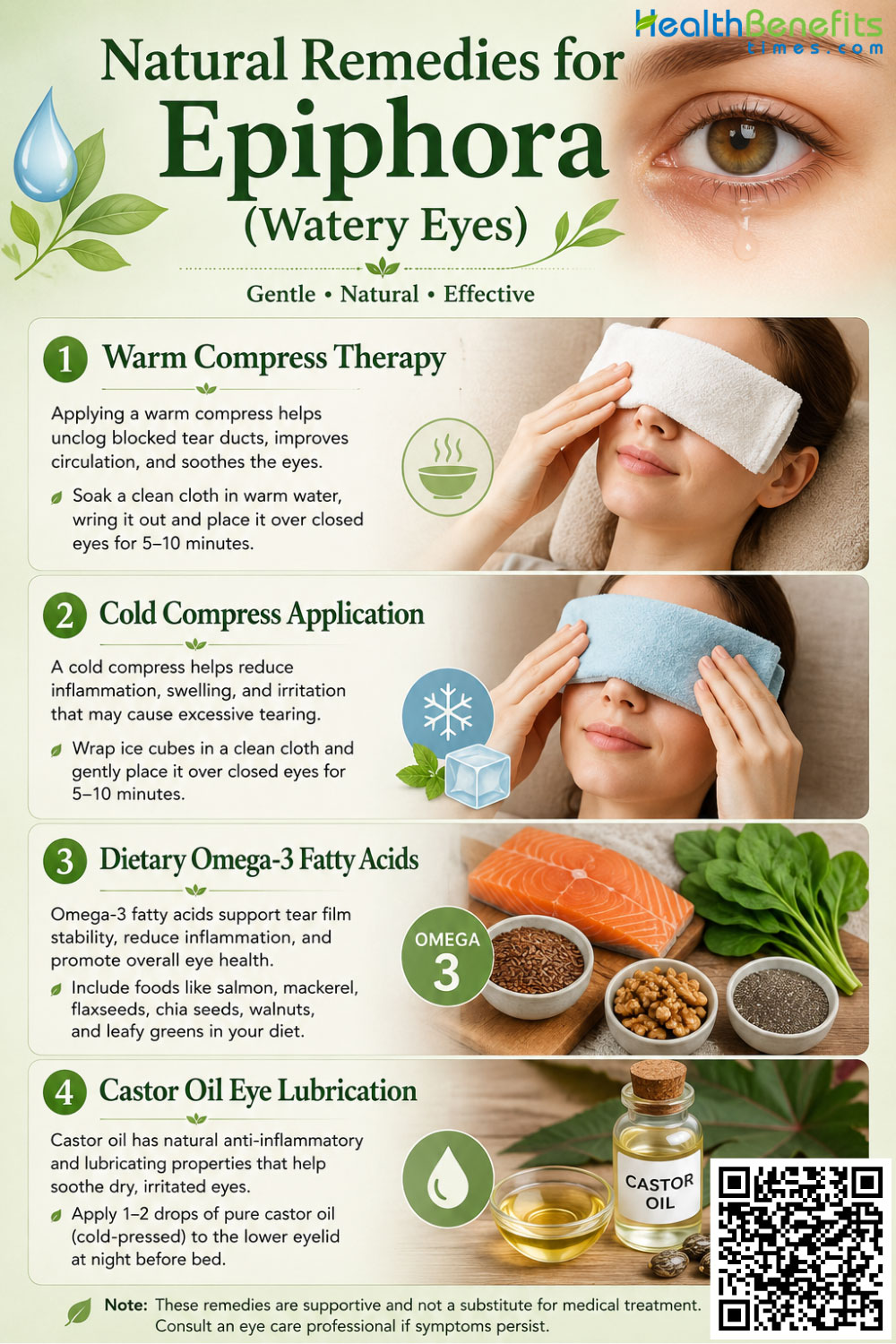
2. Cold Compress Application
Reversing the standard approach to temperature therapy is highly effective when watery eyes are driven by seasonal allergies, pet dander, or sudden environmental irritants. Unlike warm compresses which are designed to melt stagnant oils, cold compresses work by rapidly constricting the local superficial blood vessels housed within the conjunctiva. This targeted vasoconstriction dramatically slows the release of histamine and other potent inflammatory mediators that directly cause redness, swelling, and the hyper-secretion of tears. Controlled clinical studies indicate that applying cold therapy can significantly reduce the hallmark symptoms of allergic conjunctivitis, rapidly cooling the ocular surface and providing immediate, soothing relief from severe itching and defensive reflex tearing 13. Furthermore, cold compresses naturally dilute the concentration of allergens resting on the eye, physically numbing the sensitive nerve endings that trigger the urge to rub the eyes.
Note: To apply this cooling method, wrap an ice pack, a chilled gel mask, or a bag of frozen peas tightly in a clean, soft cloth, and hold it gently against your closed eyelids for 5 to 10 minutes. Never apply raw ice directly to the skin to prevent accidental frostbite.
3. Dietary Omega-3 Fatty Acids
Nourishing the eye from within involves fundamentally altering your body’s systemic lipid profile through targeted nutrition. Omega-3 fatty acids, which are predominantly found in fatty fish, walnuts, and flaxseeds, possess well-documented, potent anti-inflammatory properties that directly benefit the microscopic environment of the ocular surface. When digested and metabolized, these vital nutrients are physically incorporated into the cellular membranes of the lacrimal and meibomian glands, naturally reducing local tissue inflammation and drastically improving the quality of the oils secreted into the tear film. Broad clinical evidence suggests that maintaining a high daily intake of omega-3s effectively reduces the subjective symptoms of dry eye disease, which in turn successfully halts the secondary, annoying symptom of reflex epiphora 14. Specifically, regular long-chain omega-3 supplementation has been linked to a probable improvement in dry eye symptoms and a potential improvement in overall tear osmolarity 15.
Note: You can proactively incorporate this remedy by consuming oily fish like wild-caught salmon or mackerel at least twice a week, adding chia or flax seeds to your morning meals, or taking a high-quality, third-party tested daily Omega-3 supplement as directed by a healthcare professional.
4. Castor Oil Eye Lubrication
Utilizing natural, plant-based oils can physically mimic the eye’s missing lipid layer when the body’s own glands underperform. Castor oil has been utilized in traditional holistic medicine for centuries, and modern ophthalmic formulations have definitively proven its clinical efficacy in managing evaporative ocular surface disease. The naturally thick, viscous nature of castor oil allows it to spread smoothly and evenly across the tear film, acting as a robust, long-lasting barrier against moisture loss while simultaneously soothing microscopic areas of inflammation on the corneal surface. Rigorous clinical trials using low-concentration, homogenized castor oil eye drops demonstrate a marked improvement in overall tear stability, a greater ease of natural meibum expression, and a subsequent, highly noticeable reduction in reactive watery eyes 16. Furthermore, the unique biochemical profile of castor oil exhibits mild antimicrobial properties, which can gently suppress the over-colonization of lid bacteria that often exacerbate chronic eye irritation.
Note: You should only ever use commercially prepared, sterile, preservative-free eye drops that contain castor oil specifically formulated for safe ophthalmic use. Place one single drop in the affected eye as needed, usually right before bedtime due to the temporary blurring effect the thick oil causes.
Is there any exercise or physical activities for Epiphora (Watery Eyes)
Engaging the precise muscles surrounding the human eye plays an absolutely vital role in maintaining proper tear dynamics. Physical manipulation and targeted muscle exercises can manually clear minor blockages and actively strengthen the biological pumps responsible for healthy tear drainage.
1. Blinking Exercises
Consciously altering your daily blinking habits can drastically and immediately improve the spread of tears across your eyes. In the modern digital age, prolonged screen use subconsciously and severely reduces our natural blink rate, frequently leading to incomplete blinks where the upper and lower eyelids simply do not fully touch. This modern phenomenon starves the lower portion of the eye of essential lipid distribution. Structured, repetitive blinking exercises modify these poor neural blinking patterns, physically forcing the meibomian glands to express fresh oil and consciously engaging the orbicularis muscle to pump fluid toward the tear ducts. Patients participating in routine blinking exercises consistently show prolonged tear film stability, enlarged palpebral fissure height, and significant, measurable reductions in subjective eye discomfort and strain 17.
Note: To perform this exercise, close your eyes normally for two seconds, open them, close them again normally for two seconds, and then squeeze your eyelids tightly shut for two seconds. Repeat this exact cycle multiple times a day, especially during intense periods of computer or screen use.
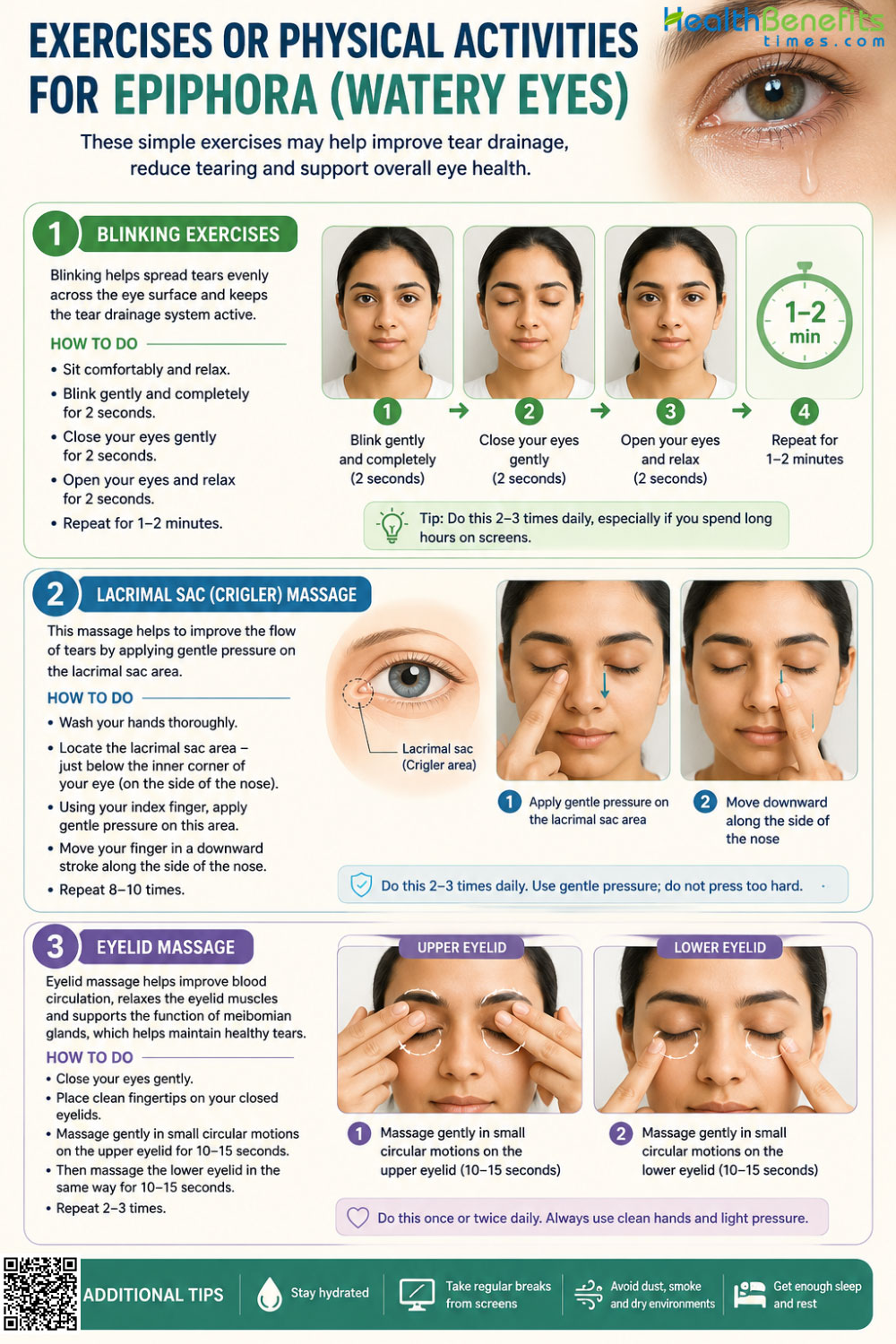
2. Lacrimal Sac (Crigler) Massage
Applying precise, localized hydrostatic pressure can physically force an obstruction out of the lower tear duct. Originally developed as a highly effective conservative treatment for blocked tear ducts, the Crigler massage technique is exceptionally successful, particularly for infants born with a stubborn membranous blockage situated at the bottom of the nasolacrimal duct (the valve of Hasner). By pressing firmly on the lacrimal sac, you create a sharp, downward pressure wave of trapped fluid that can safely pop open the blocked valve without surgery. When performed correctly and consistently, this manual massage serves as the primary, first-line management strategy, yielding high success rates and frequently resolving congenital epiphora without the eventual need for surgical probing under general anesthesia 18.
Note: To correctly do this massage, wash your hands thoroughly, place a clean index fingertip at the inner corner of the eye directly over the tear sac, and apply firm, downward pressure toward the side of the nose. This is typically done two to three times a day as instructed by a pediatrician.
3. Eyelid Massage
Mechanical stimulation of the eyelid margins directly assists the struggling oil-producing glands. After applying a warm compress to adequately melt the hardened, waxy oils, manually massaging the eyelids helps to forcefully push the now-liquefied meibum out of the tiny gland orifices and onto the eye’s wet surface. This direct mechanical release is vital for overcoming obstructive meibomian gland dysfunction, which is the leading global cause of evaporative dry eye and the annoying reflex tearing that inevitably follows 7. The physical pressure also assists in clearing out built-up cellular debris and bacterial biofilms that can slowly occlude the ducts over time.
Note: To execute a proper eyelid massage, look upward and use your clean finger or a cotton swab to gently roll or push upward on the lower eyelid right below the lashes. Then, look downward and gently roll your finger downward on the upper eyelid. Perform this routine immediately after a warm compress while the oils are still warm and fluid.
Foods and Activities to Avoid
Successfully managing chronic epiphora requires proactively removing the external triggers that silently aggravate the ocular surface. Certain seemingly harmless dietary habits and daily activities can provoke hidden inflammation and disrupt total tear film stability.
Foods to Avoid
1. Excessive Omega-6 Fatty Acids
Diets heavily skewed toward omega-6 fatty acids abundantly found in highly processed vegetable oils, commercial fast food, and conventional packaged snack items without a proportional balance of omega-3s can rapidly promote systemic inflammation. This skewed nutritional imbalance negatively impacts the delicate inflammatory threshold of the meibomian glands, making them more prone to blockage and dysfunction 19.
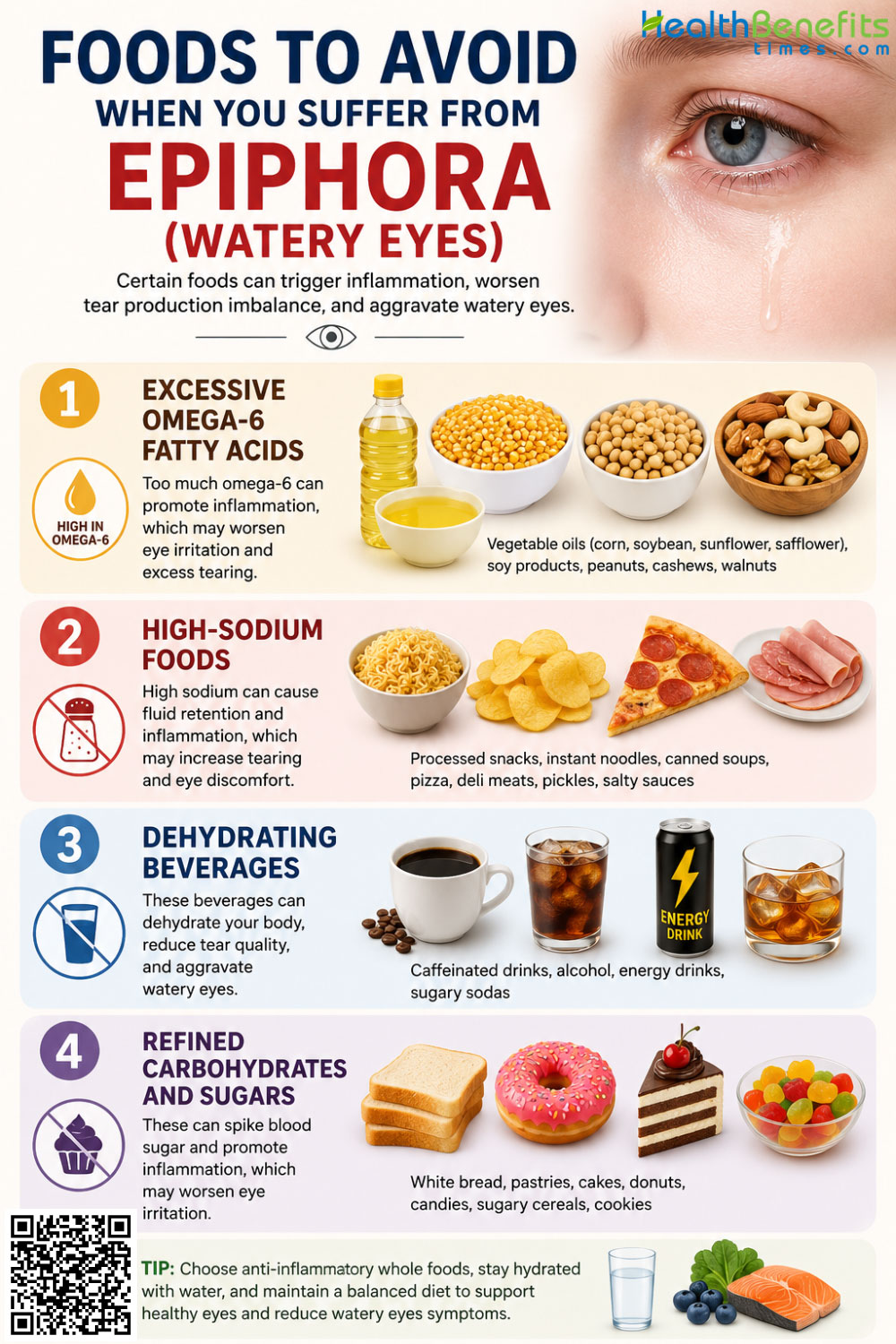
2. High-Sodium Foods
Consuming large, unchecked quantities of salty, heavily preserved foods can severely alter overall bodily hydration levels. This dietary habit disrupts the delicate osmotic balance of your natural tears, leading to cellular irritation on the eye surface that triggers further watering.
3. Dehydrating Beverages
Excessive daily intake of alcohol and heavily caffeinated drinks acts as a diuretic, reducing total systemic hydration. When the human body is clinically dehydrated, basal tear production drops significantly, which can trigger an aggressive overcompensation of watery reflex tears from the lacrimal gland.
4. Refined Carbohydrates and Sugars
Diets exceptionally high in added sugars and simple carbohydrates contribute to chronic, low-grade systemic inflammation. This subtle but constant inflammation can exacerbate existing skin and eyelid conditions like blepharitis or ocular rosacea, which are intricately linked to tear film instability and subsequent epiphora.
Activities to Avoid
1. Prolonged, Uninterrupted Screen Time
Staring intensely at smartphones, tablets, or computer monitors significantly decreases your natural, involuntary blink rate. This prolonged visual exposure directly correlates with increased dry eye severity, altered blinking dynamics, and the exact reflex tearing that patients seek to cure 20.
2. Exposure to Airborne Pollutants
Walking or aggressively exercising outdoors in areas with high levels of particulate matter (PM2.5), heavy vehicle exhaust, or ground-level ozone directly irritates the microscopic corneal nerves. Environmental air pollution acts as a severe chemical and physical irritant, predictably triggering a sudden, overwhelming flush of defensive tears to clear the toxic exposure 21.
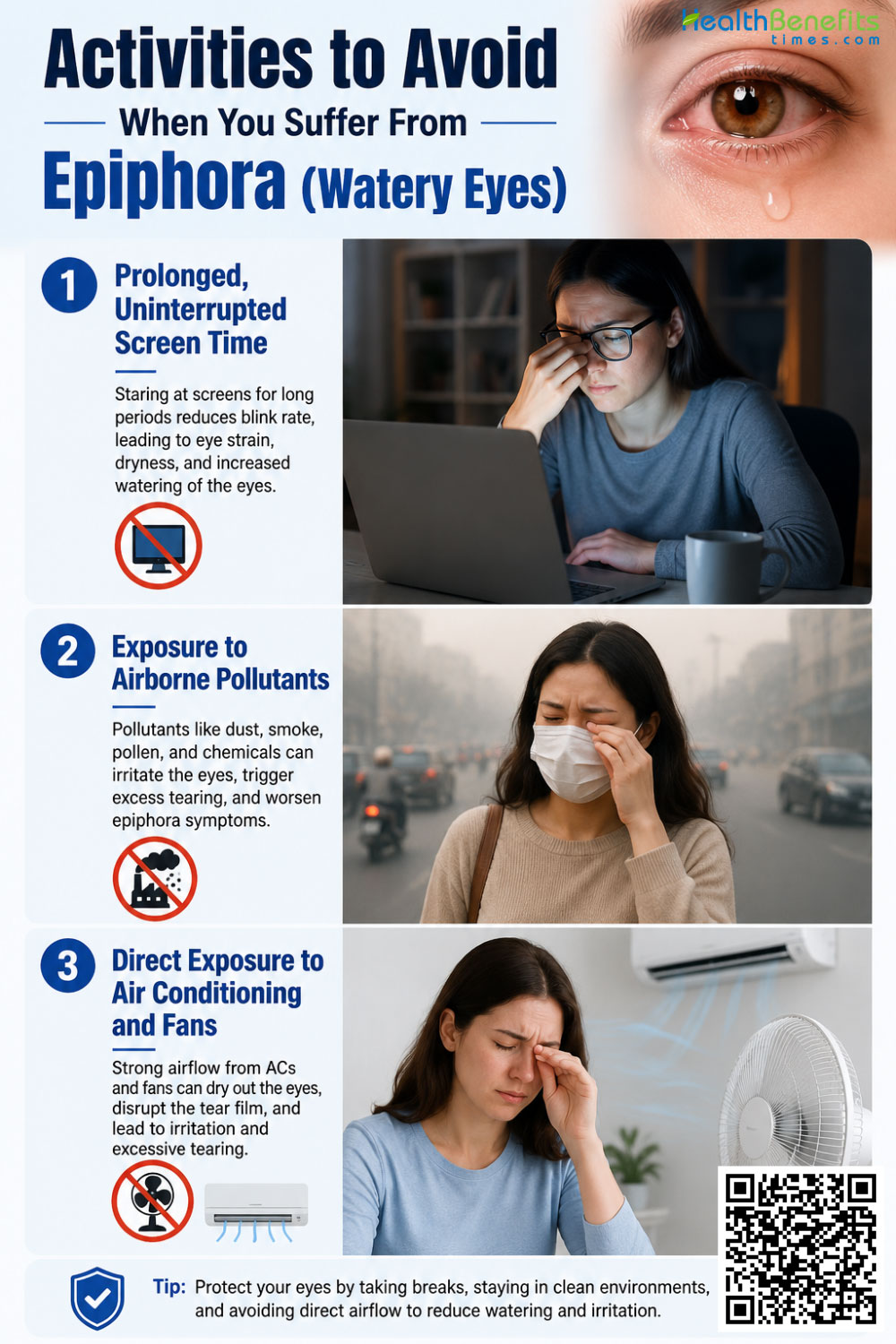
3. Direct Exposure to Air Conditioning and Fans
Sitting directly in the path of forced, climate-controlled air accelerates the immediate evaporation of the protective tear film. This harsh, mechanical drying process instantly signals the brain to release watery tears to compensate for the sudden environmental moisture loss.
4. Passive and Active Smoking
Cigarette smoke is highly toxic to the delicate conjunctival cells. Even brief exposure to passive, secondhand smoke rapidly degrades the fragile tear lipid layer and induces severe ocular discomfort, burning sensations, and intense, uncontrollable watering 22.
Myths and Misconceptions
Navigating natural health advice requires carefully separating scientifically sound remedies from dangerous, outdated folklore. Many incredibly popular home remedies for eye conditions entirely lack clinical backing and can actually inflict severe, lasting damage.
| Myth | Reality |
| Placing steeped chamomile tea bags on the eyes is a safe, completely natural cure for watering and irritation. | Despite its widespread cultural popularity, using chamomile tea poultices directly on the eyes poses significant, documented health risks. Medical literature clearly indicates that chamomile can trigger severe allergic reactions in the conjunctiva and carries a high risk of microbiological contamination, often dramatically worsening the initial inflammation 23. |
| Squirting fresh breast milk into a baby’s watery, infected eye is a sterile and highly effective replacement for antibiotics. | While human breast milk indeed contains beneficial maternal antibodies, it is absolutely not a sterile fluid and is not a safe substitute for targeted medical treatment. Introducing breast milk into an already infected or watery eye can introduce unwanted skin bacteria into the area, potentially causing a much more severe secondary bacterial infection 24. |
| Watery eyes always mean you have an overactive tear duct that definitely needs aggressive surgical correction. | An overwhelming majority of adult watery eye cases are actually caused by the frustrating paradox of dry eye disease. The excess tears are merely a nervous reflex response to chronic surface dryness, meaning dedicated lubrication and daily lid hygiene, rather than invasive surgery, are the actual, appropriate cures. |
| Drinking massive, forced amounts of water will instantly cure dry, watery eyes by hydrating them from the inside out. | While maintaining basic systemic hydration is necessary for general health, over-drinking plain water does not selectively increase basal tear production or magically fix physically blocked tear ducts. It simply cannot repair a damaged or blocked lipid layer that is causing the initial reflex tearing. |
Special Considerations
Tailoring the therapeutic approach to epiphora management requires fully recognizing that different demographic populations experience this annoying symptom for entirely different anatomical or physiological reasons.
1. Children
Watering eyes presenting in infants are overwhelmingly structural in their biological nature. A specific anatomical condition known as congenital nasolacrimal duct obstruction (CNLDO) is unequivocally the most common cause of epiphora and mucous discharge observed in newborns 25. This blockage occurs when a thin, developmental membrane fails to spontaneously open at the extreme end of the tear duct just before birth. Fortunately, the vast majority of these mild cases resolve completely on their own within the first year of life. Conservative, at-home management, specifically utilizing the Crigler lacrimal sac massage, is the globally recommended first-line approach to help rupture this membrane safely and effectively without surgical intervention.
2. Pregnancy
Expecting mothers naturally undergo massive, systemic hormonal fluctuations that can significantly alter the biological composition of mucous membranes throughout the entire body. Drastically elevated levels of estrogen and progesterone can change the physical consistency of the meibomian gland oil, frequently leading to transient evaporative dry eye and the resultant, frustrating reflex epiphora. Because these particular symptoms generally subside naturally in the postpartum period, gentle, non-pharmacological remedies like warm compresses and safe, preservative-free lubrication are overwhelmingly the preferred management strategies during gestation.
3. Chronic Conditions
Patients currently suffering from underlying systemic or respiratory diseases face uniquely frustrating challenges regarding tear drainage. Chronic rhinosinusitis, for example, creates persistent, low-grade inflammatory edema deep within the nasal cavities. Because the tear ducts physically empty directly into the nose, this severe nasal swelling can easily compress the delicate orifice of the nasolacrimal duct, causing a stubborn backup of tears into the eyes 26. In these complex instances, treating the underlying nasal inflammation or managing systemic autoimmune conditions (like Sjögren’s syndrome) is absolutely mandatory to successfully resolve the epiphora.
4. Elderly
The natural process of aging introduces a highly common anatomical phenomenon known as functional epiphora. Even if an older adult’s tear drainage ducts are perfectly clear and open when flushed with saline by a doctor, they may still experience constant, daily watering strictly due to involutional tissue changes. As facial skin and underlying muscle lose natural collagen and elasticity over time, the lower eyelids become physically lax and sag away from the globe, a condition called ectropion. Consequently, the orbicularis oculi muscle severely weakens, resulting in a complete mechanical failure of the lacrimal pump mechanism 27. Without the firm, sweeping pressure of a tight eyelid during a blink, tears simply pool in the lower lid and continuously spill onto the face.
Precaution Before Use of Natural Remedies
Taking matters of ocular health into your own hands requires strict, unwavering adherence to basic hygiene to prevent accidentally worsening your condition. Always prioritize safety and cleanliness when applying any substance or object near your visual organs.
- Wash Your Hands Meticulously: Before ever touching your eyelids to perform massages, or applying therapeutic compresses, ensure your hands are deeply scrubbed with soap and warm water to strictly prevent introducing bacterial pathogens directly to the vulnerable conjunctiva.
- Test Temperatures First: When utilizing warm compresses or heated masks, always test the heat level against the sensitive skin of your inner wrist first. The eyelids are incredibly thin, and excessively hot compresses can easily cause painful thermal burns or dangerously exacerbate existing cellular inflammation 28.
- Use Only Sterile Liquids: Never use standard tap water, homemade unboiled saline, or unsterilized herbal infusions directly inside the eye socket. The risk of contracting a severe, vision-threatening amoebic (like Acanthamoeba) or bacterial infection is exceptionally high when bypassing sterile procedures.
- Verify Product Ingredients: If purchasing over-the-counter castor oil or other natural ocular lubricants, ensure the bottle explicitly states it is formulated, buffered, and sterilized for ophthalmic use. Standard cosmetic or carrier oils found in health stores may contain harsh impurities, synthetic fragrances, or preservatives that are highly toxic to the corneal surface.
- Observe Expiration Dates: Promptly discard any natural eye drops, ointments, or homeopathic liquid solutions once they have passed their printed expiration date, or immediately if the liquid suddenly changes color or becomes suspiciously cloudy.
- Remove Contact Lenses: Always take out your contact lenses before performing manual eyelid massages, applying wet warm compresses, or administering thick oil-based eye drops to prevent trapping debris or permanently damaging the delicate lens matrix.
When to See a Doctor
Recognizing the absolute limits of natural, at-home remedies is a crucial step for preserving your long-term eyesight. While epiphora is very often benign and manageable, certain clinical red-flag symptoms require immediate, thorough evaluation by a licensed ophthalmologist or optometrist.
- You experience a sudden, sharp, or deeply throbbing pain within the eye itself or radiating around the surrounding orbital bone.
- Your watery eyes are continuously accompanied by a thick, sticky, green or deep yellow discharge, which strongly suggests a severe, active bacterial infection requiring prescription antibiotics.
- You notice a sudden, terrifying decline in your visual acuity, partial blind spots, or a sudden, profound sensitivity to normal indoor light (photophobia).
- A hard, incredibly painful, or red, swollen lump rapidly develops near the inner corner of your eye, indicating a potentially dangerous, acute infection of the tear sac itself known as dacryocystitis.
- Your eye genuinely feels as though a sharp foreign object, like a piece of glass, metal, or sand, is trapped firmly under the upper lid, and aggressive flushing with saline does not provide any relief.
- The white part of your eye (the sclera) becomes deeply and uniformly bloodshot, or the normally clear cornea suddenly appears cloudy, hazy, or opaque.
- Your frustrating watering symptoms persist unchanged or progressively worsen over a period of several weeks despite your diligent, daily use of conservative home therapies and proper lid hygiene.
Comments
comments