

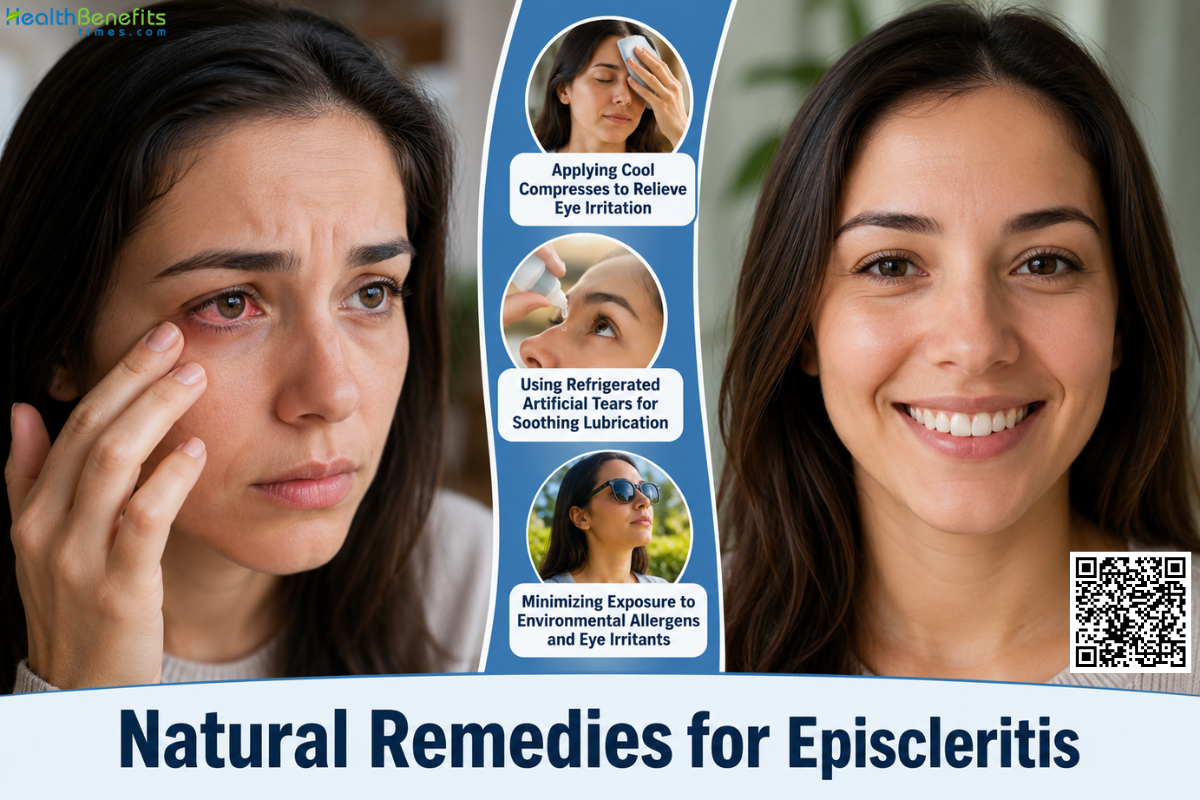
Causes of Episcleritis
1. Unknown Causes (Idiopathic)
For the majority of individuals, the exact reason for the inflammation remains undiscovered, representing what doctors refer to as an idiopathic condition.
2. Autoimmune and Inflammatory Disorders
The condition is frequently connected to underlying diseases where the immune system mistakenly attacks the body’s own tissues. Common examples include joint disorders such as rheumatoid arthritis and psoriatic arthritis, as well as inflammatory bowel diseases like Crohn’s disease and ulcerative colitis. It is also associated with systemic lupus erythematosus (lupus) and various conditions that cause blood vessel inflammation.
3. Infections
Specific bacterial and viral infections can trigger this eye inflammation. Documented infectious causes include the herpes virus, Lyme disease (a tick-borne illness), tuberculosis, syphilis, and cat-scratch disease.
4. Allergic Reactions
In some instances, the sudden eye redness and irritation develop as a direct result of environmental allergies 2.
Symptoms of Episcleritis
1. Sudden Eye Redness
The most noticeable sign is a rapid onset of redness in the white part of the eye, which may appear as a concentrated wedge shape in one section or spread across the entire visible surface.
2. Mild Irritation and Grittiness
Individuals typically experience a burning feeling, mild soreness, or a sensation that a foreign object is trapped in the eye, though severe or deep pain is distinctly absent.
3. Excessive Tearing
The affected eye often produces an unusually high amount of watery tears, but it does not secrete thick mucus or pus-like discharge.
4. Normal Vision
Unlike more severe internal eye infections or inflammations, this surface-level condition does not blur eyesight or decrease normal visual sharpness.
5. Raised Bumps
In a specific variation of the condition called nodular episcleritis, a small, slightly raised, and movable bump may develop within the inflamed area on the white surface of the eye.
6. Mild Light Sensitivity
Some people may experience a slight discomfort or sensitivity when exposed to bright lights, though this symptom is generally minor compared to other eye disorders.
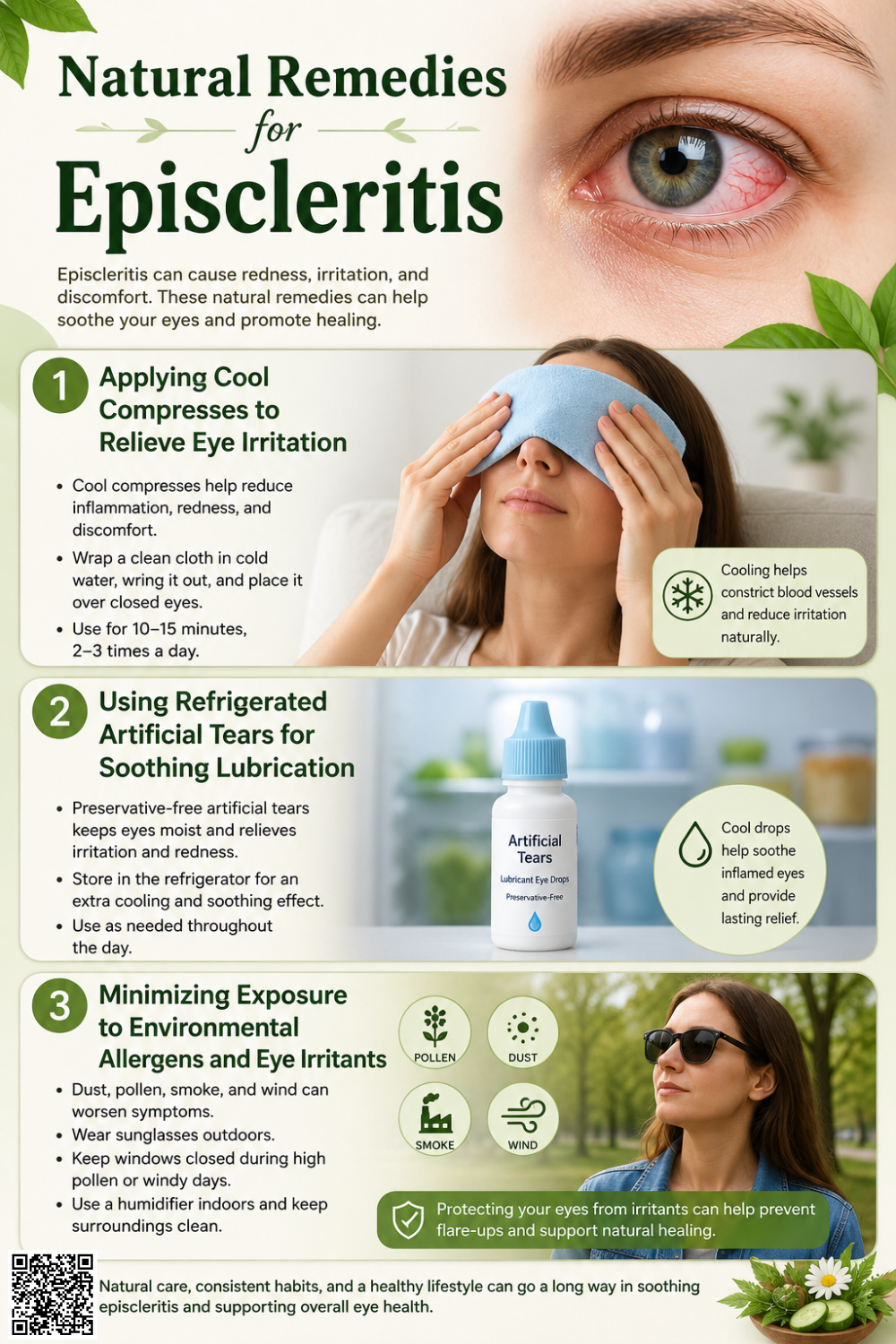
1. Applying Cool Compresses to Relieve Eye Irritation
How it may help
A cool compress causes local blood vessels to narrow, decreasing the extra blood flow responsible for redness and swelling. This gentle cooling numbs the surface, quickly calming the mild pain, burning, and gritty sensations of episcleritis without immediately requiring medication 3.
What research says
Clinical reviews confirm most episcleritis cases heal on their own. Medical research establishes cool compresses as the primary, conservative first-line therapy for safe, short-term symptom relief 4. Experts emphasize this non-invasive approach effectively manages daily discomfort without the potential side effects of prescription anti-inflammatory drops 5.
How to use it safely
Soak a clean, soft cloth in cool, purified water and wring out the excess. Close your eyes and gently rest the cloth over your eyelids for 10 to 15 minutes. Repeat this several times daily, always using a freshly washed cloth to prevent bacterial infections.
Potential precautions or side effects
Never apply bare ice directly to your eyelids, as extreme cold damages delicate eye tissues. If pain worsens or vision changes, stop using the compress and seek medical evaluation.
2. Using Refrigerated Artificial Tears for Soothing Lubrication
How it may help
Artificial tears restore moisture and flush out surface irritants that aggravate inflamed eyes. By keeping these lubricating drops refrigerated before use, the cool temperature shrinks swollen surface blood vessels, rapidly decreasing redness. This cooling hydration safely relieves the gritty, dry, and burning sensations typical of episcleritis.
What research says
Clinical guidelines establish refrigerated artificial tears as a primary, supportive treatment for mild episcleritis because most cases naturally resolve without aggressive medical intervention. Medical experts confirm that frequent lubrication effectively manages daily discomfort while avoiding the severe risks, such as elevated ocular pressure, associated with topical corticosteroid therapies 6.
How to use it safely
Store preservative-free artificial tears in the refrigerator, ensuring they remain cool but not frozen. Wash your hands thoroughly, tilt your head back, and gently instill one drop into the affected eye. You can safely apply preservative-free drops four to six times daily, or as needed for comfort.
Potential precautions or side effects
Strictly avoid over-the-counter drops labeled as “redness relievers,” because these chemically force vessels closed and cause rebound redness. If vision changes or severe pain develops, seek medical evaluation.
3. Minimizing Exposure to Environmental Allergens and Eye Irritants
How it may help
Airborne allergens, smoke, and harsh chemicals physically aggravate the thin layer covering the white part of the eye. Limiting contact with these environmental triggers prevents additional immune system reactions. This reduction in physical and chemical stress helps decrease existing inflammation, redness, and discomfort during an episcleritis flare-up.
What research says
Medical literature confirms that while most episcleritis cases occur without a known cause, environmental allergens and airborne toxins can worsen ocular surface inflammation. Clinical experts recommend environmental modification as a baseline strategy to accelerate natural healing and reduce reliance on anti-inflammatory medications.
How to use it safely
Wear wraparound sunglasses outdoors to shield your eyes from wind, dust, and pollen. Keep windows closed during high pollen seasons and use indoor HEPA air purifiers. Actively avoid environments with cigarette smoke, chemical fumes, or intense fans blowing directly at your face.
Potential precautions or side effects
Do not assume all redness is a simple environmental allergy. If you experience severe pain, extreme light sensitivity, or vision changes, seek immediate medical evaluation to prevent permanent damage.
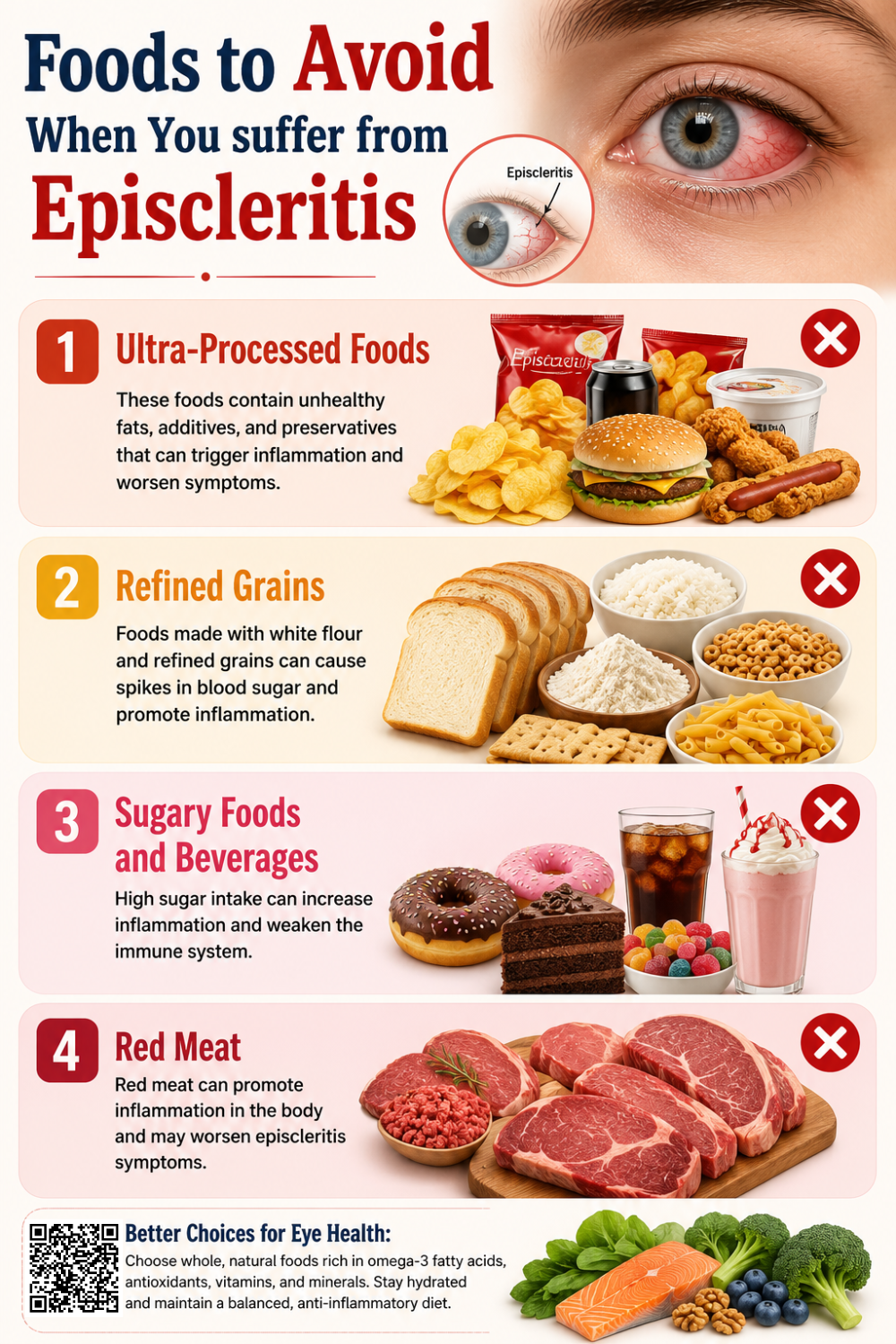
Foods to Avoid When You suffer from Episcleritis
1. Ultra-Processed Foods
These products contain synthetic additives and emulsifiers that disrupt natural gut flora and elevate systemic inflammatory biomarkers, potentially worsening existing ocular inflammation 7.
2. Refined Grains
Stripped of fiber and essential antioxidants, refined carbohydrates promote pro-inflammatory gut bacteria and elevate circulating C-reactive protein, creating an environment susceptible to immune flare-ups 8.
3. Sugary Foods and Beverages
Excessive added sugars induce gut permeability and trigger the release of pro-inflammatory cytokines, intensifying the systemic immune responses linked to inflammatory eye conditions.
4. Red Meat
High red meat consumption generates metabolic compounds that drive systemic inflammation; reducing intake significantly lowers the risk of acute flares in chronic inflammatory diseases 9.
1. Severe or Worsening Pain
Episcleritis typically causes only mild irritation; intense, deep, or radiating eye pain that disrupts sleep strongly suggests scleritis, requiring urgent medical intervention 10.
2. Changes in Vision
Simple episcleritis never impairs sight; experiencing blurred vision, visual loss, or extreme light sensitivity indicates deeper intraocular inflammation, such as uveitis or posterior scleritis.
3. Chronic or Recurrent Redness
Flare-ups lasting beyond three weeks or frequently returning often point to systemic autoimmune disorders, including rheumatoid arthritis or inflammatory bowel disease, requiring specialized evaluation.
4. Pus or Thick Discharge
Episcleritis does not produce thick discharge; the presence of sticky fluid or crusting eyelids signifies an active microbial infection demanding targeted antimicrobial therapy 11.
5. Bluish Discoloration
A severely tender lump accompanied by thinning or a bluish tint on the white of the eye signals necrotizing scleritis, an emergency capable of causing permanent damage.
Comments
comments