

Causes of Erythrasma
- Bacterial Overgrowth: The direct cause of this infection is Corynebacterium minutissimum, a bacteria that naturally lives on human skin without causing harm until specific triggers cause it to multiply rapidly 1.
- Moisture and Heat: Warm climates, high humidity, and excessive sweating create the perfect environment for bacteria to thrive, particularly in areas where sweat gets trapped 1.
- Skin Friction and Obesity: Constant rubbing between skin folds, such as the armpits, groin, or under the breasts, damages the skin’s protective barrier and allows the bacteria to take root. This makes obesity a major contributing factor 1.
- Diabetes: Individuals with diabetes face a much higher risk of developing this condition because high blood sugar levels can weaken the body’s immune responses, making it harder to naturally fight off bacterial overgrowth on the skin 1.
- Weakened Immune System: Advanced age, chronic illnesses, or immune-suppressing medications lower the body’s ability to keep everyday skin bacteria in check, increasing the likelihood of an infection 1.
- Poor Hygiene: Inadequate washing or failing to dry the skin completely after bathing allows dead skin cells, natural oils, and moisture to build up, providing the necessary fuel for the bacteria to spread 1.
Symptoms of Erythrasma
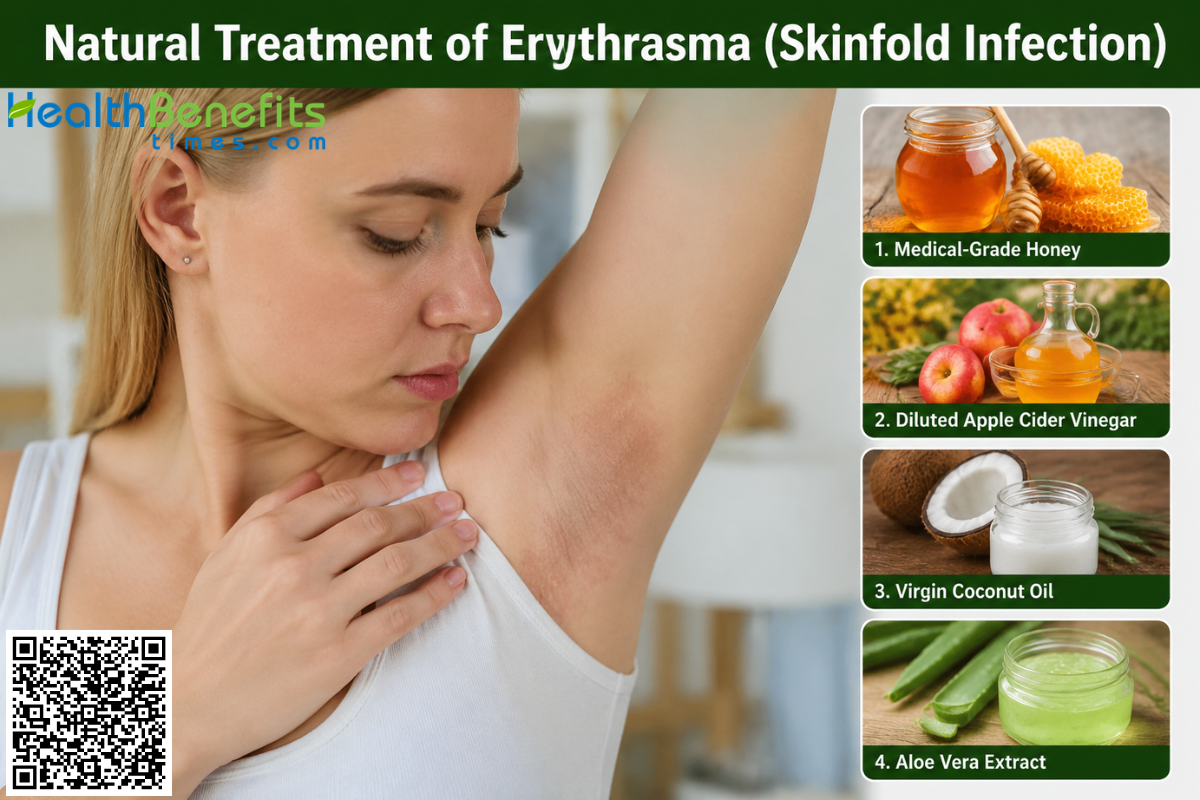
- Color Changes: The infection initially appears as flat, well-defined pink or red skin patches that gradually turn into a reddish-brown or dark brown color as the condition progresses 1.
- Skin Flaking and Wrinkling: The surface of the discolored patches typically develops a fine, flaky scale and a slightly wrinkled appearance. When the infection develops between the toes, the skin often looks thick, white, soft, and peeling 1.
- Targeted Locations: The skin changes almost exclusively occur in warm, moist areas where skin folds rub together. The most common spots include the armpits, the groin, beneath the breasts, and the webbed spaces between the toes, particularly the fourth and fifth toes 1.
- Mild Itching or No Discomfort: The condition is usually painless, and many people do not notice it unless they see the skin discoloration. However, some individuals experience mild itching or a slight burning sensation, which often worsens with sweating or when the infection is located in the groin 1.
Natural Remedies for Erythrasma (Skinfold Infection)
1. Tea Tree Oil (Melaleuca Alternifolia)
How it may help
Tea tree oil contains natural active components that break down the outer walls of bacteria 3. By easily soaking into the skin, it directly attacks the Corynebacterium overgrowth responsible for erythrasma. This stops the bacteria from spreading and helps calm the skin, fading the reddish-brown patches over time.
What research says
Scientific studies show that tea tree oil is highly effective at destroying various skin bacteria, including the specific strains that cause skinfold infections 4. Researchers have found that the oil’s natural chemicals physically pierce the bacterial cell shields, causing the bacteria to leak and die quickly without relying on traditional antibiotics 5.
How to use it safely
You should never apply pure tea tree oil directly to your skin. Mix three to five drops with a tablespoon of a soothing carrier oil, like coconut oil, and gently rub it onto the clean, dry skin folds once or twice daily 3.
Potential precautions or side effects
The oil can sometimes trigger skin irritation, redness, or allergic reactions 3. Always test a small drop on healthy skin first and strictly avoid swallowing the liquid.
2. Medical-Grade Honey
How it may help
Medical-grade honey creates a highly acidic, sugar-dense environment that actively draws out moisture, making it incredibly difficult for bacteria to survive in skin folds 6. It also continuously releases natural hydrogen peroxide, which directly attacks and breaks down the outer defenses of the bacteria causing the infection.
What research says
Scientific reviews confirm that medical-grade honeys, especially Manuka honey, contain powerful active compounds like methylglyoxal (MGO) that stop stubborn skin bacteria from spreading 7. Researchers conclude that applying this specialized honey physically alters the bacteria’s shape and disrupts their growth cycle, speeding up the healing of infected skin 6.
How to use it safely
First, gently wash and completely dry the affected skin folds. Apply a thin layer of sterilized, medical-grade honey directly over the discolored patches once or twice a day 8. You may cover the area with a breathable gauze to prevent stickiness and friction.
Potential precautions or side effects
You must strictly avoid using regular grocery store honey, as it can contain unsterilized bacterial spores. Stop applying the honey if you experience increased redness, stinging, or allergic skin reactions.
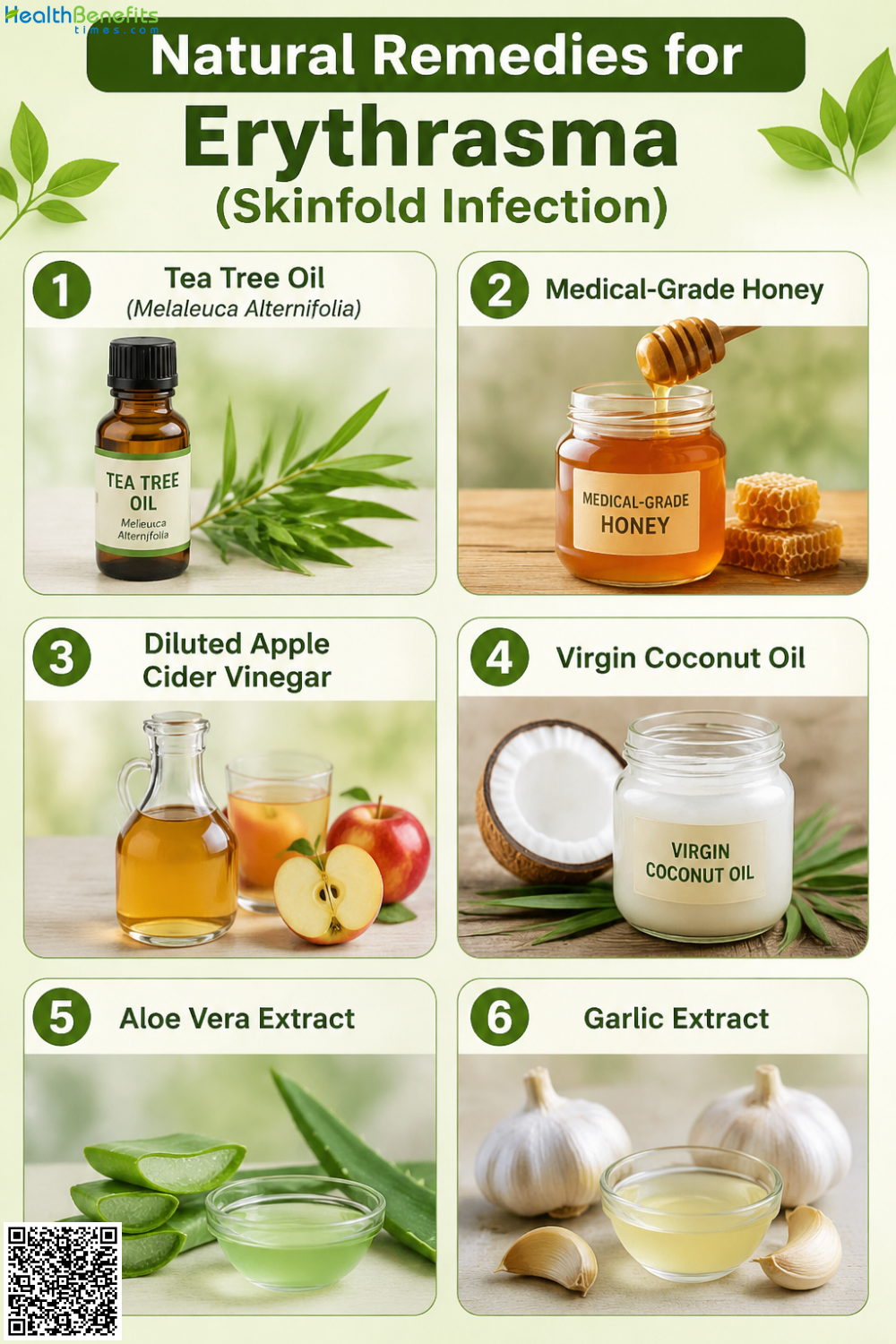
3. Diluted Apple Cider Vinegar
How it may help
Apple cider vinegar is highly acidic, which helps restore the natural, slightly acidic balance of the skin barrier 9. This acidic environment creates an inhospitable setting for Corynebacterium bacteria, effectively suppressing their ability to multiply and colonize within moist skin folds.
What research says
Clinical research indicates that organic acids, including acetic acid found in vinegar, possess significant antimicrobial properties against various skin-dwelling pathogens 10. Studies suggest that by disrupting the bacterial cell membrane, these acidic solutions can effectively inhibit the growth of bacteria that thrive in non-acidic skin conditions 11.
How to use it safely
Always dilute the vinegar with water—use one part apple cider vinegar to three parts water. Soak a clean, soft cloth in the mixture and gently dab it onto the infected skin folds. Leave it on for a few minutes before rinsing thoroughly with cool water and patting the skin completely dry.
Potential precautions or side effects
Never apply undiluted vinegar directly to the skin, as it can cause severe chemical burns or irritation. Discontinue use immediately if the area becomes painful, red, or inflamed.
4. Virgin Coconut Oil
How it may help
Virgin coconut oil is rich in medium-chain fatty acids, specifically lauric acid, which possess natural antibacterial properties 12. By applying it to the skin, these fatty acids help disrupt the protective lipid layer of the bacteria responsible for erythrasma, effectively inhibiting their ability to colonize and thrive in warm, moist skin folds.
What research says
Peer-reviewed studies indicate that lauric acid found in coconut oil is highly effective at reducing bacterial counts on the skin’s surface 12. Scientific evidence demonstrates that this oil not only acts as an antimicrobial agent but also supports the skin’s moisture barrier, helping to prevent the friction that often exacerbates skinfold infections 12.
How to use it safely
Ensure the affected area is thoroughly cleaned and patted completely dry. Take a small amount of virgin coconut oil and gently massage a thin layer into the skin folds. Apply it once or twice daily, ensuring the skin is well-aired afterward to prevent trapping any excess moisture.
Potential precautions or side effects
While generally well-tolerated, coconut oil may cause clogged pores or breakouts in some individuals. Discontinue use if you notice increased redness, itching, or signs of skin irritation.
5. Aloe Vera Extract
How it may help
Aloe vera extract contains natural compounds that soothe inflammation and provide a cooling effect on irritated skin folds. It acts by boosting the skin’s moisture balance and supporting its natural healing processes, which helps reduce the redness and discomfort often associated with bacterial skin infections 13.
What research says
Scientific studies show that aloe vera possesses significant anti-inflammatory and antiseptic properties due to its complex chemical composition 13. Research indicates that it effectively inhibits the growth of various microorganisms and promotes skin barrier repair, which helps restore healthy skin tissue in areas affected by chronic irritation 14.
How to use it safely
After cleaning and drying the affected skin, apply a thin, even layer of pure, additive-free aloe vera gel directly to the area. Allow the gel to absorb completely before dressing. Use this application twice daily to maintain skin hydration and comfort.
Potential precautions or side effects
Although rare, some individuals may experience contact dermatitis or skin rashes. Always test the gel on a small patch of healthy skin before widespread use.
6. Garlic Extract
How it may help
Garlic extract contains allicin, a potent compound that disrupts the metabolic processes of various skin bacteria. When applied to the site of an infection, these active sulfur-based compounds interfere with bacterial growth, helping to neutralize the Corynebacterium responsible for the characteristic odor and skin discoloration associated with erythrasma 15.
What research says
Scientific analysis confirms that garlic extract exhibits strong antimicrobial activity by damaging the cellular integrity of various pathogens 15. Researchers have determined that its concentrated compounds effectively inhibit the multiplication of bacteria, making it a viable botanical candidate for managing minor, localized skin-fold infections 11.
How to use it safely
Mix a small amount of standardized, high-quality garlic extract with a neutral carrier oil. Apply this mixture sparingly to the clean, dry skin folds using a cotton swab. Wash your hands thoroughly after application and ensure the area is well-ventilated to avoid skin maceration.
Potential precautions or side effects
Garlic extract is highly potent and can cause severe skin irritation or chemical burns. Do not apply undiluted extract and discontinue immediately if burning or redness occurs.
Foods to Avoid When You Suffer from Erythrasma (Skinfold Infection)
While erythrasma is a surface bacterial infection, dietary choices that impact blood sugar levels and immune function are particularly relevant for those prone to the condition.
1. Refined Sugars and Sweets
High sugar intake can cause spikes in blood glucose, which may compromise immune responses and provide a favorable environment for bacteria to multiply on the skin 1.
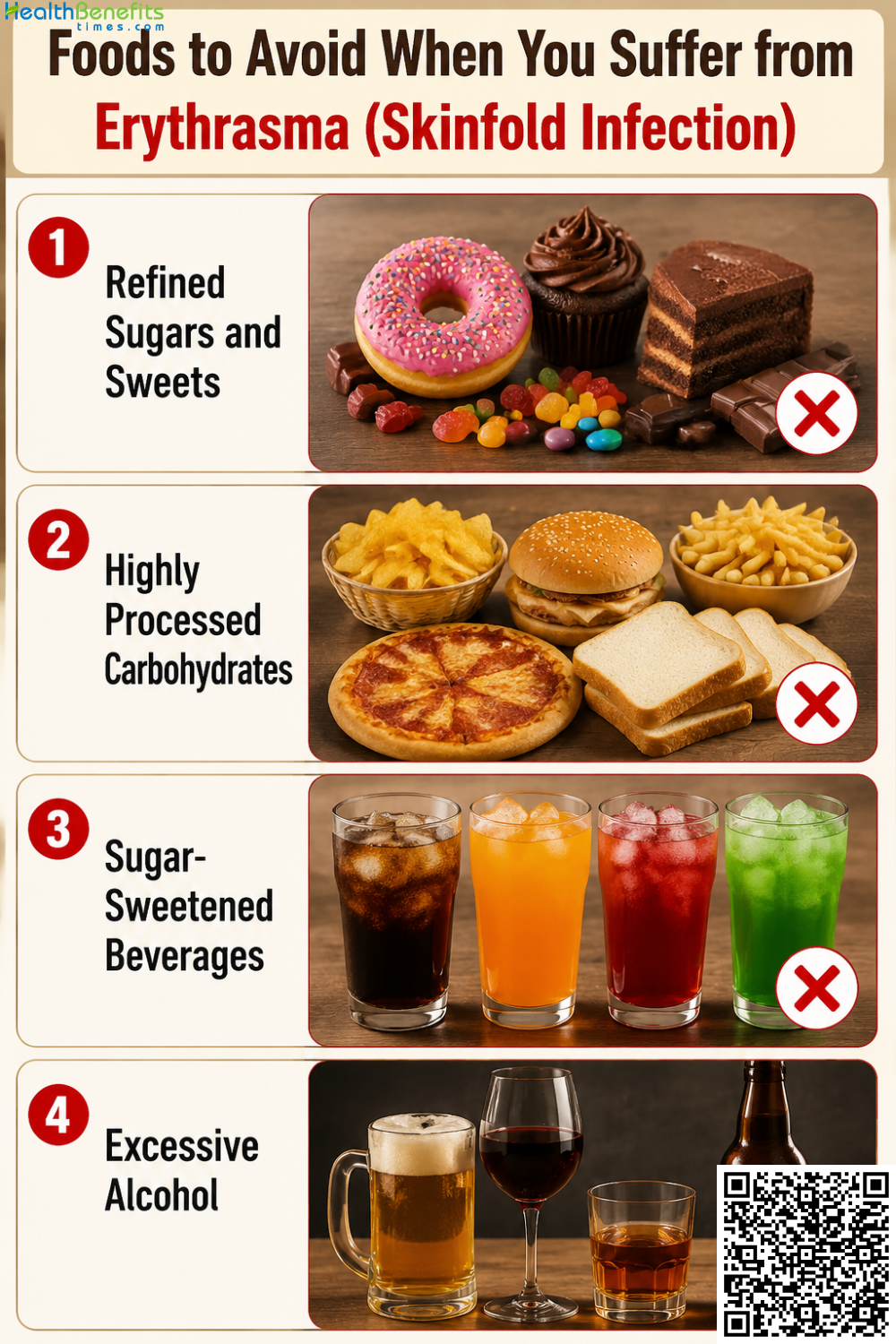
2. Highly Processed Carbohydrates
Foods like white bread and pastries are quickly converted to sugar in the body, potentially elevating blood sugar levels and hindering the skin’s natural ability to manage bacterial growth 16.
3. Sugar-Sweetened Beverages
Sodas and energy drinks cause rapid blood sugar increases. Stable blood glucose is essential for supporting the immune system and maintaining healthy skin barrier function against infections 11.
4. Excessive Alcohol
Chronic alcohol consumption can weaken the immune system, making it more difficult for the body to fight off or control existing localized bacterial skin infections like erythrasma 17.
When to See a Doctor for Erythrasma (Skinfold Infection)
While erythrasma is typically mild, you should seek professional medical evaluation if symptoms persist or do not respond to basic hygiene and over-the-counter measures.
1. Lack of Improvement
Consult a healthcare provider if the skin patches do not improve or continue to spread after several weeks of maintaining proper skin hygiene and dryness 1.
2. Increased Pain or Discomfort
Seek medical attention if the area becomes notably painful, begins to ooze, or develops significant swelling, as these may be signs of a secondary infection 2.
3. Signs of Systemic Infection
If you develop a fever, chills, or feel generally unwell alongside skin changes, you should consult a doctor to rule out more serious underlying conditions 1.
4. Underlying Health Conditions
Individuals with diabetes or weakened immune systems should consult their doctor promptly upon noticing any skin lesions to prevent potential complications or further spread of the bacteria 1.
Comments
comments