


Causes of Fatigue
- Lifestyle and Behavioral Factors: Chronic sleep deprivation, poor dietary habits, and prolonged physical or mental exertion are primary contributors. High levels of stress and a lack of regular physical activity can also diminish baseline energy reserves 3.
- Medical Conditions: Chronic illnesses, including anemia, thyroid disorders, heart disease, and diabetes, often manifest as persistent fatigue due to impaired metabolic or cardiovascular function. Infections and autoimmune diseases also frequently trigger prolonged exhaustion as the immune system remains chronically activated 4.
- Mental Health: Psychological conditions, particularly clinical depression and anxiety disorders, are strongly correlated with significant fatigue. These states often disrupt sleep architecture and alter brain chemistry, leading to profound physical and mental lethargy 5.
- Medications and Treatments: Certain prescription drugs, including antihistamines, blood pressure medications, and antidepressants, may cause sedation or fatigue as a side effect. Additionally, treatments like chemotherapy or radiation therapy often result in cancer-related fatigue, which persists beyond the immediate treatment window 6.
Symptoms of Fatigue
- Persistent Physical Exhaustion: Individuals frequently experience a heavy, drained sensation in the limbs and body that remains even after attempting to rest or sleep. This state significantly limits the ability to complete routine physical activities 1.
- Cognitive Impairment: Often described as “brain fog,” this symptom includes difficulty concentrating, problems with short-term memory, and a general slowing of mental processing speeds. These challenges make it difficult to focus on tasks or engage in complex thinking 7.
- Emotional and Behavioral Changes: Fatigue often manifests as increased irritability, low motivation, and a reduced interest in social interaction or daily responsibilities. These mood fluctuations are frequently linked to the psychological strain of living with chronic energy deficits 5.
- Post-Exertional Malaise: This refers to a specific worsening of symptoms following even minor physical or mental exertion. The resulting exhaustion can be severe and may last for several days, often appearing after a period of activity that was previously manageable 8.
Natural Remedies for Fatigue
1. Establishing Consistent Sleep Hygiene
How it may help
Maintaining a consistent sleep schedule reinforces the body’s internal clock, promoting restorative rest and improving daytime alertness. By aligning sleep-wake cycles with natural circadian rhythms, you stabilize energy levels, which reduces the persistent exhaustion associated with chronic fatigue. 3
What research says
Clinical research indicates that chronic sleep deficiency is directly linked to increased daytime fatigue and diminished cognitive performance. Studies confirm that regular sleep patterns are essential for physical and mental recovery, as stable sleep duration optimizes physiological repair processes and long-term metabolic health. 9
How to use it safely
To practice this safely, maintain a strict bedtime and wake-up time, even on weekends. Create a dark, quiet, and cool bedroom environment to signal the body for rest. Avoid caffeine, heavy meals, and electronic screens for at least one hour before attempting to sleep to facilitate natural melatonin production. 10
Potential precautions or side effects
While sleep hygiene is generally safe, persistent difficulty sleeping despite consistent habits may indicate underlying medical conditions. Consult a healthcare provider if fatigue remains unresolved. 11
2. Adopting a Balanced Nutritional Diet
How it may help
A balanced diet provides the essential macronutrients and micronutrients necessary for cellular energy production. By consuming adequate proteins, healthy fats, and complex carbohydrates, the body sustains stable blood glucose levels, which prevents the energy dips often linked to poor nutrition. Maintaining this internal balance is fundamental for physical stamina and mental clarity throughout the day. 12
What research says
Clinical evidence demonstrates that diets rich in fruits, vegetables, whole grains, and lean proteins are associated with lower levels of systemic inflammation and improved energy regulation. Research indicates that specific nutrient deficiencies, such as low iron or B-vitamin levels, are clinically recognized precursors to chronic exhaustion and reduced functional capacity. 13
How to use it safely
To use this approach safely, prioritize a variety of whole foods while limiting processed sugars and excessive caffeine, which can lead to energy crashes. Focus on consistent, scheduled meals rather than erratic intake to regulate metabolic function. Incorporate fiber-rich foods to ensure steady energy release throughout your daily routine. 14
Potential precautions or side effects
Consult a healthcare professional before initiating restrictive diets or high-dose supplements, as these may interfere with existing medications or mask underlying medical conditions requiring clinical diagnosis.
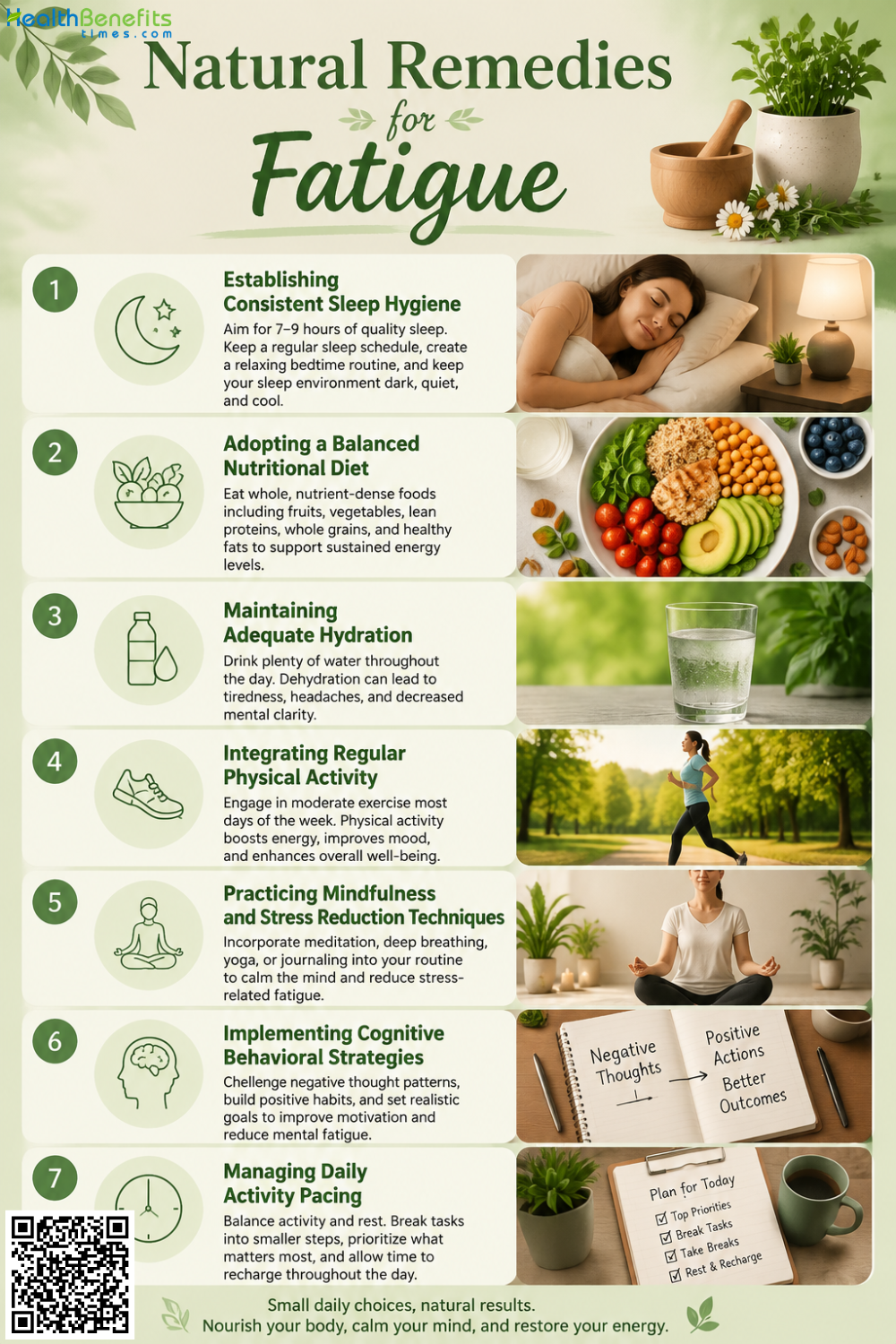
3. Maintaining Adequate Hydration
How it may help
Proper hydration ensures optimal blood volume and electrolyte balance, which are critical for delivering oxygen and nutrients to cells. When the body lacks sufficient water, physical and mental performance often declines, manifesting as lethargy. Consistent fluid intake helps maintain blood pressure and supports efficient cellular function, thereby reducing the physiological stress that contributes to feelings of fatigue. 15
What research says
Research indicates that even mild dehydration can significantly impair cognitive function, mood, and concentration. Studies show that maintaining fluid balance is essential for preventing the physical symptoms of fatigue associated with decreased blood flow and reduced metabolic efficiency, as the brain is highly sensitive to fluctuations in overall body hydration levels. 16
How to use it safely
Drink water consistently throughout the day rather than consuming large amounts at once. Rely on your body’s natural thirst signals and monitor urine color as a practical indicator of hydration status. If you are physically active or in hot environments, increase your intake to compensate for fluid lost through sweat. 17
Potential precautions or side effects
Excessive water intake can lead to low blood sodium levels, a serious condition. Consult a doctor regarding specific fluid needs if you have kidney or heart health concerns.
4. Integrating Regular Physical Activity
How it may help
Regular movement improves cardiovascular health and enhances the efficiency of oxygen delivery to muscles and tissues. By boosting mitochondrial function and improving blood flow, physical activity helps to increase baseline energy levels. Engaging in consistent exercise also regulates sleep quality and promotes hormonal changes that reduce the sensation of persistent physical exhaustion. 18
What research says
Scientific literature confirms that regular, moderate-intensity exercise is a potent intervention for reducing fatigue in both healthy individuals and those with chronic medical conditions. Clinical findings show that movement helps modulate the nervous system and decreases systemic inflammation, which are primary drivers of reduced vigor and long-term energy depletion. 19
How to use it safely
Start with low-intensity activities like walking, gradually increasing duration and intensity over several weeks. Aim for consistent movement rather than sporadic, high-intensity exertion. If you experience chronic health issues, work with a professional to develop a plan that avoids overexertion and supports your specific physical capacity. 20
Potential precautions or side effects
Avoid sudden, strenuous activity if you are prone to post-exertional malaise. Monitor your body’s response, and consult a physician if exercise causes lasting pain or prolonged recovery periods.
5. Practicing Mindfulness and Stress Reduction Techniques
How it may help
Mindfulness and stress reduction practices help lower the body’s chronic stress response, which often depletes energy reserves. By calming the nervous system, these techniques reduce the physical and mental tension that leads to exhaustion, helping to stabilize energy levels and improve daily focus through increased relaxation and better emotional regulation. 21
What research says
Clinical research indicates that chronic stress contributes to systemic inflammation and sleep disruption, both of which are primary drivers of fatigue. Studies suggest that mindfulness-based interventions are effective in decreasing psychological distress and physical exhaustion, significantly improving the functional quality of life for individuals dealing with persistent energy deficits. 22
How to use it safely
To practice this safely, dedicate a few minutes daily to quiet breathing or guided relaxation exercises in a calm space. Start with short sessions to avoid becoming overwhelmed, and focus on steady, rhythmic breathing. If you find these techniques challenging, consider seeking guidance from a certified professional. 23
Potential precautions or side effects
While generally safe, individuals with a history of severe trauma should approach mindfulness cautiously. Stop if you experience increased distress and consult a qualified mental health professional.
6. Implementing Cognitive Behavioral Strategies
How it may help
Cognitive behavioral strategies help manage fatigue by identifying and modifying thought patterns and behaviors that perpetuate exhaustion. By addressing negative cycles of activity and rest, these techniques enable a more balanced approach to daily demands. This structured process helps reduce the psychological burden of chronic tiredness and improves overall functioning through realistic goal setting. 24
What research says
Research confirms that cognitive behavioral therapy is an effective clinical intervention for managing persistent fatigue. Studies show that modifying maladaptive beliefs about activity and health significantly reduces symptom severity. These findings highlight the efficacy of structured behavioral change in restoring patient function and improving quality of life for those suffering from chronic exhaustion. 25
How to use it safely
To use these strategies safely, work with a licensed therapist to develop a structured plan tailored to your specific needs. Start with simple cognitive reframing exercises and consistent monitoring of your daily activities. Ensure that your plan is collaborative and adjusted regularly to match your current physical and mental capacity. 26
Potential precautions or side effects
While the process is generally safe, it requires professional oversight to be effective. Stop the sessions if you experience worsening symptoms and discuss adjustments with your provider immediately.
7. Managing Daily Activity Pacing
How it may help
Activity pacing helps individuals maintain function by balancing periods of activity with planned rest. By distributing energy expenditure throughout the day, this approach prevents the “boom-and-bust” cycle—where overexertion leads to severe crashes—thereby stabilizing energy levels and allowing for more consistent participation in essential daily activities without triggering profound exhaustion. 27
What research says
Clinical research indicates that structured pacing is a primary management strategy for individuals experiencing chronic fatigue. Studies consistently show that avoiding overexertion and maintaining activity within one’s current limits helps prevent symptom worsening, promotes long-term stability, and improves functional status compared to approaches that push beyond established physical boundaries. 28
How to use it safely
To use this safely, track your energy levels and establish a baseline of activity that does not trigger symptoms. Break tasks into smaller, manageable segments and integrate mandatory rest periods before exhaustion occurs. Always prioritize consistency over intensity, and be prepared to reduce activity levels during symptom flares. 27
Potential precautions or side effects
Strictly avoid pushing through fatigue, as this can lead to prolonged recovery times and worsened health. Consult a medical professional if your energy baseline continues to decline.
Foods to Avoid When You Suffer from Fatigue
1. Refined Sugars and Sweets
High-sugar foods cause rapid spikes and subsequent drops in blood glucose. These energy fluctuations often intensify feelings of exhaustion and impair sustained physical stamina. 12
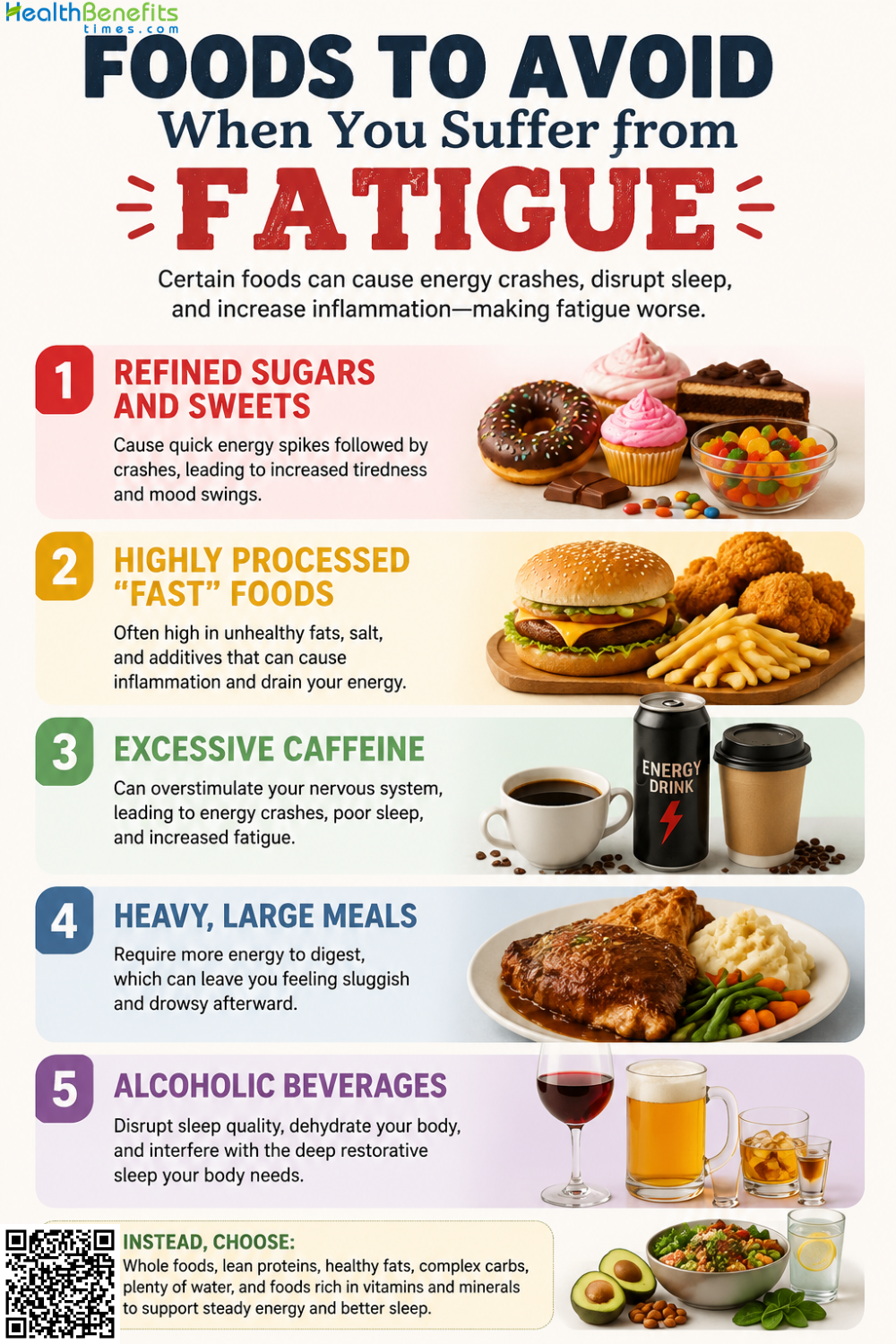
2. Highly Processed “Fast” Foods
These items typically contain excessive saturated fats, sodium, and preservatives, which can promote systemic inflammation, potentially worsening chronic lethargy and reducing overall functional energy levels. 29
3. Excessive Caffeine
While providing a temporary alert state, overuse of caffeine disrupts sleep architecture and can lead to a compensatory “crash,” ultimately increasing long-term feelings of fatigue. 3
4. Heavy, Large Meals
Consuming very large portions requires significant metabolic effort for digestion, which may divert energy and induce post-prandial drowsiness, particularly in individuals already struggling with chronic tiredness. 30
5. Alcoholic Beverages
Alcohol acts as a sedative that significantly degrades sleep quality, preventing the restorative cycles necessary to recover from fatigue, even if it initially aids in falling asleep. 31
When to See a Doctor for Fatigue
1. Prolonged Duration
Seek medical evaluation if your fatigue persists for more than two weeks despite efforts to improve your sleep, nutrition, and stress management. 1
2. Unexplained Weight Changes
Sudden, unintended weight loss or gain accompanied by extreme exhaustion can be a clinical indicator of underlying metabolic or thyroid dysfunction. 32
3. Presence of New Symptoms
Consult a physician if fatigue is accompanied by concerning signs, such as unexplained fever, recurring headaches, muscle pain, or shortness of breath. 8
4. Impact on Daily Function
When exhaustion prevents you from performing standard occupational, academic, or social responsibilities, it necessitates professional clinical assessment to identify the root cause. 33
5. Mental Health Concerns
If feelings of profound, lasting fatigue coincide with persistent sadness, anxiety, or hopelessness, speak with a professional to screen for clinical depression. 5
Comments
comments