

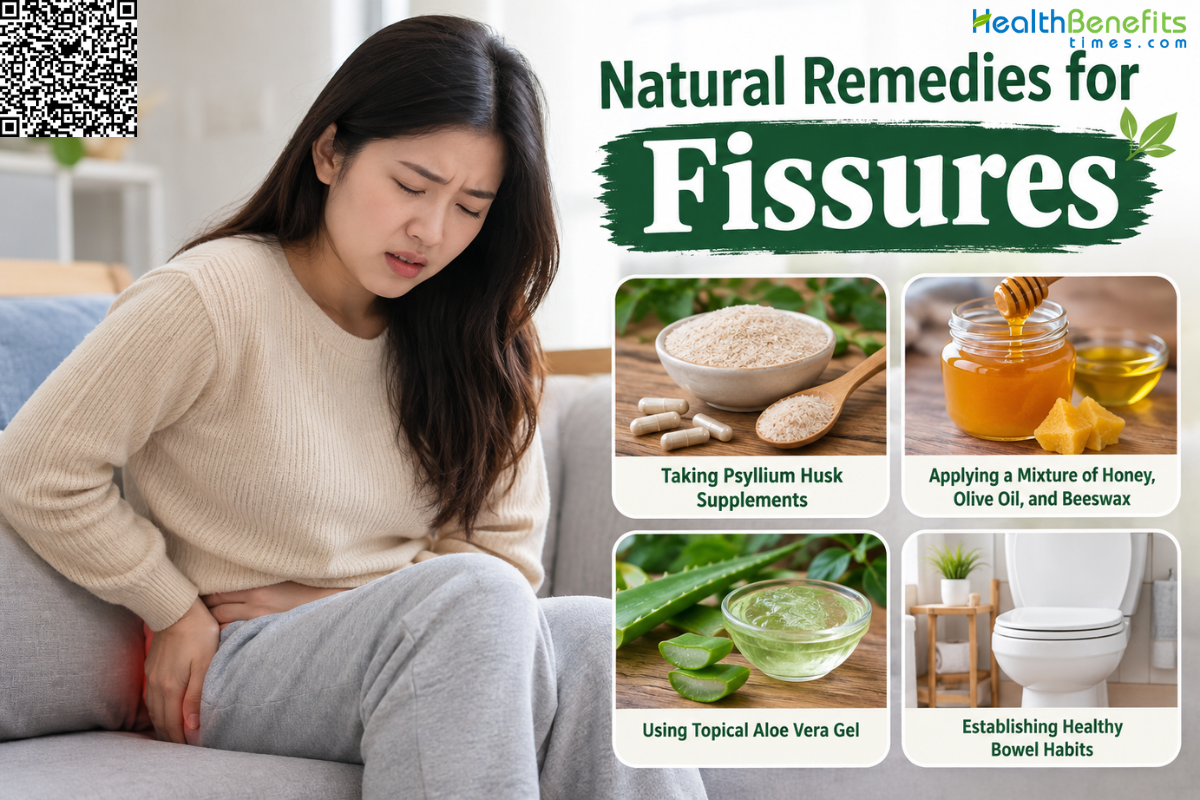
Causes of Fissures
- Constipation and Hard Stools: Passing large, dry, or hard stools places excessive physical pressure on the anal canal, causing the delicate lining to stretch and tear. This mechanical trauma is the primary trigger for most acute fissures 1.
- Chronic Diarrhea: Frequent, loose, and watery bowel movements constantly irritate the lower digestive tract. Over time, this chronic irritation causes the tissue to become fragile and more susceptible to splitting 1.
- Childbirth: The severe physical stretching, pressure, and strain associated with labor and vaginal delivery frequently damage the perineal and anal tissues, commonly resulting in fissures among postpartum women 2.
- Inflammatory Bowel Disease (IBD): Medical conditions such as Crohn’s disease cause chronic inflammation throughout the digestive tract. This ongoing swelling and immune response weaken the mucosal tissue, drastically increasing the likelihood of developing deep, persistent, or recurring fissures 2.
- Infections and Rare Medical Conditions: In atypical cases, fissures develop as a secondary complication from specific infections or systemic illnesses. These include tuberculosis, anal cancer, and sexually transmitted infections like syphilis or HIV, which structurally compromise the body’s tissues 2.
Symptoms of Fissures
Severe Pain: The most notable symptom is a sharp, tearing, or burning pain that occurs during bowel movements. This discomfort is often intense and can persist for several minutes to a few hours after passing stool 1.
Visible Bleeding: Individuals frequently notice small amounts of bright red blood on toilet paper or on the surface of the stool immediately after a bowel movement 1.
Muscle Spasms: The physical tear often causes the surrounding ring of muscle, known as the anal sphincter, to involuntarily tighten or spasm. This persistent tightness limits blood flow to the area and significantly worsens the pain 2.
Visible Crack or Tear: A physical, narrow split, cut, or crack is often directly visible in the delicate skin surrounding the outer opening of the digestive tract 1.
Skin Tags or Lumps: When the condition persists for more than a few weeks and becomes chronic, a small, fleshy lump of tissue known as a skin tag frequently develops directly next to the internal or external tear 2.
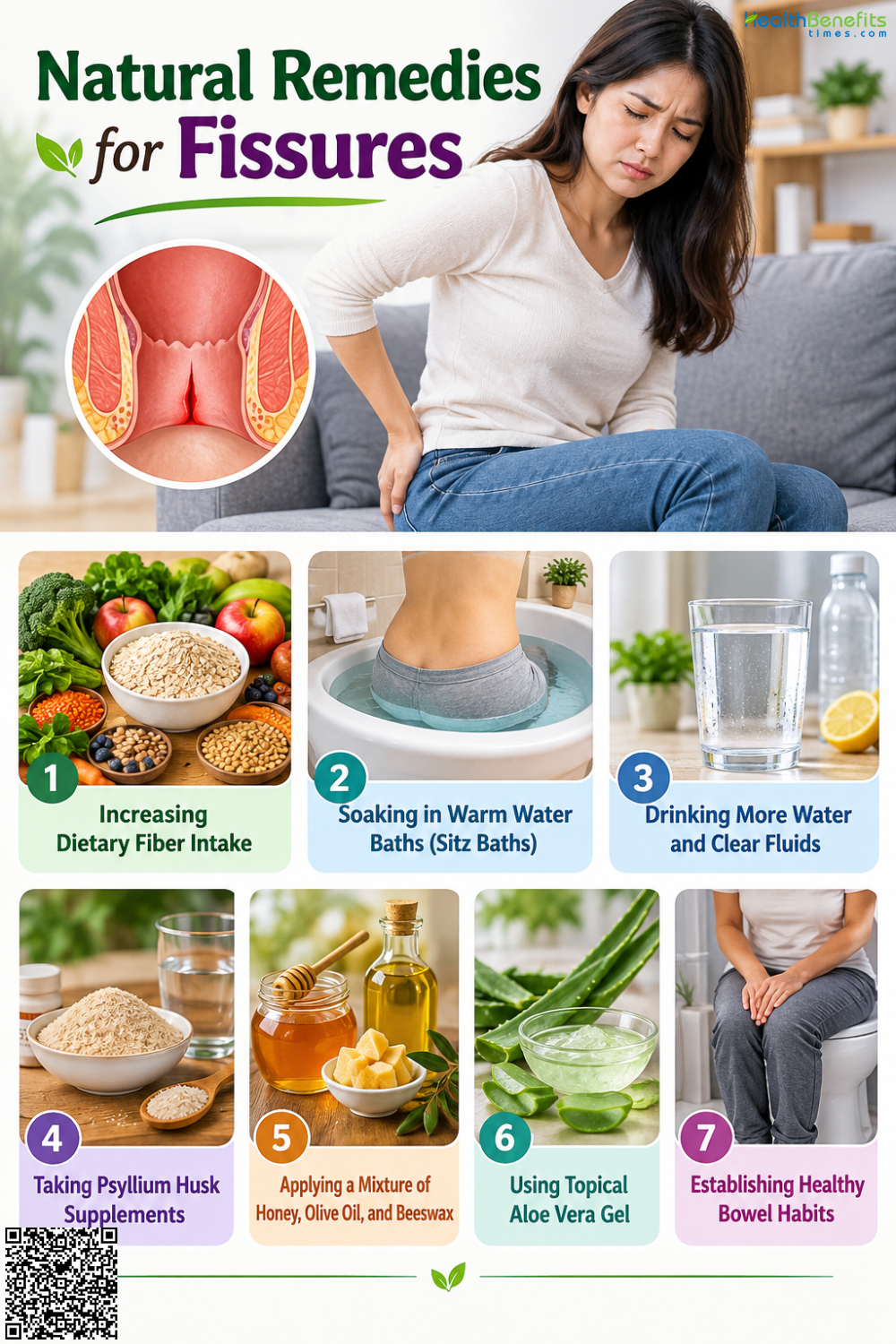
Natural Remedies for Fissures
1. Increasing Dietary Fiber Intake
How it may help
Dietary fiber softens fecal matter and adds necessary bulk, effectively preventing constipation and the need for straining during defecation. Since passing hard stools causes physical trauma that tears the anal mucosa, a high-fiber diet ensures smoother bowel movements 3. This process reduces pressure on the anal sphincter, promoting a healing environment for existing fissures.
What research says
Clinical research identifies low dietary fiber intake as a primary risk factor for developing anal tears. Studies show that acute fissures often heal spontaneously within three weeks when patients adopt conservative medical management 3. Evidence supports combining a high-fiber diet with adequate hydration and warm sitz baths as the standard initial therapy for symptom relief.
How to use it safely
You should slowly add fiber-rich foods into your daily meals over several weeks to let your digestive tract adjust. Always consume plenty of fluids, aiming for about eight glasses of water daily, because water helps the fiber pass smoothly through your system without causing blockages 4.
Potential precautions or side effects
Adding dietary fiber too quickly often causes abdominal cramps, bloating, and excessive intestinal gas. Without sufficient hydration, consuming excessive fiber may even result in severe bowel obstruction 5.
2. Soaking in Warm Water Baths (Sitz Baths)
How it may help
Soaking in a warm water bath relaxes the internal anal sphincter muscle and significantly reduces painful spasms. This localized warmth improves blood circulation to the injured tissue, delivering oxygen and nutrients necessary for healing. Improved blood flow and relaxed muscles create an optimal environment for repairing the anal tear 3.
What research says
Clinical guidelines recommend warm sitz baths as a primary conservative treatment for acute anal fissures. Research confirms that regular warm water soaking effectively lowers resting anal pressure, providing immediate pain relief. Studies demonstrate that this simple therapy helps heal acute fissures within a few weeks without requiring surgery 6.
How to use it safely
You should fill a shallow tub with warm water, ensuring the temperature is comfortable and not scalding. Sit in the water for ten to fifteen minutes, two to three times daily. Afterward, gently pat the area dry with a soft towel to prevent further irritation 7.
Potential precautions or side effects
Using water that is too hot causes severe skin burns. Failing to clean the tub thoroughly before use increases the risk of bacterial infections in the open wound 7.
3. Drinking More Water and Clear Fluids
How it may help
Consuming adequate water works directly with dietary fiber to soften stool consistency. Proper hydration prevents the intestines from absorbing excess water from waste, avoiding the formation of hard, dry stools that cause mechanical trauma to the anal mucosa during bowel movements 8.
What research says
Clinical guidelines establish that increased fluid intake alongside dietary fiber serves as the primary conservative treatment for acute anal fissures. Research demonstrates this non-surgical management successfully heals the majority of acute tears by improving stool consistency and significantly reducing physical strain on the injured anal sphincter 9.
How to use it safely
You should drink at least eight glasses of water daily to maintain optimal bowel hydration. Consistently sip water throughout the day and limit caffeinated beverages or alcohol, as these substances act as diuretics that pull water from your body and worsen constipation 10.
Potential precautions or side effects
If you have kidney disease or heart conditions, excessive fluid consumption causes dangerous fluid retention. Rapid overhydration can also dangerously lower blood sodium levels, leading to severe hyponatremia 11.
4. Taking Psyllium Husk Supplements
How it may help
Psyllium husk is a bulk-forming laxative that absorbs fluid in the intestines to create soft, gel-like stools. This process prevents the passage of hard waste, significantly reducing the mechanical friction that tears the anal lining. By eliminating the need to strain, it allows the injured sphincter muscle to rest and heal 9.
What research says
Clinical guidelines strongly support using bulk-forming fiber supplements like psyllium as first-line conservative therapy for anal fissures. Research confirms that regulating stool consistency with psyllium effectively minimizes bleeding and significantly decreases pain during bowel movements, facilitating the natural healing process of acute anal tears without requiring surgical intervention 12.
How to use it safely
You should mix a small dose of psyllium husk thoroughly into at least eight ounces of water. Drink the mixture immediately before it thickens into a gel. Always consume extra water throughout the day to ensure the fiber moves smoothly through your digestive system 13.
Potential precautions or side effects
Consuming psyllium without sufficient water causes dangerous choking hazards or severe bowel obstructions. It may also trigger mild bloating initially or, in rare cases, severe allergic reactions requiring immediate medical care 13.
5. Applying a Mixture of Honey, Olive Oil, and Beeswax
How it may help
Honey provides natural antibacterial and wound-healing properties, while olive oil intensely moisturizes and soothes swollen tissue. Beeswax acts as a protective barrier, keeping the active ingredients covering the anal tear. Together, they reduce local inflammation, prevent bacterial infection, and speed up the natural repair of damaged skin cells 14.
What research says
Clinical studies demonstrate that topically applying a natural mixture of honey, olive oil, and beeswax effectively treats acute anal fissures. Research confirms this specific formulation significantly reduces bleeding, localized pain, and chronic itching. The combination proves perfectly safe and clinically effective as a conservative treatment for promoting tissue healing 14.
How to use it safely
You should gently clean and thoroughly dry the affected area before application. Apply a small amount of the blended ointment directly to the anal fissure twice daily. Prepare the mixture using equal parts medical-grade honey, pure olive oil, and organic beeswax to ensure total purity and safety 14.
Potential precautions or side effects
Test the ointment on healthy skin first to check for bee allergies. Stop use immediately if you develop worsening redness, severe stinging, or persistent burning sensations 14.
6. Using Topical Aloe Vera Gel
How it may help
Aloe vera gel contains active anti-inflammatory compounds that soothe irritated tissues and reduce localized swelling. Its moisturizing properties promote cellular hydration, preventing the injured area from drying and cracking. Creating a protective barrier over the sensitive anal mucosa minimizes mechanical friction during bowel movements, which directly accelerates the natural repair of torn tissues 15.
What research says
Clinical trials indicate that topical application of aloe vera significantly improves symptom management for patients with anal tears. Research demonstrates that the gel effectively reduces chronic pain, minimizes bleeding during bowel movements, and encourages complete wound closure. Medical studies support its use as a highly effective, safe conservative treatment for rapid tissue healing 16.
How to use it safely
You should carefully wash and dry the affected area before applying pure aloe vera gel. Gently rub a small amount directly onto the fissure twice daily. Always choose unfragranced, one-hundred-percent pure products to ensure you avoid introducing harsh chemicals into the open wound 17.
Potential precautions or side effects
Test the gel on healthy skin first. Stop use immediately if you experience worsening redness, intense burning, or severe itching, as these symptoms strongly indicate an allergic reaction 18.
7. Establishing Healthy Bowel Habits
How it may help
Establishing healthy bowel habits directly minimizes mechanical trauma to the anal canal. Responding immediately to the urge to defecate prevents waste from hardening in the colon. Avoiding prolonged sitting reduces unnecessary physical pressure on the anal sphincter, protecting the sensitive mucosa from re-tearing during waste elimination 9.
What research says
Clinical guidelines emphasize that modifying bathroom routines is essential for successful fissure management. Research demonstrates that avoiding excessive straining and minimizing toilet time significantly lowers resting anal pressures. These behavioral adjustments resolve chronic constipation and substantially reduce the recurrence rate of acute anal tears without surgical intervention 12.
How to use it safely
You should use the bathroom immediately upon feeling the urge rather than delaying. Elevate your feet on a small step stool to align your rectum naturally for easier elimination. Limit your toilet time to five minutes to prevent harmful pressure on your anal tissues 7.
Potential precautions or side effects
Never force a bowel movement or push aggressively. Excessive straining worsens existing anal tears, increases internal sphincter spasms, and raises your risk of developing painful hemorrhoids 19.
Foods to Avoid When You Suffer from Fissures
1. Spicy Foods
Capsaicin in spicy foods irritates the sensitive anal mucosa during bowel movements, significantly increasing burning sensations and resting sphincter pressure 20.
2. Processed and Refined Carbohydrates
Foods like white bread and pastries lack dietary fiber, causing slow digestion and hard stools that directly traumatize the healing anal tear 10.
3. Dairy Products
Consuming large amounts of cheese and whole milk slows intestinal motility and hardens fecal matter, worsening chronic constipation and mucosal damage 10.
4. Caffeinated Beverages
Coffee and energy drinks act as diuretics, pulling essential water from the colon, resulting in dry, painful stools that mechanically tear the tissue 9.
5. Red Meat
Red meat contains zero dietary fiber and high fat content, delaying gastric emptying and producing bulky, hard stools that require severe straining 8.
When to See a Doctor When You Struggle from Fissures
1. Persistent Rectal Bleeding
You must seek immediate medical evaluation for continuous bright red bleeding to properly rule out more severe underlying gastrointestinal conditions, including colorectal cancer 9.
2. Symptoms Lasting Beyond Eight Weeks
Tears failing to heal within six to eight weeks become chronic fissures, requiring prescription muscle relaxants or surgical intervention to lower resting sphincter pressure 6.
3. Unmanageable, Severe Pain
Consult a physician if intense pain during defecation completely disrupts daily functioning and fails to improve after applying conservative home treatments like dietary adjustments 8.
4. Signs of Localized Infection
Immediate medical intervention is necessary if you develop a fever, visible swelling, or purulent discharge, as these symptoms strongly indicate a secondary bacterial infection or abscess 9.
Comments
comments