


Causes of Flatulence
1. Aerophagia
The involuntary or voluntary swallowing of excessive air while eating or drinking, often exacerbated by eating too quickly, chewing gum, smoking, or wearing loose-fitting dentures. This swallowed air, primarily composed of nitrogen and oxygen, must be expelled from the digestive system.
2. Carbohydrate Malabsorption
The fermentation of undigested carbohydrates such as specific sugars, starches, and fibers by bacteria in the large intestine. Individuals who lack sufficient enzymes to break down certain sugars, such as lactose (dairy) or fructose (fruit sugar), experience increased gas production as these substances reach the colon intact.
3. Dietary Fiber Intake
High consumption of soluble fiber and complex carbohydrates found in legumes, cruciferous vegetables, and whole grains. Because the human small intestine cannot fully digest these complex plant compounds, they undergo microbial fermentation in the colon, which serves as a primary source of hydrogen and methane gas. 2
4. Gastrointestinal Motility and Microbiome Alterations
Changes in the transit time of food through the digestive tract or variations in the composition of the gut bacteria population. Conditions such as small intestinal bacterial overgrowth (SIBO) or functional gastrointestinal disorders can alter the environment of the gut, leading to increased gas volume.
Symptoms of Flatulence
- Abdominal Bloating and Distension: A sensation of fullness or tightness in the abdomen often described as a “bloated” feeling. This occurs when trapped gas accumulates within the gastrointestinal tract, causing visible swelling or physical discomfort.
- Abdominal Pain or Cramping: Sharp or dull aching sensations occurring in the abdomen as gas moves through the intestines. These pains are typically localized and may fluctuate in intensity depending on the position of the gas within the bowel. 2
- Increased Frequency of Flatus: A notable rise in the number of times gas is passed rectally compared to an individual’s normal baseline. While the number of daily occurrences varies widely by person, a significant and persistent increase is a hallmark symptom of gas accumulation.
- Audible or Odorous Gas Passage: The expulsion of intestinal gas characterized by distinct sounds or odors. Odor is primarily determined by the presence of trace amounts of sulfur-containing compounds produced by gut bacteria, rather than the primary gases themselves.
Natural Remedies for Flatulence
1. Dietary Modification and Trigger Avoidance
How it may help
Identifying and reducing intake of foods that ferment rapidly in the colon, such as legumes, cruciferous vegetables, and certain dairy products, effectively decreases gas production. By minimizing the substrate available for bacterial fermentation, you can significantly reduce both the volume of gas produced and the associated discomfort of bloating or distension. 1
What research says
Clinical research indicates that adopting a diet low in fermentable carbohydrates consistently reduces symptoms for individuals with functional digestive issues. Studies confirm that restricting these specific food triggers lowers gas volume and improves overall abdominal comfort by decreasing the microbial production of hydrogen and methane gases during the digestion process. 1
How to use it safely
To use this approach safely, keep a food diary to identify specific triggers rather than eliminating entire food groups. Gradually reduce the portion sizes of known gas-producing foods to see if symptoms improve. If you significantly alter your diet, consult a healthcare provider to ensure you continue meeting your nutritional requirements.
Potential precautions or side effects
Be cautious of unnecessary dietary restrictions, which may lead to unintended nutritional deficiencies. Always consult a physician if you experience sudden, persistent changes in bowel habits.
2. Gradual Increase of Dietary Fiber
How it may help
Increasing dietary fiber helps regulate bowel movements and improves stool consistency, which can prevent constipation-related gas accumulation. By supporting regular transit through the digestive tract, adequate fiber intake reduces the time available for colonic bacteria to ferment food remnants, thereby minimizing the total volume of gas produced and trapped in the intestines. 1
What research says
Clinical evidence demonstrates that while fiber is essential for digestive health, a sudden increase in intake can temporarily exacerbate flatulence. Research indicates that the intestinal microbiota require time to adapt to higher fiber loads; consequently, steady, incremental increases allow the digestive system to process these complex carbohydrates without causing excessive gas or abdominal discomfort.
How to use it safely
To implement this safely, increase your daily fiber intake by small amounts over several weeks. Simultaneously, you must increase your water consumption to help fiber move smoothly through your system. This gradual approach allows your body to adjust comfortably while maintaining optimal digestive regularity.
Potential precautions or side effects
Rapidly increasing fiber may cause acute bloating, cramping, and discomfort. If you experience persistent pain or irregular bowel habits, consult a medical professional to rule out underlying conditions.

3. Proper Hydration
How it may help
Adequate fluid intake is essential for maintaining efficient gastrointestinal motility. Water facilitates the movement of digestive waste through the intestines, preventing the constipation that often leads to increased bacterial fermentation and gas buildup. Proper hydration ensures that fiber moves effectively through the system, reducing the likelihood of trapped gas and associated abdominal discomfort.
What research says
Research consistently indicates that sufficient water intake is a prerequisite for effective bowel function. Clinical observations suggest that dehydration slows intestinal transit times, creating a favorable environment for excessive gas production. Maintaining optimal hydration status supports the necessary physiological processes that prevent fecal impaction and reduce the clinical symptoms of bloating and flatulence.
How to use it safely
To use this approach safely, aim for consistent fluid intake throughout the day rather than consuming large volumes at once. Plain water remains the most effective choice. Monitor your hydration levels by observing the color of your urine, which should ideally be a pale yellow. 3
Potential precautions or side effects
Excessive water intake can rarely lead to electrolyte imbalances. If you have specific medical conditions, such as heart or kidney issues, consult a doctor regarding appropriate daily fluid limits.
4. Regular Physical Activity
How it may help
Consistent physical activity stimulates intestinal contractions, which accelerates the transit of gas and waste through the digestive tract. By improving overall bowel motility, movement prevents the prolonged stasis of stool in the colon, thereby reducing the time available for bacterial fermentation and the subsequent accumulation of trapped intestinal gas that causes bloating and discomfort. 4
What research says
Clinical research demonstrates that structured exercise is highly effective in reducing symptoms of functional gastrointestinal disorders. Findings indicate that movement significantly decreases the sensation of abdominal fullness and improves the clearance of gas, providing measurable relief for individuals who struggle with chronic or recurring bouts of bloating and abdominal distension.
How to use it safely
To use this approach safely, engage in moderate-intensity activities such as brisk walking, cycling, or swimming for at least 30 minutes most days. Begin with shorter sessions if you are inactive and gradually increase the duration. Maintain consistent habits rather than relying on sporadic, high-intensity workouts.
Potential precautions or side effects
Avoid exercising immediately after large meals, as this may hinder digestion. If you experience sharp abdominal pain during activity, stop and consult a physician to rule out underlying issues.
5. Mindful Eating Techniques
How it may help
Mindful eating reduces aerophagia, the process of swallowing excess air while consuming food or beverages. By eating slowly, chewing food thoroughly, and minimizing distractions, you decrease the volume of air trapped in the stomach. This preventative practice directly limits the amount of gas that must travel through the digestive system and eventually be expelled.
What research says
Clinical findings confirm that rapid ingestion and poor mastication contribute significantly to gastrointestinal gas volume. Research suggests that behaviors such as eating on the go, talking while chewing, and drinking through straws increase the risk of air swallowing. Adopting deliberate, mindful eating habits helps normalize gastrointestinal pressure and reduces symptoms of bloating and frequent gas passage.
How to use it safely
To use this approach, sit down at a table for your meals and avoid screens or reading while eating. Chew each bite completely before swallowing. Avoid drinking carbonated beverages or using straws, as both practices introduce unnecessary air into the stomach. Focus on your food to ensure a slower, more intentional pace. 1
Potential precautions or side effects
There are no known clinical risks associated with eating mindfully. However, ensure you do not skip meals in an attempt to manage gas, as this may lead to overeating later.
6. Peppermint Oil Supplementation
How it may help
Peppermint oil acts as an antispasmodic, meaning it helps relax the smooth muscles of the digestive tract. By easing these muscle contractions, the oil allows trapped gas to move through the intestines more easily, which can significantly reduce the sensation of bloating and the physical discomfort caused by gas accumulation in the abdomen. 5
What research says
Clinical research indicates that enteric-coated peppermint oil is a highly effective treatment for symptoms associated with functional gastrointestinal disorders. Studies confirm that this intervention provides consistent relief from abdominal pain, bloating, and flatulence by improving overall bowel motility and decreasing the intensity of intestinal spasms in affected individuals. 5
How to use it safely
Use only enteric-coated capsules, which are specifically designed to pass through the stomach and release the oil directly into the small intestine. Follow the manufacturer’s or your healthcare provider’s dosage instructions carefully. Take the capsules as directed, typically before meals, to help prepare your digestive system for food. 6
Potential precautions or side effects
Common side effects include heartburn and mild nausea. Consult your physician before starting, especially if you have a history of gastroesophageal reflux disease, as it may worsen symptoms. 6
7. Probiotic Supplementation
How it may help
Probiotics are beneficial bacteria that help restore balance to the gut microbiome. By optimizing the microbial environment, these supplements can improve the efficiency of carbohydrate digestion and fermentation processes. This improved balance reduces the excess production of gases, effectively alleviating symptoms such as abdominal bloating, discomfort, and frequent flatulence for many individuals. 7
What research says
Clinical research indicates that specific strains of Bifidobacterium and Lactobacillus effectively reduce gas-related symptoms in patients with functional digestive conditions. Studies show that these probiotics modulate the fermentation process in the colon, leading to decreased gas volume and enhanced abdominal comfort, suggesting that targeted probiotic use is a viable therapeutic strategy for managing persistent flatulence. 7
How to use it safely
Consult a healthcare provider to determine the appropriate strain and dosage for your specific needs. Start with a low dose to allow your system to adjust. Always purchase products from reputable manufacturers that provide transparent labeling regarding the specific bacteria strains and the total count of live organisms included. 7
Potential precautions or side effects
While generally safe, probiotics may cause temporary gas or bloating when first introduced. Individuals with compromised immune systems should consult a doctor before beginning any supplement regimen. 7
8. Enzyme Supplements
How it may help
Digestive enzyme supplements provide the necessary catalysts to break down complex carbohydrates that the body cannot process on its own. By assisting in the digestion of sugars and fibers in the small intestine, these supplements prevent these compounds from reaching the colon intact, thereby significantly reducing the microbial fermentation that produces excess gas and bloating. 1
What research says
Clinical evidence supports the use of specific enzymes, such as alpha-galactosidase for beans and vegetables or lactase for dairy products, to reduce flatulence. Research concludes that these supplements effectively decrease the production of hydrogen and methane gas by ensuring more complete nutrient absorption before food reaches the large intestine, leading to a measurable reduction in post-meal symptoms. 1
How to use it safely
Take the enzyme supplement immediately before eating the specific foods known to cause you gas. Follow the instructions provided on the packaging for the correct dosage. If you are unsure which enzymes are appropriate for your diet, discuss your specific symptoms with a healthcare professional before beginning supplementation. 1
Potential precautions or side effects
These supplements are generally safe and have few side effects. However, if symptoms of pain or bloating persist despite consistent use, consult a doctor to rule out other digestive issues. 1
Foods to Avoid When You Suffer from Flatulence
1. Beans and Legumes
These foods are high in complex sugars that the human body cannot digest, leading to significant bacterial fermentation and gas production in the large intestine. 1
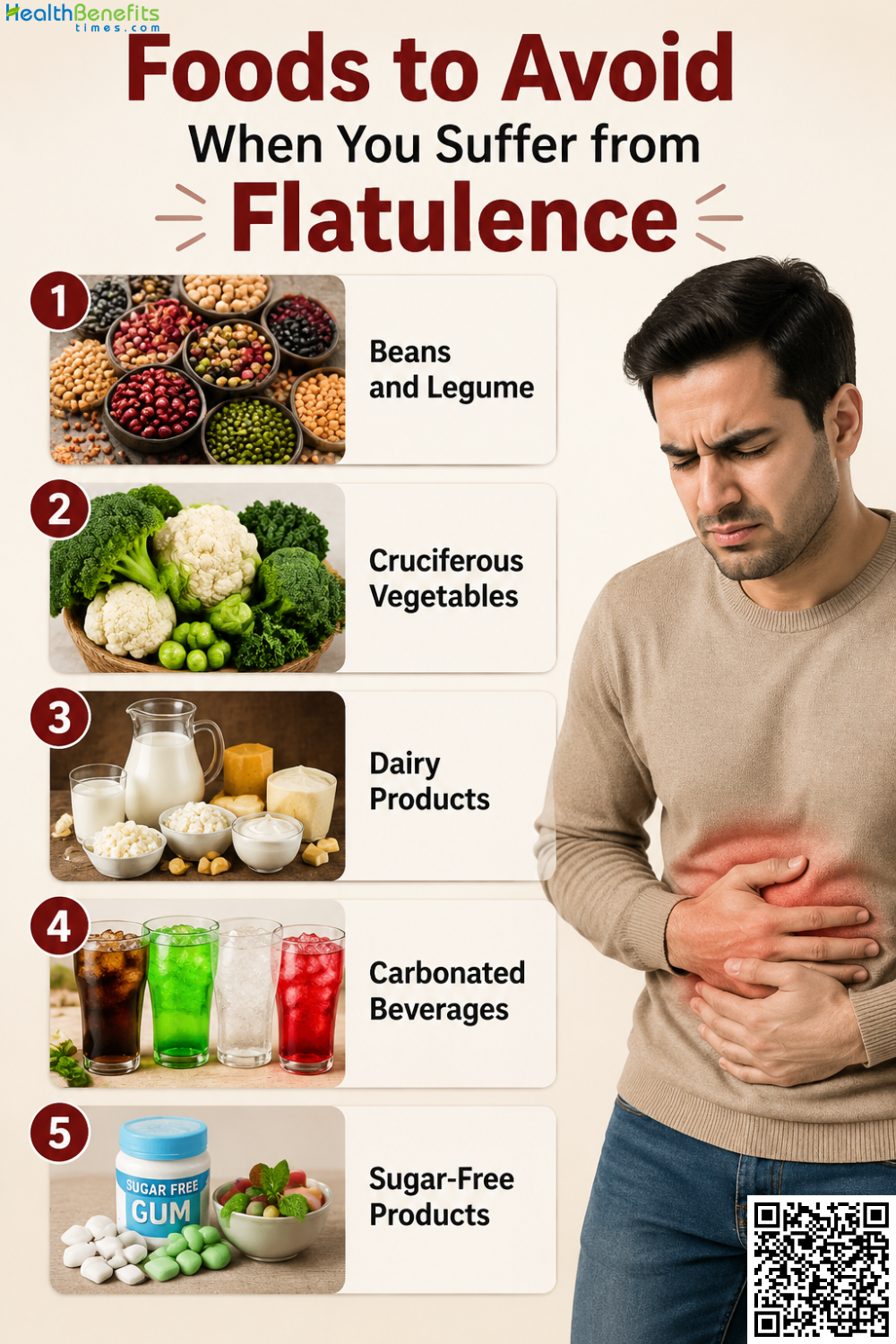
2. Cruciferous Vegetables
Vegetables such as broccoli, cauliflower, and cabbage contain raffinose, a complex sugar that remains undigested until it reaches the colon, where bacteria break it down into gas. 1
3. Dairy Products
Individuals with lactose intolerance lack the enzyme necessary to digest lactose, causing it to ferment in the gut, which results in increased flatulence and bloating. 1
4. Carbonated Beverages
Drinks containing carbon dioxide introduce excess air into the digestive tract, which increases the amount of gas that must be expelled from the system. 1
5. Sugar-Free Products
Artificial sweeteners, such as sorbitol and mannitol, are poorly absorbed by the body and often undergo rapid fermentation by gut bacteria, causing gas and abdominal discomfort. 1
When to See a Doctor When You Suffer from Flatulence
1. Persistent or Worsening Symptoms
Consult a physician if gas or bloating becomes chronic, increases in intensity, or does not improve despite dietary adjustments or lifestyle modifications. 1
2. Associated Abdominal Pain
Seek medical evaluation if you experience severe, recurring, or sharp abdominal pain that interferes with your daily activities or does not resolve after passing gas. 1
3. Changes in Bowel Habits
Schedule an appointment if flatulence is accompanied by persistent diarrhea, chronic constipation, or unexplained changes in the frequency or consistency of your bowel movements. 1
4. Visible Blood in Stool
Any observation of blood in your stool requires prompt medical investigation to rule out underlying gastrointestinal bleeding or other serious conditions. 1
5. Unintended Weight Loss
If flatulence occurs alongside unexplained weight loss, fever, or persistent vomiting, contact a healthcare provider immediately to rule out significant underlying medical disorders. 1
Comments
comments