

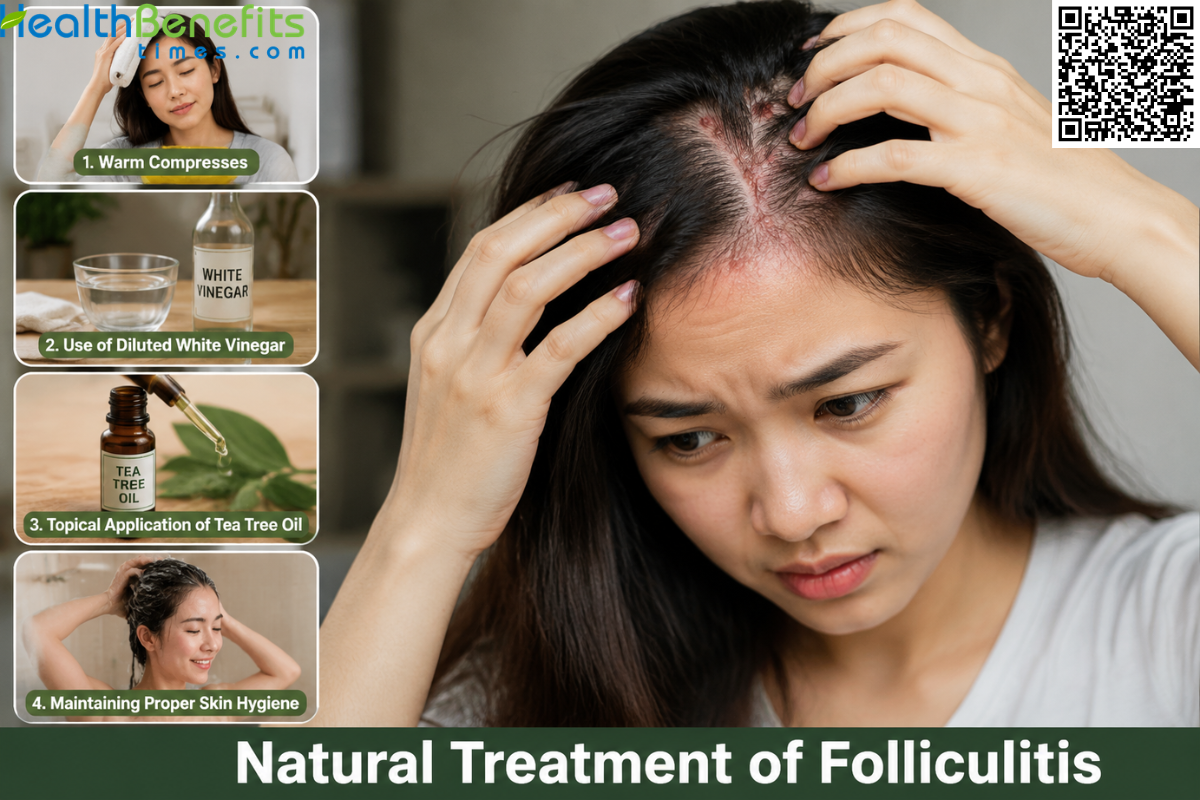
Causes of Folliculitis
- Bacterial Infection: The most common trigger is Staphylococcus aureus bacteria, which naturally inhabit the skin surface but can cause infection when they enter an open follicle due to minor skin abrasions or irritation 1.
- Physical Irritation and Friction: Consistent rubbing from tight clothing, shaving, or equipment can damage the follicle wall, triggering an inflammatory response that allows opportunistic germs to thrive 2.
- Follicle Blockage: Topical substances, including heavy oils, moisturisers, or makeup, can clog the hair follicle, trapping bacteria and debris inside and leading to localized inflammation 1.
- Fungal and Yeast Overgrowth: Exposure to warm, humid environments—such as poorly maintained hot tubs or swimming pools—can facilitate the growth of Pseudomonas aeruginosa or specific yeasts, which penetrate the hair follicle to cause infection 2.
Symptoms of Folliculitis
- Cluster of Small Bumps: The most frequent sign is the appearance of small, red, or white-headed pimples that form directly around individual hair follicles.
- Skin Irritation: Affected areas often exhibit persistent itching, tenderness, or mild pain, particularly when the skin is touched or rubbed by clothing 2.
- Pus-Filled Lesions: The follicles may develop fluid or pus-filled blisters that eventually rupture, crust over, and heal, though deep-seated infections may leave residual scarring or darkened skin patches 1.
- Swelling and Inflammation: Larger, deep infections may cause localized swelling, increased warmth in the skin, and the development of firm, painful nodules that are more complex to manage than superficial cases 2.
Natural Remedies for Folliculitis (Hair follicle inflammation)
1. Warm Compresses
How it may help
Warm compresses help control folliculitis by increasing local blood flow and softening the skin, which facilitates the natural drainage of pus-filled lesions. This process reduces localized swelling, eases pain, and helps resolve minor superficial infections by promoting a better environment for the body to heal the irritated follicles 2.
What research says
Clinical guidance identifies warm compresses as a primary non-pharmacological intervention to soothe inflammation and encourage spontaneous rupture of small pustules. By applying controlled heat, individuals can effectively manage symptoms at home, which is often sufficient for minor cases to resolve without the need for systemic medical intervention 2.
How to use it safely
To use this safely, soak a clean, soft cloth in warm—not hot—water and wring out the excess. Apply the damp cloth gently to the affected area for 10 to 15 minutes, three to four times daily. Always use a fresh, clean cloth for each application to prevent spreading bacteria.
Potential precautions or side effects
Ensure the water temperature is mild to avoid thermal skin burns. Discontinue use immediately if you notice increased redness, worsening pain, or spreading of the infection.
2. Use of Diluted White Vinegar
How it may help
Diluted white vinegar, or acetic acid, helps control folliculitis by creating an acidic environment that inhibits the growth of bacteria, particularly Pseudomonas aeruginosa. Its mild antiseptic properties aid in reducing the bacterial load on the skin surface, which can assist in clearing superficial infections and preventing the recurrence of inflammatory lesions in the hair follicles.
What research says
Research indicates that acetic acid acts as an effective topical agent against various microorganisms that cause skin infections. Clinical reports support its use as a therapeutic compress, noting its ability to reduce inflammation and stabilize the skin barrier when applied to infected areas, often serving as a practical, low-cost management strategy for localized follicular irritation 3.
How to use it safely
To use safely, mix one part white vinegar with four parts warm, sterile water. Soak a clean cloth in the solution, wring it out, and apply it to the affected area for 15 minutes twice daily. Rinse the skin thoroughly with fresh water afterward to avoid lingering residue.
Potential precautions or side effects
Discontinue immediately if you experience skin irritation, burning, or increased redness. Avoid applying vinegar to open, deep, or bleeding wounds to prevent stinging or further tissue damage.
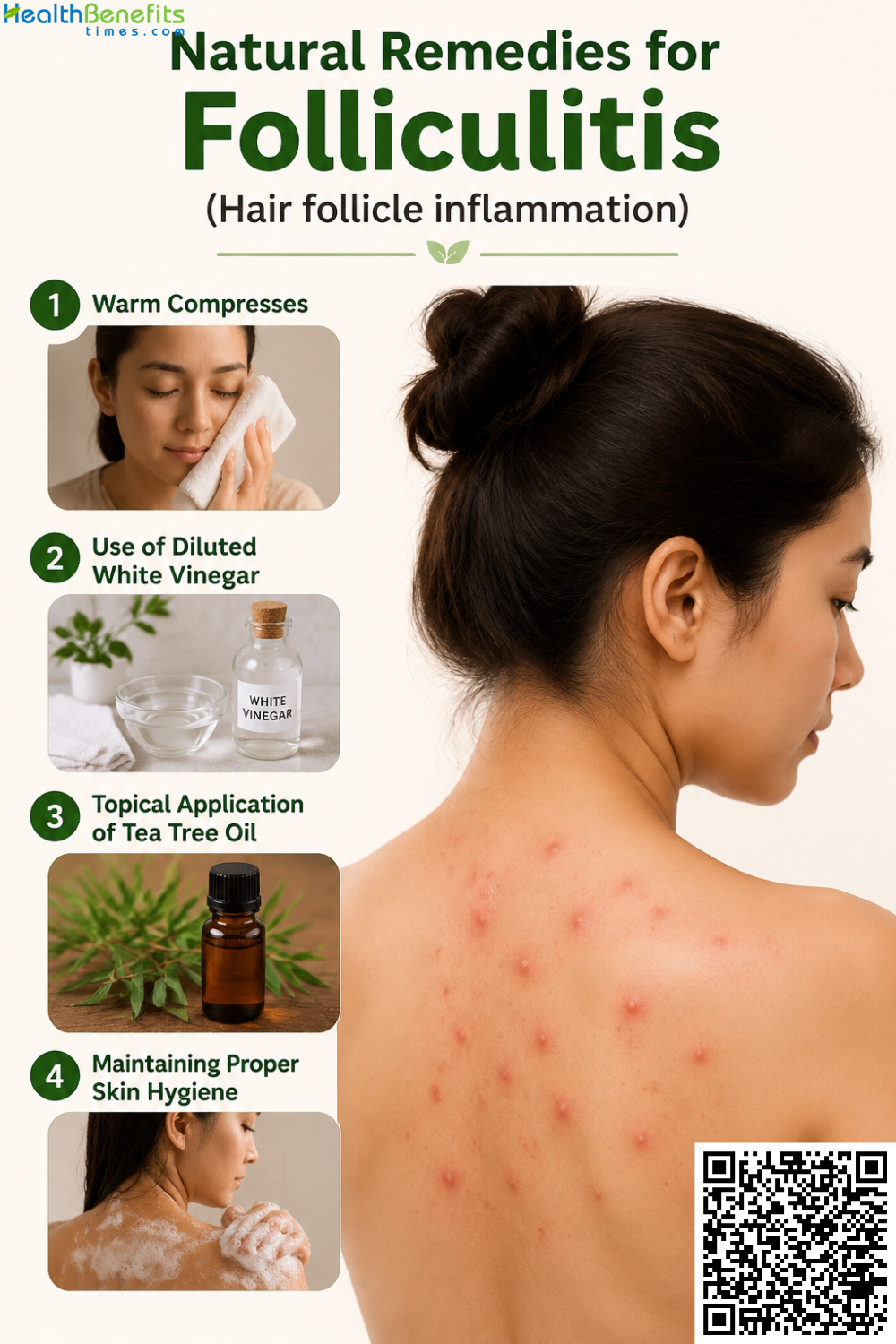
3. Topical Application of Tea Tree Oil
How it may help
Tea tree oil acts as a natural antimicrobial agent, effectively targeting bacteria and fungi that cause follicular inflammation. By penetrating the hair follicle, its active compounds help reduce the bacterial population, thereby limiting infection and accelerating the healing process for superficial pustules. It serves as a potent botanical option for managing mild, localized outbreaks.
What research says
Peer-reviewed clinical evidence confirms that tea tree oil possesses significant antiseptic and anti-inflammatory properties, making it an effective alternative to certain synthetic topical treatments for skin infections 4. These findings support its use in reducing follicular bacterial load and managing the inflammatory response associated with common skin irritations.
How to use it safely
Always dilute tea tree oil with a carrier oil—such as coconut or almond oil—at a ratio of one part tea tree to nine parts carrier. Apply a small amount to the affected area using a cotton swab twice daily. Perform a patch test on healthy skin first to ensure no reaction occurs.
Potential precautions or side effects
Tea tree oil may cause contact dermatitis, redness, or stinging in sensitive individuals. Do not ingest the oil, as it is toxic if swallowed, and avoid application near eyes.
4. Maintaining Proper Skin Hygiene
How it may help
Maintaining skin hygiene prevents folliculitis by reducing the accumulation of bacteria, oils, and sweat that block hair follicles. Regular, gentle cleansing clears away debris and irritants from the skin surface, significantly decreasing the risk of infection and inflammation while promoting a healthy environment for the skin to heal and defend against further microbial colonization.
What research says
Dermatological guidelines emphasize that consistent hygiene is fundamental to preventing the recurrence of skin infections. Studies indicate that reducing the bacterial burden on the skin through regular washing and minimizing exposure to contaminated surfaces or shared items is the most effective primary strategy for managing follicular health and preventing the spread of infection 2.
How to use it safely
Wash the affected area daily with mild, fragrance-free soap and warm water. Avoid scrubbing vigorously, as this can cause further irritation. After cleansing, gently pat the skin dry with a clean towel and avoid sharing personal items like razors or washcloths, which can spread bacteria to other areas.
Potential precautions or side effects
Avoid harsh, abrasive cleansers that strip the skin of natural oils, as this may increase irritation. If symptoms persist despite good hygiene, consult a healthcare professional for evaluation.
Foods to Avoid When You Suffer from Folliculitis (Hair follicle inflammation)
1. High-Glycemic Index Foods
Foods like sugary snacks and white bread cause rapid blood sugar spikes, which increase insulin levels and may promote inflammatory skin responses and exacerbate follicular outbreaks 5.
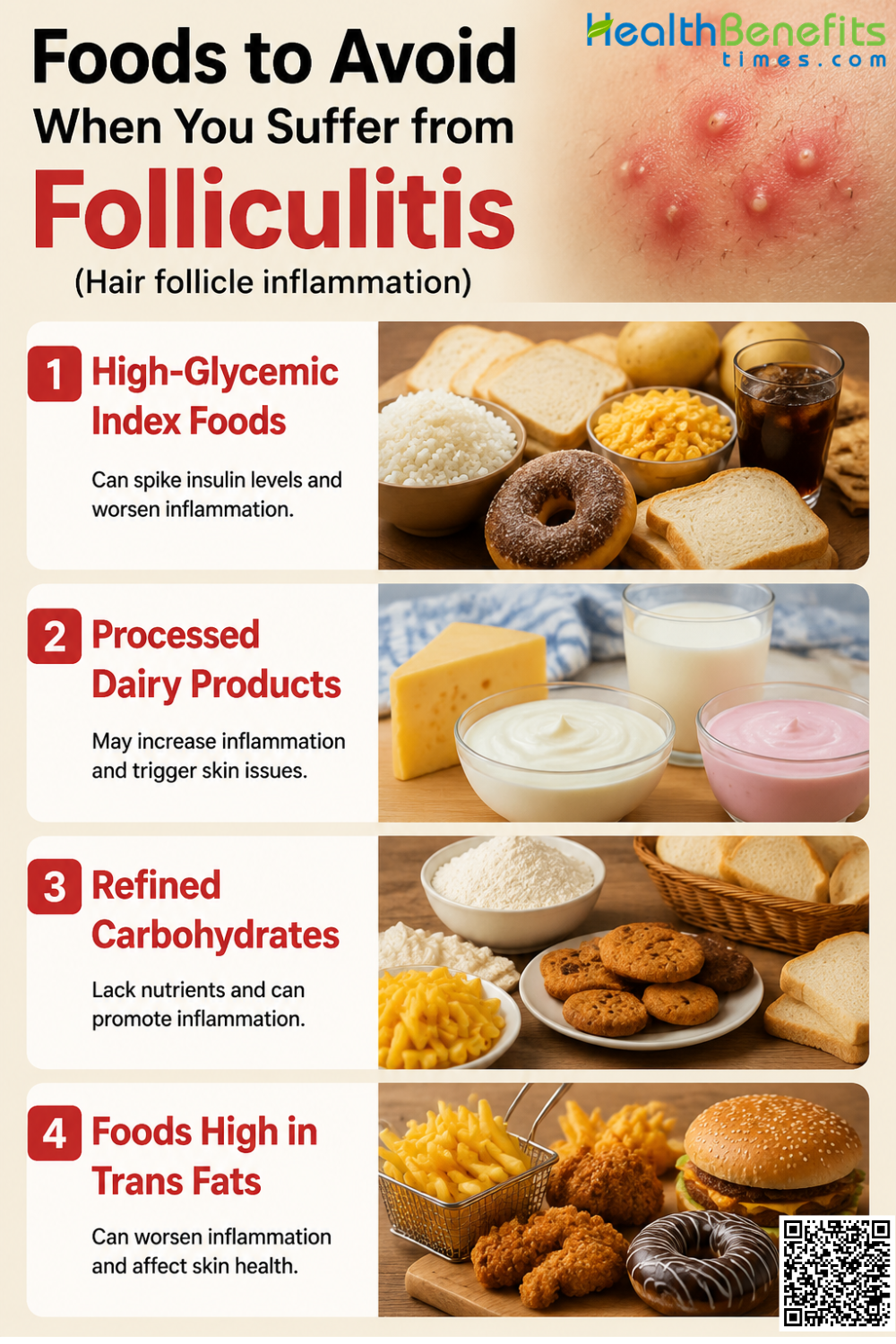
2. Processed Dairy Products
High intake of certain dairy products has been linked to hormonal fluctuations that can increase oil production in the skin, potentially leading to clogged follicles and infection 6.
3. Refined Carbohydrates
Consuming large amounts of refined grains can trigger systemic inflammation. Reducing these helps maintain stable blood sugar levels, which is vital for supporting skin barrier function and immunity 5.
4. Foods High in Trans Fats
Highly processed or fried foods contribute to systemic inflammation, which can hinder the body’s natural ability to repair damaged skin and fight off follicular bacterial infections 6.
When to see Doctor when you suffer from Folliculitis (Hair follicle inflammation)
1. Persistent or Recurrent Symptoms
Consult a clinician if the infection does not improve after several days of home care or if the condition frequently recurs in the same area 2.
2. Spreading Infection
Seek professional evaluation if the redness, swelling, or pain begins to spread to surrounding skin, indicating a potential deeper or more severe bacterial infection 1.
3. Systemic Symptoms
If you experience a fever, chills, or malaise alongside the skin lesions, medical intervention is necessary to rule out a more serious, systemic infection 2.
4. Severe Pain or Abscess Formation
If the lesions transform into large, painful, or deep-seated boils that do not drain, a doctor may need to perform a procedure to safely release the infection 1.
Comments
comments