


Causes of Fragile X Syndrome
1. Mutation in the FMR1 Gene
The direct cause of Fragile X syndrome is a defect in the FMR1 gene, which is located on the X chromosome. In individuals with the condition, a specific segment of the DNA code within this gene repeats itself an abnormally large number of times, fundamentally altering how the gene functions 1.
2. Deficiency of the FMRP Protein
The excessive repetition in the DNA sequence causes the FMR1 gene to completely shut down, preventing it from producing a crucial substance known as Fragile X Messenger Ribonucleoprotein (FMRP). Because FMRP is essential for building and maintaining healthy connections between nerve cells, its absence directly leads to the intellectual and developmental disabilities associated with the syndrome 4.
3. Genetic Inheritance
The mutated gene is passed down from parents to their children. A mother who carries a smaller, unnoticeable genetic change called a “premutation” can pass down the gene, which often expands into the full mutation during the inheritance process and causes the active syndrome in her child 5.
Symptoms of Fragile X Syndrome
1. Developmental and Speech Delays
Children with the syndrome typically take significantly longer to sit, walk, and talk compared to their peers. Speech delays are highly common, and many affected boys do not begin speaking until they are two years old or older 6.
2. Intellectual and Learning Disabilities
Cognitive challenges are a primary feature, ranging from mild learning difficulties to severe intellectual impairment. This affects the individual’s ability to process information, solve problems, and learn at a typical pace 1.
3. Behavioral and Emotional Challenges
Individuals frequently experience high levels of anxiety, hyperactivity, and difficulty paying attention, often meeting the criteria for attention-deficit/hyperactivity disorder (ADHD). They may also exhibit extreme shyness and aggression when overwhelmed 7.
4. Autism-Like Characteristics
Many affected individuals display traits commonly associated with autism spectrum disorder. This includes avoiding eye contact, engaging in repetitive movements like hand-flapping, and showing extreme sensitivity to sensory inputs such as bright lights, loud noises, or certain clothing textures 6.
5. Distinct Physical Features
While infants often have no distinct physical signs, specific physical characteristics become more noticeable by puberty, particularly in males. These include a long and narrow face, unusually large ears, a prominent forehead and jaw, highly flexible joints, and flat feet 1.
6. Seizures
A smaller percentage of individuals, occurring in roughly 15 percent of males and 5 percent of females with the condition, experience seizures that require ongoing medical management 7.
Natural Remedies for Fragile X Syndrome
1. Early Intervention Programs
How it may help:
Early intervention programs provide specialized therapies—such as physical, occupational, and speech training—during the most critical years of a child’s brain development. For infants and toddlers with Fragile X syndrome, these targeted therapies help build fundamental communication, social, and motor skills, establishing a strong foundation for future learning 8.
What research says:
Clinical evidence emphasizes that brain plasticity is highest from birth to age three. Research concludes that initiating structured intervention therapies during this early window significantly improves long-term cognitive abilities, language acquisition, and daily life skills in children with developmental and genetic disorders like Fragile X syndrome 9.
How to use it safely:
Consult your pediatrician immediately if you suspect developmental delays to access state-approved early intervention services. Work with certified specialists to design a customized plan, and ensure the therapy schedule fits your child’s natural routines to provide consistent support without causing exhaustion 8.
Potential precautions or side effects:
Intense therapy schedules can sometimes cause sensory overload or physical fatigue. Monitor your child closely for increased irritability and adjust the pace to prevent excessive stress or behavioral setbacks 9.
2. Speech and Language Therapy
How it may help:
Speech and language therapy addresses the severe communication delays and social anxiety common in Fragile X syndrome. By teaching clear articulation, daily vocabulary, and nonverbal cues like picture boards, this therapy greatly reduces the behavioral outbursts that often stem from a child’s frustration when they cannot easily express their needs 8.
What research says:
Clinical studies confirm that early, consistent speech therapy significantly improves both expressive and receptive language abilities in children with Fragile X syndrome. Research concludes that tailored interventions enhance vocabulary growth, conversational skills, and social engagement, which ultimately improves long-term independence and minimizes communication-based anxiety 9.
How to use it safely:
Work closely with a licensed speech-language pathologist who has extensive experience with developmental disorders. To practice safely at home, seamlessly integrate the therapist’s specific exercises into daily routines, keeping sessions brief, highly encouraging, and strictly paced to match your child’s current attention span 8.
Potential precautions or side effects:
Pushing a child too hard during therapy can trigger extreme anxiety, behavioral resistance, or emotional shutdowns. Always prioritize short, positive interactions over demanding immediate verbal results to prevent therapeutic burnout 9.
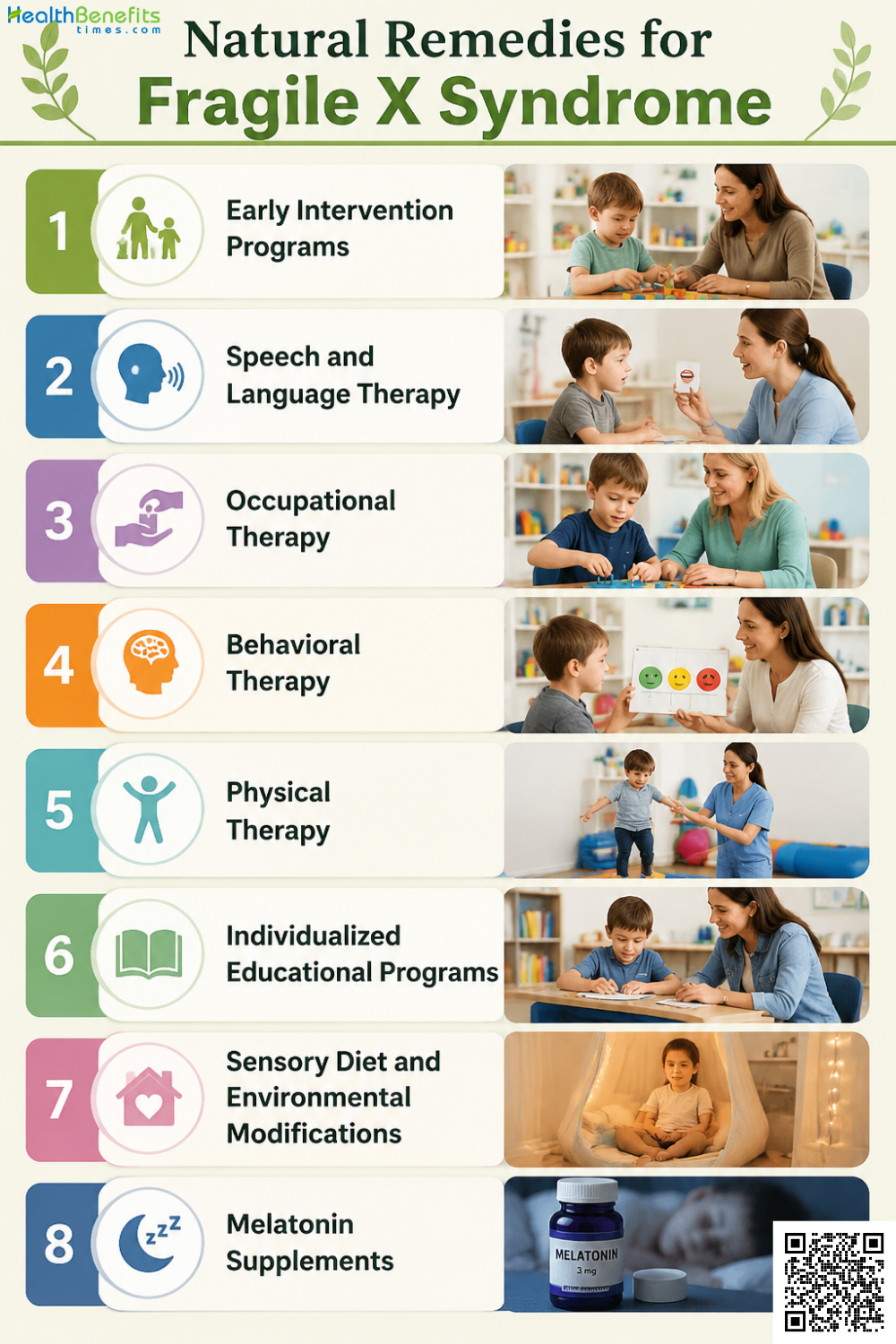
3. Occupational Therapy
How it may help:
Occupational therapy focuses on improving the fine motor skills needed for daily tasks, such as feeding, dressing, and writing. For individuals with Fragile X syndrome, it also includes sensory integration techniques to help manage extreme sensitivities to sounds, lights, and textures, making daily environments feel much less overwhelming 8.
What research says:
Clinical studies demonstrate that structured occupational therapy significantly improves adaptive behaviors and self-care abilities in those with Fragile X syndrome. Research concludes that addressing sensory processing difficulties directly reduces severe anxiety and hyperactive behaviors, leading to measurable improvements in overall independence and daily functioning 9.
How to use it safely:
Partner with a licensed occupational therapist experienced in genetic and sensory disorders. To safely support your child, practice the recommended sensory diets and fine motor exercises at home in a calm, familiar space, keeping sessions brief to maintain engagement and avoid triggering frustration 8.
Potential precautions or side effects:
Introducing too many new sensory experiences at once can cause severe overstimulation and emotional meltdowns. Always introduce new activities slowly and stop immediately if signs of extreme distress appear 9.
4. Behavioral Therapy
How it may help:
Behavioral therapy addresses the intense anxiety, hyperactivity, and aggressive outbursts common in Fragile X syndrome. By identifying specific environmental triggers, therapists teach individuals alternative coping mechanisms and social skills, gradually reducing disruptive behaviors and helping them navigate daily social interactions more calmly 8.
What research says:
Clinical evidence shows that structured behavioral interventions significantly decrease aggressive and self-injurious actions in individuals with Fragile X syndrome. Research concludes these therapies effectively improve adaptive skills, social communication, and emotional regulation, leading to better integration into educational and community settings 9.
How to use it safely:
Partner with a board-certified behavioral analyst experienced with genetic disorders. To ensure safe and effective progress at home, consistently apply the therapist’s positive reinforcement techniques, maintaining predictable daily routines and clear, calm expectations rather than using punitive measures for rule-breaking 8.
Potential precautions or side effects:
Highly rigid behavioral programs can inadvertently trigger extreme anxiety or emotional meltdowns. Always ensure therapy remains flexible and immediately pause techniques that cause severe distress or behavioral regression 9.
5. Physical Therapy
How it may help:
Physical therapy targets the low muscle tone and overly flexible joints frequently seen in Fragile X syndrome. By focusing on core strength, balance, and gross motor skills, this therapy helps children sit, walk, and coordinate their movements more effectively, building their physical independence 8.
What research says:
Clinical research indicates that early physical therapy interventions effectively improve gross motor milestones in children with Fragile X syndrome. Evidence concludes that structured physical conditioning enhances joint stability, posture, and motor coordination, which significantly reduces the frequency of falls and improves overall physical functioning 9.
How to use it safely:
Work with a licensed pediatric physical therapist who understands genetic connective tissue disorders. To practice safely at home, strictly follow the prescribed exercise routines, ensuring your child wears supportive footwear to protect flexible joints and flat feet during physical activities 8.
Potential precautions or side effects:
Overworking loose joints can cause sprains or joint pain. Stop any exercise immediately if your child complains of physical discomfort or shows signs of severe fatigue 9.
6. Individualized Educational Programs
How it may help:
Individualized Educational Programs (IEPs) legally mandate tailored classroom accommodations for a child’s specific cognitive and behavioral needs. By adjusting teaching methods, providing visual aids, and incorporating regular breaks, IEPs minimize classroom anxiety and directly support the unique learning style of children with Fragile X syndrome 8.
What research says:
Educational and clinical research demonstrates that customized learning plans significantly improve academic engagement and life skills in children with intellectual disabilities. Evidence concludes that utilizing structured routines and visual learning strategies within an IEP maximizes cognitive development and prevents behavioral regressions in students with Fragile X syndrome 9.
How to use it safely:
Collaborate closely with your child’s teachers, therapists, and special education administrators to draft the IEP. Schedule mandatory annual meetings to review and adjust the learning goals, ensuring the required accommodations continuously match your child’s evolving developmental and emotional needs 8.
Potential precautions or side effects:
Setting overly aggressive academic goals can cause severe frustration and school refusal. Always ensure educational expectations remain realistic to prevent triggering extreme anxiety and emotional meltdowns 9.
7. Sensory Diet and Environmental Modifications
How it may help:
A sensory diet provides a scheduled routine of calming physical activities, while environmental modifications reduce chaotic surroundings. For individuals with Fragile X syndrome, these strategies prevent severe sensory overload from loud noises or bright lights, helping them maintain emotional control and preventing extreme anxiety and behavioral meltdowns 8.
What research says:
Clinical research demonstrates that structured sensory integration and environmental adaptations significantly decrease nervous system hyperarousal in developmental disorders. Evidence concludes that tailoring sensory input directly reduces self-injurious behaviors and improves sustained attention, allowing individuals with Fragile X syndrome to function better in daily routines 10.
How to use it safely:
Work with an occupational therapist to identify specific sensory triggers. At home, create a dedicated quiet zone with dim lighting, and safely introduce calming tools like noise-canceling headphones or gentle joint-compression exercises when you notice early signs of distress 8.
Potential precautions or side effects:
Never force sensory tools. Avoid excessively heavy weighted blankets, as they can restrict breathing or cause overheating. Always ensure the individual can easily remove sensory devices themselves 9.
8. Melatonin Supplements
How it may help:
Individuals with Fragile X syndrome frequently experience severe sleep disturbances, including difficulty falling asleep and frequent nighttime awakenings. Melatonin is a naturally occurring hormone that regulates the sleep-wake cycle. Taking a supplement helps signal to the brain that it is time to rest, establishing healthier and more predictable sleep patterns 11.
What research says:
Clinical studies demonstrate that melatonin significantly decreases the time it takes to fall asleep in children with neurodevelopmental disorders, including Fragile X syndrome. Research concludes that consistent, low-dose supplementation effectively improves total sleep duration, which subsequently leads to better daytime behavior and reduced overall anxiety 11.
How to use it safely:
Always consult your doctor to determine the exact dosage before starting. To use it safely, administer the lowest effective dose—typically one to three milligrams—approximately thirty to sixty minutes before bedtime, while simultaneously maintaining a consistent, calming nighttime routine 12.
Potential precautions or side effects:
Melatonin is generally safe but may cause morning grogginess, mild headaches, or daytime sleepiness. Stop use and consult your doctor if these effects worsen daytime behavioral challenges 12.
Foods to Avoid When You Suffer from Fragile X Syndrome
While no specific diet cures Fragile X syndrome, limiting certain foods can help manage co-occurring symptoms like severe anxiety, hyperactivity, and gastrointestinal distress.
1. Caffeinated Beverages
Caffeine is a powerful stimulant that severely worsens the anxiety, nervous hyperarousal, and sleep disruptions already highly common in individuals with this genetic condition 13.
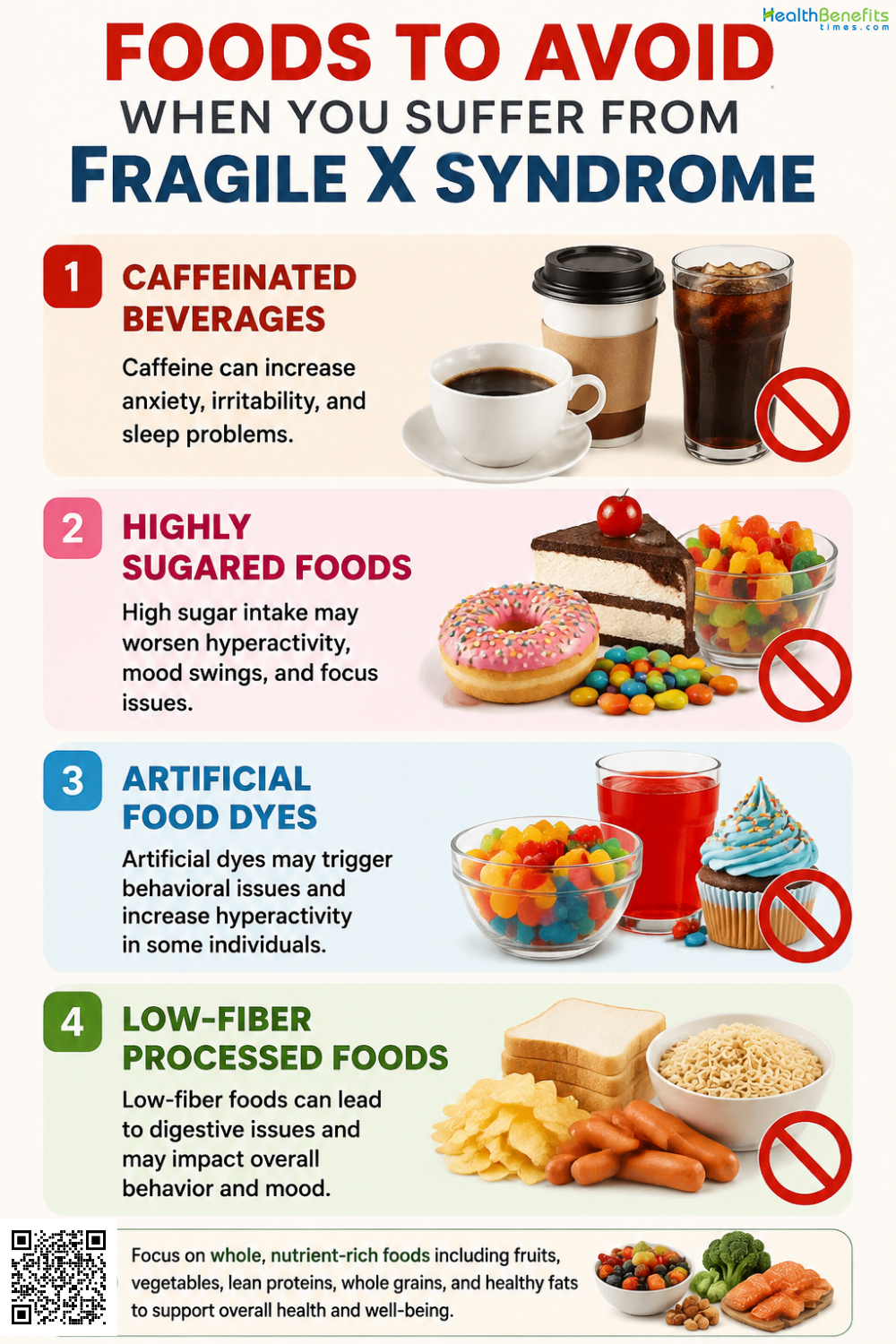
2. Highly Sugared Foods
High sugar intake causes rapid energy spikes that significantly exacerbate the hyperactivity, impulsive actions, and emotional meltdowns frequently associated with Fragile X syndrome 14.
3. Artificial Food Dyes
Clinical evidence suggests that synthetic food colorings can increase hyperactive behaviors and reduce attention spans in children with underlying neurodevelopmental and behavioral disorders 15.
4. Low-Fiber Processed Foods
Heavily processed foods lack essential fiber, directly worsening chronic constipation and gastrointestinal discomfort, which are frequent physical complaints in those with developmental syndromes 16.
When to See a Doctor When You Struggle from Fragile X Syndrome
- Delayed Developmental Milestones: Consult a pediatrician if a child misses typical targets for sitting, walking, or talking, as early intervention significantly improves long-term cognitive outcomes 6.
- Onset of Seizures: Seek immediate neurological care if the individual experiences staring spells, uncontrolled shaking, or loss of consciousness, as seizures require prompt medical management 7.
- Severe Behavioral Changes: Contact a healthcare provider if anxiety, aggression, or self-injurious actions rapidly worsen, as these often require specialized therapy or medication adjustments 9.
- Loss of Previously Acquired Skills: Schedule a medical evaluation if an individual suddenly loses communication abilities or motor skills, as developmental regression requires thorough neurological investigation 17.
- Chronic Sleep Disruptions: See a doctor if extreme difficulty sleeping causes severe daytime exhaustion or behavioral meltdowns, as medical interventions can safely restore necessary rest cycles 11.
Comments
comments