

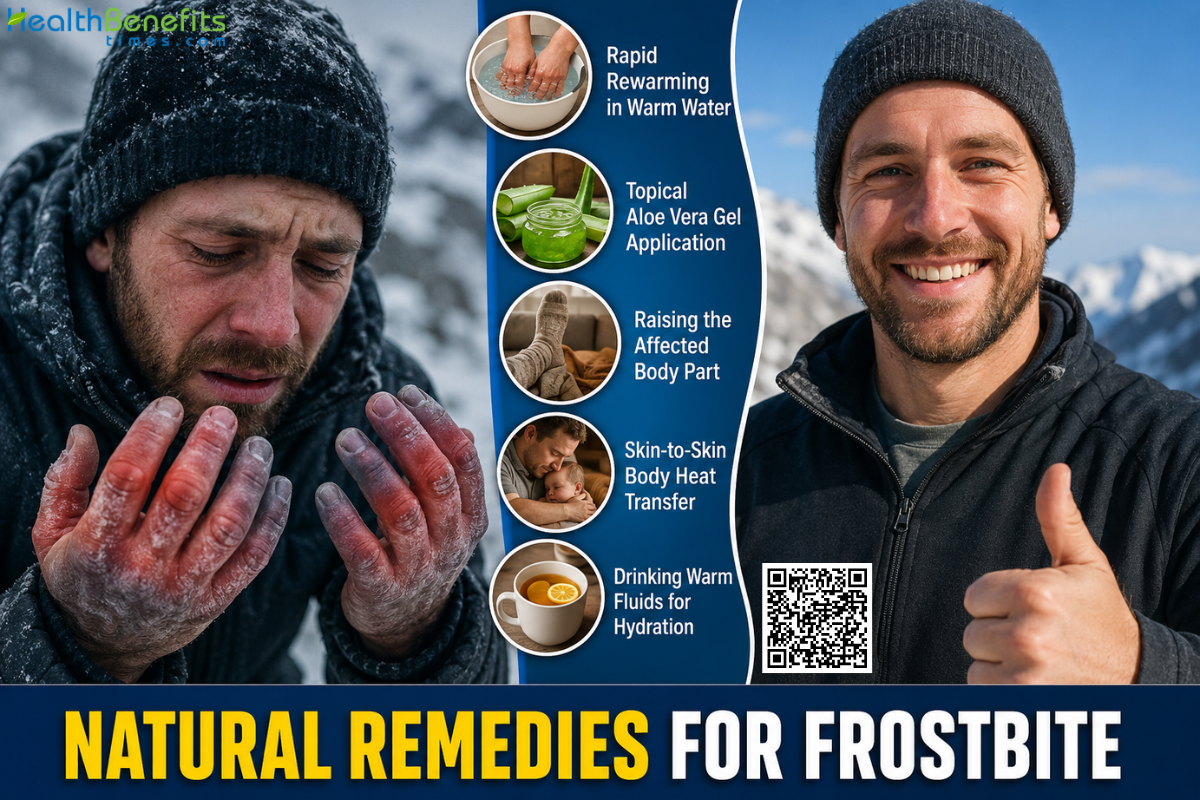
Causes of Frostbite
1. Extreme Cold Temperatures
The primary cause of frostbite is exposing the skin and deeper tissues to freezing environments below 0°C (32°F) 4. Prolonged exposure allows ice crystals to form inside and outside the cells, which destroys cell membranes and leads to tissue death.
2. High Wind Chill
Wind drastically increases the rate at which heat leaves the body by stripping away the thin layer of warm air surrounding the skin. A high wind chill factor causes exposed body parts to freeze much faster than they would in still air at the exact same temperature.
3. Wet Clothing and Moisture
Water conducts heat away from the body highly efficiently. Wearing wet clothes, gloves, or socks in cold weather causes the skin to cool rapidly, significantly accelerating the freezing process.
4. Direct Contact with Freezing Objects
Touching extremely cold metal surfaces or volatile cold liquids can cause immediate tissue damage. Cold metal absorbs heat from bare skin rapidly, which can result in instant freezing at the point of contact 5.
5. Impaired Blood Circulation
Underlying health problems that restrict blood flow to the hands and feet make freezing injuries more likely. Conditions such as diabetes, peripheral vascular disease, and Raynaud’s disease prevent warm blood from reaching the extremities to protect them from the cold. Wearing excessively tight clothing or boots can also physically block this essential blood circulation.
6. Substance Use and Medications
Tobacco use narrows the blood vessels, reducing blood flow to the skin, while alcohol impairs the body’s natural temperature regulation and creates a false sense of warmth. Additionally, certain prescription medications, such as beta-blockers, can restrict blood circulation to the body’s outer extremities.
7. High Altitude and Low Oxygen
Traveling to high altitudes exposes the body to both extreme cold and lower atmospheric oxygen levels. A lack of adequate oxygen in the bloodstream further weakens the tissues, making them significantly more vulnerable to severe damage from freezing temperatures.
Symptoms of Frostbite
1. Numbness and Loss of Sensation
As tissues freeze, nerve endings are temporarily or permanently damaged, leading to a profound loss of feeling in the affected area. Because the area is deeply numb, individuals often do not realize the severity of the cold injury as the tissue freezing progresses.
2. Skin Color Changes
The affected skin initially appears intensely red, but as blood circulation is severely restricted, it fades to a pale white, grayish-yellow, or bluish appearance. If deep tissue death occurs in severe stages, the skin ultimately turns dark purple or black, which is a clinical sign of gangrene.
3. Waxy and Hard Skin Texture
The affected skin and its underlying tissues can freeze completely solid in the cold, causing the surface to feel abnormally stiff, cold, and waxy to the touch. In advanced stages, this deep hardening severely restricts or entirely prevents joint and muscle movement in the affected fingers, toes, or limbs.
4. Blister Formation
Clear, fluid-filled or blood-filled blisters typically develop on the skin’s surface within 24 to 36 hours after the frozen area begins to thaw and rewarm. The presence of these blisters indicates that the physical cold damage has successfully penetrated beneath the outermost epidermal layers of the skin.
5. Pain and Throbbing During Thawing
While severely frozen tissue remains entirely numb while exposed to the cold, the medical thawing process triggers intense burning, tingling, and throbbing pain. This severe discomfort happens as circulation attempts to return to the heavily damaged nerves and blood vessels.
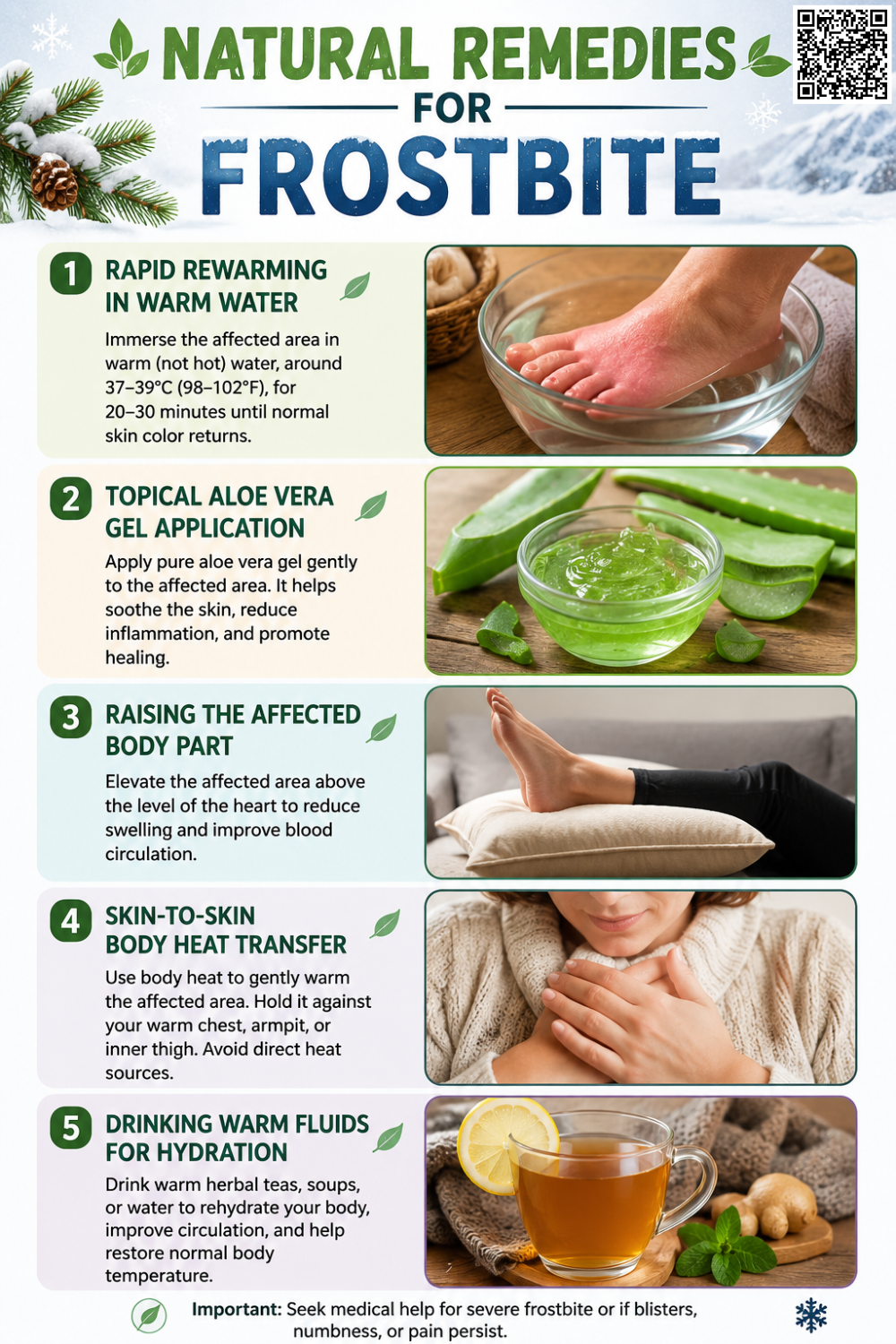
1. Rapid Rewarming in Warm Water
How It May Help
Rapid rewarming in warm water is the primary treatment to stop tissue freezing and restore blood circulation. This immediate heat transfer thaws the skin, prevents further ice crystal formation, and minimizes permanent cellular damage in the affected body parts.
What Research Says
Clinical guidelines establish that rapidly rewarming frostbitten tissue in water heated between 37°C and 39°C (98.6°F to 102.2°F) significantly reduces long-term tissue loss . Evidence confirms this rapid thawing method is far more effective than slow, spontaneous rewarming at preserving living cells 6.
How to Use It Safely
Immerse your affected body part in warm water that is comfortable to the touch. Keep the water circulating gently until your skin becomes soft and its normal color returns. Never rub the frozen tissue or use direct heat sources like stoves or heating pads.
Potential Precautions or Side Effects
Do not begin rewarming if the area might refreeze, as refreezing causes irreversible tissue destruction. Avoid excessively hot water, which can severely burn numb skin.
2. Topical Aloe Vera Gel Application
How It May Help
Topical aloe vera gel acts as a powerful anti-prostaglandin agent that interrupts the inflammatory cascade in damaged tissues 7. By blocking the formation of specific compounds like thromboxane, aloe vera helps restore healthy blood flow and prevents progressive skin and tissue death following a freezing injury 8.
What Research Says
Standard medical protocols incorporate aloe vera to reduce long-term tissue damage after rapid rewarming. Experimental studies establish that treating frostbitten areas with aloe vera significantly improves overall tissue survival rates compared to untreated tissues by combating post-thaw vascular damage and severe inflammation 9.
How to Use It Safely
Wait until the frostbitten area is completely thawed before applying any treatments. Once the skin is successfully rewarmed, gently apply a layer of topical aloe vera gel or cream directly to the affected tissues before loosely wrapping the area in protective, dry bandages 10.
Potential Precautions or Side Effects
Never apply aloe vera or any topical treatment while the skin is still actively frozen. Discontinue use immediately if you experience allergic reactions, such as increased burning or severe irritation.
3. Raising the Affected Body Part
How It May Help
Raising the frostbitten body part helps manage post-thaw swelling, known as edema. Elevating the area above the heart utilizes gravity to encourage excess fluid to drain away from the injured tissues. This reduction in pressure helps restore normal blood circulation and minimizes throbbing pain during the recovery process.
What Research Says
Clinical treatment guidelines consistently mandate limb elevation following the initial rapid rewarming phase. Medical evidence confirms that minimizing post-thaw swelling is critical, as excessive fluid buildup can compress recovering blood vessels, restrict vital oxygen flow, and worsen permanent tissue damage.
How to Use It Safely
Once your skin has been successfully thawed, gently prop the injured limb up on soft pillows. Keep the affected area elevated slightly above the level of your heart while resting. Avoid placing any direct weight or pressure on the damaged tissues.
Potential Precautions or Side Effects
Never attempt to walk on frostbitten toes or feet, even after thawing, as bearing weight will cause severe, irreversible tissue destruction.
3. Skin-to-Skin Body Heat Transfer
How It May Help
Skin-to-skin contact utilizes the body’s natural core temperature to safely and gradually warm superficially frozen tissues in emergency field settings. This gentle heat transfer is highly effective for localized areas like the fingers, nose, and ears when immediate access to a warm water bath is unavailable.
What Research Says
Clinical field protocols endorse the use of body heat as a temporary, initial intervention for minor frostbite or frostnip. While rapid warm water immersion remains the optimal medical standard, evidence confirms that direct application of body warmth successfully prevents further tissue freezing and stabilizes the injury during transport.
How to Use It Safely
Tuck your bare, frostbitten hands directly into your own armpits or hold them against your warm abdomen under your clothing. For facial injuries, place warm, un-gloved hands gently over the affected nose, cheeks, or ears without applying any pressure.
Potential Precautions or Side Effects
Never rub or massage the affected skin, as the friction will physically destroy the frozen tissues . Do not attempt this method if the rewarmed skin might refreeze outdoors.
4. Drinking Warm Fluids for Hydration
How It May Help
Drinking warm, sweet fluids helps elevate the body’s core temperature from the inside out, which combats hypothermia often associated with extreme cold exposure. Proper hydration increases total blood volume, which relaxes narrowed blood vessels and restores vital blood circulation to the freezing outer extremities.
What Research Says
Clinical protocols emphasize that systemic hydration is critical for treating cold-induced vascular constriction. Evidence shows that maintaining adequate fluid volume prevents blood thickening and promotes optimal blood flow, which is necessary to deliver oxygen and nutrients to damaged tissues during the thawing and recovery phases.
How to Use It Safely
Give the affected person warm, non-alcoholic, and non-caffeinated beverages, such as warm water, clear broth, or sweet decaffeinated tea. Ensure you only offer liquids if the person is fully conscious and can swallow normally to prevent accidental choking.
Potential Precautions or Side Effects
Strictly avoid alcohol and caffeine. Alcohol impairs temperature regulation, while caffeine further constricts blood vessels, directly worsening the frostbite injury by blocking necessary blood flow.
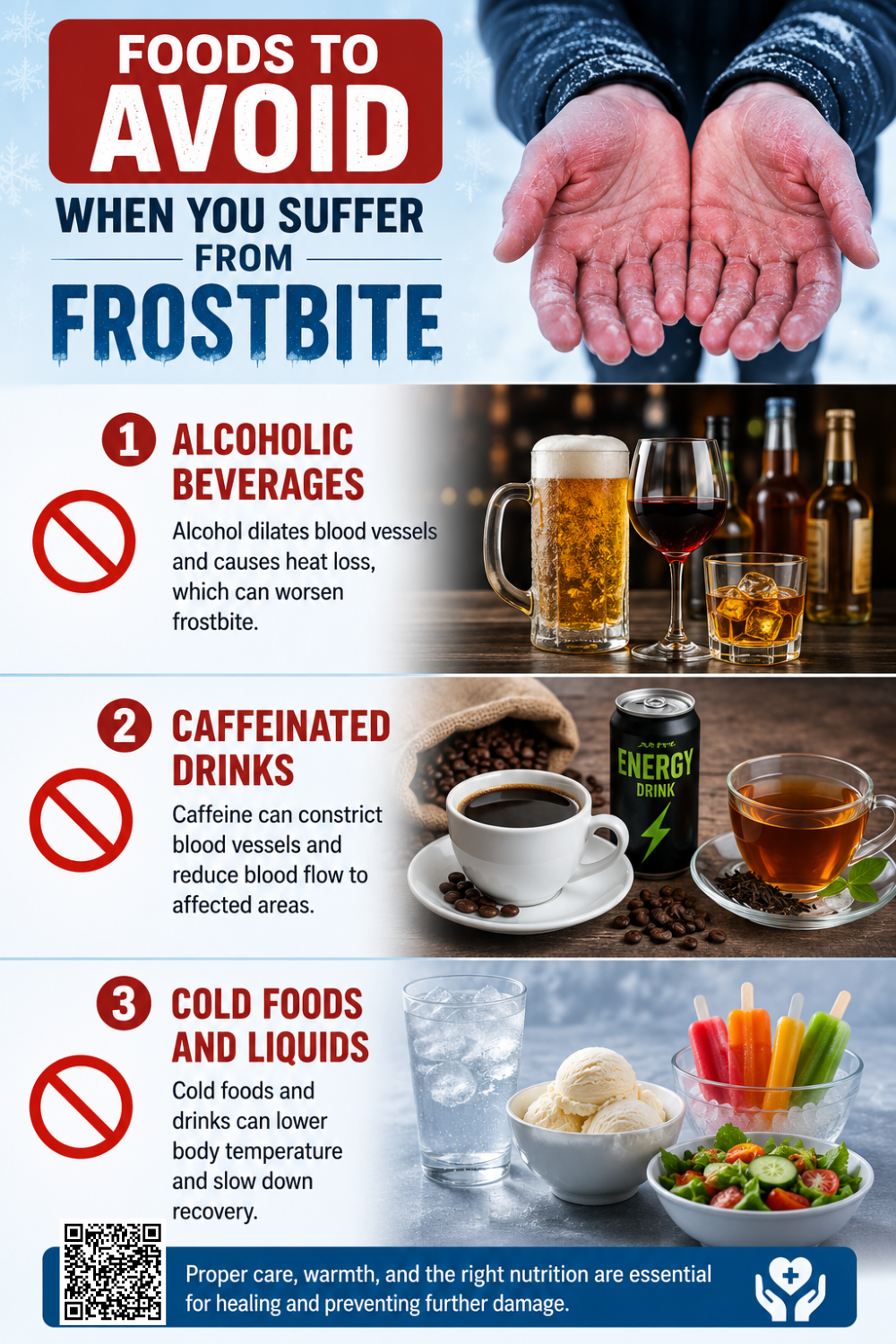
1. Alcoholic Beverages
Alcohol chemically expands blood vessels near the skin, causing the body to lose heat rapidly. This quickly lowers core temperatures and significantly worsens existing freezing injuries 11.
2. Caffeinated Drinks
Caffeinated beverages increase bodily fluid loss through diuretic effects. This active dehydration reduces overall blood volume, strictly limiting the warm blood flow needed to heal frozen extremities 12.
3. Cold Foods and Liquids
Consuming icy foods or chilled drinks actively lowers the body’s internal temperature. This physically counteracts the systemic rewarming required to restore vital blood circulation to frostbitten tissues.
When To See a Doctor When You Suffer From Frostbite
1. Persistent Numbness
Seek immediate medical care if you experience persistent numbness in the affected area, which strongly indicates potential deep tissue freezing and severe nerve damage.
2. Skin Color Changes
Go to an emergency room if the frozen skin turns white, grayish-yellow, or black. These visual changes signify severely restricted blood flow and advancing tissue death.
3. Blister Formation
Consult a doctor immediately if fluid-filled or blood-filled blisters develop after thawing, as this confirms the cold injury has penetrated deeply beneath the outer skin layers.
4. Hard or Waxy Skin
Seek urgent treatment if your skin feels abnormally firm, stiff, or waxy to the touch, which indicates the underlying muscles and tissues are completely frozen solid.
5. Signs of Hypothermia
Request emergency medical assistance immediately if frostbite is accompanied by severe shivering, confusion, or slurred speech, as these are critical signs of life-threatening hypothermia.
Comments
comments