

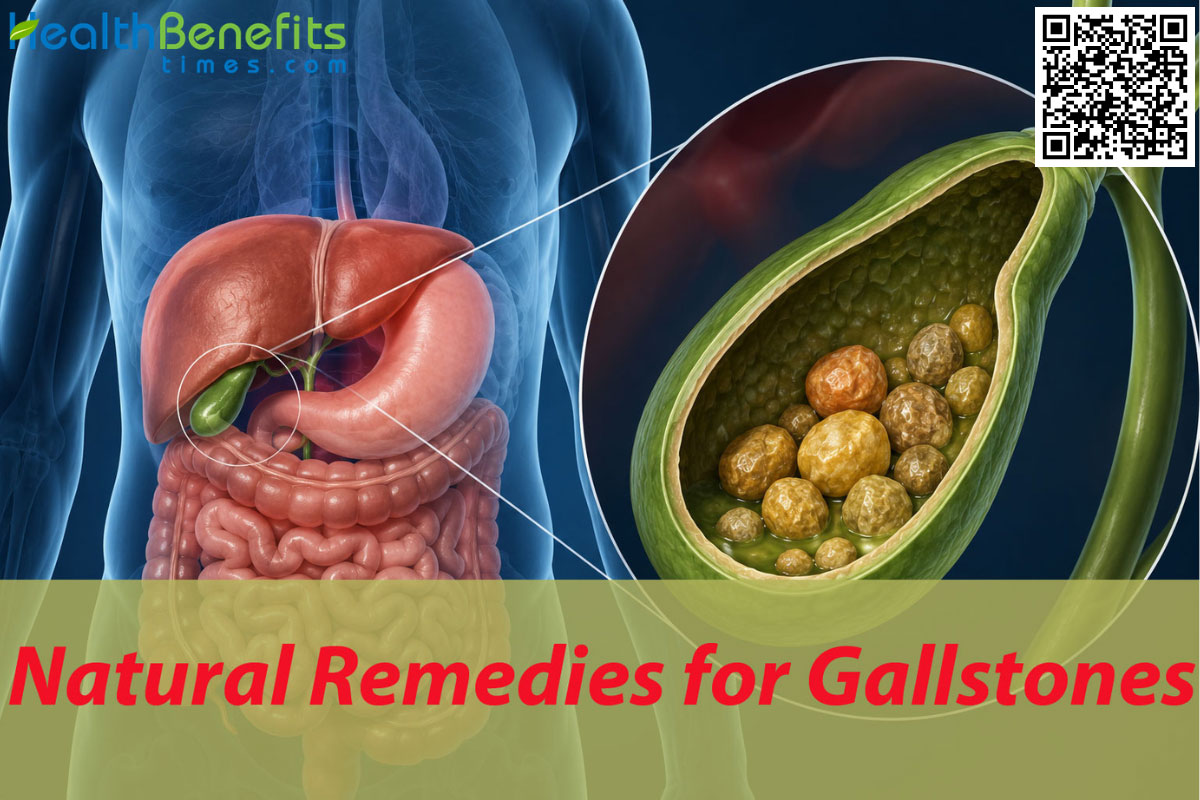
Causes of Gallstones
1. Cholesterol Supersaturation
Bile is produced and secreted by the liver, and it consists mainly of bile salts, phospholipids, cholesterol, conjugated bilirubin, electrolytes, and water. When there is an excess of cholesterol relative to these dissolving agents, supersaturation of cholesterol in bile occurs. In simple terms, think of bile like a cup of water trying to dissolve sugar once you add too much sugar, it can no longer dissolve and begins to harden at the bottom. Supersaturation happens when either too much cholesterol or not enough bile salts and phospholipids are secreted, making it impossible for bile to fully dissolve all the cholesterol present. Three major stages then follow: bile becomes supersaturated with cholesterol, cholesterol nucleation leads to crystal formation, and finally those crystals are retained in the gallbladder, resulting in stone formation. The most common trigger is an increase in cholesterol synthesis linked to environmental factors such as obesity and aging, as well as genetic factors. Risk factors like obesity, being female, and older age can all be linked to specific abnormalities in cholesterol metabolism that drive this process.
2. Excessive Bilirubin Production
Certain physiological states and medical conditions compel the body to destroy red blood cells at an abnormally accelerated rate, leading to an overabundance of bilirubin 2. This excess bilirubin accumulates in the biliary tract and frequently crystallizes with calcium, forming dark-colored pigment stones.
3. Impaired Gallbladder Motility
Proper digestion strictly requires the gallbladder to empty its bile reserves comprehensively and at regular intervals. When gallbladder contractility decreases due to prolonged fasting, hormonal shifts, or other factors bile becomes stagnant, creating a thick sludge that serves as the perfect foundation for lithogenesis 4.
4. Underlying Metabolic Dysfunction
Individuals dealing with systemic metabolic issues, such as severe insulin resistance or dyslipidemia, face a drastically elevated risk of forming stones. These systemic conditions disrupt foundational cholesterol homeostasis, driving up hepatic cholesterol secretion while simultaneously reducing the production of protective bile salts 5.
Symptoms of Gallstones
- Sudden and rapidly escalating pain situated in the upper right portion of the abdomen, a condition clinically termed biliary colic 6.
- Severe bouts of abdominal discomfort that characteristically flare up shortly after consuming heavy, greasy meals, often striking late in the evening or waking patients during the night 7.
- Unexplained waves of nausea that are frequently followed by sudden vomiting during an active pain flare-up 2.
- A noticeable yellowing of the skin and the whites of the eyes, known as jaundice, which acts as a primary indicator of a blocked common bile duct 4.
- Distinct changes in waste elimination, specifically the passing of unusually pale, clay-colored stools alongside dark, tea-colored urine.
- The unexpected onset of chills or a low-grade fever, which frequently signals that the stagnant bile has led to an active bacterial infection or inflammation within the gallbladder.
Gallstones Facts
| Facts | Details |
| Symptoms
|
|
| Causes
|
|
| Types of Gallstones
|
|
| How does spread
|
|
| Age Group
|
|
| You might be at a higher risk for exposure of this disease if you:
|
|
| How doctors diagnose
|
|
| Other facts
|
|
Natural Remedies for Gallstones
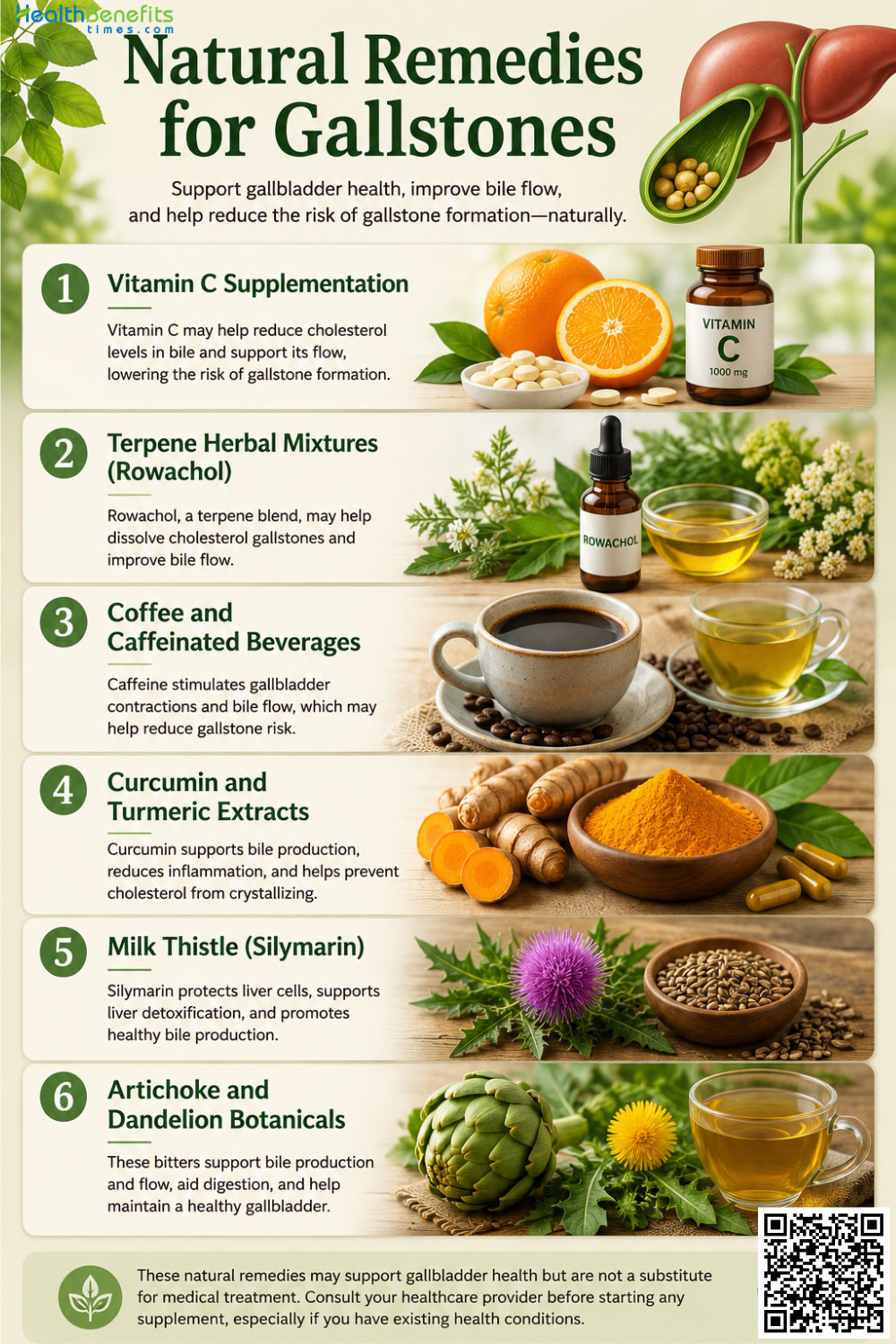
1. Vitamin C Supplementation
Ascorbic acid plays an incredibly vital structural role in how the liver metabolizes cholesterol into highly functional bile acids. Clinical observations demonstrate that a strict daily intake of Vitamin C significantly alters the bile acid composition, lowering harmful cholic acid levels while elevating beneficial acids 8. This specific biochemical shift successfully extends the nucleation time of gallbladder bile from 2 days to 7 days, strongly proving that adequate ascorbic acid creates a hostile environment for cholesterol crystallization 9.
Note: You can proactively incorporate this into your routine by taking a daily over-the-counter vitamin C supplement or eating citrus fruits to support your overall gallbladder health.
2. Terpene Herbal Mixtures (Rowachol)
Plant-derived terpenes possess a lengthy history of clinical application for soothing biliary disorders. Standardized essential oil preparations containing a proprietary blend of terpenes have demonstrated robust efficacy in prolonging the nucleation time of bile, thereby delaying the rate at which cholesterol solidifies 10. In controlled settings, administering these terpene capsules successfully prevented the formation of detectable cholesterol monohydrate crystals in affected patients and significantly reduced the cholesterol saturation of fasting gallbladder bile 11.
Note: You would typically take this specific herbal mixture as an oral capsule two to three times a day before meals to naturally maintain healthy, liquid bile flow.
3. Coffee and Caffeinated Beverages
Epidemiological data reveals a fascinating, dose-dependent inverse relationship between the routine consumption of coffee and the incidence of gallstone disease. The active compounds in coffee, known as methylxanthines, stimulate hepatic bile flow while simultaneously inhibiting the gallbladder’s internal absorption of bile acids and sodium 12. By actively preventing fluid absorption within the organ, caffeine completely normalizes gallbladder stasis and drastically reduces the chances of cholesterol clumping together into solid stones 13.
Note: You can drink one to two cups of standard brewed coffee each morning to naturally encourage your digestive system to process lipids smoothly.
4. Curcumin and Turmeric Extracts
The vibrant yellow compound inside turmeric, known as curcumin, operates as a highly potent anticholelithogenic agent. Once absorbed, curcumin exhibits a profound hypocholesterolemic effect that actively lowers the cholesterol saturation index within your bile 14. Additionally, curcumin functions as a powerful cholekinetic substance, meaning it safely stimulates the physical contraction of the gallbladder, with moderate doses capable of contracting the organ’s volume by over 30% to forcefully expel stagnant sludge 15.
Note: You can easily sprinkle turmeric powder into your daily meals or take a concentrated curcumin capsule with a pinch of black pepper to maximize its absorption in your digestive tract.
5. Milk Thistle (Silymarin)
Silymarin, a unique complex of flavonolignans extracted from milk thistle seeds, is highly regarded for its profound protective effect on liver function. The botanical acts systemically to optimize blood constituents, noticeably decreasing markers of liver stress while elevating overall plasma antioxidant capacity 16. By drastically optimizing the foundational health and metabolic efficiency of the liver, milk thistle directly influences the quality of the bile produced, mitigating the dietary triggers that frequently incite stone pathogenesis 17.
Note: You can take milk thistle as an oral herbal supplement, usually in a standardized capsule or tincture form, to gently support your liver and biliary function every day.
6. Artichoke and Dandelion Botanicals
Certain bitter botanicals, most notably dandelion root and artichoke extract, are renowned for their profound choleretic mechanisms. Standardized artichoke extracts have been proven to increase intraduodenal bile secretion by over 150% within a single hour when administered postprandially 18. Furthermore, ex vivo laboratory trials evaluating a complex mixture of dandelion extract, psyllium, and olive oils found the synergistic combination capable of dissolving over 90% of cholesterol stone mass within days 19.
Note: You can brew roasted dandelion root tea or take standardized artichoke extract drops in a small glass of water shortly before you eat to stimulate your natural digestive juices.
Is there any exercise or physical activities for Gallstones
1. Routine Recreational Movement
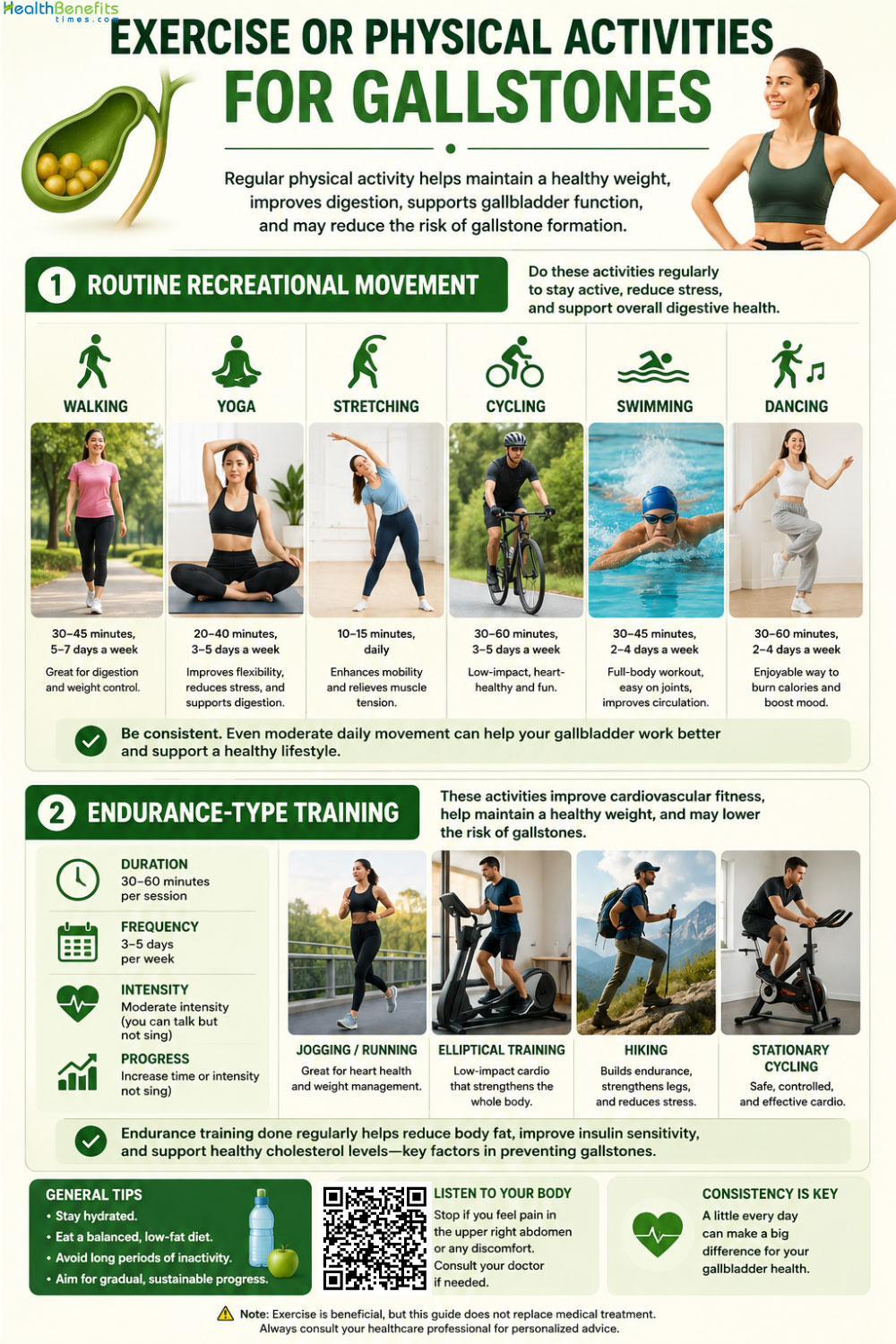
Observational research confirms a robust inverse correlation between a patient’s baseline physical movement and the onset of symptomatic biliary diseases. Engaging in consistent, moderate recreational activity works on a systemic level to elevate high-density lipoprotein (HDL) cholesterol while simultaneously lowering circulating plasma triglycerides 20. This deeply favorable lipid shift directly alters the chemistry of the bile, reducing the cholesterol saturation index and mechanically reducing bile stasis within the organ.
Note: You should aim to do at least 20 to 30 minutes of continuous, brisk walking or light cycling daily to keep your digestive tract active and healthy.
2. Endurance-Type Training
Taking physical activity a step further, dedicated endurance and cardiovascular training provides substantial, quantifiable protection against biliary tract obstruction. Rigorous exercise actively metabolizes bodily lipid stores and improves insulin sensitivity, directly addressing the foundational metabolic dysfunctions that drive cholesterol supersaturation 21. Population models estimate a vast percentage of symptomatic gallstone cases could be entirely prevented through dedicated, sweat-inducing endurance regimens.
Note: You can participate in more vigorous cardiovascular exercises like jogging, rowing, or swimming laps for 30 minutes, five times a week, to gain deeper metabolic protection against stone formation.
Foods and Activities to Avoid When You suffer from Gallstones
1. Refined Sugars and Simple Carbohydrates
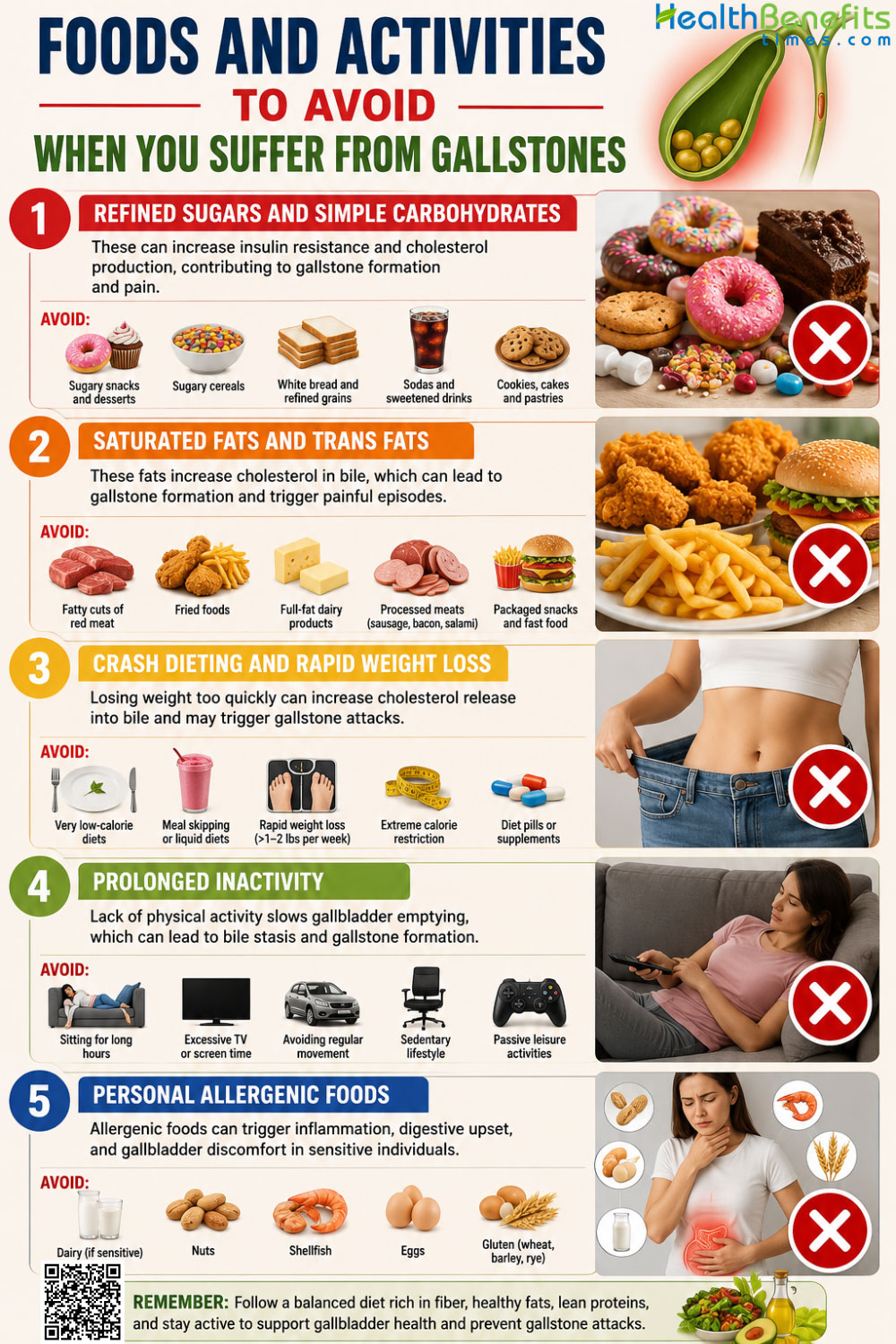
You should firmly stay away from sugary snacks, sodas, and commercial baked goods because they cause sharp spikes in your insulin levels, which directly forces your liver to dump more cholesterol into your bile 9.
2. Saturated Fats and Trans Fats
You need to avoid high-fat animal products like red meat, butter, and full-fat dairy, as these foods demand an enormous amount of bile for digestion and can quickly trigger a painful gallbladder attack by forcing a blocked organ to squeeze hard 2.
3. Crash Dieting and Rapid Weight Loss
You must avoid extreme low-calorie diets and sudden fasting; losing weight too quickly starves your digestive tract of the healthy fats needed to trigger normal gallbladder contractions, allowing sludge to stagnate and stones to form rapidly 22.
4. Prolonged Inactivity
You should limit the hours you spend sitting at a desk or watching television, because leading a highly sedentary lifestyle severely slows down your metabolic processes and digestive motility, significantly heightening your risk of symptomatic attacks 23.
5. Personal Allergenic Foods
You should carefully identify and remove any foods you are mildly allergic or sensitive to, as triggering an allergic inflammatory response in the gut can provoke acute gastrointestinal spasms that mimic or worsen biliary colic 9.
Myths and Misconceptions
| Myth | Reality |
| Gallbladder flushes are a medically proven cure that easily dissolves all stones. | While highly popular in alternative folk medicine, the olive oil and juice “gallbladder flush” functions by forcefully contracting the organ rather than dissolving the stones chemically. Most clinical evidence remains purely anecdotal, and forcing a contraction against a large stone can be dangerous |
| Every single patient diagnosed with gallstones requires immediate surgical removal. 25. | The overwhelming majority of individuals harbor “silent” stones that never cause pain or complications. If the stones do not block bile ducts or trigger severe colic, they generally do not necessitate surgery or invasive medical intervention. |
| Only middle-aged and elderly adults are susceptible to developing this condition. 26 | Though prevalence undeniably increases with age, children and adolescents are increasingly developing gallstones today. This shift is primarily driven by rising rates of childhood obesity, alongside historical links to hemolytic conditions like sickle cell anemia. |
| All gallstones are identical in composition and require the exact same treatment. {% https://www.ncbi.nlm.nih.gov/books/NBK459370/ %} | Gallstones vary significantly based on the patient’s underlying pathology. While 75% in Western populations are cholesterol-based, others are black or brown pigment stones caused exclusively by excess bilirubin from blood breakdown or severe bacterial infections. |
Special Considerations
1. Children
Historically, pediatric gallstones were considered a rare medical phenomenon primarily associated with underlying hemolytic diseases, wherein rapid red blood cell breakdown caused massive bilirubin overload and pigment stone formation 27. However, the demographic profile of this disease is rapidly shifting. An alarming surge in childhood obesity has caused a proportional, steep rise in non-hemolytic, cholesterol-based gallstones in adolescents and young children 28. Because of their young age, pediatric cases require careful, non-invasive diagnostic evaluation via ultrasound to accurately differentiate between true echogenic stones and transient gallbladder sludge.
2. Pregnancy
The unique physiological landscape of pregnancy creates a highly lithogenic (stone-forming) environment within the maternal body. Surging estrogen levels naturally increase the volume of cholesterol secreted into the bile, while simultaneously elevated progesterone relaxes smooth muscle tissue, significantly diminishing the gallbladder’s ability to contract and empty properly 2. This precise hormonal combination leads to a two-fold increase in gallstone formation for pregnant women. While natural management is prioritized, symptomatic gallstones leading to complications can be addressed with cholecystectomy during the early to mid-stages of gestation to prevent adverse maternal outcomes.
3. Chronic Conditions
Systemic chronic illnesses heavily influence biliary tract health and dictate the nature of stone formation. Individuals grappling with Type 2 Diabetes or profound insulin resistance frequently suffer from combined dyslipidemia and heightened adiposity, making cholesterol gallstones highly prevalent 29. Conversely, inflammatory bowel diseases like Crohn’s disease interrupt the necessary reabsorption of bile salts in the lower intestine, leading to a localized chemical imbalance that specifically precipitates black pigment stones 2.
4. Elderly
The simple passage of time remains one of the most prominent, unavoidable risk factors for cholelithiasis. As the human body ages, bile naturally becomes more heavily saturated with cholesterol, and the natural hepatic production of protective bile acids begins to steadily wane. Consequently, the clinical prevalence of both cholesterol and pigment stones peaks dramatically in the 7th and 8th decades of life 30. Elderly patients are significantly more likely to experience severe complications such as common bile duct obstruction, emphasizing the profound need for conservative, preventative lifestyle management early on.
Precaution before use of natural remedies when you have Gallstones
- Confirm the Diagnosis First: You should always secure a formal abdominal ultrasound from your doctor to confirm the exact size, type, and location of your stones before attempting to treat them with natural methods 31.
- Avoid Forcing Blocked Stones: You must be extremely cautious with strong herbal flushes or large doses of fat if a sizable stone is already stuck in your bile duct, as forcing the gallbladder to contract forcefully against a fixed obstruction could rupture the organ or cause a severe medical emergency.
- Check for Medication Interactions: You need to consult your primary care physician or pharmacist before taking concentrated botanical extracts like milk thistle or dandelion, as these herbs possess potent biochemical activity that can alter how your liver processes your regular prescription medications.
- Monitor for Digestive Distress: You should watch your body closely for unwanted side effects like stomach cramping, severe dyspepsia, or diarrhea when trying new supplements like high-dose vitamin C or terpene capsules, and lower your dose immediately if you experience persistent gastrointestinal discomfort 9.
- Understand the Limits of Dissolution: You must recognize that natural dissolvents generally lack the capacity to break down calcified or pigment stones, as their efficacy is heavily restricted to softening uncalcified, cholesterol-dominant formations over long periods of time 32.
When to see Doctor
- Unrelenting Abdominal Pain: You need to seek immediate emergency medical care if your upper right abdominal pain becomes severe and lasts for several hours without any sign of relief, as this points to a dangerous impaction 6.
- High Fever or Sudden Chills: You should see a doctor right away if you develop a fever even a low-grade temperature or the chills, as this strongly indicates that stagnant bile has caused a serious bacterial infection inside your gallbladder 2.
- Visible Jaundice Symptoms: You must get professional medical attention immediately if you notice your skin or the whites of your eyes taking on a yellowish tint, which means a stone has migrated and is completely blocking your common bile duct 4.
- Inability to Keep Food Down: You need a prompt professional evaluation if persistent nausea and repetitive vomiting prevent you from holding down basic hydrating fluids, light meals, or your daily medications.
Comments
comments