

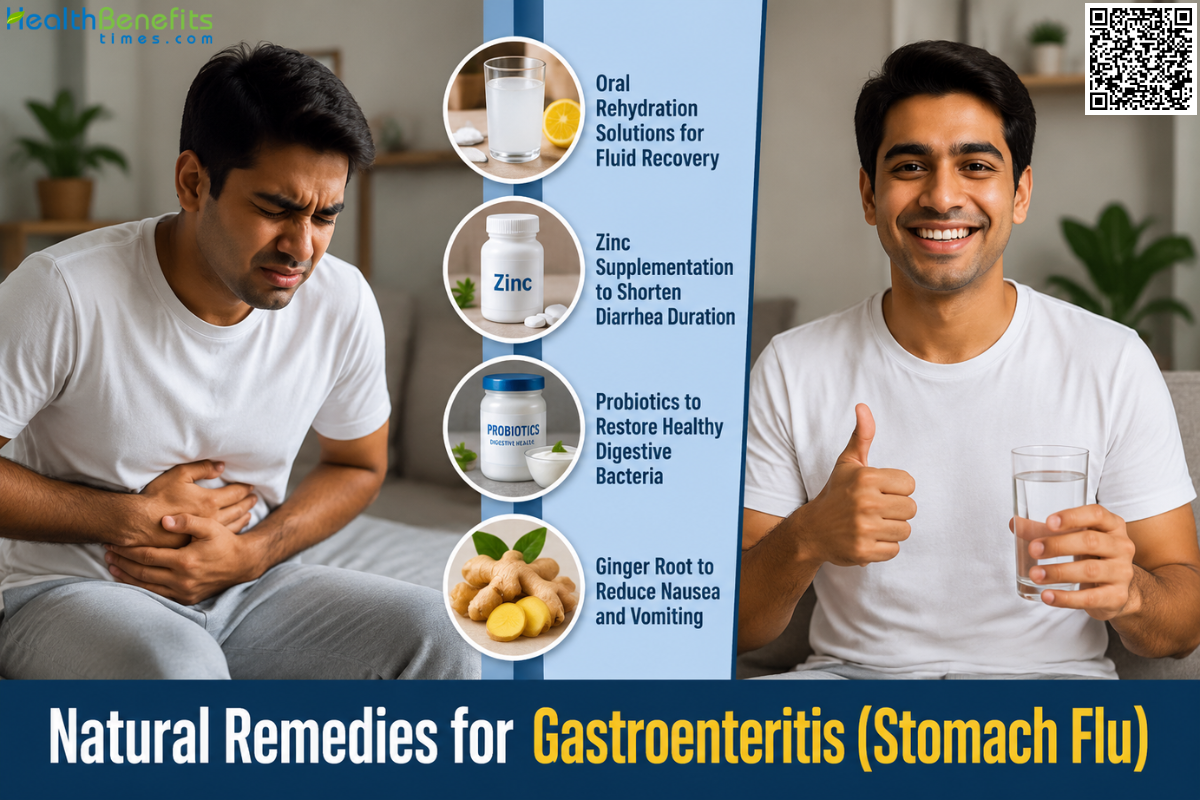
Causes of Gastroenteritis (Stomach Flu)
1. Viral Infections
Viral pathogens are the most frequent trigger for the condition. Norovirus is the leading cause of sudden gastroenteritis outbreaks worldwide and is highly contagious through direct contact or contaminated food 2. Rotavirus is another common viral source that primarily affects infants and young children, though widespread vaccination has significantly reduced its spread. Adenovirus and astrovirus also routinely cause this viral inflammation of the stomach and intestines 3.
2. Bacterial Infections
Consuming contaminated food or water can introduce harmful bacteria into the digestive tract, an event commonly known as food poisoning. The most frequent bacterial culprits include Salmonella, Campylobacter, and E. coli, which typically spread through undercooked poultry, unpasteurized milk, or raw produce exposed to contaminated agricultural water 4.
3. Parasitic Infections
Microscopic parasites can survive in contaminated drinking water or recreational water sources, such as lakes and swimming pools, and infect the digestive system when swallowed. Giardia and Cryptosporidium are the most common parasites responsible for causing prolonged bouts of watery diarrhea, gas, and stomach cramps.
4. Chemical Toxins and Medications
While contagious germs are the main culprits, gastroenteritis can also result from non-infectious triggers. Ingesting heavy metals or naturally occurring toxins found in certain types of wild mushrooms and reef fish can severely irritate the digestive tract. Additionally, certain medications, particularly strong antibiotics, can disrupt the natural balance of beneficial bacteria in the gut, leading to painful intestinal inflammation and diarrhea.
Symptoms of Gastroenteritis (Stomach Flu)
1. Watery Diarrhea
The primary hallmark of gastroenteritis is sudden, frequent, and watery bowel movements. In typical viral cases, the diarrhea is non-bloody; the appearance of blood often points to a more severe bacterial or parasitic infection that requires careful medical evaluation.
2. Nausea and Vomiting
Inflammation in the upper digestive tract frequently triggers an intense feeling of sickness. This nausea routinely leads to sudden and repeated bouts of vomiting as the stomach struggles to process food or liquids 5.
3. Abdominal Cramps and Pain
As the lining of the intestines becomes irritated, patients usually experience sharp, griping muscle spasms and general aching across the stomach region.
4. Fever and Muscle Aches
While localized to the digestive system, the illness often provokes a systemic immune response. This can result in a low-grade fever, mild headaches, chills, and widespread muscle aches, similar to the symptoms of a traditional respiratory flu.
5. Signs of Dehydration
The rapid loss of fluids and essential electrolytes through vomiting and diarrhea makes dehydration the most critical complication of the illness. Warning signs include excessive thirst, a dry mouth, significantly reduced urination, dark-colored urine, lethargy, and severe dizziness or lightheadedness when standing.
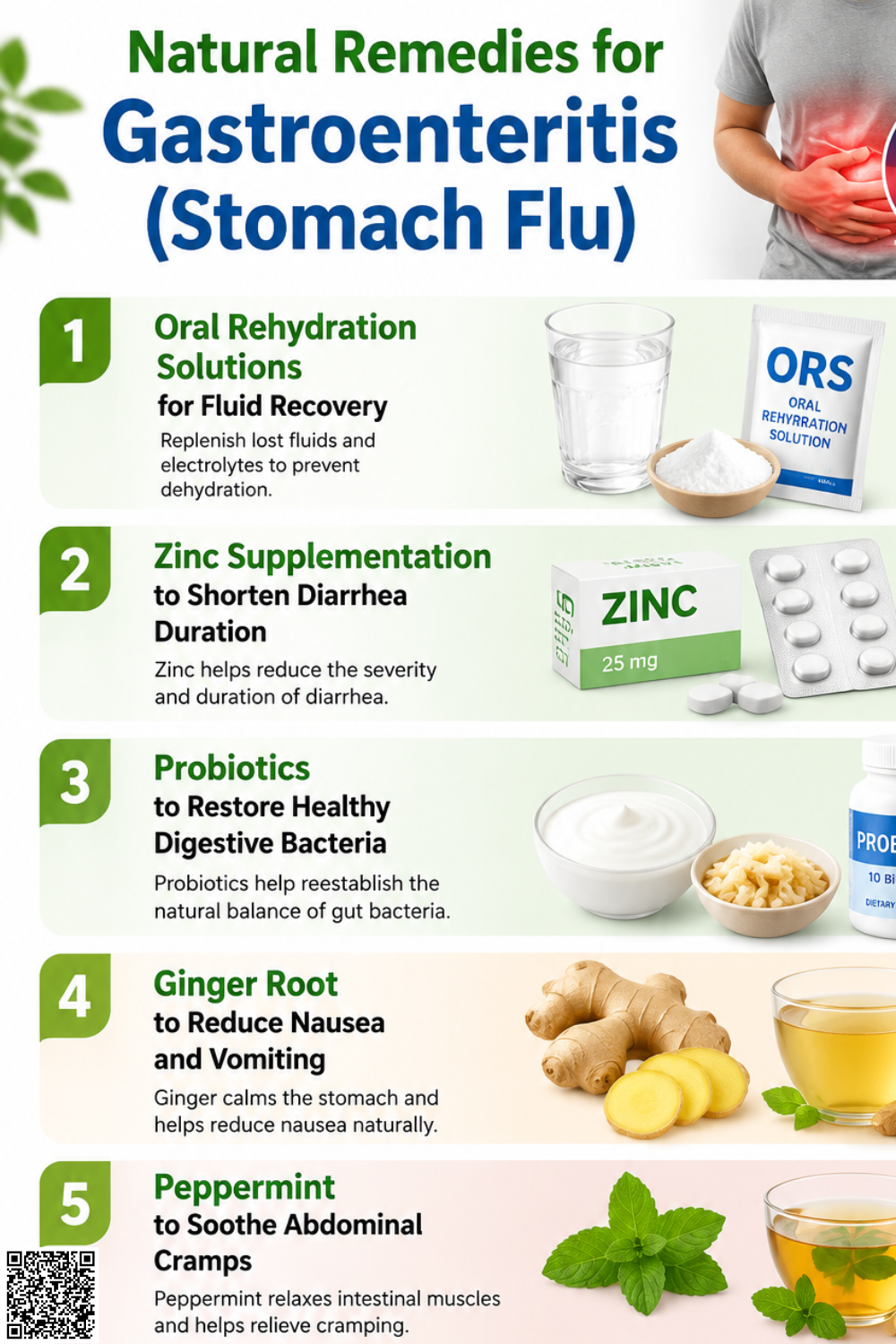
1. Oral Rehydration Solutions for Fluid Recovery
How it may help
The primary danger of gastroenteritis is severe fluid loss. Oral rehydration solutions (ORS) are specifically formulated to replace depleted water and essential electrolytes, such as sodium and potassium. By matching the precise ratio of salts and sugars the body needs, ORS maximizes fluid absorption in the intestines, preventing dangerous dehydration 6.
What research says
Clinical evidence establishes that ORS is the most effective intervention for gastroenteritis-induced dehydration. The World Health Organization concludes that timely ORS administration safely and successfully treats over 90% of non-severe diarrheal dehydration cases, significantly reducing the need for hospital admissions and intravenous fluids 7.
How to use it safely
Purchase commercially prepared oral rehydration packets or liquids from a pharmacy, as these contain the exact required balance of ingredients. Take frequent, small sips rather than drinking large amounts at once to avoid triggering further nausea or vomiting 8.
Potential precautions or side effects
Avoid sports drinks, sodas, or fruit juices, because their high sugar content can actually worsen diarrhea. Seek immediate medical care if you cannot keep any fluids down.
2. Zinc Supplementation to Shorten Diarrhea Duration
How it may help
Zinc is a vital mineral that supports immune function and helps the intestines absorb water and electrolytes. During a stomach flu, replacing depleted zinc helps repair the damaged intestinal lining, which speeds up recovery and restores normal bowel function more quickly 9.
What research says
Global health authorities conclude that zinc supplementation significantly decreases both the duration and severity of diarrhea. Clinical guidelines confirm that providing zinc reduces the length of a diarrheal episode by 25 percent and helps prevent subsequent digestive infections for up to three months.
How to use it safely
For treating diarrhea, guidelines recommend a 10-to-14-day course of zinc tablets or syrup. Give infants under six months 10 milligrams daily, and provide 20 milligrams daily for older children. Consult your healthcare provider before treating adults or children with supplements.
Potential precautions or side effects
Taking zinc on an empty stomach can cause nausea or a metallic taste. Avoid long-term high doses, as this can interfere with your body’s ability to absorb copper.
3. Probiotics to Restore Healthy Digestive Bacteria
How it may help
Probiotics are live, beneficial microorganisms that naturally exist in a healthy digestive tract. During a stomach flu, harmful pathogens disrupt these good microbes. Consuming probiotics helps replenish this essential balance, making it harder for infection-causing viruses or bacteria to survive and multiply within the intestines 10.
What research says
Clinical studies show that certain probiotic strains, particularly Lactobacillus and Saccharomyces boulardii, can be beneficial during digestive infections. Evidence indicates that these specific probiotics may successfully shorten the duration of acute, infectious diarrhea by about one day and reduce the severity of watery bowel movements.
How to use it safely
You can take probiotics through dietary supplements or by eating foods with live, active cultures, like yogurt. Because different microbial strains serve distinct medical purposes, consult your healthcare provider to select a specific product proven to safely support diarrhea recovery.
Potential precautions or side effects
Probiotics are generally safe for healthy individuals but may cause mild gas. Do not use them if you have a severely weakened immune system or a critical underlying illness.
4. Ginger Root to Reduce Nausea and Vomiting
How it may help
Ginger root contains active natural chemicals, such as gingerols, that directly soothe the digestive tract. During a stomach flu, these compounds help speed up the movement of food from the stomach into the intestines and block the specific nerve signals that trigger the intense urge to vomit 11.
What research says
Clinical reviews confirm that ginger is an effective, natural treatment for safely reducing nausea and vomiting. While heavily studied for pregnancy and surgery, research indicates its anti-nausea properties successfully relieve general stomach upset and gastrointestinal distress with an effectiveness comparable to some standard anti-nausea medications 12.
How to use it safely
To manage stomach flu symptoms, slowly sip warm ginger tea made from steeped fresh root, or take standardized ginger capsules. Consume small amounts gradually to prevent overwhelming your stomach. Limit your total daily intake to no more than 4 grams to ensure safe relief.
Potential precautions or side effects
Ginger is widely considered safe, but consuming high doses can cause mild heartburn, mouth irritation, or additional diarrhea. Consult your doctor first if you take blood-thinning medications.
5. Peppermint to Soothe Abdominal Cramps
How it may help
Peppermint contains an active compound called menthol, which acts as a natural muscle relaxant. During a stomach flu, the intestines frequently experience painful spasms. Peppermint helps relax these digestive muscles, which reduces sharp abdominal cramps and calms overall intestinal distress 13.
What research says
Clinical research demonstrates that peppermint oil effectively reduces abdominal pain and intestinal spasms. While primarily studied as a successful treatment for irritable bowel syndrome, the medical community acknowledges that its muscle-relaxing properties can also safely relieve the intense stomach cramping associated with general gastrointestinal infections.
How to use it safely
Slowly sip warm peppermint tea to gently ease stomach cramps and support hydration. For stronger relief, use enteric-coated peppermint oil capsules, which bypass the stomach to release the soothing oil directly into the intestines where the cramping occurs.
Potential precautions or side effects
Peppermint can trigger heartburn or acid reflux. Avoid using peppermint products if you suffer from severe gastroesophageal reflux disease (GERD), hiatal hernias, or gallbladder issues.
6. Easily Digestible, Low-Fiber Foods to Minimize Stomach Irritation
How it may help
When the intestinal lining is inflamed by gastroenteritis, eating heavily spiced, fatty, or high-fiber foods forces the digestive system to work harder, which triggers more cramping and diarrhea. Consuming easily digestible, bland foods provides necessary energy while allowing the stomach and intestines to heal without additional irritation.
What research says
Clinical guidelines recommend transitioning to bland, low-fiber carbohydrates once nausea subsides. Health authorities advise that returning to a normal diet gradually with soft, plain foods helps solidify bowel movements and replaces lost nutrients safely, whereas dairy, caffeine, and high-fat items are proven to prolong acute diarrheal symptoms .
How to use it safely
Start by eating small amounts of plain foods like saltine crackers, white rice, bananas, applesauce, and plain toast. Gradually increase your portion sizes as your stomach tolerates them. Ensure you continue drinking oral rehydration solutions alongside these meals to maintain proper hydration.
Potential precautions or side effects
Strictly avoid dairy products, caffeine, alcohol, artificial sweeteners, and greasy or highly seasoned foods, as these can severely irritate the digestive tract and trigger worsening diarrhea.
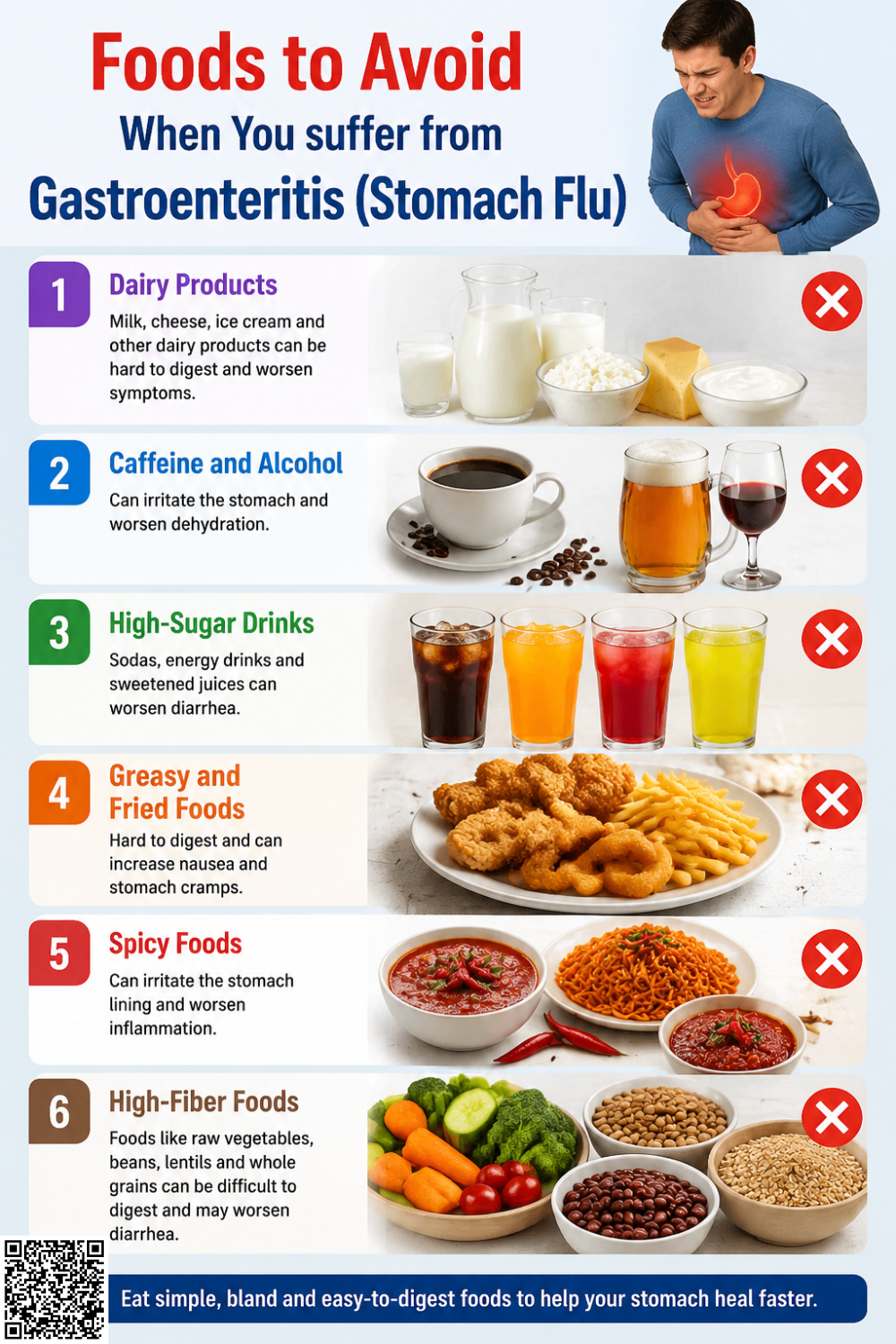
Foods to Avoid When You suffer from Gastroenteritis (Stomach Flu)
1. Dairy Products
Milk, cheese, and butter can trigger diarrhea because the infected intestines temporarily lose the ability to digest lactose properly.
2. Caffeine and Alcohol
Coffee, tea, and alcoholic beverages act as diuretics, which increase fluid loss and severely worsen dehydration risks during a stomach flu.
3. High-Sugar Drinks
Fruit juices, sports drinks, and sodas contain high sugar levels that draw excess water into the intestines, directly worsening watery diarrhea.
4. Greasy and Fried Foods
High-fat meals are extremely difficult for an inflamed stomach to process, which frequently triggers severe nausea, bloating, and immediate abdominal cramping.
5. Spicy Foods
Heavily seasoned or spicy dishes directly irritate the sensitive stomach lining, increasing inflammation and making nausea or vomiting significantly worse.
6. High-Fiber Foods
While normally healthy, raw vegetables and whole grains force the digestive system to work harder, accelerating bowel movements and aggravating diarrhea.
1. Signs of Severe Dehydration
Seek emergency care if you experience extreme thirst, a dry mouth, little to no urination, dark urine, or severe dizziness when standing.
2. Inability to Retain Fluids
Consult a healthcare professional if you vomit frequently for more than 48 hours or cannot keep any liquids down for a full 24 hours.
3. Prolonged Diarrhea
Medical evaluation is necessary if watery diarrhea persists uninterrupted for more than two days in adults, or over 24 hours in children.
4. High Fever
See a doctor if you develop a high temperature reaching 102 degrees Fahrenheit (38.9 degrees Celsius) or higher, as this suggests a severe infection.
5. Blood in Stool or Vomit
Immediate medical intervention is required if you notice bright red blood or black, tarry substances in your bowel movements or your vomit.
6. Severe Abdominal Pain
Contact a physician if you experience sudden, intense stomach pain or sharp rectal pain, which can indicate serious conditions beyond a typical infection.
Comments
comments