


Causes of Gout
- High levels of uric acid in the blood (hyperuricemia) leading to the formation of urate crystals in the joints
- Consumption of a diet rich in purines (including red meat, organ meats, and specific seafoods like anchovies, sardines, and mussels)
- High intake of alcohol (particularly beer and hard liquor)
- Dietary intake of foods and beverages sweetened with high-fructose corn syrup
- Obesity or excess body weight
- Coexisting medical conditions (such as chronic kidney disease, hypertension, congestive heart failure, diabetes, and metabolic syndrome)
- Use of specific medications (including thiazide diuretics, low-dose aspirin, and immunosuppressive drugs such as cyclosporine)
- Genetic predisposition and a family history of gout
- Biological sex and age (higher prevalence in males and in postmenopausal females) 4, 5, 6
Symptoms of Gout
- Intense and sudden joint pain (most commonly affecting the large joint of the big toe, but can also occur in ankles, knees, elbows, wrists, and fingers)
- Swelling and visible inflammation around the affected joint
- Noticeable warmth or heat radiating from the joint
- Red, shiny, or discolored skin over the affected area
- Severe tenderness (even light touch or the weight of a bedsheet can cause extreme pain)
- Restricted range of motion and joint stiffness
- Lingering joint discomfort or dull aching that can last for days or weeks after the most severe pain subsides
- Tophi (hard, chalky nodules or lumps of uric acid crystals that form under the skin near joints in chronic or advanced cases)
- Low-grade fever and chills (occasionally accompanying severe, acute flare-ups) 5, 4, 7, 8, 9
Natural Remedies for Gout
1. Probiotics
How it may help
Specific beneficial bacteria, such as Lactobacillus and Bifidobacterium, help manage gout by actively degrading purines and breaking down uric acid within the digestive tract. 10 These strains also facilitate intestinal uric acid excretion and mitigate the systemic inflammatory response triggered by joint crystal deposition. 11
What research says
Scientific evidence demonstrates that targeted probiotic supplementation effectively reduces serum uric acid concentrations. 12 Population studies confirm that regular probiotic intake significantly lowers the overall incidence of hyperuricemia. 13 Additionally, microbial restoration helps preserve kidney function and prevents tissue damage caused by excessive uric acid. 14
How to use it safely
To safely manage gout, you should choose high-quality supplements specifically containing Lactobacillus or Bifidobacterium strains. Start with a low daily dose to minimize initial digestive upset. You can also safely obtain these microbes by consuming natural fermented foods like plain kefir, unsweetened yogurt, and raw sauerkraut.
Potential precautions or side effects
Probiotics are generally well-tolerated, with mild bloating being the most common reaction. However, if you have a compromised immune system, avoid them to prevent rare but severe systemic infections. 15
2. Turmeric (Curcumin)
How it may help
Turmeric contains curcumin, an active compound with potent anti-inflammatory and antioxidant properties 16. It may help manage gout by inhibiting the NLRP3 inflammasome, a protein complex that triggers inflammation in response to uric acid crystals 17. Additionally, curcumin can block xanthine oxidase, an enzyme responsible for uric acid production, potentially aiding in its reduction 18.
What research says
Preclinical studies demonstrate that curcumin significantly reduces joint swelling, lowers inflammatory markers, and prevents cellular damage caused by uric acid crystals 19. However, human trials yield mixed conclusions; while some evidence supports inflammation relief, specific clinical studies found curcumin was not superior to a placebo in significantly lowering blood urate levels 20.
How to use it safely
To maximize absorption, you should consume turmeric with black pepper or healthy fats, since raw curcumin has poor natural bioavailability 21. Choose standardized supplements and adhere strictly to recommended dosages. Always consult your healthcare provider before adding new botanical extracts to your ongoing gout management routine.
Potential precautions or side effects
You may experience mild gastrointestinal issues, such as diarrhea, with high supplemental doses 22. Exercise caution if you take blood-thinning medications or have a history of gallbladder problems.
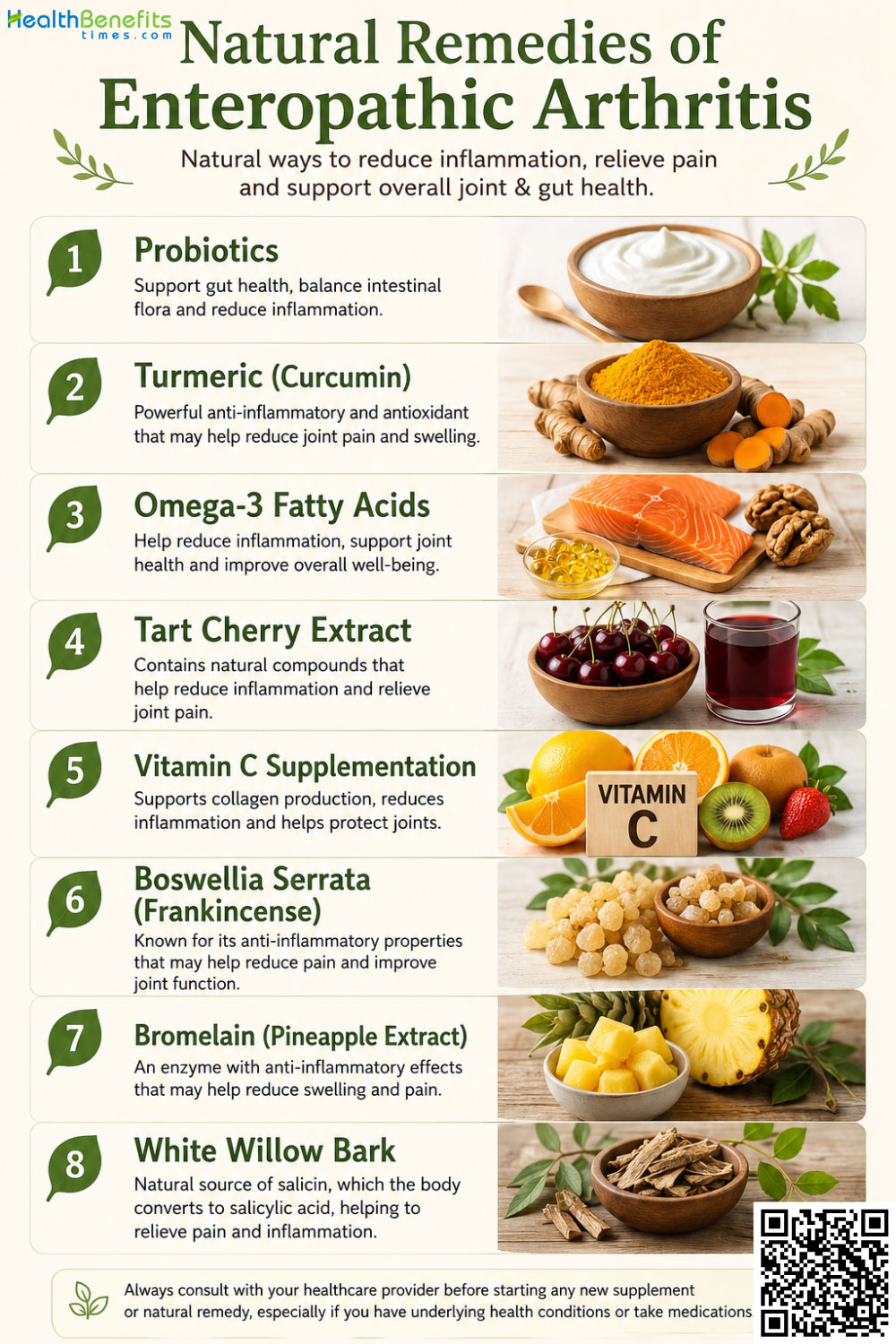
3. Omega-3 Fatty Acids
How it may help
Omega-3 fatty acids, primarily EPA and DHA, help manage gout by actively reducing joint inflammation and blocking pathways that cause pain (Iverson et al., 2018) 23. Additionally, these fatty acids inhibit specific proteins in the kidneys, which helps the body excrete excess uric acid through urine to lower blood urate levels (Saito et al., 2020) 24.
What research says
Studies demonstrate that omega-3 fatty acids prevent the activation of specific inflammasomes, which are cellular mechanisms responsible for gout attacks (Yan et al., 2013) 25. Furthermore, research indicates these fatty acids significantly suppress the release of inflammatory chemicals triggered by uric acid crystals, resulting in reduced flare frequency (Danve et al., 2021) 26.
How to use it safely
You should obtain omega-3s from high-quality, molecularly distilled fish oil supplements or algae-based alternatives, as these options are free from purines that could worsen gout. Always consult your healthcare provider before starting any new supplement to ensure it safely aligns with your current medications.
Potential precautions or side effects
High doses of omega-3 supplements can increase bleeding risks, especially if you take blood-thinning medications. Other mild side effects include fishy breath, indigestion, or occasional gastrointestinal discomfort.
4. Tart Cherry Extract
How it may help
Tart cherry extract contains high levels of anthocyanins, which provide potent antioxidant and anti-inflammatory benefits 27. These plant compounds help block inflammatory enzymes and reduce the crystallization of uric acid in joint tissues 28. Managing this biological process prevents the severe swelling and intense pain associated with the disease.
What research says
Evidence indicates that the regular intake of cherry products leads to a measurable decrease in blood uric acid concentrations 29. Furthermore, individuals with gout who consume tart cherry extract experience a significantly lower risk of recurrent gout flare-ups compared to those who avoid it 30.
How to use it safely
You can safely add tart cherry to your routine via capsules, liquid extracts, or unsweetened juice. It should function solely as a complementary dietary aid alongside your prescribed urate-lowering medications, rather than acting as a complete replacement for standard medical treatments 31.
Potential precautions or side effects
While generally well-tolerated, tart cherry products may occasionally cause mild stomach upset. Liquid juices contain natural sugars that can increase caloric intake and affect blood glucose levels 32.
5. Vitamin C Supplementation
How it may help
Vitamin C acts as a uricosuric agent, meaning it assists the kidneys in filtering and removing excess uric acid from the bloodstream 33. It competes with uric acid for reabsorption in the kidney’s filtration tubes, increasing uric acid excretion in urine while its natural antioxidant properties reduce joint inflammation 34.
What research says
Long-term prospective cohort studies indicate that higher dietary vitamin C intake is independently associated with a significantly lower risk of developing gout 35. Furthermore, randomized clinical trials demonstrate that daily supplementation of 500 milligrams modestly reduces serum uric acid levels and decreases new gout diagnoses in middle-aged men 36.
How to use it safely
For gout management, a moderate daily dose of 500 milligrams of vitamin C is considered safe and clinically effective 37. You should take the supplement with plenty of water to support kidney filtration. Always consult a physician before combining it with prescription urate-lowering medications.
Potential precautions or side effects
Consuming high doses of vitamin C, specifically over 1,000 milligrams daily, increases urinary oxalate excretion, which can significantly raise the risk of developing calcium oxalate kidney stones 38.
6. Boswellia Serrata (Frankincense)
How it may help
Boswellia serrata, commonly known as frankincense, contains active compounds called boswellic acids that provide potent anti-inflammatory benefits. These natural compounds specifically block the 5-lipoxygenase enzyme, which drives cellular inflammation 39. By suppressing this chemical pathway, the extract helps minimize the intense joint swelling and pain triggered by uric acid deposits.
What research says
Studies indicate that boswellic acid effectively reduces tissue swelling and inflammation directly caused by monosodium urate crystals, the fundamental trigger of gout flares 40. Additional evidence confirms that the extract consistently improves physical function and alleviates joint pain across various inflammatory arthritic conditions 41.
How to use it safely
To manage joint inflammation safely, you should look for standardized supplements and follow manufacturer guidelines. Clinical evaluations confirm that daily dosages between 100 mg and 250 mg are highly effective and safe for joint disorders 42. Always consult your physician before combining it with conventional gout medications.
Potential precautions or side effects
While generally safe, it can occasionally cause mild digestive discomfort. Taking excessively high doses without medical supervision may provoke severe metabolic abnormalities, including rare fluid and sodium imbalances 43.
7. Bromelain (Pineapple Extract)
How it may help
Bromelain is a mixture of protein-digesting enzymes naturally extracted from the stems and fruit of the pineapple plant 44. It acts as a powerful anti-inflammatory agent. By lowering the body’s inflammatory response, it helps relieve the severe joint swelling, pain, and stiffness triggered by uric acid crystals during a gout attack 45.
What research says
Scientific evidence indicates that bromelain effectively suppresses the production of key inflammatory chemicals and immune proteins 46. Studies show it also reduces enzymes related to pain and inflammation, providing targeted relief for acute inflammatory arthritis while maintaining low overall toxicity levels in the body.
How to use it safely
You can incorporate bromelain into your routine by consuming fresh pineapple or taking dietary supplements. It is generally recognized as safe for clinical use 47. If you choose supplements, always follow the recommended dosage instructions provided on the packaging and consult a healthcare professional before starting therapy.
Potential precautions or side effects
Common side effects include nausea, diarrhea, and indigestion 48. You must exercise caution, as bromelain can increase bleeding risks and interact with antibiotics, chemotherapy drugs, and blood pressure medications.
8. White Willow Bark
How it may help
White willow bark contains salicin, a natural chemical that converts to salicylic acid inside the body 49. This active compound blocks specific inflammatory enzymes, including cyclooxygenase, which trigger swelling and joint pain 50. By lowering these chemicals, the extract effectively reduces severe joint pain and redness during gout flares.
What research says
Clinical studies demonstrate that white willow bark extract provides joint pain relief comparable to standard over-the-counter anti-inflammatory medications 51. Evidence shows that the extract suppresses joint inflammation as efficiently as synthetic aspirin while causing significantly less irritation to the stomach lining due to its lower salicylate concentration 52.
How to use it safely
When using white willow bark for pain, you should look for standardized extracts providing up to 240 milligrams of salicin daily 53. For the safest results, take the supplement with meals to protect your stomach lining and ensure a more consistent absorption of the active compounds.
Potential precautions or side effects
You must avoid this herbal remedy if you have an existing aspirin allergy, asthma, bleeding disorders, or if you take anticoagulant medications that increase bleeding risks 54.
Foods to Avoid When You suffer from Gout
1. Alcohol (Beer and Spirits)
Avoid beer and spirits, as they increase uric acid production and reduce kidney excretion, triggering painful gout flares. Red wine poses a lower risk but should be limited. 55, 56
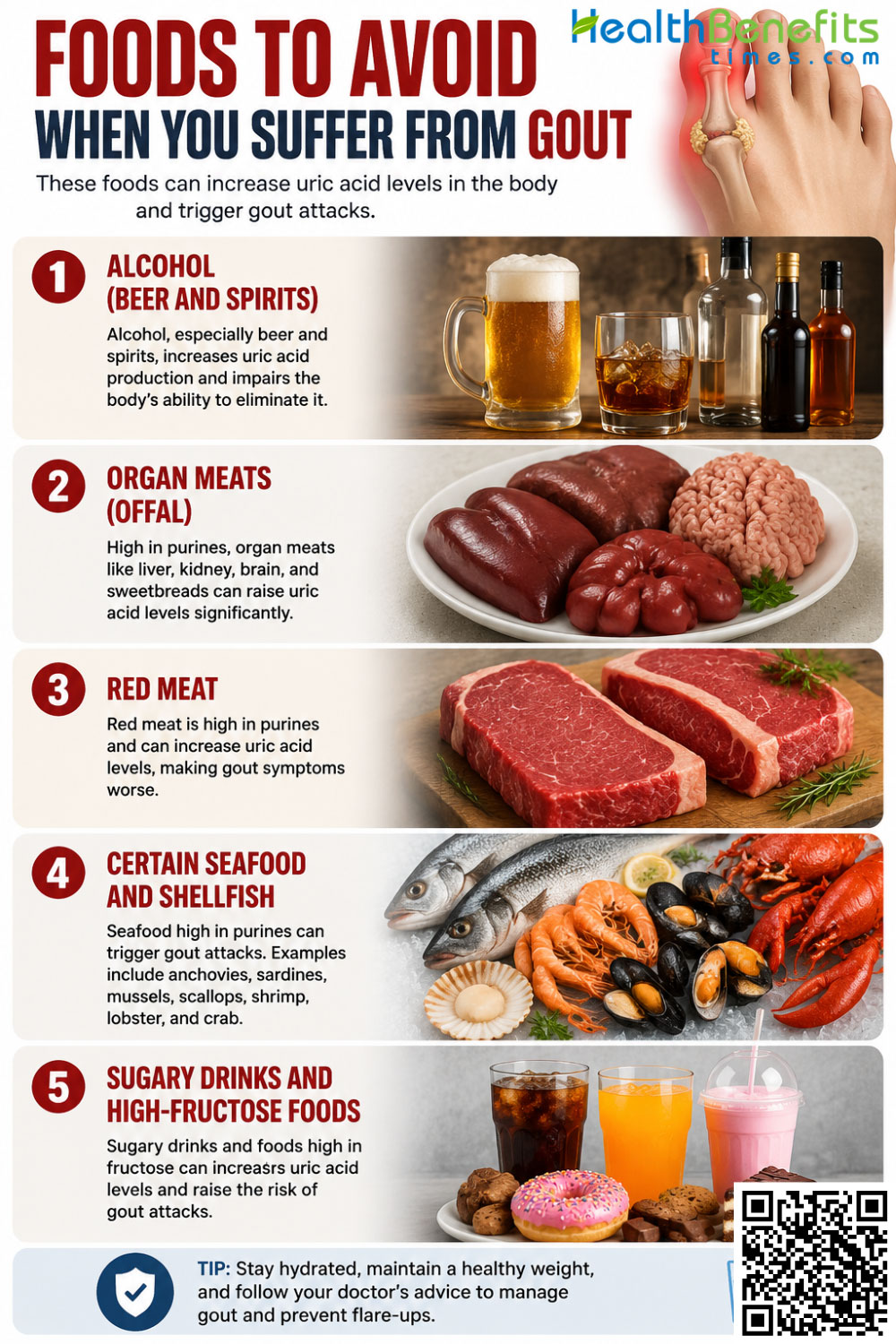
2. Organ Meats (Offal)
Organ meats like liver, kidney, and sweetbreads are extremely high in purines, which your body breaks down into uric acid. Avoid them completely to prevent gout attacks. 57, 58
3. Red Meat
Limit beef, lamb, and pork. These meats are high in purines and can significantly raise serum urate levels, contributing to the development and progression of gout. 59, 60
4. Certain Seafood and Shellfish
Avoid purine-rich shellfish like shrimp, lobster, and mussels, as well as specific fish like anchovies, sardines, and mackerel, which directly elevate uric acid and provoke gout episodes. 61, 62
5. Sugary Drinks and High-Fructose Foods
Sugar-sweetened beverages and high-fructose fruit juices rapidly increase uric acid production. Skip sugary sodas and commercial juices to maintain stable urate levels and prevent acute flares. 63, 64
When To see Doctor when you have Gout
1. First-Time Severe Joint Pain
Seek immediate medical evaluation if you experience sudden, intense joint pain for the first time, as it requires accurate diagnosis to rule out joint infection. 4, 65
2. High Fever and Chills
Go to a doctor if your joint pain is accompanied by a high fever or chills. These symptoms strongly indicate a potential joint infection rather than just gout. 7, 66
3. Lack of Improvement
Consult your physician if your gout symptoms do not begin to improve within 48 hours after starting prescribed anti-inflammatory medications or colchicine. 5, 67
4. Frequent Flare-Ups
See your doctor if you experience multiple gout attacks per year. Frequent flares indicate uncontrolled uric acid levels and require long-term urate-lowering therapy. 68, 69
5. Visible Lumps (Tophi)
Make an appointment if you notice hard, painless lumps under your skin near joints. These are tophi, which can cause permanent joint damage if left untreated. 70, 71
Comments
comments