

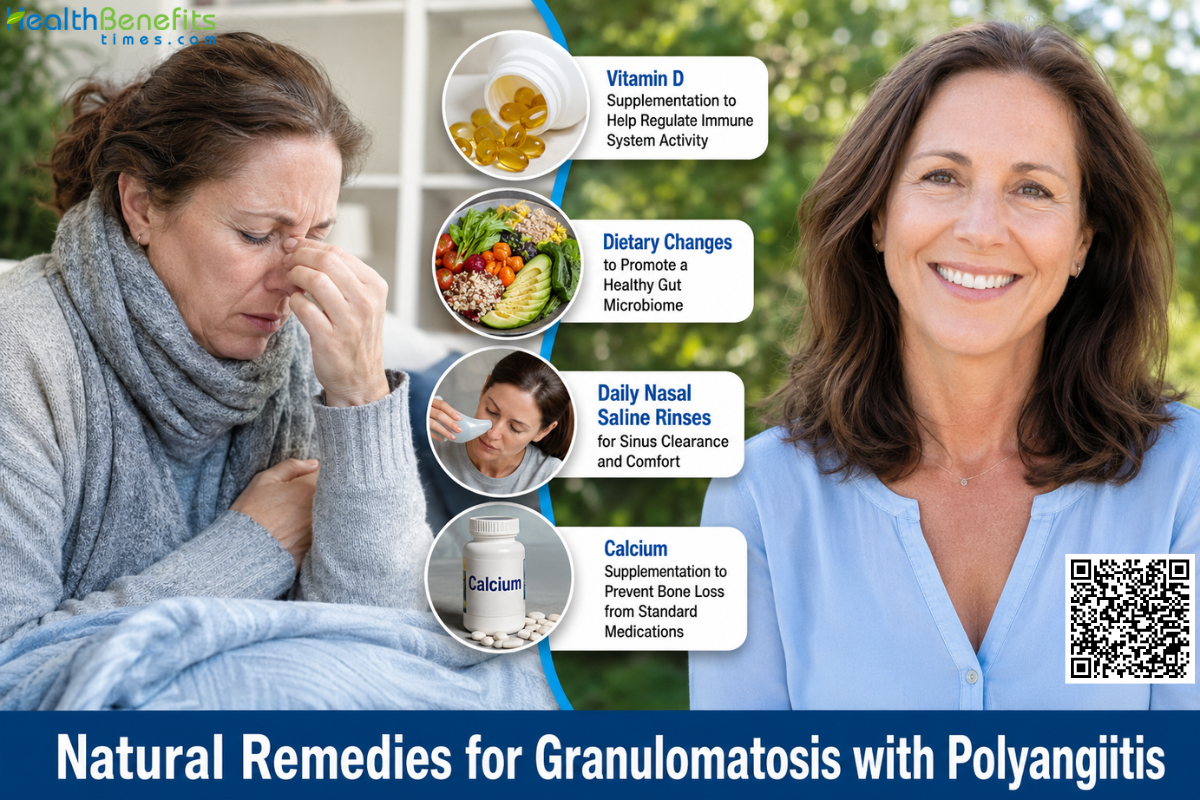
Causes of Granulomatosis with Polyangiitis
1. Autoimmune System Dysfunction
The primary mechanism behind the condition is a severe malfunction of the immune system. The body inappropriately produces specific abnormal proteins called antineutrophil cytoplasmic antibodies (ANCAs), which mistakenly target and attack the lining of healthy small and medium-sized blood vessels, resulting in widespread inflammation and tissue damage.
2. Genetic Susceptibility
While the illness is not considered a direct hereditary disease passed from parent to child, certain genetic profiles make some individuals significantly more vulnerable. Specific inherited traits, including variations in the major histocompatibility complex (MHC) genes and alpha-1 antitrypsin deficiency, have been confirmed to elevate the overall risk of developing the disorder 4.
3. Bacterial and Viral Infections
Microbes frequently act as initial catalysts that activate the abnormal immune response. The chronic presence of Staphylococcus aureus bacteria within the nasal passages is strongly linked to both the initial onset of the disease and the likelihood of future symptom relapses. Furthermore, prior infections from the Epstein-Barr virus, cytomegalovirus, and hepatitis C have been identified as potential viral triggers.
4. Environmental Exposures
Inhaling hazardous substances from the environment can prompt the disease in individuals who are already genetically susceptible. Clinical data indicate that frequent occupational or environmental exposure to silica dust, heavy metals, industrial pollution, and volatile chemicals heavily contributes to the development of this vascular inflammation 5.
5. Medication Triggers
In rare but documented instances, certain classes of prescription drugs have been associated with initiating the condition. The medications most commonly linked to this adverse immune reaction include antithyroid drugs, specific blood pressure medications such as hydralazine, and anti-seizure medications like phenytoin.
Symptoms of Granulomatosis with Polyangiitis
1. Ear, Nose, and Throat Complications
The earliest and most common signs typically appear in the upper respiratory tract. Individuals often experience continuous sinus infections, severe nasal congestion, painful crusting inside the nose, and frequent nosebleeds. Over time, the internal cartilage can weaken and collapse, causing a visible flattening of the nose known as a saddle-nose deformity. Middle ear infections and progressive hearing loss are also widely reported.
2. Lung and Breathing Problems
As the condition spreads to the lower respiratory system, inflammation and tissue masses restrict the airways and damage the lungs. This progression leads to a persistent and stubborn cough, unexplained shortness of breath, noticeable wheezing, and, in severe cases, coughing up blood due to internal bleeding in the lung tissues.
3. Kidney Damage
The disease heavily targets the kidneys, though this damage often occurs without immediate physical symptoms in the early stages. As the filtration system becomes inflamed, it leads to the presence of blood and excess protein in the urine 6. If left undetected, this rapid deterioration can escalate to swelling in the legs, high blood pressure, and life-threatening kidney failure.
4. General Body Inflammation
Because the condition involves a highly active immune system attacking the body, general systemic symptoms are very common. Patients frequently suffer from unexplained weight loss, recurring fevers, extreme fatigue, night sweats, and severe aching or swelling in the joints and muscles.
5. Skin and Eye Issues
The blood vessel damage often visibly affects the skin, resulting in painful sores, raised purple rashes, or tender lumps beneath the skin’s surface. Additionally, the disease can cause severe eye inflammation, leading to redness, burning, swelling, blurred vision, and sensitivity to light.
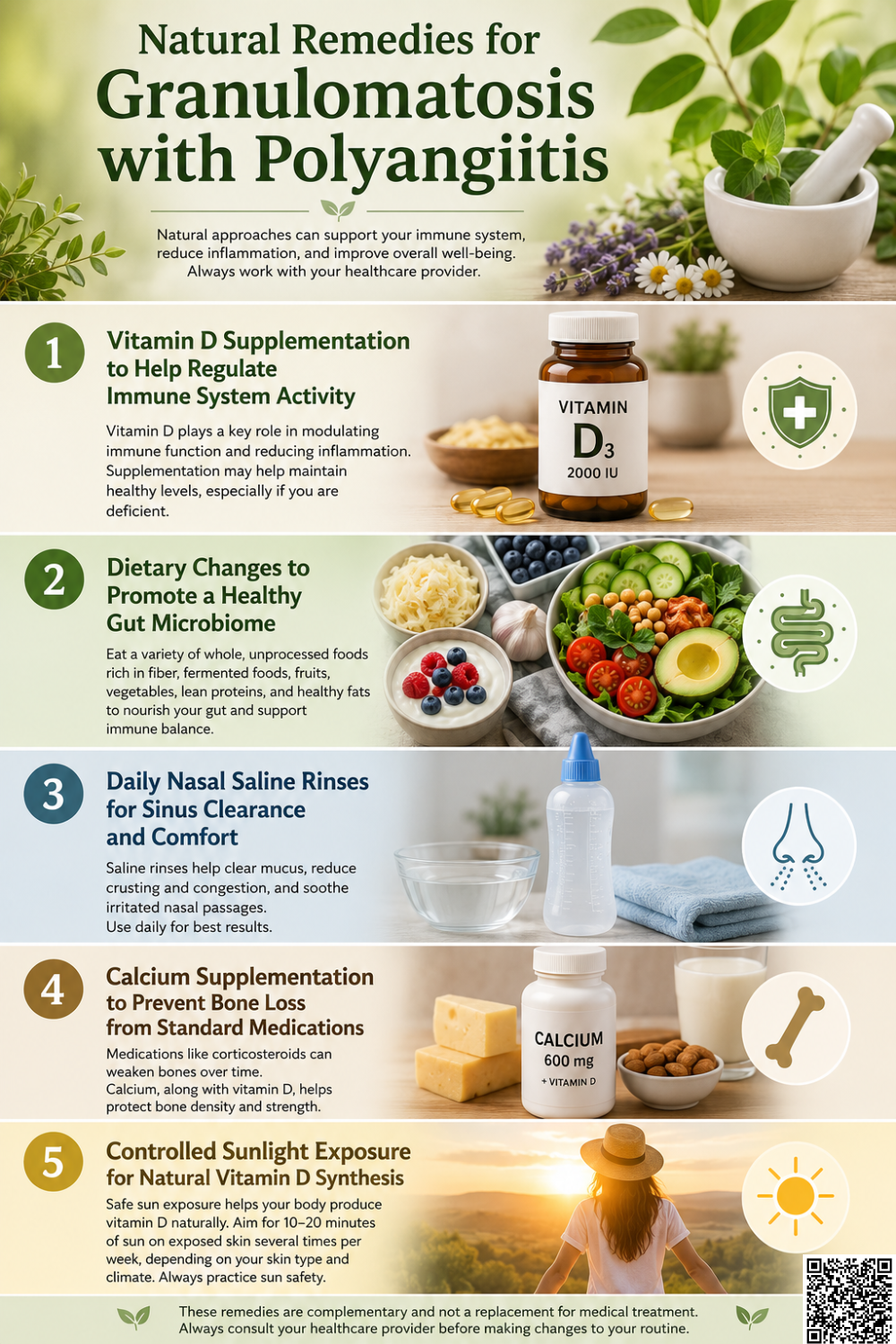
1. Vitamin D Supplementation to Help Regulate Immune System Activity
How it may help
Vitamin D is vital for maintaining a balanced immune system. It helps calm the overactive immune response seen in autoimmune conditions like granulomatosis with polyangiitis. By reducing widespread inflammation, it may prevent immune cells from mistakenly attacking the lining of healthy blood vessels 7.
What research says
Clinical studies reveal that patients with granulomatosis with polyangiitis frequently experience severe Vitamin D deficiency, which often correlates with higher disease activity and worsened inflammation 8. Restoring these levels through supplementation supports immune regulation and improves clinical outcomes when used alongside standard medical therapies.
How to use it safely
You should ask your doctor for a blood test to check your current levels before starting supplements 9. Always take the exact daily dose prescribed by your healthcare provider, and undergo routine blood monitoring to keep your levels in a safe range.
Potential precautions or side effects
Excessive doses cause toxic calcium buildup in the blood, leading to nausea, kidney stones, and severe kidney damage. This is extremely dangerous for patients with existing kidney complications.
2. Dietary Changes to Promote a Healthy Gut Microbiome
How it may help
A diet rich in plant fibers nourishes beneficial gut bacteria, enabling them to produce short-chain fatty acids. These healthy fats calm overactive immune cells and reduce the widespread inflammation responsible for attacking healthy blood vessels in granulomatosis with polyangiitis 10.
What research says
Clinical studies demonstrate that patients with granulomatosis with polyangiitis frequently suffer from unhealthy imbalances in their gut bacteria 11. Research concludes that diets high in non-digestible fibers promote the growth of beneficial microbes, which restores immune tolerance and actively protects against severe autoimmune kidney and vascular damage.
How to use it safely
You should gradually incorporate high-fiber foods, such as vegetables, legumes, and whole grains, into your daily meals to prevent sudden digestive distress. Work with a clinical dietitian to design an anti-inflammatory diet that safely complements your prescribed medical treatments.
Potential precautions or side effects
Adding dietary fiber too quickly can cause sudden gas, bloating, and painful abdominal cramps. You must consume plenty of water alongside a high-fiber diet to maintain normal digestion.
3. Daily Nasal Saline Rinses for Sinus Clearance and Comfort
How it may help
Daily saline irrigation gently flushes out dry mucus, scabs, and trapped irritants from the nasal passages. This simple washing process directly relieves the severe congestion, painful crusting, and frequent nosebleeds that occur when granulomatosis with polyangiitis damages the upper respiratory tract 12.
What research says
Clinical studies show that regular saline rinses improve sinonasal symptoms and clear the stubborn nasal crusts associated with the disease 13. Keeping the nasal passages clean also reduces the growth of Staphylococcus aureus bacteria, an infection known to trigger severe symptom relapses in patients with this condition 14.
How to use it safely
You must exclusively use sterile, distilled, or boiled-and-cooled water to prepare your saline solution 15. Lean over a sink, gently squirt the solution into one nostril, and let it drain out the other. Always wash and completely air-dry your rinse bottle after every use.
Potential precautions or side effects
Never use plain tap water, as it can contain rare but deadly brain-eating amoebas. Incorrect salt mixtures can also cause mild stinging or burning inside your nose.
4. Calcium Supplementation to Prevent Bone Loss from Standard Medications
How it may help
Standard treatment for granulomatosis with polyangiitis relies heavily on high-dose corticosteroids, which rapidly destroy bone density. Daily calcium supplements provide essential structural building blocks to maintain skeletal strength, actively counteracting the severe bone loss and fracture risk caused by these mandatory medications 16.
What research says
Clinical guidelines confirm that patients taking long-term corticosteroid therapies face a severe risk of drug-induced osteoporosis. Research demonstrates that administering daily calcium alongside steroid treatments significantly slows rapid bone deterioration, preserving bone mass and preventing debilitating fractures in patients managing autoimmune vascular diseases.
How to use it safely
You should consult your doctor for precise dosing, though adults on steroids generally require 1,000 to 1,200 milligrams daily 17. For the best body absorption, divide your total daily requirement into smaller individual doses and take them with food.
Potential precautions or side effects
Excessive calcium intake frequently causes severe constipation, bloating, and significantly increases your risk of developing painful kidney stones. Never exceed prescribed limits without medical supervision.
5. Controlled Sunlight Exposure for Natural Vitamin D Synthesis
How it may help
Direct sunlight on bare skin triggers the body to naturally produce Vitamin D. This essential nutrient helps regulate the immune system, calming the abnormal responses that cause widespread inflammation and blood vessel damage in autoimmune conditions like granulomatosis with polyangiitis 18.
What research says
Clinical evidence demonstrates that moderate ultraviolet radiation exposure significantly improves natural Vitamin D levels, which correlates with decreased autoimmune disease severity. Researchers conclude that adequate sunlight exposure helps suppress the specific aggressive immune cells responsible for attacking healthy tissues in systemic vascular diseases 19.
How to use it safely
You should aim for 10 to 15 minutes of direct sunlight exposure on your arms and legs a few times per week. Always apply a broad-spectrum sunscreen immediately after this brief period to protect your skin from harmful radiation.
Potential precautions or side effects
Excessive exposure increases sunburn and skin cancer risks. This is particularly dangerous because standard immunosuppressive medications used for this condition already make your skin highly vulnerable to cellular damage 20.
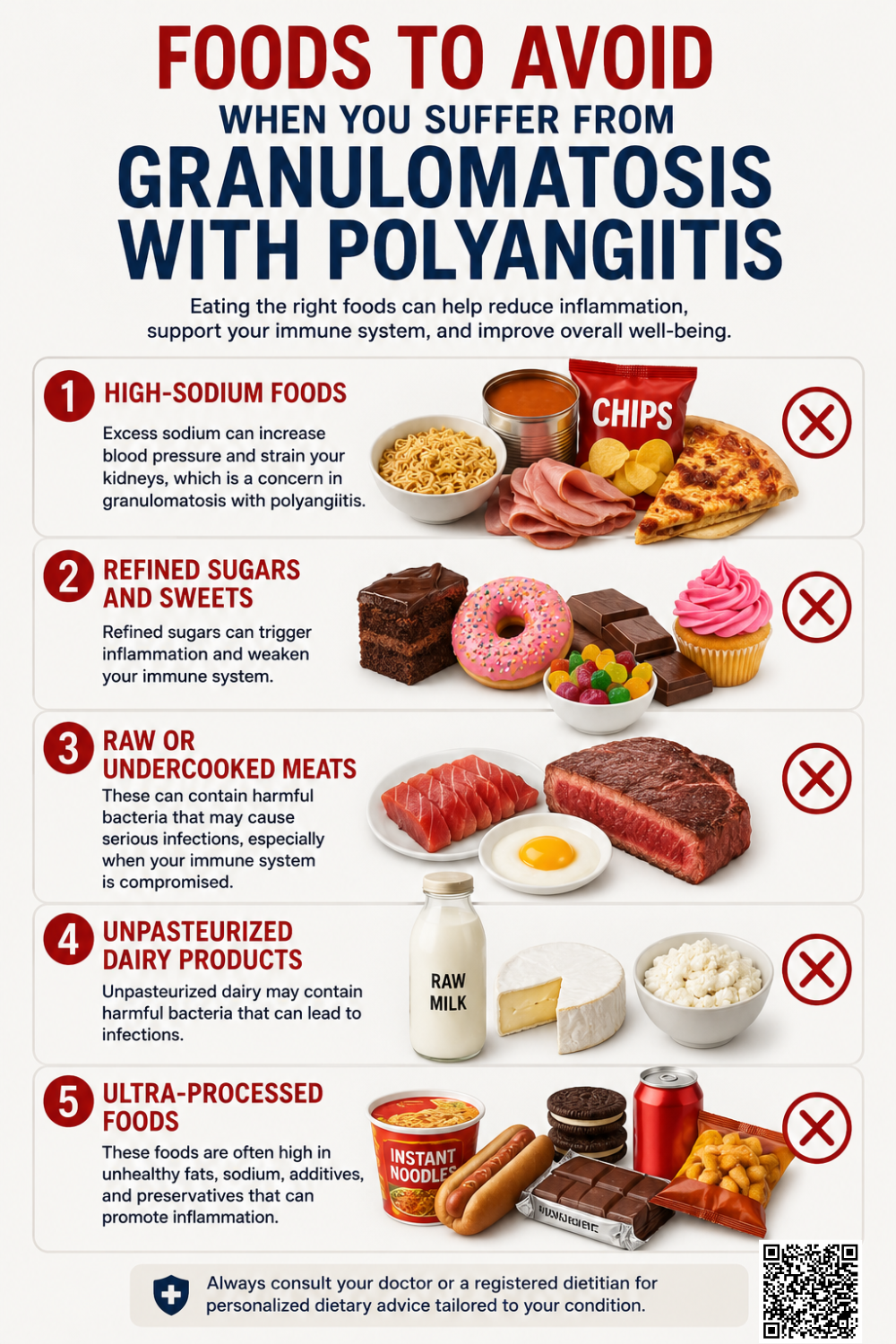
1. High-Sodium Foods
Processed meats and canned soups contain excessive sodium. Because standard corticosteroid treatments for this disease cause severe fluid retention, high salt intake dangerously elevates blood pressure 21.
2. Refined Sugars and Sweets
Sugary drinks and pastries cause rapid blood glucose spikes. Standard medical therapies heavily increase the risk of drug-induced diabetes, making refined carbohydrates highly dangerous for patients 22.
3. Raw or Undercooked Meats
Sushi and rare meats carry dangerous bacterial pathogens. Because standard immunosuppressive medications severely weaken the immune system, consuming undercooked foods dramatically increases the risk of life-threatening infections 23.
4. Unpasteurized Dairy Products
Raw milk and unpasteurized cheeses harbor dangerous pathogens like Listeria. Suppressed immune systems cannot fight these bacteria, leading to overwhelming, systemic infections rather than mild digestive illness 24.
5. Ultra-Processed Foods
Fast food and packaged snacks contain artificial additives. These ingredients provoke chronic systemic inflammation, actively counteracting prescribed medications designed to calm the overactive immune system 25.
When To See a Doctor When You Suffer from Granulomatosis with Polyangiitis
1. Coughing Up Blood
You must seek immediate emergency care if you cough up blood. This indicates severe lung inflammation or internal hemorrhage, requiring urgent intervention to prevent respiratory failure.
2. Blood in Urine or Sudden Swelling
Contact your doctor immediately if you notice red urine or rapid leg swelling. These signs indicate sudden, life-threatening kidney damage that can rapidly progress to permanent failure.
3. Severe Breathing Difficulties
Go to the emergency room for sudden shortness of breath. This indicates that dangerous airway blockages or active lung tissue masses are severely restricting your oxygen supply.
4. High Fevers or Infection Signs
Report unexplained fevers to your physician immediately. Because prescribed immunosuppressive treatments severely weaken your defenses, minor infections can rapidly escalate into overwhelming, life-threatening complications 26.
5. Sudden Vision Changes
Seek urgent medical evaluation for extreme eye redness, pain, or blurriness. Without immediate medical treatment, severe vascular inflammation in the eyes can cause permanent vision loss.
Comments
comments