

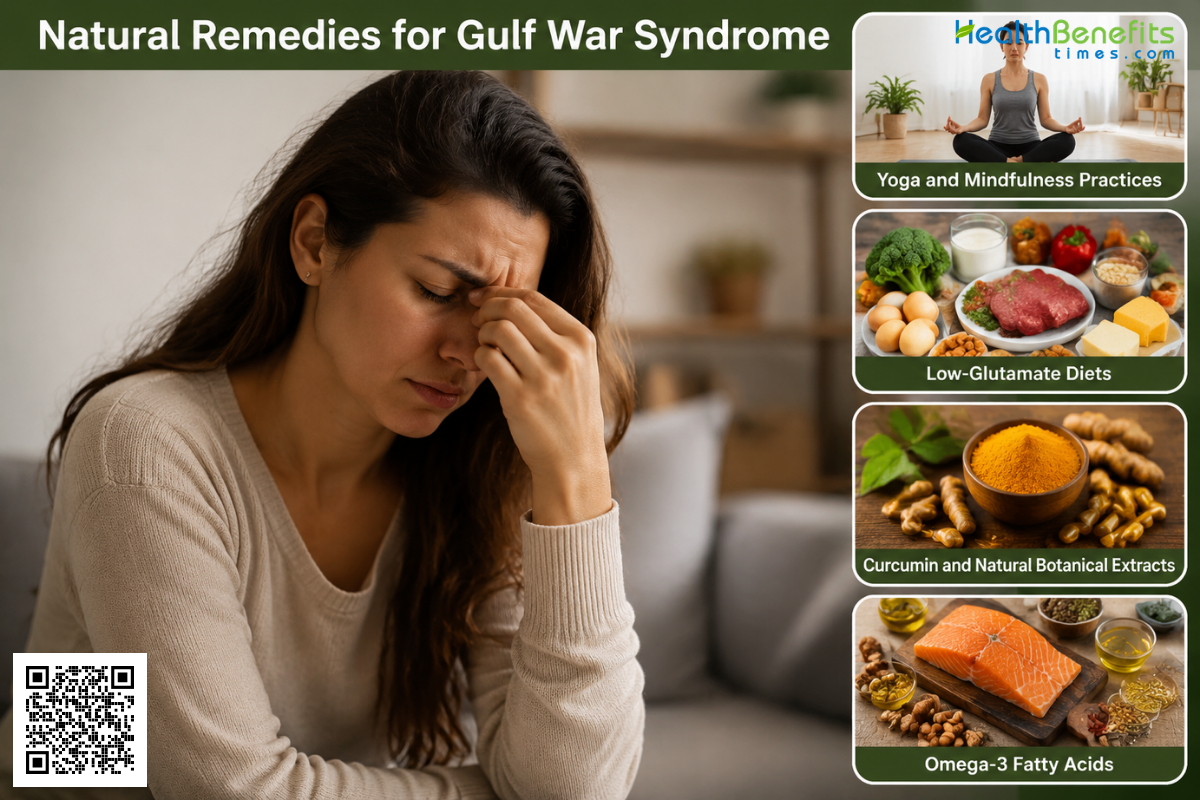
Causes of Gulf War Syndrome
- Pyridostigmine Bromide (PB) Medications: Military personnel were routinely issued and ordered to take pyridostigmine bromide pills as a pre-treatment prophylactic drug intended to protect them against the nerve agent soman 3. Clinical researchers suspect that this anti-toxin may be a significant contributor to the neurological dysfunction seen in affected veterans 4.
- Chemical and Biological Weapons: Troops were exposed to low levels of chemical warfare agents, notably rockets containing sarin and cyclosarin nerve gas mixtures that were released into the atmosphere following the demolition of an Iraqi munitions storage depot in Khamisiyah 3.
- Pesticide Exposure: The heavy and repeated application of various chemical pesticides to repel or destroy insects, rodents, and other disease-carrying pathogens in desert encampments exposed service members to toxic compounds that affect the nervous system 3.
- Oil Well Fires: The ignition of numerous oil and gas wells by retreating forces produced massive, dense clouds of soot, aerosols, and toxic gases that remained low to the ground and heavily enveloped U.S. military personnel, particularly during wintertime encampments 5.
- Multiple Vaccinations: Service members received rapid, multiple immunizations simultaneously, including specific vaccines for anthrax and botulinum toxoid, which researchers evaluate as a potential trigger for chronic immune system issues 3.
- Depleted Uranium and Toxic Fragments: Toxic metal exposure resulted from handling depleted uranium used in military tank armor and bullets, as well as from toxic shrapnel and embedded metal fragments that remained inside the bodies of injured personnel 3.
- Chemical Agent Resistant Coating (CARC) Paint: Occupational hazards included continuous exposure to CARC, a highly toxic chemical paint used extensively on military vehicles and machinery to resist corrosion and chemical weapons 3.
- Environmental Airborne Particulates: Troops endured prolonged inhalation of microscopic desert sand, dust, and particulate matter, which are recognized causes of chronic respiratory distress, sinus aggravation, and other systemic health problems 3.
- Endemic Infectious Diseases: Deployments in the Southwest Asia theater involved exposure to at least nine distinct infectious diseases native to the region, adding severe biological stress to the cumulative toxic burden placed on the immune system 3.
Symptoms of Gulf War Syndrome
- Chronic Fatigue: Affected individuals experience severe, long-term exhaustion that is not relieved by resting and is not directly caused by other underlying medical conditions 2.
- Musculoskeletal Pain: Widespread, persistent pain in the muscles and joints is a hallmark symptom, often presenting similarly to fibromyalgia with generalized stiffness and weakness 2.
- Neurological and Cognitive Impairments: Many patients suffer from altered brain function, which manifests as significant memory loss, difficulty concentrating, chronic headaches, and persistent dizziness 6.
- Mood Dysfunctions: Significant mood alterations are frequently reported, typically presenting as a depressed mood, increased anxiety, and severe sleep disturbances, including insomnia 6.
- Gastrointestinal Issues: Individuals frequently experience functional gastrointestinal disorders, most notably irritable bowel syndrome and functional dyspepsia, which cause chronic indigestion and abdominal discomfort 2.
- Respiratory Disorders: Chronic respiratory problems are a distinct diagnostic domain for the condition, often involving unexplained shortness of breath and airway complaints that persist for six months or longer 1.
- Dermatological Conditions: Unexplained chronic skin abnormalities, including recurrent rashes and atypical dermatitis, are consistently observed as part of this multisymptom illness 1.
Natural Remedies for Gulf War Syndrome
1. Coenzyme Q10 (CoQ10) Supplements
How it may help
Coenzyme Q10 (CoQ10) is a naturally occurring antioxidant that helps cells produce energy and protects them from damage 7. For veterans with Gulf War Syndrome, CoQ10 targets severe fatigue and muscle pain by improving mitochondrial function, which is the cellular energy center often impaired by toxic military exposures 8.
What research says
Clinical trials conclude that high-quality CoQ10 supplementation significantly improves physical function and reduces disease severity in veterans with Gulf War Illness 8. Researchers found that patients receiving daily CoQ10 experienced noticeable reductions in widespread pain, extreme fatigue, and memory problems compared to those who took a placebo 8.
How to use it safely
You should take CoQ10 supplements with a meal containing fats, as it requires dietary fat for proper absorption into your bloodstream 7. Medical studies on Gulf War veterans specifically used dosages of 100 milligrams to 300 milligrams per day to achieve positive health outcomes 8.
Potential precautions or side effects
CoQ10 is generally well-tolerated but may occasionally cause mild digestive upset or insomnia 7. You must consult your doctor before using it if taking blood-thinning medications like warfarin 7.
2. Acupuncture Therapy
How it may help
Acupuncture involves inserting very thin needles into specific body points to stimulate the nervous system 9. For Gulf War Syndrome, this natural therapy regulates pain signals in the brain and reduces systemic inflammation, which directly eases the severe muscle and joint discomfort commonly experienced by veterans 10.
What research says
Clinical trials conclude that biweekly acupuncture treatments significantly decrease widespread pain and improve overall physical function in veterans with Gulf War Illness 10. Researchers determined that treated patients also experienced highly improved sleep quality and reduced severe fatigue when compared to those receiving standard medical care alone 11.
How to use it safely
You must receive treatments exclusively from a state-licensed and certified acupuncturist who uses sterile, single-use disposable needles 9. Clinical protocols for managing Gulf War Illness symptoms typically involve attending one to two sessions per week for up to six months to achieve meaningful relief 10.
Potential precautions or side effects
Standard side effects remain mild, typically involving slight bleeding, bruising, or minor soreness at needle insertion sites 9. You must consult your doctor before treatment if taking blood-thinning medications 9.
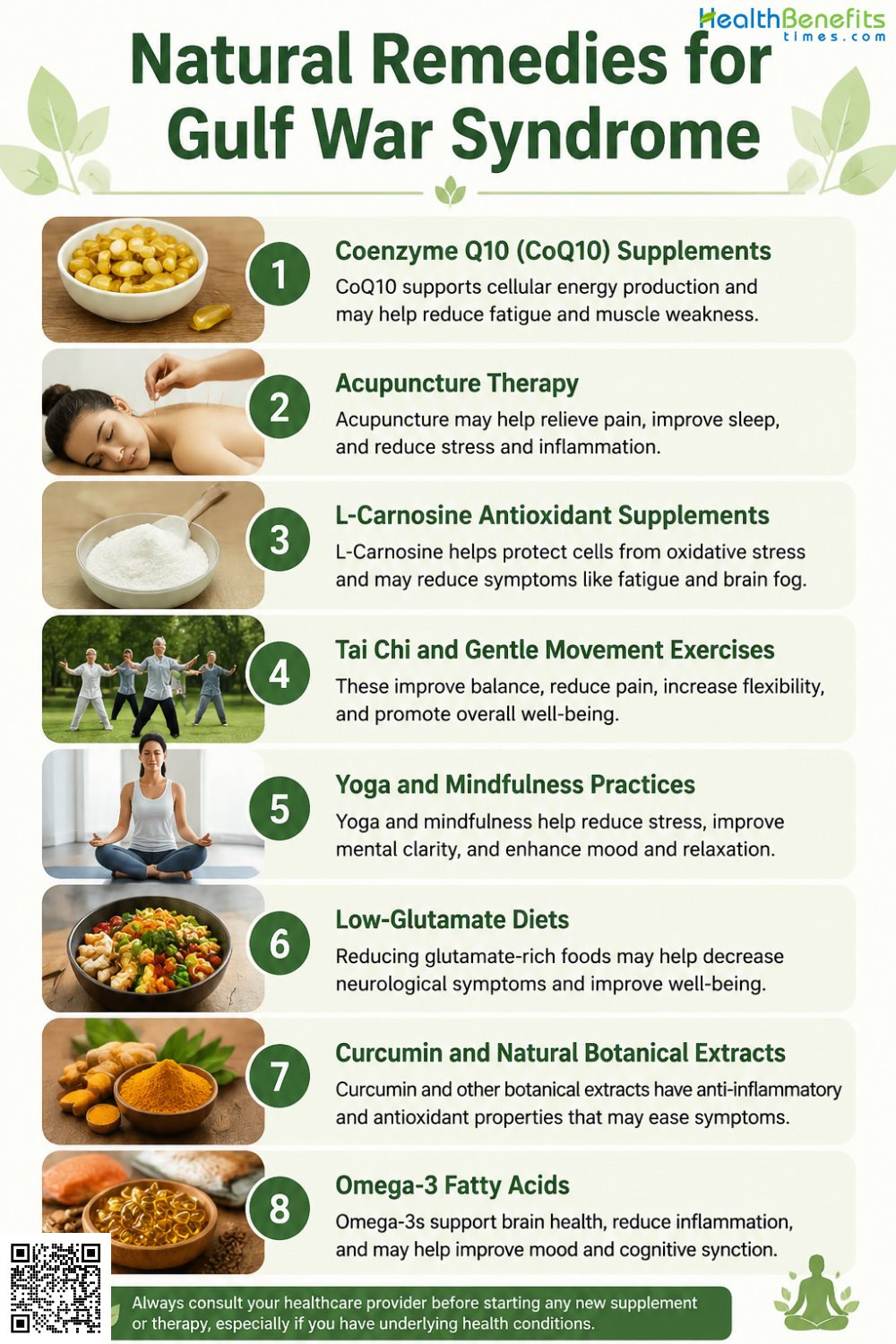
3. L-Carnosine Antioxidant Supplements
How it may help
L-carnosine is a naturally occurring amino acid compound that acts as a powerful antioxidant and protects the central nervous system from free radical damage 12. By reducing oxidative stress and inflammation in the brain, it helps repair neurological injuries caused by toxic wartime exposures, directly targeting the cognitive dysfunctions associated with Gulf War Syndrome 12.
What research says
Clinical trials demonstrate that taking L-carnosine for 12 weeks significantly improves cognitive function and mental performance in veterans with Gulf War Illness 13. Researchers also noted a meaningful decrease in chronic diarrhea related to irritable bowel syndrome, though the supplement did not effectively relieve severe fatigue or widespread muscle pain 13.
How to use it safely
You should take L-carnosine as an oral dietary supplement. In clinical studies targeting Gulf War Illness, patients safely used a dose-escalation method, starting at 500 milligrams and gradually increasing to 1,500 milligrams per day over a 12-week period to achieve beneficial cognitive effects 13.
Potential precautions or side effects
L-carnosine is generally well-tolerated and considered safe at clinical dosages 14. However, you must consult your doctor before use, particularly if taking prescription medications for pre-existing medical conditions.
4. Tai Chi and Gentle Movement Exercises
How it may help
Tai Chi is a mind-body practice that combines slow, fluid movements with deep breathing and focused attention 15. For Gulf War Syndrome, these low-impact exercises help regulate the nervous system, reduce physical stress, and improve joint flexibility without overworking the body or triggering extreme fatigue 15.
What research says
Clinical trials indicate that practicing Tai Chi significantly reduces chronic widespread pain and severe fatigue in veterans with Gulf War Illness 16. Researchers conclude that regular participation steadily improves sleep quality, boosts daily physical energy, and enhances overall mental health by decreasing symptoms of depression and anxiety 17.
How to use it safely
You should begin your practice under the guidance of a qualified instructor to learn proper posture and avoid physical strain 15. To manage Gulf War Syndrome effectively, try attending classes twice a week and gently adjust your session length based on your daily energy levels 16.
Potential precautions or side effects
Tai Chi is highly safe, though you may experience minor muscle soreness initially 15. You must consult your doctor first if you have severe joint conditions or active balance disorders 15.
5. Yoga and Mindfulness Practices
How it may help
Yoga and mindfulness practices combine physical postures, deep breathing, and focused mental awareness to calm the nervous system 18. For Gulf War Syndrome, these techniques lower stress levels and improve how the brain processes chronic pain signals related to toxic military exposures 19.
What research says
Clinical trials conclude that mindfulness training and yoga significantly reduce severe pain and chronic fatigue in veterans with Gulf War Illness 19. Researchers found that regular practice steadily improves emotional well-being, decreases depression, and enhances daily physical function better than standard medical care alone 19.
How to use it safely
You should begin with trauma-sensitive or restorative yoga classes taught by a certified instructor 18. Try practicing mindfulness exercises for 20 minutes daily, modifying physical poses as needed to protect your joints and avoid triggering severe exhaustion 18.
Potential precautions or side effects
Yoga is highly safe but may occasionally cause minor muscle strains 18. You must consult your doctor before beginning if you have spinal injuries or severe joint conditions.
6. Low-Glutamate Diets
How it may help
A low-glutamate diet eliminates foods high in free glutamate, a natural compound that overstimulates the nervous system when consumed in excess 20. For Gulf War Syndrome, reducing this dietary trigger calms the brain, which helps alleviate the chronic pain and cognitive dysfunction linked to toxic wartime exposures 21.
What research says
Clinical trials conclude that following a strict low-glutamate diet for one month significantly decreases severe chronic pain, daily fatigue, and gastrointestinal distress in veterans with Gulf War Illness 22. Researchers also report that this dietary intervention directly improves verbal working memory, overall cognitive function, and healthy blood pressure levels 23.
How to use it safely
You must eliminate foods containing monosodium glutamate (MSG), soy sauce, hydrolyzed proteins, and heavily processed meals 22. Base your daily meals entirely on fresh, whole foods like unseasoned meats, fruits, and vegetables. Consult a registered dietitian to maintain proper nutrition while learning to identify hidden dietary triggers.
Potential precautions or side effects
This nutritional approach is highly safe but requires strict label reading. You may find the diet difficult to sustain initially because of the widespread presence of hidden food additives 22.
7. Curcumin and Natural Botanical Extracts
How it may help
Natural botanical extracts like curcumin, the active compound in turmeric, provide powerful anti-inflammatory and antioxidant properties. For Gulf War Syndrome, curcumin targets chronic neuroinflammation and oxidative stress in the brain, directly helping to repair mitochondrial function and cellular damage caused by toxic wartime exposures 24.
What research says
Clinical evidence concludes that curcumin supplementation significantly reduces the severity of cognitive and mood impairments associated with Gulf War Illness 25. Researchers report that treated patients experience enhanced memory, decreased brain inflammation, and normalized cell respiration when compared to control groups receiving a placebo 26.
How to use it safely
You should take curcumin as an oral dietary supplement. Because natural turmeric has poor absorption, you can choose highly bioavailable formulations or products containing black pepper extract to effectively improve how much active compound enters your bloodstream 27.
Potential precautions or side effects
Curcumin is generally well-tolerated but may cause mild digestive upset. You must consult your doctor before using highly bioavailable formulations, as excessive amounts could potentially harm your liver 27.
8. Omega-3 Fatty Acids
How it may help
Omega-3 fatty acids are essential fats that support healthy brain function and reduce inflammation throughout the body 28. For Gulf War Syndrome, these natural compounds target brain inflammation and protect cellular health, helping to counteract the neurological damage and immune dysfunction caused by toxic wartime exposures 6.
What research says
Clinical protocols indicate that omega-3 supplementation, typically provided through high-quality fish oil, helps alleviate the widespread pain and memory difficulties associated with Gulf War Illness 21. Researchers suggest that optimizing omega-3 intake supports overall mental health and decreases the cellular damage linked to severe fatigue 21.
How to use it safely
You can increase your omega-3 intake by eating fatty fish or taking daily fish oil dietary supplements 28. Health practitioners typically recommend taking 1,000 to 2,000 milligrams of combined EPA and DHA daily alongside meals to maximize proper absorption 29.
Potential precautions or side effects
Omega-3 supplements are generally safe but may cause mild indigestion 29. You must consult your doctor before use if taking blood thinners, as high doses can increase bleeding risks 29.
Foods to Avoid When You Suffer from Gulf War Syndrome
1. Foods Containing Monosodium Glutamate (MSG) and Free Glutamate
Avoid MSG, hydrolyzed proteins, and soy sauce. Research shows high dietary glutamate overstimulates vulnerable brain cells, aggravating chronic pain, fatigue, and memory problems in veterans 22.
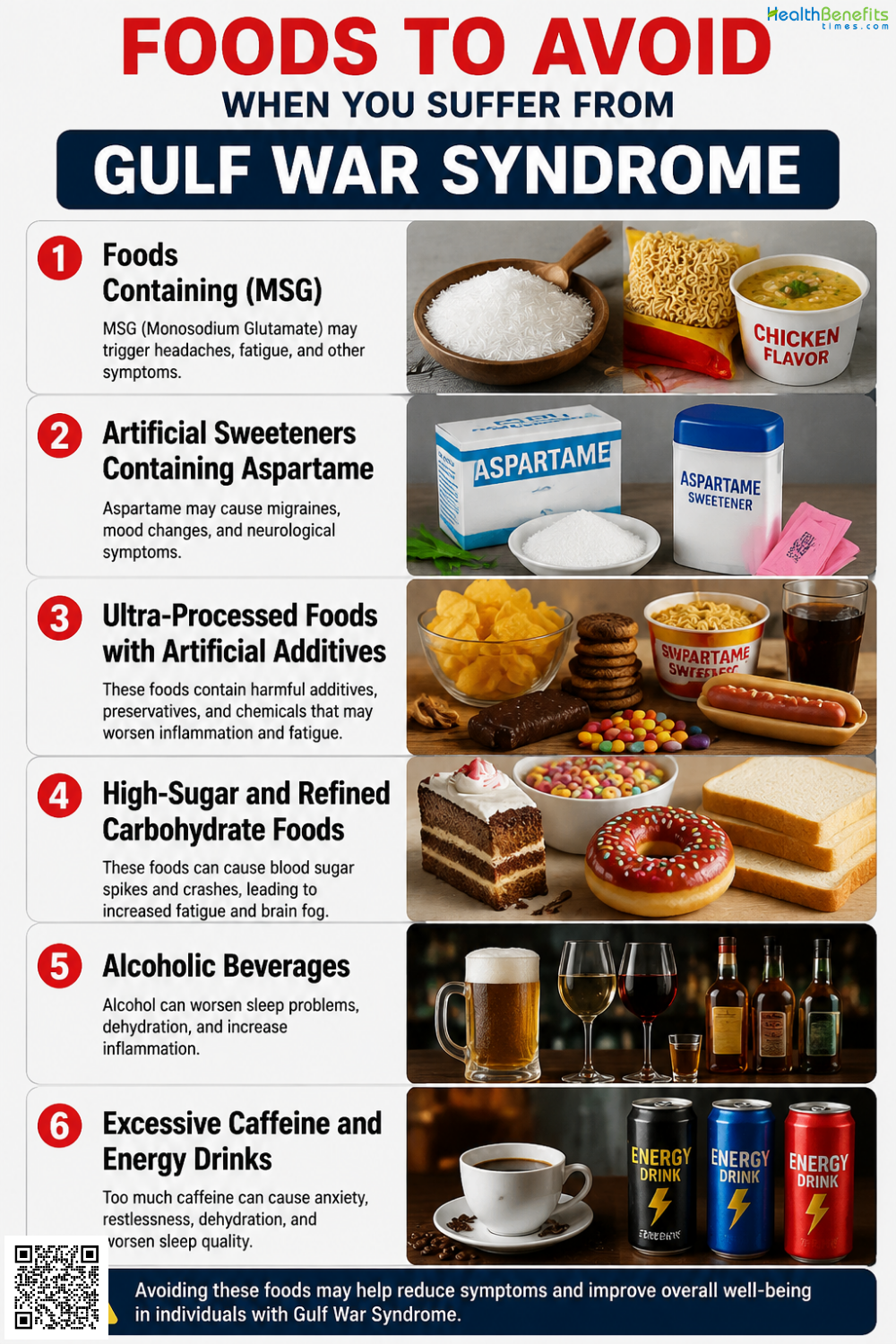
2. Artificial Sweeteners Containing Aspartame
Eliminate diet sodas and artificially sweetened products containing aspartame. Studies indicate aspartame acts as a neurotoxin, worsening headaches, cognitive dysfunction, and neurological symptoms in affected individuals 30.
3. Ultra-Processed Foods with Artificial Additives
Steer clear of packaged snacks containing artificial preservatives, dyes, and synthetic flavorings. These chemical compounds increase systemic inflammation and oxidative stress, intensifying overall symptom severity 21.
4. High-Sugar and Refined Carbohydrate Foods
Limit sugary beverages, white bread, and pastries. Diets high in refined sugar trigger inflammation and blood sugar spikes, further impairing cellular energy production and worsening chronic fatigue 6.
5. Alcoholic Beverages
Avoid alcohol, which places extra metabolic stress on your liver, disrupts restorative sleep cycles, and impairs brain function, significantly amplifying fatigue and cognitive difficulties 2.
6. Excessive Caffeine and Energy Drinks
Reduce high caffeine consumption from energy drinks and heavy coffee. Excessive caffeine overstimulates an already sensitive nervous system, triggering increased anxiety, persistent headaches, and severe sleep disturbances 1.
When to see Doctor when you struggle from Gulf War Syndrome
1. Persistent Unexplained Symptoms
You must consult a doctor if severe fatigue, joint pain, or memory issues persist for six months or longer without a clear medical cause 2.
2. Severe Cognitive Decline
Seek immediate medical evaluation if you experience sudden worsening of memory, intense chronic headaches, or constant disorientation that disrupts your daily functioning 4.
3. Worsening Respiratory Distress
Schedule a clinical examination if you develop new or worsening shortness of breath, chronic coughing, or wheezing that affects your basic physical activity 2.
4. Severe Mental Health Changes
Contact a healthcare provider if you experience overwhelming depression, intense anxiety, or severe insomnia linked to your physical symptoms and military service 6.
5. Disruptive Gastrointestinal Issues
Consult a physician if chronic diarrhea, severe abdominal pain, or constant indigestion prevents you from maintaining proper nutrition or a normal daily routine 1.
Comments
comments