

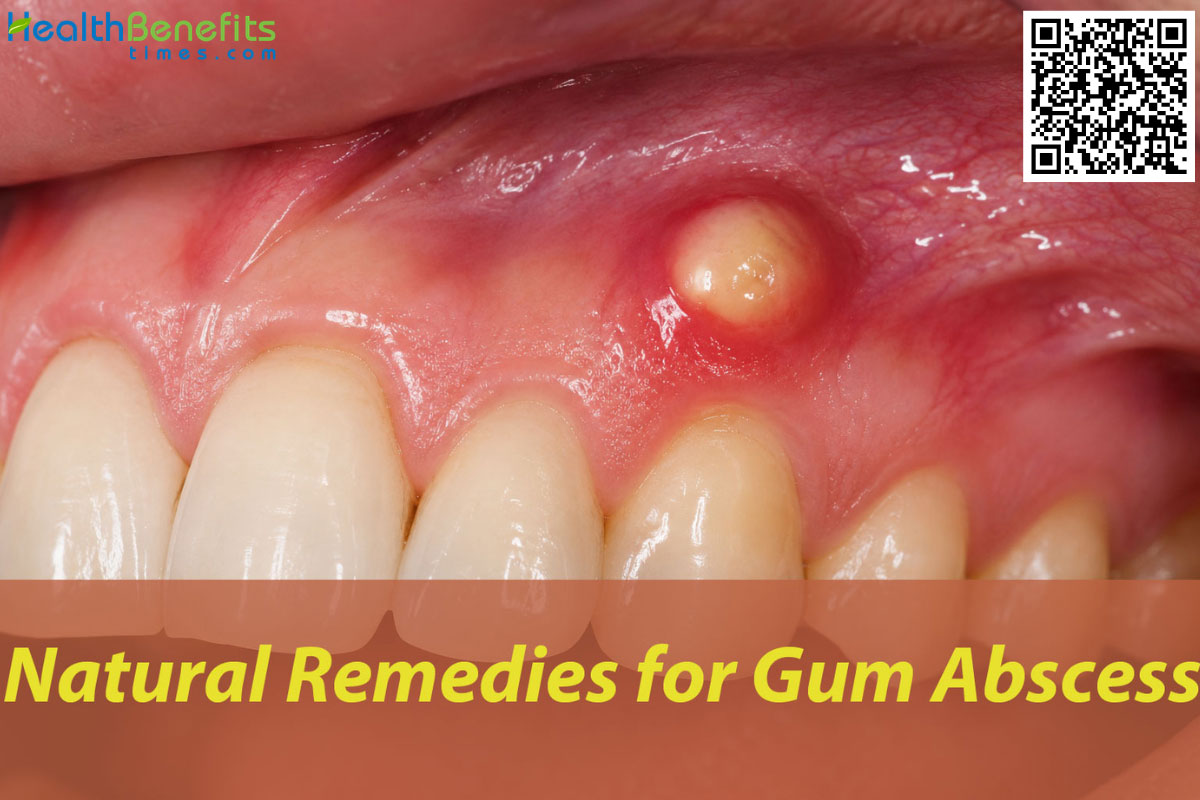
Causes of Gum Abscess
Digging into the root causes reveals that these superficial oral infections rarely happen by simple accident or poor luck. Usually, there is a highly specific, identifiable trigger event that forcefully bypasses the mouth’s natural defenses, pushing aggressive bacteria directly into the vulnerable gum tissue and setting off the body’s inflammatory alarm bells.
1. Trapped Foreign Objects
Perhaps the most frequent and common reason a person might develop this specific issue is when a tiny, rigid piece of food gets forcefully wedged under the gumline during a meal. Stubborn items like popcorn kernels, small strawberry seeds, sharp fishbones, or even a frayed and splintered piece of dental floss can easily get trapped in the natural crevice of the gum, sealing in harmful bacteria and causing a rapid, localized infection 3.
2. Hardened Plaque Buildup
Over a period of time, soft, sticky dental plaque can calcify and harden into a rough, cement-like material called calculus or tartar. If a sharp, microscopic fragment of this bacteria-laden tartar breaks off during heavy chewing or a harsh brushing session and gets pushed deep into the soft lining of the gum tissue, it acts as a toxic splinter, sparking a severe and immediate inflammatory response from the body 4.
3. Blocked Gum Pockets
In individuals who already suffer from some degree of underlying gum disease, the tiny, natural collar of space between the tooth and the gum can detach and become unusually deep. When the top opening of this deep pocket gets accidentally obstructed by debris, the natural defensive fluids cannot flow out, creating a sealed, dark, warm, and oxygen-deprived environment where harmful anaerobic bacteria multiply entirely out of control 5.
4. Direct Physical Injury
Accidental trauma is another major, everyday contributor to this painful condition. A violent slip of a hard-bristled toothbrush, a deep scratch from eating a hard crust of bread, or a poorly aimed wooden toothpick can easily tear the delicate, protective mucosal skin of the gums, directly inviting the millions of bacteria that naturally live in the mouth to invade the deeper, unprotected connective tissues 6.
Symptoms of Gum Abscess
Knowing exactly what to look for and feel for can make a monumental difference in how quickly and effectively you manage the situation. When a gingival infection begins to take hold and expand, it produces a very distinct, hard-to-ignore set of warning signs that indicate the immune system is actively fighting a battle.
- Intense, continuous, and throbbing pain in a highly specific area of the gums, which often feels significantly worse when you lie down flat because blood rushes to the head, increasing the internal pressure 7.
- A highly visible, small, dome-shaped swelling or shiny red bump located right at the edge of the gumline, which often looks somewhat like a tightly stretched pimple 8.
- Extreme tenderness and hypersensitivity when you gently touch the area with your tongue or finger, making everyday, necessary activities like chewing food or brushing your teeth nearly impossible to endure 9.
- A suddenly foul, bitter, or salty taste in the mouth, which is almost always accompanied by unpleasantly strong bad breath, occurring when the pressurized pus begins to naturally leak out of the swelling into the mouth 10.
- Noticeable redness and an uncomfortable feeling of radiating heat from the affected soft tissue, which is a direct result of the blood vessels expanding to bring more immune cells to the site of the infection 11.
- Increased, sharp sensitivity to extremely hot or icy cold foods and beverages in the teeth located immediately next to the swollen gum area, as the localized inflammation aggravates the nearby dental nerves 12.
Gum Abscess Facts
Gathering the essential medical details into one structured place helps demystify the condition entirely for anyone experiencing it. Here is a straightforward, easy-to-read breakdown of the most critical facts, classifications, and risks you need to know about this localized oral infection.
| Category | Facts |
| Symptoms 13 |
|
| Causes 14 |
|
| Types of Gum Abscess |
|
| How does spread 15 |
|
| Age Group 16 |
|
| You might be at a higher risk for exposure of this disease if you: 17 |
|
| How doctors diagnose 18 |
|
| Other facts 19 |
|
Natural Remedies for Gum Abscess
Turning to the core of the matter, the natural and botanical world offers a massive wealth of supportive therapies designed to manage the agonizing discomfort and reduce the overwhelming bacterial load of an oral infection. It is absolutely vital to remember that while these holistic options are highly effective for temporary symptom relief and localized surface cleansing, they work best when used alongside professional dental guidance.
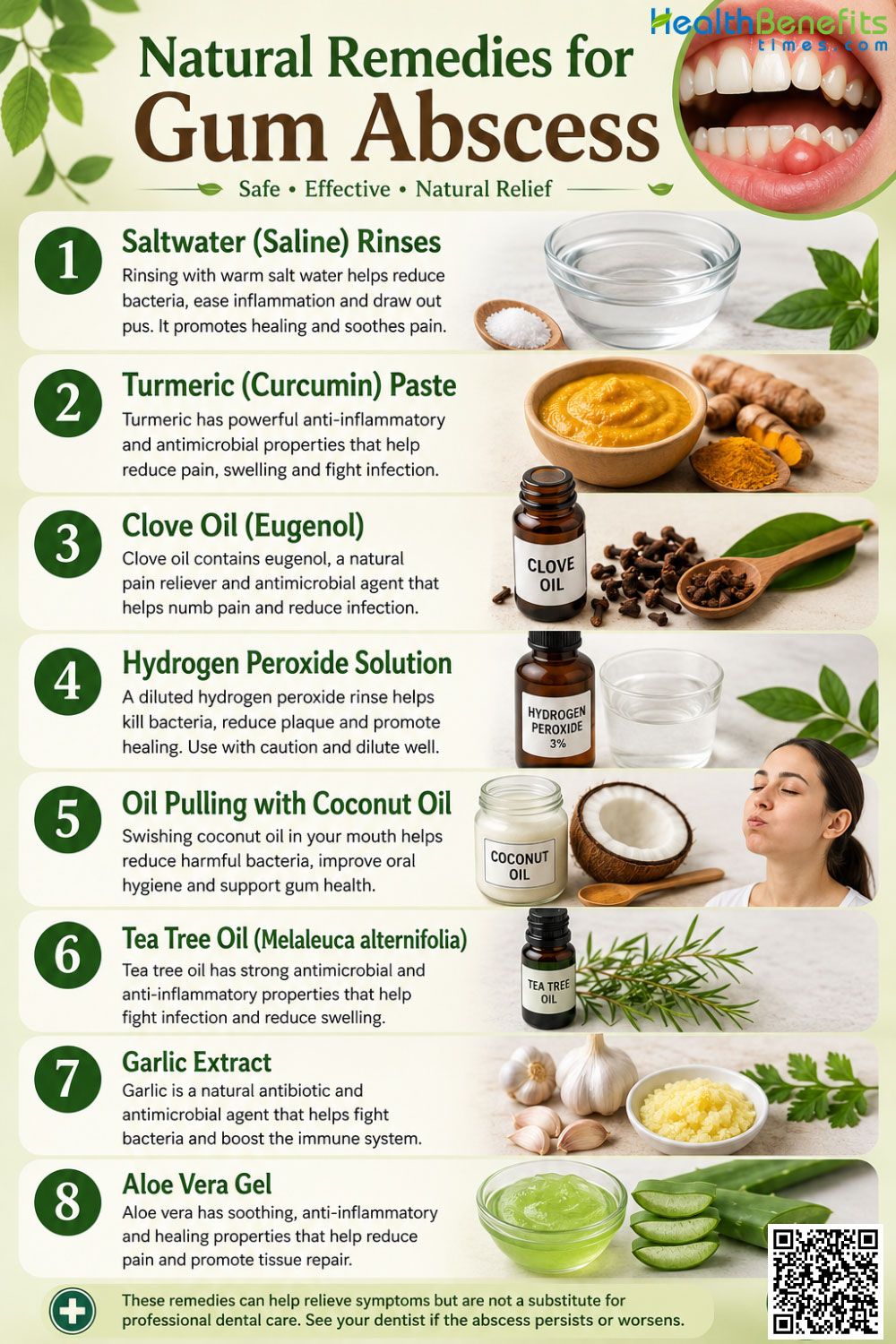
1. Saltwater (Saline) Rinses
Relying on the fundamental laws of physical chemistry, simple salt is historically one of the most powerful and universally available tools for drawing out a localized infection. When a highly concentrated salty liquid washes over a swollen, fluid-filled gum tissue, it creates a unique pulling effect known in science as an osmotic gradient. Because the saltwater in your mouth is significantly more concentrated than the trapped inflammatory fluids inside the swollen gum, it literally sucks the excess liquid out of the stretched tissue through the semi-permeable mucosal skin, instantly reducing the intense internal pressure that causes the throbbing pain 20. Additionally, creating this temporary, highly salty environment makes it incredibly difficult for fragile, harmful bacteria to survive, reproduce, and multiply, offering a gentle but highly effective antibacterial wash that rivals some harsh chemical mouthwashes without irritating the rest of the mouth 21.
Note: You should use this classic remedy by completely dissolving half a teaspoon of plain table salt into a large glass of warm water, gently swishing the soothing liquid around the affected side of your mouth for one full minute, and then spitting it out, repeating this simple process up to four times a day for maximum remedial benefits.
2. Turmeric (Curcumin) Paste
Delving deep into ancient Ayurvedic spice traditions, the bright root of turmeric has long been celebrated globally for its profound, medically recognized healing capabilities. The incredibly vibrant yellow color of turmeric comes directly from a highly active biological compound called curcumin, which is famous within the modern scientific community for its robust, scientifically proven ability to fight severe inflammation and oxidative cellular stress. Curcumin works deep at the microscopic cellular level to actively block the specific enzymes that cause blood vessels to swell and leak fluid during a sudden gum flare-up 22. By applying it directly to the exact problem area, it acts as a natural, powerful astringent, helping to physically pull out bacterial toxins and soothe the raw, over-stretched mucosal skin, making it a fantastic alternative for managing chronic oral irritation and swelling 23.
Note: You can apply this by mixing a small, measured pinch of pure, organic turmeric powder with a tiny drop of clean water or mustard oil to form a thick, moldable paste, lightly dabbing it directly onto the swollen gum for five minutes, and then rinsing your mouth very thoroughly with water.
3. Clove Oil (Eugenol)
Exploring the diverse essential oil family reveals that clove oil is practically synonymous with emergency dental pain relief. The incredible magic behind this strong, spicy-smelling liquid is a natural, highly potent chemical called eugenol, which makes up the vast majority of the oil’s overall volume. Eugenol acts as a powerful, rapid-acting natural anesthetic; it literally numbs the microscopic nerve endings in your gums by temporarily stopping the electrical pain signals from traveling up the nerve pathways to your brain 24. On top of its impressive numbing power, it aggressively attacks and degrades the fatty cell walls of dangerous mouth bacteria, actively stopping the infection from spreading any further into the surrounding, completely healthy pink tissues 25.
Note: You should utilize this powerful remedy by soaking a sterile cotton swab with just one or two small drops of diluted clove oil and gently holding it against the painful, throbbing bump for a few minutes until you feel a soothing, heavy numbing sensation take over the area.
4. Hydrogen Peroxide Solution
Shifting focus to fascinating oxygen-based therapies, hydrogen peroxide has remained an absolute staple in professional and home dental care for many decades. This simple, clear liquid works through a devastatingly effective biological process called oxidative stress. When it physically touches the enzymes naturally present in your gums and blood, it foams and fizzes violently, releasing a massive, sudden burst of pure oxygen. The specific, nasty bacteria that cause deep, foul-smelling gum infections are strict anaerobes, meaning they absolutely hate and cannot survive in environments that are rich in oxygen 26. Furthermore, the physical, vigorous bubbling action helps to actively lift, separate, and flush out dead necrotic tissue, hidden food particles, and trapped pus from the microscopic tight spaces around your teeth 27.
Note: You can use this safely by mixing absolutely equal parts of standard 3% household hydrogen peroxide and plain water, swishing the bubbling mixture gently in your mouth for thirty seconds to mechanically flush the area, and firmly spitting it all out into the sink without swallowing any.
5. Oil Pulling with Coconut Oil
Resurrecting a time-honored, holistic Ayurvedic practice, the act of swishing edible oil in the mouth for extended periods has gained immense modern popularity for a very sound scientific reason. Coconut oil, in particular, is biologically unique because it is densely packed with lauric acid, a highly specific type of medium-chain fat that has well-documented, proven abilities to kill oral germs and heavily reduce tissue swelling. When you swish the oil vigorously through your teeth, it mechanically mixes with the natural alkaline compounds found in your human saliva to create a mild, soap-like substance that literally scrubs and cleans the teeth and gums at a microscopic level 28. The sticky, thick nature of the oil also acts exactly like a magnet, pulling the fragile, fatty membranes of harmful bacteria off the mucosal gums and trapping them permanently in the liquid to be disposed of outside the body 29.
Note: You should practice this daily by placing exactly one tablespoon of organic, cold-pressed virgin coconut oil into your mouth, actively swishing it by pulling it through your teeth and around your gums for fifteen to twenty uninterrupted minutes, and then spitting the cloudy, germ-filled liquid into a trash can.
6. Tea Tree Oil (Melaleuca alternifolia)
Venturing across the globe to the native medicinal plants of Australia, tea tree oil offers an incredibly potent, natural defense against aggressive microbial invaders. The primary active chemical ingredient found in this strong-smelling, volatile oil is terpinen-4-ol, which is notoriously effective at permanently breaking down and destroying the protective outer walls of stubborn, dangerous bacterial cells. Strict scientific evaluations clearly show that tea tree oil specifically targets and completely stops the rapid growth of Porphyromonas gingivalis, one of the most destructive, tissue-eating bacteria heavily involved in severe oral abscesses 30. By drastically reducing the overall population of these bad germs, it also dramatically cuts down on the nasty, rotten-egg-smelling sulfur compounds they naturally produce, effectively eliminating the severe bad breath that almost always accompanies a purulent gum infection 31.
Note: You can apply this safely by adding no more than two single drops of pure, therapeutic-grade tea tree oil into a full cup of warm water to create a very heavily diluted mouth rinse, swishing carefully for thirty seconds, and strictly spitting it out since the raw oil is toxic if swallowed.
7. Garlic Extract
Looking closely into the standard kitchen pantry, raw garlic serves as far more than just a highly flavorful cooking ingredient; it is a legitimate, potent pharmaceutical powerhouse. The true, profound medicinal value of garlic unlocks only when the clove is physically crushed, chopped, or chewed, which instantly creates a highly powerful sulfur-based compound called allicin. Allicin functions as an incredibly strong natural antibiotic that aggressively fights off multiple, diverse strains of bad bacteria in the mouth. Amazingly, unlike traditional, synthetic prescription antibiotics, mouth bacteria have a incredibly difficult time ever building a genetic resistance to garlic, making it a highly reliable, long-term weapon for lowering the massive bacterial load safely in infected gum pockets 32.
Note: You should utilize this powerful plant by crushing a fresh, raw clove of garlic to release its active juices, mixing it with a tiny, small pinch of salt to draw out the moisture, and placing the mixture directly onto the infected gum area as a poultice for several minutes before rinsing well.
8. Aloe Vera Gel
Stepping gently into the realm of soothing botanicals, the thick, clear, water-filled gel found inside the spiky leaves of the aloe vera plant is world-renowned for treating severely irritated skin and delicate mucosal tissues. Aloe vera is naturally packed with a highly complex mix of hydrating vitamins, active healing enzymes, and natural salicylic acid, which is the exact same anti-inflammatory chemical compound synthesized to make aspirin. When applied heavily to a hot, swollen, painfully stretched gum lesion, it provides an immediate, profound cooling sensation that physically comforts and relaxes the stressed tissue 33. At the exact same time, its gentle but effective antibacterial properties help physically shield the weakened, porous gum barrier from further bacterial attacks, speeding up the body’s natural regenerative healing process.
Note: You can benefit immensely from this remedy by taking a small, generous dab of pure, food-grade aloe vera gel on a clean cotton swab and gently painting it thickly over the painful bump, leaving it completely undisturbed to naturally soak into the gums.
Is There Any Exercise or Physical Activities for Gum Abscess
It might initially seem counterintuitive or strange to think about physically exercising when your mouth hurts so badly, but specific physical movements can heavily influence how your entire body handles localized pain and inflammation. While you absolutely cannot physically “sweat out” an oral infection, targeted jaw movements and general body activity play a huge, scientifically backed role in your speedy recovery.
1. Jaw Opening and Closing (Coordination Exercise)
Concentrating closely on the complex mechanics of the face, a severe, painful infection located in the back of the gums can very often trigger sudden, defensive muscle spasms, making it incredibly hard to open your mouth. This frustrating condition is medically known as trismus, or lockjaw. By intentionally, carefully, and slowly stretching the main elevator muscles of the jaw, you actively prevent the facial tissues and fascia from freezing up and stiffening into place 34. Keeping the jaw joint mobile is absolutely crucial, because if it locks tightly shut, it becomes completely impossible for a dental professional to properly examine the abscess, or for you to eat the nutritious food necessary for healing.
Note: To do this, you should sit up perfectly straight, slowly open your mouth as wide as you comfortably can without causing any sharp or shooting pain, hold that stretched position steadily for five to ten seconds, and then gently close it, repeating this sequence five times a day.

2. Side-to-Side Mandibular Movements
Focusing intently on lateral flexibility, moving the lower jaw from side to side actively helps stretch the deep pterygoid muscles, which are located near the very back of the throat. These specific, hidden muscles are highly prone to tightening up and cramping when there is referred, shooting pain radiating from a nearby gum infection. Stretching them gently increases fresh, oxygenated blood flow to the deep, complex anatomical spaces of the face, which directly helps your body wash away the stagnant inflammatory chemicals that cause lingering, deep-seated soreness 35.
Note: To do this, you should completely relax your lips, open your mouth very slightly, and slowly glide your entire lower jaw purely to the left side, holding the tension for ten seconds before smoothly gliding it over to the right side, repeating this carefully ten times.
3. The Fish Stretch (Proprioceptive Tongue Posture)
Paying close attention to exactly where your tongue rests naturally can magically and instantly relieve massive pressure on your teeth. When people are in severe pain, they often unknowingly clench their teeth tightly together throughout the day, a damaging habit called bruxism, which puts devastating, crushing pressure on an already swollen gum abscess. The fish stretch intelligently uses the strong muscle of the tongue to forcefully relax the heavy, over-worked chewing muscles of the face 36. By anchoring the tongue firmly to the roof of the mouth during a stretch, you physically and neurologically block the jaw from clenching, giving the highly inflamed periodontal ligaments a much-needed, absolute rest.
Note: To do this, you should press the flat tip of your tongue firmly against the roof of your mouth just behind your top front teeth, and slowly open your jaw as wide as comfortable while keeping the tongue glued tightly in place, holding for five full seconds.
4. Moderate Aerobic Exercise
Zooming out to observe the entire body, regular cardiovascular exercise has a phenomenal, scientifically proven effect on permanently lowering overall systemic body inflammation. When you engage in light, non-exhausting physical exercise, your muscle fibers release special, highly active proteins called cytokines that actively suppress and neutralize the swelling signals floating around in your bloodstream 37. People who maintain a consistently physically active lifestyle generally have significantly lower baseline levels of inflammatory markers, meaning their immune system is much calmer, highly efficient, and vastly better equipped to isolate, fight, and heal a localized oral infection without dangerously overreacting 9.
Note: To do this, you should engage in thirty minutes of very light, moderate activity like briskly walking around your neighborhood or gentle, flat cycling, making sure not to push yourself too hard, as a racing, pounding heartbeat might temporarily increase the throbbing sensation in your tender gums.
Foods and Activities to Avoid
Knowing exactly what not to do is just as critically important as applying the right healing remedies. Certain seemingly harmless daily habits and dietary choices can severely and rapidly aggravate the delicate, swollen tissues, especially if you are someone who regularly struggles with stomach acid issues.
Foods to Avoid When You suffer from Gum Abscess
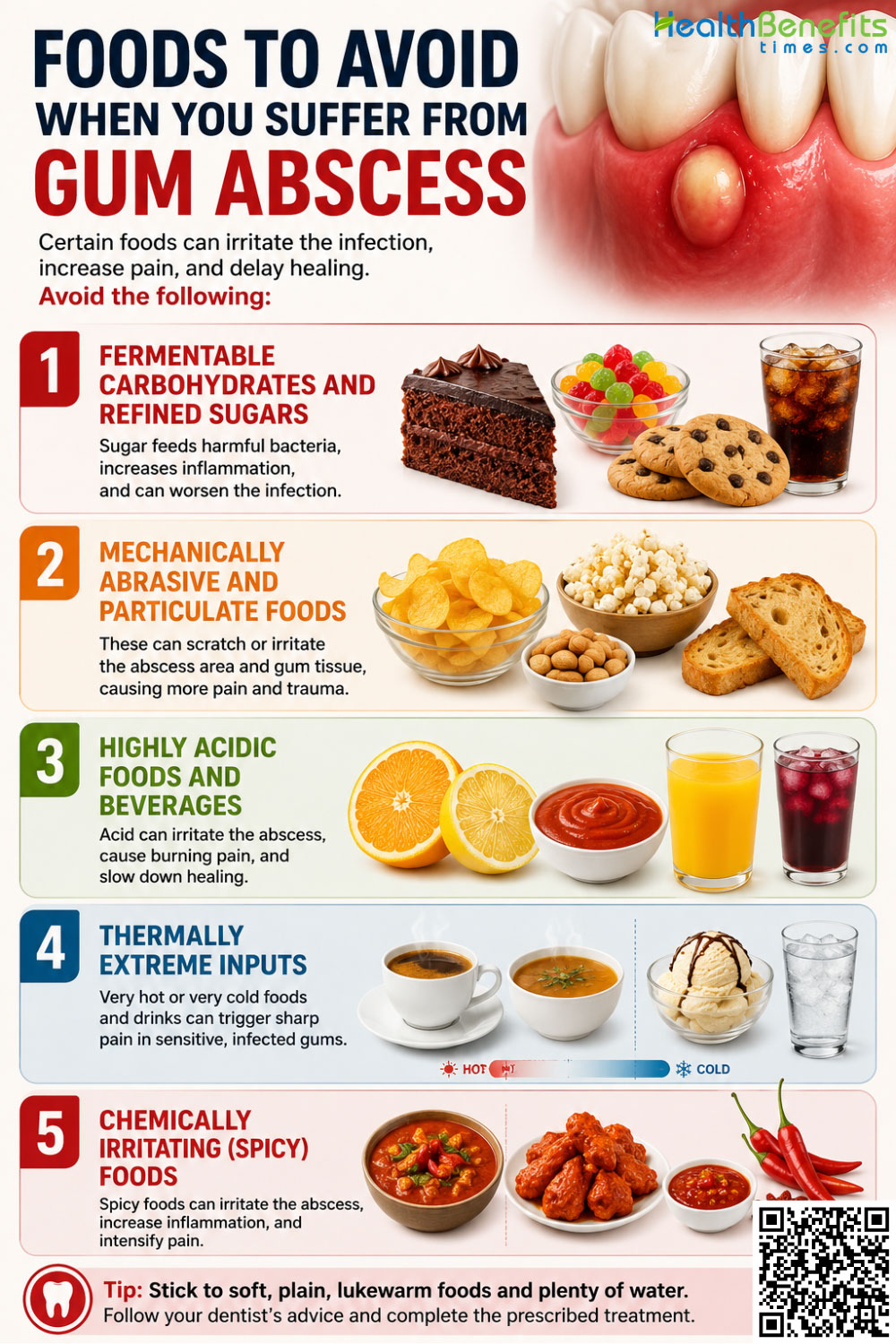
1. Fermentable Carbohydrates and Refined Sugars
Fermentable carbohydrates act as the primary metabolic substrate for oral pathogens, including Streptococcus mutans and various anaerobic bacteria driving the abscess. The bacterial metabolism of these sugars yields organic acids, which drop the localized oral pH. This acidic environment not only demineralizes adjacent enamel but provides an optimal ecosystem for further bacterial proliferation within the periodontal pocket.
Specific foods to avoid: Candies, sweetened pastries, sodas, sticky sweets, and highly processed white breads.
2. Mechanically Abrasive and Particulate Foods
The gingival tissue encasing an abscess is highly friable (easily torn) and engorged with purulent exudate and inflammatory fluids. Rigid, sharp, or particulate foods can cause direct mechanical trauma. This risks prematurely rupturing the abscess before a controlled clinical drainage can be performed, or worse, driving small food particles deeper into the infected periodontal space, exacerbating the immune response.
Specific foods to avoid: Popcorn, hard nuts, seeds, crusty breads, tortilla chips, and raw, hard vegetables (like whole carrots).
3. Highly Acidic Foods and Beverages
Exposing an inflamed, structurally compromised gingival mucosa to low-pH environments chemically irritates the tissue, triggering acute nociceptive pain. Furthermore, repeated exposure to acidic foods disrupts the oral cavity’s natural buffering capacity, delaying cellular repair and the wound-healing cascades necessary for tissue recovery.
Specific foods to avoid: Citrus fruits (lemons, oranges, grapefruits), raw tomatoes, vinegar-based salad dressings, and carbonated beverages (which contain carbonic acid).
4. Thermally Extreme Inputs
An active abscess typically induces localized hypersensitivity. This occurs due to the sensitization of nerve endings within the inflamed mucosal tissue, as well as potential referred pain through the root of the adjacent tooth if the periodontal ligament is involved. Introducing extreme temperatures to this hyper-sensitized environment will trigger sharp, acute, and radiating pain.
Specific foods to avoid: Boiling hot soups, hot coffees or teas, ice water, and ice cream.
5. Chemically Irritating (Spicy) Foods
Compounds like capsaicin the active chemical in chili peppers directly stimulate TRPV1 pain receptors in the oral mucosa. When the mucosal barrier is intact, this causes a temporary burning sensation. However, when the tissue is already compromised by an acute, localized infection, capsaicin induces severe burning, localized vasodilation, and an increase in both swelling and throbbing discomfort.
Specific foods to avoid: Chili peppers, commercial hot sauces, heavily spiced curries, and raw garlic.
Activities to Avoid When You suffer from Gum Abscess
When you suffer from this condition, you should completely avoid:
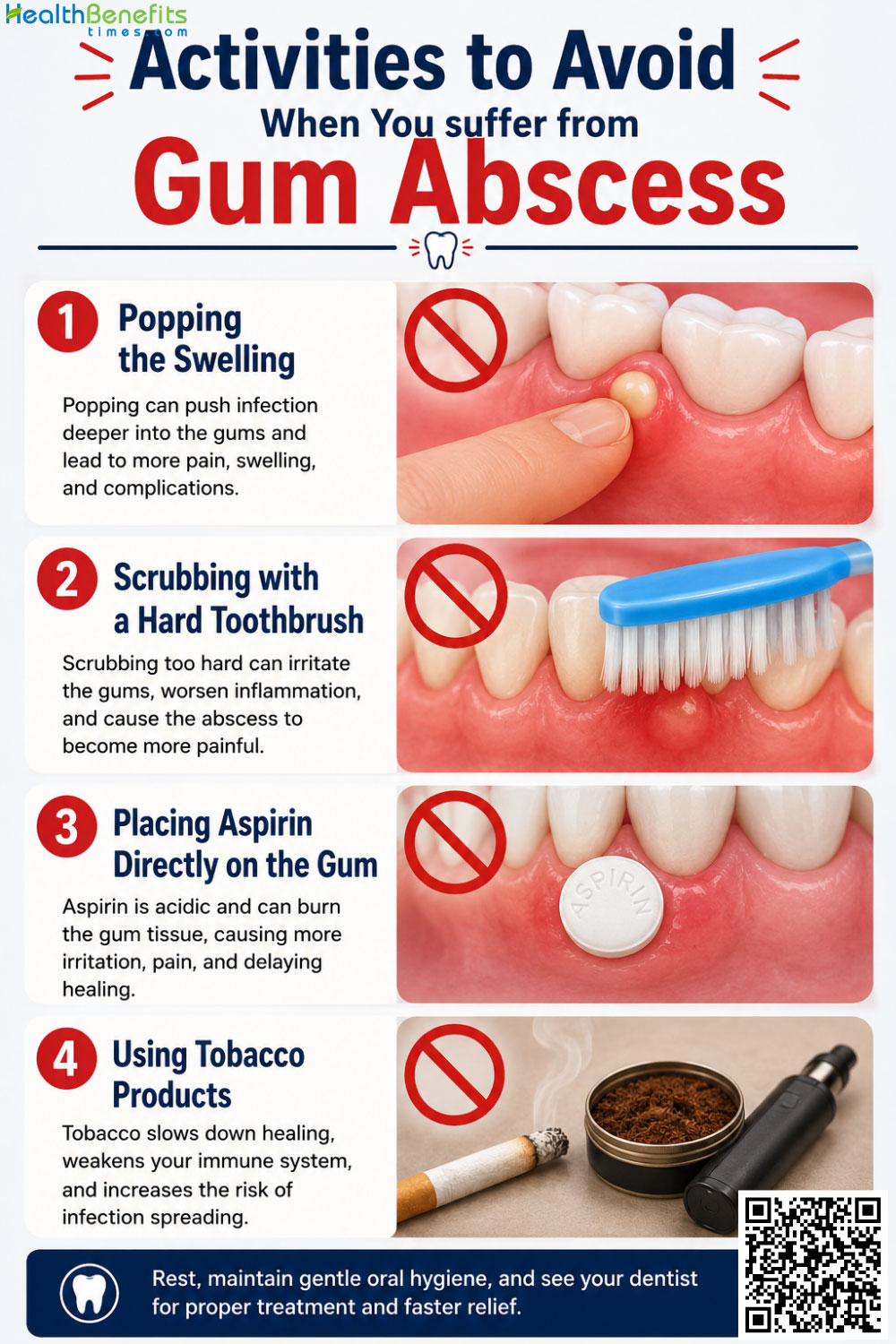
1. Popping the Swelling
You should absolutely never, under any circumstances, try to forcefully squeeze, pop, or pierce the abscess with a sewing needle or your unwashed fingernails. This incredibly dangerous, misguided action can instantly push the bacteria backward deep into your bloodstream or into the deep facial spaces, leading to a massive, life-threatening emergency 38.
2. Scrubbing with a Hard Toothbrush
Aggressive, angry brushing over the infected area will absolutely not clean the deep infection away. Instead, the stiff, unyielding bristles will physically tear the fragile, paper-thin mucosal skin, causing severe, terrifying bleeding and thoughtlessly spreading the live bacteria all around the rest of your healthy mouth.
3. Placing Aspirin Directly on the Gum
A very common but incredibly harmful old wives’ tale is that holding a crushed aspirin pill directly against a sore gum will magically stop the pain. In harsh reality, the strong acetylsalicylic acid in the pill will chemically burn the soft, wet tissue, leaving you with a massive, painful chemical ulcer right on top of the original abscess 39.
4. Using Tobacco Products
Smoking traditional cigarettes or heavily using vaping devices physically sucks hot, toxic chemicals into the mouth that aggressively and instantly shrink your oral blood vessels. This severe lack of blood flow completely starves the infected gum tissue of life-saving oxygen and immune cells, completely stopping the natural healing process in its tracks.
Myths and Misconceptions
Sorting out scientific fact from pure fiction is absolutely essential when dealing with frightening dental emergencies. Over the many years, numerous dangerous misunderstandings about oral infections have been passed down through generations, leading well-meaning people to make poor choices that accidentally worsen their condition.
| Myth | Reality |
| If the throbbing pain suddenly stops entirely, the infection has miraculously cured itself. 40 | The abrupt, sudden end of severe pain usually means the sensory nerve inside the nearby tooth has completely died from the trauma, or the pressurized pocket of pus has finally burst open. The highly dangerous bacteria are still very much alive, active in the tissue, and will quietly continue to destroy the jawbone if not treated professionally. |
| Taking a short course of oral antibiotics will completely and permanently fix a gum abscess. {% https://pmc.ncbi.nlm.nih.gov/articles/PMC9236784/ %} | While swallowing antibiotics certainly helps stop the bacteria from spreading wildly through your body, the medicine simply cannot easily penetrate the thick, dead, non-vascular core of a fully formed pus pocket. The physical source of the infection, like a trapped popcorn hull or a chunk of tartar, must be physically removed by a professional to achieve a true, lasting cure. |
| Every single time you get an abscess, you have no choice but to get your tooth pulled 41 | This is not true at all. Many superficial gingival abscesses have absolutely nothing to do with the internal structure of the tooth itself. Even deep, severe infections can frequently be completely resolved with localized deep cleanings, deep root planing, or a standard root canal, allowing you to successfully save your natural tooth for life. |
| It is totally normal and acceptable for gums to bleed a little bit when brushing hard. 42 | Perfectly healthy gums should never, ever bleed during normal brushing or routine flossing. Spontaneous bleeding is the very first, most critical clinical warning sign that your gums are severely inflamed and actively irritated by bacterial plaque, meaning a widespread infection is already brewing and requires attention. |
Special Considerations
Recognizing that not every single human body reacts the exact same way to a bacterial infection is an incredibly important part of holistic, comprehensive health. The overall severity and the dangerous risk factors of an oral abscess change drastically depending on a person’s exact age, hormonal status, and overall medical background.
1. Children
Guarding the oral health of the youngest and most vulnerable among us requires significantly extra caution and vigilance. Children uniquely have primary, or baby, teeth that possess much thinner, softer enamel and much larger internal nerve pulp chambers than fully mature adult teeth. Because of this anatomical difference, bacterial decay can bore rapidly through the tooth and reach the underlying gum and bone at an alarming, unprecedented speed 43. Furthermore, a young child’s immune system is still actively developing and learning exactly how to fight off severe, aggressive germs. An untreated, ignored abscess in a small child’s mouth can very quickly and easily spread through their softer, more porous, growing facial bones, leading to rapid, life-threatening swelling of the cheeks or neck, which is always a severe medical emergency requiring immediate hospitalization.
2. Pregnancy
Navigating the immense physical changes of expectant motherhood brings incredibly unique, systemic challenges to the dental chair. During a normal pregnancy, the body experiences massive, constant surges in circulating hormones like estrogen and progesterone, which actually fundamentally alter the way the mother’s immune system reacts to simple, everyday dental plaque. Pregnant individuals are incredibly prone to exaggerated, highly inflamed, and bleeding gum reactions from minimal bacteria 8. More concerningly, an active, untreated oral abscess releases extremely powerful inflammatory chemicals constantly into the mother’s main bloodstream. Decades of medical studies show that these specific biological stress chemicals can easily cross the protective placental barrier, potentially triggering early, unwanted uterine contractions and drastically increasing the statistical risk of premature birth and dangerously low birth weights for the infant 44.
3. Chronic Conditions
Living daily with long-term, systemic metabolic issues creates a highly difficult, deeply connected two-way street with oral health. People suffering from poorly controlled diabetes, for instance, live with chronic, abnormally high blood sugar that silently damages their tiny blood vessels and heavily impairs the function of their white blood cells. This biological handicap means their immune system is incredibly sluggish and cannot easily or quickly clear out invading mouth bacteria, making them highly susceptible to frequent, severe, and spontaneous gum abscesses 11. On the flip side of the coin, having a massive, active bacterial infection in the mouth causes severe whole-body inflammation, which makes it incredibly difficult for a diabetic person to keep their daily blood sugar levels stable, creating a vicious, frustrating cycle of systemic illness.
4. Elderly
Accommodating the unavoidable physical realities of aging is absolutely vital for safe senior dental care. As people naturally age over decades, they naturally experience a slow, progressive recession of their gumlines, fully exposing the highly vulnerable, softer dentin roots of their teeth to harsh, everyday bacteria. Many elderly individuals also take multiple, necessary daily prescription medications that cause chronic dry mouth as an unfortunate side effect. Without the constant, healthy washing action of natural, watery saliva, the mouth quickly becomes a dry, sticky, perfect trap for bacterial plaque 45. Because the body’s immune response naturally weakens and slows down with old age a process called immunosenescence an elderly person might not even feel the acute, sharp, throbbing pain of a developing abscess right away, allowing the silent infection to eat away at their jawbone for months before it is finally visually detected.
Precaution Before Use of Natural Remedies When You Have Gum Abscess
Exercising basic common sense is absolutely vital before applying any home treatment or botanical extract to your body. Just because a remedy comes naturally from a green plant or the earth does not mean it is entirely harmless; natural medicines contain highly active, incredibly powerful biological chemicals that must be deeply respected.
1. Beware of Severe Chemical Burns
When you choose to use highly concentrated, potent essential oils, like clove oil or tea tree oil, you must never apply them pure and undiluted directly to your gums. Applying raw, strong essential oils can easily cause severe contact dermatitis and incredibly painful, blistering chemical burns that will damage your delicate tissue far worse than the original infection 46.
2. Never Swallow Essential Oils
You must always, without fail, spit out any homemade mouthwash made from concentrated essential oils. Swallowing even very small amounts of specific compounds found in natural oils can be highly toxic to your liver and cause severe, agonizing stomach cramps, vomiting, and nausea 47.
3. Watch for Sudden Allergic Reactions
You should closely and carefully monitor exactly how your mouth and throat feel after using a brand new plant-based remedy. Even entirely natural, organic herbs can trigger sudden, severe allergic reactions. If your lips, tongue, or throat suddenly start to visibly swell, or if you break out in itchy hives, stop using the remedy immediately and seek emergency medical help.
4. Consider Medication Interactions
If you take critical daily prescription medicines, you should be extremely careful and consult a professional with natural treatments. For example, regularly using large amounts of raw, crushed garlic can naturally thin your blood. If you are already taking a prescription blood-thinning medication for a heart condition, this combination can easily put you at severe risk for dangerous, uncontrollable bleeding during a dental visit 48.
5. Do Not Destroy Good Bacteria
You should avoid aggressively and constantly overusing antibacterial rinses, even if they are entirely natural. Your mouth relies heavily on a delicate, microscopic balance of “good” protective bacteria to stay healthy. Wiping out all the bacteria in your mouth entirely can allow bad, opportunistic fungus to grow rapidly out of control, leading to a highly uncomfortable condition called oral thrush 49.
When to See Doctor
Drawing a firm, uncompromising line between supportive home care and required professional medical help can quite literally save your life. An oral abscess represents an active, highly aggressive bacterial siege that can sometimes rapidly outpace the body’s natural immune defenses and spread disastrously into vital anatomical structures.
1. Difficulty Breathing or Swallowing
If you ever feel like the hot swelling is physically moving down your throat, making it incredibly hard to swallow your own saliva, or restricting your main airway, you must go to an emergency room immediately. This terrifying symptom means the infection has dangerously entered the deep, vital spaces of your neck 7.
2. Swelling Spreading Upward
When you clearly notice the dark redness and swelling rapidly creeping across your cheek or moving noticeably upward toward your eye, you should seek urgent, immediate medical care. This type of fast-spreading facial cellulitis is highly dangerous and requires strong, hospital-grade intravenous antibiotics to stop.
3. High Fever and Chills
If you suddenly and unexpectedly develop a high body temperature, uncontrollable shivering, or a racing, pounding heartbeat while resting, you need to see a medical doctor right away. These are classic, undeniable warning signs that the localized bacterial toxins have violently broken into your main bloodstream, posing a severe risk for systemic shock.
4. Inability to Open Your Mouth
When your heavy jaw muscles lock up completely due to the immense pain and swelling, physically preventing you from opening your mouth more than a few tiny millimeters, you should immediately contact a dental professional to have the area heavily numbed and physically drained safely.
5. Unbearable, Worsening Pain
If you have faithfully taken standard over-the-counter pain relievers and applied natural remedies, yet the throbbing, intense agony continues to escalate to the point where you absolutely cannot sleep, eat, or function normally, you must see a dentist promptly to have the immense pressure safely and professionally relieved.
Comments
comments