

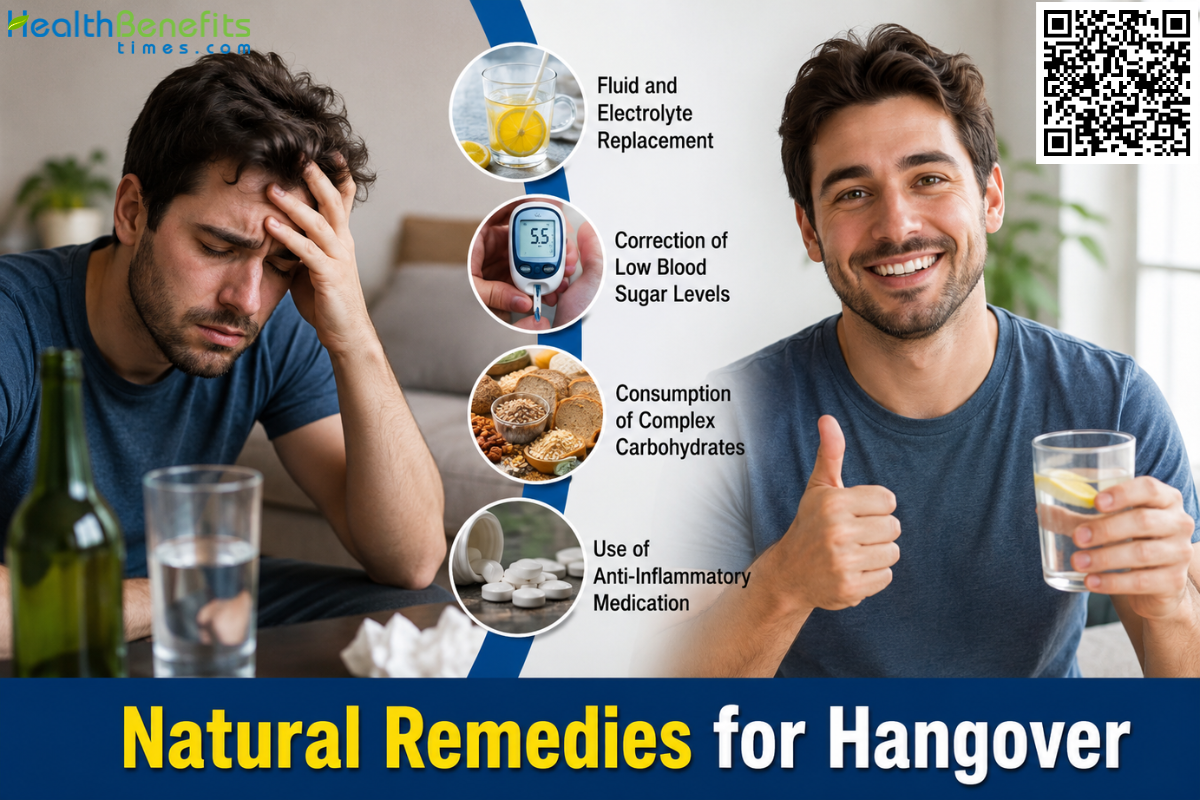
Causes of Hangover
1. Acetaldehyde Accumulation
When the liver breaks down alcohol, it produces a toxic byproduct called acetaldehyde. This substance is significantly more poisonous than alcohol itself and triggers a systemic inflammatory response, contributing to feelings of nausea, headache, and general malaise as the body works to neutralize it .
2. Dehydration and Electrolyte Imbalance
Alcohol acts as a diuretic, inhibiting the release of a hormone that helps the body retain water, which leads to increased urination. This process depletes essential fluids and electrolytes, resulting in thirst, dizziness, and lightheadedness 2.
3. Sleep Disruption
While alcohol may initially induce drowsiness, it severely impairs the quality of sleep by disrupting restorative sleep cycles. This fragmentation prevents the brain from entering deep, restful states, which leads to the intense fatigue and cognitive fog commonly experienced the following day.
4. Gastrointestinal Irritation
Alcohol directly irritates the lining of the stomach and increases the production of gastric acid. This irritation often results in abdominal pain, nausea, and vomiting, further exacerbating the discomfort associated with the recovery period.
5. Immune System Activation
Consumption triggers a pro-inflammatory response, where the immune system releases molecules that cause symptoms such as muscle aches, memory lapses, and decreased appetite, essentially mimicking the body’s reaction to an infection.
Symptoms of Hangover
1. Headache and Muscle Aches
The body’s inflammatory response and dehydration often manifest as throbbing headaches and generalized muscle soreness or tension.
2. Fatigue and Weakness
Due to the disruption of deep, restorative sleep cycles and the metabolic stress of processing alcohol, individuals frequently experience intense tiredness and lethargy.
3. Gastrointestinal Distress
Irritation of the stomach lining and increased acid production typically lead to nausea, stomach pain, and, in some cases, vomiting or diarrhea.
4. Cognitive Impairment
Common symptoms include difficulty concentrating, feelings of “brain fog,” and a noticeable decrease in alertness or coordination.
5. Excessive Thirst and Dry Mouth
As a consequence of alcohol-induced fluid loss, the body signals a need for rehydration through extreme thirst and a parched mouth.
6. Increased Sensitivity
Many people report heightened sensitivity to light and sound, which can exacerbate existing headaches and general discomfort.
7. Mood Disturbances
The biochemical impact of alcohol withdrawal can result in feelings of anxiety, irritability, or depression in the hours following consumption.
Natural Remedies for Hangover
How It Helps
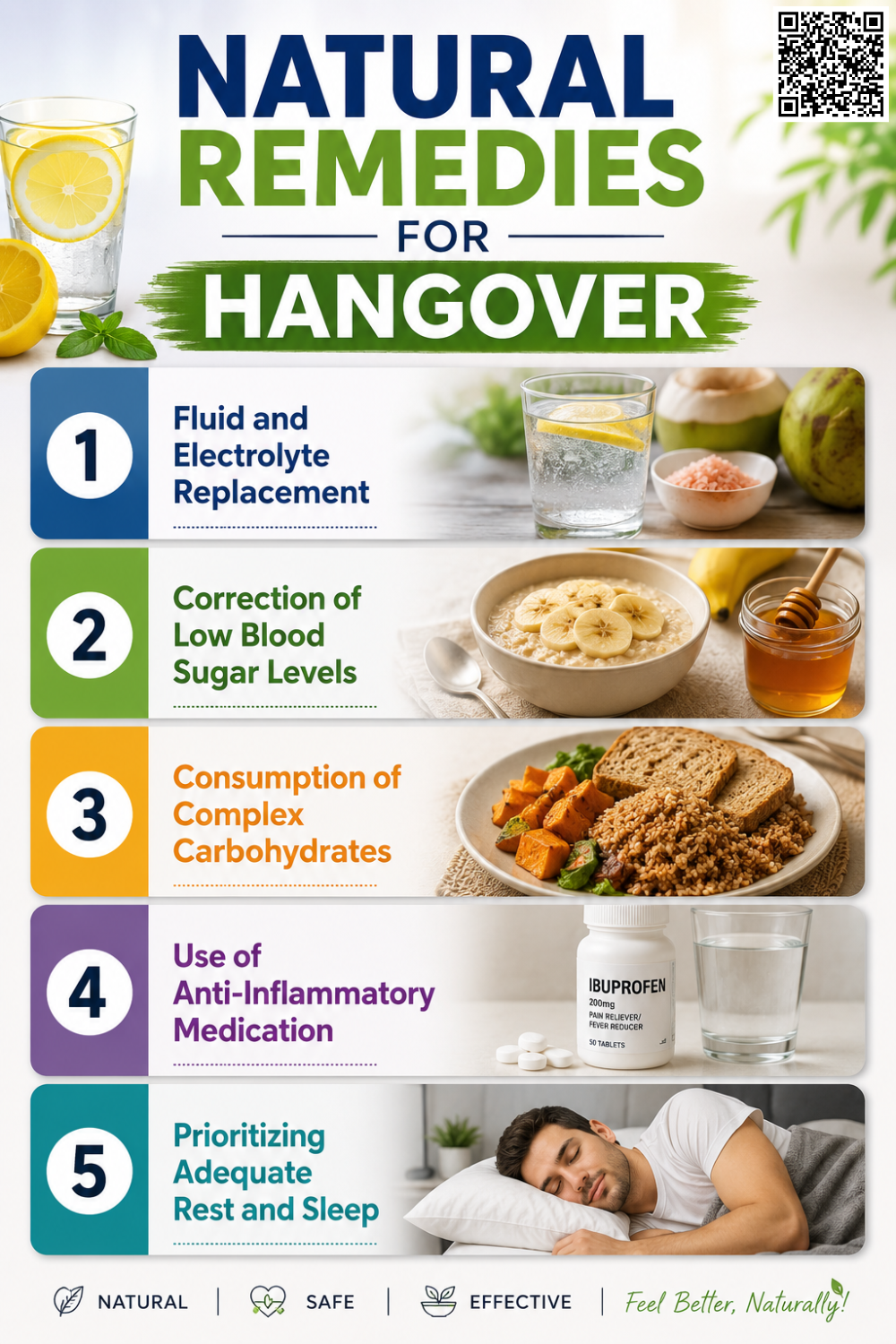
Alcohol acts as a diuretic, causing the body to lose water and essential salts through increased urination. Replacing these fluids and electrolytes—such as sodium and potassium—is critical to counteract dehydration, which drives common symptoms like headache, dry mouth, and lightheadedness. Maintaining proper hydration levels supports the body’s essential metabolic functions during the recovery process.
What Research Says
While clear evidence suggests that rehydration addresses the physiological state of dehydration, clinical research indicates that water intake alone does not eliminate all hangover symptoms. Because hangovers involve complex inflammatory and toxic responses, fluid replacement is best viewed as a supportive measure to manage specific physical discomforts rather than a complete cure.
How to Use It Safely
Drink water or electrolyte-balanced beverages, such as oral rehydration solutions or sports drinks, in moderate amounts throughout the day. Avoid consuming excessive volumes of fluid too quickly, as this can lead to discomfort. Aim for steady, consistent intake to help the body effectively restore its natural balance.
Potential Precautions
Avoid beverages with high caffeine or sugar content, which may worsen irritation. Consult a medical professional if severe vomiting occurs, as this requires clinical fluid management.
2. Correction of Low Blood Sugar Levels
How It May Help
Processing alcohol interferes with the liver’s ability to maintain normal glucose production, often leading to low blood sugar. Restoring these glucose levels provides essential energy to the body, which helps alleviate the intense fatigue, physical weakness, and mood changes commonly experienced during a hangover.
What Research Says
Clinical guidance indicates that consuming food, particularly carbohydrates, normalizes the blood sugar levels depleted by alcohol metabolism. While eating will not eliminate a hangover entirely or resolve tissue inflammation, it effectively relieves fatigue and improves physical stability during the recovery process.
How to Use It Safely
Eat easily digestible, bland carbohydrates such as toast, crackers, or plain rice. These foods are gentle on an irritated stomach while providing a steady release of glucose. Consume small portions gradually to avoid triggering nausea or vomiting.
Potential Precautions or Side Effects
Avoid heavy, greasy, or highly acidic foods, as they can further irritate the stomach lining and worsen nausea. Individuals with diabetes should monitor their glucose levels closely.
3. Consumption of Complex Carbohydrates
How It May Help
Complex carbohydrates provide a steady release of glucose into the bloodstream, addressing the energy deficit caused when alcohol metabolism impairs liver function. Because they are typically bland and easy to digest, these foods deliver necessary energy without further irritating an already sensitive gastrointestinal tract.
What Research Says
Clinical evidence indicates that alcohol consumption inhibits normal glucose production, often causing mild hypoglycemia. Consuming bland carbohydrate-rich foods helps restore stable blood sugar levels and alleviates symptoms like fatigue and weakness, though it does not accelerate the removal of toxic alcohol byproducts from the body.
How to Use It Safely
Choose plain, easily tolerated options like oatmeal, whole-wheat toast, or brown rice. Eat small portions slowly to allow your digestive system time to adjust. If you feel severely nauseated, wait until your stomach settles before attempting to consume solid foods.
Potential Precautions or Side Effects
Avoid eating large, heavy meals, which can exacerbate nausea and vomiting. Skip highly processed or sugary carbohydrates, as they cause rapid blood sugar fluctuations that may worsen fatigue.
4. Use of Anti-Inflammatory Medication
How It May Help
Alcohol consumption triggers a systemic inflammatory response in the body, contributing to severe headaches, muscle aches, and overall physical discomfort. Nonsteroidal anti-inflammatory drugs (NSAIDs) help block the specific enzymes responsible for producing this inflammation, directly reducing the severity of pain and body aches during the recovery period.
What Research Says
Clinical evidence shows that hangover symptoms are heavily driven by immune system activation and inflammation. While NSAIDs effectively manage pain, health authorities strictly warn against using acetaminophen (Tylenol) for hangovers. The liver processes both alcohol and acetaminophen; combining them can cause severe, potentially fatal, toxic liver damage.
How to Use It Safely
If you need pain relief, choose a standard dose of an NSAID like ibuprofen or naproxen. Always take the medication with a full glass of water and a small amount of food to protect your digestive system. Never consume acetaminophen during a hangover under any circumstances.
Potential Precautions or Side Effects
NSAIDs can significantly irritate the stomach lining, which is often already inflamed by alcohol. This combination increases the risk of nausea, stomach pain, or severe gastrointestinal bleeding.
5. Prioritizing Adequate Rest and Sleep
How It May Help
Alcohol severely disrupts normal sleep cycles, causing individuals to wake up early and miss out on deep, restorative sleep. Allowing the body extra time to rest combats the intense fatigue, irritability, and cognitive fog that accompany a hangover. Sleep provides the necessary downtime for the body to naturally clear toxins.
What Research Says
Clinical evidence confirms that while alcohol initially induces sleepiness, it ultimately fragments sleep architecture and suppresses essential restorative sleep stages. Health authorities emphasize that because hangover symptoms are heavily driven by acute sleep deprivation, obtaining additional sleep is a primary, evidence-based method for alleviating systemic exhaustion.
How to Use It Safely
Clear your schedule to allow for undisturbed rest the day after drinking. Keep your sleeping environment dark, cool, and quiet to encourage deep sleep. Drink a glass of water before going back to bed to ensure your body continues rehydrating while you rest.
Potential Precautions or Side Effects
Never use prescription sleep aids or over-the-counter sedatives to force sleep. Mixing these medications with residual alcohol in your bloodstream can cause dangerous, potentially fatal respiratory depression.
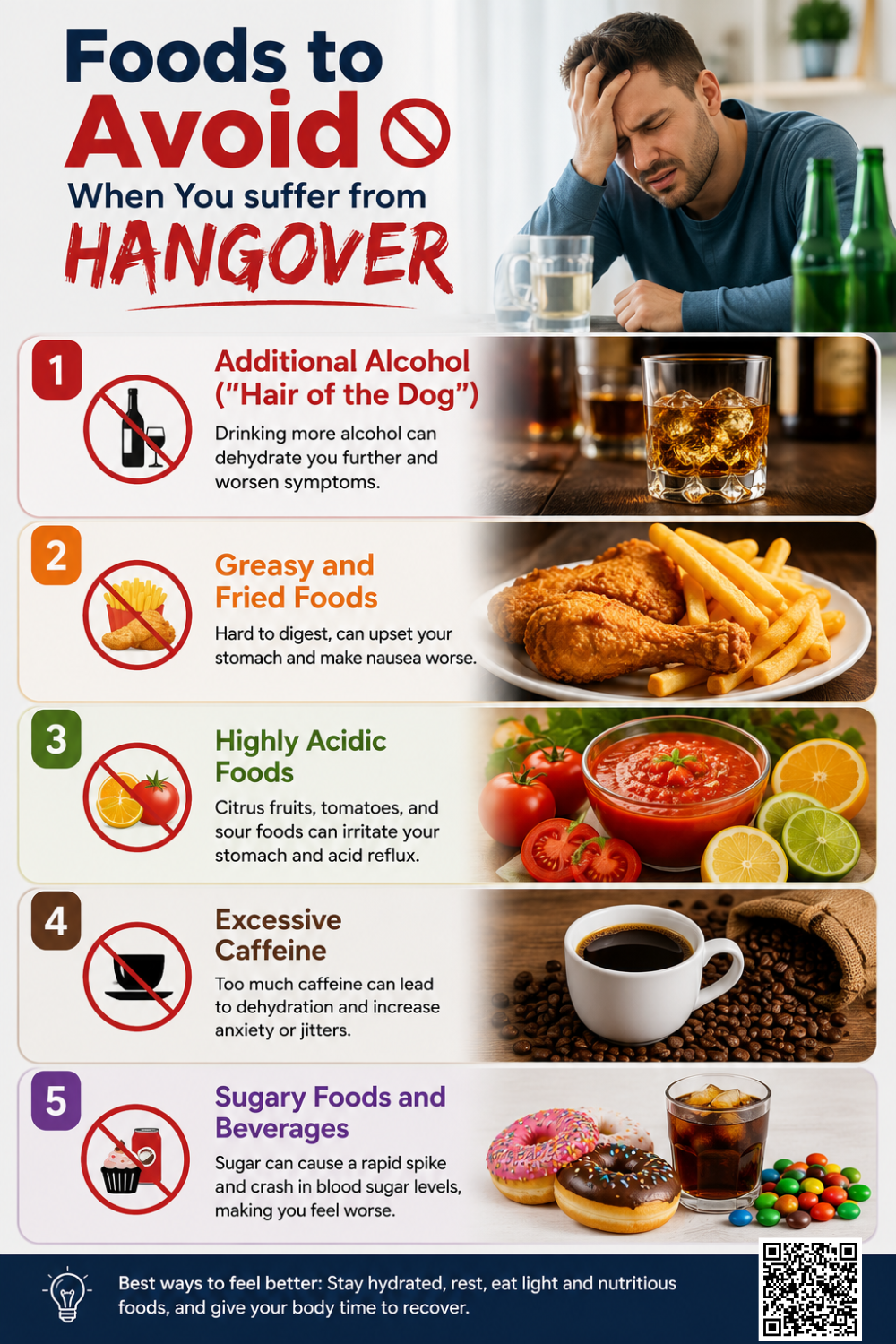
1. Additional Alcohol (“Hair of the Dog”)
Consuming more alcohol delays recovery. It temporarily masks symptoms but prolongs toxicity, preventing the body from fully clearing accumulated metabolic byproducts.
2. Greasy and Fried Foods
Alcohol directly inflames the stomach lining. Heavy, fat-laden meals are difficult to digest and significantly worsen nausea, delayed gastric emptying, and severe gastrointestinal distress.
3. Highly Acidic Foods
Citrus fruits and tomato-based products increase gastric acid. Avoiding these prevents further irritation to a digestive tract already sensitized by alcohol-induced inflammation.
4. Excessive Caffeine
While a small amount may alleviate headaches, excessive caffeine acts as a diuretic, worsening dehydration and potentially exacerbating anxiety and cardiovascular stress during recovery.
5. Sugary Foods and Beverages
Refined sugars cause rapid blood glucose fluctuations. This instability exacerbates the intense fatigue, physical weakness, and mood disturbances triggered by impaired liver glucose production.
When to See a Doctor When You Suffer from a Hangover
1. Persistent or Severe Vomiting
Continuous vomiting prevents fluid retention, leading to severe dehydration. Seek immediate medical attention if unable to keep fluids down or if vomiting persists excessively 3.
2. Mental Confusion or Stupor
Extreme confusion, profound lethargy, or an inability to be roused from sleep are critical signs of alcohol poisoning requiring immediate emergency intervention.
3. Irregular or Slow Breathing
Alcohol severely depresses the nervous system. Breathing that slows to fewer than eight breaths per minute or pauses exceeding ten seconds is a life-threatening medical emergency.
4. Seizures
Uncontrolled physical convulsions or seizures indicate severe neurological distress or dangerous drops in blood sugar levels, necessitating immediate dispatch of emergency medical services.
5. Hypothermia and Skin Discoloration
A dangerous drop in body temperature, often accompanied by pale, bluish, or cold and clammy skin, indicates a severe, life-threatening toxic reaction to alcohol consumption.
Comments
comments