

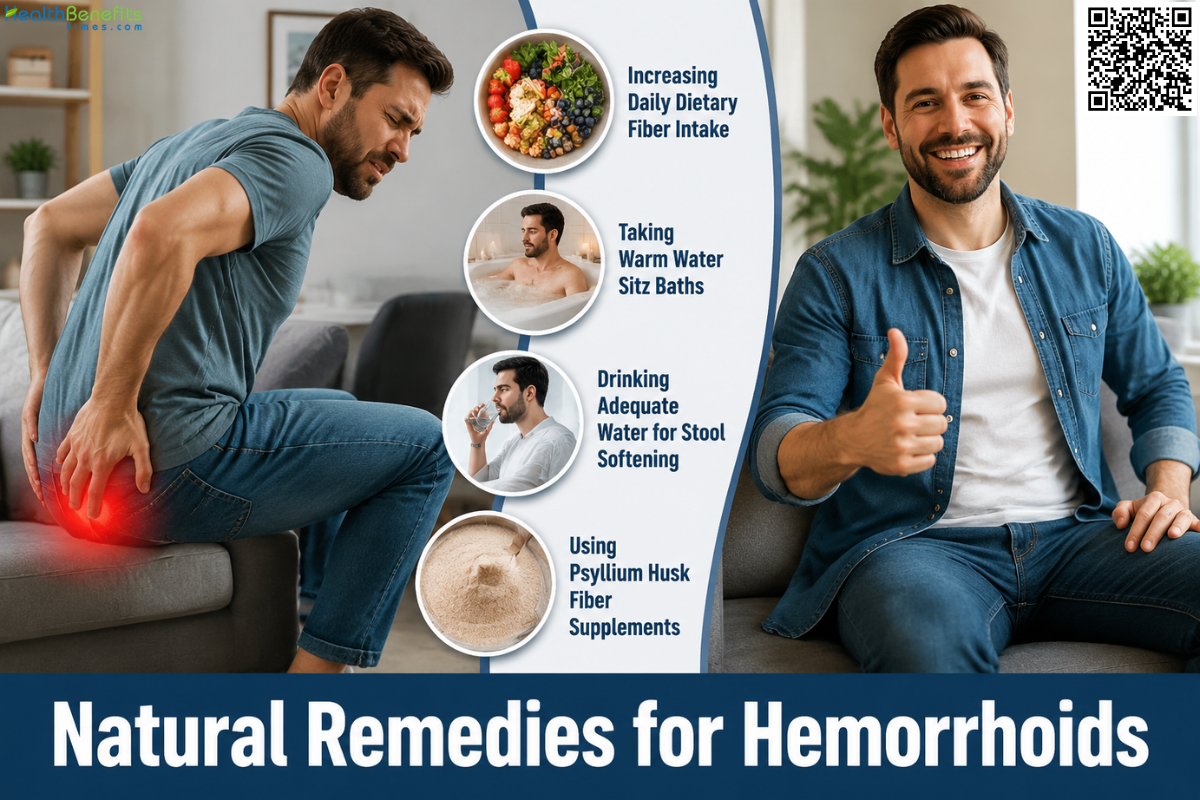
Causes of Hemorrhoids
1. Chronic Constipation and Straining
Straining to pass a bowel movement is a major factor in the development of hemorrhoids. The effort required to push hard stools increases pressure in the lower rectum, which forces the local veins to stretch and swell 3. Repeated straining damages the connective tissues that hold these blood vessels in place, allowing them to bulge outward and become irritated 4.
2. Prolonged Toilet Sitting
Spending excessive time sitting on the toilet significantly increases the risk of enlarged veins in the anal area. The specific shape of a toilet seat allows the lower rectum to relax downward, creating constant pressure that causes blood to pool in the local vessels and gradually expand them over time 5.
3. Low-Fiber Diet
A diet lacking adequate dietary fiber frequently contributes to hemorrhoidal disease. Consuming too little fiber results in small, hard stools that are difficult to pass, which directly triggers the constipation and intense pushing that injure the delicate anal tissues 6.
4. Pregnancy and Childbirth
Hemorrhoids are a common complication during pregnancy because the growing baby places heavy downward pressure on the pelvic area. This pressure restricts the normal flow of blood back toward the heart, causing the veins in the rectum to rapidly swell 7. Furthermore, the extreme physical pushing required during labor often causes acute hemorrhoid flare-ups.
5. Aging
As people grow older, the natural physical structures in the anal region begin to weaken. The supportive connective tissues and muscle fibers that normally keep the anal blood vessels securely in place deteriorate and stretch out, making older adults highly susceptible to hemorrhoids even without excessive straining.
6. Chronic Diarrhea
Although most commonly linked to constipation, frequent and long-lasting diarrhea is also a known cause. The repeated urge to use the restroom and the frequency of bowel movements create constant irritation and continuous blood pooling in the anal canal.
7. Obesity and Lack of Exercise
Carrying excess body weight and living a highly inactive lifestyle increase the risk of developing the condition. Extra weight places continuous, heavy pressure on the pelvic floor, while sitting for long periods of time slows down overall blood circulation in the rectal area and contributes to swollen veins 8.
Symptoms of Hemorrhoids
1. Painless Bleeding
The most frequently reported symptom is noticing bright red blood on the toilet paper, on the stool, or in the toilet bowl after a bowel movement. This bleeding occurs when the delicate walls of internal hemorrhoids are scraped or damaged by passing hard stool 9.
2. Anal Itching and Irritation
Enlarged veins often cause persistent itching, burning, and general skin irritation in and around the anal opening 10.
3. Swelling and Tender Lumps
External hemorrhoids frequently present as a swollen, hard, and sensitive lump under the skin right next to the anus. Additionally, internal hemorrhoids can sometimes get pushed outside the anal opening during a bowel movement—a condition known as prolapse—which feels like a soft, bulging mass.
4. Pain and Discomfort
While internal swelling is usually completely painless, external hemorrhoids or internal tissues that have prolapsed outside the body can cause significant aching, throbbing, or sharp pain, particularly when sitting down or passing a bowel movement.
5. Mucus Discharge and Moisture
Swollen internal tissues can seep a clear mucus fluid. This continuous discharge keeps the anal area wet, leading to skin irritation and sometimes causing the unintentional leakage of small amounts of stool.
6. Feeling of Incomplete Emptying
Enlarged internal blood vessels take up physical space inside the lower rectum, which can trick the body into feeling a constant sense of pressure or the sensation that a bowel movement is still incomplete even right after using the bathroom.
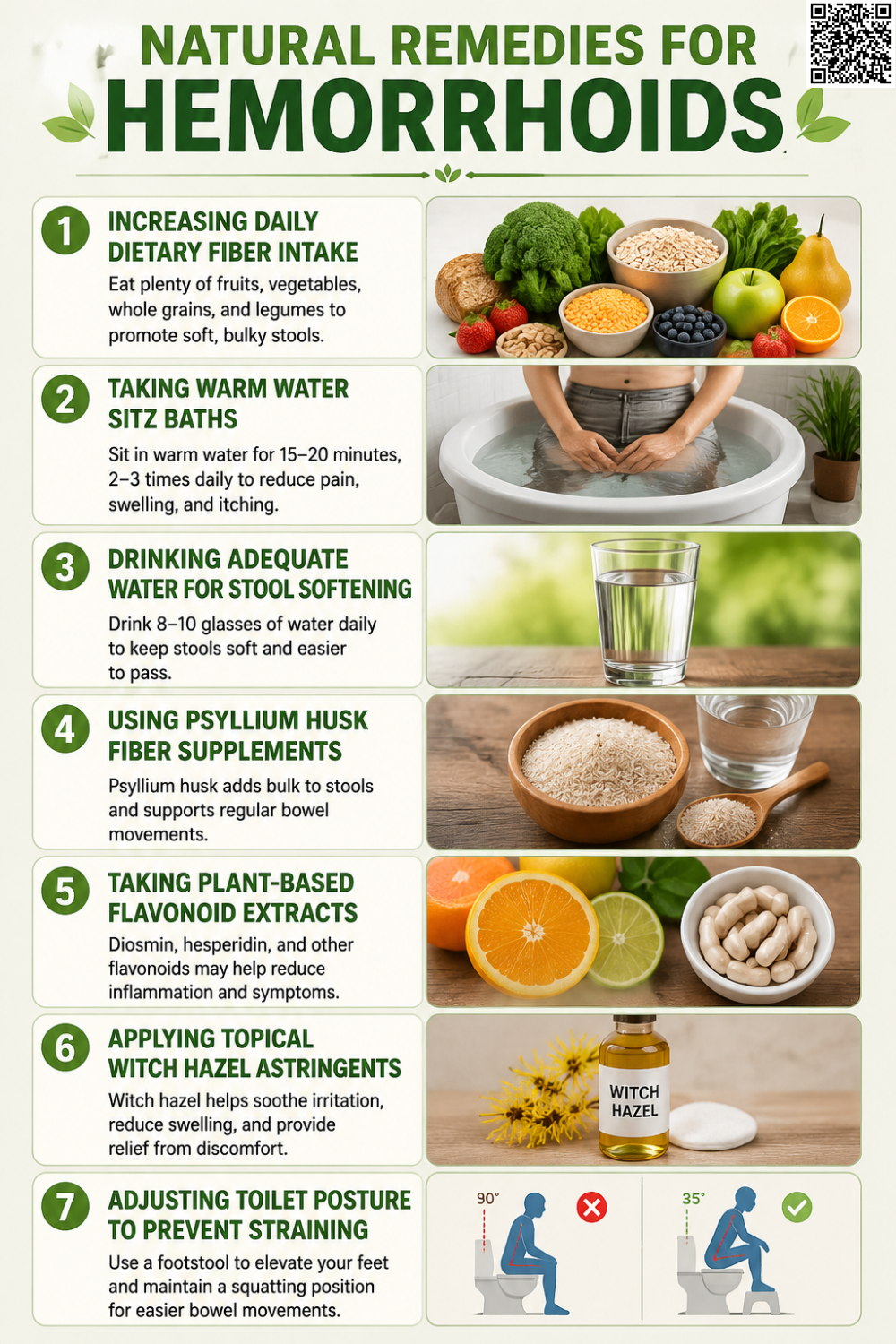
1. Increasing Daily Dietary Fiber Intake
How it may help
Dietary fiber draws water into the digestive tract, adding bulk and softening the stool. This creates a larger, softer mass that passes through the bowel easily, eliminating the need to push or strain. Reducing straining decreases the physical pressure on the delicate blood vessels in the lower rectum, preventing further irritation and swelling 11.
What research says
Clinical trials demonstrate that fiber supplementation significantly reduces the frequency of hemorrhoid flare-ups. A comprehensive review of multiple studies concluded that increasing daily fiber intake reduces persistent rectal bleeding by 50% and consistently improves overall symptom relief for patients suffering from existing hemorrhoidal disease.
How to use it safely
To incorporate fiber safely, you should gradually add high-fiber foods like beans, whole grains, and fresh vegetables to your daily meals over several weeks. You must drink plenty of water throughout the day; fiber requires adequate hydration to effectively soften stool without causing blockages.
Potential precautions or side effects
Increasing dietary fiber intake too rapidly can trigger uncomfortable bloating, intestinal gas, and abdominal cramps. Without adequate water consumption, excess fiber can actually worsen severe constipation 12.
2. Taking Warm Water Sitz Baths
How it may help
Soaking the anal area in warm water helps relax the internal sphincter muscle, which reduces painful spasms. The gentle heat also increases local blood circulation to the inflamed tissues, promoting faster healing while immediately soothing severe itching, irritation, and discomfort associated with swollen veins.
What research says
Clinical guidelines endorse warm water sitz baths as an effective, first-line treatment for immediate symptom relief. Medical research confirms that targeted heat significantly lowers resting pressure in the anal canal, which directly alleviates acute pain and reduces the severity of tissue inflammation.
How to use it safely
You should fill a sitz basin or standard bathtub with a few inches of plain, warm water. Soak the area for 10 to 15 minutes, two to three times daily. Afterward, gently pat the skin completely dry with a soft towel rather than rubbing 13.
Potential precautions or side effects
Ensure the water is warm, not hot, to prevent skin burns. You must avoid adding harsh soaps or bubble baths, which can chemically irritate the delicate, damaged skin.
3. Drinking Adequate Water for Stool Softening
How it may help
Water works directly with dietary fiber in the gastrointestinal tract to create soft, bulky stools. This prevents the formation of hard, dry waste, thereby eliminating the need to intensely push or strain during bowel movements. Reducing this physical exertion significantly lowers the continuous pressure on swollen, irritated rectal veins.
What research says
Clinical guidelines establish increased fluid intake as a primary conservative treatment for hemorrhoidal disease. Medical research confirms that consuming adequate water, particularly alongside fiber supplements, effectively softens stool consistency. This prevents the sheering pressure and straining that aggravate anal tissues, allowing engorged vascular cushions to heal naturally.
How to use it safely
You should aim to consume a minimum of 64 ounces of water daily. Drink water consistently throughout the day rather than in large, infrequent amounts. When using bulk-forming fiber supplements, taking them with ample water is necessary to ensure the stool remains soft and easy to pass.
Potential precautions or side effects
Taking fiber without drinking adequate water causes the fiber to solidify in the digestive tract, which can lead to severe bloating, painful abdominal cramping, and dangerous bowel obstruction 14.
4. Using Psyllium Husk Fiber Supplements
How it may help
Psyllium husk is a soluble, bulk-forming fiber that absorbs water in the digestive tract to create a thick gel. This process significantly softens hard stool and increases its overall size. By making bowel movements easier to pass, psyllium eliminates the need for intense pushing, thereby reducing physical pressure on inflamed hemorrhoidal veins.
What research says
Clinical studies indicate that supplementing with plant-based fibers like psyllium husk effectively manages hemorrhoidal disease. Medical research confirms that taking psyllium consistently reduces the frequency of persistent rectal bleeding by improving bowel regularity, preventing the continuous physical trauma caused by hard stools passing over swollen tissues 15.
How to use it safely
You should start with a small dose, such as one tablespoon orally once a day, and gradually increase it up to three times daily as needed. You must mix the powder thoroughly into at least eight ounces of fluid and drink it immediately to avoid choking 16.
Potential precautions or side effects
Taking psyllium husk without adequate water can cause it to solidify, potentially leading to choking or severe bowel obstruction. Mild side effects include temporary abdominal bloating and cramping.
5. Taking Plant-Based Flavonoid Extracts
How it may help
Plant-based flavonoid extracts, such as diosmin and hesperidin, act as phlebotonics that actively strengthen blood vessel walls and improve overall venous tone. By stabilizing capillary permeability and enhancing local lymphatic drainage, these natural compounds directly reduce the severe tissue swelling, inflammation, and physical engorgement associated with hemorrhoids 17.
What research says
A comprehensive meta-analysis of multiple clinical trials confirms that micronized purified flavonoid fractions significantly reduce persistent rectal bleeding, anal itching, and fluid discharge. Medical research demonstrates that patients utilizing these extracts experience faster overall symptom relief and fewer prolonged flare-ups compared to those receiving standard conservative treatments alone 18.
How to use it safely
You should take these oral supplements in pill form for short-term symptom management, exactly as directed by a healthcare professional. Always consume the tablets with meals to maximize absorption and consult your doctor to ensure the extracts do not interact with your current prescription medications.
Potential precautions or side effects
Although generally safe, minor side effects include mild gastrointestinal upset and nausea. You should avoid these supplements during pregnancy unless explicitly supervised by a medical professional.
6. Applying Topical Witch Hazel Astringents
How it may help
Topical witch hazel acts as a natural astringent, meaning it temporarily shrinks and tightens swollen tissues. When applied to the external anal area, its anti-inflammatory properties quickly soothe inflamed blood vessels, providing immediate relief from persistent burning, intense itching, and general skin irritation caused by external hemorrhoids 19.
What research says
Medical guidelines classify witch hazel as a safe and effective topical astringent. Clinical reviews demonstrate that the natural tannins found in the plant extract actively reduce local tissue inflammation and decrease minor capillary bleeding, making it a reliable conservative treatment for short-term symptom management 20.
How to use it safely
You should gently cleanse the area with warm water after a bowel movement. Apply the witch hazel using a pre-moistened pad or soaked cotton ball, carefully patting the skin instead of rubbing. You can apply it directly to the external area up to six times daily.
Potential precautions or side effects
You must use witch hazel strictly for external application and never insert it internally. Discontinue use if the liquid causes excessive skin dryness, increased redness, or allergic contact dermatitis.
7. Adjusting Toilet Posture to Prevent Straining
How it may help
Modifying your posture during bowel movements by elevating your feet on a step stool physically aligns the lower digestive tract. This squat-like position fully relaxes the puborectalis muscle and straightens the anorectal angle, facilitating smoother stool passage and eliminating the need to intensely strain sensitive anal veins 21.
What research says
Medical literature demonstrates that a squat-like defecation posture significantly widens the anorectal angle compared to a standard sitting position 22. Clinical studies conclude that elevating the knees reduces the time spent defecating and minimizes the intense abdominal pressure that causes hemorrhoids to swell.
How to use it safely
You can safely simulate this natural posture on a standard toilet by placing a stable step stool under your feet. While seated, rest your feet on the stool to raise your knees higher than your hips, and lean your upper body slightly forward to comfortably align the lower rectum.
Potential precautions or side effects
Individuals with severe knee joint pain, hip replacements, or poor physical balance must exercise caution. Forcing a steep squatting posture can cause temporary leg numbness, muscle cramping, or accidental falls 23.
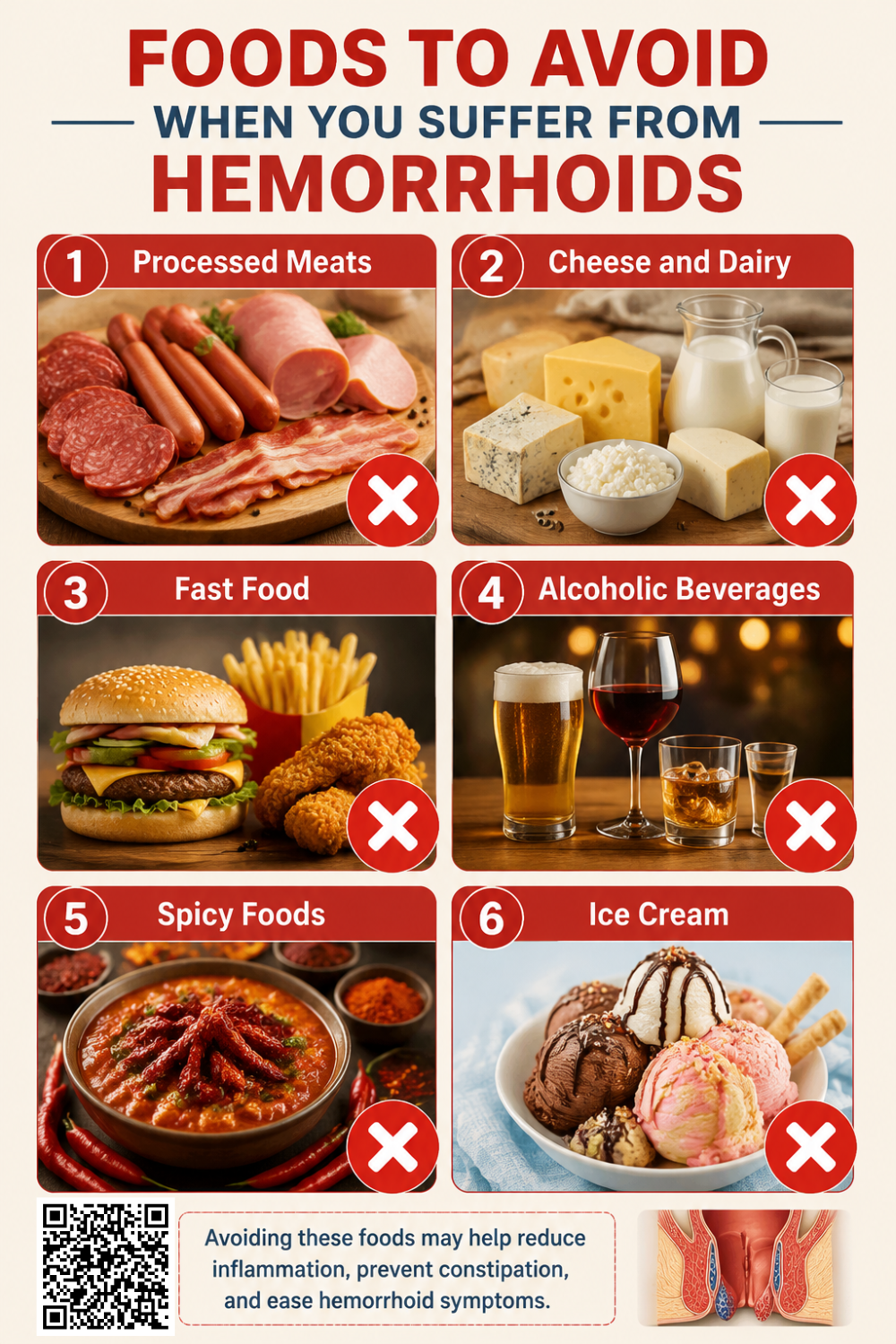
1. Processed Meats
Hot dogs, deli meats, and highly processed animal proteins lack dietary fiber. This slows digestion, significantly increasing the risk of constipation and the straining that exacerbates hemorrhoids.
2. Cheese and Dairy
Consuming heavy amounts of cheese and similar dairy products hardens stools. The complete lack of fiber directly worsens constipation, increasing physical pressure on inflamed anal tissues.
3. Fast Food
Commercially fried meals and fast food are high in fat and devoid of fiber. This nutritional profile promotes severe constipation and aggravates existing hemorrhoidal swelling.
4. Alcoholic Beverages
Alcohol acts as a diuretic, draining essential fluids from the body. This internal dehydration hardens stool consistency and significantly raises the risk of an acute hemorrhoidal crisis 24.
5. Spicy Foods
Although not a primary cause, heavily spiced dishes frequently trigger intense localized burning, itching, and acute discomfort during bowel movements for those experiencing active flare-ups.
6. Ice Cream
Prepared frozen treats like ice cream contain zero dietary fiber. Regular consumption creates hard waste, necessitating the intense pushing that physically injures and inflames delicate rectal veins.
When To see Doctor when you suffer from Hemorrhoids
1. First-Time Rectal Bleeding
You should always consult a physician if you experience anal bleeding. While common with hemorrhoids, it can also indicate serious digestive conditions like colorectal cancer.
2. Severe Anal Pain
Extreme, throbbing pain or the sudden formation of a hard, sensitive lump requires evaluation, as it often indicates a painful blood clot inside the hemorrhoid.
3. Unresponsive Symptoms
If standard home remedies and conservative treatments fail to provide significant relief after one week of consistent use, professional medical evaluation is necessary.
4. Black or Tarry Stools
Passing dark, maroon, or tar-like stools requires immediate medical attention. This symptom strongly signifies dangerous bleeding higher up in the digestive tract, not hemorrhoids.
5. Dizziness or Faintness
Experiencing lightheadedness, dizziness, or fainting alongside rectal bleeding requires emergency care. These systemic symptoms indicate severe, potentially life-threatening blood loss rather than a localized issue 25.
Comments
comments