

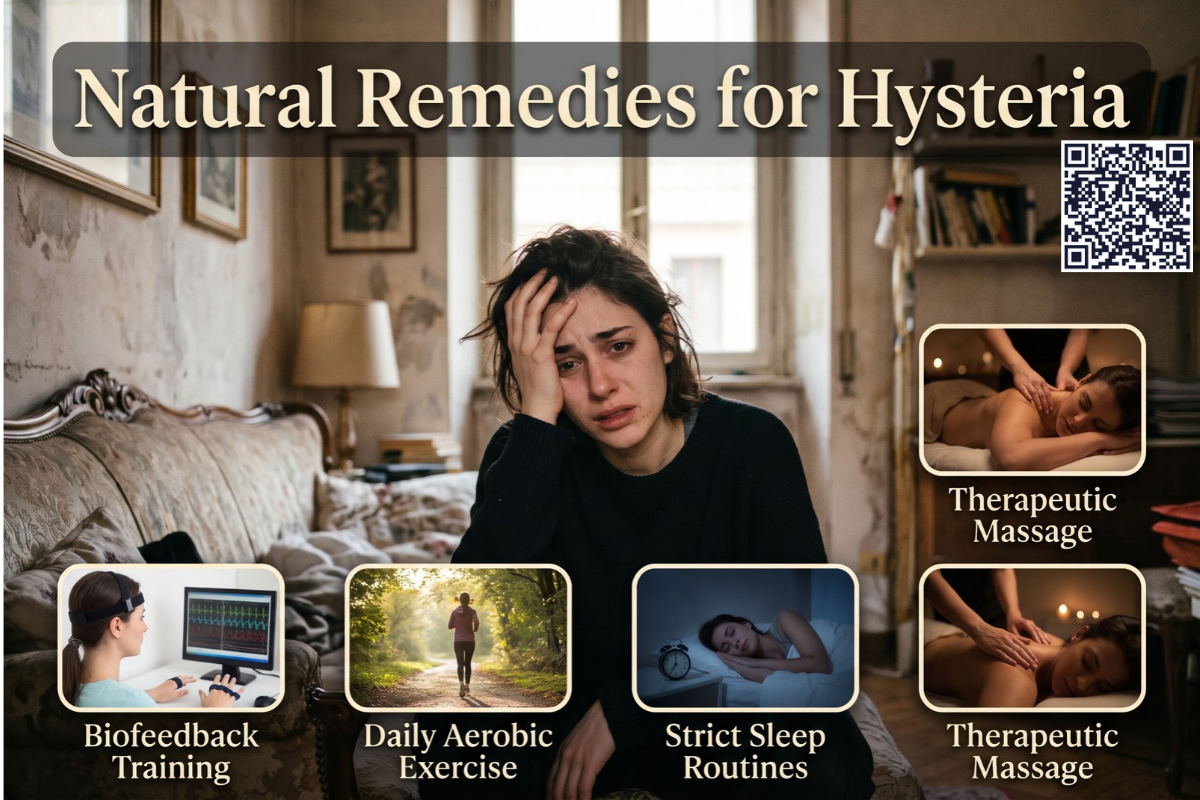
Causes of Hysteria
1. Severe Psychological Trauma
A history of significant childhood trauma, including emotional, physical, or sexual abuse, is a primary underlying cause for the physical symptoms historically labeled as hysteria, which are now correctly identified as conversion or somatic symptom disorders 4.
2. Overwhelming Emotional Stress
Sudden traumatic events or prolonged periods of extreme daily stress can cause the central nervous system to subconsciously convert severe emotional distress into unexplained physical symptoms, such as non-epileptic seizures, fainting, or temporary paralysis 5.
3. Co-occurring Mental Health Conditions
Individuals experiencing severe clinical depression, generalized anxiety disorders, or personality disorders have a significantly higher risk of developing functional neurological symptoms because their brains are already overwhelmed by emotional dysregulation 1.
4. Repressed Emotional Conflict
When individuals cannot safely or consciously process deep emotional pain, the brain may act as a defense mechanism, redirecting the suppressed distress into a physical illness to relieve the psychological burden 6.
5. Altered Brain Connectivity
Modern brain scans reveal that patients presenting with these symptoms often show abnormal communication between the areas of the brain responsible for processing emotions and the motor pathways that control voluntary muscle movement 7.
Symptoms of Hysteria
1. Loss of Muscle Control and Movement
A person may experience sudden physical weakness or complete paralysis in their arms or legs. Medical tests typically show that the nerves and muscles are healthy, indicating the paralysis is driven by emotional distress rather than physical nerve damage 5.
2. Seizure-Like Spells
Individuals may suffer from intense convulsions, full-body shaking, or fainting episodes that closely resemble epileptic seizures. However, clinical brain wave tests reveal that these spells are caused by severe psychological overload, not abnormal electrical activity in the brain 8.
3. Sensory Loss or Distortion
Sudden periods of unexplained blindness, double vision, deafness, or a complete loss of physical touch sensation can occur. These symptoms manifest without any underlying disease in the eyes, ears, or nervous system 4.
4. Throat and Speech Difficulties
A person might completely lose their ability to speak, be forced to communicate only in a whisper, or experience the persistent sensation of a lump blocking their throat, which makes swallowing feel impossible despite a clear airway 1.
5. Involuntary Shaking and Spasms
Severe, uncontrollable tremors, painful muscle spasms, or abnormal walking patterns may develop. These involuntary movements often worsen when the person is stressed or when someone directs attention toward the symptoms 5.
6. Severe Memory Loss and Detachment
The brain may attempt to protect the individual from extreme trauma by triggering sudden memory loss (amnesia) or causing them to feel completely detached from reality and their physical surroundings 9.
Natural Remedies for Hysteria
1. Cognitive Behavioral Therapy
How it may help
Cognitive Behavioral Therapy assists individuals by identifying and changing negative thought patterns that trigger severe emotional distress 10. By addressing these psychological triggers, the therapy reduces the brain’s tendency to convert emotional pain into physical symptoms, helping patients regain control over their nervous system and daily emotional responses 11.
What research says
Clinical trials demonstrate that Cognitive Behavioral Therapy significantly reduces the frequency and severity of functional neurological symptoms 12. Extensive research concludes that patients engaging in this therapy experience fewer non-epileptic seizures and improved voluntary muscle control compared to those receiving standard medical care alone 13.
How to use it safely
To use this therapy safely, you should work exclusively with a licensed mental health professional experienced in treating somatic symptom disorders 11. Attend weekly sessions consistently and honestly communicate your emotional boundaries to ensure the treatment pace remains comfortable and highly effective 10.
Potential precautions or side effects
The primary precaution is temporary emotional discomfort 11. Discussing past trauma can briefly increase anxiety or temporarily worsen physical symptoms before long-term emotional improvement occurs 10.
2. Physical Therapy
How it may help
Physical therapy actively helps retrain the brain 5 to restore normal movement patterns when severe emotional stress causes physical paralysis or tremors. By utilizing specific guided movement exercises, specialized therapists help patients rebuild secure communication pathways 14 between the central nervous system and muscles, safely restoring physical strength and daily coordination without triggering the body’s natural trauma responses.
What research says
Clinical research confirms that specialized physical rehabilitation 15 significantly improves overall mobility for patients suffering from functional movement disorders. Extensive studies demonstrate that individuals who complete a structured motor retraining program experience a substantial decrease in involuntary muscle spasms 4 and a lasting recovery of physical function compared to those receiving standard medical observation alone.
How to use it safely
You should always collaborate with a certified physical therapist 5 who specifically understands functional neurological conditions. Begin with gentle, low-intensity stretching exercises and openly communicate any sudden exhaustion, ensuring your nervous system safely adapts 14 to physical activity without becoming overwhelmed by rapid physiological changes.
Potential precautions or side effects
Pushing your body too aggressively can trigger severe fatigue 15 or temporarily worsen muscle weakness. You must avoid intense overexertion to prevent sudden nervous system overload 4 during therapy sessions.
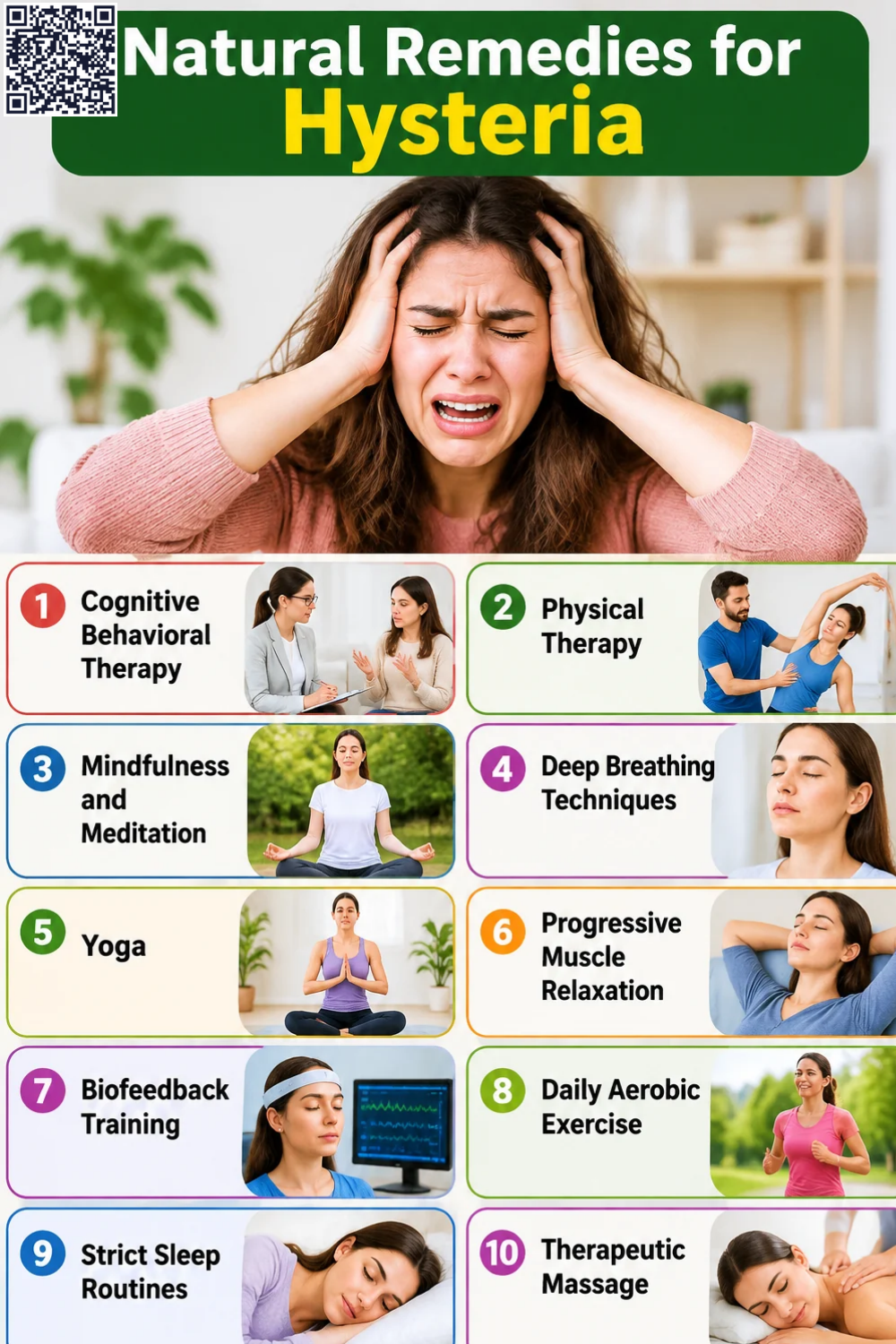
3. Mindfulness and Meditation
How it may help
Mindfulness and meditation actively soothe an overactive nervous system 16 by teaching the brain to remain anchored in the present. By practicing these techniques, individuals observe intense emotional stress without reacting automatically. This mental regulation stops the subconscious mind from converting psychological trauma into physical symptoms 17, breaking the distress cycle safely.
What research says
Clinical trials indicate that mindfulness programs significantly decrease functional neurological symptoms 18. Studies reveal that patients who regularly meditate show measurable improvements in emotional regulation and reduced physical pain. Researchers conclude that consistent mindfulness reshapes brain pathways 16, allowing patients to process trauma more effectively than those receiving standard care alone.
How to use it safely
Begin with short, guided sessions led by a professional understanding psychological trauma 16. Start meditating for five minutes daily, focusing on natural breathing. Always practice in a quiet environment so your nervous system feels secure while learning relaxation techniques 17.
Potential precautions or side effects
Meditation can occasionally trigger sudden anxiety or surface repressed memories 16 in trauma survivors. If this occurs, stop immediately and consult a professional for safe guidance 6.
4. Deep Breathing Techniques
How it may help
Deep breathing techniques directly activate the parasympathetic nervous system, which functions as the body’s natural relaxation mechanism 19. By intentionally slowing the heart rate and lowering blood pressure, these exercises interrupt the acute stress reactions 20 that trigger sudden physical symptoms. This physical calming safely prevents emotional overload from translating into functional movement disorders.
What research says
Clinical studies confirm that diaphragmatic breathing significantly lowers stress hormones, including cortisol, directly within the bloodstream 19. Researchers conclude that regular slow-breathing exercises effectively reduce the frequency of functional neurological episodes 21 by stabilizing the autonomic nervous system. This structured method consistently outperforms standard rest periods for long-term emotional regulation.
How to use it safely
Practice seated comfortably in a quiet room, inhaling deeply through your nose so your stomach visibly expands 21. Exhale very slowly through your mouth. Maintain this gentle rhythm for five minutes daily 20, avoiding forceful or rapid breaths that could strain your chest muscles or unnecessarily elevate baseline anxiety.
Potential precautions or side effects
Breathing too rapidly can cause hyperventilation, quickly leading to unexpected dizziness 19 or physical tingling. If you feel lightheaded, return to a normal breathing pattern immediately 21 to restore oxygen balance safely.
5. Yoga
How it may help
Yoga integrates physical postures with controlled breathing to actively regulate the autonomic nervous system 22 and reduce overall tension. By releasing deep muscle tension and calming psychological stress, this practice interrupts the neurological pathways 23 that convert emotional trauma into sudden physical symptoms. This mind-body connection safely anchors the nervous system during extreme emotional overwhelm.
What research says
Clinical trials demonstrate that consistent yoga practice significantly decreases systemic cortisol levels 23 and visibly reduces functional physical symptoms. Extensive studies conclude that integrating targeted physical movement with mindful breathing improves autonomic nervous system regulation 24, leading to fewer involuntary neurological episodes and sustained emotional stability in affected patients.
How to use it safely
You should initiate your practice with gentle, restorative sessions guided by certified instructors 22 familiar with trauma-informed movement. Focus entirely on steady breathing and balance, deliberately avoiding complex physical poses 23 that might cause joint strain or unexpectedly elevate your body’s baseline stress responses.
Potential precautions or side effects
Forcing strenuous postures can cause physical injuries or trigger sudden anxiety surges 22 during class. Stop immediately if you experience dizziness or intense emotional overwhelm 23 while holding specific physical stretches.
6. Progressive Muscle Relaxation
How it may help
Progressive muscle relaxation helps individuals release physical tension by systematically tensing and relaxing muscle groups 21 throughout the body. This process calms the nervous system, directly interrupting the psychological stress 25 that triggers sudden neurological symptoms. This bodily awareness safely prevents emotional distress from converting into involuntary muscle spasms or temporary paralysis.
What research says
Clinical studies show progressive muscle relaxation significantly lowers baseline anxiety and reduces functional neurological episodes 25 in affected individuals. Research confirms patients experience measurable decreases in severe muscle spasms and improved emotional control 21 after consistent practice. Experts conclude this successfully resets autonomic nervous system responses, providing substantial relief for physical symptoms.
How to use it safely
You should practice in a calm environment, moving from your toes up to your facial muscles 21 without rushing. Gently tense each specific muscle group for five seconds before completely releasing 25 the built-up tension. Never squeeze muscles to the point of pain or physical cramping during these exercises.
Potential precautions or side effects
Tensing muscles forcefully can cause sudden cramping or joint pain 21 in sensitive areas. Always skip injured bodily areas to avoid worsening existing physical damage during your relaxation routine 25 today.
7. Biofeedback Training
How it may help
Biofeedback training utilizes electronic sensors to monitor internal physiological functions, such as heart rate and muscle tension, during emotional distress 26. By observing these real-time changes on a monitor, individuals learn to consciously control their nervous system. This visual feedback helps patients physically interrupt the subconscious trauma responses 5 that rapidly convert psychological overload into sudden non-epileptic seizures or physical paralysis.
What research says
Clinical studies confirm that biofeedback training significantly improves emotional regulation and decreases involuntary muscle spasms in affected patients 26. Researchers conclude that individuals who actively monitor their physiological markers experience a substantial reduction in functional neurological episodes. This structured technique effectively restores communication between the brain and the body 13, safely outperforming standard resting periods for sustained nervous system recovery.
How to use it safely
You should perform this training alongside a certified medical professional in a clinical setting to ensure accurate sensor readings 26. Begin with brief sessions to gently familiarize your nervous system with the equipment. Always communicate sudden anxiety to your therapist 5 to quickly adjust the treatment pace.
Potential precautions or side effects
Connecting to electronic monitors may temporarily provoke performance anxiety or claustrophobia 26. Stop the session immediately if visual feedback triggers sudden panic or worsens your existing physical symptoms 5.
8. Daily Aerobic Exercise
How it may help
Aerobic exercise actively regulates the nervous system by releasing endorphins and lowering stress hormones like cortisol in the bloodstream 27. This physical movement helps the brain efficiently process built-up psychological tension rather than converting emotional distress into sudden physical symptoms. Routine activity effectively interrupts the trauma responses 5 responsible for temporary paralysis or sudden muscle spasms safely.
What research says
Clinical studies demonstrate that regular cardiovascular exercise significantly decreases the frequency of functional neurological episodes and overall anxiety 27. Researchers conclude that patients engaging in daily aerobic activity show measurable improvements in emotional regulation and muscle control. Consistent physical exertion effectively reshapes brain pathways 15, allowing individuals to maintain long-term nervous system stability far better than standard sedentary observation.
How to use it safely
You should begin with low-impact activities like walking for fifteen minutes daily to avoid overwhelming your nervous system 27. Gradually increase duration only when feeling completely stable. Maintain a comfortable pace and stay hydrated 5 to safely prevent physical strain during your daily routine.
Potential precautions or side effects
Intense overexertion can trigger severe physical fatigue or temporarily worsen involuntary muscle spasms 27. Stop exercising immediately if you experience sudden dizziness, severe shortness of breath, or unexpected joint pain 5 during your workout.
9. Strict Sleep Routines
How it may help
Maintaining a strict sleep schedule actively stabilizes the central nervous system by regulating stress hormones like cortisol overnight 28. This consistent restorative period prevents severe emotional exhaustion, directly stopping the brain from converting psychological distress into sudden physical symptoms 5 such as involuntary tremors or sudden paralysis.
What research says
Clinical research confirms that sleep disruption significantly worsens emotional dysregulation and increases the frequency of functional neurological episodes 29. Extensive studies conclude that patients who adhere to rigorous sleep routines experience a substantial decrease in sudden physical paralysis and severe psychological distress compared to individuals with erratic sleeping habits 28.
How to use it safely
You must go to bed and wake up at the exact same time every day to keep your nervous system balanced 30. Remove all electronic screens from your bedroom and maintain a dark, quiet environment to ensure your brain fully recovers from daily emotional stress 31.
Potential precautions or side effects
Forcing yourself to sleep when highly distressed can trigger sudden nighttime anxiety 31. Avoid using unprescribed sleeping pills, as these medications can severely disrupt your natural nervous system recovery 28.
10. Therapeutic Massage
How it may help
Therapeutic massage directly reduces severe bodily tension by physically manipulating stiff muscles and connective tissues 32. This physical release activates the parasympathetic nervous system, which effectively interrupts the subconscious psychological stress 33 responsible for triggering functional neurological symptoms. It safely prevents emotional overload from causing sudden muscle paralysis.
What research says
Clinical trials verify that regular massage therapy significantly lowers circulating cortisol levels and decreases overall somatic anxiety 33. Researchers conclude that patients receiving structured muscle manipulation experience measurable improvements in physical mobility and fewer involuntary spasms 32 compared to those receiving standard medical observation.
How to use it safely
You must seek treatment from a licensed massage therapist who understands trauma-informed care and somatic disorders 32. Always communicate your comfort levels clearly during the session to ensure the applied pressure remains entirely soothing 33 rather than physically painful or emotionally overwhelming.
Potential precautions or side effects
Applying excessively deep pressure can trigger sudden joint pain 32 or unexpected emotional distress. Stop the session immediately if you experience sudden psychological panic 33 or severe tissue bruising.
Foods to Avoid When You Suffer from Hysteria
1. High-Caffeine Beverages
High doses of caffeine directly overstimulate the central nervous system, triggering severe anxiety spikes and worsening involuntary muscle tremors in individuals with somatic and functional neurological disorders 34.
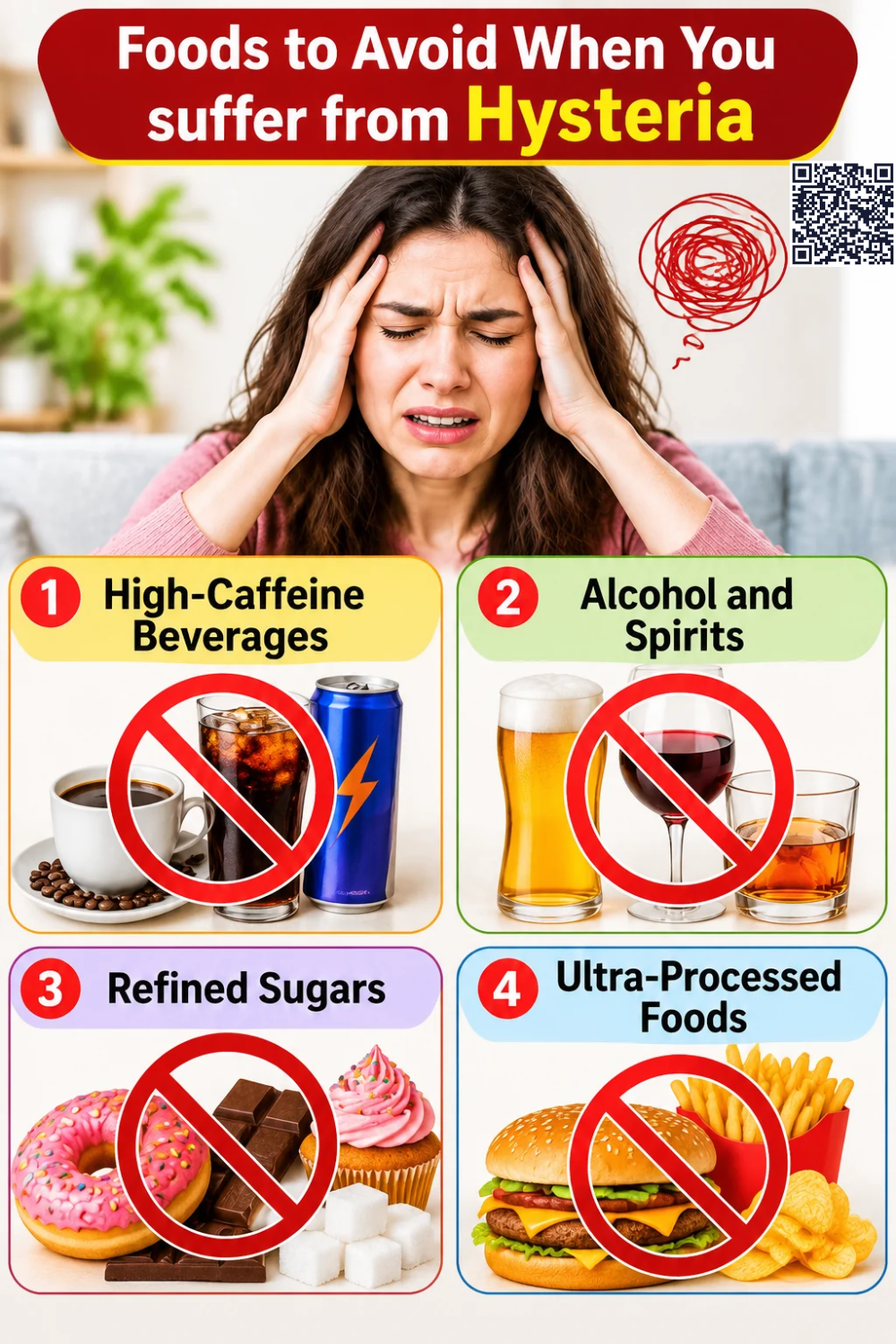
2. Alcohol and Spirits
Alcohol severely disrupts restorative sleep cycles and alters brain chemistry, preventing the nervous system from safely recovering, which significantly worsens sudden emotional distress and functional physical symptoms 35.
3. Refined Sugars
Consuming excessive refined sugar causes rapid blood glucose fluctuations, which directly trigger severe mood swings, intense physical fatigue, and heightened psychological stress that worsens involuntary neurological episodes 36.
4. Ultra-Processed Foods
Highly processed foods increase systemic inflammation, which negatively impacts brain function and heightens baseline anxiety, making it significantly harder for the nervous system to regulate extreme emotional trauma 37.
When to See a Doctor When You Struggle from Hysteria
1. Sudden Paralysis or Weakness
Seek emergency evaluation if you experience a sudden inability to move your limbs. Doctors must clinically rule out strokes before diagnosing functional movement disorders 5.
2. Seizure-Like Episodes
Consult a neurologist if you suffer uncontrollable bodily convulsions or fainting spells. Clinical testing is required to distinguish emotional trauma responses from electrical epileptic seizures 8.
3. Sudden Sensory Loss
Get immediate medical care if you suddenly lose vision, hearing, or physical sensation. These profound sensory changes require urgent testing to rule out acute nerve damage 4.
4. Severe Swallowing Difficulties
Contact a doctor immediately if you develop sudden speech loss or severe difficulty swallowing. Airway blockages must be medically excluded before diagnosing psychological stress responses 1.
Comments
comments