

Causes of Immune Thrombocytopenia
1. Idiopathic (Primary) Autoimmunity
In primary immune thrombocytopenia, the precise trigger remains unknown. The body’s immune system spontaneously develops autoantibodies that mistakenly target and destroy its own healthy platelets, while simultaneously impairing the bone marrow’s ability to produce new ones 1.
2. Viral Infections
Several viruses induce secondary immune thrombocytopenia through a mechanism known as molecular mimicry, where the immune system generates antibodies against the virus that cross-react with platelet glycoproteins 2. Chronic infections with Human Immunodeficiency Virus (HIV) and Hepatitis C Virus (HCV) are primary adult triggers 3. Acute viral infections, such as Epstein-Barr virus, Cytomegalovirus, and Varicella-zoster virus, frequently precede the onset of acute childhood cases 4.
3. Bacterial Infections
Chronic gastric infection with the bacterium Helicobacter pylori is a well-established infectious trigger for secondary immune thrombocytopenia. Medical eradication of the bacteria often results in a significant recovery of the patient’s platelet count 5.
4. Autoimmune and Immunological Disorders
Secondary cases frequently occur in conjunction with broader systemic autoimmune diseases, such as systemic lupus erythematosus (SLE) and antiphospholipid syndrome 6. It is also associated with inherited immune dysregulation conditions like common variable immunodeficiency (CVID) and autoimmune lymphoproliferative syndrome (ALPS) .
5. Medications
Specific pharmacological agents can act as haptens or induce changes in platelet surface antigens, leading to the formation of drug-dependent antibodies that destroy platelets 7. Frequently implicated medications include quinine, sulfonamide antibiotics, non-steroidal anti-inflammatory drugs (NSAIDs), heparin, and glycoprotein IIb/IIIa inhibitors 8.
6. Lymphoproliferative Disorders
Malignancies affecting the lymphatic system, particularly chronic lymphocytic leukemia (CLL) and non-Hodgkin’s lymphomas, can disrupt normal immune function and trigger the production of autoantibodies directed against platelets 9.
7. Vaccinations
Although exceptionally rare, sudden and severe thrombocytopenia has been documented following the administration of certain live-attenuated vaccines, most notably the measles, mumps, and rubella (MMR) vaccine in pediatric populations.
Symptoms of Immune Thrombocytopenia
1. Petechiae
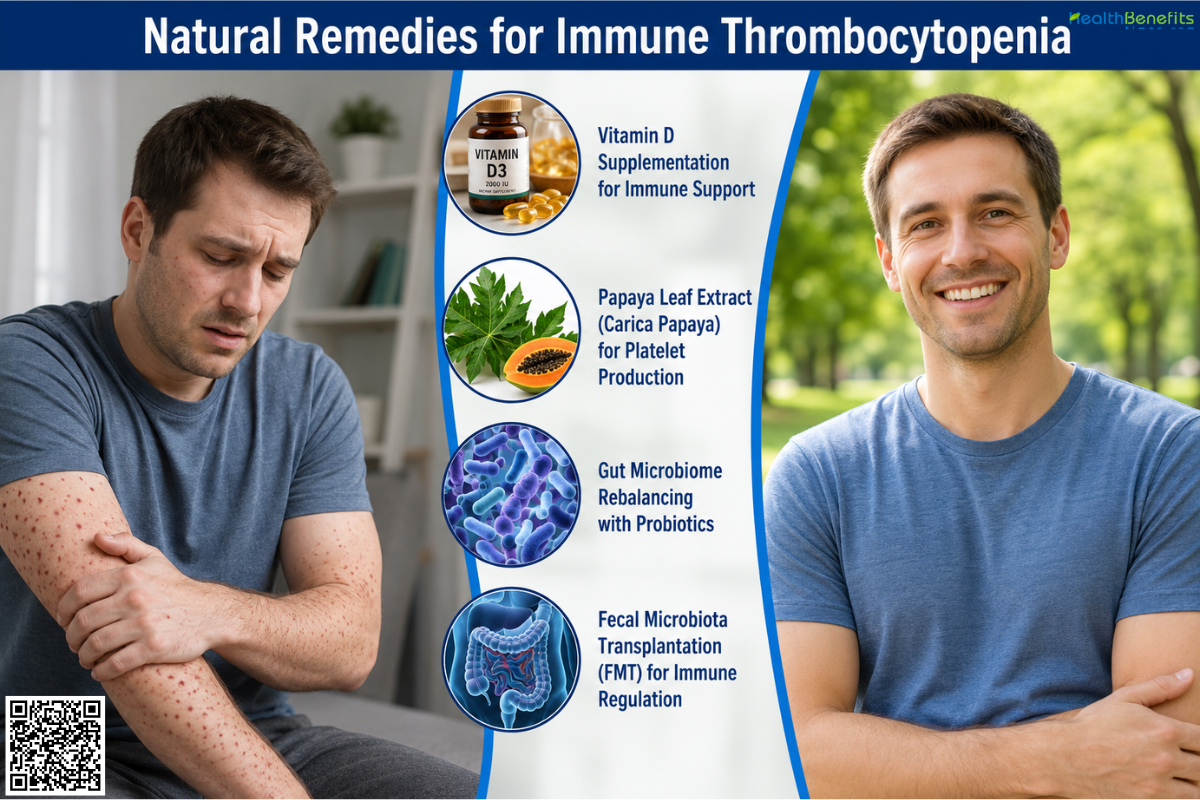
Patients frequently develop tiny, pinpoint, reddish-purple spots on the skin, most often appearing on the lower legs. These spots occur when small amounts of blood leak from capillaries into the skin and do not fade or turn white when pressed .
2. Purpura and Ecchymosis
Individuals with this condition easily develop larger, discolored patches or bruises (purpura) from minimal physical contact or even without any recognized injury. These bruises represent more significant bleeding under the skin compared to petechiae 10.
3. Mucosal Bleeding
Bleeding originating from the mucous membranes is a primary clinical sign. This frequently manifests as spontaneous, difficult-to-stop nosebleeds (epistaxis) or bleeding from the gums, particularly during routine activities like brushing teeth 11.
4. Heavy Menstrual Bleeding
Women of reproductive age with the disorder often experience abnormally heavy or prolonged menstrual periods (menorrhagia), which can be the initial presenting symptom of a critically low platelet count 12.
5. Internal Bleeding
In more severe cases where platelet counts fall dangerously low, patients may experience internal bleeding. This can present as blood in the urine (hematuria) or dark, tarry stools indicating gastrointestinal bleeding .
6. Intracranial Hemorrhage
Although exceedingly rare, occurring in less than 1% of patients, spontaneous bleeding inside the brain is the most severe and life-threatening symptom, typically only occurring when platelet levels are profoundly depleted 13.
7. Fatigue
While traditionally viewed solely as a bleeding disorder, significant fatigue is a recognized and common symptom. Research demonstrates that this severe exhaustion is directly associated with the disease itself and dramatically reduces the patient’s overall quality of life, independent of their actual bleeding severity 14.
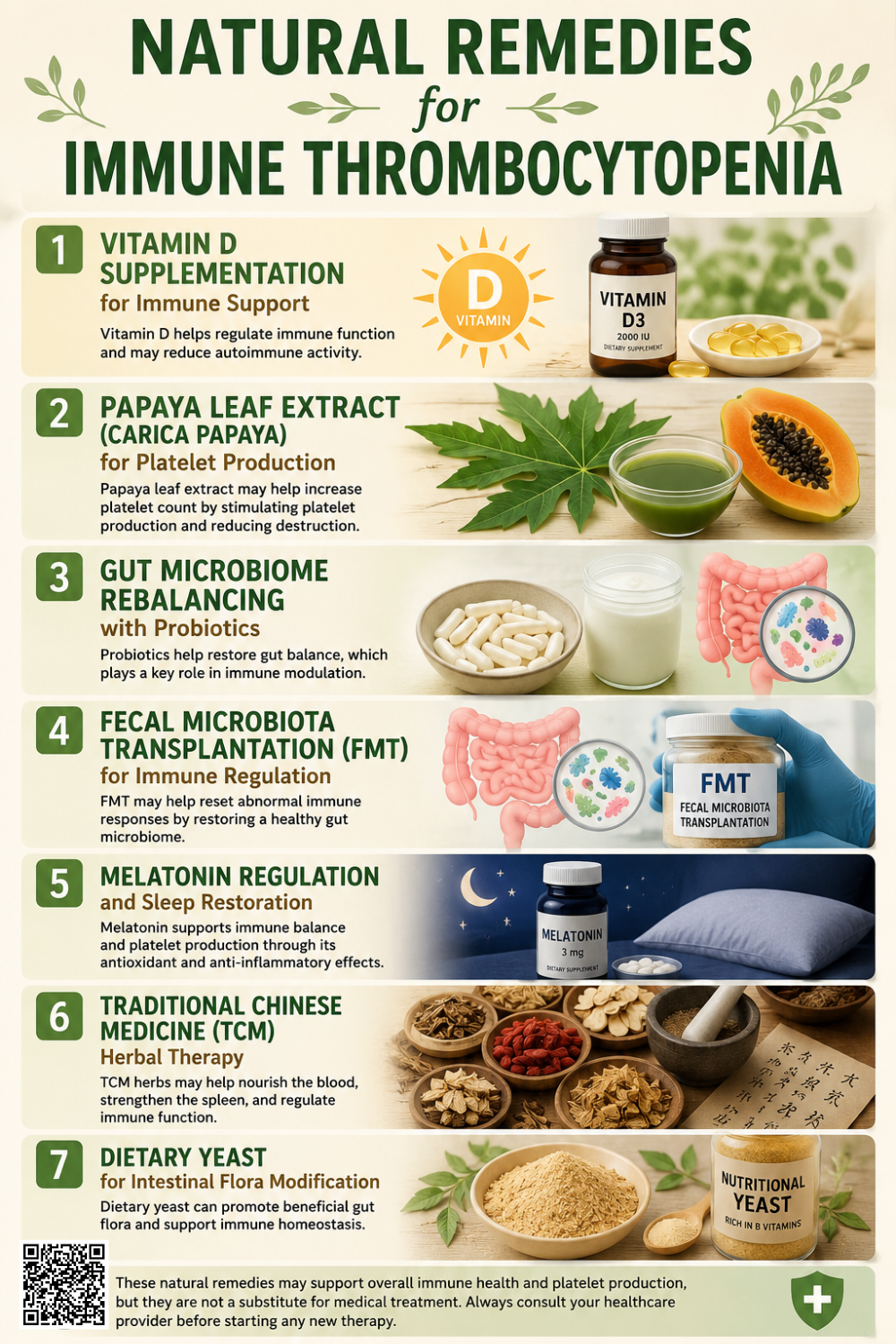
1. Vitamin D Supplementation for Immune Support
How it may help
Vitamin D acts as an immune system regulator rather than just a traditional vitamin. It helps control the hyperactive immune response that mistakenly targets healthy platelets by modulating immune cell activity and suppressing the production of autoantibodies responsible for platelet destruction 15.
What research says
Studies show many individuals with immune thrombocytopenia have significant Vitamin D deficiency. Clinical evidence indicates that maintaining sufficient Vitamin D levels correlates with less severe disease, and targeted supplementation can improve platelet counts while enhancing the therapeutic response to standard treatments 16 17.
How to use it safely
You must have a medical professional check your blood levels of 25-hydroxyvitamin D before starting supplementation. If a deficiency is confirmed, your doctor will prescribe a specific therapeutic dose of Vitamin D3, which should be taken with meals containing fat for optimal absorption.
Potential precautions or side effects
Excessive Vitamin D intake can cause elevated blood calcium levels, leading to kidney stones, nausea, and cardiac issues. Always strictly follow the specific dosage prescribed by your doctor.
2. Papaya Leaf Extract (Carica Papaya) for Platelet Production
How it may help
Papaya leaf extract contains specific enzymes and bioactive compounds, such as carpaine, that actively stimulate the bone marrow. This stimulation accelerates the production of megakaryocytes, the precursor cells that create new platelets, while simultaneously helping to prevent the rapid destruction of existing platelets in the bloodstream 18.
What research says
Clinical trials consistently demonstrate that papaya leaf extract significantly accelerates the recovery of platelet counts in viral-induced thrombocytopenia, particularly dengue fever. Emerging pharmacological research confirms these same bone-marrow-stimulating properties provide a measurable increase in circulating platelets for patients managing autoimmune platelet disorders 19.
How to use it safely
You should consume this extract in standardized capsule or liquid forms prescribed by a healthcare provider to ensure precise dosing. Avoid brewing homemade teas from raw leaves, as the concentration of active compounds is highly unpredictable and may not provide a therapeutic benefit.
Potential precautions or side effects
Common side effects include mild gastrointestinal upset, nausea, and vomiting. You must avoid this extract if you are pregnant, as active compounds can induce uterine contractions 20.
3. Gut Microbiome Rebalancing with Probiotics
How it may help
The gut microbiome directly influences the immune system. Probiotics help restore intestinal balance, which increases the production of regulatory T-cells. These specialized cells calm the immune system, reducing the autoimmune response that mistakenly attacks and destroys blood platelets 21.
What research says
Clinical studies reveal that individuals with immune thrombocytopenia consistently exhibit disrupted gut bacteria. Research concludes that targeted probiotic therapies successfully alter the intestinal microbiome, leading to a significant decrease in anti-platelet antibodies and a measurable improvement in overall platelet counts 22.
How to use it safely
You should consult your hematologist before starting. They will recommend specific, clinically tested probiotic strains, such as Lactobacillus or Bifidobacterium. Take the supplement daily as prescribed, ideally with food, to ensure the bacteria survive digestion and effectively colonize your gut.
Potential precautions or side effects
Initial side effects may include mild gas or bloating. You must avoid probiotics if taking strong immunosuppressive medications, as live bacteria can potentially cause severe systemic infections 23.
4. Fecal Microbiota Transplantation (FMT) for Immune Regulation
How it may help
Fecal microbiota transplantation (FMT) transfers processed stool from a healthy donor into a patient’s gastrointestinal tract to correct severe bacterial imbalances. Restoring this microbial environment helps regulate systemic immunity, thereby suppressing the hyperactive autoimmune response that mistakenly destroys blood platelets 24.
What research says
Clinical evidence strongly links gut dysbiosis to autoimmune platelet destruction. While FMT’s application for immune thrombocytopenia remains largely experimental, preliminary clinical case reports demonstrate that supervised fecal transplantation can successfully reverse the autoimmune response and significantly improve platelet counts in affected patients.
How to use it safely
FMT is a complex medical procedure strictly performed by gastroenterologists in clinical settings. It involves administering highly screened donor stool via colonoscopy or specialized capsules 25. You must never attempt this independently; it mandates rigorous medical protocols and extensive pathogen screening.
Potential precautions or side effects
Common side effects include mild abdominal cramping and transient diarrhea. The primary clinical risk is transmitting undetected infectious pathogens, making rigorous donor screening absolutely critical for immunosuppressed patients.
5. Melatonin Regulation and Sleep Restoration
How it may help
Melatonin is a natural hormone that regulates the sleep-wake cycle while acting as a powerful immune system modulator and antioxidant. By normalizing circadian rhythms and reducing chronic systemic inflammation, it helps stabilize the hyperactive immune response that mistakenly targets and destroys healthy blood platelets 26.
What research says
Clinical research identifies a direct “platelet-melatonin axis” where disrupted sleep severely exacerbates autoimmune platelet destruction. Studies demonstrate that restoring proper melatonin levels not only dramatically improves sleep architecture and fatigue but also actively increases platelet counts in patients with treatment-resistant immune thrombocytopenia 27.
How to use it safely
You must consult a hematologist before using melatonin to prevent interactions with immunosuppressive medications. If approved, take the specific low dose prescribed by your doctor 30 to 60 minutes before bedtime to promote restorative sleep and overnight immune regulation.
Potential precautions or side effects
Common side effects include morning drowsiness, headaches, and vivid dreams 28. You should avoid driving after use and immediately report any unexpected changes in your bleeding symptoms.
6. Traditional Chinese Medicine (TCM) Herbal Therapy
How it may help
Traditional Chinese Medicine utilizes specific herbal blends to restore bodily balance and regulate immune function. Certain herbs contain active compounds that suppress the abnormal immune cells responsible for attacking healthy blood platelets, while simultaneously protecting the bone marrow to encourage normal platelet production 29.
What research says
Clinical reviews indicate that combining customized herbal formulas with standard medical treatments significantly improves platelet recovery compared to conventional medicine alone. Research concludes that these interventions effectively reduce bleeding symptoms and lower the rate of disease relapse in patients with chronic immune thrombocytopenia 30 31.
How to use it safely
You must only use these remedies under the direct supervision of a licensed herbal practitioner and your primary hematologist. Always disclose every herb you take, as your doctor needs to monitor your liver function and ensure the herbs do not interact with your prescribed immunosuppressive medications.
Potential precautions or side effects
Common side effects include mild stomach upset and diarrhea. You must immediately stop use if you experience signs of liver toxicity, such as yellowing skin or severe abdominal pain 32.
7. Dietary Yeast for Intestinal Flora Modification
How it may help
Dietary yeast, specifically therapeutic strains like Saccharomyces boulardii, acts as a robust probiotic that modifies the intestinal environment. By rebalancing the gut flora, this yeast promotes the development of regulatory immune cells. These specialized cells help suppress the abnormal autoimmune response that continuously attacks and destroys healthy blood platelets.
What research says
Clinical evidence demonstrates a strong connection between gut bacterial imbalances and autoimmune blood disorders. Research concludes that introducing beneficial yeast effectively alters the intestinal microbiome composition, which strongly correlates with reduced anti-platelet autoantibody levels and measurable improvements in overall platelet counts for patients with immune-mediated thrombocytopenia 33 34.
How to use it safely
You should consult your hematologist before introducing dietary or probiotic yeast into your routine. If approved, take specialized capsules of Saccharomyces boulardii exactly as prescribed. Take the supplement consistently with meals to ensure the yeast successfully survives digestion and colonizes your intestinal tract.
Potential precautions or side effects
Mild gas or bloating may occur. You must avoid therapeutic yeast if you are immunocompromised or have a central venous catheter, as this risks serious systemic fungal infections 35.
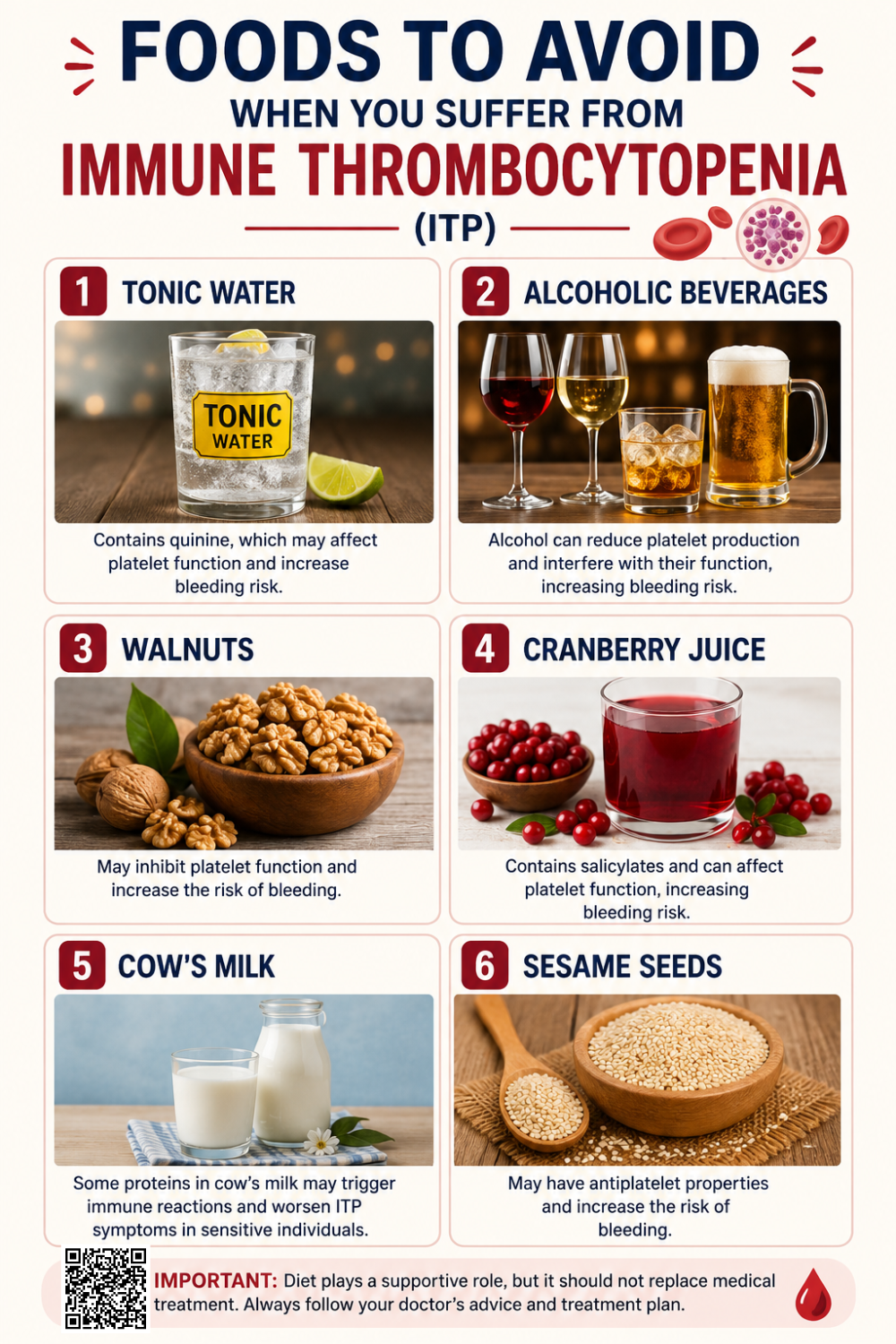
1. Tonic Water
Tonic water contains quinine, a compound proven to stimulate the immune system to produce antibodies that aggressively attack and destroy healthy blood platelets 36.
2. Alcoholic Beverages
Heavy alcohol consumption directly damages the bone marrow, severely suppressing the production of new platelets while prematurely destroying existing ones 37.
3. Walnuts
Clinical evidence demonstrates that soluble proteins in walnuts can trigger a highly specific antibody response that rapidly destroys platelets 38.
4. Cranberry Juice
Medical literature identifies cranberry juice as a rare but documented beverage capable of inducing acute, immune-mediated thrombocytopenic episodes in susceptible patients .
5. Cow’s Milk
Scientific case studies have linked the consumption of cow’s milk to the unexpected onset of drug-independent immune thrombocytopenia, triggering rapid platelet depletion .
6. Sesame Seeds
Clinical reports confirm that sesame seeds can provoke a sudden autoantibody reaction resulting in profound thrombocytopenia and increased bleeding risks .
When To See a Doctor When You Suffer from Immune Thrombocytopenia
1. Uncontrollable Bleeding
Seek emergency care if you experience prolonged nosebleeds exceeding 10 minutes or continuous bleeding from your gums that does not stop with direct pressure .
2. Sudden Skin Changes
Contact your hematologist immediately if you notice a rapid spread of pinpoint red spots (petechiae) or large, unexplained bruises appearing without any physical trauma .
3. Gastrointestinal or Urinary Bleeding
You must go to the emergency room if you observe visibly red or dark, tarry stools, or if your urine appears pink, red, or brown.
4. Neurological Symptoms
Immediate medical intervention is critical if you develop severe headaches, vision changes, or confusion, as these strongly indicate a life-threatening spontaneous intracranial hemorrhage.
5. Abnormal Menstrual Flow
Women should consult their physician promptly if their menstrual periods become unusually heavy, prolonged, or contain large blood clots, indicating severely impaired clotting capacity.
Comments
comments