

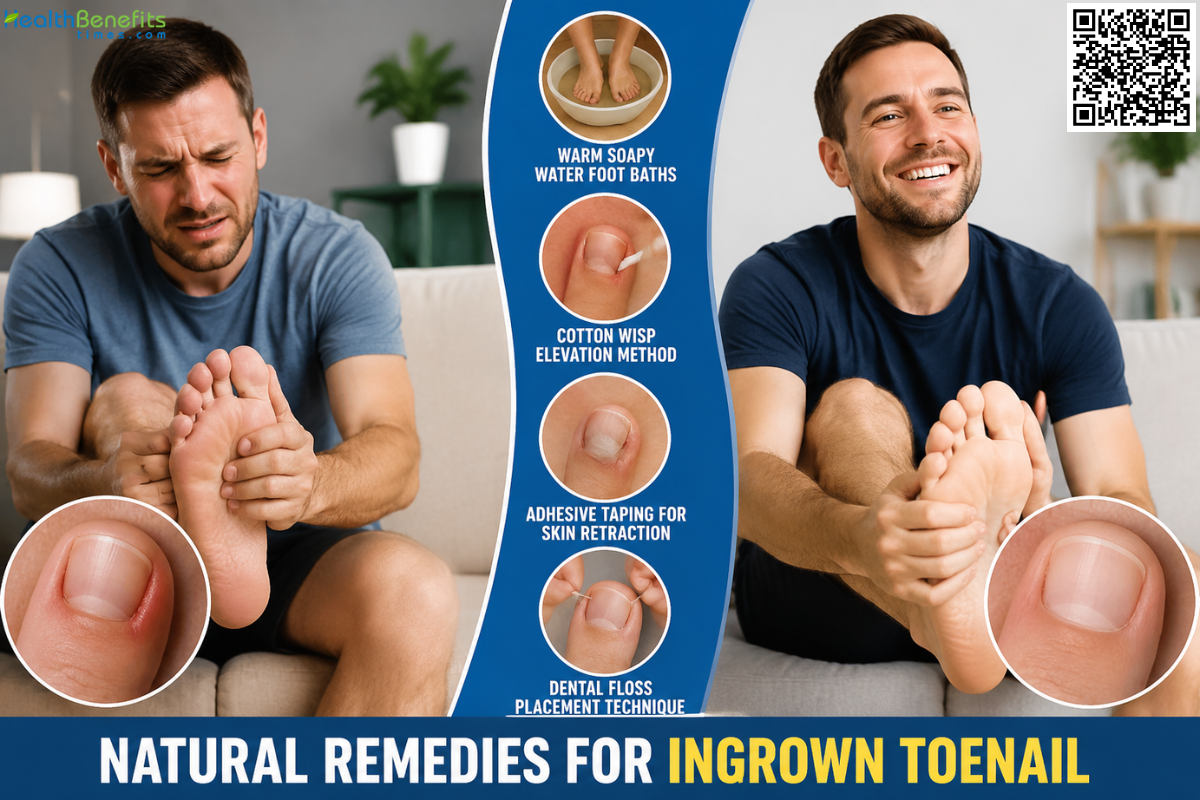
Causes of Ingrown Toenail
1. Improper Nail Trimming
Cutting toenails too short or aggressively rounding the corners is a primary mechanical trigger. This improper technique allows the surrounding skin to fold over the nail bed, paving the way for the nail plate to penetrate the soft tissue as it grows forward.
2. Ill-Fitting Footwear
Wearing shoes, boots, or socks that are excessively tight or narrow in the toe box creates continuous compression on the foot. This lateral pressure forcefully pushes the soft flesh of the toe against the rigid edge of the nail, causing the nail to embed into the skin.
3. Physical Trauma
Direct injuries to the toe, such as stubbing it, dropping a heavy object on it, or engaging in repetitive, high-impact activities like running and kicking, can alter the anatomical structure of the nail bed and disrupt normal nail growth directions.
4. Anatomical and Genetic Factors
Some individuals possess structural predispositions, such as disproportionately wide nail plates, enlarged toe folds, or abnormally curved “pincer” nails. These inherited traits naturally force the nail to press into the sides of the toe during normal growth 4.
5. Excessive Moisture and Infections
Environments that keep the feet consistently damp, such as excessive sweating (hyperhidrosis), soften the skin around the toes and reduce its physical barrier resistance. Additionally, fungal nail infections (onychomycosis) can cause the nail plate to abnormally thicken and deform, significantly increasing the likelihood of the nail piercing the compromised surrounding skin.
Symptoms of Ingrown Toenail
1. Localized Pain and Tenderness
The initial and most prominent indicator is continuous pain along the side of the toe where the nail edge presses into the skin. This tenderness typically worsens significantly when physical pressure is applied, such as while wearing closed-toe shoes, walking, or engaging in weight-bearing activities.
2. Redness and Swelling
As the rigid nail plate penetrates the soft tissue, it triggers a natural inflammatory response. This reaction manifests as visible redness, localized warmth, and noticeable swelling in the skin folds immediately adjacent to the affected nail border.
3. Tissue Overgrowth
In cases where the irritation is prolonged, the body attempts to heal the ongoing injury by producing excess new flesh. This overgrown, raw-looking skin, clinically identified as granulation tissue, frequently overlaps the nail plate and is highly fragile, making it prone to bleeding with minimal contact.
4. Pus Drainage and Active Infection
The wound created by the embedded nail compromises the skin barrier, creating a direct entry point for bacterial pathogens. The development of a secondary bacterial infection is clinically marked by the secretion of yellow or white pus, a distinct foul odor, and a severe escalation in throbbing pain.
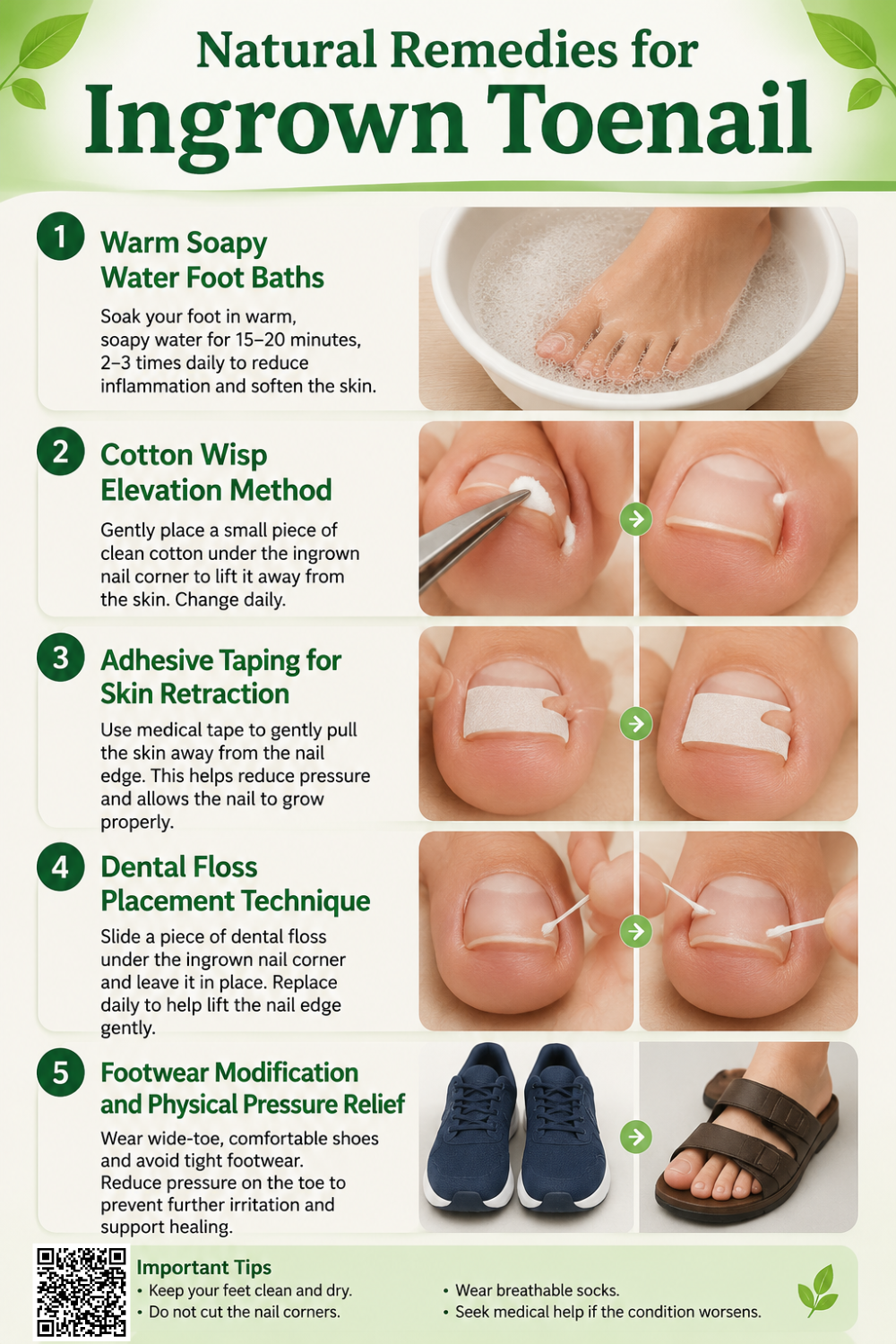
1. Warm Soapy Water Foot Baths
How it may help
Immersing the affected toe in warm, soapy water softens the rigid nail plate and the surrounding swollen skin. This physical softening reduces the mechanical pressure the nail exerts on the injured tissue, helping to relieve localized pain, decrease inflammation, and facilitate the natural drainage of trapped fluids.
What research says
Clinical guidelines establish warm water soaking as a primary conservative treatment for mild to moderate cases. Medical studies confirm that routine soaking significantly reduces tissue swelling, which successfully resolves early-stage symptoms and frequently prevents the need for invasive surgical interventions when combined with proper foot care.
How to use it safely
Fill a basin with comfortably warm water and a mild soap. Soak your affected foot for 10 to 20 minutes, three to four times daily. Afterward, carefully dry your foot and toes completely with a clean towel to prevent the surrounding skin from becoming overly fragile.
Potential precautions or side effects
If you have diabetes, nerve damage, or poor blood circulation, avoid soaking your feet without medical approval, as reduced sensation significantly increases the risk of severe, unnoticed burns 5.
2. Cotton Wisp Elevation Method
How it may help
Inserting a small piece of cotton under the ingrown nail physically separates the rigid nail plate from the surrounding inflamed skin. This direct elevation instantly reduces mechanical pressure, relieves localized pain, and guides the nail to grow properly above the tissue rather than piercing into it 6.
What research says
Clinical studies confirm that cotton wisp packing is an effective conservative treatment for mild to moderate cases. Medical evidence shows that this method provides rapid pain relief, promotes proper nail margin growth, and successfully prevents the need for invasive surgical procedures in most patients 7.
How to use it safely
After soaking the foot, gently lift the affected nail corner using clean tweezers. Carefully insert a tiny wisp of sterile cotton directly underneath the nail to separate it from the skin fold. Replace this cotton daily to maintain hygiene and encourage proper outward growth.
Potential precautions or side effects
Initial insertion may cause minor discomfort. Do not force large cotton pieces deeply under the nail; excessive pressure can worsen tissue damage and increase the risk of severe infections.
3. Adhesive Taping for Skin Retraction
How it may help
Applying elastic medical tape to the toe physically pulls the inflamed side skin away from the sharp nail edge. This continuous, gentle stretching instantly relieves pressure on the injured soft tissue, reduces localized pain, and clears a safe path for the nail to grow forward normally 8.
What research says
Clinical studies demonstrate that adhesive taping is a highly effective, non-invasive treatment for mild to moderate cases. Medical reviews indicate this simple method provides rapid pain relief, significantly decreases swelling, and successfully prevents the need for surgical procedures in the majority of patients 9.
How to use it safely
Cut a strip of elastic medical tape. Press one end firmly to the skin right next to the ingrown nail. Pull the tape tightly downward and around the bottom of the toe to draw the skin away from the nail, securing it firmly 10.
Potential precautions or side effects
Change the tape daily to prevent trapped moisture and skin damage. Stop using this method immediately if you develop an allergic rash from the adhesive or notice severe pus.
4. Dental Floss Placement Technique
How it may help
Similar to the cotton wisp method, sliding a piece of dental floss under the edge of the ingrown toenail creates a physical barrier. This gentle elevation separates the sharp nail plate from the inflamed skin fold, immediately reducing tissue compression and alleviating localized pain.
What research says
Medical literature identifies the dental floss technique as a viable, non-invasive alternative to cotton packing for mild ingrown toenails. Clinical guidelines indicate that correctly placing the floss redirects the nail margin to grow over the soft tissue, effectively promoting proper healing without requiring surgical intervention.
How to use it safely
After softening your foot in a warm bath, gently lift the affected nail corner. Carefully slide a short piece of clean, plain dental floss underneath the nail edge. Leave the ends extending slightly outward, and replace the floss daily to maintain cleanliness and encourage proper growth.
Potential precautions or side effects
Do not force the floss deeply into the nail bed, which can worsen tissue trauma. Discontinue use if you notice severe swelling, active bleeding, or signs of bacterial infection.
5. Footwear Modification and Physical Pressure Relief
How it may help
Switching to loose-fitting or open-toed shoes immediately eliminates external mechanical compression on the toes. Removing this lateral pressure stops the rigid nail edge from being forced deeper into the inflamed soft tissue, which directly reduces localized pain and allows the damaged skin to heal.
What research says
Medical guidelines identify constrictive footwear as a primary trigger for ingrown toenails. Clinical evidence confirms that eliminating narrow toe boxes is an essential conservative treatment that significantly accelerates tissue recovery and prevents the chronic recurrence of nail edge penetration.
How to use it safely
Select shoes featuring a wide, deep toe box that allows your toes to rest flat. During the active healing phase, wear open-toed sandals whenever possible to completely remove physical pressure and minimize excess moisture accumulation around the affected nail.
Potential precautions or side effects
Avoid wearing open-toed shoes in hazardous work environments or if you have diabetic neuropathy, as exposed toes significantly increase the risk of accidental physical trauma and secondary infections.
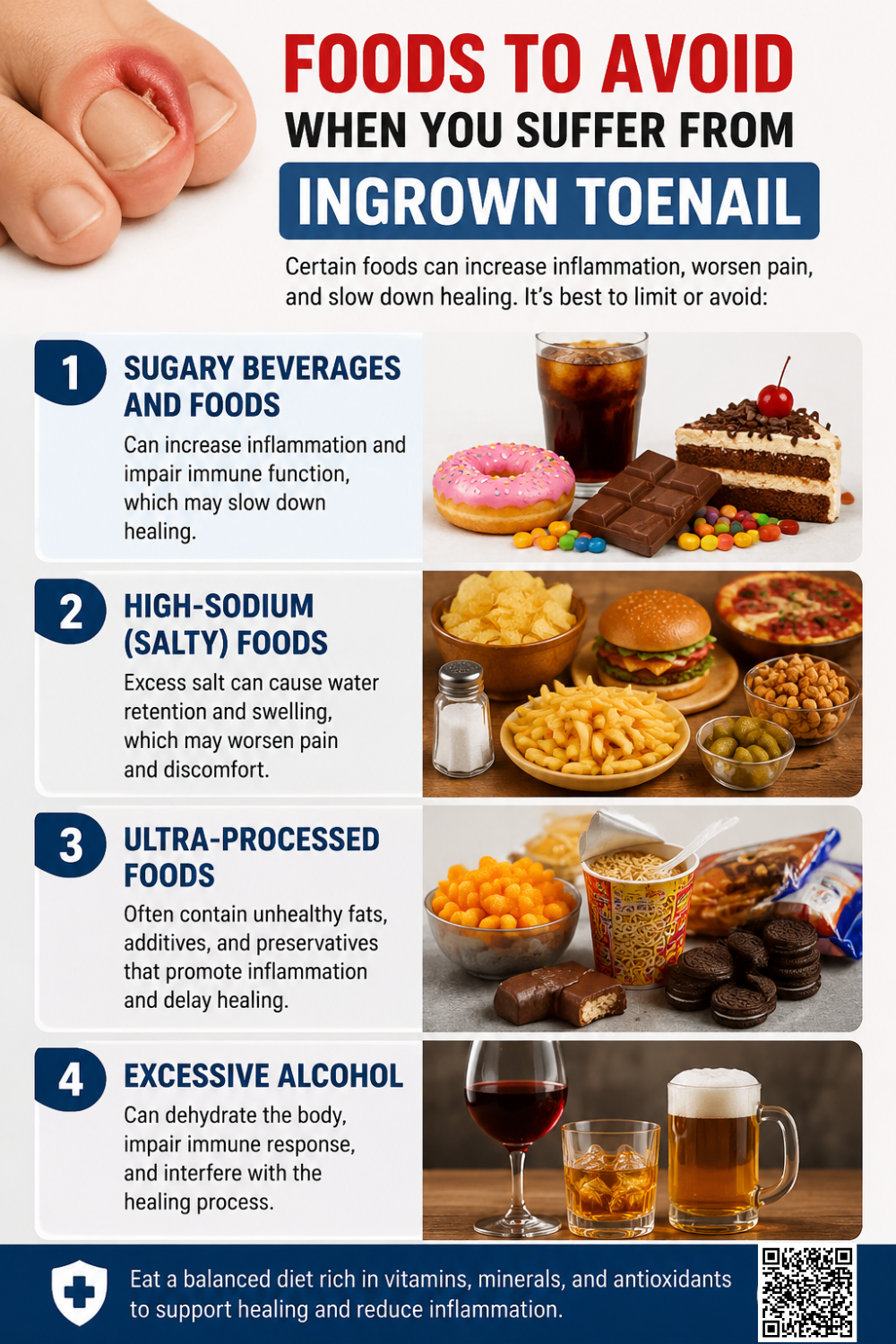
1. Sugary Beverages and Foods
High sugar intake elevates blood glucose, which impairs immune responses and significantly delays wound healing, increasing infection risks, particularly for diabetic patients.
2. High-Sodium (Salty) Foods
Excessive salt consumption causes fluid retention in the extremities. This peripheral swelling increases physical pressure around the toe, noticeably worsening localized pain and inflammation 11.
3. Ultra-Processed Foods
Diets heavy in trans fats and refined carbohydrates trigger systemic inflammation, which can prolong tissue swelling and delay the skin’s natural recovery process 12.
4. Excessive Alcohol
Heavy alcohol intake suppresses the immune system and disrupts tissue repair, slowing the body’s ability to heal the wound and fight secondary bacterial infections 13.
When to See a Doctor When You Suffer from Ingrown Toenail
1. Signs of Active Infection
Seek immediate medical evaluation if the toe drains yellow or white pus, or if severe redness spreads, indicating a bacterial infection requiring antibiotics.
2. Pre-existing High-Risk Conditions
Individuals with diabetes, peripheral neuropathy, or poor circulation must consult a physician immediately, as compromised healing increases the risk of limb-threatening complications.
3. Failure of Home Treatments
If localized pain and tissue swelling fail to improve after several days of warm soaking and pressure relief, professional surgical or clinical intervention is necessary.
4. Systemic Symptoms
The sudden onset of fever, chills, or red streaks traveling up the foot indicates a spreading systemic infection, necessitating emergency medical treatment to prevent sepsis.
Comments
comments