

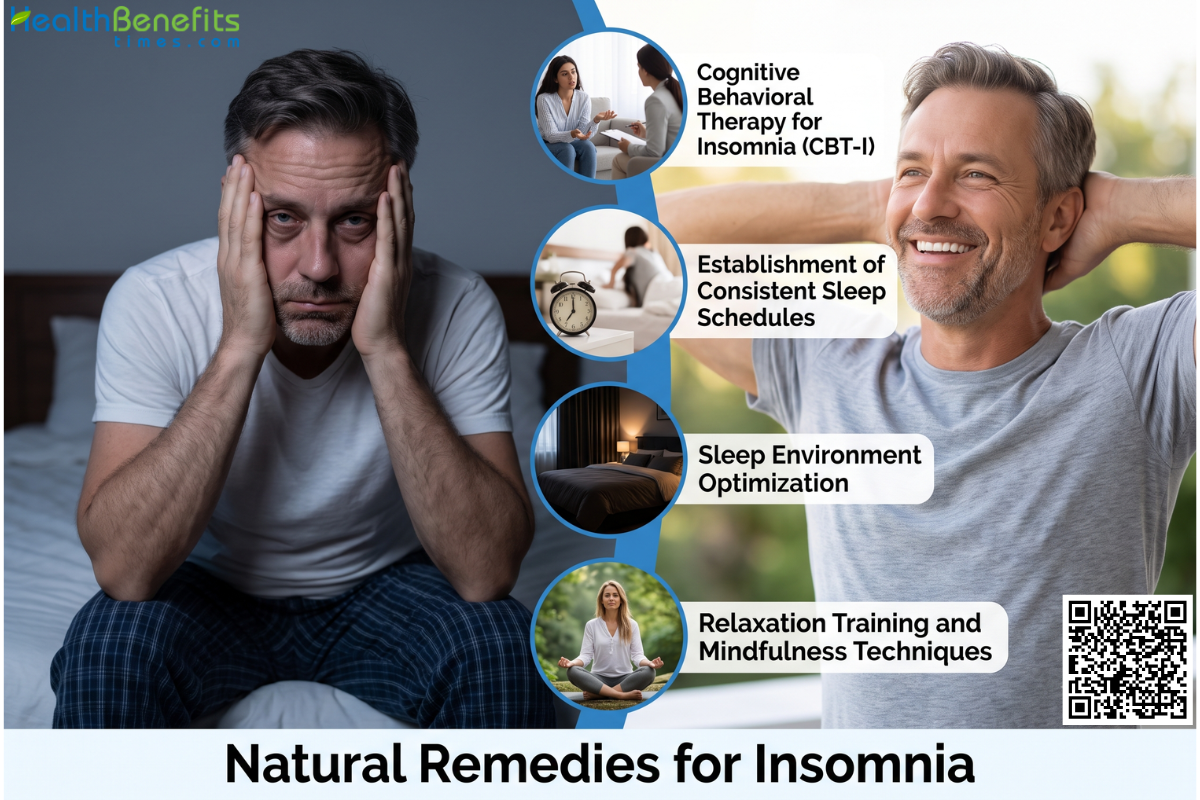
Causes of Insomnia
1. Psychological and Emotional Stress
High levels of stress related to work, family, or health often trigger sleep difficulties. Anxiety disorders and depression are frequently linked to chronic sleep disruption, as persistent worry or low mood can make it difficult for the mind to relax enough for rest 3.
2. Irregular Sleep Habits
Poor sleep hygiene, such as inconsistent bedtimes, frequent napping, or engaging in stimulating activities like using electronic devices shortly before bed, can interfere with the body’s natural sleep-wake cycle.
3. Medical Conditions and Chronic Pain
Physical illnesses that cause discomfort, such as arthritis, acid reflux, or breathing difficulties, frequently interrupt sleep. Chronic pain conditions often make it physically challenging to find a comfortable position or maintain a deep state of rest.
4. Substance Use
The consumption of caffeine, nicotine, or alcohol, particularly later in the day, acts as a stimulant or disrupts the normal architecture of sleep cycles, preventing restorative rest.
5. Medication Side Effects
Certain prescription and over-the-counter medicines—including those for blood pressure, allergies, or asthma—can cause wakefulness as an unintended side effect.
6. Environmental Factors
Uncomfortable bedroom conditions, such as excessive noise, light, or an improper room temperature, can prevent individuals from falling asleep or staying asleep throughout the night.
Symptoms of Insomnia
1. Difficulty Initiating Sleep
A primary symptom involves struggling to fall asleep at the start of the night, often characterized by the mind remaining active or unable to achieve a relaxed state despite feeling tired.
2. Frequent Nighttime Awakenings
Individuals often experience fragmented sleep, characterized by waking up one or more times during the night and having significant trouble returning to sleep afterward .
3. Early Morning Awakening
This involves waking up earlier than planned and being unable to return to sleep, leading to a total sleep duration that feels inadequate for daily functioning.
4. Daytime Fatigue and Malaise
Insomnia results in persistent exhaustion throughout the day, which is often not relieved by a brief period of rest.
5. Cognitive Impairment
Affected individuals may notice reduced focus, difficulty remembering details, or a general decrease in productivity and alertness during daily tasks 4.
6. Emotional Instability
Persistent sleep loss is frequently associated with increased irritability, mood fluctuations, or heightened anxiety, which can impact social and work-related interactions.
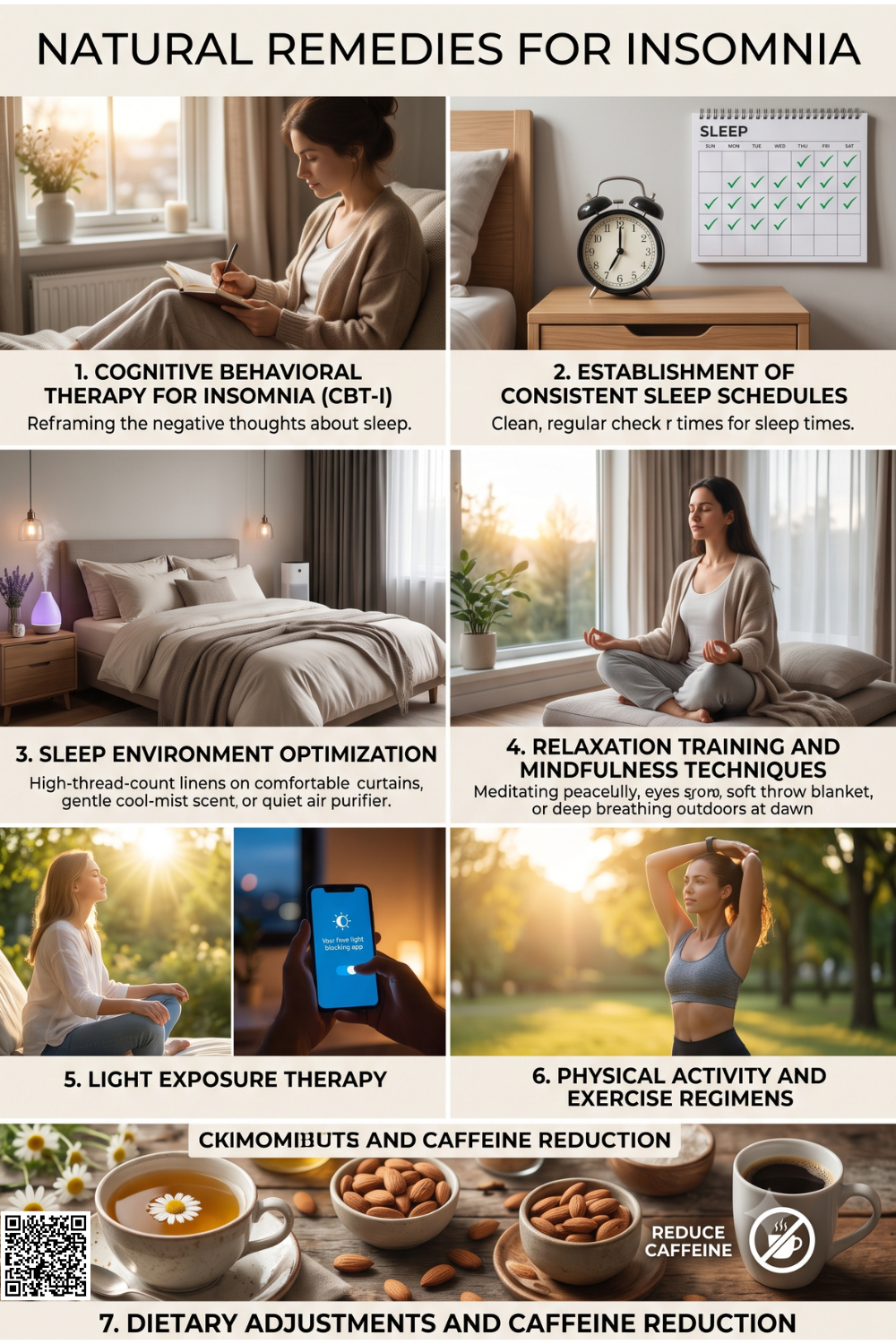
1. Cognitive Behavioral Therapy for Insomnia (CBT-I)
How it may help
CBT-I helps control insomnia by addressing the thoughts and behaviors that disrupt sleep. It identifies and replaces habits that keep you awake, helping to restore a healthy sleep-wake cycle through structured techniques like stimulus control and sleep restriction 5.
What research says
Clinical research confirms that CBT-I is a highly effective, first-line treatment for chronic insomnia. Studies demonstrate that it produces long-term improvements in sleep quality and efficiency, often proving more durable than pharmacological interventions alone 6.
How to use it safely
To use it safely, seek guidance from a licensed therapist or a sleep specialist trained in the protocol. It is often delivered through individual counseling or structured digital programs that guide you through personalized adjustments to your sleep schedule and relaxation habits.
Potential precautions or side effects
CBT-I is generally safe, but may cause initial daytime fatigue as your sleep schedule adjusts. Consult a professional if you have underlying psychiatric conditions to ensure proper clinical supervision.
2. Establishment of Consistent Sleep Schedules
How it may help
Maintaining a fixed sleep-wake schedule helps regulate the body’s internal clock, known as the circadian rhythm. By going to bed and waking up at the same time daily, even on weekends, you stabilize your biological processes. This predictability signals to the brain when it is time to be alert and when it is time for rest.
What research says
Consistent sleep-wake patterns are clinically associated with improved sleep quality and duration. Research indicates that irregular sleep timing is significantly linked to increased daytime sleepiness, cognitive impairment, and a higher risk of developing chronic sleep disorders compared to individuals who maintain a stable, routine schedule 7.
How to use it safely
Set a consistent wake-up time and adhere to it every day. Gradually adjust your bedtime until you achieve the recommended amount of sleep. Avoid compensating for poor sleep by sleeping in, as this disrupts your cycle and makes falling asleep the next night more difficult 8.
Potential precautions or side effects
Strict adherence may initially cause mild frustration or social inconvenience. If you suffer from severe sleep disturbances or shift-work disorders, consult a medical professional for personalized guidance.
3. Sleep Environment Optimization
How it may help
Optimizing your bedroom promotes sleep by minimizing external disturbances that interfere with falling and staying asleep. By creating a dark, quiet, and cool space, you support the body’s natural transition into deeper, restorative stages of rest, ensuring that environmental factors do not trigger unwanted awakenings throughout the night .
What research says
Clinical evidence indicates that environmental control is essential for sleep maintenance. Research demonstrates that excessive light exposure and high ambient temperatures significantly suppress melatonin production and disrupt thermoregulation, leading to increased sleep latency and frequent nighttime interruptions. Modifying these factors is a fundamental component of effective sleep hygiene interventions.
How to use it safely
Maintain your bedroom as a dedicated space strictly for sleep. Use blackout curtains, earplugs, or a white noise machine to eliminate distractions. Ensure the room temperature is kept cool, as this facilitates the physiological cooling necessary for sustained sleep onset and maintenance.
Potential precautions or side effects
There are no known clinical side effects to these adjustments. However, if using tools like white noise, ensure the volume remains at a safe level to prevent long-term hearing issues.
4. Relaxation Training and Mindfulness Techniques
How it may help
These practices reduce sleep-disrupting physiological arousal by calming the nervous system. Through focused breathing, muscle relaxation, or guided meditation, you lower your heart rate and ease tension. This creates a state of physical and mental quiet, helping you disengage from the racing thoughts or anxiety that often prevent sleep onset 9.
What research says
Scientific reviews confirm that mindfulness and relaxation therapies improve sleep quality by reducing stress-related wakefulness. Evidence suggests these techniques effectively lower bedtime cortical activity and improve sleep efficiency, making them valuable tools for individuals struggling with chronic sleep difficulties and hyperarousal patterns.
How to use it safely
To use these safely, practice simple techniques like diaphragmatic breathing or progressive muscle relaxation consistently before bed. Many find success with guided audio sessions to maintain focus. Avoid practicing these techniques while lying in bed if you find them stimulating; instead, use a chair until you feel ready for sleep.
Potential precautions or side effects
These practices are generally safe. However, individuals experiencing severe anxiety or symptoms of trauma should consult a professional, as intense focus on internal sensations may occasionally exacerbate distress in some clinical cases.
5. Light Exposure Therapy
How it may help
Light exposure therapy helps regulate the circadian rhythm by signaling to the brain when it is time to be awake. Morning light suppresses melatonin production and shifts the body’s internal clock earlier, which promotes alertness during the day and facilitates a more natural, timely onset of sleep at night.
What research says
Research demonstrates that timed bright light exposure is highly effective for correcting circadian rhythm misalignment. Studies show that morning light therapy significantly reduces sleep onset latency and stabilizes sleep-wake timing in individuals with delayed sleep phases, provided the duration and intensity of the light are precisely applied.
How to use it safely
Seek bright light exposure—ideally from sunlight or a medically approved light box—immediately after waking. Follow the specific intensity and duration guidelines recommended by a sleep specialist, as incorrect timing can unintentionally delay your sleep cycle rather than advance it.
Potential precautions or side effects
Potential side effects include mild eye strain, headaches, or irritability. Individuals with specific photosensitivity or pre-existing eye conditions should consult a healthcare provider before initiating this therapy.
6. Physical Activity and Exercise Regimens
How it may help
Regular physical activity helps control insomnia by reducing anxiety and depressive symptoms while improving overall metabolic health. Engaging in consistent exercise also aids in the alignment of the circadian rhythm, which can increase the total duration of sleep and the depth of recovery achieved throughout the night 10.
What research says
Clinical research confirms that moderate-intensity aerobic exercise is an effective, evidence-based intervention for sleep disorders. Studies demonstrate that individuals who maintain a regular exercise schedule show improved sleep onset latency and overall sleep quality. This benefit is linked to the physiological release of tension and the regulation of core body temperature.
How to use it safely
Aim for consistent, moderate-intensity activity throughout the week. Complete vigorous workouts at least three hours before bedtime to avoid physiological overstimulation, which can interfere with the body’s natural transition into rest. Prioritize consistency over high-intensity, occasional bursts of movement.
Potential precautions or side effects
Avoid intense exercise immediately before bed, as the associated rise in heart rate and core temperature can cause sleep delays in some individuals.
7. Dietary Adjustments and Caffeine Reduction
How it may help
Dietary choices significantly influence sleep quality. Caffeine acts as a stimulant that blocks receptors in the brain associated with sleepiness, while heavy, spicy, or large meals consumed near bedtime can cause digestive discomfort that fragments sleep. Managing intake ensures that physiological processes do not interfere with the natural transition to rest.
What research says
Clinical evidence indicates that caffeine consumption, even six hours before bedtime, significantly reduces sleep duration and efficiency. Research shows that high glycemic index diets can also negatively impact sleep architecture by causing blood sugar fluctuations, whereas limiting stimulants and heavy evening meals promotes more stable, uninterrupted sleep patterns throughout the night.
How to use it safely
Restrict caffeine intake to the early morning hours and avoid it entirely after midday. Favor light, balanced evening meals to prevent indigestion. Consistency in timing is essential for allowing the body to settle properly for sleep.
Potential precautions or side effects
Sudden reduction in caffeine may trigger mild withdrawal symptoms, such as headaches or irritability. Transition slowly if you currently consume high amounts of caffeine.

1. Caffeinated Foods and Beverages
Caffeine is a central nervous system stimulant that blocks sleep-promoting receptors. Consuming it later in the day significantly delays sleep onset and reduces total sleep time 11.
2. Alcohol
While initially sedating, alcohol disrupts normal sleep architecture. It reduces restorative rapid eye movement (REM) sleep and causes frequent nocturnal awakenings as it metabolizes 12.
3. High-Sugar Foods
Foods high in refined sugars cause rapid blood glucose fluctuations. These metabolic spikes and subsequent crashes can trigger physical arousal and negatively impact overall sleep quality 13.
4. Spicy Foods
Spicy meals can trigger acid reflux and indigestion when lying down. This gastrointestinal distress physically prevents the relaxation necessary for uninterrupted sleep maintenance 14.
5. Heavy, High-Fat Meals
Large or high-fat meals require prolonged digestion. Eating them near bedtime causes gastrointestinal discomfort and disrupts the physiological processes required for sustained, uninterrupted rest.
When to See a Doctor When You Suffer from Insomnia
1. Symptom Duration
Seek medical evaluation if sleep difficulties occur at least three nights per week and persist for three months or longer, which clinically defines chronic insomnia.
2. Severe Daytime Impairment
Consult a physician if sleep loss causes significant daytime fatigue, memory issues, or impairs your ability to safely perform daily activities like driving or working.
3. Co-occurring Physical Symptoms
A clinical assessment is necessary if you experience loud snoring, pauses in breathing, or gasping during sleep, as these strongly indicate obstructive sleep apnea 15.
4. Mental Health Decline
Immediate medical attention is required if insomnia triggers or worsens severe mood changes, debilitating anxiety, depression, or thoughts of self-harm.
5. Failure of Self-Care Measures
Schedule a doctor’s appointment if behavioral adjustments, such as improved sleep hygiene and environmental modifications, fail to improve your sleep quality over several weeks.
Comments
comments