

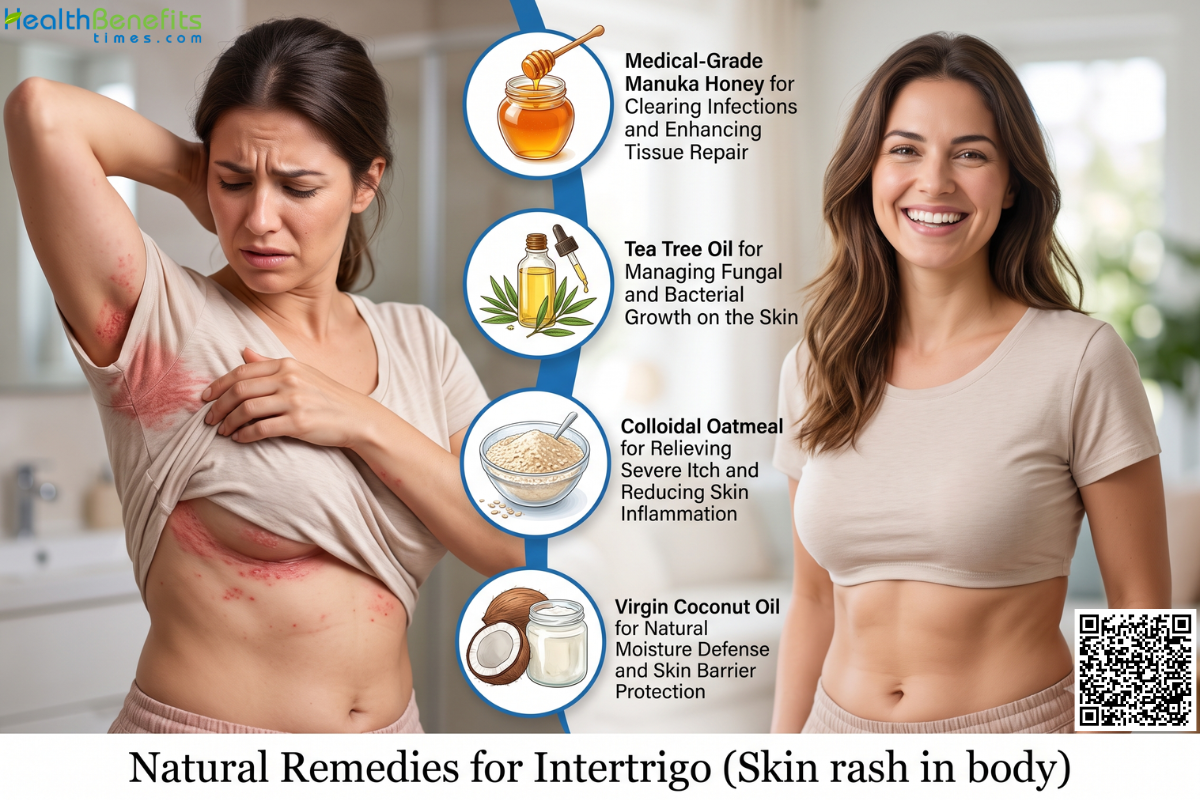
Causes of Intertrigo (Skin rash in body)
1. Skin-on-Skin Friction
The primary physical trigger for intertrigo is the constant rubbing of adjacent skin surfaces, which damages the outer protective layer of the skin and initiates severe inflammation.
2. Trapped Moisture and Heat
Sweat, bodily fluids, and elevated body heat frequently become trapped in deep skin folds due to a lack of air circulation. This prolonged wetness causes the skin tissue to soften, swell, and eventually break down 5.
3. Fungal and Bacterial Infections
The warm, damp environment inside irritated skin folds creates an ideal breeding ground for microorganisms. Yeast (specifically Candida species), typical skin fungi, and bacteria like Staphylococcus readily infect the damaged skin barrier, rapidly worsening the rash and causing significant pain 6.
3. Obesity
Carrying excess body weight creates deeper, more pronounced skin folds. This increases the total skin surface area subjected to friction while trapping higher amounts of heat and sweat 7.
4. Diabetes Mellitus
Diabetes alters the skin’s natural chemical balance and weakens the body’s immune response, making individuals highly vulnerable to the secondary bacterial and fungal infections that complicate intertrigo.
5. Excessive Sweating
Conditions that cause abnormal, heavy sweating, as well as engaging in strenuous physical exercise, flood the skin folds with excess moisture that accelerates skin irritation.
6. Environmental Factors
Living in hot, humid climates naturally increases daily sweating and body temperature, which serves as a major aggravating factor for skin fold inflammation 8.
7. Restricted Mobility and Incontinence
Individuals who are bedridden, have limited mobility, or struggle with bladder or bowel control face a significantly higher risk. Prolonged exposure to urine or feces rapidly erodes the skin barrier and introduces aggressive bacteria to the affected areas.
Symptoms of Intertrigo (Skin rash in body)
1. Redness and Inflammation
The affected skin folds develop prominent, bright red or reddish-brown patches that typically mirror each other symmetrically on both sides of the skin crease.
2. Intense Itching and Burning
The continuous friction and raw tissue produce severe itching, accompanied by a painful stinging or burning sensation that worsens significantly with physical movement or sweating.
3. Skin Breakdown and Cracking
Prolonged exposure to trapped moisture causes the skin to soften, wrinkle, and peel, frequently resulting in painful cracks or deep cuts inside the fold.
4. Weeping and Oozing Fluid
As the outer protective layer of the skin erodes from chronic wetness and friction, the rash often begins to weep or leak clear bodily fluids.
5. Foul Odor
A musty or unpleasant smell frequently develops within the affected area, signaling that bacteria and yeast are rapidly multiplying in the warm, enclosed environment.
6. Satellite Bumps and Pustules
When the rash becomes complicated by a yeast infection, such as Candida, small red bumps or pus-filled blisters typically appear scattered just outside the main border of the rash.
7. Crusting and Scabbing
If secondary bacterial infections develop over the damaged skin barrier, the oozing fluids may dry and form yellow or brown crusts over the broken tissue.
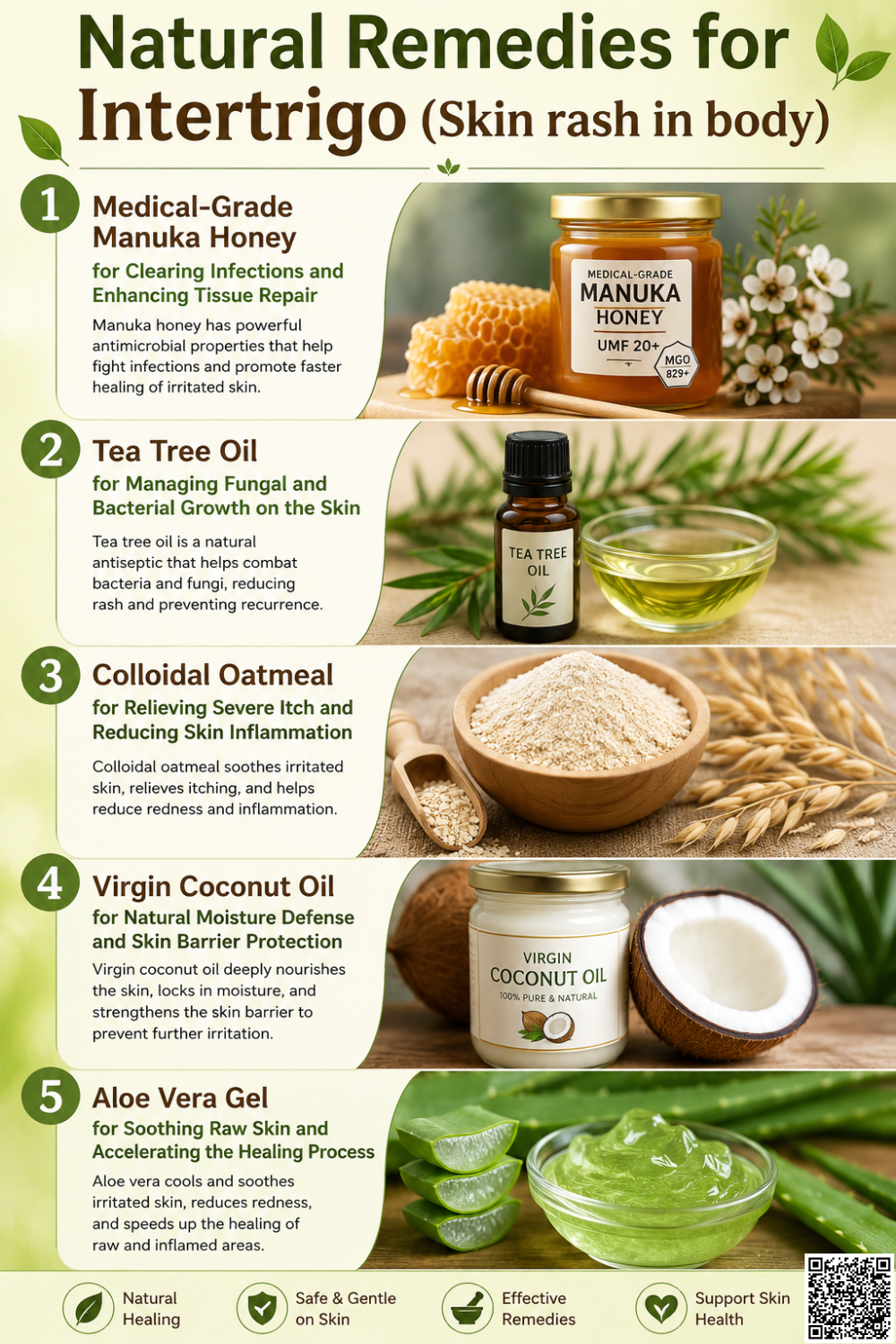
1. Medical-Grade Manuka Honey for Clearing Infections and Enhancing Tissue Repair
How it may help
Manuka honey provides a natural protective barrier over damaged skin folds while gently drawing out excess moisture. Its unique chemical makeup destroys harmful bacteria and fungi that complicate intertrigo, such as Candida yeast, while simultaneously soothing severe inflammation and accelerating the repair of broken skin tissue 9.
What research says
Clinical studies demonstrate that medical-grade Manuka honey possesses potent antimicrobial properties that effectively eliminate persistent skin pathogens 10. Research confirms it significantly speeds up tissue repair, reduces skin inflammation, and thoroughly suppresses the growth of Candida albicans, the primary fungal cause of severe intertrigo infections 11.
How to use it safely
Wash and completely dry the affected skin folds. Apply a thin layer of sterilized, medical-grade Manuka honey directly to the rash. Cover the area loosely with a clean, breathable gauze pad to prevent stickiness and friction. Leave it on for several hours before gently washing it off.
Potential precautions or side effects
Avoid using raw grocery store honey, which can harbor harmful bacterial spores. Stop use immediately if you experience increased redness, stinging, or signs of an allergic reaction.
2. Tea Tree Oil for Managing Fungal and Bacterial Growth on the Skin
How it may help
Tea tree oil acts as a powerful natural disinfectant. It helps clear intertrigo by destroying the protective outer walls of yeast and bacteria that thrive in sweaty skin folds. By eliminating these microscopic invaders, it reduces the severe swelling, odor, and pain associated with infected skin rashes.
What research says
Clinical reviews confirm that tea tree oil possesses broad-spectrum antimicrobial properties that effectively destroy standard skin bacteria and Candida yeast strains 12. Research shows that its active compounds rapidly break down fungal cell membranes, stopping the persistent infections that commonly complicate raw, folded skin 13.
How to use it safely
Never apply pure tea tree oil directly to broken skin. Dilute one to two drops of the oil into a gentle carrier oil, such as coconut or olive oil. Carefully dab the diluted mixture onto the cleaned, dry rash once daily, allowing it to fully absorb.
Potential precautions or side effects
Undiluted tea tree oil can cause severe chemical burns, blistering, and allergic contact dermatitis 14. Discontinue use immediately if the rash worsens, spreads, or stings excessively.
3. Colloidal Oatmeal for Relieving Severe Itch and Reducing Skin Inflammation
How it may help
Colloidal oatmeal binds to the skin to form a protective, moisturizing barrier that prevents water loss and shields against friction. It contains specialized compounds called avenanthramides that rapidly soothe severe itch, neutralize redness, and calm the localized immune response responsible for intertrigo flare-ups.
What research says
Clinical studies confirm that colloidal oatmeal directly inhibits the release of inflammatory chemicals and histamine within the skin 15. Research demonstrates that its concentrated antioxidant and anti-inflammatory properties significantly reduce itching severity, repair the damaged skin barrier, and improve overall tissue hydration in inflammatory skin conditions 16.
How to use it safely
Dissolve one cup of finely milled, plain colloidal oatmeal into a bathtub of lukewarm water. Soak for 10 to 15 minutes, allowing the oat particles to coat your skin. Afterward, gently pat the folds completely dry with a clean towel; never rub, as this worsens irritation.
Potential precautions or side effects
Avoid using hot water, which strips natural oils and worsens inflammation. Though rare, discontinue use immediately if you experience increased redness or an allergic reaction to oat proteins.
4. Virgin Coconut Oil for Natural Moisture Defense and Skin Barrier Protection
How it may help
Virgin coconut oil acts as a natural skin protectant that reduces the severe friction caused by skin rubbing against skin. It moisturizes the damaged outer skin layer while providing mild antimicrobial effects, helping to prevent yeast and bacteria from infecting the raw, inflamed folds.
What research says
Clinical research demonstrates that virgin coconut oil significantly improves skin barrier function and enhances moisture retention in inflamed skin 17. Studies also confirm its high concentration of lauric acid provides measurable antibacterial activity, effectively suppressing the growth of harmful skin pathogens like Staphylococcus aureus 18.
How to use it safely
Clean and thoroughly dry the affected skin fold before application. Gently massage a very small amount of pure, cold-pressed virgin coconut oil into the rash until fully absorbed. Apply it twice daily to maintain a smooth, protective barrier against continuous friction.
Potential precautions or side effects
Avoid applying thick layers, as excess oil can trap heat and worsen skin irritation. Discontinue use immediately if you develop increased redness, clogged pores, or an allergic reaction.
5. Aloe Vera Gel for Soothing Raw Skin and Accelerating the Healing Process
How it may help
Aloe vera gel provides a cooling, protective layer that instantly soothes the severe burning and itching of raw skin folds. Its high water content hydrates damaged tissues, while its natural enzymes and anti-inflammatory compounds help neutralize redness and create a favorable environment for rapid skin barrier repair.
What research says
Systematic reviews of clinical trials confirm that aloe vera significantly improves the wound healing process and reduces tissue inflammation 19. Research demonstrates that its active compounds, including glucomannan, stimulate collagen production, enhance skin flexibility, and effectively retain localized moisture to prevent further ulceration of damaged skin.
How to use it safely
Wash and dry the affected area thoroughly. Apply a thin layer of pure, fragrance-free aloe vera gel directly to the inflamed folds up to three times daily. Allow the gel to dry completely before allowing the skin folds to touch to prevent trapping excess moisture.
Potential precautions or side effects
Avoid aloe vera products containing added alcohol, fragrances, or artificial colors, which severely sting raw skin. Discontinue use immediately if you experience increased redness, burning, or an allergic reaction.
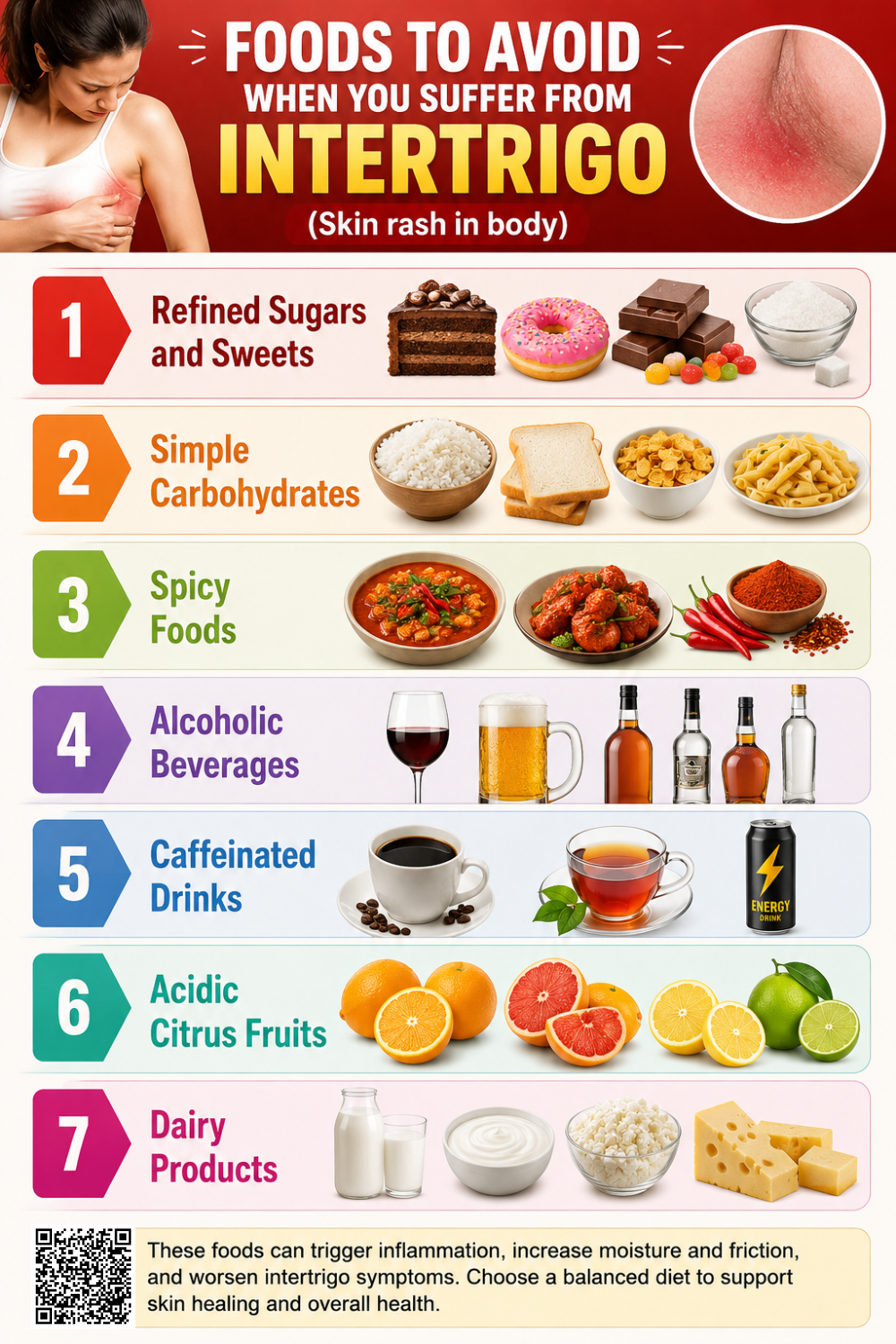
1. Refined Sugars and Sweets
High blood sugar levels feed Candida yeast directly within the skin tissue, significantly accelerating the fungal infections that complicate raw skin folds 20.
2. Simple Carbohydrates
Processed foods like white bread rapidly convert to glucose, promoting severe tissue inflammation and weakening the skin’s natural defense against bacterial invasion 21.
3. Spicy Foods
Consuming heavy spices elevates baseline body temperature and stimulates sweat production, flooding deep skin folds with excess moisture that causes immediate friction damage 22.
4. Alcoholic Beverages
Beer and liquor dilate blood vessels, increasing heat and perspiration, while their high sugar load actively promotes yeast overgrowth in damaged skin creases.
5. Caffeinated Drinks
Stimulants such as coffee and energy drinks trigger excess sweating and are clinically recognized as dietary irritants that severely worsen chronic skin itching.
6. Acidic Citrus Fruits
Foods with high acid content, including tomatoes and oranges, alter the chemical composition of sweat, acting as direct irritants to unprotected, broken skin barriers.
7. Dairy Products
Heavy dairy items can provoke systemic inflammatory responses in sensitive individuals, which delays the natural tissue repair process of highly irritated, broken skin folds.
When To see Doctor when you suffer from Intertrigo (Skin rash in body)
1. Lack of Improvement
You should consult a physician if the rash fails to improve after a week of basic hygiene and natural remedies, indicating a resistant infection.
2. Pus and Foul Odor
Seek medical care if the skin folds ooze thick pus, develop yellow crusts, or emit a foul smell, as these confirm secondary bacterial infections.
3. Fever and Chills
Immediate clinical intervention is necessary if a fever or systemic chills accompany the skin rash, which indicates the localized infection is spreading internally 23.
4. Underlying Diabetes
Individuals managing diabetes must see a doctor immediately upon noticing intertrigo, as weakened immunity rapidly accelerates severe tissue damage and aggressive fungal overgrowth.
5. Expanding Redness
Professional evaluation is required if the bright red inflammation aggressively spreads outside the initial skin fold, suggesting invasive candidiasis or advancing cellulitis.
6. Severe Pain and Cracking
You must seek a medical assessment if severe pain, burning, or deep skin cracking prevents normal walking or movement, requiring prescription-strength topical treatments.
Comments
comments