

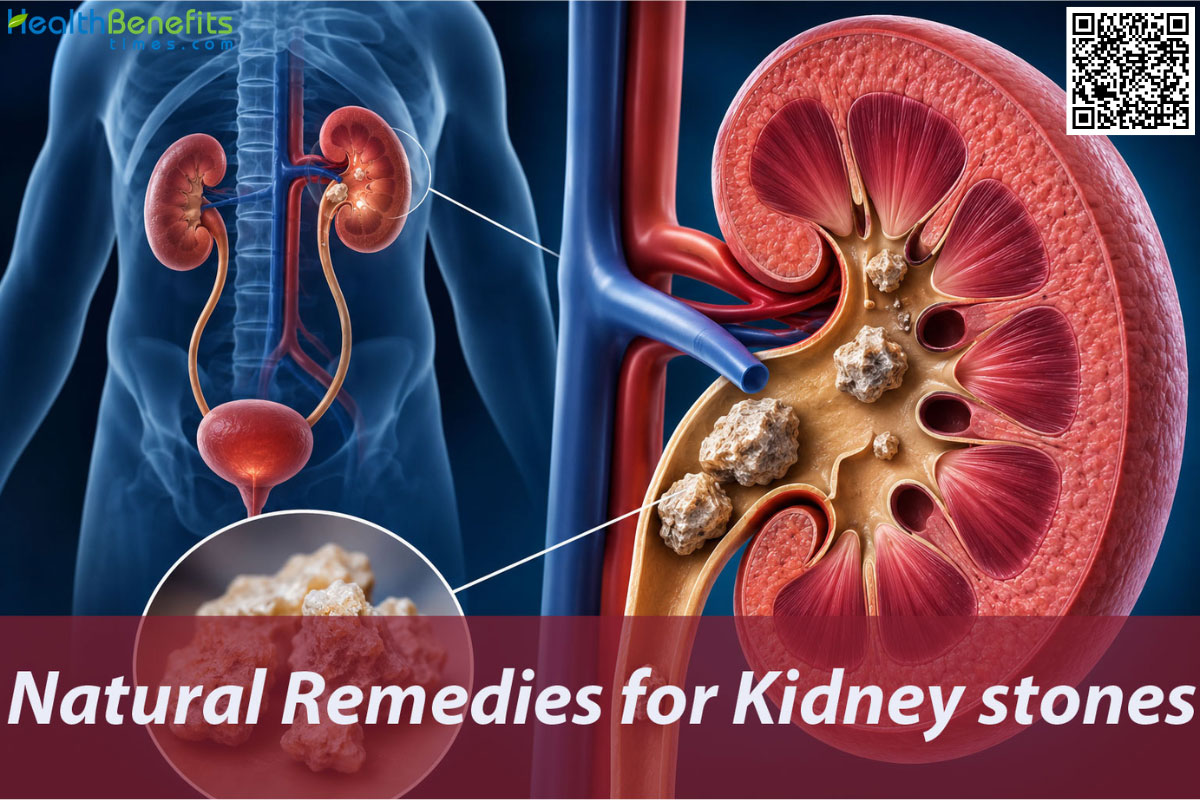
Causes of Kidney stones
Investigating the origins of these internal mineral deposits reveals a complex interplay between daily lifestyle choices, dietary habits, and underlying human biology. The urinary tract functions as a highly sensitive chemical environment, and several distinct factors can trigger the crystallization process.
1. Inadequate Daily Hydration
Failing to consume a sufficient volume of water remains the primary catalyst for crystal formation. When the body is deprived of water, the kidneys produce a smaller volume of highly concentrated urine, creating an ideal environment for dissolved minerals to collide and fuse together 2.
2. Diets High in Oxalate
Consuming excessive amounts of certain plant-based foods, such as spinach, rhubarb, almonds, and wheat bran, dramatically increases the concentration of oxalate in the bloodstream. As the kidneys filter this excess oxalate into the urine, it aggressively seeks out calcium to form rigid calcium oxalate stones 3.
3. Elevated Sodium Intake
Relying heavily on salty, processed foods forces the kidneys into a state of distress. High sodium levels prompt the kidneys to excrete massive amounts of calcium into the urine to balance the body’s chemistry, inadvertently providing the exact building blocks needed for stone development 4.
4. Excessive Animal Protein Consumption
A diet heavily skewed toward non-dairy animal proteins including beef, poultry, and certain seafood increases the production of uric acid while simultaneously stripping the body of citrate, a vital chemical that acts as a natural shield against stone formation 5.
5. Digestive and Gastrointestinal Disorders
Chronic bowel inflammation, frequent diarrhea, or a history of gastric bypass surgery fundamentally alters the digestive process. These conditions impair the body’s ability to absorb water and fat properly, leading to a dangerous spike in urinary oxalate levels 6.
6. Underlying Genetic and Metabolic Conditions
Certain individuals are born with inherited metabolic traits that disrupt standard mineral processing. Conditions such as hypercalciuria cause unusually large amounts of calcium to spill into the urine naturally, while gout leads to severe accumulations of uric acid throughout the body 1.
Symptoms of Kidney stones
When a hard mineral mass begins to travel through the delicate, narrow tubes of the urinary tract, the body responds with undeniable and urgent distress signals. Recognizing these physical manifestations is crucial for distinguishing a moving stone from other abdominal or muscular issues.
- Sharp, agonizing pain localized in the back, side, lower abdomen, or groin area.
- Pink, red, or dark brown discoloration in the urine, a condition clinically referred to as hematuria.
- An urgent, unrelenting, and constant need to empty the bladder, even when little fluid is present.
- Noticeable pain, burning, or intense discomfort experienced while actively urinating.
- The sudden inability to urinate, or the capacity to produce only a very small trickle of fluid.
- Urine that appears distinctly cloudy or emits a foul, highly unusual odor.
- In younger patients, particularly infants and toddlers, unexplained irritability, poor feeding, and continuous crying.
- Accompanying feelings of intense nausea or active vomiting as the nervous system reacts to the severe pain signals 7.
Kidney stones Facts table
Gaining a broad, factual overview of this condition helps to demystify the experience and highlights the most vital clinical realities for the general public.
| Fact Category | Details |
| Symptoms 8. |
|
| Causes 9. |
|
| Types of Kidney stones 10. |
|
| How does spread
|
|
| Age Group 11. |
|
| You might be at a higher risk for exposure of this disease if you: 1. |
|
| How doctors diagnose 12 |
|
| Other facts |
|
Natural Remedies for Kidney stones
Turning toward the natural world offers a fascinating array of botanical and dietary interventions that can fundamentally alter the chemical environment of the urinary system. Plant-based compounds and specific nutrients are highly capable of interacting with minerals to prevent crystallization and promote healthy kidney function.
1. Lemon Juice and Citric Acid
Harnessing the biochemical power of citrus fruits is one of the most thoroughly documented strategies for urinary health. Lemons contain an exceptionally high concentration of naturally occurring citric acid. When metabolized by the human body, this acid is excreted into the urine as citrate. Citrate serves as a powerful protective agent; it physically binds to free-floating calcium in the urinary tract, effectively neutralizing it before it has the opportunity to link up with oxalate. Furthermore, an increase in urinary citrate directly inhibits the growth and aggregation of any existing microscopic crystals. Scientific evaluations demonstrate that consistent lemonade therapy significantly increases urinary citrate levels and decreases the overall rate of new stone formation 14.
Note: You can easily utilize this remedy by mixing roughly four ounces of fresh, unsweetened lemon juice into a large pitcher of water, drinking it steadily throughout the day to keep your urinary citrate levels continuously elevated.
2. Apple Cider Vinegar
Fermented fruit derivatives offer a surprisingly potent defense against the formation of hard mineral deposits. Apple cider vinegar is exceptionally rich in acetic acid, a bioactive compound that exerts profound effects on how the body manages and excretes minerals. Once absorbed, this natural acid actively regulates specific epigenetic pathways in the body, essentially instructing the kidneys to excrete more stone-preventing citrate while simultaneously holding back calcium. By subtly adjusting this delicate microscopic environment, the vinegar suppresses the expression of proteins that allow crystals to adhere to the kidney tissues. Research confirms that daily intake of vinegar reduces stone recurrence and enhances protective urinary metrics without causing adverse side effects 15.
Note: You should mix one to two tablespoons of raw, unfiltered apple cider vinegar into a tall glass of water and drink it once daily; never drink it undiluted, as the harsh acidity can damage tooth enamel.
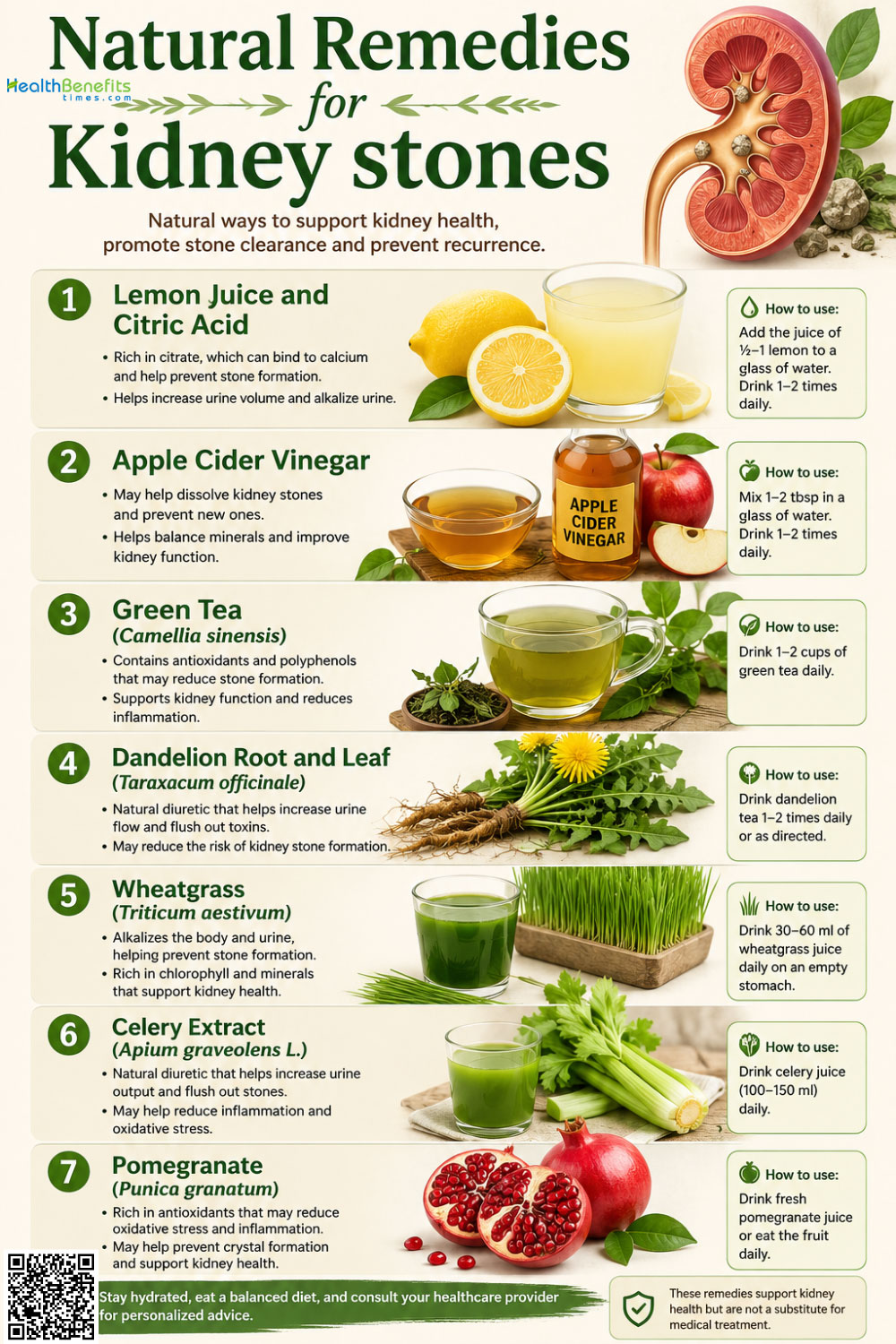
3. Green Tea (Camellia sinensis)
Steeping the leaves of the common tea plant yields a beverage brimming with deeply protective antioxidants. Green tea is saturated with specific phyto-phenols, most notably catechin and epigallocatechin-3-gallate (EGCG). These microscopic powerhouses travel through the bloodstream directly to the kidneys, where they neutralize harmful free radicals that cause oxidative stress and cellular damage. Beyond basic tissue protection, these compounds perform a remarkable physiological action: they actively reduce the expression of binding proteins on the surface of renal tubular cells. Without these specific binding sites, circulating calcium oxalate crystals cannot stick to the kidney tissue, allowing them to be safely washed away in the urine 16.
Note: You can incorporate this preventative measure by drinking one to two cups of freshly brewed green tea each day to maintain a steady stream of protective antioxidants in your urinary tract.
4. Dandelion Root and Leaf (Taraxacum officinale)
For generations, this common yellow flower has been prized as a profound botanical ally for comprehensive urinary health. Dandelion acts as a powerful, natural diuretic, gently stimulating the kidneys to increase urine production and flow. This enhanced flushing action is critical for clearing out stagnant minerals before they have the chance to settle and bond. Beyond its mechanical flushing capabilities, dandelion extracts possess strong anti-inflammatory properties. They soothe the internal lining of the urinary tract by reducing localized swelling that often accompanies passing crystal fragments. Furthermore, the root is packed with dietary fibers and natural antioxidants that restore balance to the body’s oxidative systems, sheltering the delicate renal tissues from further distress 17.
Note: You can consume dandelion by steeping the dried leaves or roasted roots in hot water to create a soothing herbal tea, drinking it up to twice a day to encourage optimal fluid turnover.
5. Wheatgrass (Triticum aestivum)
The vibrant green shoots of young wheat plants offer an intense concentration of life-sustaining nutrients and detoxifying compounds. Wheatgrass is heavily laden with chlorophyll, active enzymes, amino acids, and a rich repertoire of phenolic compounds. When processed by the digestive system, these elements work synergistically to repair cellular damage inflicted by environmental toxins and severe oxidative stress. In the kidneys, wheatgrass helps restore the natural mineral balance by reviving the activity of essential cellular pumps that regulate sodium and potassium. By preserving the structural integrity of the renal tissue and sweeping away harmful compounds, it creates an incredibly resilient environment where stone formation is actively suppressed 18.
Note: You can blend a small shot of fresh wheatgrass juice into your morning routine, or mix high-quality wheatgrass powder into a smoothie, to harness its dense nutritional and protective profile.
6. Celery Extract (Apium graveolens L.)
Often overlooked as a simple culinary vegetable, celery harbors highly specialized compounds capable of dismantling mineral threats. The primary medicinal agent in celery is apigenin, a potent flavonoid with distinct anti-inflammatory, antioxidant, and anticalculi (stone-breaking) properties. Once introduced into the urinary system, apigenin targets the structural integrity of calcium crystals. It effectively weakens the chemical bonds holding the calcium oxalate molecules together, leading to the gradual breakdown and decay of the solid material. Additionally, celery acts as a mild, natural diuretic, promoting the swift evacuation of these broken-down fragments from the bladder 19.
Note: You can juice fresh celery stalks to drink directly, or steep crushed celery seeds in hot water to create a medicinal tea, consuming it regularly to help dissolve early-stage mineral deposits.
7. Pomegranate (Punica granatum)
Revered in ancient medicinal traditions, this jewel-like fruit is a formidable opponent of crystal aggregation. Pomegranate juice and its seed extracts act directly on the earliest stages of stone creation, a microscopic process known as crystal nucleation. By modifying the biochemical makeup of the urine, the active polyphenols in pomegranate prevent microscopic minerals from clumping together in the first place. The fruit also exerts a strong alkalizing effect on the urinary tract, reducing the overall acidity of the fluid environment. This shift makes the kidneys profoundly inhospitable for both calcium and uric acid stones to gain any structural foothold 16.
Note: You can integrate this remedy by eating fresh, raw pomegranate arils over your meals, or by drinking a daily glass of pure, unsweetened pomegranate juice to lower your overall risk of mineral aggregation.
Is there any exercise or physical activities for Kidney stones
Movement is a fundamental pillar of health, and the physical mechanics of the human body play a surprisingly vital role in dictating internal fluid dynamics. Modifying your physical activity levels can drastically alter how your kidneys process and excrete waste.
1. Moderate Aerobic Physical Activity
Engaging the body in consistent, gentle-to-moderate movement proves to be exceptionally protective for the renal system. The physiological benefits of keeping the cardiovascular system active extend directly to the kidneys by optimizing blood flow and enhancing the overall filtration rate. Scientific evaluations demonstrate that maintaining a regimen of moderate physical activity such as brisk walking or light cycling significantly drives down the overall prevalence of kidney stones. This protective benefit is robust and operates on a dose-response plateau, meaning that regular daily movement yields high rewards without requiring intense athletic strain 20.
Note: You should aim for 30 to 60 minutes of moderate aerobic exercise every day, such as a brisk neighborhood walk or swimming, to maintain ideal renal blood flow without overtaxing your hydration reserves.
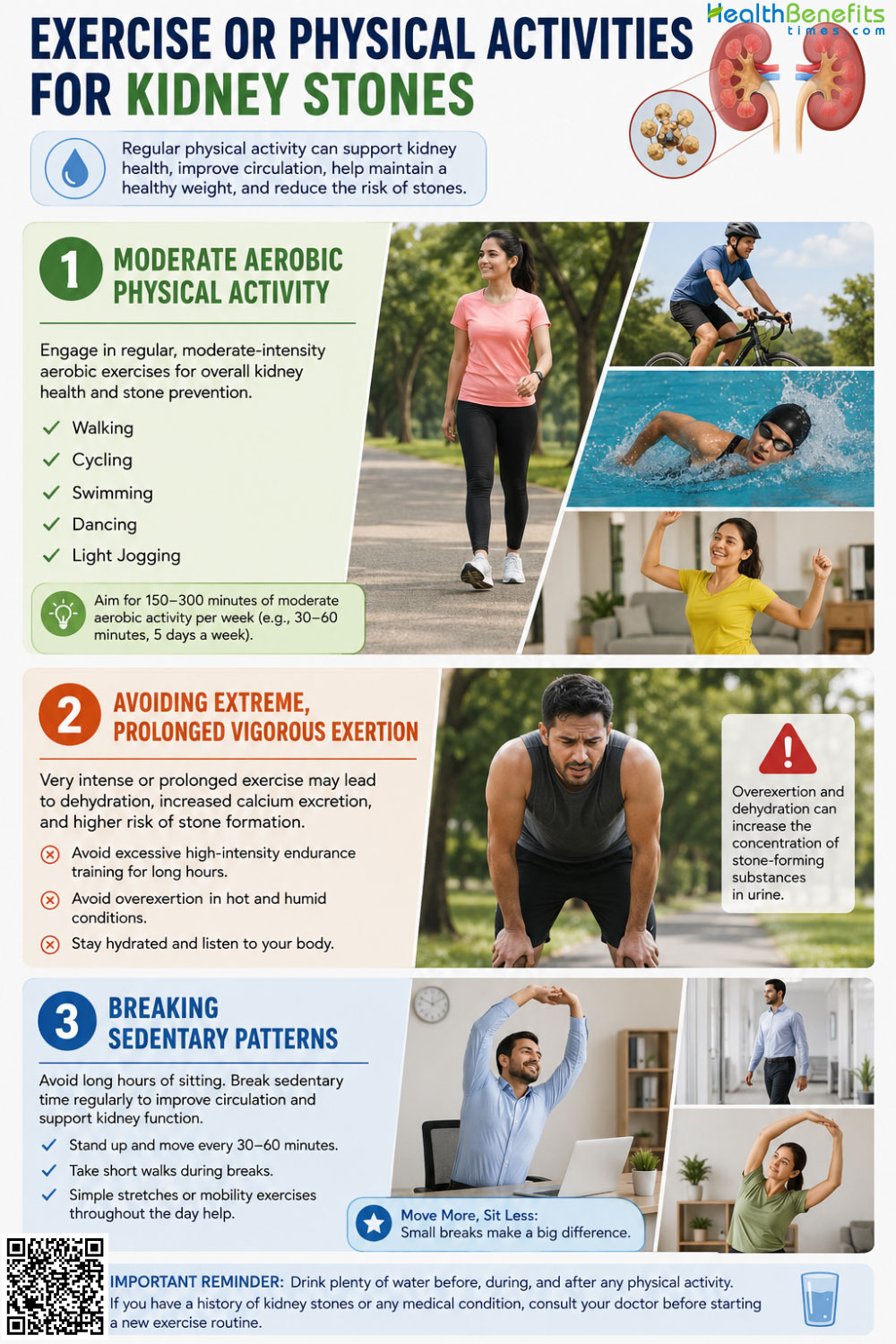
2. Avoiding Extreme, Prolonged Vigorous Exertion
While moderate movement is deeply beneficial, extreme physical exertion carries hidden risks for the urinary tract if not managed carefully. Pushing the body through prolonged, intense workouts generates massive amounts of sweat, rapidly depleting the body’s essential water stores. If this fluid is not immediately and adequately replaced, the urine becomes dangerously concentrated. Research indicates a distinct biological threshold: engaging in highly vigorous physical activity for more than roughly 240 minutes per day triggers a sharp, sudden increase in the prevalence of kidney stones due to severe metabolic strain and dehydration 21.
Note: You must consciously cap your extreme exertion limits and prioritize aggressive water consumption before, during, and after the activity if you participate in heavy lifting, marathon training, or intense interval workouts.
3. Breaking Sedentary Patterns
A highly sedentary lifestyle serves as a quiet catalyst for metabolic stagnation and renal sluggishness. Spending extensive continuous hours sitting heavily alters the body’s internal processing, contributing to poor circulation and a higher risk of systemic inflammation all of which are downstream risk factors for urolithiasis. Interestingly, the detrimental effects of sitting for six to eight hours a day can be partially offset by incorporating short, vigorous bursts of recreational activity. The mechanical jolt of physical movement helps prevent the settling of heavier minerals in the lower urinary pools 22.
Note: You should set a timer or digital reminder to stand up, stretch vigorously, or take a quick two-minute walking break every hour to disrupt long periods of sitting at a desk.
Foods and Activities to Avoid When You suffer from Kidney stones
Navigating the landscape of daily nutrition requires a strategic understanding of which dietary elements act as invisible adversaries to the urinary tract. By consciously avoiding specific inputs, you can keep your internal environment clear and fluid.
1. High-Oxalate Foods
You must carefully monitor your intake of oxalate, a plant-based compound that acts as the primary building block for the most common type of kidney stone. Foods exceptionally dense in this compound such as raw spinach, rhubarb, almonds, walnuts, and dark chocolate pass a heavy oxalate load directly into the kidneys. When you consume these items in large, unbalanced quantities, the oxalate quickly seeks out calcium in your urine to form rigid crystals 2.
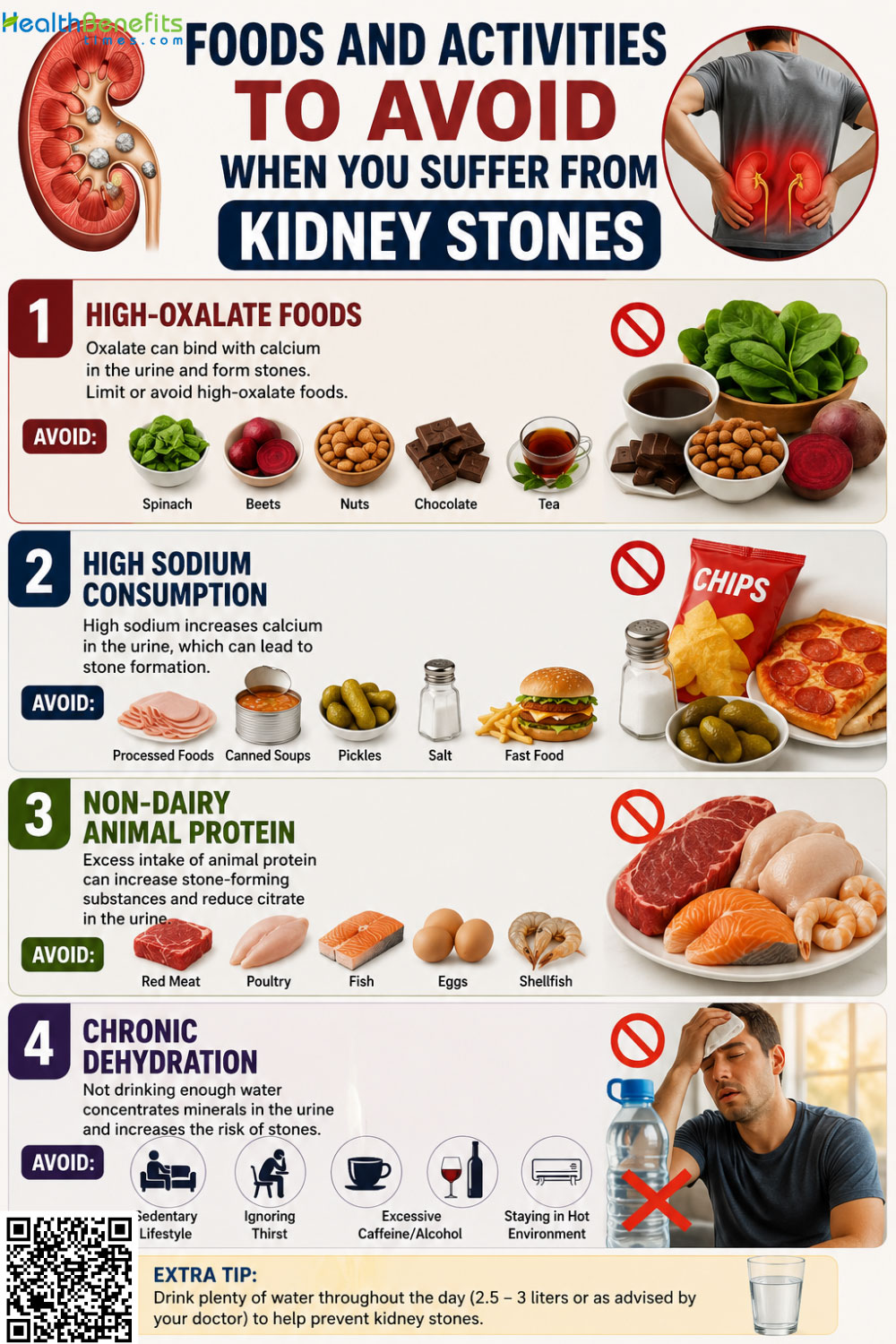
2. High Sodium Consumption
You should strictly limit your reliance on the salt shaker and processed foods. High levels of dietary sodium force your kidneys to purge massive amounts of calcium into your urine to balance your blood chemistry. This sudden influx of calcium acts as a magnet for any available oxalate, rapidly accelerating stone formation. Keeping your intake under 2,300 milligrams per day is critical to quieting this dangerous calcium spill 23.
3. Non-Dairy Animal Protein
You need to moderate your portion sizes of beef, pork, poultry, and certain seafood. The digestive breakdown of these heavy proteins generates an acidic tide within your body, culminating in the production of uric acid a waste product that directly forms stones. Furthermore, a high-protein diet actively depletes your body of protective citrate, stealing away the exact chemical needed to stop stones from growing 9.
4. Chronic Dehydration
You must never ignore your body’s thirst signals. The simple act of failing to drink enough pure water leaves your urine dark, highly concentrated, and overly acidic. This dehydrated state is the fastest and most direct route to stone formation, providing the perfect breeding ground for microscopic pebbles to aggregate 6.
Myths and Misconceptions
Separating scientific reality from deeply entrenched folklore is absolutely essential for true healing. Many common beliefs about managing this condition actively cause harm rather than providing the intended relief.
| Myth | Reality |
| I must completely stop eating calcium to stop calcium stones from forming. {% https://pmc.ncbi.nlm.nih.gov/articles/PMC4708574/ %} | This is the most dangerous misconception. A low-calcium diet actually increases your risk of stones. Dietary calcium binds to oxalate in the stomach and intestines, forcing it out through the digestive tract before it can ever reach the kidneys. The goal is to maintain a normal, healthy calcium intake from food sources. |
| Drinking store-bought lemonade is just as effective as using fresh lemon juice. 24 | Commercial lemonade beverages are heavily laden with refined sugars and high fructose corn syrup. Excess sugar actually increases the amount of calcium flushed out through the kidneys while dropping overall urine volume, completely negating the benefits of the tiny amount of citrus present. |
| The severe pain of a kidney stone is localized exclusively in the kidneys. 3 | The intense, agonizing pain is rarely generated from the kidney tissue itself. It is actually caused by the ureter (the narrow muscular tube connecting the kidney to the bladder) aggressively spasming as it attempts to push a solid blockage through a tiny space. |
| Taking artificial calcium pill supplements is exactly the same as eating calcium-rich foods. 25 | Artificial calcium supplements, especially when taken on an empty stomach, bypass the digestive binding process. This can spike calcium levels in the urine too quickly, slightly increasing stone risk. It is always safer to get calcium from whole foods or to take supplements strictly during a meal. |
Special Considerations
The human body is not a monolith, and the presence of mineral stones takes on wildly different clinical characteristics depending on a person’s specific stage of life and underlying health profile.
1. Children
Historically considered an ailment exclusive to middle age, the incidence of urolithiasis in the pediatric population has surged dramatically in recent decades. The clinical presentation in young children is notoriously elusive and difficult to pinpoint. Unlike adults who can accurately describe sharp flank pain, infants and toddlers often exhibit vague, generalized distress. They may present with unexplained irritability, a refusal to eat, constant crying, or sudden episodes of vomiting. Because these symptoms mirror many common childhood illnesses, the exact diagnosis is frequently delayed. When stones are finally suspected, physicians strictly rely on ultrasound imaging, purposely avoiding radiation-heavy CT scans to protect delicate, developing tissues. Every child who produces a stone requires an exhaustive, specialized metabolic evaluation to prevent lifelong recurrent kidney damage 26.
2. Pregnancy
The miraculous biological shifts of pregnancy create a unique and highly precarious environment for the renal system. During gestation, a woman’s kidneys physically expand, and the internal filtration rate increases dramatically, meaning a higher volume of calcium and other minerals are constantly moving through the urinary tract. When an acute stone blockage occurs, it introduces severe obstetric risks, including the potential for intractable abdominal pain to trigger premature uterine contractions and preterm labor. Management is exceptionally delicate. Standard diagnostic tools like unenhanced CT scans are heavily restricted to protect the growing fetus from ionizing radiation; thus, obstetricians rely heavily on targeted ultrasounds. If conservative hydration management fails, medical teams must intervene carefully, often opting to gently place a temporary stent to bypass the blockage until the postpartum period 27.
3. Chronic Conditions
Bodies burdened by chronic metabolic diseases face heavily compounded risks for urinary complications. Individuals suffering from obesity, type 2 diabetes, or severe hypertension naturally harbor highly acidic urine, drastically raising the biological likelihood of forming rapid-growth uric acid stones. Gout, a condition driven by systemic uric acid buildup in the joints, is a primary instigator of repeated kidney stone attacks. Management in these populations requires a sophisticated, holistic medical approach that simultaneously targets blood sugar control, insulin resistance, and joint inflammation alongside direct renal health therapies 28.
4. Elderly
As patients enter their advanced years, the body’s innate ability to sense thirst naturally diminishes, making the elderly particularly vulnerable to severe, unnoticed dehydration. This lack of fluid intake leads directly to rapid stone crystallization. Furthermore, elderly patients often take multiple prescription medications for other ailments, some of which can alter urinary pH or induce artificial dehydration. Managing stones in older adults requires careful monitoring of fluid intake and a thorough review of all pharmacological interactions to ensure that treatments for one disease do not inadvertently trigger a renal crisis 29.
Precaution before use of natural remedies when you have Kidney stones
The natural world offers potent and effective medicine, but biological interventions of any kind must be respected and applied with deliberate, educated caution to avoid accidental harm.
1. Do not abandon your prescribed medical protocols
You should view herbal teas and fruit extracts as exceptional tools for long-term prevention and assisting with the passage of micro-crystals, but they cannot instantly dissolve massive, obstructive stones. Relying solely on herbs during a complete urinary blockage can lead to severe, irreversible kidney damage or systemic infection 10.
2. Identify your exact stone type first
You must remember that natural remedies are not universally applicable. While increasing vitamin C and certain acidic juices might help break down calcium-based stones, doing so recklessly without knowing your stone’s chemical composition could inadvertently worsen uric acid or cystine-based stones 30.
3. Beware of hidden oxalates in strong botanical teas
You need to be aware that while green tea is generally protective, drinking massive, highly concentrated quantities of certain dark black teas or obscure botanical blends can flood your system with plant-based oxalates, unintentionally feeding the very stones you are trying to dissolve 31.
4. Balance fluid intake if you suffer from heart or kidney failure
You must consult a specialist if you have congestive heart failure or advanced chronic kidney disease. While aggressive hydration is the golden rule for stone prevention, damaged organs cannot process large volumes of water or strong natural diuretics, which can cause dangerous fluid buildup in your lungs and extremities 32.
5. Time your natural dietary supplements properly
You must ensure that if you are utilizing calcium-rich foods or natural supplements to block oxalate absorption, they are consumed at the exact same time as your meals. Taking them on an empty stomach bypasses the digestive binding process entirely, rendering them useless for prevention 33.
When to see Doctor
While tiny, microscopic pebbles can often be managed quietly at home with aggressive hydration and natural therapies, the urinary system is highly sensitive to severe pressure and bacterial infection. Delaying professional care during a crisis can quickly escalate a painful situation into a life-threatening medical emergency.
1. Intractable, agonizing pain
You should seek immediate emergency care if the pain in your back or abdomen is so severe that you cannot sit still, find a comfortable resting position, or are driven to the floor in agony, as the stone is likely causing a high-grade anatomical obstruction 34.
2. High fever and intense shaking chills
You must go to a hospital immediately if the sudden onset of a high fever is accompanied by violent chills. This combination strongly indicates that stagnant urine trapped behind the stone has become deeply infected, which can rapidly lead to fatal urosepsis 35.
3. Complete inability to urinate
You need urgent medical decompression if you feel the intense, burning urge to empty your bladder but absolutely no fluid will pass. This signifies that the stone has entirely blocked the exit pathways, causing toxins to back up into your bloodstream 3.
4. Heavy, visible blood in the urine
You should be evaluated by a physician if you notice thick, dark red blood or visible blood clots in your urine. While a faint pink tinge is common, heavy bleeding signals severe internal tissue trauma that requires an immediate professional evaluation 36.
5. Uncontrollable, violent vomiting
You must seek intravenous hydration if the waves of pain trigger such intense nausea that you cannot hold down any water or natural remedies. This dehydration will actively cause the stone to grow larger and become further wedged in the urinary tract 37
Comments
comments