

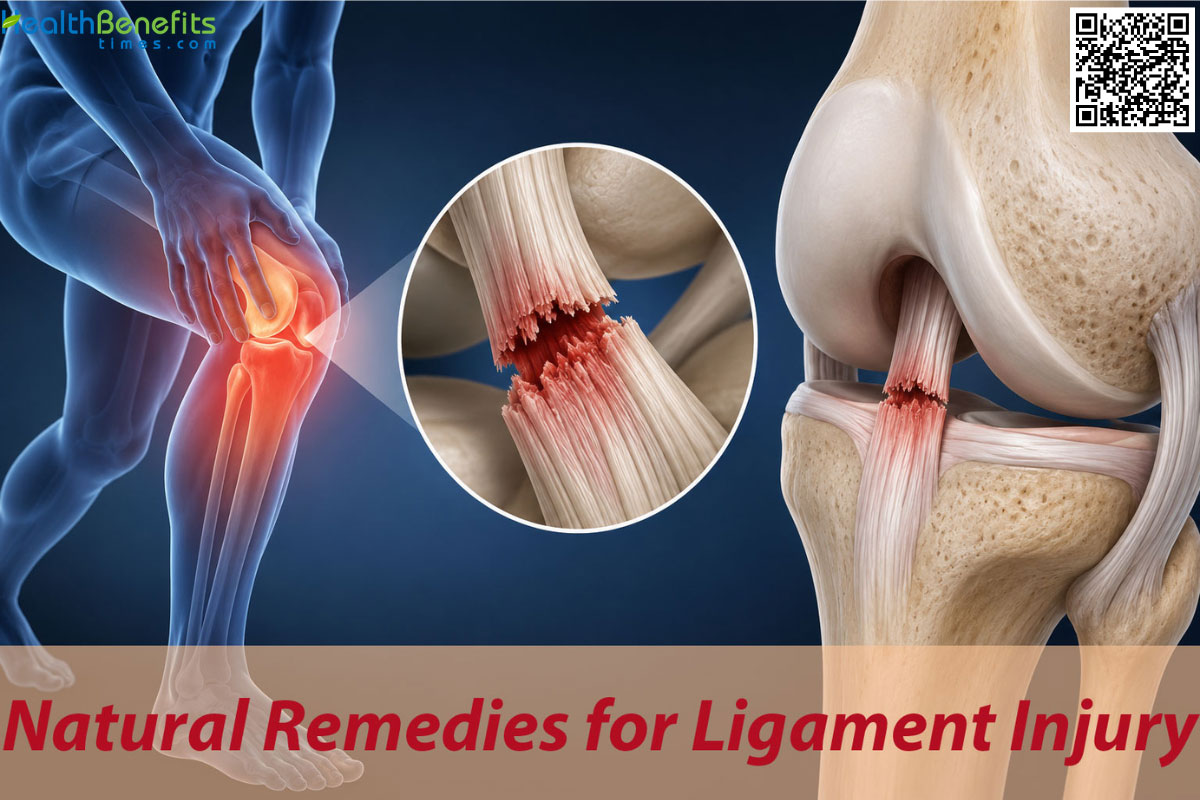
Causes of Ligament Injury
- Sudden Twisting or Rolling: Unnatural turning or twisting of a joint, commonly occurring in the ankle or knee when walking or running on uneven surfaces.
- Direct Impact or Trauma: A forceful blow to the body, such as colliding with another person during contact sports or experiencing a severe fall, which forcefully displaces the joint.
- Awkward Landings: Landing improperly from a jump, which places sudden and extreme mechanical stress on the supporting ligaments.
- Joint Hyperextension: Forcing a joint to bend or stretch beyond its normal physiological range of motion.
- Rapid Directional Changes: Abruptly stopping, pivoting, or shifting body weight while the foot remains firmly planted on the ground. 3, 4
Symptoms of Ligament Injury
- Pain: Often sudden and severe, typically worsening when pressure is applied, weight is borne, or the affected joint is moved.
- Swelling: Rapid inflammation and accumulation of fluid in the soft tissues surrounding the injured area.
- Bruising: Dark discoloration of the skin around the joint, resulting from minor bleeding in the underlying torn tissues.
- Limited Range of Motion: Noticeable stiffness and an inability to move the joint freely through its normal, functional path.
- Popping or Tearing Sensation: An audible or physically felt “pop,” “snap,” or tearing sensation at the exact moment the trauma occurs.
- Joint Instability: A feeling that the joint is abnormally loose, weak, or prone to buckling and giving out during use. 5, 1
Natural Remedies for Ligament Injury
1. The R.I.C.E. Protocol: Rest, Ice, Compression, and Elevation
How it may help
The R.I.C.E. method Rest, Ice, Compression, and Elevation serves as the primary first-aid treatment for acute soft tissue damage 4. It helps control ligament injuries by minimizing internal bleeding, reducing immediate swelling, and relieving severe pain during the first few days after the trauma occurs.
What research says
Clinical guidelines suggest that applying the R.I.C.E. protocol within the first 24 to 48 hours significantly decreases pain and soft tissue inflammation 6. However, medical reviews indicate that while ice provides excellent short-term pain relief, prolonged freezing might actually slow down the body’s natural cellular healing processes 7.
How to use it safely
To use this method safely, you should rest the injured joint and apply a cloth-wrapped ice pack for 15 to 20 minutes several times daily 8. Wrap the area with an elastic bandage for mild compression, and elevate your limb above heart level to drain excess fluid.
Potential precautions or side effects
Never apply ice directly to your bare skin, as this can cause severe frostbite 9. Additionally, avoid wrapping bandages too tightly to prevent cutting off your healthy blood circulation.
2. Early Controlled Movement and Gentle Mobilization
How it may help
Transitioning from total rest to early controlled movement encourages healthy blood flow and proper alignment of newly forming tissue fibers 10. This gentle physical stress prevents severe joint stiffness and muscle wasting that often occur after prolonged immobilization, ultimately helping the recovering ligament regain its normal flexibility 11.
What research says
Clinical evidence demonstrates that early functional rehabilitation leads to a faster return to daily activities and work compared to extended periods of complete casting 12. Patients who incorporate gentle joint mobilization early in recovery experience better long-term mechanical stability and a lower risk of future re-injury 13.
How to use it safely
You should begin with simple, pain-free range-of-motion exercises, such as slowly flexing the joint, only after the initial acute swelling subsides 14. Gradually introduce mild weight-bearing activities while wearing a supportive brace, ensuring you increase physical demands strictly based on your personal comfort 15.
Potential precautions or side effects
Never force joint movements that trigger sharp or worsening pain, as excessive early stress can disrupt fragile healing structures 1. Aggressive stretching risks tearing the repairing ligament further.
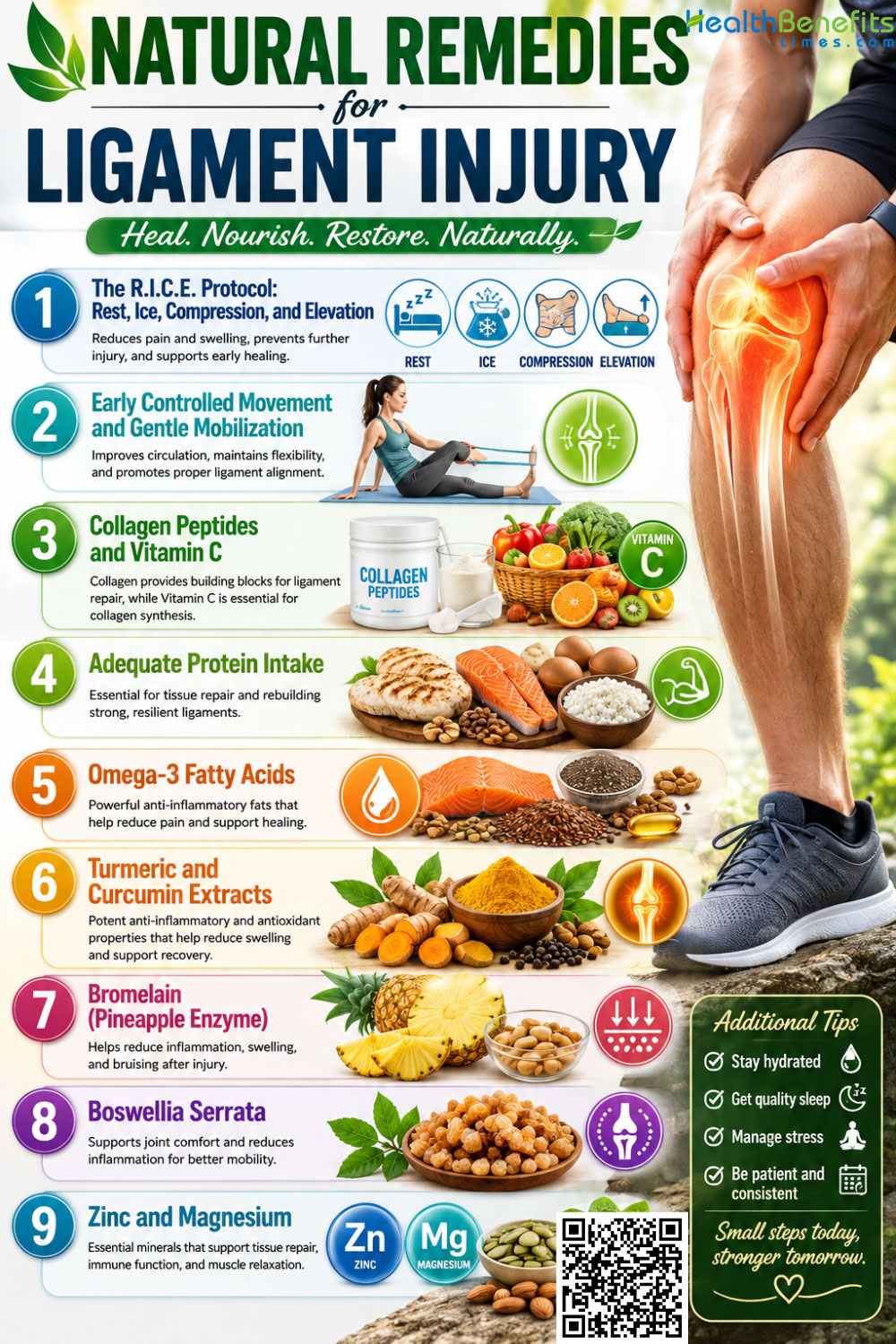
3. Collagen Peptides and Vitamin C
How it may help
Collagen peptides supply essential amino acids, such as proline and glycine, which act as vital building blocks for connective tissue repair 16. Vitamin C plays a crucial role in this biological process by promoting the hydroxylation of these specific amino acids, ultimately increasing structural strength and ligament elasticity 17.
What research says
Clinical evidence demonstrates that regular collagen supplementation significantly improves perceived mechanical stability and functional properties in unstable joints 18. Furthermore, human trials indicate that consuming vitamin-enriched gelatin shortly before physical activity directly augments natural tissue synthesis during the post-exercise recovery period 19.
How to use it safely
To maximize absorption, you should consume a daily dose of high-quality hydrolyzed collagen powder about one hour before engaging in your physical rehabilitation exercises 20. Ensure the supplement contains added ascorbic acid, or drink it with citrus juice, to effectively activate the rebuilding process.
Potential precautions or side effects
Although oral collagen supplementation is generally safe, some individuals may experience mild gastrointestinal discomfort, including temporary nausea, mild flatulence, or a feeling of heaviness in the stomach 21.
4. Adequate Protein Intake
How it may help
Consuming enough high-quality dietary protein provides the essential amino acids required to rebuild damaged soft tissues and accelerate the structural repair of torn ligaments 22. Furthermore, maintaining an adequate protein intake helps preserve the vital muscle mass surrounding the injured joint during periods of forced physical rest 23.
What research says
Clinical evidence suggests that increasing dietary protein during periods of joint immobilization significantly reduces the rapid loss of surrounding muscle strength 24. Nutritional studies consistently indicate that patients who meet higher protein requirements experience faster overall tissue regeneration and a more complete return to normal joint function 25.
How to use it safely
You should aim to evenly distribute your daily protein consumption across multiple meals to maximize the continuous biological process of tissue repair 26. Focus on incorporating high-quality, lean sources such as poultry, fish, eggs, and legumes to meet your body’s elevated nutritional demands during recovery 27.
Potential precautions or side effects
Excessively high protein diets may strain the kidneys, particularly in individuals with pre-existing renal conditions 28. Ensure adequate daily water intake to support healthy nutrient processing 29.
5. Omega-3 Fatty Acids
How it may help
Omega-3 fatty acids actively regulate the body’s natural inflammatory response following tissue trauma 30. By reducing cellular swelling and joint stiffness, these essential nutrients create a more favorable biological environment for torn ligaments to recover efficiently 31.
What research says
Clinical evidence indicates that omega-3 supplementation significantly decreases the production of pro-inflammatory compounds during the acute phase of soft tissue injury 32. Furthermore, nutritional research demonstrates that maintaining adequate omega-3 levels helps prevent severe muscle wasting while an injured joint remains immobilized 33.
How to use it safely
You should consume fatty fish like salmon or mackerel at least twice a week to obtain natural omega-3s 34. If choosing oral supplements, select purified fish oil capsules providing balanced amounts of EPA and DHA to effectively support your joint recovery 35.
Potential precautions or side effects
High doses of fish oil can mildly increase your risk of bleeding 36. Always consult your healthcare provider before starting supplements, especially if you currently take prescription blood thinners 37.
6. Turmeric and Curcumin Extracts
How it may help
Curcumin, the active biological compound found in turmeric, acts as a powerful natural anti-inflammatory agent 38. It helps control ligament injuries by blocking specific cellular enzymes that cause pain and soft tissue swelling during the acute phase of recovery 39.
What research says
Clinical evidence demonstrates that standardized curcumin extracts can reduce joint pain and physical stiffness as effectively as common over-the-counter anti-inflammatory medications 40. Furthermore, biological research indicates that this botanical compound significantly accelerates the cellular repair of damaged connective tissues while protecting surrounding cells from further stress 41.
How to use it safely
You should choose curcumin supplements that contain black pepper extract, or piperine, which drastically increases the body’s ability to absorb the active ingredients 42. Take the capsules alongside a meal containing healthy fats to further enhance its natural therapeutic benefits for joint recovery 43.
Potential precautions or side effects
High doses of turmeric can cause mild gastrointestinal upset or increase your risk of bleeding 44. Always consult a doctor if you are taking prescription blood-thinning medications 45.
7. Bromelain (Pineapple Enzyme)
How it may help
Bromelain, a complex mixture of protein-digesting enzymes derived from the pineapple plant, actively reduces localized swelling and deep tissue inflammation 46. By breaking down metabolic waste products and excess fluid trapped at the injury site, this natural compound effectively accelerates the biological clearance of severe bruising and edema following a ligament tear 47.
What research says
Clinical evidence indicates that administering oral bromelain supplements significantly decreases acute physical pain and joint swelling during the initial phases of soft tissue recovery 48. Furthermore, medical evaluations demonstrate that patients utilizing these specific plant enzymes experience a notably faster restoration of normal joint mobility compared to those relying solely on standard rest protocols 49.
How to use it safely
To achieve systemic anti-inflammatory effects, you should consume oral bromelain capsules on a completely empty stomach 50. This timing allows the active enzymes to absorb directly into your blood circulation to target joint inflammation, rather than simply digesting the proteins in your recent meal 51.
Potential precautions or side effects
Bromelain mildly increases bleeding risks, meaning you must avoid it alongside prescription blood thinners 52. Furthermore, individuals with known pineapple allergies may experience sudden and severe allergic reactions 53.
8. Boswellia Serrata
How it may help
Boswellia serrata, commonly known as Indian frankincense, contains active botanical compounds called boswellic acids that naturally suppress the body’s inflammatory responses 54. By actively blocking specific enzymes responsible for localized tissue swelling, this herbal extract helps reduce severe joint pain and physical stiffness during the ligament healing process 55.
What research says
Clinical evidence demonstrates that standardized Boswellia extracts significantly decrease joint discomfort and improve physical mobility within a few days of use 56. Furthermore, medical evaluations indicate that this plant extract manages soft tissue inflammation as effectively as traditional over-the-counter pain medications while causing significantly fewer digestive complications 57.
How to use it safely
You should choose high-quality Boswellia supplements standardized to contain at least 60 percent boswellic acids for maximum therapeutic effect 58. Take the oral capsules daily alongside a meal containing healthy fats, as this dramatically improves the natural absorption of the active ingredients into your bloodstream 59.
Potential precautions or side effects
Boswellia is generally safe but occasionally causes mild acid reflux, nausea, or mild diarrhea 60. You must avoid it if you currently take prescription non-steroidal anti-inflammatory drugs 61.
9. Zinc and Magnesium
How it may help
Zinc is an essential trace mineral required for cellular division, natural collagen production, and structural tissue regeneration following physical trauma 62. Magnesium complements this biological process by relaxing the surrounding muscles, thereby reducing mechanical tension on the repairing ligament while actively supporting necessary protein synthesis 63.
What research says
Clinical evidence indicates that a physiological deficiency in these vital trace minerals significantly delays the natural healing process of damaged connective tissues 64. Furthermore, medical evaluations demonstrate that maintaining optimal cellular magnesium levels effectively suppresses localized inflammation and prevents painful muscle spasms around the unstable joint 65.
How to use it safely
You should primarily focus on consuming mineral-rich whole foods, such as pumpkin seeds, leafy greens, and almonds, throughout your active recovery phase 66. If utilizing oral supplements, take magnesium glycinate before bedtime to enhance natural muscle relaxation while keeping daily zinc doses within safe recommended limits 67.
Potential precautions or side effects
Excessive long-term zinc supplementation often causes acute nausea and can dangerously deplete your body’s essential copper stores 68. High doses of oral magnesium frequently trigger abdominal cramping and severe diarrhea 69.
Foods to Avoid When You Suffer from Ligament Injury
1. Refined Sugars
High sugar intake spikes blood glucose levels, triggering the release of pro-inflammatory cytokines that can worsen joint swelling and significantly delay the natural ligament healing process. 70, 71
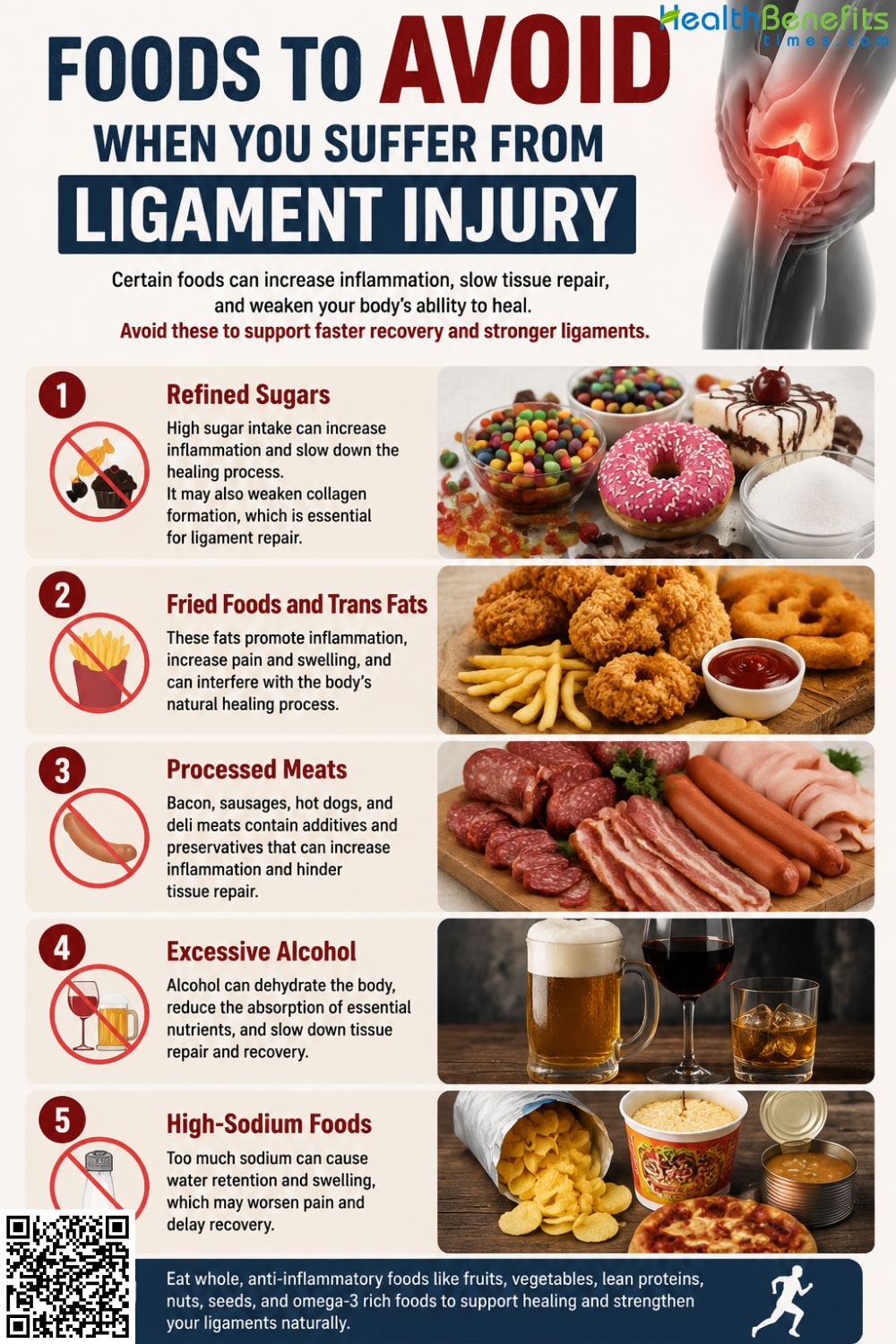
2. Fried Foods and Trans Fats
Deep-fried foods contain artificial trans fats that aggressively promote systemic cellular inflammation, creating an unfavorable biological environment for soft tissue repair and structural joint recovery. 72, 73
3. Processed Meats
Meats like bacon and hot dogs contain advanced glycation end products and chemical preservatives that directly stimulate severe tissue inflammation and harmful oxidative stress around the injured joint. 74, 75
4. Excessive Alcohol
Consuming alcohol impairs your immune response, severely dehydrates connective tissues, and interrupts vital muscle protein synthesis, ultimately slowing down the biological rebuilding of torn ligament fibers. 76, 77
5. High-Sodium Foods
Eating excessively salty foods causes your body to retain extra water, which can drastically increase uncomfortable fluid accumulation and painful soft tissue swelling directly around the acute injury site. 78, 79
When To see Doctor when you have Ligament Injury
1. Inability to Bear Weight
Seek immediate medical care if you cannot put any weight on the injured limb or if the joint feels completely unstable when attempting to stand or walk. 80, 81
2. Visible Joint Deformity
You should consult a physician immediately if the affected joint looks noticeably crooked, exhibits an unnatural angle, or has abnormal lumps compared to your uninjured side. 82, 83
3. Severe, Unmanageable Pain
Contact a healthcare professional if your pain remains unbearable despite resting, applying ice, and taking over-the-counter medications, as this indicates a potentially severe structural tear. 84, 85
4. Numbness or Tingling
Immediate medical attention is required if you experience persistent numbness, tingling, or a noticeable loss of sensation below the injured area, which suggests dangerous nerve compression. 86, 87
5. Lack of Improvement
Schedule a doctor’s appointment if acute swelling and stiffness do not significantly improve within a few days of utilizing conservative home treatments and the basic R.I.C.E. protocol. 88, 89
Comments
comments