

Causes of Low Blood Sugar (Hypoglycemia)
- Diabetes Medications: Taking excessively high doses of insulin or certain oral diabetes drugs, such as sulfonylureas, causes the body’s cells to absorb glucose too rapidly, quickly depleting blood sugar reserves 1.
- Skipping or Delaying Meals: Failing to eat on a regular schedule deprives the body of the incoming carbohydrates required to produce and maintain adequate blood glucose levels 2.
- Excessive Alcohol Consumption: Drinking large amounts of alcohol, especially on an empty stomach, physically blocks the liver from releasing stored glucose into the bloodstream, which can trigger severe drops in blood sugar 4.
- Unplanned Physical Activity: Engaging in intense or prolonged exercise forces the muscles to consume blood glucose rapidly, which can significantly lower sugar levels both during the activity and for up to 24 hours afterward 5.
- Severe Underlying Illnesses: Advanced liver disease, kidney failure, and widespread systemic infections can impair the vital organs responsible for producing, storing, and clearing glucose from the body 3.
- Hormonal Deficiencies: Medical conditions affecting the adrenal or pituitary glands, such as Addison’s disease, reduce the production of essential hormones like cortisol that naturally help stabilize blood sugar 3.
- Insulin-Producing Tumors: Rare pancreatic growths known as insulinomas trigger the pancreas to overproduce and secrete excessive amounts of insulin, causing blood sugar to plummet regardless of a person’s diet 6.
Symptoms of Low Blood Sugar (Hypoglycemia)
- Tremors and Shakiness: As blood glucose levels fall, the body defensively releases epinephrine (adrenaline) to stimulate liver glucose production, which commonly manifests as uncontrollable muscle tremors or shaking hands 1.
- Excessive Sweating: The sudden drop in blood sugar triggers a heightened autonomic nervous system response, leading to a sudden onset of cold, clammy sweating as the body reacts to physiological stress 2.
- Rapid Heartbeat (Tachycardia): The surge in stress hormones intended to counter the dropping sugar levels causes the heart to pump faster and harder, resulting in the sensation of heart palpitations or a racing pulse 5.
- Intense Hunger: A sudden deficit in circulating glucose strongly stimulates the brain’s appetite regulation centers, creating an urgent and acute need to consume food to restore cellular energy supplies 1.
- Confusion and Altered Behavior: Because the brain relies on a continuous, uninterrupted supply of glucose for optimal function, a deficit impairs cognitive processing, resulting in disorientation, slurred speech, or unexplained irritability 2.
- Dizziness and Weakness: Reduced glucose availability to the central nervous system rapidly compromises physical coordination and overall strength, leaving individuals feeling unsteady, faint, or physically exhausted 5.
- Seizures or Loss of Consciousness: In severe cases where blood sugar remains critically low for an extended period, the profound energy starvation of brain cells can induce complete neurological dysfunction, leading to convulsions or a coma 3.
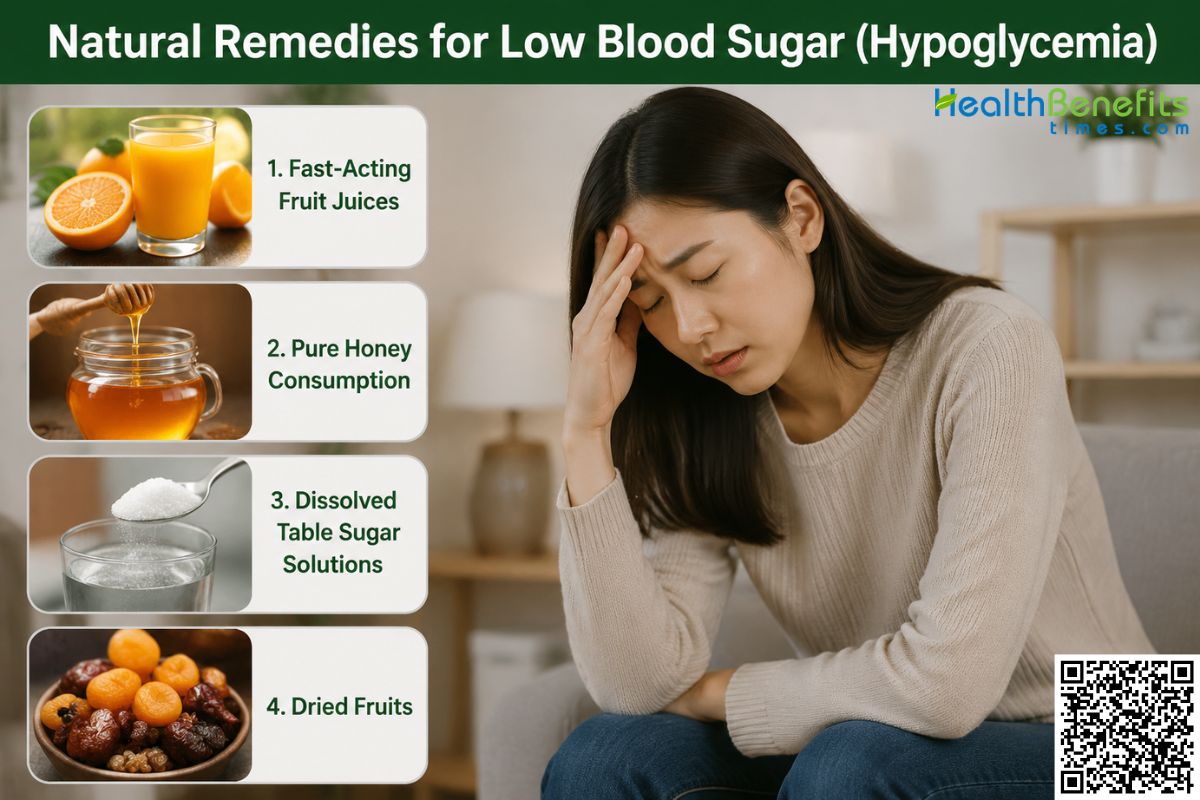
Natural Remedies for Low Blood Sugar (Hypoglycemia)
1. Fast-Acting Fruit Juices
How it may help
Fruit juices contain concentrated simple carbohydrates in a liquid form. The body absorbs these liquid sugars rapidly through the digestive tract because it does not need to break down solid fibers. This process delivers an immediate, predictable rise in circulating blood glucose to resolve acute low blood sugar quickly.
What research says
Clinical guidelines confirm that consuming 15 grams of liquid carbohydrates rapidly restores normal blood glucose levels during hypoglycemic events. This targeted carbohydrate intervention reliably reverses physical symptoms and prevents severe neurological complications within 15 minutes, serving as the standard first-line treatment for conscious individuals 1.
How to use it safely
Drink exactly one-half cup, or four ounces, of a standard fruit juice like apple or orange. Wait exactly 15 minutes, then check your blood sugar again. If your levels remain below 70 mg/dL, repeat the process with another four ounces 5.
Potential precautions or side effects
Do not drink more than four ounces at once. Over-treating causes extreme blood sugar spikes. You must also avoid using low-calorie or artificially sweetened diet juices, which lack active carbohydrates 5.
2. Pure Honey Consumption
How it may help
Pure honey is a dense source of naturally occurring simple sugars, primarily glucose and fructose. The digestive system absorbs these simple carbohydrates almost immediately, delivering a rapid and concentrated rise in circulating blood glucose to quickly resolve the physical symptoms of an acute hypoglycemic episode.
What research says
Clinical guidelines endorse consuming 15 grams of simple carbohydrates, such as honey, to rapidly treat acute low blood sugar. Medical protocols confirm this specific measured amount effectively restores normal blood glucose levels within 15 minutes, preventing severe complications without causing massive rebound sugar spikes 1.
How to use it safely
Consume exactly one tablespoon of pure honey during a low blood sugar episode. Wait 15 minutes, then test your blood glucose levels. If your reading remains below 70 mg/dL, eat another tablespoon. Once your levels stabilize, consume a small snack containing complex carbohydrates and protein.
Potential precautions or side effects
Never give honey to infants under one year old due to botulism risks. Avoid consuming more than one tablespoon at once to prevent extreme rebound high blood sugar spikes.
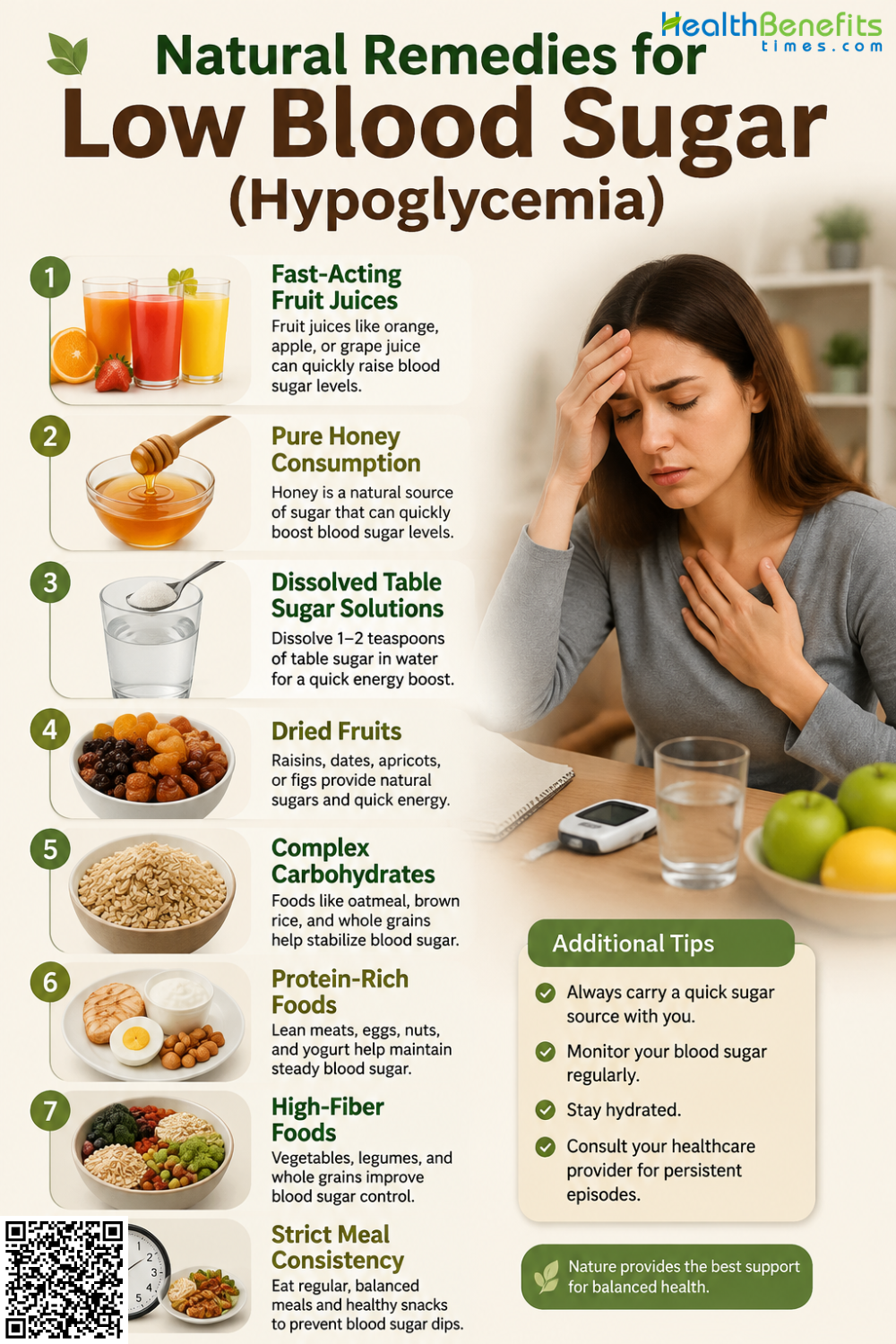
3. Dissolved Table Sugar Solutions
How it may help
Dissolving standard table sugar in water creates a liquid sucrose solution that bypasses the need for extensive digestion. The body rapidly breaks down this liquid sugar into glucose and absorbs it directly through the intestinal walls, providing a fast and reliable spike in circulating blood sugar.
What research says
Endocrinology guidelines endorse the “15-15 rule,” which utilizes 15 grams of simple carbohydrates to quickly reverse acute hypoglycemic episodes. Clinical protocols confirm that consuming this exact measurement of dissolved sucrose successfully restores safe blood glucose levels within 15 minutes, thereby preventing severe neurological impairment 1.
How to use it safely
Dissolve exactly one tablespoon of standard table sugar into a small glass of water and drink it completely. Wait 15 minutes before testing your blood glucose levels. If your reading remains below 70 mg/dL, consume one more tablespoon of dissolved sugar and test again.
Potential precautions or side effects
Avoid exceeding one tablespoon per treatment cycle to prevent dangerous rebound hyperglycemia. Never administer liquids to an unconscious individual due to the severe risk of choking and aspiration.
4. Dried Fruits
How it may help
The dehydration process in dried fruits concentrates their natural sugars, primarily glucose and fructose. This creates a dense source of simple carbohydrates that the digestive system absorbs quickly. When consumed during a hypoglycemic event, these concentrated sugars rapidly enter the bloodstream to quickly elevate blood glucose levels and relieve physical symptoms.
What research says
Clinical diabetes management protocols identify dried fruits, specifically two tablespoons of raisins, as an effective delivery method for the recommended 15 grams of simple carbohydrates. Medical guidelines confirm this precise measurement rapidly and safely restores normal blood glucose levels during acute hypoglycemic episodes without causing severe rebound hyperglycemia 5.
How to use it safely
Consume exactly two tablespoons of dried fruit, such as raisins or dried cranberries, during a low blood sugar episode. Wait precisely 15 minutes before retesting your blood glucose. If your levels remain below 70 mg/dL, eat another two tablespoons and test again.
Potential precautions or side effects
Avoid consuming more than two tablespoons at once to prevent extreme blood sugar spikes. Ensure you chew the fruit thoroughly to speed up digestion and prevent choking hazards.
5. Complex Carbohydrates
How it may help
Complex carbohydrates consist of long chains of sugar molecules that require more time for the digestive system to break down. This extended digestion process provides a slow, steady release of glucose into the bloodstream, which stabilizes energy levels and prevents the sudden, severe drops in blood sugar that often follow rapid glucose spikes.
What research says
Clinical dietary guidelines confirm that consuming complex carbohydrates is essential for long-term blood glucose stabilization. Medical protocols dictate that once normal blood sugar is restored using fast-acting sugars, patients must consume a meal containing complex carbohydrates to maintain stable glucose levels and prevent recurrent hypoglycemic episodes 1.
How to use it safely
After treating an active low blood sugar episode with simple sugars, wait until your levels normalize. Then, eat a small snack containing complex carbohydrates, such as whole grain bread or oatmeal, especially if your next scheduled meal is more than an hour away.
Potential precautions or side effects
Never use complex carbohydrates to treat an active, severe low blood sugar emergency. Their slow digestion rate delays the immediate glucose delivery required to reverse acute hypoglycemic symptoms.
6. Protein-Rich Foods
How it may help
Protein-rich foods do not rapidly convert into glucose, but they play a crucial role in stabilizing blood sugar when eaten alongside carbohydrates. Protein naturally slows down the overall digestive process, which delays carbohydrate absorption. This prevents sudden spikes and subsequent crashes, maintaining stable blood glucose levels over time.
What research says
Clinical guidelines state that consuming protein alongside carbohydrates is vital for ongoing glucose stabilization. Medical protocols recommend eating a protein-rich snack after initially treating acute hypoglycemia with simple sugars. This dietary combination effectively prevents rebound drops in blood sugar and sustains normal energy levels between meals 1.
How to use it safely
First, always treat active low blood sugar with fast-acting simple carbohydrates. Once your levels stabilize above 70 mg/dL, eat a snack containing both protein and complex carbohydrates, such as peanut butter on whole grain crackers, especially if your next meal is over an hour away.
Potential precautions or side effects
Never use protein to treat an active low blood sugar emergency. Protein slows digestion, dangerously delaying the absorption of the fast-acting sugars required to quickly reverse acute symptoms.
7. High-Fiber Foods
How it may help
High-fiber foods do not break down into sugar. Instead, fiber physically slows the digestive process and delays the absorption of carbohydrates into the bloodstream. This gradual absorption prevents sudden blood sugar spikes and the severe crashes, known as reactive hypoglycemia, that often follow them.
What research says
Clinical research confirms that high dietary fiber intake, particularly soluble fiber, significantly improves long-term glycemic control. Medical reviews conclude that fiber physically thickens stomach contents, which steadily regulates glucose release and effectively reduces the frequency of hypoglycemic episodes in susceptible individuals 7.
How to use it safely
Incorporate fiber-rich foods, such as beans, lentils, and leafy greens, into your daily meals to maintain stable baseline blood sugar. Always increase your dietary fiber intake gradually and drink plenty of water to prevent uncomfortable digestive issues.
Potential precautions or side effects
Never consume high-fiber foods to treat an active low blood sugar emergency. Their slow digestion rate dangerously delays the rapid glucose absorption required for immediate symptom relief.
8. Strict Meal Consistency
How it may help
Eating meals and snacks at the exact same times every day provides the body with a continuous, predictable supply of carbohydrates. This reliable routine prevents glucose reserves from depleting and ensures that energy levels remain stable, particularly for individuals whose bodies cannot regulate insulin effectively.
What research says
Clinical diabetes management guidelines identify delayed or skipped meals as a primary trigger for hypoglycemic events. Medical experts conclude that maintaining a strict, consistent eating schedule successfully aligns carbohydrate intake with medication activity, effectively preventing severe and unexpected drops in circulating blood glucose 1.
How to use it safely
Establish a daily schedule to eat meals and snacks every three to four hours. Use alarms to remind yourself to eat on time. Never skip or delay meals, and always carry a fast-acting carbohydrate snack in case your schedule is unexpectedly disrupted.
Potential precautions or side effects
Forcing yourself to overeat simply to maintain a schedule can lead to unwanted weight gain and chronically high blood sugar. Always adjust portion sizes to match your physical activity.
Foods to Avoid When You Suffer from Low Blood Sugar (Hypoglycemia)
Dietary management is critical for individuals susceptible to low blood sugar. Avoiding specific foods and beverages prevents sudden insulin spikes, subsequent severe crashes, and impaired liver function.
1. Alcohol Without Food
Alcohol physically blocks the liver from releasing stored glucose into the bloodstream, which rapidly triggers severe, prolonged hypoglycemic episodes in susceptible individuals 1.
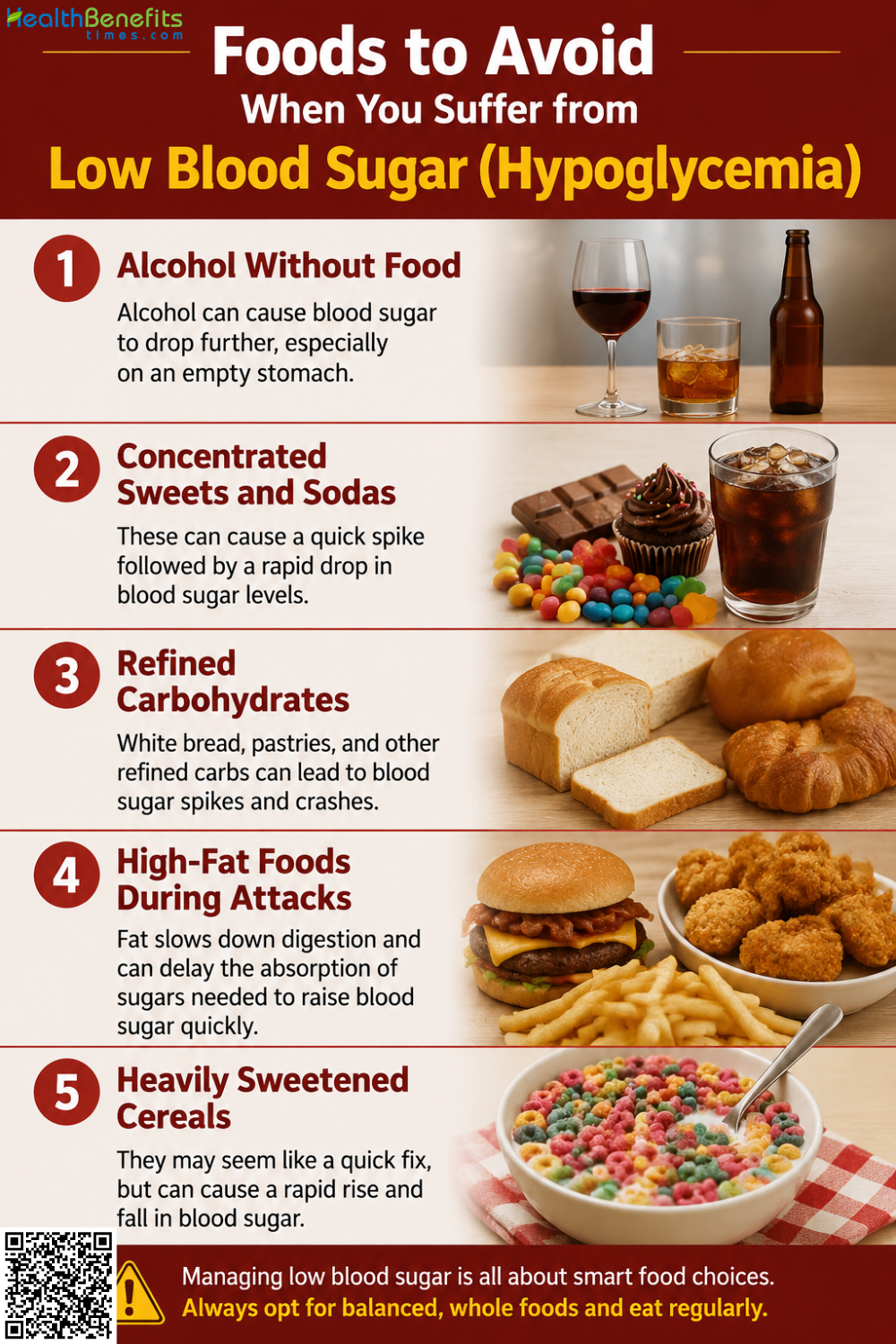
2. Concentrated Sweets and Sodas
High-sugar foods trigger massive, immediate insulin surges that quickly clear glucose from the blood, causing a severe rebound drop known as reactive hypoglycemia 8.
3. Refined Carbohydrates
Processed grains, such as white bread, rapidly digest into glucose, forcing the pancreas to overproduce insulin, which subsequently causes blood sugar levels to crash suddenly 2.
4. High-Fat Foods During Attacks
Dietary fats significantly slow digestion. Eating high-fat treats like chocolate during an active episode dangerously delays the absorption of carbohydrates needed for immediate relief 5.
5. Heavily Sweetened Cereals
Consuming sugary cereals causes an immediate glucose spike and subsequent rapid crash, completely destabilizing baseline blood sugar levels and increasing the risk of daytime hypoglycemic events 7.
When to See a Doctor When You Struggle from Low Blood Sugar (Hypoglycemia)
Persistent or severe low blood sugar requires professional medical evaluation to prevent life-threatening neurological complications and to adjust ongoing treatment plans safely.
1. Frequent Low Blood Sugar Events
You must consult a doctor if you experience hypoglycemia multiple times weekly, as this indicates an urgent need to adjust current diabetes medication dosages 1.
2. Hypoglycemia Unawareness
Seek immediate medical evaluation if you stop feeling early warning signs, like shaking, because this severely increases the risk of unexpected, life-threatening drops in blood glucose 2.
3. Episodes Requiring External Assistance
Medical intervention is mandatory if an episode causes seizures or unconsciousness, requiring another person to administer emergency glucagon or professional medical care 5.
4. Symptoms Occurring Without Diabetes
Individuals without diabetes experiencing hypoglycemic symptoms must undergo diagnostic testing to identify serious underlying conditions, such as insulin-producing pancreatic tumors or adrenal failure 1.
5. Unresponsive to Standard Treatments
You must contact emergency services if blood sugar remains critically low and physical symptoms persist after repeatedly applying the standard 15-gram carbohydrate treatment protocol 5.
Comments
comments