


Causes of Morning Joint Stiffness
1. Rheumatoid Arthritis
This autoimmune condition is a primary cause of morning stiffness, frequently serving as an indicator of systemic joint inflammation 2. During periods of rest, inflammatory cells such as neutrophils and clotting proteins like fibrin accumulate within the joint fluid, causing severe stiffness that typically lasts for more than an hour 2.
2. Osteoarthritis
This degenerative disease creates resistance in the joints due to the physical wear and tear of cartilage over time 4. The resulting morning stiffness is usually localized to the specific joints experiencing cartilage loss and generally resolves completely within 30 minutes of waking up 4.
3. Ankylosing Spondylitis
This chronic inflammatory disease specifically targets the axial skeleton, particularly the spine and the sacroiliac joints in the pelvis 5. A defining characteristic of this condition is progressive spinal stiffness and chronic back pain that is most severe in the early morning but actively improves once physical movement begins 5.
4. Physical Immobility and Environmental Factors
The sheer duration of physical inactivity during sleep is a major determinant of morning joint resistance, as extended rest allows natural joint lubricants to stagnate 6. Additionally, external environmental factors, such as exposure to cold weather or rain, can directly provoke or worsen the intensity of this stiffness in affected individuals 6
Symptoms of Morning Joint Stiffness
- Joint Pain: Aching or throbbing pain in the affected joints is a primary symptom that frequently peaks during early morning hours alongside the physical stiffness 7
- Reduced Range of Motion: Individuals often experience a noticeable decrease in their ability to bend, flex, or fully extend the stiffened joints upon waking up 8
- Joint Swelling: The overnight accumulation of inflammatory fluid within the joint space routinely leads to visible swelling or puffiness around the affected areas in the morning 7
- Redness and Warmth: When the morning stiffness is driven by active immune system inflammation, the skin surrounding the affected joints may appear visibly red and feel unusually warm to the touch 8.
- Decreased Muscle Strength: The physical resistance in the joints is frequently accompanied by a temporary reduction in surrounding muscle strength, which causes functional limitations such as difficulty gripping objects, getting dressed, or walking 9.
Natural Remedies for Morning Joint Stiffness
1. Routine Physical Activity and Gentle Morning Stretching
How it may help
Routine physical activity and gentle morning stretching help control early joint stiffness by increasing blood flow and circulating synovial fluid, which naturally lubricates the joints. This purposeful movement actively clears out the inflammatory proteins and cellular waste that accumulate in joint tissues during overnight rest 2.
What research says
Clinical research confirms that engaging in consistent, low-impact daily exercise significantly decreases both the severity and the duration of morning joint stiffness. Studies demonstrate that appropriate physical activity reduces systemic inflammation and improves overall joint mobility, particularly for individuals diagnosed with osteoarthritis and rheumatoid arthritis 10.
How to use it safely
To use this method safely, begin with simple range-of-motion movements, such as ankle rotations and gentle knee bends, while still lying in bed. Once standing, you should slowly progress to low-impact, joint-friendly activities like walking, water aerobics, or stationary cycling 11.
Potential precautions or side effects
As a precaution, stop immediately if you experience sharp or sudden pain. Never force cold, stiff joints into deep stretches, as this can cause muscle strains or worsen joint inflammation 12.
2. Application of Warm Water or Heat Therapy
How it may help
Applying heat directly to stiff joints causes surrounding blood vessels to expand, which rapidly increases local blood circulation. This enhanced blood flow delivers essential nutrients to the joint while relaxing tightened muscles, effectively reducing physical resistance and restoring flexibility upon waking 13.
What research says
Clinical evidence demonstrates that superficial heat therapy significantly improves collagen elasticity within joint tissues and alters pain signal transmission. Researchers conclude that regular morning application of localized heat provides immediate, temporary relief from joint stiffness and functional impairment in patients managing chronic arthritic conditions 13.
How to use it safely
To safely alleviate morning symptoms, take a warm shower immediately after waking or apply a moist heating pad directly to the affected joints. You should limit heat exposure to 15 or 20 minutes per session to prevent skin irritation while ensuring therapeutic muscle relaxation 14.
Potential precautions or side effects
Do not apply heat to joints that are actively swollen, red, or acutely inflamed. Always monitor your skin carefully during application to prevent thermal burns or localized tissue damage 15.

3. Omega-3 Fatty Acid Supplementation
How it may help
Omega-3 fatty acids, specifically EPA and DHA found in fish oil, actively suppress the body’s production of inflammatory chemicals like prostaglandins 16. By interrupting these inflammatory pathways at the cellular level, these healthy fats help reduce the tissue swelling that directly causes early morning joint resistance and physical discomfort 17.
What research says
Clinical trials consistently demonstrate that regular omega-3 supplementation significantly reduces the duration of morning joint stiffness, particularly in patients with rheumatoid arthritis 16. Furthermore, evidence indicates that sustained daily use allows many individuals to safely decrease their reliance on standard anti-inflammatory pain medications while maintaining adequate joint function 18.
How to use it safely
To use this supplement safely, you should consume moderate doses of high-quality fish oil or algae-based omega-3s alongside meals to improve bodily absorption and minimize stomach upset 19. Always consult your physician to determine the exact dosage of EPA and DHA suitable for your specific health profile 20.
Potential precautions or side effects
High doses of omega-3 supplements can increase bleeding risks, especially if you currently take blood-thinning medications 19. You may also experience mild digestive issues, such as nausea or fishy burps 17.
4. Turmeric and Curcumin Extracts
How it may help
Curcumin, the primary active compound found in turmeric root, naturally blocks specific inflammatory enzymes and chemical pathways within the body 21. By inhibiting these systemic triggers, curcumin extracts effectively reduce the overnight joint tissue swelling that causes severe physical resistance upon waking 22.
What research says
Clinical trials confirm that concentrated curcumin extracts significantly improve joint mobility and reduce early morning stiffness in individuals with osteoarthritis and rheumatoid arthritis 21. Researchers conclude that its targeted anti-inflammatory effects provide symptom relief that is frequently comparable to standard nonsteroidal anti-inflammatory drugs 18.
How to use it safely
To maximize benefits safely, you should choose curcumin supplements formulated with black pepper extract, which significantly enhances bodily absorption 22. Always consume these capsules alongside a meal containing healthy fats and consult your physician regarding the safest clinical dosage 21.
Potential precautions or side effects
High doses of turmeric extracts frequently cause mild stomach upset 22. You must avoid these supplements if you take blood-thinning medications due to a significantly increased risk of excessive bleeding 22.
5. Mediterranean and Anti-Inflammatory Eating Patterns
How it may help
The Mediterranean diet emphasizes whole foods rich in antioxidants and healthy fats, which actively lower systemic inflammation levels in the body 23. By steadily reducing this baseline immune response, these anti-inflammatory eating patterns prevent the severe overnight tissue swelling that directly causes early morning joint resistance 18.
What research says
Clinical studies confirm that strictly adhering to a Mediterranean eating pattern significantly reduces chronic pain and decreases the duration of morning joint stiffness 24. Researchers conclude that patients with inflammatory joint conditions experience notable improvements in overall physical function and mobility after adopting this specific diet 24.
How to use it safely
To adopt this pattern safely, you should center your daily meals around fresh vegetables, fruits, whole grains, and healthy fats like olive oil 25. Gradually replace highly processed foods, refined sugars, and red meats with lean proteins, such as wild-caught fish or legumes 26.
Potential precautions or side effects
Rapidly increasing your intake of dietary fiber may cause temporary digestive bloating or gas 27. Always monitor for severe food allergies when introducing new nuts or seafood to your meals.
6. Healthy Weight Management
How it may help
Maintaining a healthy weight significantly reduces the mechanical stress placed on weight-bearing joints like the hips and knees. Furthermore, because body fat actively produces inflammatory chemicals, reducing excess weight naturally lowers systemic inflammation, which directly alleviates the tissue swelling that causes severe morning joint resistance 28.
What research says
Clinical research concludes that losing just one pound of excess body weight relieves four pounds of mechanical pressure on the knee joints. Studies consistently show that medically supervised weight loss significantly improves morning joint mobility, decreases overall arthritis pain, and slows the progression of joint degeneration 29.
How to use it safely
To manage your weight safely, you should aim for a gradual loss of one to two pounds per week through balanced nutrition. Always combine dietary changes with low-impact physical activities, and consult your healthcare provider to develop a personalized, joint-friendly weight loss plan 30.
Potential precautions or side effects
You must avoid extreme calorie restriction or rapid crash diets, as these frequently cause severe nutritional deficiencies and dangerous muscle loss that ultimately weaken joint stability 31.
7. Tai Chi and Mind-Body Movement Practices
How it may help
Tai Chi involves slow, deliberate movements combined with deep breathing to gently engage muscles. This continuous, low-impact motion effectively circulates synovial fluid and increases localized blood flow. These internal changes actively clear stagnant inflammatory proteins from joint tissues, which directly alleviates early morning physical resistance and improves flexibility 32.
What research says
Clinical studies demonstrate that regular Tai Chi practice significantly improves physical function and reduces pain in patients managing osteoarthritis and rheumatoid arthritis 33. Researchers conclude that this specific mind-body movement reliably decreases morning joint stiffness duration and improves overall mobility without exacerbating underlying inflammatory joint diseases 32.
How to use it safely
To practice safely, you should start under the supervision of a qualified instructor who understands chronic joint conditions and can successfully modify movements 34. Practice in short, controlled morning sessions, focusing entirely on smooth, gentle motion rather than forcing difficult or uncomfortable physical postures 12.
Potential precautions or side effects
Using improper physical technique may cause mild muscle soreness or temporary joint strain 32. You must avoid overextending cold joints and immediately stop any motion that triggers sharp, acute pain.
8. Ginger Root Extracts and Supplementation
How it may help
Ginger contains active compounds, specifically gingerols, that naturally block the bodily enzymes responsible for producing inflammatory chemicals 35. By stopping these inflammatory pathways, ginger extracts effectively reduce the localized tissue swelling that directly causes severe joint tightness and physical resistance immediately after waking up 36.
What research says
Clinical trials demonstrate that highly concentrated ginger supplements significantly decrease joint pain and steadily improve morning physical mobility in patients managing osteoarthritis 37. Researchers conclude that regular ginger consumption provides targeted relief from morning joint stiffness that frequently rivals standard anti-inflammatory pain medications 36.
How to use it safely
To use this natural remedy safely, you should consume ginger root capsules alongside a balanced meal to successfully maximize bodily absorption and prevent stomach irritation 35. Always consult your primary physician to determine the exact daily dosage suitable for your specific health needs 36.
Potential precautions or side effects
High doses of ginger extracts frequently cause heartburn or mild diarrhea 35. You must avoid these supplements if taking blood-thinning medications due to an increased risk of excessive bleeding 36.
9. Therapeutic Massage
How it may help
Therapeutic massage directly stimulates blood flow and lymphatic drainage around affected joints, which actively flushes out the inflammatory fluids that pool during overnight rest 38. By manually relaxing surrounding tightened muscles, this physical manipulation effectively decreases the mechanical tissue resistance that causes severe morning joint stiffness 39.
What research says
Clinical research demonstrates that regular therapeutic massage significantly improves short-term joint mobility and decreases morning stiffness in patients diagnosed with osteoarthritis and rheumatoid arthritis 39. Scientists conclude that consistent, moderate-pressure therapy successfully provides localized symptom relief without triggering adverse inflammatory responses in chronic joint conditions 38.
How to use it safely
To use this safely, you must hire a licensed massage therapist who understands chronic joint conditions and can modify their clinical techniques 38. You should always request gentle, moderate-pressure strokes and instruct the therapist to stop immediately if you feel joint pain 11.
Potential precautions or side effects
You must strictly avoid massaging joints that are actively swollen, red, or acutely inflamed 38. Deep tissue manipulation frequently causes temporary muscle soreness and can occasionally worsen underlying joint damage 39.
10. Maintaining Adequate Vitamin D Levels
How it may help
Vitamin D actively regulates the immune system by suppressing the production of inflammatory proteins that attack joint tissues 40. By reducing this underlying systemic inflammation, maintaining adequate vitamin levels helps prevent the overnight tissue swelling that directly causes early morning joint tightness and physical discomfort 41.
What research says
Clinical studies reveal that patients with inflammatory joint conditions frequently have severe vitamin D deficiencies, which directly correlate with prolonged morning stiffness 40. Researchers conclude that correcting these deficiencies through targeted supplementation significantly decreases joint pain severity and shortens the duration of early morning physical resistance 42.
How to use it safely
To use this remedy safely, you should request a blood test from your physician to confirm a deficiency before starting supplements 43. If required, take daily vitamin D3 capsules alongside a meal containing healthy fats to successfully maximize bodily absorption 41.
Potential precautions or side effects
Consuming excessively high doses of vitamin D causes a dangerous calcium buildup in the blood 43. This toxicity frequently leads to severe nausea, muscle weakness, and painful kidney stones 41.
Foods to Avoid When You Suffer from Morning Joint Stiffness
1. Refined Sugars
High sugar intake triggers the release of inflammatory proteins called cytokines, which directly worsen tissue swelling and intensify early morning joint stiffness 23.
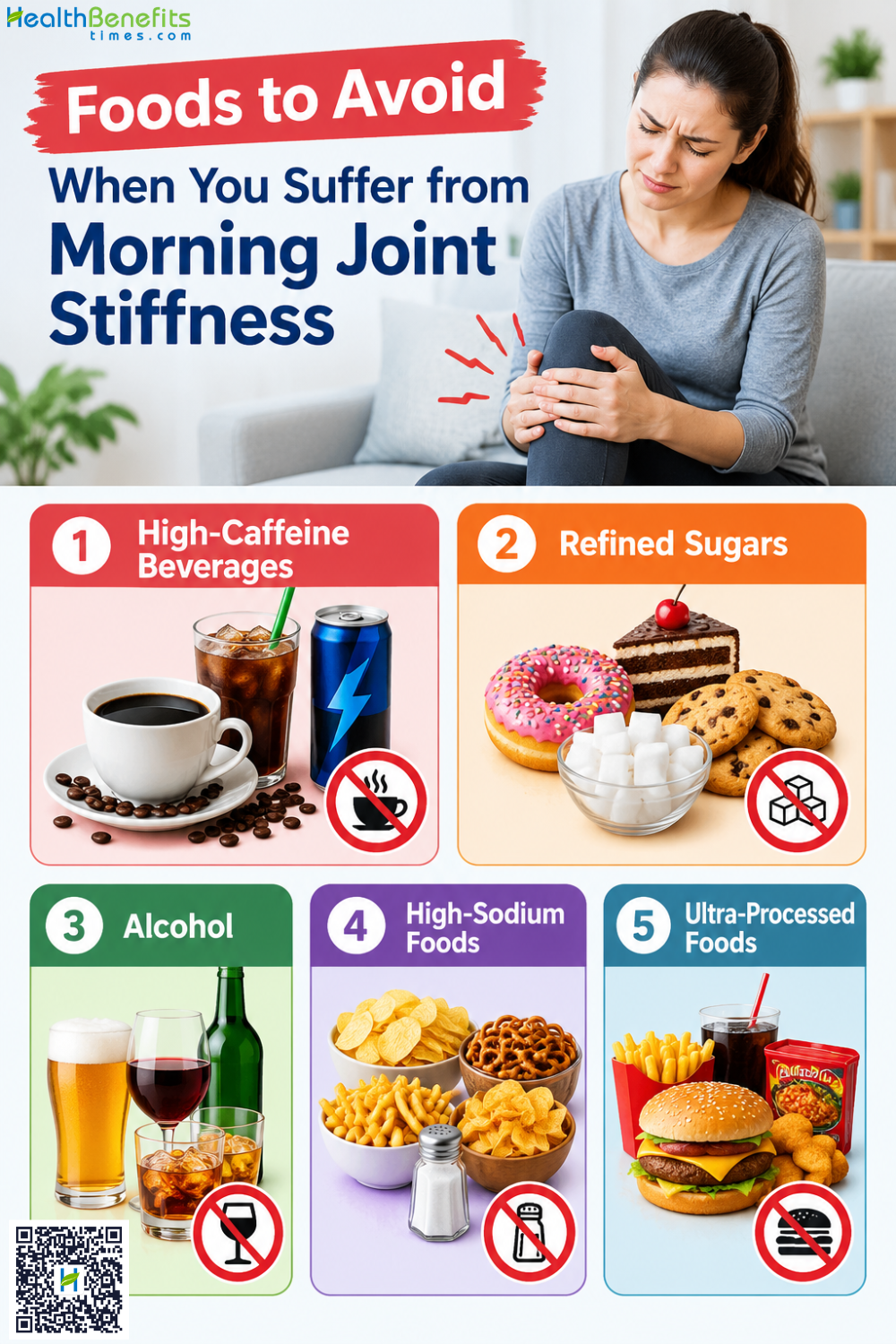
2. Red and Processed Meats
These meats contain saturated fats that actively provoke systemic immune responses, significantly increasing overnight joint inflammation and morning physical resistance 23.
3. Highly Processed Foods
Pre-packaged snacks frequently contain artificial trans fats that stimulate widespread inflammation, effectively exacerbating morning joint fluid accumulation and pain 16.
4. Refined Carbohydrates
White bread and pastries cause rapid blood sugar spikes, which aggressively stimulate inflammatory pathways and lead to increased joint swelling upon waking 23.
5. Excessive Alcohol
Heavy alcohol consumption disrupts bodily tissue repair and increases inflammatory markers in the bloodstream, routinely aggravating morning stiffness in chronic joint conditions 44.
When to See a Doctor When You Struggle from Morning Joint Stiffness
1. Prolonged Stiffness Duration
Seek medical evaluation if your morning joint stiffness consistently lasts longer than one hour, as this strongly indicates an underlying autoimmune condition like rheumatoid arthritis 3.
2. Visible Swelling and Redness
Consult a physician if your stiff joints become visibly swollen, red, or warm to the touch, which frequently signals severe active inflammation or a joint infection 8.
3. Presence of Systemic Symptoms
You should contact a healthcare provider if joint stiffness is accompanied by unexplained fevers, chronic fatigue, or rapid weight loss, indicating a widespread systemic disease 14.
4. Severe Functional Impairment
Schedule a clinical examination if the morning stiffness severely limits your daily mobility, preventing you from safely performing basic tasks like dressing or walking 9.
5. Sudden or Rapid Worsening
Seek immediate medical attention if you experience a sudden, intense onset of joint stiffness and severe pain, as this requires prompt diagnostic imaging to prevent permanent damage 45.
Comments
comments