

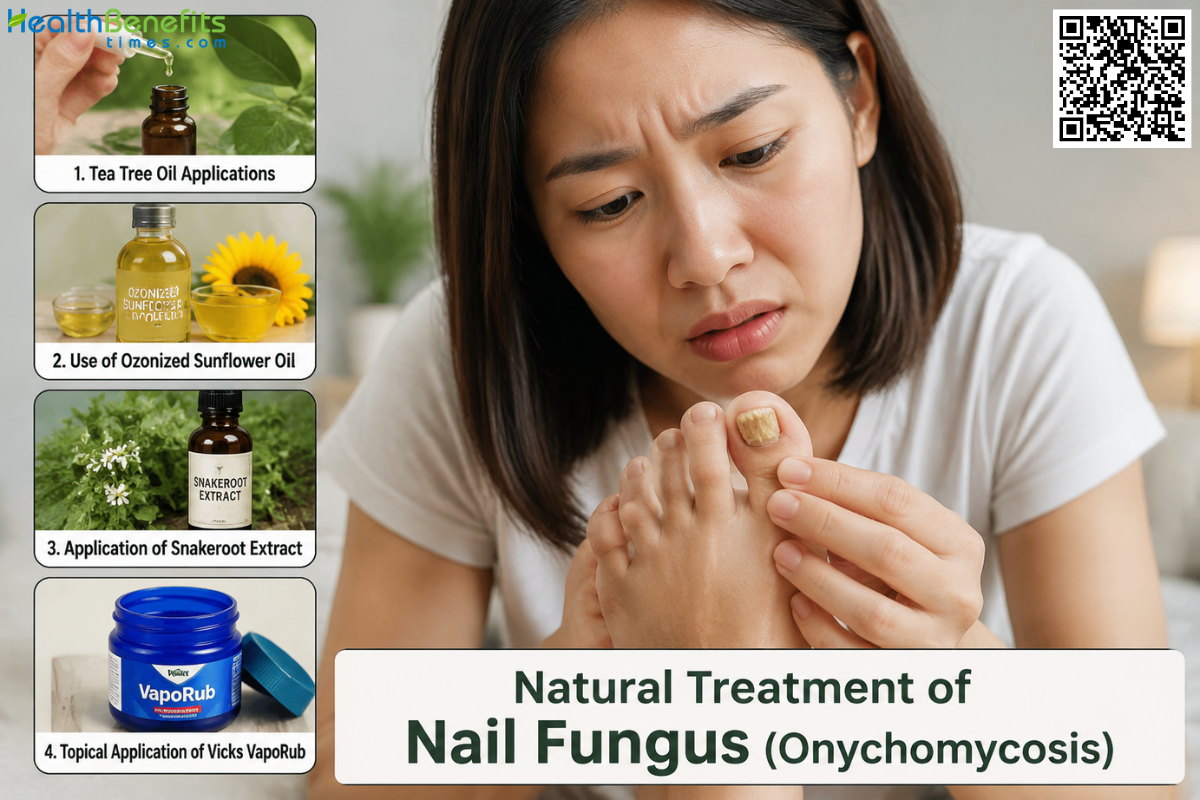
Causes of Onychomycosis
- Fungal Exposure: The primary cause of nail infection is the invasion of fungi, specifically dermatophytes, which consume keratin—the protein that makes up the nail structure. These fungi thrive in warm, damp, and dark environments, such as communal showers, locker rooms, or public swimming pools, where they can easily spread to the skin and nails 1.
- Environmental and Lifestyle Factors: Prolonged exposure to moisture significantly increases the risk of infection. Wearing tight-fitting, non-breathable footwear or keeping feet sweaty for extended periods creates an ideal breeding ground for fungal growth. Furthermore, minor trauma to the nail or the surrounding skin, such as a small cut or pressure from ill-fitting shoes, provides an entry point for fungi to penetrate the nail bed 3.
- Existing Skin Conditions: Individuals with a history of athlete’s foot (tinea pedis) are at a higher risk, as the fungus can readily spread from the skin to the nails. Chronic inflammation or skin barrier disruption in the foot area allows fungi to colonize the nail unit more effectively 4.
- Health and Immune Status: Systemic factors play a critical role in susceptibility. Poor circulation, diabetes, and suppressed immune function hinder the body’s ability to defend against fungal colonization. As age increases, nails grow more slowly and become more brittle, making them more susceptible to fungal entry and less capable of self-repair 2.
Symptoms of Onychomycosis
- Nail Discoloration: The affected nail often undergoes a change in color, appearing white, yellow, brown, or opaque. This discoloration typically begins at the tip or corner of the nail and may gradually spread toward the cuticle 1.
- Structural Thickening: The nail plate often becomes significantly thickened, which can make it difficult to trim. This structural change is frequently accompanied by a distorted shape, as the nail may curve upward or downward, pulling away from the nail bed 2.
- Brittleness and Crumbling: Infected nails often lose their structural integrity, becoming fragile, brittle, or crumbly at the edges. Small pieces of debris may accumulate under the nail, causing it to lift or separate from the underlying skin 5.
- Surface Irregularities: The surface of the nail may become rough, dull, or pitted. In advanced stages, the buildup of fungal debris beneath the nail plate can cause a distinct, unpleasant odor and may lead to persistent pain or discomfort when wearing closed-toe footwear 6.
Natural Remedies for Nail Fungus (Onychomycosis)
1. Tea Tree Oil Applications
How it may help
Tea tree oil functions as a natural antifungal agent that inhibits the growth of organisms responsible for nail infections. By disrupting the cell membranes of fungi, it helps reduce the spread of the infection and minimizes the structural damage caused to the nail plate.
What research says
Clinical research indicates that tea tree oil may possess comparable effectiveness to certain standard topical antifungal medications in treating mild onychomycosis. Evidence suggests that regular, consistent application can lead to improved nail appearance and a reduction in fungal load over extended treatment periods 7.
How to use it safely
To use it safely, clean and dry the affected nail thoroughly. Use a cotton swab to apply a small amount of 100% pure tea tree oil directly to the nail and surrounding skin twice daily. Allow the oil to absorb completely before putting on socks or shoes.
Potential precautions or side effects
While generally well-tolerated, tea tree oil may cause skin redness, irritation, or contact dermatitis in some individuals. Always perform a patch test on a small area of skin first.
2. Use of Ozonized Sunflower Oil
How it may help
Ozonized sunflower oil exhibits potent antimicrobial properties by releasing reactive oxygen species. These compounds effectively damage the structural components of fungal cells, preventing their ability to survive and reproduce within the nail environment. This process helps curb fungal proliferation and supports the overall health of the nail unit.
What research says
Research indicates that ozonized sunflower oil is highly effective in treating nail fungus, showing significant improvements in clinical outcomes compared to traditional antifungal treatments. Studies have demonstrated that this oil can lead to high rates of complete clearance when applied consistently to affected nails 8.
How to use it safely
Apply a small amount of the oil directly to the clean, dry affected nail and the surrounding skin. Use the oil twice daily, massaging it gently into the nail bed to ensure proper absorption. Continue this routine regularly as directed by a healthcare professional until the nail has fully grown out.
Potential precautions or side effects
Ozonized sunflower oil is generally safe, but some individuals may experience mild localized skin irritation. If redness or itching persists, discontinue use and consult a physician.
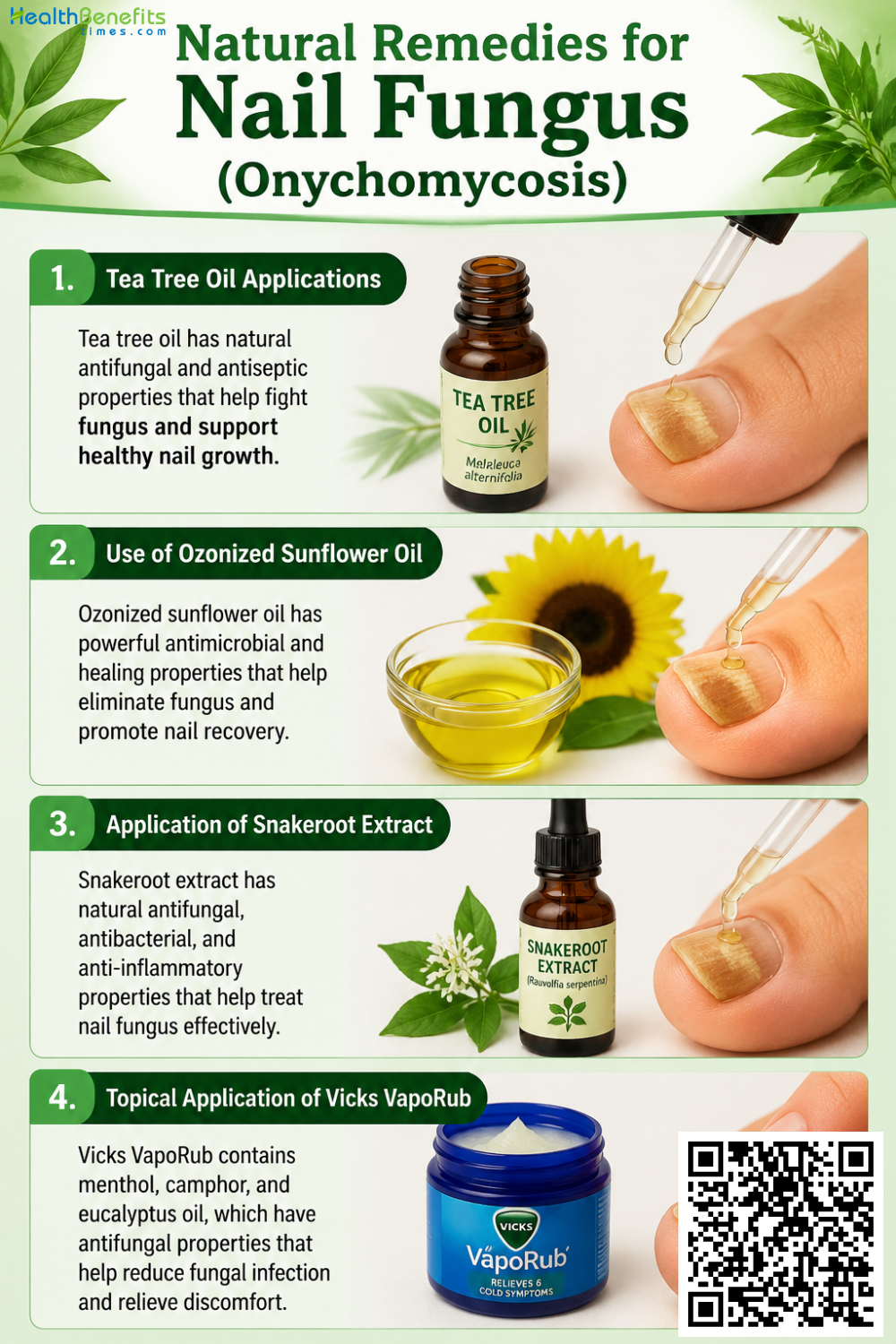
3. Application of Snakeroot Extract
How it may help
Snakeroot extract, derived from the Ageratina pichinchensis plant, acts as a potent antifungal agent. It works by inhibiting the growth and survival of the dermatophytes that typically cause nail infections. By preventing fungal reproduction, the extract helps protect the nail bed and supports the restoration of healthy tissue.
What research says
Clinical research has demonstrated that snakeroot extract is highly effective in treating mild to moderate nail fungus. Studies have shown that topical applications of this extract can achieve clinical cure rates comparable to standard synthetic antifungal lacquers, highlighting its potential as a reliable natural alternative for managing persistent nail infections 9.
How to use it safely
Apply a thin layer of the extract directly to the affected nail and surrounding area twice daily. Keep the area clean and dry to improve absorption. Consistent, long-term application is necessary to achieve results as the healthy nail grows out.
Potential precautions or side effects
Snakeroot extract is typically well-tolerated. However, users should monitor for signs of localized skin irritation, such as redness or mild itching, and discontinue use if symptoms occur.
4. Topical Application of Vicks VapoRub
How it may help
Vicks VapoRub contains active ingredients—specifically camphor, menthol, and eucalyptus oil—that possess antifungal properties. When applied to the nail, these components may inhibit fungal growth by altering the environment necessary for the fungi to thrive. This disruption can potentially slow down the infection, though it does not eliminate the fungus from deep within the nail plate.
What research says
Research findings have suggested that the regular application of Vicks VapoRub can be an effective treatment for nail fungus. Clinical observation indicated that a significant portion of individuals experienced positive outcomes, with partial or complete nail clearance after prolonged and consistent daily use of the product to manage the infection 10.
How to use it safely
Apply a small amount of the ointment to the affected nail once or twice daily. Using a cotton swab or your finger, ensure the product covers the entire nail and the cuticle area. Continue the treatment consistently for several months until the healthy nail has grown out completely.
Potential precautions or side effects
Vicks VapoRub is generally safe for topical use, though it may cause mild skin irritation or redness in sensitive individuals. Avoid contact with eyes or open wounds.
Foods to Avoid When You Suffer from Nail Fungus (Onychomycosis)
1. Refined Sugars and Sweets
High sugar intake can increase systemic inflammation and may promote fungal proliferation, potentially hindering the body’s ability to effectively clear an established nail infection 7.
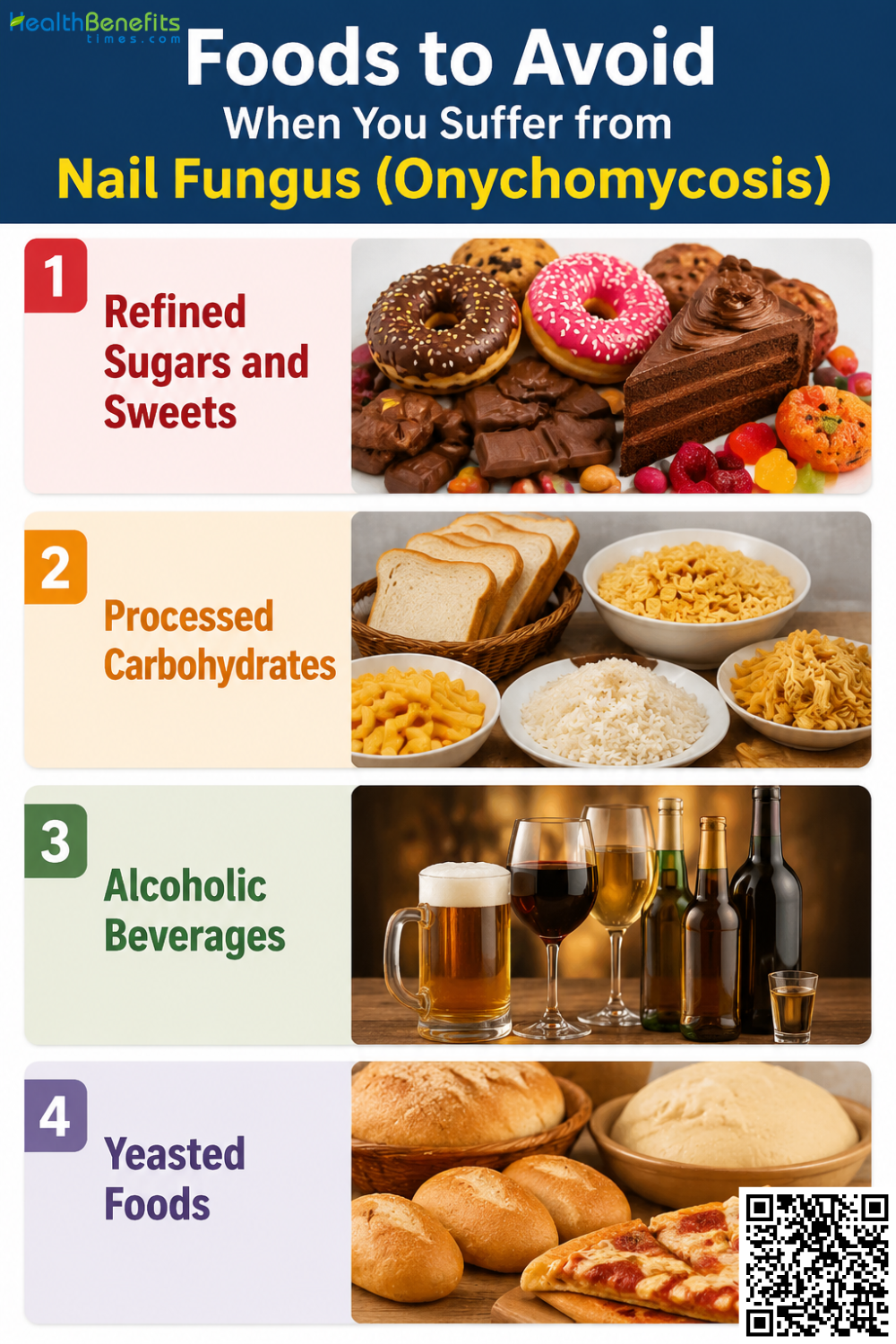
2. Processed Carbohydrates
Refined grains, such as white bread and pasta, cause rapid spikes in blood glucose levels, which may support the environment favorable for fungal growth and persistence 11.
3. Alcoholic Beverages
Frequent alcohol consumption can negatively impact immune function and blood circulation, two essential factors for the body’s natural defense against persistent fungal infections in the extremities 12.
4. Yeasted Foods
While direct links are debated, some clinical evidence suggests that reducing dietary yeast and fermented products may help support the body’s microbiome balance during active fungal infections.
When to See a Doctor When You Suffer from Nail Fungus (Onychomycosis)
1. Underlying Diabetes
Individuals with diabetes must consult a physician immediately for nail changes, as poor circulation heavily increases the risk of severe secondary bacterial foot infections 1.
2. Physical Pain
Patients should seek medical evaluation if the infected nail thickens enough to cause physical pain, severe discomfort, or difficulty walking during routine daily activities 5.
3. Signs of Secondary Infection
A healthcare provider should examine the nail if redness, swelling, or pus develops, as these symptoms strongly indicate a potential secondary bacterial infection 2.
4. Weakened Immunity
People with suppressed immune systems require prompt clinical assessment to prevent the localized fungal infection from spreading and causing broader health complications 1.
5. Treatment Failure
Professional medical intervention is necessary when the nail condition progressively worsens or fails to improve despite consistent use of at-home or over-the-counter antifungal treatments 5.
Comments
comments