

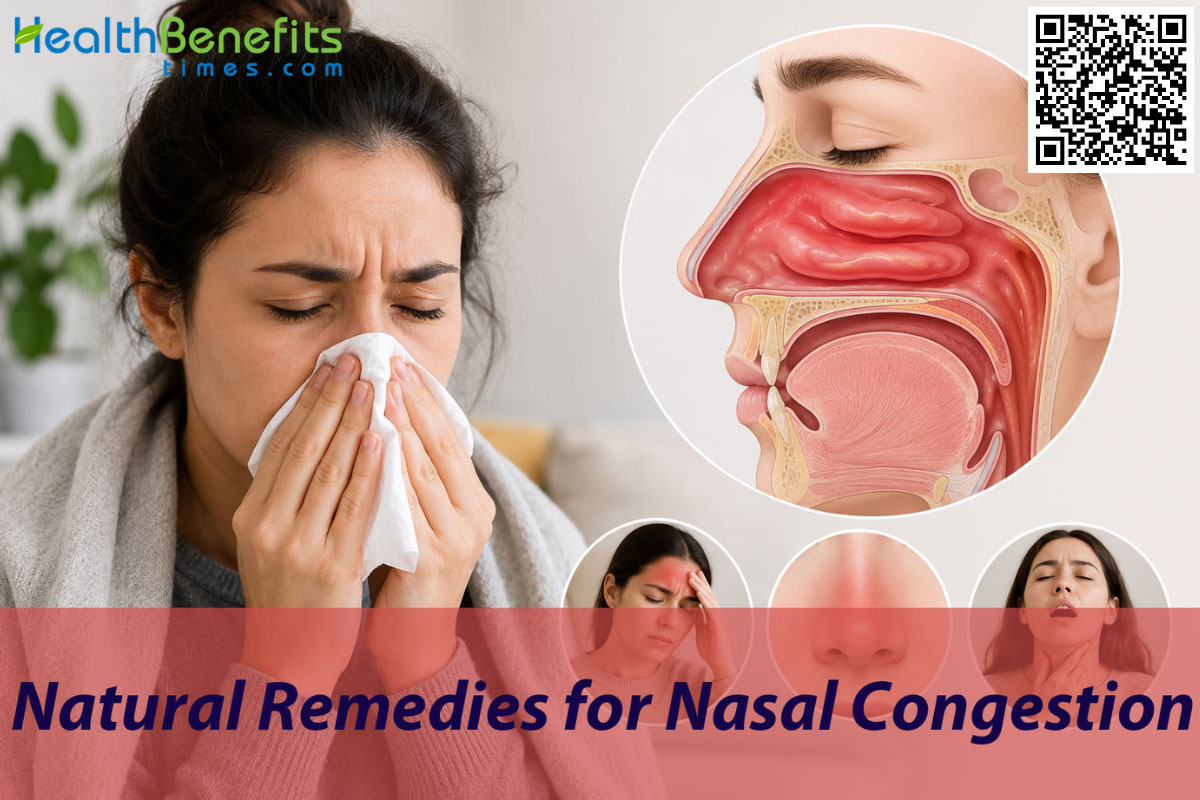
Causes of Nasal Congestion
Understanding the root triggers of restricted nasal airflow provides the necessary context for effective management. The inflammation that constricts the nasal passages can originate from a wide variety of systemic and environmental sources.
1. Viral Respiratory Infections
Pathogens such as the common cold, seasonal influenza, and various adenoviruses act as the primary instigators of acute airway obstruction. When these microscopic viruses successfully invade the upper respiratory tract, the human body responds with aggressive localized inflammation, deliberately swelling the tissues and ramping up mucus production to trap and flush out the invaders 4.
2. Allergic Rhinitis
Airborne particles, including tree pollen, mold spores, animal dander, and microscopic dust mites, frequently force the immune system into an overactive defensive state. This clinical hypersensitivity triggers the rapid, systemic release of histamine and other inflammatory mediators, which subsequently cause immediate vasodilation and severe swelling of the nasal lining 5.
3. Environmental Irritants
Exposure to harsh, non-allergenic elements like tobacco smoke, heavy urban air pollution, strong chemical odors, and household cleaning disinfectants can severely inflame the delicate mucous membranes. This continuous exposure physically restricts normal sinus drainage and promotes chronic tissue irritation 6.
4. Structural Abnormalities
Physical anatomical roadblocks located entirely within the nasal cavity can chronically block airflow regardless of external triggers. Issues such as a severely deviated septum or the presence of nasal polyps which are benign, sac-like growths of inflamed tissue lining the nose or sinuses prevent normal mucus clearance and drastically exacerbate congestion 7.
5. Hormonal Fluctuations
Significant shifts in circulating hormones, particularly those noted during the later stages of pregnancy, inherently elevate systemic blood volume and cause the nasal mucous membranes to engorge with excess blood. This condition, recognized clinically as gestational rhinitis, creates severe stuffiness that operates completely independent of any viral illness or environmental allergies 8.
6. Medication Overuse
Prolonged reliance on over-the-counter medicated decongestant nasal sprays for more than three consecutive days often backfires disastrously. This specific misuse leads to a dangerous physiological rebound effect known clinically as rhinitis medicamentosa, effectively locking the nasal passages into a chronic state of medication-resistant swelling 9.
Symptoms of Nasal Congestion
Recognizing the specific physical manifestations of blocked airways helps differentiate simple, temporary congestion from more complex, deeply rooted sinus issues.
- A persistent, frustrating sensation of fullness, heavy pressure, or physical blockage in one or both nostrils.
- Continuous, uncomfortable discharge of clear, yellow, or visibly green mucus draining from the nasal passages 2.
- Noticeable dulling or total loss of the olfactory senses, directly impacting the daily ability to smell and properly taste food 3.
- Localized facial pain, tenderness, or visible inflammatory swelling heavily concentrated around the cheeks, eyes, and forehead 10.
- Accumulation of thick mucus constantly draining down the back of the throat, frequently triggering a tickling, persistent cough or a raw sore throat 11.
- Audible disruptions in normal sleeping and breathing patterns, such as heavy snoring during sleep or a distinct, recognizable nasal tone during regular daytime speech 12.
- Uncomfortable, localized pressure building deep within the ears due to blocked eustachian tubes, which can occasionally lead to sharp earaches or temporary hearing reduction 9.
- In pediatric populations, symptoms frequently manifest as extreme behavioral irritability, heavy reliance on mouth breathing, and noticeable, frustrating difficulty remaining calm during routine feeding times 13.
Nasal Congestion Facts Table
Reviewing the fundamental clinical realities of upper respiratory inflammation provides a clearer picture of how it operates and affects the general population.
| Category | Facts |
| Symptoms |
|
| Causes |
|
| Types of Nasal Congestion |
|
| How does it spread |
|
| Age Group |
|
| You might be at a higher risk if you: |
|
| How doctors diagnose |
|
| Other facts |
|
Natural Remedies for Nasal Congestion
Finding non-pharmaceutical relief from a severely blocked nose requires implementing therapies that physically target localized inflammation and actively thin out trapped mucus. You can successfully manage your frustrating symptoms at home by carefully adopting these safe, heavily researched, and evidence-based physical interventions.
1. Saline Nasal Irrigation
Flushing your nasal passages with a formulated saltwater solution stands as a highly effective, low-cost strategy for directly clearing physical obstruction. Utilizing high-volume, low-pressure saline irrigation mechanically washes the delicate nasal cavity, actively stripping away stagnant inflammatory mucus, infectious viral agents, and trapped environmental allergens 8. This direct cleansing process drastically improves mucociliary function, which is the body’s natural mechanism for sweeping debris out of the airway using microscopic hairs called cilia 23. You must carefully use only distilled, sterile, or previously boiled and completely cooled water to prevent introducing dangerous waterborne pathogens into your highly vulnerable sinuses 24.
Note: Applied as a liquid rinse by tilting your head sideways over a sink, breathing through your open mouth, and gently pouring the sterile solution into the upper nostril so it naturally drains out the lower one; typically utilized one to three times daily.
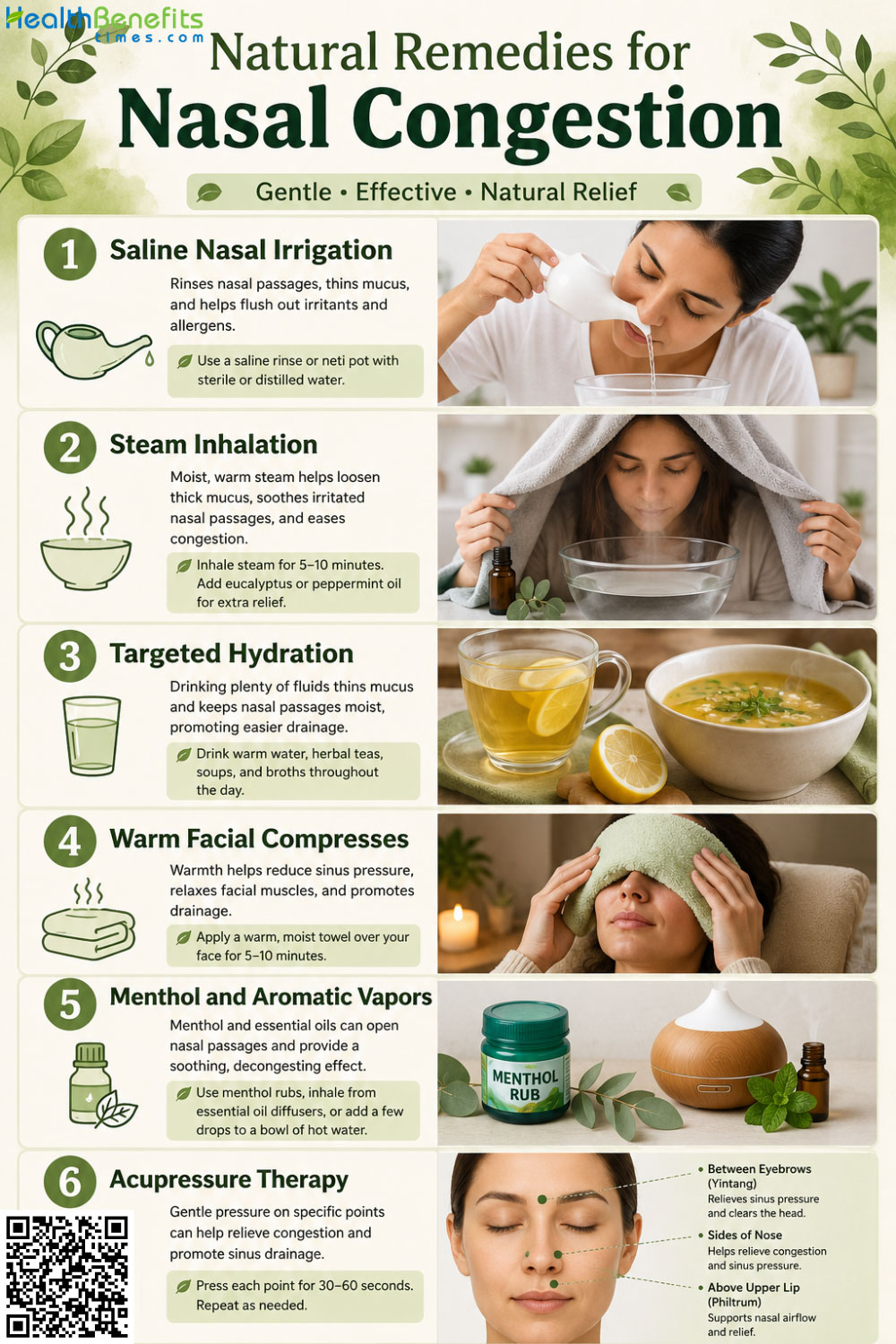
2. Steam Inhalation
Breathing in warm, moisture-rich air instantly lubricates dry, painfully irritated nasal passages and begins to aggressively thin out thick, stubborn mucosal secretions. Generating ambient steam by running a hot shower and sitting quietly in the closed bathroom allows the humidified air to soothe swollen blood vessels and facilitate much-needed structural drainage 1. You must exercise strict caution to avoid inhaling boiling steam directly from a heated pot on the stove, as this aggressive approach carries an extremely high risk of facial scalding or severe respiratory burns.
Note: Applied by deeply inhaling warm ambient humidity in a safely contained space, providing excellent temporary symptomatic relief for extreme mucosal dryness and thick mucus buildup.
3. Targeted Hydration
Maintaining robust levels of systemic fluid intake remains fundamentally important when attempting to manage upper respiratory symptoms naturally. Drinking an abundance of clear liquids such as room-temperature water, light broths, or warm herbal teas prevents systemic cellular dehydration and ensures that your body’s defensive mucus stays thin and fluid enough to drain effortlessly from the sinus cavities 1. Proper hydration supports the overall immune response, helping your body physically clear viral debris much faster.
Note: Consumed continuously throughout the day as clear beverages to maintain optimal bodily hydration and consistently thin out respiratory secretions.
4. Warm Facial Compresses
Applying gentle, localized heat directly to the surface of your face can substantially alleviate the intense pressure and throbbing pain localized deep in your sinus cavities. Taking a clean, soft washcloth, soaking it in comfortably warm water, and laying it directly over your nose, cheeks, and forehead helps to actively stimulate healthy blood flow and significantly ease the muscular tension surrounding the inflamed sinus cavities 1.
Note: Applied topically directly to the skin of the face for several minutes at a time, and repeated throughout the day for localized pain management and sinus pressure relief.
5. Menthol and Aromatic Vapors
Inhaling the aromatic vapors of menthol or related botanical extracts triggers highly specific cold receptors (known clinically as TRPM8) situated along the sensory nerves of the nasal mucosa {% https://pmc.ncbi.nlm.nih.gov/articles/PMC14081144/ %}. While these natural compounds do not physically decrease the objective swelling or measurably lower the actual physical resistance in the nasal airway, menthol creates a powerful, subjective neurological sensation of intense cooling and vastly increased airflow {% https://pmc.ncbi.nlm.nih.gov/articles/PMC3628651/ %}. This profound sensory trick makes breathing feel significantly easier and provides massive psychological relief during bouts of severe, suffocating congestion.
Note: Applied aromatically via gentle inhalation or rubbed externally onto the chest using properly formulated commercial vapor rubs; these substances should never be ingested orally or placed directly inside the nostrils.
6. Acupressure Therapy
Stimulating targeted anatomical pressure points can promote highly effective, temporary relief from intense sinus pressure and frustrating blockage. Applying firm but gentle finger pressure to the Yingxiang (LI20) acupoint, located just outside the midpoint of the outer border of each nostril in the nasolabial groove, is believed to stimulate the underlying branches of the infraorbital nerves, regulating the sensation of nasal airflow and easing rhinitis symptoms 25. Another commonly utilized point is Hegu (LI4), which sits on the back of the hand directly in the muscular webbing between the first and second metacarpal bones of the thumb and index finger 26.
Note: Applied through manual massage, using your fingertips to press firmly and make small, deliberate circles over the specific anatomical points for roughly 1 to 2 minutes per session.
Is there any exercise or physical activities for Nasal congestion?
Engaging in controlled physical movement can yield surprising, immediate physiological benefits for blocked airways. When you strategically exercise, your body undergoes natural vascular and nervous system shifts that actively combat nasal obstruction without the need for synthetic medications.
1. Moderate Aerobic Exercise
Cardiovascular activities such as brisk walking, light jogging, or stationary cycling can rapidly and effectively reduce physical nasal airway resistance. Physical exertion immediately triggers the sympathetic nervous system, releasing adrenaline that commands the blood vessels within the nasal mucosa to forcefully constrict 27. This active vasoconstriction physically shrinks the swollen tissues, pulling excess blood away from the nose and redirecting it to the working muscles, which noticeably widens the nasal passages and restores much-needed airflow 28. Additionally, exercising in a slightly cooler environment, around 25 degrees Celsius, exhibits a more significant reduction in nasal blood flow and congestion compared to exercising in warmer settings 29.
Note: To do this, perform 15 to 30 minutes of moderate-intensity aerobic activity, ensuring you stop immediately if breathing becomes too difficult, if you feel faint, or if you experience any dizziness.
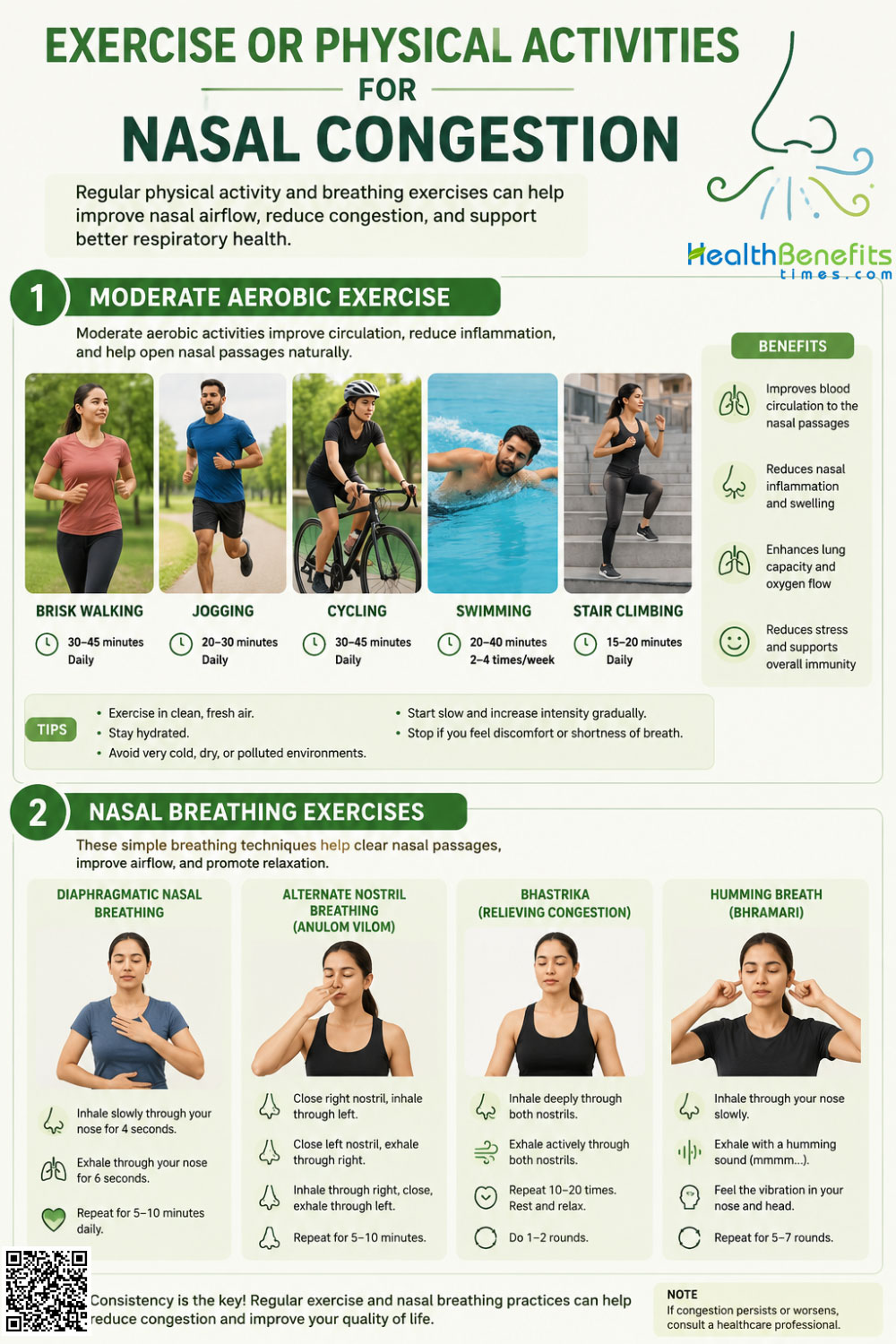
2. Nasal Breathing Exercises
Consciously controlling your respiratory patterns can help normalize turbulent airflow and lower the severity of allergic rhinitis symptoms over time. Techniques that heavily emphasize slow, deliberate breathing drawn exclusively through the nose even when it feels partially congested help gently condition the sensitive airway and reduce the tendency to reflexively hyperventilate through the mouth 30. Slower nasal breathing decreases pro-inflammatory cytokines and promotes a much calmer immune environment inside the respiratory tract.
Note: To do this, sit in an upright position, relax your shoulders, gently close your mouth, and focus intently on drawing slow, highly rhythmic breaths exclusively through your nostrils for several uninterrupted minutes.
Foods and Activities to Avoid
Navigating a bout of severe congestion requires recognizing that certain nutritional choices and habitual daily routines can unintentionally sabotage your natural recovery. You must remain incredibly vigilant about what you consume and the physical environments you expose yourself to during this vulnerable period.
Foods to Avoid When You suffer from Nasal congestion and you are prone to Nasal congestion
Paying close attention to your dietary intake is absolutely critical, as specific nutritional components can silently provoke deep inflammatory pathways or closely mimic allergic reactions, worsening your stuffy nose.
1. High-Histamine and Amine-Rich Foods
Aged cheeses, deeply fermented foods, and certain specific fruits like bananas contain naturally occurring active vaso-amines. These compounds can directly trigger chemical histamine release in the body, mimicking a full allergic response and drastically worsening sinus congestion, abdominal bloating, and localized facial pain 31.

2. Dietary Salicylates
These naturally occurring plant chemicals, commonly found in a wide variety of fruits, vegetables, and strong culinary spices, have been definitively shown to provoke severe rhinosinusitis symptoms. This is especially true in individuals dealing with underlying chemical hypersensitivity or a known medical history of aspirin-exacerbated respiratory disease 31.
3. Sugar-Sweetened Beverages
A remarkably high daily intake of heavily processed dietary sugars and artificial sweetened drinks has been clinically linked to massively increased systemic inflammation. This highly inflamed state can easily prolong the overall duration and structural severity of sinonasal symptoms, making it much harder for your body to clear the infection 32.
4. Dairy Products (If Sensitive)
While consuming dairy does not universally cause the human body to produce more mucus, individuals possessing specific sensitivities or subtle food hypersensitivities may experience a highly noticeable, uncomfortable thickening of their saliva or increased respiratory distress immediately after consuming milk, yogurt, or cheese 33.
Activities to Avoid When You suffer from Nasal congestion
Certain environmental exposures and common daily routines can severely irritate your already compromised and highly delicate nasal passages, rendering natural remedies completely ineffective.
1. Smoking and Vaping
Inhaling thick tobacco smoke or dense chemical vapor introduces harsh, burning irritants directly into the respiratory tract. This toxic exposure paralyzes the microscopic cilia (the tiny hairs responsible for clearing mucus) and drastically increases mucosal swelling, making your congestion infinitely worse 2.
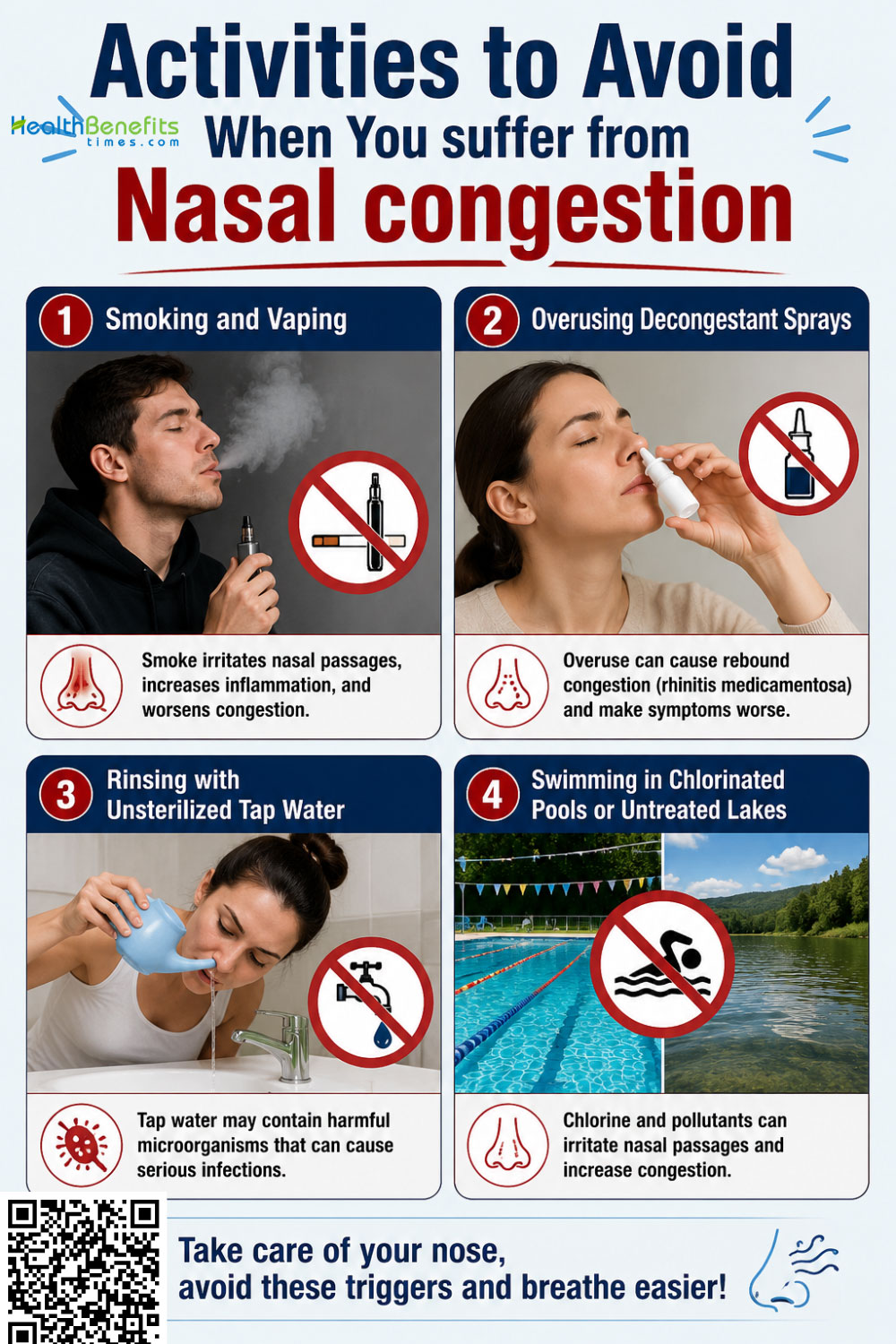
2. Overusing Decongestant Sprays
Utilizing over-the-counter medicated nasal sprays for more than three consecutive days initiates a highly dangerous physiological rebound effect. This misuse plunges the user into a state of chronic, medication-resistant nasal obstruction that is incredibly difficult to resolve without medical intervention 1.
3. Rinsing with Unsterilized Tap Water
Using plain tap water straight from the bathroom sink in a Neti pot or squeeze bottle exposes your vulnerable sinuses to microscopic, waterborne organisms. This deadly mistake can introduce the Naegleria fowleri amoeba directly to your brain, which causes an almost universally fatal brain infection called primary amebic meningoencephalitis (PAM) 34.
4. Swimming in Chlorinated Pools or Untreated Lakes
Physical exposure to harsh pool chemicals heavily irritates the sensitive nasal lining, stripping it of its natural protective barrier. Meanwhile, swimming in untreated, warm freshwater poses a distinct, severe risk for rare amoebic infections and unwanted bacterial exposure during a time when your local immune defenses are already overwhelmed 35.
Myths and Misconceptions
Separating established clinical facts from widely circulated medical folklore is absolutely essential for managing your respiratory health properly and avoiding unnecessary panic.
| Myth | Reality |
| Green or yellow mucus means you need antibiotics immediately. | The distinct color change observed in mucus is a perfectly normal part of the body’s immune response to a standard viral infection. It simply represents the accumulation of dead white blood cells that have been actively fighting the virus, and does not definitively prove a bacterial infection requiring antibiotics. |
| Antibiotics will cure the common cold and clear up nasal congestion. | The vast majority of head colds and acute sinusitis cases are caused exclusively by viral pathogens. Antibiotics only destroy bacteria and have absolutely zero effect on viral respiratory infections, meaning they will not help you feel better and carry risks of dangerous side effects |
| Using plain tap water in a nasal irrigation device is perfectly safe. | Tap water is not sterile and frequently contains low levels of bacteria or dangerous amoebas (like Naegleria fowleri). It is only safe to swallow because highly acidic stomach acid destroys these organisms. Sinus rinses must exclusively utilize distilled, sterile, or previously boiled and cooled water. |
| Menthol vapor rubs physically unblock the inflamed nasal passages. | Menthol does not reduce objective nasal airway resistance or physically clear away trapped mucus. It merely stimulates TRPM8 cold receptors inside the nose, tricking the brain into subjectively feeling as though much more air is successfully passing through the airway. |
| You should forcefully blow your nose to clear all the mucus out. | Blowing your nose with extreme, sustained force generates immense high pressure within the nasal cavity. This unnatural pressure can easily propel infected mucus backward into the eustachian tubes or deeper into the sinus cavities, severely worsening the infection and causing acute ear pain. |
Special Considerations
Treating nasal obstruction safely requires thoughtfully tailoring your therapeutic approach based on specific life stages, ages, and underlying medical conditions. You must critically evaluate the broader health context before blindly applying standard remedies.
1. Children
Managing respiratory symptoms in very young children demands extreme clinical caution. You must never administer over-the-counter cough and cold medicines to children under the age of six, as these unproven treatments can cause serious, sometimes life-threatening side effects 40. Instead, you should rely entirely on pediatric-approved, highly gentle saline drops combined with a rubber suction bulb to safely and effectively clear their tiny, blocked nasal passages. Furthermore, strictly avoid letting young children breathe hot steam directly from a bowl of boiling water due to the incredibly high risk of accidental scalding 2.
2. Pregnancy
Dramatic hormonal shifts encountered during the second and third trimesters frequently lead to a highly frustrating condition known as gestational rhinitis, which causes severe, chronic congestion without any viral or allergic trigger. Because many traditional oral decongestants carry distinct teratogenic risks that could potentially harm the developing fetus, you should prioritize high-volume saline nasal irrigation. This physical method is highly recommended by medical professionals as a thoroughly safe, drug-free alternative during all stages of pregnancy 8.
3. Chronic conditions
If you actively suffer from complex asthma or chronic rhinosinusitis (characterized by congestion symptoms lasting well over 12 consecutive weeks), standard at-home natural remedies may only offer fleeting, temporary relief. Chronic, unyielding congestion often stems from deeper anatomical issues like the physical formation of nasal polyps or persistent, long-term hyperresponsiveness in the airways 10. You must coordinate directly with an otolaryngologist or healthcare specialist to explore heavily targeted therapies, such as prescription corticosteroid sprays or potential endoscopic surgical interventions, to definitively restore long-term nasal drainage 41.
4. Elderly
Older adults must navigate airway congestion incredibly carefully, particularly if they are actively managing multiple prescription medications for high blood pressure, glaucoma, or heart disease. Standard over-the-counter oral decongestants can dangerously elevate blood pressure and accelerate the heart rate, causing severe cardiovascular strain. You should completely prioritize physical, non-pharmacological remedies like cool-mist humidifiers, gentle saline sprays, and strict adherence to hydration protocols, ensuring that any new physical intervention does not interfere with your established, daily medical regimen 42.
Precaution Before Use of Natural Remedies When You Have Nasal Congestion
Implementing at-home treatments safely is arguably just as critical as the effectiveness of the treatments themselves. Before initiating any natural or physical remedy to clear your nasal passages, you must strictly observe several vital safety parameters.
- Verify Complete Water Sterility: If you intend to utilize a Neti pot, squeeze bottle, or any other nasal irrigation device, you must guarantee the water is distilled, sterile, or has been actively boiled for a minimum of 3 to 5 minutes and completely cooled to room temperature. You must never use unsterilized tap water under any circumstances to prevent deadly amoebic infections 35.
- Maintain Strict Device Hygiene: Wash your nasal irrigation device thoroughly with hot water and dish soap, and allow it to completely air dry on a clean paper towel between every single use. This strict hygiene regimen prevents the rapid accumulation of dangerous bacterial biofilms, mold, and even Staphylococcus aureus contaminations 43.
- Monitor Heat and Temperature: When utilizing steam inhalation techniques or applying warm facial compresses, test the temperature carefully on the back of your hand first. You must ensure it is comfortably warm, not boiling, so it will not burn or severely scald your incredibly delicate facial skin and internal respiratory lining.
- Check for Skin Sensitivities: Before aggressively applying any concentrated essential oils or mentholated vapor rubs to your chest, neck, or face, perform a small patch test on your arm to ensure you do not suffer a severe allergic contact dermatitis reaction.
- Consult Regarding Immune Deficiencies: If your body’s immune system is significantly compromised due to underlying medical conditions, HIV, or aggressive treatments like chemotherapy, you must consult your primary healthcare provider before attempting any form of sinus rinsing or mechanical nasal irrigation 44.
When to See a Doctor
While the vast majority of stuffy noses are entirely harmless and resolve independently within a week or two, certain clinical red flags require immediate, professional medical evaluation. You should not hesitate to seek out a licensed healthcare provider if you experience:
- Persistent respiratory symptoms that last for more than 10 to 14 consecutive days without showing any objective signs of clinical improvement 4.
- A persistent, alarmingly high fever that remains elevated for longer than 3 to 4 consecutive days, indicating a potentially severe systemic infection.
- Severe, highly localized pain, visible swelling, or deep redness specifically concentrated around your eyes, cheeks, or forehead, which could indicate a rapidly spreading bacterial sinus infection.
- Noticeable difficulty drawing breath, rapid, shallow breathing patterns, or intense chest pain that suddenly accompanies your upper respiratory symptoms.
- A clinical pattern where your initial symptoms seemed to improve over several days but suddenly return with vastly increased severity, which is often a hallmark sign of a secondary bacterial infection setting in.
- Frightening visual changes, such as sudden double vision, reduced visual acuity, or a visibly displaced eyeball, which are absolute medical emergencies requiring immediate hospital referral to prevent permanent nerve or tissue damage 45.
- Extreme lethargy, unresponsiveness, or a severely stiff neck, which, when coupled with a fever and sinus pain, could hint at incredibly dangerous complications spreading to the central nervous system 46.
Comments
comments