

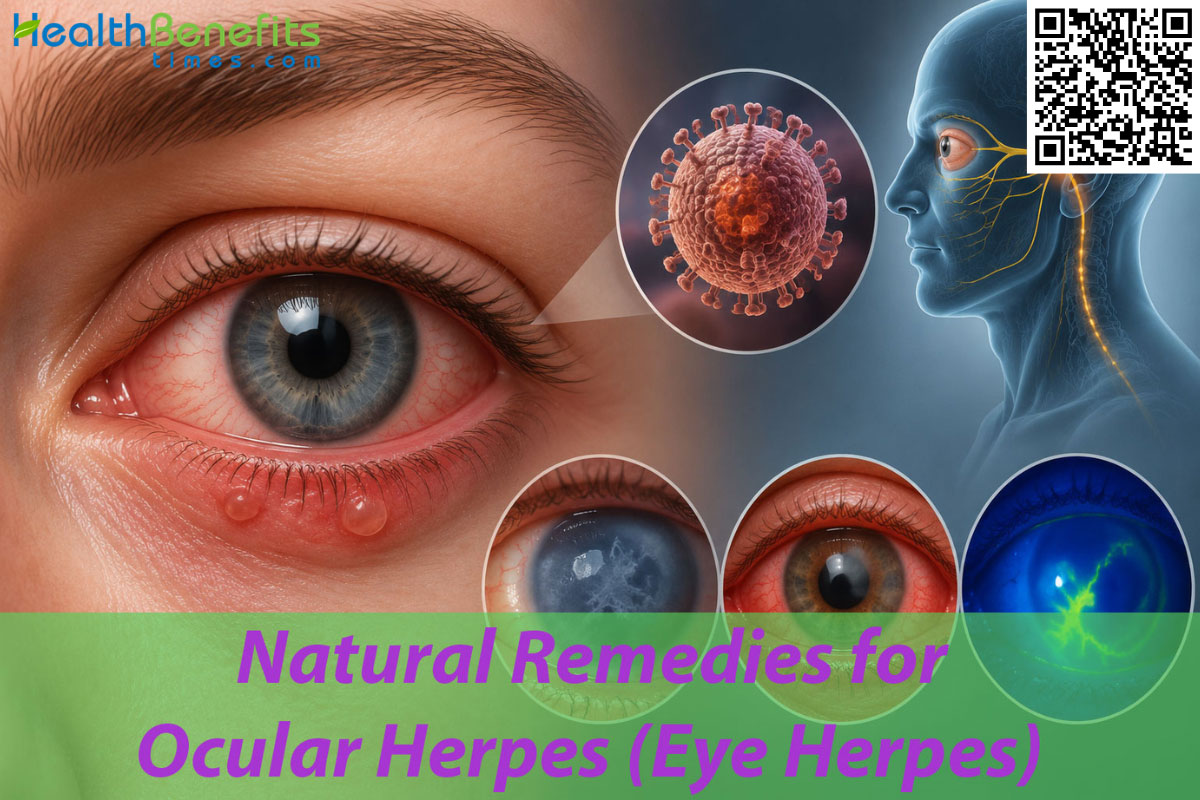
Causes of Ocular Herpes (Eye Herpes)
Unraveling the precise origins of herpetic eye disease requires looking at both how the pathogen first enters the body and what specific biological catalysts force it out of its dormant state. The mechanisms of infection and reactivation involve a complex interplay between the virus and the host’s immune defenses.
- Initial Viral Transmission: Contracting the virus generally occurs through direct, skin-to-skin contact with an individual actively shedding the pathogen, most commonly through shared saliva or touching active facial lesions during early childhood 3.
- Accidental Auto-Inoculation: Transferring the virus to your own eye is a frequent cause of primary ocular outbreaks. This happens when an individual touches an active cold sore on their mouth and subsequently rubs their eyelid or the surface of their eye with unwashed fingers.
- Reactivation from Latency: Living indefinitely within the sensory nerve cells of the face, the virus remains suppressed by continuous surveillance from the body’s innate and adaptive immune system. Clinical outbreaks occur when this cellular immune surveillance temporarily fails, allowing the virus to travel along the ophthalmic branch of the trigeminal nerve directly to the cornea 4.
- Immunological Suppression: Harboring a weakened immune system fundamentally changes how the body controls the latent virus. Chronic conditions such as HIV, the administration of immunosuppressive anti-rejection medications following organ transplants, or severe metabolic stress can critically diminish the T-cell responses needed to keep the pathogen dormant.
- Physiological and Psychological Stress: Experiencing extreme physiological trauma, major surgical procedures, severe systemic fever, or chronic psychological anxiety triggers a cascade of stress hormones. This hormonal shift often leads to a localized dampening of the immune system, signaling the latent virus to reactivate and multiply 5.
- Environmental Radiation (UV Exposure): Spending extensive time exposed to intense ultraviolet radiation, whether from natural sunlight or artificial tanning beds, acts as a potent, well-documented environmental catalyst that directly provokes localized viral reactivation on the facial skin and ocular surface.
Symptoms of Ocular Herpes (Eye Herpes)
Spotting an active herpetic eye infection early is crucial for preventing long-term damage, and doing so relies on recognizing a distinct cluster of warning signs that differentiate this condition from standard bacterial conjunctivitis or seasonal allergies.
- Intense Ocular Pain: Patients frequently report a deep, persistent aching sensation or sharp, localized pain in the affected eye, which occurs because the virus directly attacks the dense network of sensory nerves embedded within the cornea.
- Unexplained Redness: A significant inflammatory response causes pronounced redness that is typically concentrated in a ring around the iris and cornea, known as ciliary flush, rather than just generalized redness under the eyelids.
- Foreign Body Sensation: The physical degradation of the outermost corneal epithelial cells creates an intense, irritating sensation that a piece of grit, sand, or an eyelash is permanently trapped beneath the eyelid.
- Excessive Tearing and Discharge: The eye responds to the viral invasion and subsequent surface damage by overproducing watery tears in an attempt to flush the irritant away, often accompanied by a thin, clear discharge.
- Extreme Light Sensitivity (Photophobia): Inflamed corneal nerves become hypersensitive to visual stimuli, making normal indoor lighting or outdoor sunlight physically painful to tolerate.
- Blurred or Clouded Vision: As the virus infiltrates the deeper layers of the cornea (the stroma), it causes tissue swelling (edema) and immune cell infiltration, which scatters incoming light and significantly blurs vision.
- Eyelid Rash (Herpetic Blepharitis): Tiny, fluid-filled vesicular blisters may erupt on the sensitive skin of the eyelids and eyelid margins, closely resembling traditional cold sores.
Ocular Herpes (Eye Herpes) Facts Table
Grasping the epidemiological realities and clinical parameters of this disease provides a critical foundation for managing it effectively. The following table systematically breaks down the essential medical facts surrounding herpetic eye infections.
| Category | Details |
| Symptoms |
|
| Causes |
|
| Types of Ocular Herpes |
|
| How it Spreads |
|
| Age Group |
|
| High-Risk Exposure |
|
| How Doctors Diagnose |
|
| Other Facts |
|
Natural Remedies for Ocular Herpes (Eye Herpes)
Nature yields a fascinating array of biochemical compounds that exhibit powerful antiviral and immunomodulatory properties. While pharmacological interventions like oral acyclovir remain the absolute gold standard for treating active outbreaks and preventing severe corneal melting, extensive scientific literature highlights several complementary natural remedies that may influence viral replication cycles, stabilize cellular environments, and bolster the host’s underlying immune response against herpes simplex.\
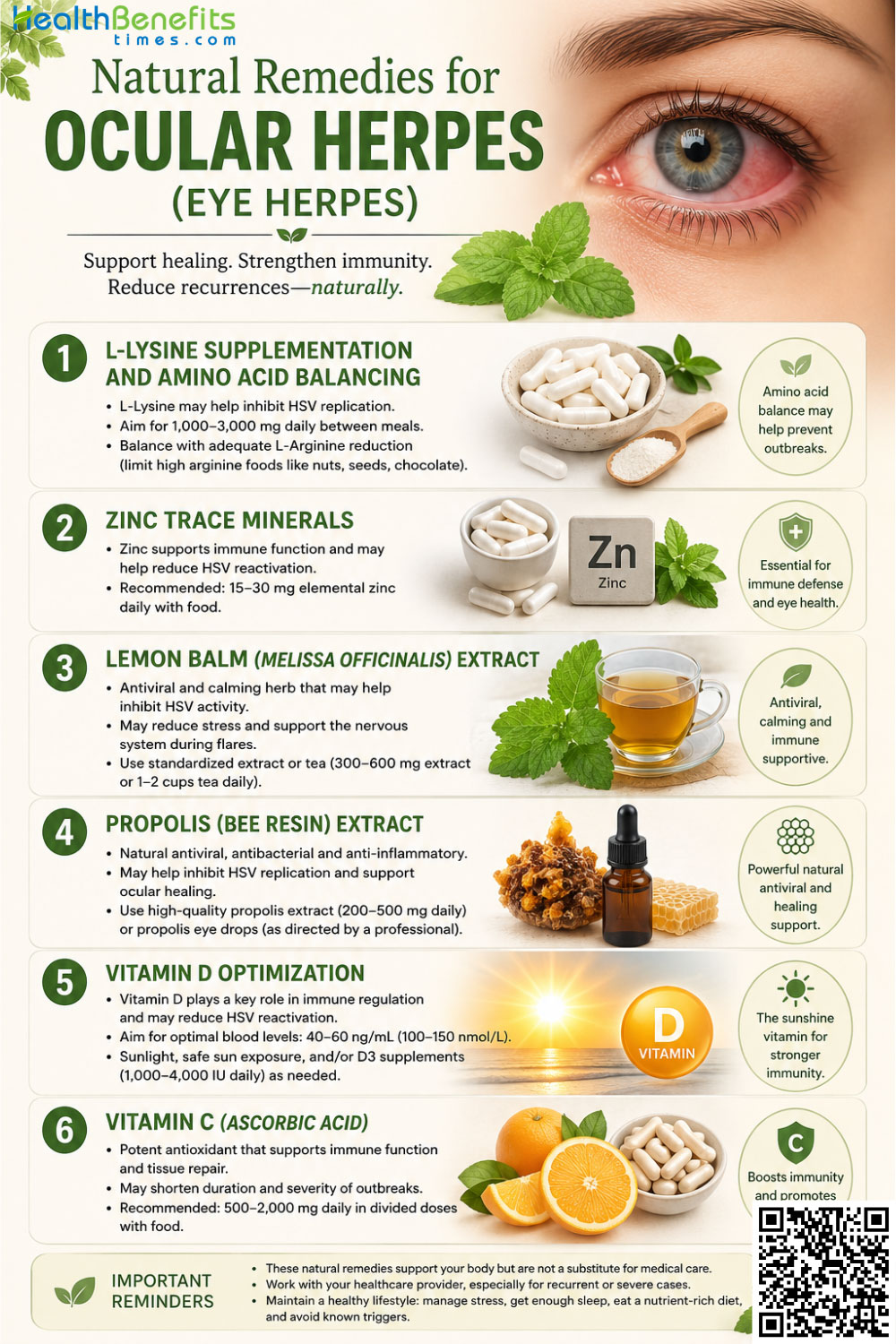
1. L-Lysine Supplementation and Amino Acid Balancing
Cellular mechanics dictate that the herpes simplex virus heavily relies on specific biological building blocks to construct its outer protective shell, a structure known as the viral capsid. The virus is particularly dependent on the amino acid arginine to fuel this rapid replication process 8. L-lysine, another essential amino acid found in various dietary proteins, acts as a direct biological antagonist to arginine. Because both of these amino acids share the exact same transport pathways to enter human cells, maintaining a higher internal ratio of lysine to arginine essentially crowds out the arginine, starving the virus of the specific nutritional components it requires to multiply 9. Clinical reviews evaluating this delicate lysine-arginine balance suggest that while low doses of lysine may not aggressively cure an active, acute lesion, maintaining a daily lysine-dominant internal environment plays a theoretical and practical role in suppressing the frequency of future recurrences, provided the daily intake exceeds the 1.2-gram threshold 10.
Note: You can take L-lysine as a daily oral dietary supplement (typically between 1 to 3 grams during periods of high stress) or consciously increase your consumption of lysine-rich foods like dairy, poultry, and fish to help suppress viral activity internally.
2. Zinc Trace Minerals
Investigating the microscopic interactions between metallic ions and viral structures reveals that zinc possesses profound direct anti-herpetic capabilities. Advanced laboratory research demonstrates that specific zinc ions, particularly when delivered via ionophores like pyrithione, actively interfere with the function of the viral DNA polymerase the primary enzyme responsible for copying the virus’s genetic code effectively halting its replication track 11. Furthermore, zinc application has been shown to destabilize the viral capsid structure and prevent the virus from efficiently penetrating healthy host cell membranes. In broader clinical observations, adequate systemic zinc levels are closely associated with shorter recovery periods from herpetic lesions, whereas documented zinc deficiency strongly correlates with prolonged outbreaks and diminished cellular immune surveillance 12.
Note: You can consume zinc as a daily oral supplement (such as zinc picolinate) to support your overall immune function, or use mild zinc-infused ointments strictly on external skin blisters like cold sores—ensuring you never apply these creams directly into the eye.
3. Lemon Balm (Melissa officinalis) Extract
Botanical pharmacology identifies lemon balm, an aromatic member of the mint family, as a potent antiviral agent active against both HSV-1 and HSV-2. The active component primarily responsible for this remarkable effect is rosmarinic acid, a phenolic compound that exhibits a strong binding affinity for viral surface proteins 13. Detailed laboratory analyses show that lemon balm extract exerts a direct antiviral effect just prior to cell infection; it essentially coats the free-floating virus particles, completely preventing them from successfully adsorbing onto and penetrating the host cell membrane 14. Standardized topical preparations of lemon balm have been successfully utilized in clinical trials to significantly reduce the physical size, symptom severity, and overall healing time of external herpetic blisters.
Note: You can apply a high-quality, standardized lemon balm cream directly to external facial cold sores to speed up the healing process, but you must strictly avoid dropping any essential oils, extracts, or raw creams onto the surface of the eye itself.
4. Propolis (Bee Resin) Extract
Exploring the medicinal utility of natural products derived from apiculture, propolis stands out as a highly complex, resinous substance collected by honeybees from various tree buds. Bees utilize propolis to sterilize and environmentally protect their hives, and human medicine has successfully repurposed it for its incredibly dense concentration of antiviral flavonoids. Scientific evaluations indicate that both aqueous and ethanolic extracts of raw propolis exhibit profound anti-herpetic activity, fundamentally capable of preventing viral attachment to human cells 15. Intriguingly, some advanced studies highlight a powerful synergistic effect between propolis and standard antiviral drugs like acyclovir, suggesting that combining the two yields a far more robust defense against HSV replication than either substance could achieve alone 16. Furthermore, propolis acts as an immunomodulator, stimulating the localized production of interferon-gamma, a critical cytokine in fighting off viral pathogens 17.
Note: You can ingest propolis internally via highly filtered liquid tinctures or oral capsules to bolster your systemic immune response, or gently apply it as a topical medical ointment to external skin lesions to inhibit viral shedding.
5. Vitamin D Optimization
The systemic regulation of the human immune system relies heavily on maintaining adequate circulating levels of Vitamin D. This hormone-like vitamin directly dictates the cellular production of antimicrobial peptides and carefully modulates the aggressive inflammatory pathways that often lead to severe tissue damage during a stromal keratitis infection. Multivariate logistic regression models in clinical studies have identified a striking negative correlation between blood serum 25-hydroxyvitamin D levels and HSV-1 infection rates; specifically, individuals suffering from clinical Vitamin D deficiency are at a significantly higher independent risk (often double the risk) for viral reactivation compared to those with optimal levels 18. Ensuring robust Vitamin D levels helps maintain the delicate, continuous cellular surveillance required to keep the latent virus permanently trapped within the nerve ganglia.
Note: You can take Vitamin D3 supplements daily, particularly during the darker winter months or if you have limited natural sun exposure, to maintain the optimal blood serum levels required for a highly vigilant immune system.
6. Vitamin C (Ascorbic Acid)
Cellular defense mechanisms deployed against invading viral pathogens naturally generate immense amounts of oxidative stress, requiring robust antioxidant networks to prevent collateral tissue damage to the delicate structures of the eye. Vitamin C acts as a premier water-soluble antioxidant that not only protects host cells from the damaging free radicals produced during a viral flare-up but also actively stimulates the aggressive production and functional capacity of white blood cells. By accelerating collagen synthesis for tissue repair and boosting localized immune responses, high tissue concentrations of ascorbic acid help successfully mitigate the aggressive inflammatory cascade associated with recurrent ocular herpetic outbreaks.
Note: You can integrate Vitamin C into your routine through an easily absorbed oral supplement or by eating a diet rich in citrus fruits, strawberries, and bell peppers, effectively supporting rapid tissue repair during and after an active viral infection.
Is there any exercise or physical activities for Ocular Herpes (Eye Herpes)
Physical movement represents a fascinating biological double-edged sword when it comes to clinical immunology and managing viral latency. While acute, exhaustive overtraining can temporarily suppress immune function and invite opportunistic pathogens to surface, consistent, measured physical activity acts as a powerful modifier that strengthens internal defense mechanisms and actively delays the natural aging of the immune system.
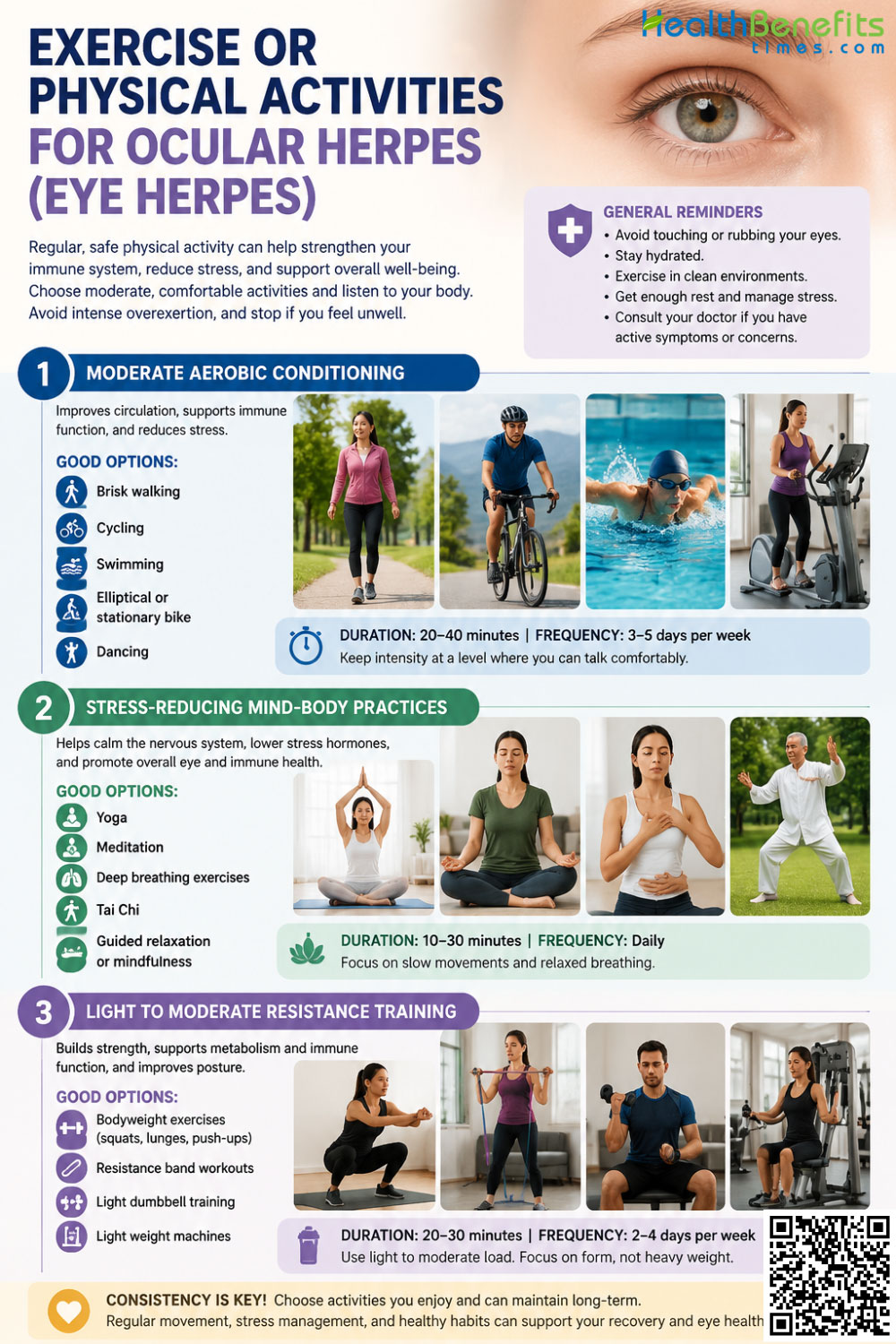
1. Moderate Aerobic Conditioning
Engaging in regular, moderate cardiovascular exercise exerts a profound, positive effect on the body’s innate immunity. Consistent aerobic activity promotes a transient, highly time-dependent redistribution of vital immune cells, actively flushing natural killer (NK) cells and highly specialized white blood cells from lymphatic tissues into the peripheral bloodstream 19. This heightened state of cellular surveillance, often referred to as immune competency, makes the body vastly more efficient at rapidly detecting and neutralizing microscopic viral particles before a full-scale clinical reactivation can take root in the nervous system.
Note: You should aim for 30 to 45 minutes of brisk, steady-state cardiovascular exercises—such as fast-paced walking, light jogging, swimming, or cycling three to five times a week to keep your immune cells actively circulating.
2. Stress-Reducing Mind-Body Practices
Psychological distress and chronic anxiety are widely recognized clinical triggers for HSV reactivation, functioning primarily through the sustained elevation of the stress hormone cortisol, which directly and aggressively suppresses antiviral T-cell responses. Mind-body physical activities effectively short-circuit this destructive physiological stress loop. By physically engaging the parasympathetic nervous system, these low-impact movements significantly lower systemic cortisol levels, thereby preserving the exact cellular immunity necessary to maintain long-term viral latency in the trigeminal ganglion.
Note: You can perform restorative yoga routines or flowing Tai Chi sequences for 20 to 30 minutes daily, ensuring you focus heavily on deep, diaphragmatic breathing to consciously and actively lower your physical and mental stress.
3. Light to Moderate Resistance Training
Maintaining lean muscle mass and optimal metabolic health through structured resistance training fundamentally supports overall systemic resilience. While lifting excessively heavy weights near maximum physical capacity can induce a temporary inflammatory state, light to moderate resistance training dramatically improves blood circulation and metabolic efficiency without placing an overwhelming burden on the fragile immune system. This incredibly stable metabolic baseline provides the body with the deep energetic reserves required to consistently mount an effective, long-lasting defense against unexpected viral flares.
Note: You should engage in light resistance training, utilizing resistance bands, light dumbbells, or simple bodyweight exercises like modified push-ups and squats, twice a week, being incredibly careful not to train to the point of complete muscular failure.
Foods and Activities to Avoid
When actively managing a dormant or currently active viral infection, what you intentionally omit from your daily routine is often just as impactful as what you add. Certain dietary choices and physical behaviors can inadvertently provide the virus with exactly what it needs to thrive, or systematically dismantle your most vital immune defenses.
Foods to Avoid
- High-Arginine Nuts and Seeds: You should significantly reduce your intake of peanuts, almonds, walnuts, pumpkin seeds, and sesame seeds, as they contain disproportionately high levels of arginine, the specific amino acid that heavily fuels viral replication.
- Chocolate and Cocoa: You should absolutely avoid dark chocolate and cocoa-based products during an active outbreak, as these are notoriously rich in arginine and are frequently cited by medical patients as direct dietary triggers for recurring herpetic lesions.
- Refined Carbohydrates and Sugars: You should completely eliminate highly processed foods, sugary beverages, and white pastries from your diet, because rapid spikes in blood glucose create widespread systemic inflammation and physically impair the infection-fighting function of white blood cells.
- Certain Whole Grains: You should moderately reduce your consumption of oats and whole wheat during an acute flare-up, as these specific grains possess a much higher arginine-to-lysine ratio compared to other carbohydrate sources.
- Excessive Alcohol Consumption: You should heavily abstain from heavy drinking, as alcohol is a potent immune suppressant that rapidly dehydrates the body, heavily burdens liver function, and dramatically lowers your biological resistance to viral reactivation.
Activities to Avoid
- Wearing Contact Lenses During an Outbreak: You must immediately cease wearing all forms of contact lenses at the very first sign of ocular redness, tearing, or pain; lenses can physically trap the active virus against the cornea, exacerbate microscopic cellular abrasions, and aggressively invite blinding secondary bacterial infections.
- Prolonged UV Light Exposure: You should strictly avoid spending long periods in direct, intense sunlight without high-quality UV-blocking sunglasses, and entirely shun artificial tanning beds, as intense ultraviolet radiation is a proven, potent catalyst for immediately waking the dormant virus.
- Exhaustive Endurance Training: You should deliberately avoid participating in extreme endurance sports, such as running ultramarathons or engaging in severe physical overtraining, which creates an “open window” of severe immune depression in the hours and days following the event.
- Touching or Rubbing Your Eyes: You must aggressively break the subconscious habit of touching your face, especially if you have an active, weeping cold sore on your lip, to entirely prevent the physical transfer of the live virus to your highly vulnerable ocular surface.
- Exposure to Severe Psychological Stressors: You should consciously avoid volunteering for high-stress environments or overcommitting to exhausting professional obligations without built-in recovery time, as chronic psychological burnout directly and heavily suppresses your cellular immunity.
Myths and Misconceptions
Navigating the complex landscape of herpetic eye disease is incredibly often complicated by pervasive clinical myths and deeply rooted public misunderstandings. Separating anecdotal fiction from established biological fact is absolutely crucial for preserving long-term vision and utilizing appropriate therapies.
| Myth | Reality |
| “Ocular herpes is primarily caused by accidentally transferring genital herpes to the eye.” | While biologically possible, it is incredibly rare in adults. The vast majority of ocular infections are directly caused by HSV-1, the exact viral strain responsible for common oral cold sores, not the sexually transmitted HSV-2. |
| “If you use steroid eye drops, you must completely stop them as quickly as physically possible.” | While unsupervised steroids can dangerously enhance viral replication, many patients with deep, vision-threatening stromal scarring require lifelong “microdoses” of topical steroids alongside oral antivirals to safely prevent the immune system from permanently destroying the cornea. |
| “Preventative antiviral pills (prophylaxis) can only be safely taken for a maximum of one year.” | The landmark Herpetic Eye Disease Study (HEDS) proved high efficacy at the one-year mark, but extensive, ongoing clinical practice demonstrates that oral acyclovir prophylaxis can, and often should, be maintained safely for many years or even for life to prevent blinding recurrences. |
| “Natural remedies like L-lysine and lemon balm extract can eventually cure the herpes virus entirely.” | There is absolutely no known medical cure for the herpes simplex virus. Natural remedies can suppress replication, shorten healing times, and modify immune responses, but the virus will always remain safely dormant within the nervous system. |
| “Once the red, painful outbreak is visibly gone, my eye is completely healed and back to normal.” | Even after the visible, acute infection completely resolves, the virus can leave behind severe, long-lasting neuropathic pain (post-herpetic neuralgia) or induce silent, progressive damage to the tiny corneal nerves, permanently leading to decreased ocular surface sensitivity. |
| “The Herpetic Eye Disease Study (HEDS) showed oral antivirals are useless for epithelial keratitis.” | The clinical data specifically proved that while oral acyclovir heavily benefits stromal keratitis, it successfully reduces the overall rate of any recurrent ocular HSV disease by nearly half, making it highly valuable across multiple types of outbreaks. |
Special Considerations
The clinical presentation, progression, and management of herpetic eye disease must be carefully and highly tailored to the unique physiological landscape of the individual patient. Age, systemic health, and biological status drastically alter how this resilient virus behaves in the body.
1. Children
Pediatric ocular herpes demands aggressive, highly specialized, and immediate medical attention because the developmental stakes are uniquely high. While the physical clinical appearance mirrors that of adults, children exhibit a notably higher biological tendency to develop the more dangerous, deep-tissue stromal form of the disease, and they suffer from far more frequent, rapid recurrences 22. Furthermore, because the visual cortex in a child’s brain is still actively developing, any permanent corneal scarring or prolonged blurry vision caused by an outbreak can easily result in deprivation amblyopia, commonly known as a lazy eye. Swift intervention with weight-appropriate oral pediatric doses of acyclovir and careful, ongoing ophthalmologic monitoring are absolutely required to ensure permanent visual developmental milestones are not irreversibly disrupted.
2. Pregnancy
Managing the herpes virus during pregnancy introduces an incredibly complex clinical calculation balancing maternal comfort and fetal safety. While active herpetic lesions on the eye are deeply painful and dangerous to the mother, the use of systemic antiviral medications requires extreme caution. Certain topical antivirals, like ganciclovir, carry distinct FDA pregnancy Category C warnings due to potential teratogenic and embryotoxic effects heavily observed in laboratory animal models 23. However, oral acyclovir possesses a highly established safety profile for suppressing severe outbreaks, particularly when utilized in the later stages of pregnancy, primarily to safely prevent the highly dangerous systemic transmission of the virus to the infant during delivery. In cases of active shedding, an elective cesarean section is often strongly advised.
3. Chronic Conditions
Patients suffering from chronic clinical immunosuppression—whether due to HIV/AIDS, aggressive autoimmune diseases, or the mandatory use of systemic anti-rejection medications following organ transplantation—face a distinctly uphill battle. In these heavily compromised individuals, the virus often presents atypically, spreading much more rapidly and aggressively across the ocular surface without triggering the standard, expected inflammatory warning signs 24. Additionally, since front-line oral medications like acyclovir and valacyclovir are cleared from the body entirely through renal filtration, patients with chronic renal impairment or kidney disease require highly specific, dramatically reduced dosing schedules to completely prevent dangerous drug toxicity and potential kidney failure 25.
4. Elderly
The natural human aging process inevitably brings about immunosenescence, a biological decline in the robust responsiveness of the adaptive immune system, making elderly populations particularly and highly susceptible to rapid viral reactivation. In older adults, the physical cellular structure of the cornea is also heavily compromised; it naturally thins out and exhibits severely decreased endothelial cell density over time 26. Furthermore, a well-documented physiological phenomenon known as “inflammaging” a state of chronic, low-grade systemic inflammation deeply disrupts the ocular environment, making herpetic outbreaks in the elderly much slower to heal and far more likely to result in catastrophic corneal melting or severe secondary microbial infections.
Precaution Before Use of Natural Remedies When You Have Ocular Herpes (Eye Herpes)
While botanical extracts, essential vitamins, and targeted amino acids offer excellent, scientifically backed supportive care, introducing biological variables into an active, vision-threatening eye infection carries inherent medical risks that must be carefully and aggressively mitigated.
- Never Apply Unapproved Substances to the Eye: You must absolutely never drop concentrated essential oils, raw herbal extracts, crushed vitamins, or standard skin ointments directly onto the ocular surface, as these will predictably cause severe chemical burns, immense toxic reactions, and potentially immediate, irreversible blindness.
- Verify Kidney Health Before Amino Acid Loading: You should deeply consult your primary care physician before taking consistently high daily doses of oral L-lysine (specifically exceeding 3 grams), particularly if you have a known history of chronic kidney disease, gallbladder issues, or cardiovascular conditions, as abnormally high doses can heavily burden renal filtration pathways.
- Beware of Antiviral Drug Interactions: You must highly disclose all natural dietary supplements to your treating ophthalmologist, ensuring that powerful compounds like high-dose zinc or immune-stimulating botanicals do not negatively or dangerously interact with the biological absorption or liver metabolism of your prescribed oral acyclovir or valacyclovir.
- Do Not Use Remedies as Substitutes for Prescriptions: You should never deliberately abandon prescribed antiviral drops (like trifluridine) or oral medications in favor of natural, unproven remedies during an active, vision-threatening stromal flare-up; natural remedies are strictly intended to be complementary support, not primary medical cures.
- Monitor for Severe Allergic Dermatitis: You should absolutely always perform a standard patch test on a small area of skin on your inner arm before applying natural creams like lemon balm or raw propolis anywhere near your eyelids, as botanical resins frequently cause severe, swelling localized allergic contact dermatitis in highly sensitive individuals.
When to See a Doctor
Because ocular herpes is widely and clinically regarded as the leading infectious cause of corneal blindness in the developed world, adopting a highly cautious, aggressively reactive approach to eye symptoms is completely non-negotiable.
- Sudden Deterioration or Loss of Vision: You must urgently seek emergency ophthalmic care if you experience a sudden, terrifying onset of blurry, clouded, or double vision that completely fails to resolve by rapidly blinking or heavily applying lubricating artificial tears.
- Escalating, Unbearable Ocular Pain: You should rapidly contact your eye doctor immediately if a mild, scratchy gritty sensation rapidly and unpredictably evolves into a deep, severe, or throbbing ache located deep inside the physical eye itself.
- Extreme, Painful Light Sensitivity: You must see a medical specialist if you suddenly find it physically impossible to keep your affected eye open in normal indoor lighting or bright outdoor sunlight, as this highly indicates the viral inflammation has aggressively penetrated deeper into the eye’s internal neurological structures.
- Failure of Symptoms to Improve Promptly: You should aggressively return to the medical clinic if your ocular redness, tearing, or physical discomfort does not steadily and visibly begin to resolve within 48 to 72 hours of actively starting a prescribed antiviral or natural supportive regimen.
- You Actively Wear Contact Lenses: You must see an ophthalmologist at the very first sign of an irritated, red, or weeping eye if you are an active contact lens wearer, as the clinical risk of trapping a replicating virus or secondary bacterial strain against a compromised, scratched cornea is critically high.
Comments
comments