

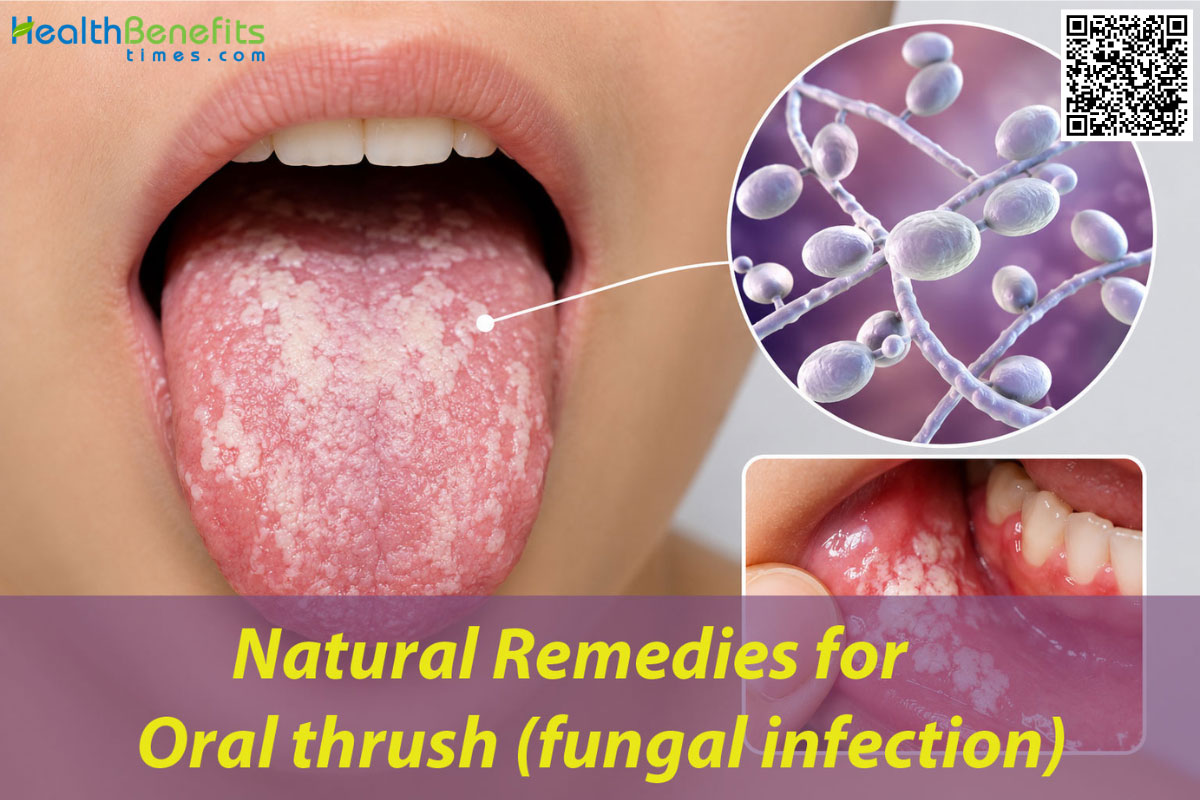
Causes of Oral thrush (fungal infection)
Multiple underlying factors can dramatically alter the delicate environment of the human mouth. Recognizing these triggers helps individuals understand exactly why the yeast has transitioned from a harmless resident into an active pathogen.
1. Weakened Immune Defenses
A compromised immune response stands as the most significant catalyst for fungal overgrowth, frequently affecting individuals navigating major health challenges like HIV/AIDS, active cancer treatments, or those requiring heavy immunosuppressive medications 4.
2. Broad-Spectrum Antibiotic Use
Eliminating harmful bacterial infections often comes with unintended collateral damage, as prescription antibiotics indiscriminately destroy the beneficial oral bacteria that normally compete with yeast for space and vital nutrients 5.
3. Inhaled Corticosteroid Therapy
Managing respiratory conditions such as asthma or chronic obstructive pulmonary disease with steroid inhalers can suppress the localized immune cells within the throat, inadvertently creating a highly favorable breeding ground for opportunistic fungi 6.
4. Chronic Dry Mouth (Xerostomia)
Saliva acts as a vital protective fluid in the body, and a severe reduction in its flow removes crucial antimicrobial proteins and mechanical flushing actions, thereby allowing yeast cells to anchor to soft tissues and multiply freely 3.
5. High-Carbohydrate Diets
Fungi rely heavily on glucose for cellular energy and structural development, meaning that diets loaded with fermentable sugars actively promote yeast adhesion, rapid proliferation, and the construction of highly protective microbial biofilms 7.
6. Poor Dental Hygiene and Denture Use
Failing to clean the oral cavity properly, especially when utilizing poorly fitted or unsterilized dental prosthetics, traps moisture and microscopic food debris against the soft palate, cultivating a perfect microclimate for stubborn infection 8.
7. Unmanaged Systemic Illnesses
Metabolic conditions like diabetes mellitus directly increase the concentration of glucose within saliva and bodily tissues, inadvertently providing a continuous, rich food supply for various opportunistic fungal pathogens 9.
Symptoms of Oral thrush (fungal infection)
Identifying the physical signs of this condition early can prevent deeper tissue irritation and severe discomfort. The outward manifestation of the fungal infection typically follows a highly recognizable pattern.
- Noticeable, creamy white patches or raised spots developing aggressively on the tongue, inner cheeks, roof of the mouth, or the back of the throat 10.
- Underlying tissue redness, soreness, and generalized inflammation that may bleed slightly if the white plaques are accidentally scraped or rubbed during eating or brushing.
- An unusual, distinctly cotton-like or fuzzy sensation encompassing the entire inside of the mouth.
- A sudden dulling of taste buds, or the emergence of a persistent, unpleasant metallic taste that drastically alters the flavor of regular meals 11.
- Varying degrees of pain while chewing, eating, or swallowing, which becomes particularly severe and alarming if the fungal growth migrates downward into the esophagus.
- Painful fissuring, cracking, and localized redness accumulating specifically at the outer corners of the lips, clinically referred to as angular cheilitis 12.
Oral thrush (fungal infection) Facts table
| Category | Facts |
| Symptoms 10 |
|
| Causes 13 |
|
| Types of Oral thrush (fungal infection) 14 |
|
| How does spread 1 |
|
| Age Group 5 |
|
| You might be at a higher risk for exposure of this disease if you: 3 |
|
| How doctors diagnose 12 |
|
| Other facts 11. |
|
Natural Remedies for Oral thrush (fungal infection)
Empowering the body to restore its natural microbial balance requires safe, accessible, and evidence-based interventions. The natural environment offers a wealth of botanical compounds and biological agents that demonstrate significant efficacy against fungal overgrowth.
1. Probiotics (Lactobacillus species)
Reintroducing beneficial bacteria into the digestive and oral systems serves as one of the most logical ways to combat a yeast overgrowth. Probiotic strains, particularly Lactobacillus acidophilus and Lactobacillus reuteri, function biologically by secreting organic acids such as lactic acid and acetic acid, which subsequently lower the local pH and inhibit fungal proliferation 15. Furthermore, consistent intake of these beneficial microbes actively prevents Candida cells from forming resilient biofilms on oral surfaces and supports the local immune response.
Note: You can utilize this remedy by slowly dissolving a high-quality probiotic lozenge in your mouth daily, or by regularly consuming unsweetened yogurt containing live active cultures to repopulate your oral microbiome.
2. Coconut Oil (Oil Pulling)
Harnessing the biochemical properties of specialized plant fats offers an excellent mechanical and chemical defense against oral pathogens. Virgin coconut oil is exceptionally rich in lauric acid, a medium-chain fatty acid that has demonstrated distinct antimicrobial and antifungal capabilities against Candida albicans and other pathogenic oral microbes 16. The traditional practice of oil pulling helps mechanically trap yeast cells, reducing overall microbial loads and easing the severe tissue inflammation associated with denture stomatitis and candidiasis.
Note: You should swish one tablespoon of unrefined virgin coconut oil continuously around your mouth for 10 to 15 minutes, eventually spitting it into a trash bin before rinsing your teeth thoroughly with warm water.
3. Salt Water Rinse
Sometimes the simplest household ingredients yield the most practical and immediate relief for irritated mucosal tissues. Creating a saline environment in the oral cavity naturally alters the osmotic pressure, which makes it incredibly difficult for fungal spores to thrive, survive, and multiply. Salt water serves as a gentle mechanical cleanser that flushes out debris and microbes while simultaneously soothing the painful inflammation and microscopic tissue damage caused by the invasive yeast 17.
Note: You can apply this remedy by dissolving half a teaspoon of plain salt into a cup of warm water, actively swishing the mixture around your mouth for one to two minutes, and spitting it out without swallowing, repeating three to four times a day.
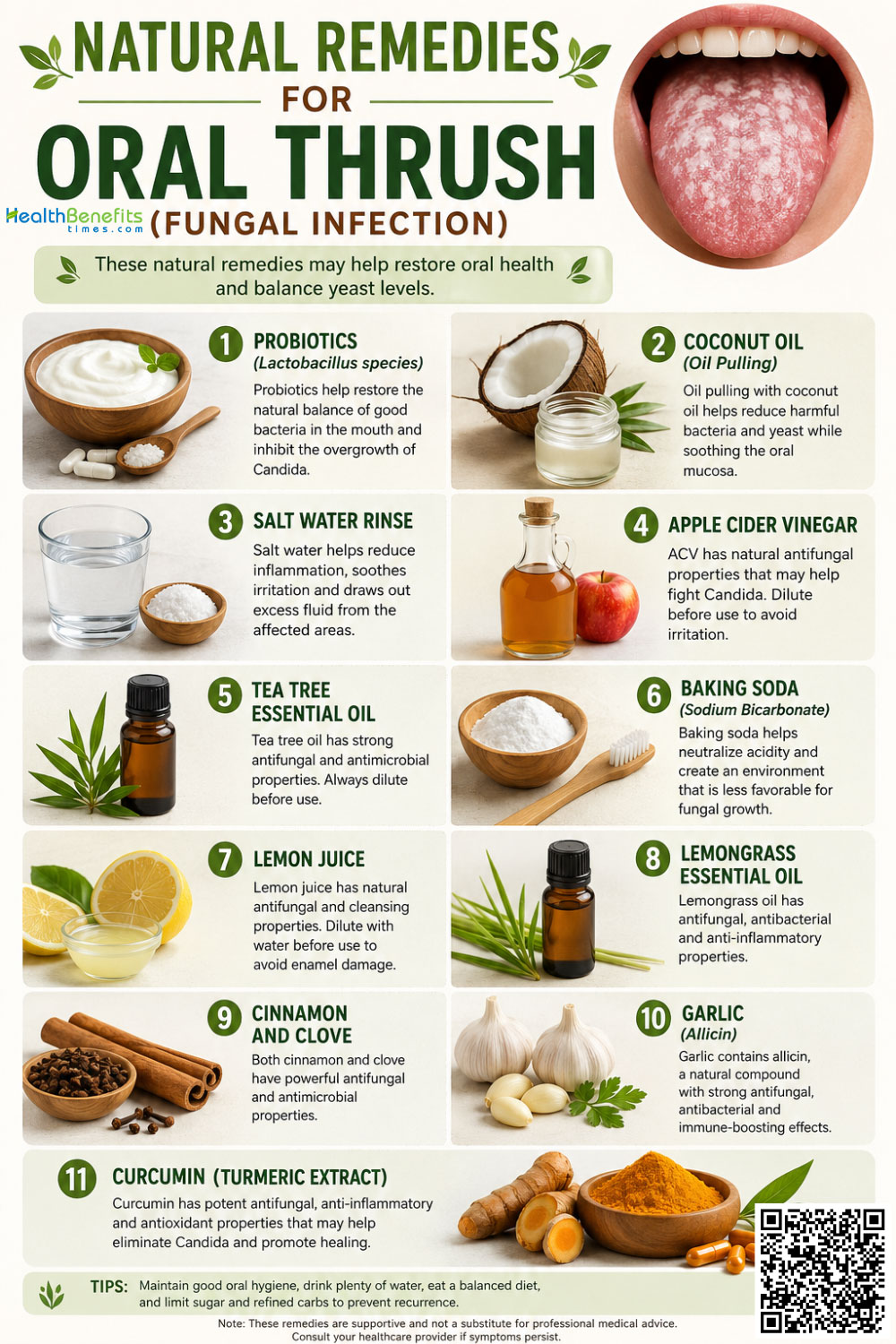
4. Apple Cider Vinegar
Leveraging mild, naturally fermented acids can profoundly shift the environmental viability for infectious yeast. Apple cider vinegar contains active acetic acid, a compound shown in laboratory environments to effectively inhibit the kinetic growth of Candida strains and significantly reduce their ability to adhere to acrylic resins like dental prostheses 18. By purposefully lowering the pH of the immediate area, this accessible liquid essentially creates a hostile territory for the fungus, stripping away its defense mechanisms.
Note: You should mix exactly one teaspoon of raw apple cider vinegar into a full glass of warm water to create an oral rinse, swishing it carefully for 15 seconds before spitting it out, limiting use to twice a day to protect your dental enamel.
5. Tea Tree Essential Oil
Extracts derived from the Melaleuca alternifolia plant contain highly potent bioactive compounds recognized globally for their clinical efficacy against stubborn fungal strains. The primary constituent, terpinen-4-ol, has been shown to strongly inhibit the critical germ tube formation of Candida albicans, which is the exact mechanism the yeast uses to invade human tissues 19. Clinical evaluations indicate that when properly diluted, this essential oil can disrupt the cellular membrane of both standard and drug-resistant fungal isolates.
Note: You must never ingest this oil under any circumstances; instead, strictly dilute one or two drops into a cup of warm water and gently rinse your mouth, ensuring you spit the entire mixture out immediately.
6. Baking Soda (Sodium Bicarbonate)
Counteracting the acidic byproducts that some pathogens thrive upon requires an effective and safe alkalizing agent. Sodium bicarbonate disrupts the low pH environment preferred by advanced Candida colonies, making it a highly effective agent for treating oral thrush, especially for individuals using inhaled corticosteroids. Routine application of a sodium bicarbonate solution has been shown to chemically assist in eradicating high fungal burdens and breaking down the dense biofilms that fiercely protect the yeast 20.
Note: You can utilize this remedy by mixing half a teaspoon of baking soda into a glass of warm water and using it as a thorough mouthwash, or you can apply a gentle paste of baking soda and water directly to your dentures before wearing them.
7. Lemon Juice
Citrus botanicals hold significant therapeutic promise against resilient fungal biofilms that coat the tongue and cheeks. Essential oils from Citrus limon (lemon peel) possess active metabolites like citral and polyphenols that aggressively disrupt the cyto-morphometric structure of yeast cells, effectively dissolving the protective layer of fungal biofilms 21.
Note: You can use this by squeezing fresh lemon juice into water to drink throughout the day, or occasionally applying pure, diluted lemon juice directly to the affected areas if it does not cause severe stinging.
8. Lemongrass Essential Oil
Aromatic grasses offer concentrated botanical defense mechanisms against opportunistic yeast strains. Research demonstrates that the essential oil derived from Cymbopogon citratus exhibits a powerful minimum inhibitory concentration against candidiasis, making it an excellent alternative therapy for suppressing fungal growth in the mouth 22.
Note: You should steep dried lemongrass in hot water to create a soothing herbal tea, allowing it to cool slightly before drinking it slowly to bathe the oral tissues in its beneficial compounds.
9. Cinnamon and Clove
Spices routinely found in the kitchen pantry often contain concentrated, pharmacologically active polyphenols that combat disease. Clove contains eugenol, while cinnamon boasts cinnamaldehyde, both of which are potent anti-inflammatory and antifungal agents that interfere with the ergosterol biosynthesis pathway required for fungal survival 23. Scientific evaluation notes that the robust antifungal activities of these phenolic compounds make them highly viable alternative treatments to combat stubborn oral thrush infections.
Note: You can steep a cinnamon stick and a few whole cloves in hot water to create a soothing, concentrated tea that you allow to cool, gently swishing the liquid in your mouth before swallowing.
10. Garlic (Allicin)
Embracing the sharp, pungent profile of certain root vegetables can yield formidable antimicrobial and health-preserving benefits. Fresh garlic contains allicin, ajoene, and diallyl polysulfides—powerful organosulfur compounds that exert profound anti-candidal activity by interfering with the yeast’s structural integrity and cellular metabolism 24.
Note: You should chew on a small, freshly crushed clove of garlic for a few minutes to release the active allicin, though you may prefer to incorporate raw, minced garlic heavily into your savory meals if direct application is too intense.
11. Curcumin (Turmeric Extract)
Addressing both the rapid fungal overgrowth and the localized tissue pain requires an agent that works on multiple biological pathways simultaneously. Curcumin, the primary active compound in turmeric root, inhibits fungal growth by generating reactive oxygen species inside the yeast, altering hyphal development, and modulating the multidrug efflux pumps that fungi use to resist treatments 25.
Note: You can prepare a healing golden milk beverage by mixing turmeric powder with warm milk and a pinch of black pepper, or you can mix turmeric powder with a few drops of water to form a paste and gently apply it to your inner cheeks.
Is there any exercise or physical activities for Oral thrush (fungal infection)
While it might seem highly unconventional to connect bodily movement to a localized fungal infection in the mouth, systemic immune health deeply influences the microbiome of the oral cavity. Deliberate, appropriately scaled physical activities trigger a cascade of biological responses that fundamentally enhance the body’s ability to resist and clear opportunistic pathogens.
1. Moderate Aerobic Exercise (Cycling, Brisk Walking)
Elevating the heart rate moderately over a sustained period yields measurable improvements in mucosal immunity and defense. Engaging in regular, low-to-moderate intensity physical activity has been scientifically shown to enhance the excretion of salivary antimicrobial proteins and peptides, significantly increasing the concentration of salivary Immunoglobulin A (sIgA) 26. This specific protein serves as a primary immunological defense line in the mouth, actively preventing the adherence and proliferation of pathogenic yeast on mucous membranes.
Note: You should aim to participate in 30 to 45 minutes of brisk walking, light jogging, or cycling at a conversational pace at least three to four times a week to consistently elevate your salivary antimicrobial defenses.

2. Stress-Relieving Yoga and Deep Breathing
Actively managing the central nervous system plays a critical role in preventing immune suppression and illness. Chronic psychological stress naturally elevates cortisol, which suppresses the immune system and paves the way for fungal dysbiosis; however, restorative physical activities like yoga influence the gut-brain axis, resulting in an anti-inflammatory, immunoregulatory state that reduces the abundance of fungal species in the body 27.
Note: You should practice 20 minutes of restorative yoga coupled with deep, diaphragmatic breathing daily, focusing entirely on relaxing your body, stretching tense muscles, and lowering your perceived stress levels.
3. Avoidance of Exhaustive, High-Intensity Training
Knowing precisely when to rest the body is just as vital as knowing when to push it physically. While moderate exercise protects against candidiasis, extremely intense or exhausting athletic training produces excess lactic acid, temporarily lowering the pH of saliva and generating an open window of acute immune depression that actively encourages the intraoral growth of pathogenic fungi 28.
Note: You should temporarily pause any extreme endurance workouts, heavy weightlifting, or high-intensity interval training until your oral thrush infection has completely cleared, opting for lighter recovery movements instead.
Foods to Avoid When You suffer from Oral thrush (fungal infection) and you are prone to Oral thrush (fungal infection)
What enters the digestive tract directly dictates the fuel available to the fungal pathogens residing in the mouth. Starving the yeast is a necessary step in overcoming the infection.
1. Refined Carbohydrates and Sugars
You must strictly avoid candies, sodas, baked goods, and added table sugars, as fermentable dietary sugars aggressively promote fungal growth, biofilm development, and rapid cellular adhesion 13.
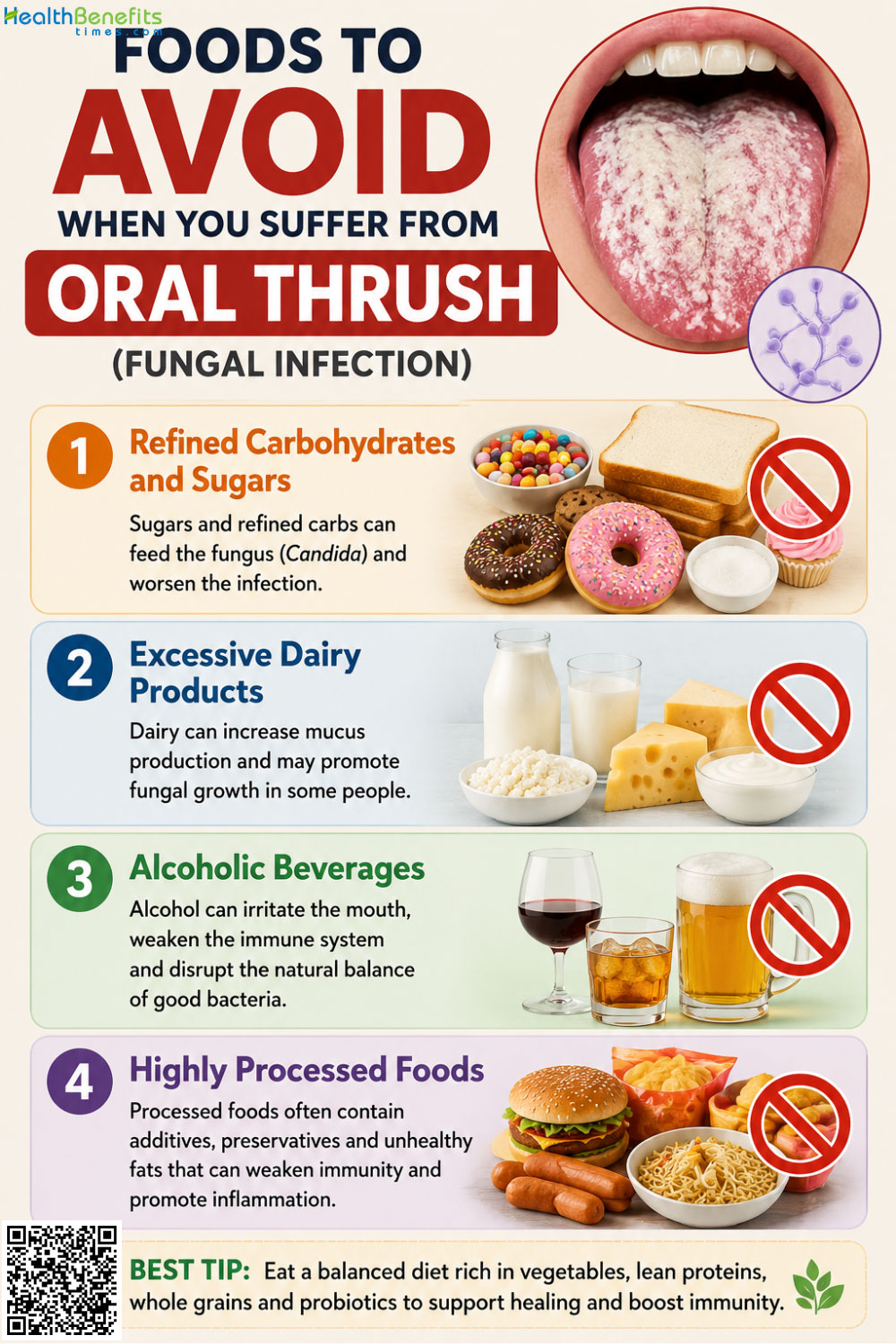
2. Excessive Dairy Products
While unsweetened probiotic yogurt is highly beneficial, you should minimize high-lactose milks and sweetened cheeses, as the natural milk sugars can sometimes feed fungal overgrowth if your microbiome is severely out of balance.
3. Alcoholic Beverages
You should eliminate beer, wine, and liquor from your routine, as excessive alcohol consumption acts as a known risk factor that induces gut and oral dysbiosis, significantly increasing fungal abundance in the body 29.
4. Highly Processed Foods
You should steer clear of ultra-processed packaged meals that lack essential dietary fiber, as standard diets low in vegetable fiber actively disrupt mucosal immunity and facilitate persistent candidiasis.
Activities to Avoid When You suffer from Oral thrush (fungal infection)
Certain daily habits silently sabotage recovery efforts by fostering an environment tailored perfectly for fungal survival. Breaking the cycle of reinfection requires a conscious shift in behavior.
1. Smoking or Chewing Tobacco
You must refrain from smoking, as it depresses polymorphonuclear leukocyte function, induces epithelial keratinization, and severely reduces protective salivary proteins, inviting massive fungal colonization 3.
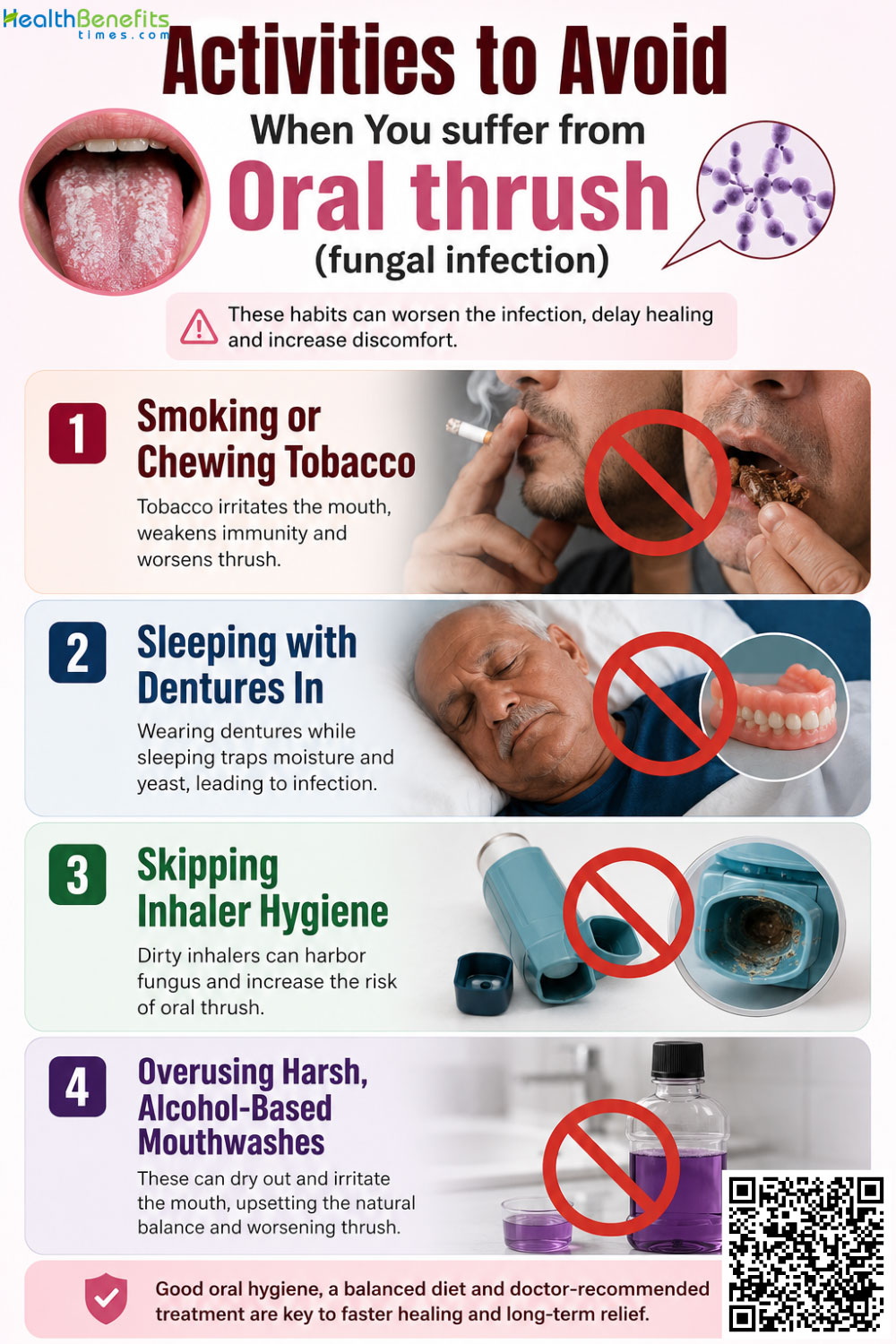
2. Sleeping with Dentures In
You should never leave your oral prostheses in your mouth overnight; trapping them against your gums starves the tissues of oxygen and creates a stagnant, moist breeding ground for severe denture stomatitis 30.
3. Skipping Inhaler Hygiene
You must avoid the mistake of using a corticosteroid inhaler and immediately walking away; failing to rinse your mouth with water or baking soda leaves steroid residues that locally suppress immunity and invite thrush 31.
4. Overusing Harsh, Alcohol-Based Mouthwashes
You should avoid indiscriminately burning your mouth with commercial alcohol rinses, as they relentlessly annihilate your protective commensal bacteria alongside the pathogens, leaving empty mucosal surfaces for aggressive yeast to claim.
Myths and Misconceptions
| Myth | Reality |
| Oral thrush only affects people with severe immune diseases like HIV. 5 | While common in immunocompromised populations, completely healthy adults and children can easily develop oral thrush following a simple course of antibiotics or the use of an asthma inhaler. |
| You must permanently eliminate all Candida from your body to be healthy. | Candida albicans is a normal, naturally occurring member of the human microbiome; health relies entirely on microbial balance, not the absolute eradication of the yeast. |
| Vigorous tooth brushing will scrape away the infection. 2 | Aggressively brushing the white lesions will not cure the underlying fungal overgrowth; it will merely scrape the pseudomembrane off, leaving behind raw, painful, and bleeding tissue that is highly susceptible to secondary bacterial infections. |
| Oral thrush is highly contagious through casual contact. 11 | Because the fungus already lives in the mouths of up to 80% of the population, casually sharing a drink or a quick kiss does not cause an infection unless the recipient’s immune system or oral flora is already compromised. |
Special Considerations
Approaching the treatment of this infection demands a profound appreciation for the unique physiological vulnerabilities inherent to different stages of life and overall health. Standard remedies must often be adjusted to accommodate specific population needs.
- Children and Neonates: The immature immune mechanisms of newborns make them uniquely susceptible to this condition, with the highest risk of oral thrush peaking around the fourth week of life 1. Furthermore, breastfeeding infants suffering from thrush require tandem treatment alongside the mother to halt the painful cycle of cross-infection between the infant’s mouth and the mother’s breast.
- Pregnancy: Expectant mothers experience vast hormonal fluctuations that inherently alter the microbiome and localized tissue pH levels, rendering them naturally more vulnerable to mucosal yeast infections 32. Practitioners must heavily scrutinize the choice of antifungal therapeutics, prioritizing safe, topical interventions to protect fetal development.
- Chronic Conditions (Diabetes, HIV/AIDS, Cancer): Individuals battling systemic illnesses encounter chronic, refractory bouts of oral candidiasis. Diabetics face immense hurdles, as elevated salivary glucose continually feeds the yeast, requiring strict systemic glycemic control to achieve any lasting fungal clearance 33.
- The Elderly: Advanced age naturally correlates with an immunological decline, diminished saliva production, and an increased likelihood of polypharmacy. Older adults who utilize dental prosthetics face immense rates of Candida-associated denture stomatitis, demanding fastidious nightly cleaning of the acrylic resins to prevent chronic tissue inflammation 34.
Precaution before use of natural remedies when you have Oral thrush (fungal infection)
Introducing natural therapeutics to a highly sensitive and actively infected oral cavity requires a thoughtful, measured approach. Before diving into holistic care, safety boundaries must be clearly established.
- Respect High Concentrations of Essential Oils: You must explicitly recognize that essential oils like tea tree and clove are incredibly potent; failing to heavily dilute them with water or a carrier oil will result in severe chemical burns to your delicate oral mucosa.
- Monitor for Allergic Reactions: You should conduct a minor patch test or utilize a tiny amount of new herbs before swishing them in your mouth, as sudden allergic swelling in the throat presents a severe, life-threatening medical emergency.
- Do Not Replace Vital Medications: You must not abandon prescribed systemic antifungal medications in favor of natural remedies if you suffer from advanced HIV, uncontrolled diabetes, or are undergoing chemotherapy, as the fungal infection can rapidly become systemic.
- Mind Your Dental Enamel: You should practice extreme caution with highly acidic remedies, such as lemon juice and apple cider vinegar, restricting their use to brief periods and always rinsing with plain water afterward to prevent the permanent erosion of your tooth enamel.
- Assess Drug Interactions: You must consult a pharmacist if you take daily prescription medications, as consuming large, therapeutic quantities of active botanicals like curcumin or garlic can unexpectedly interfere with blood thinners or standard drug absorption rates.
When to see Doctor
While many mild cases respond beautifully to diligent at-home care, vigilance remains crucial when dealing with opportunistic infections. Specific red flags indicate that the infection has overpowered local defenses and requires professional intervention.
- Painful Swallowing: You should contact a physician immediately if the infection causes significant pain as food or liquid travels down your throat, as this strongly suggests the candidiasis has aggressively descended into your esophagus.
- Lack of Improvement: You must seek a professional diagnosis if you have actively applied natural remedies or over-the-counter interventions for several days without seeing a noticeable reduction in the white patches or oral pain.
- Systemic Symptoms: You should view the sudden onset of an unexplained fever, profound fatigue, chills, or generalized illness alongside oral thrush as a strict medical emergency, potentially indicating the fungus has breached the bloodstream.
- Infant Refusal to Feed: You need to take your baby to a pediatrician immediately if the white patches cause such severe distress that the infant outright refuses to latch, breastfeed, or take a bottle, raising the immediate risk of dangerous dehydration.
- Bleeding Lesions: You must consult a dental or medical professional if the white plaques bleed heavily upon light touch, or if the underlying tissue appears deeply ulcerated, raw, and unable to heal on its own.
Comments
comments