

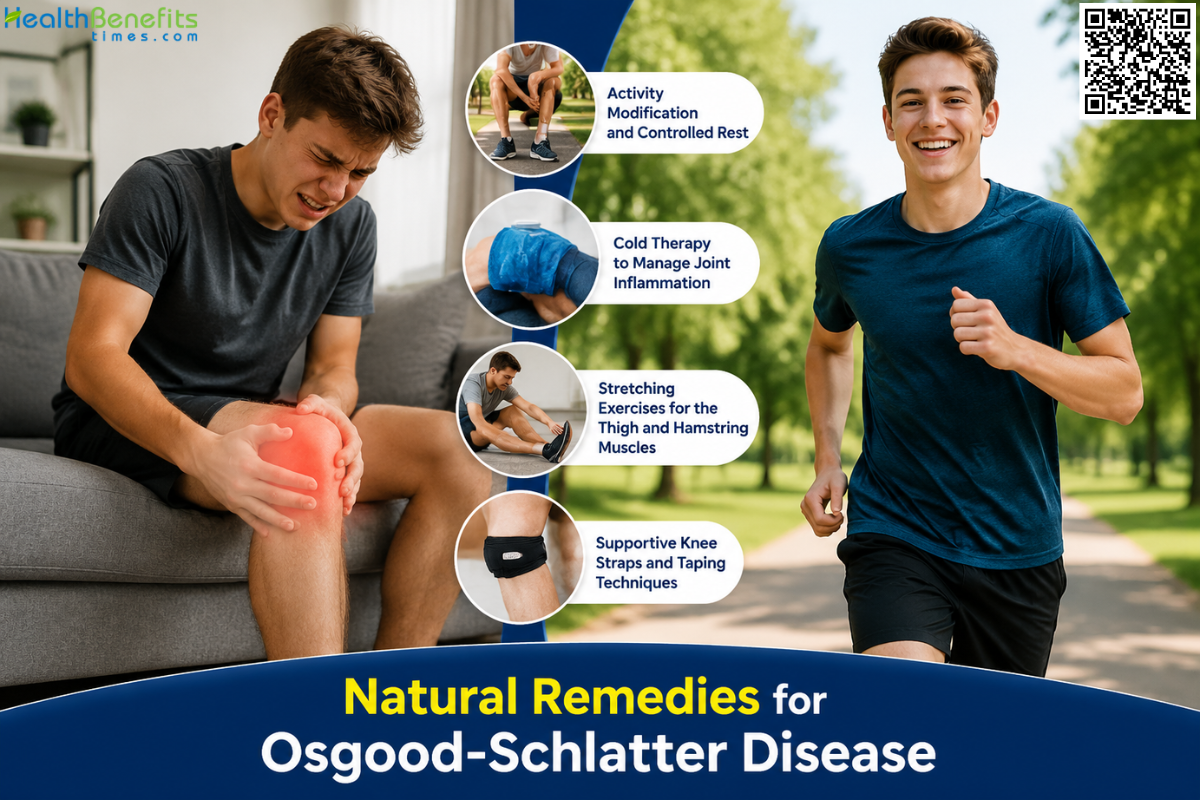
Causes of Osgood-Schlatter Disease
1. Adolescent Growth Spurts
During rapid growth phases, leg bones lengthen faster than the surrounding muscles and tendons can stretch. This discrepancy creates tight thigh muscles that continuously pull on the tendon attached to the shinbone 4.
2. Repetitive Mechanical Strain
Repeated contraction of the thigh muscles exerts strong pulling forces on the soft, developing growth plate at the top of the shinbone. This continuous mechanical stress causes microscopic tears, localized inflammation, and sometimes a partial tearing away of the developing bone.
3. High-Impact Athletic Activities
Participating in sports that demand sudden, explosive leg movements significantly increases stress on the knee. Activities requiring repetitive running, jumping, and forceful knee straightening—such as basketball, volleyball, sprinting, and gymnastics—place excessive loads on the tendon connecting the kneecap to the shinbone.
4. Biomechanical Imbalances
Underlying anatomical factors can predispose a child to increased knee strain. Poor flexibility in the thigh and hamstring muscles, as well as structural misalignment of the knee joint, magnifies the friction and tension placed on the developing shinbone during physical activity.
Symptoms of Osgood-Schlatter Disease
1. Localized Pain and Tenderness
Pain is typically concentrated at the specific area just below the kneecap where the tendon connects to the shinbone. This tenderness is the most common indicator of the underlying tissue inflammation.
2. Visible Swelling
Noticeable swelling often occurs at the upper part of the shinbone, making the skin over the affected area look inflamed and feel warm or sensitive to the touch.
3. Formation of a Bony Lump
A prominent, hard bump frequently develops right below the kneecap. This bony mass is a physical reaction to the tendon constantly pulling away from the growing shinbone, and the lump may remain permanently even after the active condition resolves.
4. Activity-Related Discomfort
The knee pain consistently worsens during physical movements that require forceful muscle contractions, such as jumping, sprinting, squatting, kneeling, or walking up stairs. Conversely, the discomfort typically improves when the knee is allowed to rest.
5. Thigh Muscle Tightness
Affected individuals frequently experience severe stiffness in the front thigh muscles and the muscles at the back of the legs. This ongoing muscle tightness restricts flexibility and increases the mechanical tension applied directly to the knee joint.
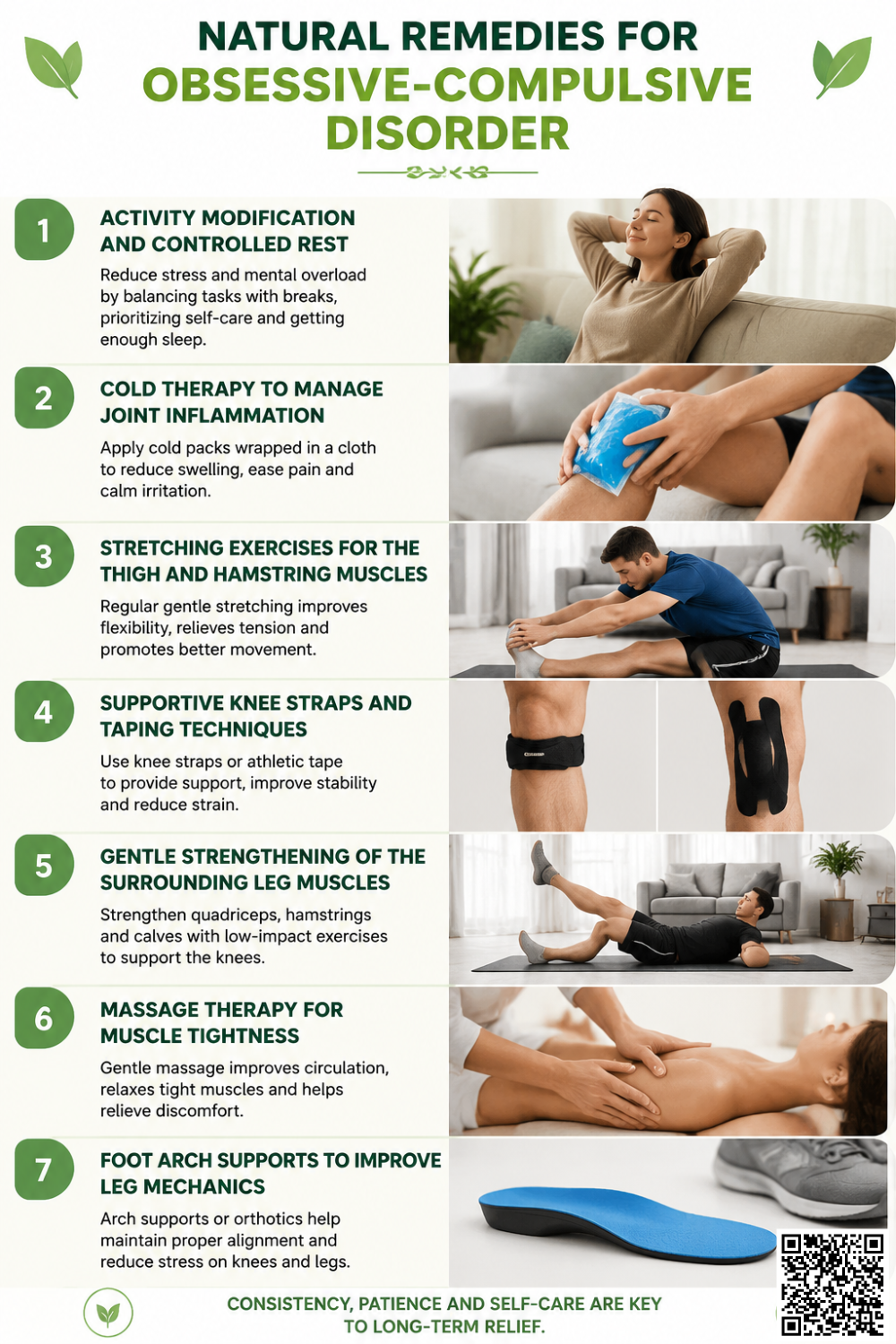
1. Activity Modification and Controlled Rest
How It May Help
Modifying physical activity and temporarily resting the knee directly reduces mechanical strain on the soft, developing growth plate at the top of the shinbon. By avoiding explosive, high-impact movements, the constant pulling from the thigh muscles is minimized, allowing localized tissue inflammation and pain to subside naturally over time.
What Research Says
Clinical studies indicate that conservative management—combining activity modification and relative rest—is highly effective, leading to successful symptom relief in most adolescents 5. Research confirms that the condition resolves completely once the individual reaches skeletal maturity and the vulnerable tibial growth plate fully fuses into solid bone.
How to Use It Safely
Do not completely immobilize your knee. Instead, gradually reduce participation in pain-aggravating sports that require repetitive jumping or sprinting. Substitute high-impact routines with low-impact alternatives, such as swimming or cycling, to maintain conditioning without overloading the healing joint.
Potential Precautions or Side Effects
Absolute rest without guided rehabilitation can lead to leg muscle weakness and joint stiffness, which may ultimately complicate a safe return to active sports.
2. Cold Therapy to Manage Joint Inflammation
How It May Help
Applying cold therapy to the affected knee directly constricts local blood vessels, which reduces blood flow to the inflamed growth plate. This process temporarily numbs the nerve endings at the top of the shinbone, providing immediate relief from sharp pain and decreasing visible tissue swelling after physical activity.
What Research Says
Clinical guidelines establish cryotherapy as a standard, effective conservative treatment for managing acute flare-ups of Osgood-Schlatter disease. Medical consensus indicates that consistent ice application immediately following sports participation significantly reduces localized tendon inflammation and effectively manages pain without the need for pharmacological interventions.
How to Use It Safely
Wrap a cold pack in a thin towel and apply it to the tender bump below your kneecap for 15 to 20 minutes immediately after exercise. Repeat this process a few times daily during severe pain flare-ups to maintain ongoing joint comfort.
Potential Precautions or Side Effects
Never apply ice directly to bare skin, as this can cause frostbite or severe tissue damage. Leaving cold packs on for longer than 20 minutes risks localized nerve injury.
3. Stretching Exercises for the Thigh and Hamstring Muscles
How It May Help
Tight thigh muscles create constant tension that forcefully pulls on the sensitive tendon attached to the shinbone. Stretching the front thigh muscles and hamstrings improves flexibility, which directly reduces this mechanical pull on the inflamed growth plate and relieves joint stress during movement.
What Research Says
Clinical guidelines emphasize that physical therapy focusing on quadriceps and hamstring stretching is highly effective for managing this condition. Research shows that improving muscle flexibility around the knee significantly decreases pain levels and allows adolescents to recover faster without long-term joint complications.
How to Use It Safely
Perform gentle, sustained stretches for your front thigh muscles and hamstrings daily. Hold each stretch for 20 to 30 seconds without bouncing, ensuring you feel a mild pull rather than sharp pain . Always warm up your muscles lightly before starting your routine.
Potential Precautions or Side Effects
Overstretching or bouncing can cause muscle tears and worsen knee inflammation. Never push through sharp joint pain, as this indicates harmful tissue stress rather than healthy flexibility.
4. Supportive Knee Straps and Taping Techniques
How It May Help
Wearing a supportive knee strap applies gentle pressure to the tendon just below the kneecap. This compression slightly alters how the tendon pulls, effectively redistributing the mechanical force away from the inflamed shinbone bump and reducing sharp pain during physical activity.
What Research Says
Clinical guidelines recommend using a patellar tendon strap as an effective conservative treatment for managing activity-related knee pain. Medical experts agree that these supportive devices successfully decrease the direct mechanical tension on the sensitive growth plate, allowing adolescents to participate in sports more comfortably.
How to Use It Safely
Secure the knee strap firmly but comfortably around your leg, directly over the tendon halfway between your kneecap and the bony bump. Ensure the strap is snug enough to stay in place during sports, but never so tight that it restricts normal circulation.
Potential Precautions or Side Effects
Tying the strap too tightly can cause skin irritation, swelling, or poor blood circulation in the lower leg . Straps should only be worn during physical activity.
5. Gentle Strengthening of the Surrounding Leg Muscles
How It May Help
Building strength in the thigh and hamstring muscles improves knee stability and shock absorption. Stronger muscles better handle the physical forces generated during daily activities, which prevents excessive stress from transferring directly to the inflamed tendon and shinbone bump.
What Research Says
Medical guidelines establish targeted muscle strengthening as a primary treatment for recovering from knee strain. Research shows that progressively strengthening the leg muscles once initial swelling decreases significantly improves joint function, prevents future pain flare-ups, and safely prepares adolescents to resume sports.
How to Use It Safely
Begin with gentle, pain-free movements like straight-leg raises or wall sits rather than heavy weightlifting. Gradually increase exercise intensity only as your pain improves. Work with a physical therapist to ensure you maintain proper form without stressing the joint.
Potential Precautions or Side Effects
Performing deep squats, heavy leg extensions, or exercising through sharp pain can worsen the existing tissue tears and severely increase knee joint inflammation.
6. Massage Therapy for Muscle Tightness
How It May Help
Therapeutic massage relieves severe tightness in the quadriceps and hamstring muscles. By loosening these tense muscle groups, soft tissue massage directly reduces the continuous mechanical pulling force exerted on the sensitive tendon attached to the shinbone, effectively alleviating knee tension and localized pain 6.
What Research Says
Clinical studies show that combining soft tissue release of the thigh muscles with standard conservative treatment significantly accelerates recovery in adolescents experiencing knee strain. Evidence indicates that actively reducing quadriceps tension decreases mechanical stress on the growth plate, requiring fewer treatment sessions for full symptom relief.
How to Use It Safely
Apply gentle, broad strokes to the front of your thigh and the back of your leg using your hands or a soft foam roller. Perform this muscle release daily, focusing strictly on the fleshy muscle groups to relieve tension without agitating the knee joint.
Potential Precautions or Side Effects
Never apply deep massage or heavy pressure directly over the inflamed bony bump below the kneecap, as this can severely aggravate tissue inflammation and worsen your pain.
7. Foot Arch Supports to Improve Leg Mechanics
How It May Help
Correcting a flattened foot arch with supportive insoles improves the overall alignment of the foot, ankle, and lower leg. This proper mechanical alignment prevents the shinbone from rotating inward excessively during movement, which directly decreases abnormal twisting and pulling forces exerted on the sensitive knee tendon 7.
What Research Says
Clinical research identifies poor lower leg alignment, particularly a low foot arch, as a significant biomechanical risk factor for developing this specific knee condition. Medical evidence supports that utilizing corrective foot orthoses improves lower limb mechanics, successfully reducing the continuous mechanical stress transmitted to the inflamed growth plate.
How to Use It Safely
Insert supportive, properly sized orthotic insoles into both your athletic and daily walking shoes. Wear them consistently during all weight-bearing activities. Gradually increase your wearing time over several days to allow your foot muscles and joints to comfortably adapt to the new structural alignment.
Potential Precautions or Side Effects
Poorly fitted or overly rigid arch supports can cause foot blisters, localized foot discomfort, or improperly shift mechanical stress upward, causing new pain in your hips or lower back.
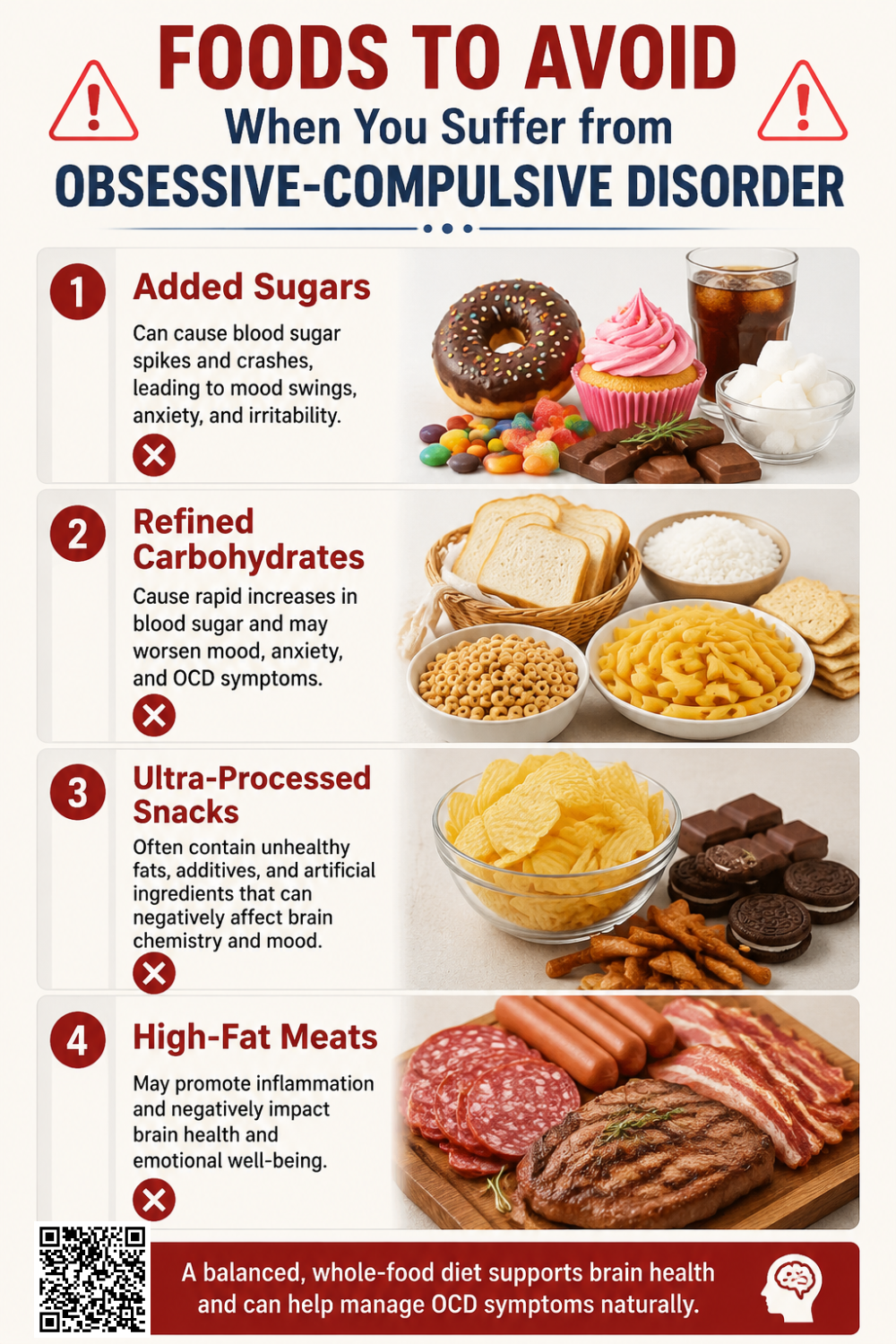
1. Added Sugars
High sugar intake increases pro-inflammatory cytokines, which can worsen localized tissue swelling and prolong joint discomfort during active flare-ups 8.
2. Refined Carbohydrates
White flour rapidly spikes blood glucose, driving oxidative stress and systemic inflammation that may aggravate the tender growth plate below the kneecap.
3. Ultra-Processed Snacks
These heavily manufactured foods frequently contain trans fats that promote chronic low-grade inflammation, potentially delaying the natural recovery of mechanically stressed knee tendons 9.
4. High-Fat Meats
Diets excessive in saturated fats increase inflammatory mediators throughout the body, which can impair optimal soft tissue healing and amplify overall joint stiffness.
When To see Doctor when you suffer from Osgood-Schlatter Disease
1. Severe Pain at Rest
This condition’s pain normally improves with rest. Persistent, throbbing joint pain while completely inactive or pain that disrupts sleep requires medical evaluation.
2. Inability to Bear Weight
If you suddenly cannot walk, limp severely, or cannot straighten the leg, this strongly indicates a potential avulsion fracture requiring immediate imaging 10.
3. Signs of Infection
Visible redness, unusual warmth radiating from the knee, or a systemic fever are atypical and may signal a serious underlying bone infection.
4. Sudden Onset After Trauma
This syndrome develops gradually from repetitive strain. Acute, severe knee pain immediately following a specific fall or forceful jump suggests a distinct structural tear.
5. Worsening Symptoms Despite Rest
If your knee pain continuously intensifies over several weeks even after you completely stop high-impact sports, a doctor must rule out other underlying pathologies.
Comments
comments