

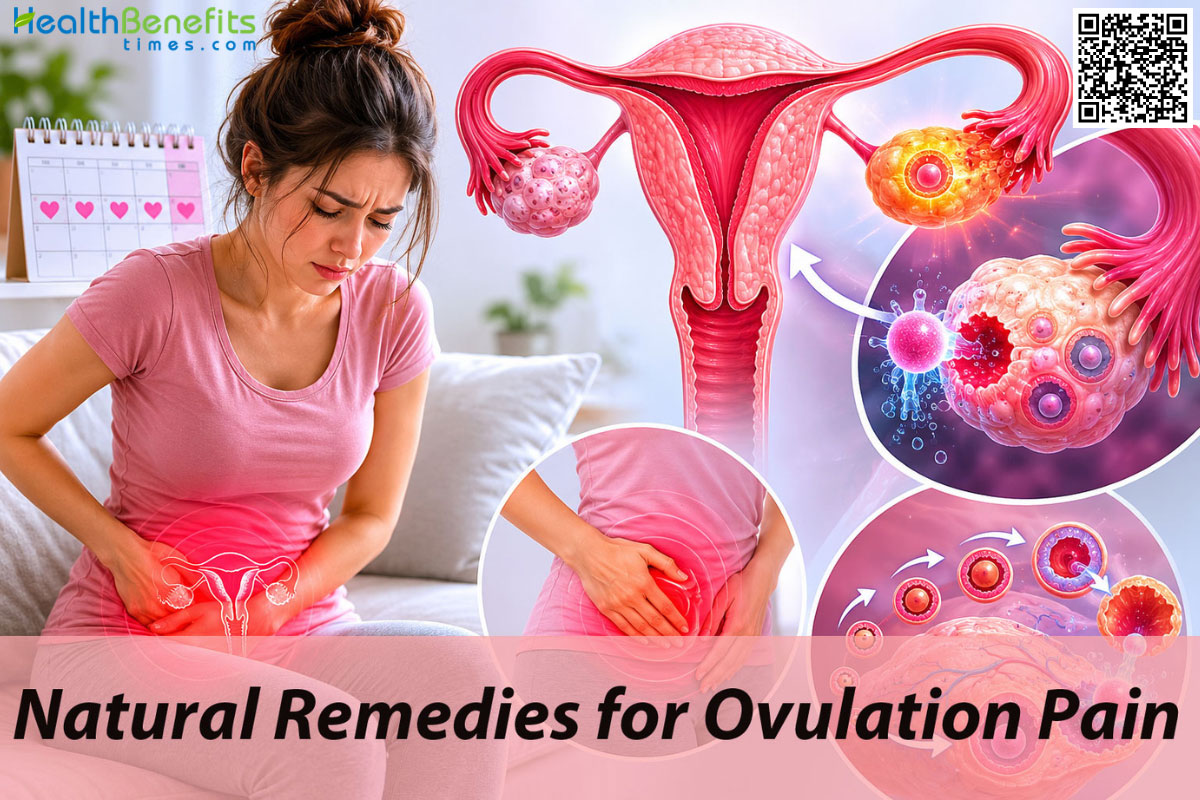
Causes of Ovulation Pain
Understanding the complex root triggers of mid-cycle discomfort requires analyzing both standard physiological processes and underlying gynecological pathologies that amplify normal bodily functions.
1. Follicular Fluid Release and Peritoneal Irritation
The exact moment a human ovary successfully releases a mature egg, a small but significant amount of internal follicular fluid, occasionally accompanied by microscopic amounts of blood, is expelled directly into the abdominal cavity. This biological fluid acts as a harsh chemical irritant to the parietal peritoneum the sensitive membrane lining the abdominal and pelvic cavities triggering immediate, sharp, and highly localized pain responses 5.
2. Prostaglandin-Induced Smooth Muscle Contractions
As plasma luteinizing hormone levels reach their biological peak mid-cycle, localized cellular prostaglandin production dramatically spikes within the reproductive tissues. These hormone-like lipids forcefully compel the delicate smooth muscle tissues enveloping the ovary and the adjacent fallopian tubes to contract aggressively, resulting in deep, throbbing, cramp-like sensations that mimic early menstrual cramps 2.
3. Endometriosis and Ectopic Tissue Inflammation
Ectopic endometrial cells tissues remarkably similar to the lining of the uterus but improperly implanted outside the womb on ovaries or pelvic walls respond aggressively to cyclical estrogen fluctuations. During the ovulatory window, these misplaced tissues can swell, bleed internally, and cause severe localized inflammation, massively amplifying the baseline pain of normal ovulation into a debilitating chronic condition 6.
4. Functional Ovarian Cysts
Routine fluid-filled sacs frequently develop naturally on the ovaries as a standard part of the menstrual cycle, known clinically as functional cysts. As these cysts expand to accommodate a developing egg, they aggressively stretch the highly innervated ovarian capsule, and if they rupture unexpectedly during ovulation, they release highly irritant biological fluid into the pelvis, causing acute and severe abdominal distress 7.
5. Pelvic Inflammatory Disease (PID)
Bacterial infections that ascend into the reproductive tract, frequently originating from asymptomatic and untreated sexually transmitted infections such as chlamydia, leave the internal reproductive organs chronically inflamed. This prolonged state of inflammation leaves the ovaries and fallopian tubes hyper-sensitive to the minor mechanical changes and minor fluid releases of normal ovulation, transforming a harmless event into a deeply painful episode 8.
6. Surgical Adhesions and Internal Scar Tissue
Dense, fibrous bands of scar tissue frequently form internally following invasive lower abdominal surgeries, such as a routine caesarean section or an appendectomy. These rigid adhesions can physically bind the ovaries to the abdominal wall or the bowel, severely restricting their natural mobility and leading to sharp, mechanical tearing pain whenever the ovarian follicle swells prior to releasing an egg 9.
Symptoms of Ovulation Pain
Clinical presentations of this mid-cycle phenomenon vary widely among different patients, though core diagnostic markers remain highly consistent across the reproductive demographic.
- Unilateral discomfort that is strictly localized to the lower abdomen or deep within the pelvic region on one specific side 10.
- Pain that predictably alternates sides from month to month, directly corresponding to the specific ovary (left or right) that is actively releasing an egg during that particular cycle 11.
- Sensations ranging broadly from a continuous, dull, heavy pelvic ache to sudden, sharp, and agonizing twinges that catch the patient off guard 12.
- Symptom duration spanning from a few transient minutes to a prolonged, uncomfortable period lasting up to 24 to 48 hours 10.
- Onset occurring exactly mid-cycle, typically calculated by medical professionals as approximately 14 days prior to the anticipated start of the subsequent menstrual period 5.
- The occasional presence of minor vaginal spotting, exceptionally light bleeding, or a noticeable increase in clear, stretchy, egg-white-like cervical discharge coinciding with the pelvic discomfort 5.
Ovulation Pain Facts Table
| Category | Details |
| Symptoms 5 |
|
| Causes 13, 4, 6, 14. |
|
| Types of Ovulation pain 12, 15. |
|
| How does spread 5 |
|
| Age Group 16 |
|
| You might be at a higher risk for exposure of this disease if you: 17, 18, 19 |
|
| How doctors diagnose 10, 20. |
|
| Other facts 2, 21. |
|
Natural Remedies for Ovulation Pain
Non-pharmacological interventions offer highly effective, holistic pathways for managing physiological mid-cycle discomfort. By focusing on root inflammatory pathways and muscle tension, you can largely avoid relying on synthetic, systemic analgesics.
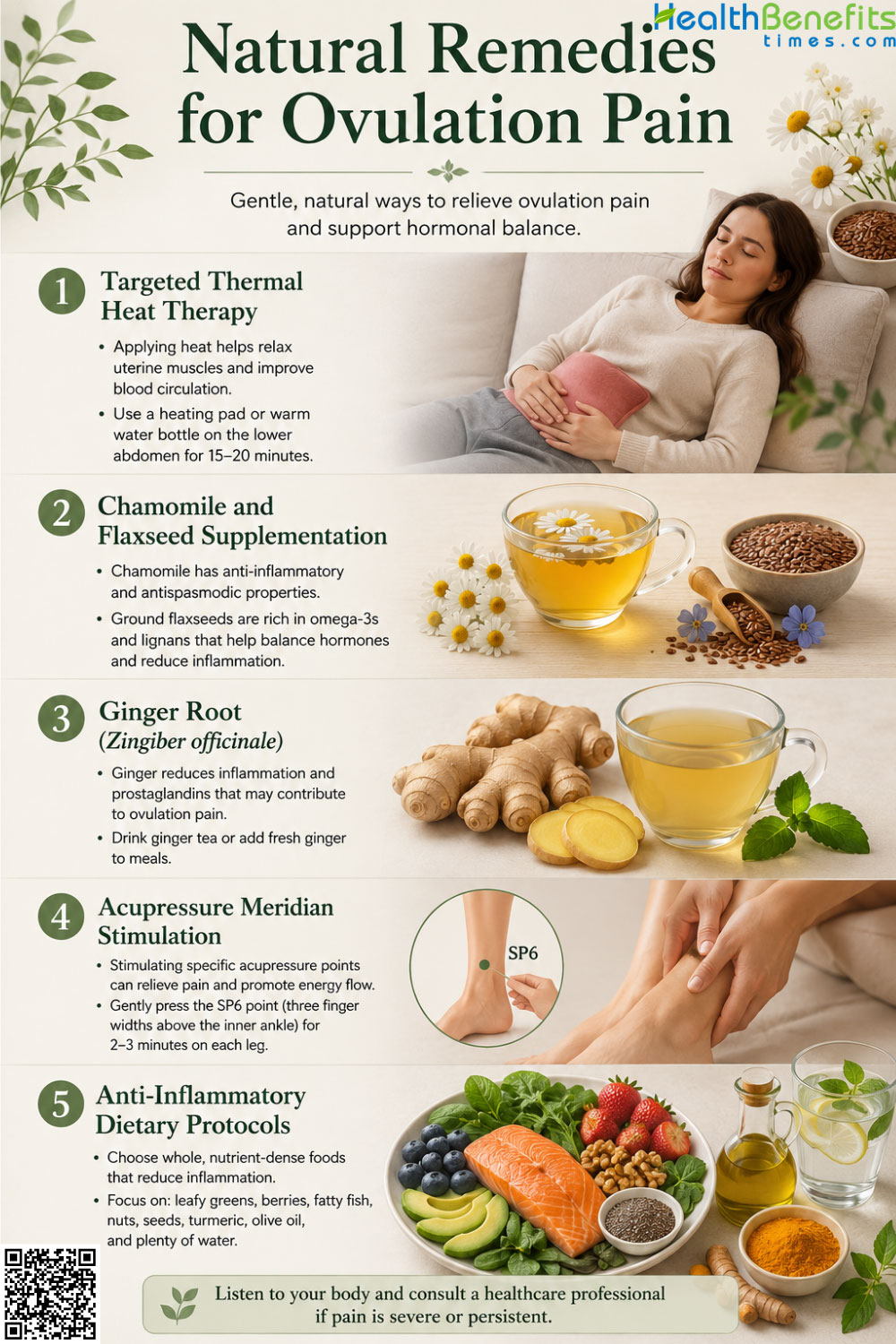
1. Targeted Thermal Heat Therapy
Applying thermal energy directly to your lower abdominal region functions as a potent biological vasodilator, completely transforming your local pelvic blood circulation. When you introduce external heat to the skin above your reproductive organs, the underlying blood vessels rapidly expand, which significantly expedites the dissipation of concentrated, pain-inducing prostaglandins lingering in the tissues 22. This greatly enhanced vascular perfusion directly reduces localized tissue ischemia a state where tissues are starved of oxygen and subsequently alleviates severe smooth muscle cramping across the pelvic floor. Clinical evaluations repeatedly indicate that applying thermal interventions possesses an exceptional safety profile, providing immediate, non-invasive analgesic effects that routinely rival the relief provided by traditional nonsteroidal anti-inflammatory drugs (NSAIDs) 23.
Note: You can easily apply this remedy topically to your lower abdomen using a standard electric heating pad on a medium setting, a traditional warm water bottle, or by completely immersing your body in a warm therapeutic bath for a minimum of 15 to 20 minutes.
2. Chamomile and Flaxseed Supplementation
Botanical pharmacology highlights the profound efficacy of specific natural herbs in safely modifying the human body’s overarching inflammatory response. Chamomile flowers contain dense concentrations of bioactive flavonoids that exert powerful antispasmodic effects directly on uterine and pelvic smooth muscles, actively mitigating the severity of mid-cycle cramping 24. Simultaneously, integrating flaxseed into your routine provides your body with a massive source of omega-3 fatty acids, which systematically shift your internal lipid metabolism to inhibit the synthesis of pro-inflammatory prostaglandins commonly associated with severe pelvic disorders like endometriosis 25.
Note: You should consume these botanicals orally, either by brewing dried chamomile flowers as an herbal tea infusion or by incorporating ground flaxseed directly into your daily meals and smoothies during the pre-ovulatory phase of your cycle.
3. Ginger Root (Zingiber officinale)
Biochemical analyses of natural ginger reveal its extraordinary capacity to physically block both the cyclooxygenase (COX) and lipoxygenase (LOX) biological pathways, which are the exact critical enzymes responsible for generating inflammatory mediators throughout the female reproductive tract 26. By proactively suppressing these specific enzymatic pathways, ginger efficiently alleviates primary dysmenorrhea and ovulatory pain, reduces overall systemic inflammation, and minimizes secondary gastrointestinal disturbances such as waves of nausea that sometimes uniquely accompany severe episodes of pelvic pain 26.
Note: You can ingest ginger effectively by steeping the freshly grated root in hot water to create a potent tea, grating it directly into your nutritional meals, or swallowing it in standardized capsule form for highly concentrated, medicinal dosing.
4. Acupressure Meridian Stimulation
Meridian-based physical acupoint stimulation cleverly leverages your body’s own neural pathways to naturally suppress and override incoming pain signals. Applying sustained, deliberate physical pressure to the Sanyinjiao (SP6) and Diji (SP8) points located on your lower extremities dramatically modulates your autonomic nervous system activity, effectively diminishing the severe intensity of pelvic cramping for several hours post-intervention 27. This ancient practice offers a completely zero-cost, non-invasive self-care strategy that allows you to successfully circumvent the dangerous gastrointestinal side effects frequently associated with standard over-the-counter pain medications 28.
Note: You perform this by applying manual, firm, and steady thumb pressure to the designated acupoints located on the inner aspect of your lower leg, holding the pressure constantly for approximately three to five minutes per side.
5. Anti-Inflammatory Dietary Protocols
Metabolic frameworks dictate that states of chronic inflammation will heavily exacerbate absolutely all forms of pelvic pain, including the normal twinges of ovulation. Transitioning your daily intake to a diet incredibly rich in antioxidants, polyunsaturated fatty acids (PUFAs), and essential immune-boosting vitamins (specifically vitamins C, D, and E) actively reduces cellular oxidative stress and profoundly lowers your overall Dietary Inflammatory Index (DII) 29. By consciously prioritizing plant-based polyphenols over highly processed modern foods and dense animal fats, your body fundamentally lacks the biological precursor materials required to manufacture pain-inducing prostaglandins, leading to much smoother, less painful ovulation cycles 30.
Note: You must eat this way consistently as a long-term core lifestyle adjustment, heavily emphasizing fresh green vegetables, whole grains, and healthy fats while strictly minimizing your intake of refined sugars and processed meats.
Is There Any Exercise or Physical Activities for Ovulation Pain?
Specific movement modalities and targeted musculoskeletal stretching routines can profoundly alter your central pain perception and greatly enhance your overall pelvic vascular health.
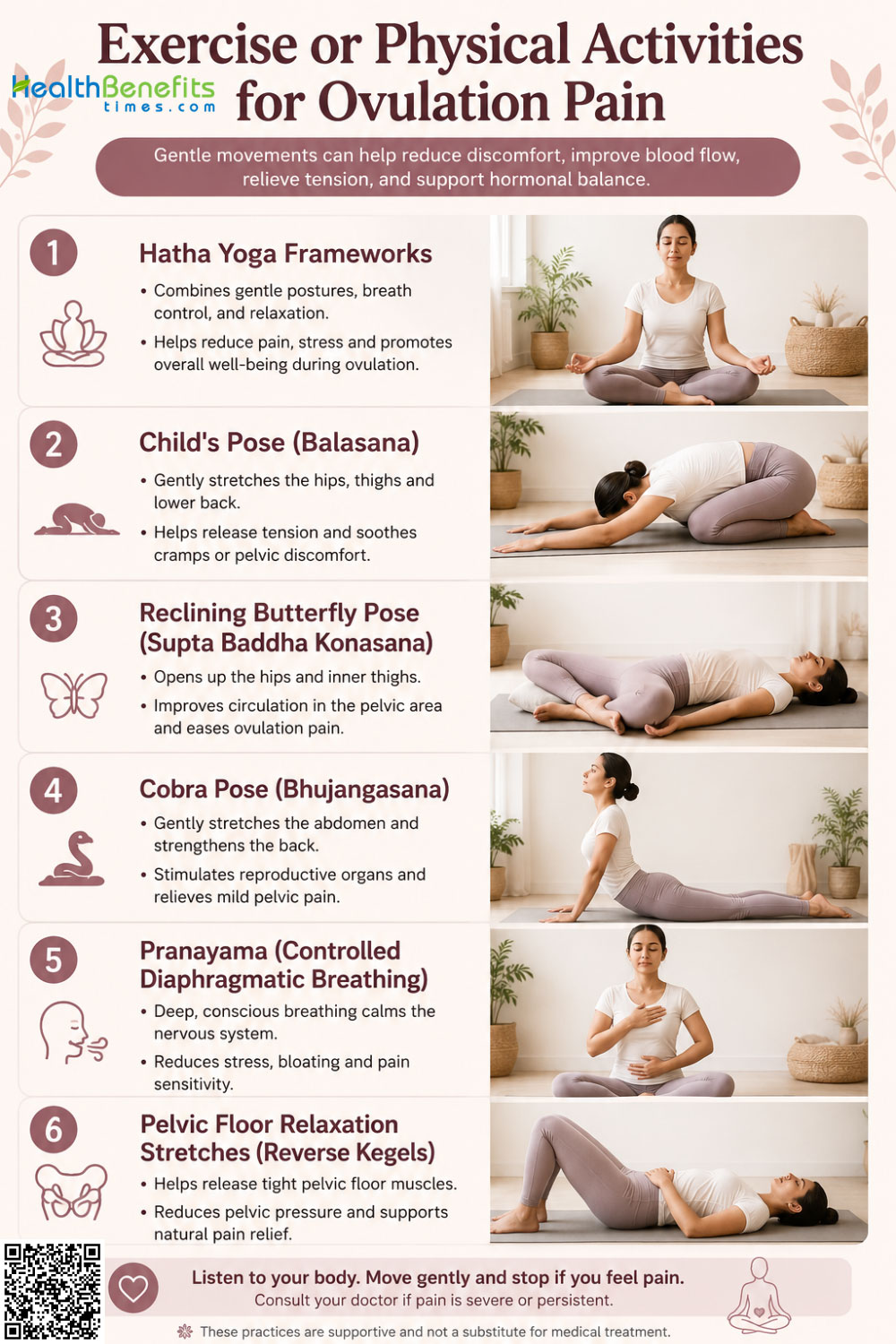
1. Hatha Yoga Frameworks
Mind-body interventions such as traditional yoga possess heavily documented clinical efficacy in alleviating severe gynecological pain by directly downregulating the hypothalamic-pituitary-adrenal stress axis and enhancing overall pelvic blood circulation 31. When you practice restorative postures, you gently stretch the intricate fascial networks of your pelvic floor, inner thighs, and lower lumbar spine. These distinct physical shapes actively encourage optimal blood flow, alleviate localized oxygen starvation (ischemia) in the muscles, and release deep myofascial restrictions that so often amplify abdominal cramping during the ovulatory phase 32.
Note: You practice this by dedicating 15 to 30 minutes to slowly transitioning into various postures on a supportive exercise mat, ensuring you hold each physical shape for 30 to 60 seconds while remaining fully relaxed and breathing deeply.
2. Child’s Pose (Balasana)
Engaging in this specific foundational resting posture creates a safe, profound physical elongation of your lower back while simultaneously decompressing the complex musculature surrounding your pelvic basin. When your torso folds over your thighs, you create a gentle, sustained intra-abdominal compression that acts as a natural massage for your reproductive organs, soothing the highly irritated ovarian capsule and reducing the sharp, stabbing sensations associated with follicular rupture 33.
Note: You do this by kneeling on the floor, sitting back heavily onto your heels, and then slowly leaning your torso completely forward until your forehead comfortably rests on the mat, with your arms stretched out extensively in front of you.
3. Reclining Butterfly Pose (Supta Baddha Konasana)
Opening the hips deeply through this highly restorative supine posture specifically addresses the tight adductor muscles and restrictive pelvic ligaments that frequently spasm during mid-cycle hormonal surges. By allowing gravity to gently pull your knees toward the floor, you facilitate a massive expansion of the pelvic outlet, which vastly improves localized venous return and actively flushes out stagnant, inflammatory byproducts from the lower abdomen 34.
Note: You perform this by lying completely flat on your back, bringing the actual soles of your feet together so they touch, and allowing your knees to fall wide open to the sides like the wings of a butterfly, using pillows under your knees for support if needed.
4. Cobra Pose (Bhujangasana)
Stretching the anterior chain of your body heavily engages the rectus abdominis and the deep pelvic ligaments, directly counteracting the involuntary fetal-position hunching that typically occurs when you experience severe pelvic pain. This upward-facing posture creates essential space within the abdominal cavity, physically relieving the structural pressure placed on the swollen ovaries and hyperactive fallopian tubes during the biological window of ovulation 35.
Note: You execute this by lying totally flat on your stomach, placing your palms flat on the floor directly under your shoulders, and gently using your back muscles to lift your chest off the floor while keeping your pelvis heavily grounded.
5. Pranayama (Controlled Diaphragmatic Breathing)
Respiratory regulation exercises fundamentally enhance your cardiac sympathovagal balance, sending immediate neurological signals to your nervous system to shift forcefully from a high-stress “fight or flight” sympathetic state to a deeply restorative, pain-relieving parasympathetic state 31. Deep breathing techniques maximize overall oxygen saturation in your bloodstream, delivering vital, fresh oxygen to constricted, ischemic pelvic tissues and subsequently lowering the overall sensitivity of your internal pain receptors 36.
Note: You practice this sitting in a comfortable seated or completely supine position, taking incredibly slow, deliberate, and deep inhalations through your nose that visually expand your lower abdomen rather than your chest, followed by long, complete exhalations.
6. Pelvic Floor Relaxation Stretches (Reverse Kegels)
Acute lower abdominal pain frequently triggers a highly involuntary, reflexive tightening of the pelvic floor muscles, which paradoxically worsens your primary ovulatory discomfort by restricting blood flow. Conscious pelvic floor muscle relaxation frequently referred to as reverse Kegels interrupts this vicious pain-tension cycle by actively and deliberately elongating the muscle fibers that stretch completely from your pubic bone to your tailbone 37. This deliberate, focused relaxation completely prevents functional hypertonicity and directly relieves any surrounding nerve compression within the pelvic basin 38.
Note: You accomplish this by first identifying your pelvic musculature, executing a very brief, mild contraction, and then deeply and consciously pushing down slightly to release all tension for an extended rest period of at least 10 seconds.
Foods to Avoid When You Suffer from Ovulation Pain and You Are Prone to Acid Reflux
Dietary components heavily influence both your gastrointestinal environment and your gynecological inflammation. If you are managing overlapping pelvic pain and gastroesophageal reflux disease (GERD), you must carefully audit your nutritional intake to prevent dual symptom exacerbation caused by visceral cross-sensitization.
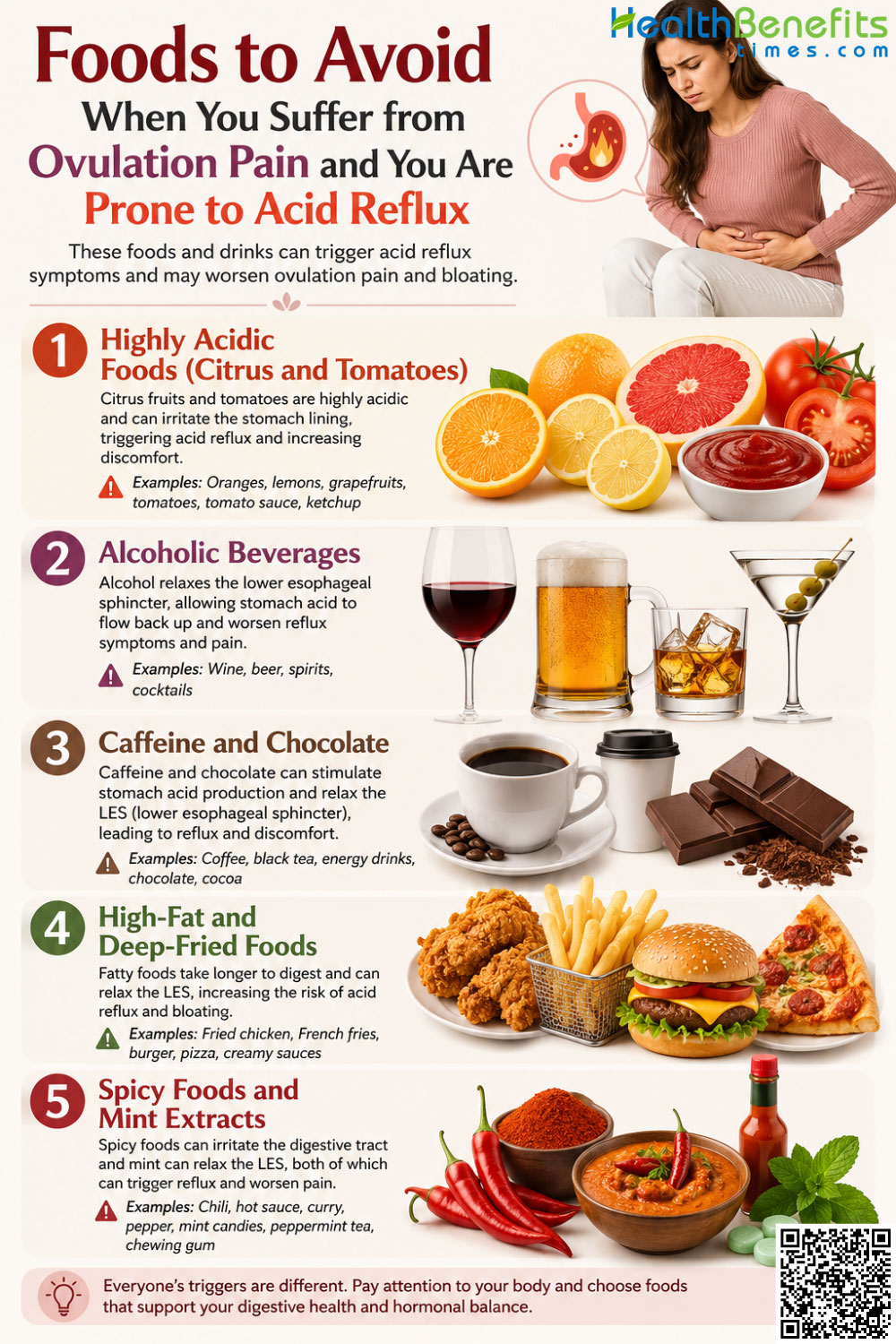
1. Highly Acidic Foods (Citrus and Tomatoes)
Oranges, lemons, and tomato-based pasta sauces inherently contain high levels of acid that directly irritate your vulnerable esophageal lining, instantly triggering severe inflammatory cascades that can systemically elevate your entire body’s pain sensitivity 39.
2. Alcoholic Beverages
Consuming alcohol chemically forces the vital lower esophageal sphincter to relax improperly, allowing stomach acid to splash upward, while simultaneously promoting severe systemic dehydration and full-body inflammation, which radically intensifies pelvic cramping 40.
3. Caffeine and Chocolate
Your morning coffee, daily energy drinks, and dark cocoa derivatives contain dense bioactive compounds that stimulate aggressive muscle spasms in the gut and simultaneously increase your baseline gastric acid production, irritating the entire abdominal cavity 41.
4. High-Fat and Deep-Fried Foods
Heavy dietary lipids require incredibly prolonged gastric emptying times, meaning food sits in your stomach longer; this substantially increases overall intra-abdominal pressure and reflux risk, while the saturated animal fats provide the exact building blocks your body uses to create negative, pain-inducing prostaglandins 41.
5. Spicy Foods and Mint Extracts
Chemical compounds like capsaicin found in hot peppers and peppermint extracts act as widely known chemical triggers for severe reflux episodes and can deeply agitate highly sensitive gastrointestinal tracts located physically adjacent to your inflamed reproductive organs 41.
Activities to Avoid When You Suffer from Ovulation Pain
Mechanical physical stress and suddenly elevated intra-abdominal pressure can severely aggravate an already inflamed, swollen ovarian follicle, turning mild discomfort into agonizing pain.
1. High-Impact Aerobics
Activities involving heavy jumping, rapid sprinting, or aggressive bouncing can cause dangerous mechanical jarring of the highly sensitive, fluid-filled ovaries, massively increasing the risk of premature follicular rupture or extreme irritation.
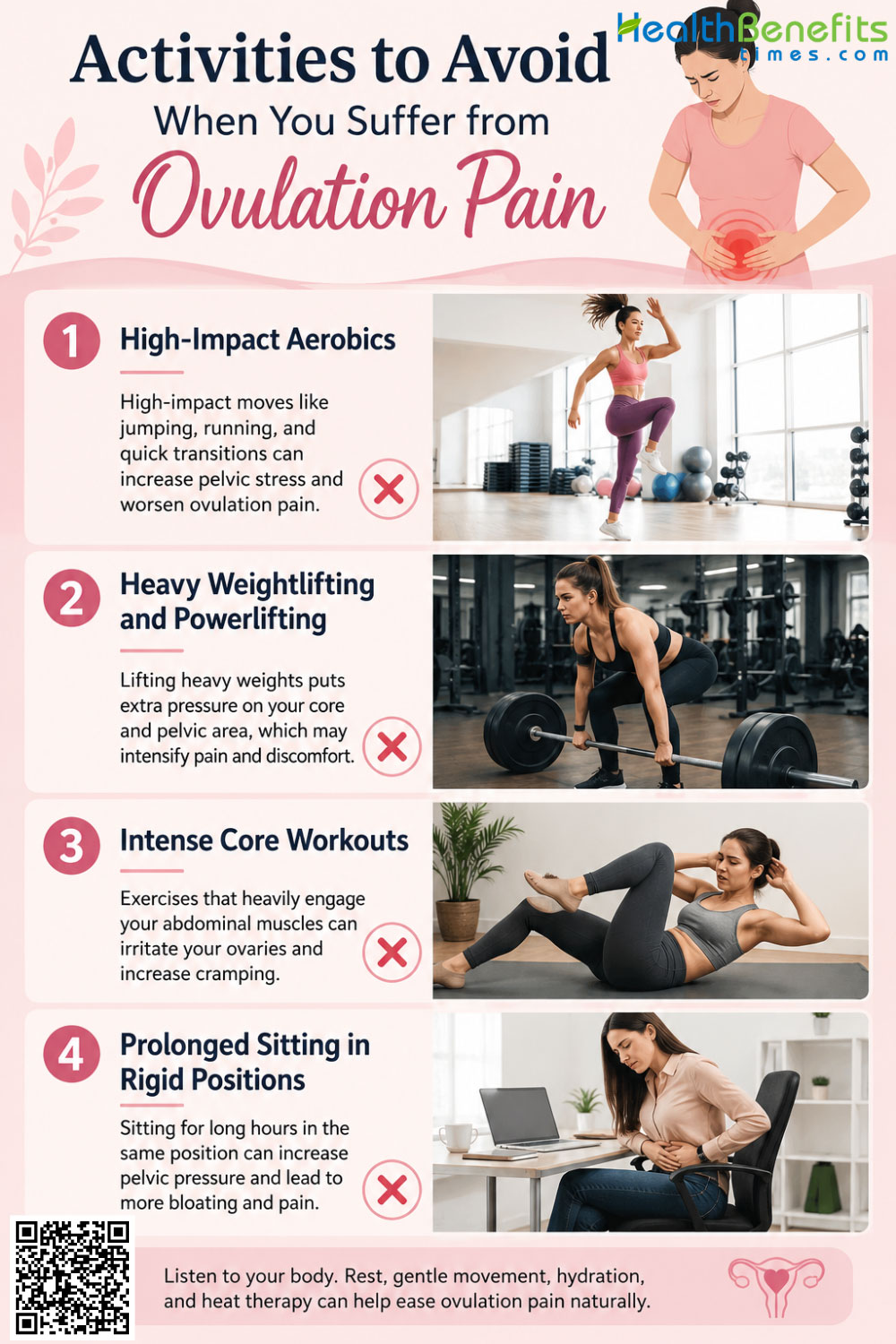
2. Heavy Weightlifting and Powerlifting
Straining immensely to lift heavy objects triggers a biological mechanism known as the Valsalva maneuver, which dramatically spikes your internal intra-abdominal pressure and aggressively compresses all your delicate pelvic organs against the abdominal wall.
3. Intense Core Workouts
Forcing yourself to perform aggressive crunches, heavy sit-ups, or rigid abdominal exercises can easily provoke further severe spasms in the rectus abdominis and the underlying pelvic smooth muscles that are already actively cramping from the LH surge.
4. Prolonged Sitting in Rigid Positions
Remaining completely stationary at a desk or in a car for hours actively compresses your lower lumbar spine and severely restricts optimal, necessary blood flow to the already ischemic, oxygen-starved pelvic basin, preventing the natural clearance of inflammatory markers.
Myths and Misconceptions
| Myth | Reality |
| Severe mid-cycle pain invariably indicates a life-threatening ruptured organ, such as the appendix, and always requires emergency surgery. 2 | While it can certainly be highly uncomfortable and distressing, primary mittelschmerz is a perfectly normal physiological byproduct of the ovarian follicle bursting to release an egg, and it is inherently harmless to your long-term health. |
| Ovulation pain naturally occurs simultaneously on both sides of the lower abdomen during every healthy cycle. 5 | The pain is characteristically and exclusively unilateral, affecting only the specific side of the pelvis corresponding directly to the single ovary that is releasing the ovum during that specific monthly cycle. |
| The distinct physical presence of ovulation pain absolutely guarantees that conception will successfully occur if unprotected intercourse takes place. 21 | While mittelschmerz serves as a highly accurate biological indicator that you are inside your fertile window, conception remains dependent on numerous incredibly complex factors, including male sperm viability, female tubal patency, and optimal cervical mucus. |
| Suppressing ovulation pain with hormonal birth control permanently damages the ovaries and causes lifelong infertility. 42 | Hormonal contraceptives simply and temporarily suppress the body’s LH surge and subsequent ovulation to prevent pain and pregnancy; normal fertility timelines naturally and completely return once the synthetic medication is permanently discontinued. |
Special Considerations
Specific demographic and physiological profiles require highly nuanced clinical evaluation when addressing the presentation of sudden abdominal discomfort, as the rules of normal ovulation do not apply equally to all groups.
1. Children and Young Adolescents
True physiological mittelschmerz is a biological impossibility prior to the onset of menarche, as the hormonal process of ovulation has not yet commenced. In newly menstruating adolescents, mid-cycle pain is common due to an immature hypothalamic-pituitary-ovarian axis, but it must be carefully and aggressively differentiated from acute appendicitis, as the physical presentation of right-sided lower abdominal pain in this age group is nearly identical and frequently leads to dangerous misdiagnosis 43.
2. Pregnancy
During a normal, healthy gestation, the biological mechanism of ovulation is entirely suspended by pregnancy hormones. Therefore, any sharp, unilateral pelvic pain experienced during pregnancy cannot possibly be mittelschmerz and strictly requires immediate emergency medical assessment to officially rule out life-threatening ectopic pregnancies or the massive rupture of a supportive corpus luteum cyst 44.
3. Chronic Gynecological Conditions
Individuals definitively diagnosed with severe endometriosis or polycystic ovary syndrome (PCOS) generally possess a highly elevated hyper-inflammatory baseline. For these specific patients, the standard physiological fluid release of normal ovulation is met with an immensely exaggerated autoimmune response, rendering basic natural remedies significantly less effective without concurrent, robust systemic medical treatment 19.
4. Elderly and Postmenopausal Individuals
The natural physiological cessation of the menstrual cycle completely halts all follicular development and subsequent ovulation. If a postmenopausal female suddenly experiences localized adnexal pain mimicking mittelschmerz, it is considered a severe, critical clinical red flag requiring absolutely immediate radiological imaging to actively investigate potential ovarian malignancies, dangerous cysts, or hidden tumors 45.
Precaution before Use of Natural Remedies When You Have Ovulation Pain
Implementing independent self-care strategies always demands a high level of clinical vigilance to ensure you are not inadvertently masking a much more severe, underlying pathology.
- Exclude Surgical Emergencies: Before you apply targeted heat or utilize deep acupressure, it is incredibly critical to medically confirm that your pain aligns strictly and perfectly with your mid-cycle timeline, preventing you from dangerously masking the progressive deterioration of acute appendicitis or a twisted ovary (ovarian torsion).
- Verify Pregnancy Status: Because highly dangerous ectopic pregnancies regularly present with incredibly similar unilateral sharp pain, sexually active individuals must strongly consider taking a rapid pregnancy test before blindly assuming the severe pain is solely related to harmless ovulation.
- Screen for Botanical Allergens: Botanical interventions such as chamomile are direct biological members of the Asteraceae plant family; if you have known ragweed, daisy, or chrysanthemum allergies, you may experience severe, systemic allergic reactions or anaphylaxis upon ingestion.
- Maintain Thermal Safety Standards: When you utilize targeted heat therapy, a thick protective fabric barrier must always remain firmly between the active heating element and your epidermis to absolutely prevent localized thermal burns or the development of erythema ab igne (toasted skin syndrome) resulting from prolonged, unprotected exposure.
- Evaluate Medication Interactions: Concentrated natural herbal supplements, most notably raw ginger and dense flaxseed, can mildly but significantly alter your body’s natural blood coagulation pathways, and they must be carefully evaluated by a pharmacist for interactions if you are currently prescribed anticoagulant pharmaceuticals or strong blood thinners.
When to See a Doctor
While natural management strategies and holistic remedies are highly effective for treating normal, benign mittelschmerz, certain extreme clinical presentations absolutely warrant immediate medical intervention. You are strongly advised to seek urgent gynecological or emergency hospital care if you experience:
- Refractory and Agonizing Pain: Discomfort that is profoundly severe, completely debilitating, and entirely unresponsive to both diligent natural remedies and standard doses of over-the-counter analgesics like ibuprofen or paracetamol.
- Systemic Infection Indicators: Deep pelvic pain accompanied by a distinctly high body temperature (fever), sudden uncontrollable chills, or an unexplained, foul-smelling, discolored vaginal discharge, which heavily suggests a dangerous, active case of pelvic inflammatory disease.
- Extreme Gastrointestinal Distress: Sudden, incredibly sharp unilateral pain strongly coupled with extreme waves of nausea, persistent and violent vomiting, or the absolute inability to keep basic fluids down, potentially indicating a strangulated ovarian torsion or a bursting appendix.
- Markers of Internal Hemorrhaging: Experiencing sudden dizziness upon standing, complete fainting spells, extreme facial pallor, or a concurrent missed menstrual period, all of which are classic, terrifying emergency markers for a violently ruptured ectopic pregnancy.
- Abnormal and Prolonged Symptom Duration: Pelvic pain that completely fails to subside naturally and persists continuously at a high intensity for more than 48 to 72 hours, totally falling outside the standard, accepted biological window for a normal follicular rupture
Comments
comments