

Causes of Pelvic Inflammation
Understanding how an infection takes root requires looking at the various pathways pathogens use to enter the body. The origins of pelvic inflammation are diverse, ranging from sexual contact to natural bacterial imbalances.
1. Sexually Transmitted Pathogens
The most widely recognized pathway for this disease involves sexually transmitted infections. Bacteria such as Chlamydia trachomatis and Neisseria gonorrhoeae are primary culprits that migrate from the lower genital tract into the sterile environment of the upper reproductive organs 4.
2. Overgrowth of Normal Vaginal Flora
Sometimes, the body’s own natural ecosystem becomes disrupted. An imbalance in the vaginal flora, commonly known as bacterial vaginosis, allows non-sexually transmitted anaerobic bacteria like Mycoplasma and Ureaplasma to multiply aggressively and ascend into the uterus 5.
3. Enteric and Respiratory Bacteria
Pathogens do not always originate from the reproductive system. Bacteria typically found in the digestive tract, such as Escherichia coli, or in the respiratory system, like Haemophilus influenzae, can also colonize the upper genital tract and trigger severe inflammation 6.
4. Gynecological Procedures
Medical interventions that break the protective cervical barrier carry a small risk of infection. Procedures such as endometrial biopsies, childbirth, or surgical pregnancy terminations can inadvertently push lower tract bacteria upward into the pelvic cavity 7.
5. Intrauterine Device (IUD) Insertion
While modern birth control methods are incredibly safe, the physical process of inserting an IUD temporarily opens the cervix. This insertion process carries a slightly elevated risk of introducing cervical bacteria into the uterus, though this specific risk is largely confined to the first three weeks following the procedure 8.
Symptoms of Pelvic Inflammation
Noticing the subtle warning signs of an internal infection can be challenging, as the body does not always produce severe pain immediately. When symptoms do appear, they can range from mildly irritating to entirely debilitating.
- Persistent, dull, or sharp pain located in the lower abdomen and pelvic region.
- An unusual, heavy vaginal discharge that often carries a foul or unpleasant odor 1.
- Elevated body temperature, which may occasionally be accompanied by sudden, uncontrollable chills.
- A noticeable burning sensation or discomfort during urination.
- Deep pelvic pain or bleeding experienced during sexual intercourse.
- Irregular bleeding from the vagina that occurs randomly between normal menstrual cycles.
- Signs of a surgical emergency mimicry, such as severe pain that resembles appendicitis, signaling a potential tubo-ovarian abscess 9.
Pelvic Inflammation Facts Table
Bringing clarity to this complex condition involves looking closely at the broader clinical realities. The following table organizes the essential facts, progression risks, and diagnostic criteria associated with the disease.
| Category | Details |
| Symptoms |
|
| Causes |
|
| Types of Pelvic Inflammation |
|
| How it Spreads |
|
| Age Group |
|
| You might be at a higher risk for exposure of this disease if you: |
|
| How doctors diagnose |
|
| Other facts |
|
Natural Remedies for Pelvic Inflammation
When you are managing the lingering discomfort of pelvic inflammation, supporting your body’s natural healing processes can provide significant relief. While antibiotics remain the non-negotiable cornerstone for eradicating the active root infection, certain holistic remedies can effectively assist you in reducing chronic inflammation, managing pain, and restoring cellular health after the primary infection is cleared.
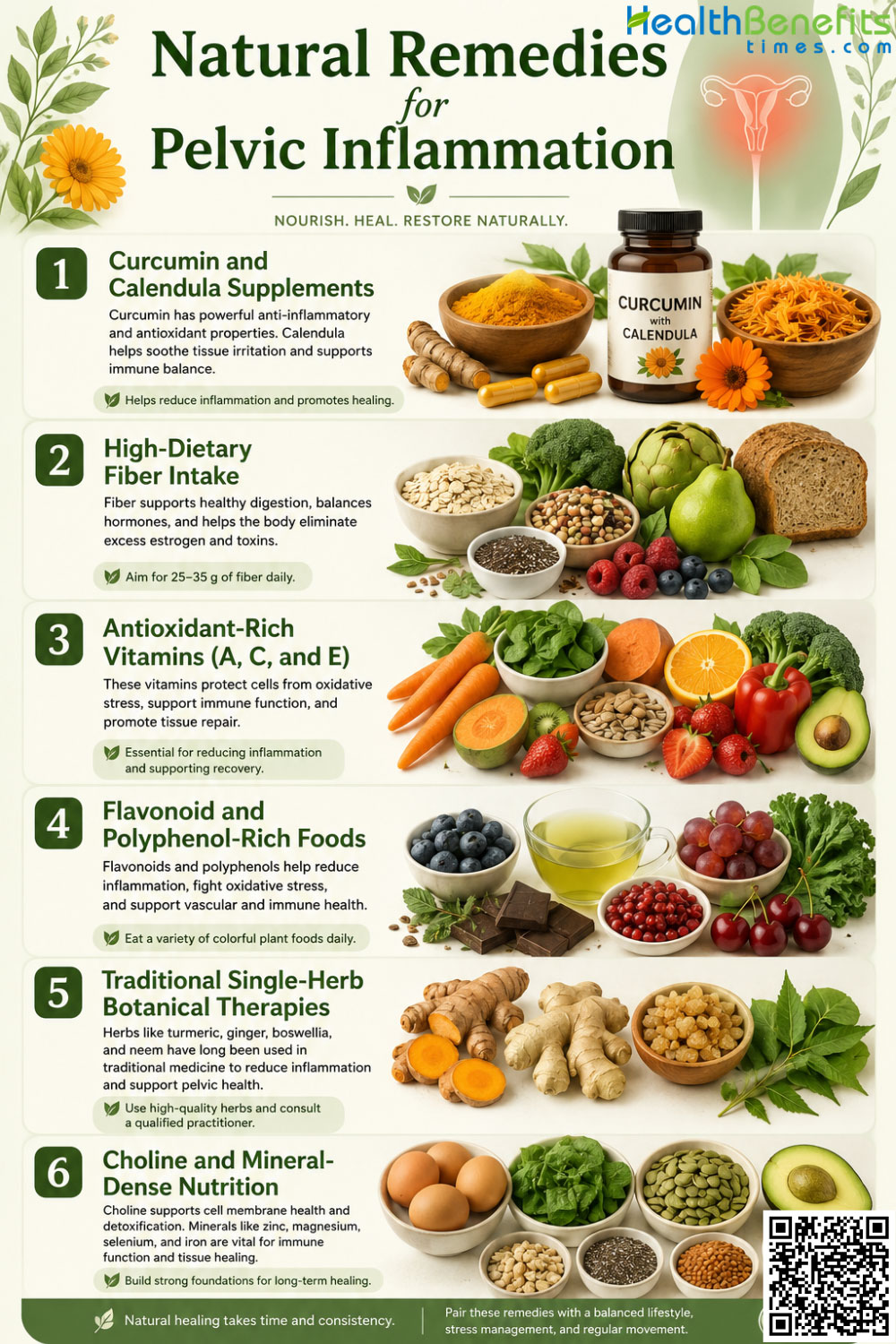
1. Curcumin and Calendula Supplements
Harnessing the power of plant-based antioxidants offers a protective shield for your damaged pelvic tissues. Curcumin, the active anti-inflammatory compound found in turmeric, alongside calendula, a potent botanical extract, are highly regarded for their ability to promote cellular healing and reduce internal swelling. Clinical evidence demonstrates that targeted use of curcumin and calendula is highly effective in managing chronic pelvic pain syndromes by lowering oxidative stress at the cellular level 10.
Note: You can typically take this remedy as an oral dietary supplement in capsule form, often consumed daily with meals to enhance absorption and mitigate chronic pelvic aching.
2. High-Dietary Fiber Intake
Fueling your body with the right structural carbohydrates can fundamentally alter your internal inflammatory response. Dietary fiber, found abundantly in legumes, whole grains, and raw vegetables, acts as a prebiotic that regulates the microbiome of both your gut and your vaginal flora. Higher dietary fiber intake demonstrates a direct correlation with a lowered prevalence of pelvic inflammatory disease, with maximum protective benefits observed when consumption exceeds 19.45 grams per day 11.
Note: You apply this remedy by intentionally replacing heavily processed carbohydrates in your daily meals with fibrous foods like lentils, oats, and broccoli to support sustained microbial health.
3. Antioxidant-Rich Vitamins (A, C, and E)
Flooding your system with essential vitamins is a powerful strategy to counteract the internal tissue damage caused by severe bacterial infections. Vitamins A, C, and E, alongside specific trace minerals like zinc, regulate your immune cells and neutralize the free radicals that worsen pelvic scarring. A standardized dietary intake rich in these specific antioxidants has been directly linked to a diminished incidence risk of pelvic inflammation and an improved capacity to manage chronic pelvic pain 12.
Note: You can seamlessly eat this remedy by incorporating a colorful diet packed with citrus fruits, nuts, seeds, and leafy greens, or by taking a high-quality, broad-spectrum daily multivitamin.
4. Flavonoid and Polyphenol-Rich Foods
Integrating specific plant compounds known for their pain-relieving properties can naturally dull the sensations of pelvic congestion. Flavonoids, which are abundant in green tea, dark berries, and specific herbs, target the specific inflammatory pathways responsible for persistent pelvic discomfort. Routine intake of flavonoids has been shown to statistically decrease overall pain scores over a sustained period by reducing vascular congestion in the pelvic region 13.
Note: You commonly use this remedy by drinking white or green tea daily and incorporating fresh berries into your morning routine to supply your tissues with a steady stream of soothing polyphenols.
5. Traditional Single-Herb Botanical Therapies
Looking toward historically rooted medicinal practices provides alternative avenues for resolving stubborn pelvic stagnation. Specific single herbs used in traditional remedies, such as Radix Paeoniae (Peony root) and Rhizoma Curcumae (Turmeric rhizome), are celebrated for their ability to promote local blood circulation and encourage the body to absorb trapped inflammatory fluids. These botanical interventions have verified efficacy in clearing inflammatory exudate and acting as a complementary therapy for chronic pelvic conditions 14.
Note: You apply this remedy by consulting a trained herbalist who can provide carefully brewed medicinal teas, oral powders, or extracts specifically tailored to stimulate your pelvic blood flow.
6. Choline and Mineral-Dense Nutrition
Supplying your nerves with the building blocks they need to recover can drastically reduce pain sensitivity. Choline, alongside essential dietary minerals like magnesium and copper, regulates microbial balance and actively alleviates inflammatory hyperalgesia the heightened sensitivity to pain that often follows a pelvic infection. Nutritional studies verify that these minerals and nutrients play a biological role in energy metabolism and cellular protection within the reproductive tract 12.
Note: You can easily eat this remedy by consuming choline-rich foods like eggs, lean poultry, and beans, ensuring your nervous system has the nutrients required to calm chronic pain signals.
Is There Any Exercise or Physical Activities for Pelvic Inflammation?
Moving your body safely is a vital component of long-term recovery. When you are suffering from chronic pelvic pain associated with past or subclinical inflammation, highly specific physical therapies can help you release trapped muscular tension and restore blood flow without aggravating your reproductive organs.
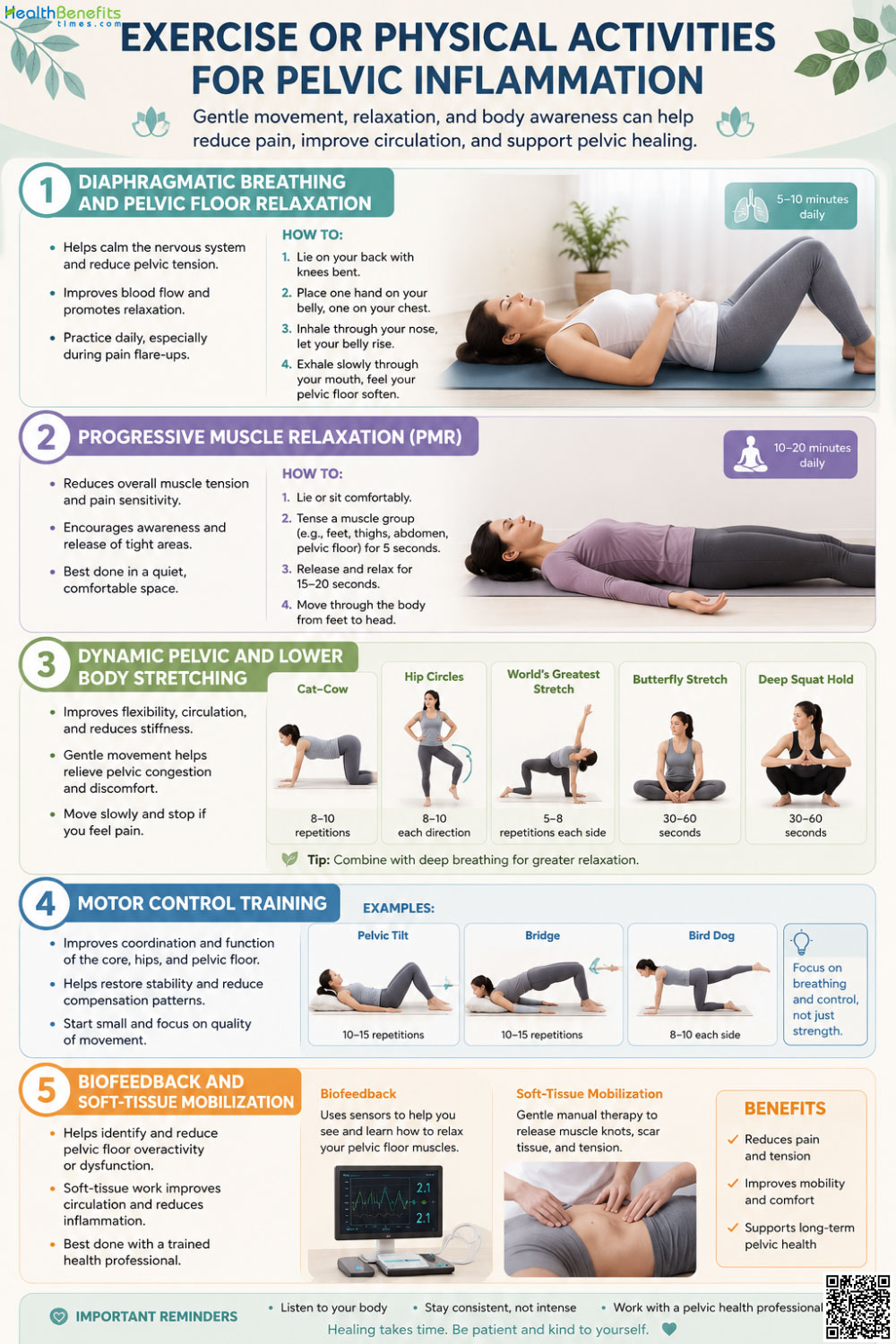
1. Diaphragmatic Breathing and Pelvic Floor Relaxation
Teaching your nervous system to calm down begins with the way you breathe. Diaphragmatic breathing involves taking slow, deep breaths that allow your belly to expand outward, which mechanically lowers the diaphragm and gently stretches the pelvic floor downwards. Utilizing pelvic floor muscle exercises paired with diaphragmatic breathing is a highly effective therapeutic approach to alleviate chronic pelvic tension and reduce resting muscle tone in the lower abdomen 15.
Note: To do this, lie flat on your back, place one hand on your stomach, and inhale deeply through your nose so your stomach rises; exhale slowly, allowing your pelvic floor to consciously drop and relax.
2. Progressive Muscle Relaxation (PMR)
Gaining voluntary control over your body’s physical stress responses can drastically improve your daily quality of life. Progressive Muscle Relaxation is a mind-body technique where you systematically tense and then completely release different muscle groups, sending a biological signal to your brain that it is safe to turn off chronic pain pathways. Women utilizing PMR techniques have exhibited pronounced improvements in bodily pain and a significantly enhanced overall quality of life when dealing with chronic pelvic conditions 16.
Note: To do this, start at your toes and tightly squeeze the muscles for five seconds, then instantly release; gradually work your way up through your legs, pelvis, abdomen, and shoulders.
3. Dynamic Pelvic and Lower Body Stretching
Releasing the physical tightness that builds up around inflamed organs can alleviate secondary nerve and muscle pain. Dynamic stretching involves gentle, fluid movements targeting the waist, back, abdomen, and lower limbs, which helps to increase local blood circulation and reduce rigidity in your pelvic girdle. Incorporating dynamic stretching alongside pelvic floor muscle relaxation with tools like a mini foam axis can mitigate the physical burden of pelvic floor dysfunction 17.
Note: To do this, engage in slow, controlled lunges, gentle torso twists, and hip-opening stretches on a comfortable yoga mat, ensuring you never push yourself into a sharp or stabbing pain.
4. Motor Control Training
Retraining the muscles that support your spine and pelvis provides long-lasting structural relief. Motor control training focuses on activating your deep core muscles in a coordinated manner without bearing down or increasing internal abdominal pressure. When combined with specific breathing exercises, motor control training effectively improves diaphragm excursion, stabilizes abdominal muscle activity, and significantly decreases lower pelvic and back disability 18.
Note: To do this, sit upright and focus on gently drawing your belly button inward toward your spine by only a fraction of an inch while maintaining a steady, relaxed breathing pattern.
5. Biofeedback and Soft-Tissue Mobilization
Sometimes, achieving proper muscle relaxation requires external guidance and specialized physical techniques. Biofeedback therapy uses electronic monitoring to help you visualize exactly when your pelvic muscles are tense, while soft-tissue mobilization involves targeted massage to release internal trigger points. Specialized pelvic floor rehabilitation programs utilizing digital biofeedback and soft-tissue mobilization dramatically improve genito-pelvic pain, muscle strength, and endurance 19.
Note: To do this, you will need to schedule an appointment with a highly educated, certified pelvic floor physical therapist who can safely guide you through supervised biofeedback sessions.
Foods and Activities to Avoid
Navigating life with pelvic inflammation requires a careful assessment of not just what you add to your routine, but what you actively remove. When you suffer from pelvic pain and are simultaneously prone to Acid Reflux, certain dietary and lifestyle habits can trigger a dual flare-up of both frustrating conditions.
Foods to Avoid When You Suffer from Pelvic Inflammation and Acid Reflux
- High-Caffeine Beverages: Consuming more than 300 grams of caffeine per day, primarily through strong coffee, can heavily aggravate the stomach lining while simultaneously increasing hyperalgesia (heightened pain sensitivity) in the pelvic region 20.
- Processed and Unprocessed Red Meats: Heavy consumption of red meats introduces dietary elements that negatively influence your steroid hormone balance, which can exacerbate systemic inflammation and trigger acid indigestion.
- Zoonotic Fats: Animal-derived cooking fats, such as butter and lard, contribute directly to a pro-inflammatory state in the body, delaying the healing of inflamed reproductive tissues while relaxing the esophageal sphincter to cause reflux.
- Highly Processed Convenience Foods: Fast food, instant meals, and refined sugary sweets lack the necessary dietary fiber required for gut health and contain artificial additives that promote both intestinal distress and systemic swelling.
Activities to Avoid When You Suffer from Pelvic Inflammation
- Engaging in Sexual Intercourse During Active Infection: Having penetrative sex before an active infection is completely cured can introduce new bacteria and exacerbate internal tissue damage. You must strictly abstain from sexual intercourse until full antimicrobial therapy is completed, symptoms have resolved, and all sex partners have been treated 21.
- Vaginal Douching: Flushing the vagina with commercial douching liquids actively pushes harmful bacteria deeper into the cervix and fallopian tubes, while simultaneously stripping away the protective, healthy bacteria you need to fight off the infection.
- High-Impact Physical Workouts: Jumping, heavy weightlifting, and intense aerobic workouts can jar the inflamed pelvic organs, greatly increasing localized pain and discomfort during an active flare-up.
- Ignoring Minor Discomfort: Delaying a medical evaluation for early symptoms, such as unusual discharge or mild cramping, allows a localized and easily treatable infection to evolve into widespread, permanent pelvic scarring.
Myths and Misconceptions
Separating cultural folklore from established medical reality is crucial for timely and effective care. Many enduring rumors about female reproductive health prevent individuals from seeking the help they desperately need.
| Myth | Reality |
| Intrauterine Devices (IUDs) inherently cause pelvic inflammatory disease and lead to infertility. 22 | Today’s modern IUDs do not increase the overarching risk of PID; the small risk is strictly confined to the first three weeks after insertion, making them highly safe and effective. |
| Severe, debilitating period pain is just a normal part of being a woman that must be endured.23 | Periods that are painful enough to impact daily life, require absence from work, or force you to skip activities are not normal and warrant investigation for underlying diseases. |
| Pelvic inflammatory disease is exclusively a sexually transmitted disease. 24 | While mostly linked to STIs, approximately 15% of cases are non-sexually transmitted, arising from disrupted vaginal flora, respiratory bacteria, or opportunistic enteric pathogens. |
| Having a hysterectomy will definitively cure all forms of chronic pelvic pain. 25 | Removing the uterus does not guarantee a cure for chronic pelvic pain; if the pain is related to surrounding nerve damage, tubal scarring, or pelvic floor dysfunction, symptoms may persist. |
Special Considerations
Disease does not impact every demographic in the exact same manner. The origin, progression, and treatment of pelvic inflammation vary wildly depending on your age, life stage, and underlying medical history.
1. Children
The occurrence of upper reproductive tract infections in prepubescent or non-sexually active girls is incredibly rare, but not impossible. In pediatric patients, the condition must be viewed through a non-coital lens, as pathogens can travel through the bloodstream (such as in systemic sepsis) or spread directly from neighboring infected organs, like a ruptured appendix 26.
2. Pregnancy
Facing a pelvic infection while pregnant presents a severe, high-stakes medical emergency. Pregnant women suspected of harboring this disease face an alarmingly high risk for maternal morbidity and preterm delivery, mandating immediate hospitalization and consultation with infectious disease specialists for intravenous therapy 21.
3. Chronic Conditions
Individuals burdened with pre-existing chronic conditions, such as endometriosis or recurrent bacterial vaginosis, experience a complicated overlap of symptoms. The presence of chronic inflammatory hyperalgesia makes diagnosing a new acute infection difficult, and ongoing vaginal dysbiosis consistently acts as a gateway, leaving the cervix vulnerable to recurrent ascending infections 27.
4. Elderly
Post-menopausal women undergo drastic changes in their vaginal microbiome due to declining estrogen, which strips away protective flora. When pelvic infections occur in women aged 45 and older, microbiological data reveals that they are significantly more likely to be caused by respiratory pathogens and opportunistic bacteria rather than traditional sexually transmitted microbes 6.
Precaution before Use of Natural Remedies
Taking your health into your own hands is empowering, but attempting to manage a severe bacterial infection solely with holistic methods can result in devastating long-term consequences. You must navigate natural remedies with extreme caution and clinical awareness.
1. Do Not Delay Antibiotic Therapy
Natural supplements, herbal teas, or dietary changes cannot kill the aggressive bacteria responsible for the core infection. Delaying empirical antibiotic treatment directly increases your risk of short-term complications like tubo-ovarian abscesses, and long-term disasters including permanent infertility and ectopic pregnancy 3.
2. Get a Proper Medical Diagnosis First
Because the symptoms of this disease closely mimic life-threatening surgical emergencies (like acute appendicitis) or ruptured ovarian cysts, utilizing natural pain relievers to mask the discomfort before a doctor confirms your diagnosis is incredibly dangerous.
3. Consult Your Doctor About Herb-Drug Interactions
Botanical remedies and high-dose antioxidant supplements can interfere with how your liver metabolizes pharmaceutical drugs. You must always disclose any teas, vitamins, or plant extracts you are consuming to your healthcare provider to ensure they do not neutralize your prescribed antibiotics.
4. Stop Interventions if Pain Sharpens
If you are utilizing physical stretching or dynamic breathing to manage chronic post-infection pain, remain highly vigilant. If your pain suddenly transitions from a dull, manageable ache to a sharp, stabbing sensation, you must immediately halt all physical interventions and seek care.
When to See a Doctor
Knowing exactly when to escalate your care from home management to professional medical intervention can save your reproductive organs and protect your future fertility. You should immediately seek evaluation from a healthcare provider if you experience any of the following warning signs:
1. Experiencing a High Fever
If your oral body temperature spikes above 101°F (38.3°C), especially if the fever is accompanied by uncontrollable shaking, chills, or widespread body aches, you need immediate clinical evaluation.
2. Severe Nausea or Vomiting
Developing a severe illness characterized by sudden nausea, persistent vomiting, or a complete inability to keep food and liquids down indicates that the infection may be spreading systemically.
3. Lack of Improvement After 72 Hours
If you experience no clinical response or noticeable relief from pain after 72 hours of taking prescribed oral antimicrobial therapy, it strongly indicates the bacteria may be resistant, or you may be forming a localized abscess that requires intravenous treatment 9.
4. Sudden, Unbearable Abdominal Pain
Developing sudden, unbearable, sharp pain in your lower abdomen that makes it difficult to stand upright or walk is a surgical emergency that requires immediate scanning to rule out a ruptured abscess or ectopic pregnancy
Comments
comments