

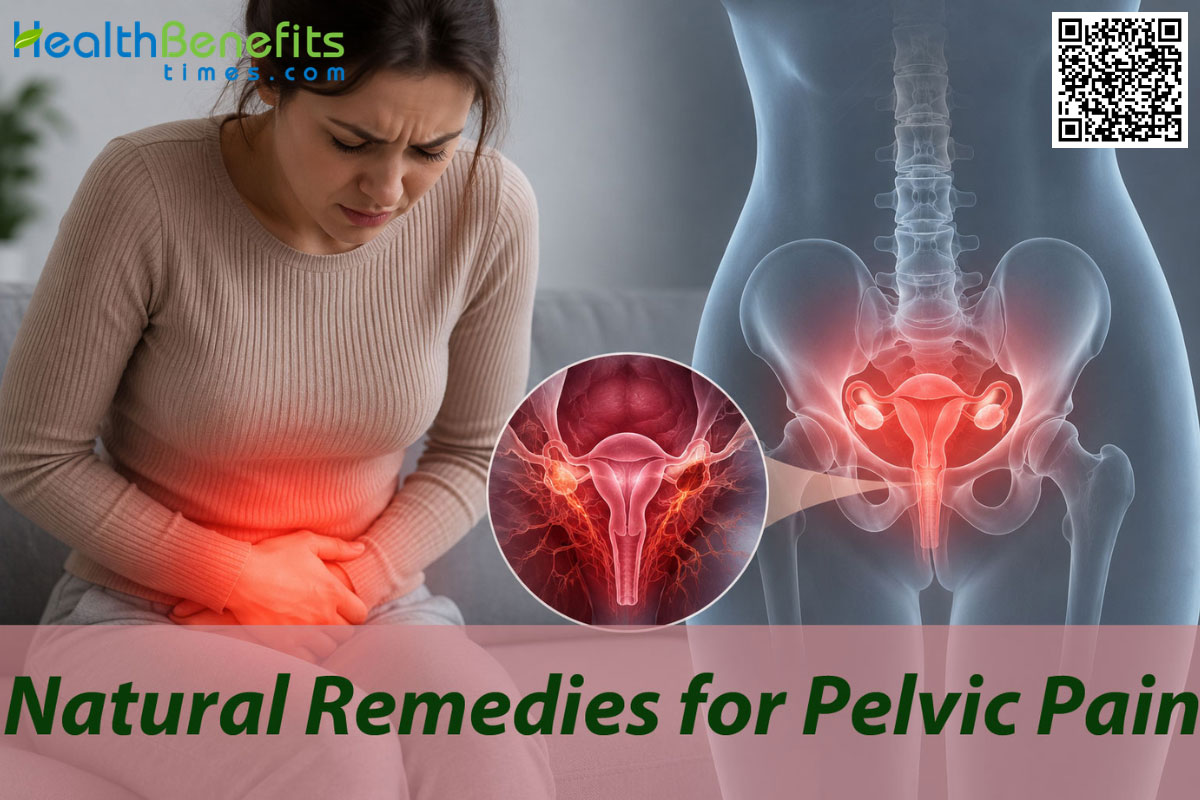
Causes of Pelvic Pain
Pinpointing the exact origin of pelvic discomfort requires a careful, methodical evaluation of multiple interconnected bodily systems. The human pelvis is an intricate architectural structure, meaning the root cause of distress can stem from a wide array of gynecological, urological, gastroenterological, or musculoskeletal origins.
1. Endometriosis and Adenomyosis
Unpredictable growth of endometrial-like tissue outside the uterine cavity causes severe, localized inflammation, resulting in deep, cyclic, or chronic pain as the tissue bleeds without an exit route 5. Similarly, adenomyosis involves the inward invasion of the uterine lining into the deep muscle wall of the uterus, which generates heavy mechanical pressure and intense, radiating cramping throughout the entire lower abdomen 6.
2. Interstitial Cystitis (Bladder Pain Syndrome)
Chronic inflammation of the delicate mucosal lining of the bladder leads to a heightened sensation of pelvic pressure, stinging pain, and a frequent, urgent need to urinate even when the bladder is mostly empty 7. This urological condition often mimics the symptoms of a standard urinary tract infection but occurs entirely without the presence of active, detectable bacterial pathogens.
3. Irritable Bowel Syndrome (IBS)
Digestive tract dysfunctions frequently refer visceral pain directly into the pelvic floor, causing severe abdominal cramping, intense bloating, and unpredictable bowel habits that worsen significantly without proper dietary management 8. The close physical proximity of the intestines to the reproductive organs means that gastrointestinal inflammation often overlaps with and aggravates existing gynecological pain.
4. Pelvic Inflammatory Disease (PID)
Past or present bacterial infections within the female reproductive organs can leave behind dense, rigid scar tissue, pelvic adhesions, and persistent internal tenderness long after the initial infection has been neutralized 9. This infectious scarring binds delicate organs together, restricting their natural mobility and causing sharp pain during physical exertion or sexual intimacy.
5. Pelvic Floor Dysfunction
Spasms, chronic tension, or weakness in the hammock-like sling of muscles supporting the pelvic organs create a constant, aching tension that radiates deeply through the lower body 10. When these muscles become hypertonic, or excessively tight, they compress local nerves and blood vessels, leading to persistent, burning neuropathic discomfort.
6. Musculoskeletal and Neurological Pathologies
Structural anomalies within the skeletal framework, such as nerve root entrapment in the lumbar spine, sacral cysts, or cauda equina syndrome, generate severe neuropathic pain that shoots through the central nervous system 11. These mechanical misalignments often require orthopedic evaluation to correct the underlying nerve compression driving the pelvic distress.
Symptoms of Pelvic Pain
Listening closely to the specific language of the body provides vital diagnostic clues about the underlying nature of the physical distress. Symptoms in this region rarely present uniformly from person to person, often requiring detailed tracking to identify specific physiological triggers.
- Sharp, Stabbing Sensations: Sudden, localized, and intense electrical-type pain that can be pinpointed to a highly specific spot within the lower abdomen or reproductive tract 3.
- Heavy, Diffuse Dull Ache: A constant, wearing physical heaviness that spreads diffusely across the lower stomach, wraps around the hips, and settles deep into the lower back musculature 12.
- Severe Menstrual Cramping (Dysmenorrhea): Debilitating, cyclical cramping strongly associated with the onset of the menstrual cycle that fails to improve with standard over-the-counter pain medications 13.
- Painful Sexual Intercourse (Dyspareunia): Intense, burning pain or deep internal aching that occurs either during or immediately following sexual intimacy, often signaling muscular hypertonicity or deep organ inflammation 14.
- Painful Elimination: Pronounced discomfort, searing pressure, or a stinging sensation experienced specifically when attempting to empty the bladder or complete a routine bowel movement 15.
- External Genital Hypersensitivity (Vulvodynia): Unprovoked throbbing, burning, or extreme tactile hypersensitivity localized purely in the vulvar region, making the wearing of tight clothing or the insertion of tampons nearly impossible 4.
Pelvic Pain Facts
Reviewing the clinical data surrounding this condition helps contextualize just how widespread and mechanistically complex the diagnostic journey can be for patients seeking lasting relief.
| Category | Details |
| Symptoms |
|
| Causes |
|
| Types of Pelvic Pain |
|
| How it Spreads |
|
| Age Group |
|
| You might be at a higher risk for exposure of this disease if you: |
|
| How doctors diagnose |
|
| Other facts |
|
Natural Remedies for Pelvic Pain
Exploring nature’s extensive botanical apothecary offers gentle, highly supportive ways to manage your daily discomfort at home. When conventional pharmaceutical methods feel physically overwhelming or fall short of providing total relief, you might find profound benefit in scientifically supported natural alternatives that work in harmony with your body’s innate healing mechanisms.
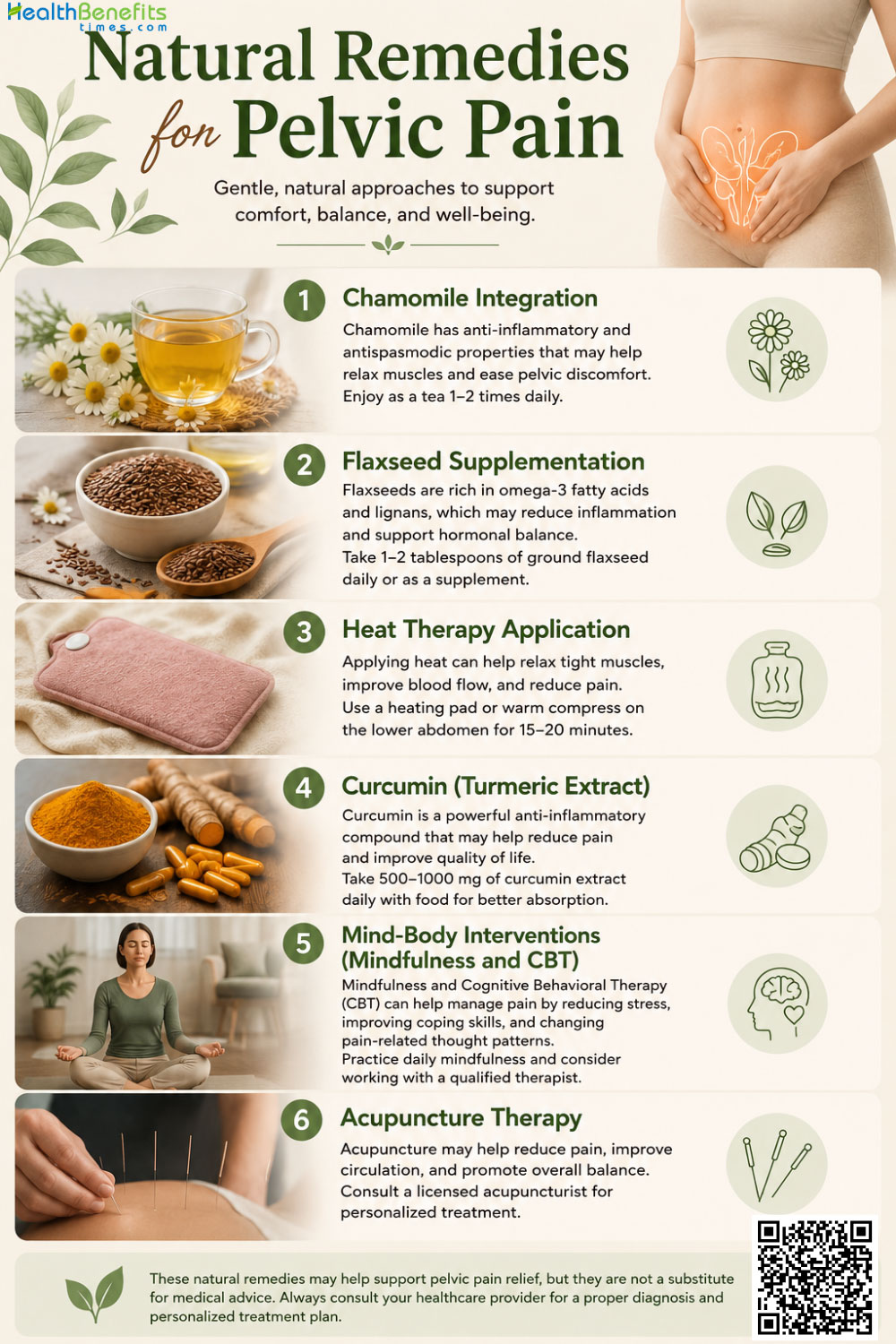
1. Chamomile Integration
Tapping into ancient herbal traditions, chamomile serves as a remarkably potent, naturally occurring antispasmodic agent. The bioactive compounds within this delicate flower interact directly with your immune system to stimulate macrophages and B lymphocytes, which naturally lowers cellular inflammation and eases the intense, involuntary muscle contractions associated with dysmenorrhea and endometriosis 16. This gentle herbal intervention physically relaxes the tight uterine walls and actively calms the hypersensitive central nervous system that amplifies chronic pain.
Note: Commonly consumed as a warm, steeped tea infusion or taken in standardized capsule form daily to relax pelvic muscles and soothe acute menstrual cramps.
2. Flaxseed Supplementation
Nourishing your body with high-quality, healthy dietary fats is absolutely crucial for maintaining long-term hormonal balance and suppressing pain pathways. Flaxseed contains dense, therapeutic concentrations of omega-3 fatty acids, powerful plant lignans, and alpha-linolenic acid, all of which actively suppress the systemic, internal inflammation that drives chronic pelvic conditions 17. Consistently incorporating this nutrient-dense seed into your daily nutritional routine is clinically shown to reduce the severity of dyspareunia and alleviate persistent lower abdominal aching.
Note: Typically ground into a fine powder to ensure proper human digestion and added to daily smoothies, oatmeal, or consumed as a cold-pressed oil supplement to combat internal inflammation.
3. Heat Therapy Application
Applying external warmth to a deeply painful area remains one of the oldest human instincts for a very sound scientific reason. Heat therapy safely increases localized pelvic blood circulation, which actively helps your body dissipate the stagnant buildup of inflammatory prostaglandins and promptly relieves ischemic muscle cramps 18. Whether you are dealing with acute, cyclical menstrual cramps or a sudden, unpredictable flare-up of non-cyclical pain, applying consistent warmth acts on local sensory nerve receptors to significantly reduce pain intensity and shorten the duration of painful flares.
Note: Safely applied using a warm compress, hot water bottle, or regulated electric heating pad directly to the lower abdomen or lower lumbar back in controlled 15 to 20-minute intervals.
4. Curcumin (Turmeric Extract)
Looking toward botanical anti-inflammatories, curcumin continually stands out for its potent molecular healing properties. Extracted from the vibrant root of turmeric, this bright compound acts as a powerful systemic antioxidant that helps target deep cellular healing and drastically reduces the amplification of peripheral pain inputs common in chronic pelvic pain syndrome 19. It works quietly at a microscopic level to calm the overly sensitized nervous system and promote deep tissue repair within the pelvic bowl.
Note: Commonly ingested daily as a bioavailable dietary supplement (often paired with black pepper for absorption) or generously spiced into warm, comforting culinary dishes to promote systemic anti-inflammatory benefits.
5. Mind-Body Interventions (Mindfulness and CBT)
Protecting your psychological and emotional well-being represents a critical, non-negotiable component of modern pain management. Because enduring chronic pelvic pain can physically cause your central nervous system to adapt negatively and amplify pain signals inappropriately, mindfulness-based stress reduction and cognitive behavioral therapy actively train your brain to lower its heightened physiological threat response 20. By systematically lowering your psychological stress, you directly decrease the subconscious physical tension held tightly in your pelvic muscles.
Note: Practiced daily through guided meditations, deep breathing exercises, or structured psychological therapy sessions to successfully rewire the brain’s baseline response to physical pain.
6. Acupuncture Therapy
Restoring the energetic and neurological pathways of the body can yield profound, lasting analgesic relief for stubborn pain conditions. Acupuncture involves the precise, clinical insertion of exceptionally fine needles into specific anatomical trigger points to stimulate nerve pathways and prompt the immediate release of natural, pain-killing endorphins from the brain 21. Clinical evidence clearly indicates this ancient practice significantly lowers total pain scores and provides excellent adjunctive relief for those suffering from chronic pelvic pain syndrome by altering how the body perceives discomfort.
Note: Applied clinically by a licensed, highly trained practitioner once or twice a week to effectively manage chronic pain thresholds and improve systemic energy flow.
Is there any exercise or physical activities for Pelvic Pain?
Moving your body might feel entirely counterintuitive when you are actively hurting, but targeted, mindful motion is highly medicinal. When performed correctly, specific physical activities can release trapped tension and restore healthy blood flow to your restricted pelvic organs.
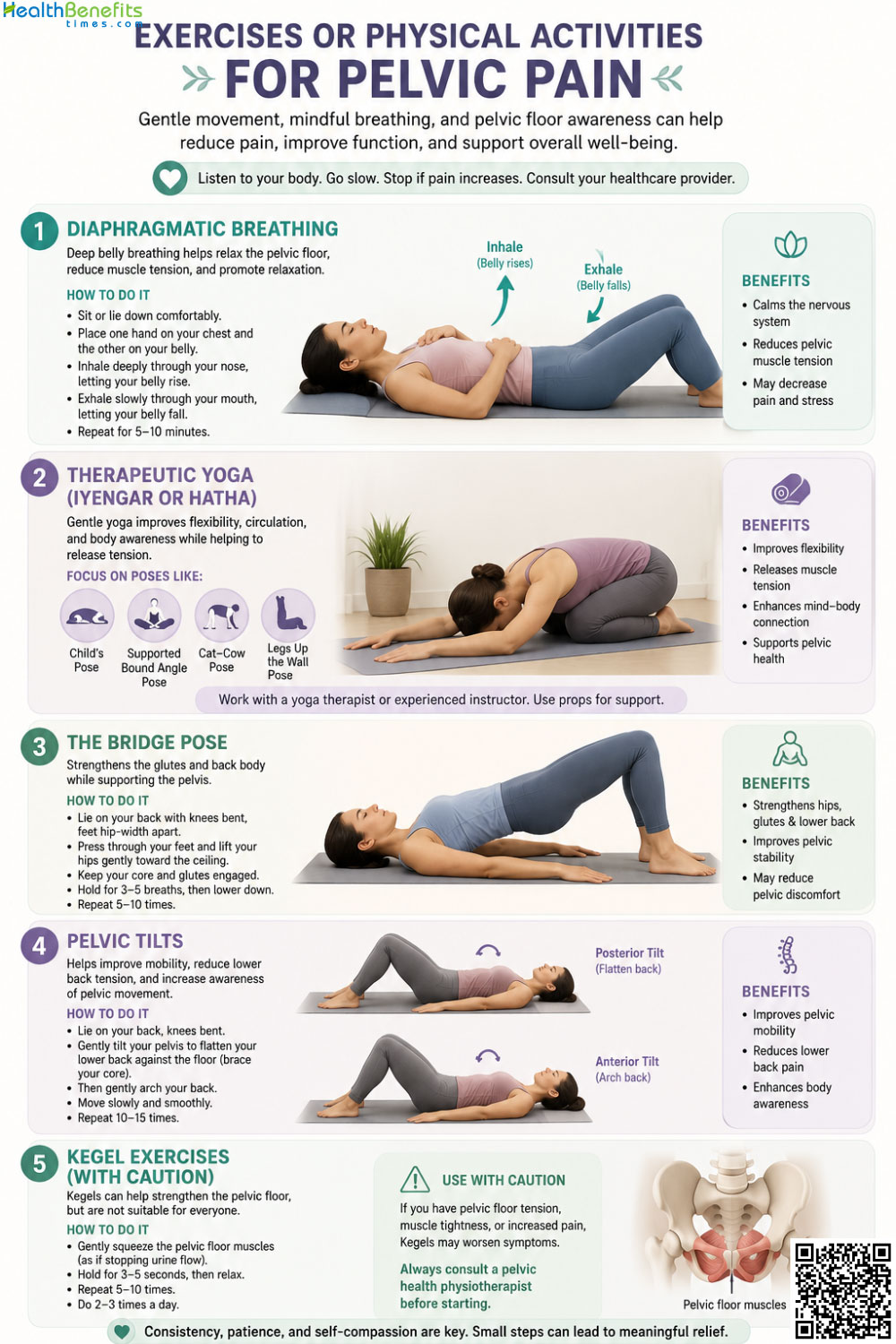
1. Diaphragmatic Breathing
Harnessing the mechanical power of your breath directly and profoundly impacts the resting tone of your pelvic floor. By breathing deeply downward into your stomach rather than shallowly into your upper chest, you physically push the diaphragm down, which gently stretches, elongates, and oxygenates the tense pelvic muscles below 22. This conscious, regulated breathing technique prevents the automatic muscle guarding and hypertonicity that practically trap radiating pain inside the pelvis.
Note: Lie flat on your back, inhale deeply through your nose so your stomach visibly rises, purposefully focus on dropping all tension in your pelvic floor, and exhale slowly through your mouth.
2. Therapeutic Yoga (Iyengar or Hatha)
Flowing through gentle, restorative movement patterns promotes total-body flexibility and vital blood flow without ever straining the delicate pelvic joints. Specific, heavily researched yoga asanas, such as Child’s Pose and Happy Baby, are clinically exceptional at stretching overly tight, restricted pelvic floors, ultimately reducing the overall severity of muscular pain and vastly improving daily functional quality of life 23.
Note: Practice on a soft supportive mat, holding gentle, pelvic-opening poses for 30 to 60 seconds while maintaining a deep, steady, and unforced breathing cadence.
3. The Bridge Pose
Engaging your core and gluteal muscles safely supports the intricate skeletal structures surrounding the entire pelvic girdle. The bridge pose mindfully activates the strong supporting muscles of your lower back and abdomen without putting undue, downward gravitational pressure on the sensitive pelvic organs, fostering excellent overall lumbopelvic stability 24.
Note: Lie flat on your back with your knees bent, inhale deeply, and lift your hips smoothly toward the ceiling, holding the position for 10-15 seconds before slowly rolling your spine back down.
4. Pelvic Tilts
Releasing built-up tension in the lower back almost automatically relieves the mechanical pressure placed on the entire pelvic region. Pelvic tilts are small, therapeutic micro-movements that gently massage the lower spine against the floor, effectively stretching tight, overworked lumbar muscles and contributing to vastly improved pelvic floor stability and comfort over time 25.
Note: Lie on the floor with your knees bent, tighten your abdominal muscles to press your lower back completely flat into the floor, hold for a few seconds, and gently release the contraction.
5. Kegel Exercises (With Caution)
Building localized strength is highly beneficial for pelvic organ prolapse or stress incontinence, but it requires precise execution and the correct underlying diagnosis. Kegels involve consciously contracting the pelvic floor to build muscular endurance; however, if your pelvic pain is driven by hypertonic (overly tight or spasming) muscles, performing Kegels will actively worsen your symptoms by forcing already exhausted muscles to clench further 26.
Note: Contract the pelvic floor muscles as if attempting to stop the flow of urine, hold the contraction for 5 seconds without tightening the abdomen or buttocks, and then completely and entirely relax the area.
Foods and Activities to Avoid
Fueling and moving your body correctly means learning exactly which everyday habits spark internal chemical fires or mechanical trauma.
Foods to Avoid When You Suffer from Pelvic Pain
If you are highly prone to inflammatory pelvic conditions like endometriosis or interstitial cystitis, certain dietary staples act as direct, agonizing triggers that you should ruthlessly eliminate from your daily intake.
- High-Caffeine Beverages: Consuming excessive coffee, energy drinks, or strong black teas can trigger sudden, massive histamine release within the body, induce painful urinary bladder spasms, and negatively alter delicate estrogen pathways 27.
- Alcoholic Drinks: Liquor, beer, and wine aggressively elevate oxidative stress in the body, irritate the sensitive mucosal lining of the bladder, and drastically increase systemic, full-body inflammation 28.
- Citrus Fruits and Berries: The unexpectedly high acidity found naturally in lemons, oranges, grapefruits, pineapples, and certain berries can severely exacerbate bladder pain syndrome almost immediately upon digestion and filtration 29.
- Artificial Sweeteners: Synthetic sugar replacements are well-documented, harsh chemical irritants that provoke severe reactions in both the sensitive urinary tract lining and the lower intestinal walls 7.
- Highly Processed Foods: High levels of trans fats, artificial preservatives, and saturated fats found in fast food drastically increase inflammatory markers in the bloodstream and deeply disrupt healthy reproductive hormonal balance 30.
- Spicy Cuisine: Heavy culinary spices, hot sauces, and chili peppers can highly inflame the delicate digestive and urinary tracts, frequently initiating sharp, referred nerve pain deep within the pelvis 31.
- Conventional Red Meat: Excessive, unchecked consumption of standard red meat is clinically linked to higher internal estrogen production and systemic inflammation, which actively feeds the worsening of endometriosis symptoms 32.
Activities to Avoid When You Suffer from Pelvic Pain
Guiding your daily, routine physical habits with focused intention can prevent unnecessary mechanical trauma to your lower abdomen and delicate pelvic structures.
- Holding Urine for Prolonged Periods: Routinely ignoring the bodily urge to void places immense, damaging mechanical pressure on a highly sensitive bladder wall and forces the surrounding pelvic floor into a prolonged, tight defensive spasm 33.
- High-Impact Cardiovascular Exercise: Activities like heavy, continuous running, intense jumping, or plyometrics can severely jar the internal pelvic organs and excessively strain weakened or hypertonic supportive ligaments 34.
- Heavy Lifting with Poor Form: Straining breathlessly to pick up heavy objects forces massive, unsafe downward pressure straight onto the pelvic floor, greatly aggravating chronic pain and significantly increasing the risk of organ prolapse 35.
- Over-Performing Kegel Exercises: If your pelvic floor is already chronically tight or locked in spasm, constantly squeezing these muscles throughout the day will only amplify dyspareunia and trigger intense, radiating cramping 36.
- Ignoring Psychological Stress: Allowing daily anxiety and emotional stress to build up unchecked leads directly to subconscious, persistent pelvic muscle guarding, severely hindering any natural remedies from taking effect 37.
Myths and Misconceptions
Dispelling long-standing medical rumors allows for a clearer, significantly more effective path to true physiological healing.
| Myth | Reality |
| Endometriosis symptoms are simply a “normal, heavy period.” | Endometriosis is a chronic, systemic inflammatory disease causing ectopic tissue growth; severe, life-altering, debilitating pain is never a “normal” part of menstruation. |
| Pelvic floor issues and urinary leaking are just the “new normal” for women. | While undeniably common, pelvic floor dysfunction is highly treatable through targeted physical therapy; accepting daily pain or incontinence as an inevitable lifestyle is entirely unnecessary. |
| Endometriosis can be fully and permanently cured by medications or pregnancy. | There is currently no definitive cure for endometriosis; available therapies (including birth control) simply manage the symptoms by temporarily suspending the hormonal cycle. |
| Ovarian torsion always presents with a massive, easily palpable abdominal lump. | Torsion can occur without any obvious external mass, and completely normal blood flow may still appear on an ultrasound, making emergency diagnosis notoriously difficult |
| Only men get kidney stones, so women’s pelvic pain is always gynecological. | Women frequently suffer from kidney stones (impacting 1 in 12 women), which can cause excruciating, sudden referred pain radiating sharply into the pelvis. |
Special Considerations
Every distinct stage of human life carries unique physiological blueprints that fundamentally alter how pelvic pain behaves and requires treatment.
1. Children
Pediatric pelvic pain requires exceptionally delicate, thoughtful medical navigation. Children are particularly susceptible to developing unexplained, chronic gastrointestinal or urological pain if they have previously experienced adverse childhood experiences (ACEs), such as physical abuse, neglect, or severe psychological trauma 43. Furthermore, acute anatomical emergencies like ovarian torsion, though relatively rare, can unpredictably affect infants and young girls, perfectly mimicking the clinical symptoms of acute appendicitis and requiring immediate surgical evaluation.
2. Pregnancy
The miraculous gestational period fundamentally alters the structural integrity of the human pelvis. As the maternal body actively prepares for childbirth, an influx of specialized hormones dramatically softens the supporting ligaments, causing the surrounding pelvic floor muscles to severely overcompensate just to maintain basic physical stability 44. This structural instability frequently results in agonizing mechanical pelvic pain that makes simple tasks like walking or standing incredibly difficult, requiring specialized postural adjustments, supportive braces, and gentle physical therapy.
3. Chronic Conditions
Pre-existing, systemic health issues heavily compound isolated pelvic discomfort. Individuals simultaneously suffering from major depressive disorder, irritable bowel syndrome, or widespread fibromyalgia are highly susceptible to developing central nervous system sensitization 45. In these complex clinical cases, the central nervous system remains locked in a heightened state of alert, persistently misinterpreting even normal physiological functions such as routine digestion or slow bladder filling as severe, threatening pain.
4. Elderly
Aging populations inherently face a distinct, specialized set of pelvic challenges as estrogen levels permanently decline. Post-menopausal women routinely experience unique pelvic pain driven by progressive pelvic organ prolapse, recurrent and stubborn urinary tract infections, or the delayed, painful complications arising from previous abdominal surgeries like tubal ligations 46. Importantly, any postmenopausal onset of new pelvic pain must be investigated thoroughly to ensure structural stability and overall tissue health.
Precaution Before Use of Natural Remedies
Taking health into your own capable hands is an empowering journey, but acknowledging that natural does not always mean harmless is vital to protecting your long-term safety.
- Avoid Thermal Burns from Heating Pads: Prolonged, direct skin exposure to low-level heat sources can cause Erythema ab igne (commonly known as toasted skin syndrome), a chronic thermal injury that permanently discolors the skin in a web-like pattern and carries rare but real risks of malignant cellular transformation 47.
- Do Not Self-Prescribe Herbal Supplements Blindly: Herbs like chamomile and flaxseed are powerful, active biological agents; you must cross-reference them with your doctor to ensure they do not chemically interfere with prescribed hormone therapies, standard blood thinners, or routine pain medications 48.
- Verify Your Pelvic Floor Status Before Exercising: Engaging in repetitive Kegel exercises without a proper, clinical diagnosis can cause severe, long-lasting harm. If your pelvic pain originates from undetected muscle spasms or hypertonicity, strengthening exercises will essentially lock the muscles into an even tighter, more painful spasm 49.
- Watch for UTI Masking with Juices: Consuming massive amounts of cranberry juice might successfully soothe a simple bacterial urinary tract infection, but if you actually suffer from chronic Painful Bladder Syndrome, the intense acidic nature of cranberry juice will severely and painfully inflame your bladder lining 28.
- Consult a Professional for Acupuncture: Ensure any physical acupuncture or intensive mind-body therapy is performed exclusively by licensed, vetted professionals to strictly prevent accidental tissue damage, nerve irritation, or unintended psychological distress 50.
When to See a Doctor
Listening carefully to your body’s urgent warning signs ensures that highly serious, life-threatening medical conditions are caught long before they permanently escalate.
- Sudden, Excruciating Pain: If you suddenly experience an abrupt onset of stabbing, blinding pain that leaves you breathless, doubled over, or unable to stand, you must seek immediate emergency care, as this could indicate an acute ovarian torsion or a ruptured organ 51.
- Unexplained Weight Loss: Dropping significant body weight without trying, especially when paired with chronic, deep pelvic aching, is a major clinical red flag that necessitates immediate medical screening for systemic illnesses or underlying conditions 52.
- Postmenopausal Bleeding: Any instance of vaginal bleeding or spotting that occurs after you have fully and completely gone through menopause is highly abnormal and requires prompt, thorough gynecological evaluation to ensure tissue health 53.
- Signs of Active Infection: If your pelvic pain is rapidly accompanied by a high fever, severe chills, sudden nausea, or foul-smelling discharge, you may be suffering from acute Pelvic Inflammatory Disease or a severe, escalating kidney infection 54.
- Inability to Urinate or Pass Bowel Movements: Experiencing a complete, sudden blockage of urinary or gastrointestinal function is an absolute medical emergency that cannot be safely treated with any home remedies or delays 55.
Comments
comments