

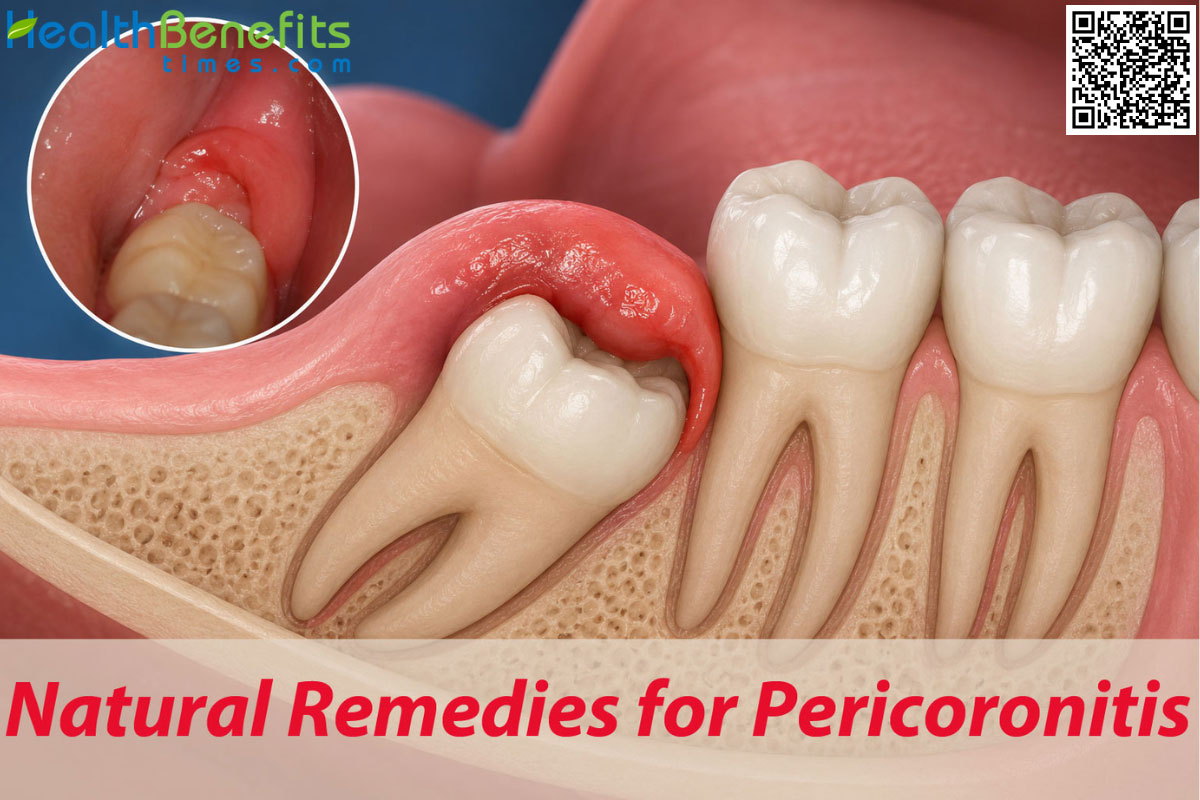
Causes of Pericoronitis
Understanding the precise reasons why the gum tissue becomes inflamed requires looking closely at both the structural environment of the mouth and the microscopic activity occurring beneath the gum line. The primary causes and contributing factors include:
- Incomplete Tooth Eruption: The fundamental anatomical trigger is a tooth that lacks sufficient space in the dental arch to break entirely through the gum tissue, leaving a persistent flap of overlapping tissue that naturally harbors moisture and creates an anaerobic environment.
- Bacterial Colonization and Biofilm Formation: The oral cavity naturally teems with a vast microflora, but the oxygen-deprived pocket beneath a gum flap allows harmful, disease-causing bacteria to multiply far beyond levels compatible with normal oral health, leading to plaque-induced inflammation.
- Debris Entrapment: Microscopic food particles easily become wedged under the operculum during regular chewing, serving as a direct, decaying food source for localized bacteria and triggering an immediate immune response.
- Mechanical Trauma from Opposing Teeth: An upper wisdom tooth that has already fully erupted can continuously bite down upon the swollen lower gum flap during normal mastication (chewing), causing repeated physical trauma that significantly worsens the inflammatory cascade.
- Impaired Oral Hygiene Access: Because the third molars are situated at the extreme posterior of the mouth, routine brushing and flossing are mechanically difficult, drastically increasing the risk of bacterial accumulation in these hard-to-reach corners.
- Systemic Inflammatory Triggers: Periods of severe emotional stress, fatigue, premenstrual hormonal changes, or underlying immune-compromising conditions can impair the body’s natural wound healing capabilities, making the gingival tissues far more vulnerable to sudden, acute flare-ups.
Symptoms of Pericoronitis
Recognizing the clinical signs of this condition early is paramount to preventing it from escalating into a severe dental emergency. The physical manifestations range from mild, chronic tissue irritation to acute, debilitating pain that restricts basic oral function.
- Severe, throbbing pain localized strictly around the back teeth that may persistently radiate outward toward the jaw joint, ear, or side of the face.
- Noticeable redness (erythema), warmth, and significant swelling (edema) of the delicate gum tissue immediately surrounding the erupting tooth crown.
- The visible discharge of purulent fluid (pus) or a foul-tasting exudate seeping from the affected gum pocket when gentle pressure is applied.
- Persistent bad breath (halitosis) originating directly from the trapped, decaying debris and the metabolic byproducts of the anaerobic bacteria.
- Considerable discomfort or sharp pain when chewing food, swallowing (dysphagia), or engaging in normal conversations.
- Trismus, commonly referred to as lockjaw, which manifests as a bilateral restriction in the muscles of mastication, physically preventing the mouth from opening to its normal width.
- Swollen, highly tender lymph nodes (lymphadenopathy) localized in the neck or immediately beneath the jawline on the affected side.
- Systemic signs of an advancing infection, including the sudden onset of a low-grade fever, general malaise, and bodily fatigue.
Pericoronitis Facts Table
Gathering the overarching epidemiological and clinical facts about this condition reveals highly specific patterns in how it develops, who it typically affects, and how it is ultimately managed by healthcare professionals.
| Fact Category | Details |
| Symptoms |
|
| Causes |
|
| Types of Pericoronitis |
|
| How it spreads |
|
| Age Group |
|
| You might be at a higher risk if you: |
|
| How doctors diagnose |
|
| Other facts |
|
Natural Remedies for Pericoronitis
When attempting to manage the acute discomfort of swollen gums, exploring naturally derived remedies can provide significant relief, as many botanicals harbor scientifically recognized antimicrobial and anti-inflammatory properties. Phytotherapy serves as a highly renewable, cost-effective, and safe alternative for treating various oral conditions, offering a wide safety margin alongside potent biochemical effects.
1. Turmeric (Curcuma longa)
Harnessing the restorative power of traditional roots, turmeric contains a highly active, bioactive polyphenol known as curcumin. This natural compound defends against cellular damage by actively inhibiting the specific enzymes that cause inflammation in the human body. In the oral cavity, curcumin demonstrates the ability to significantly diminish the activity of dangerous bacteria particularly those belonging to the “red complex” species known to cause severe periodontal diseases. Furthermore, curcumin decreases local histamine levels and blocks the synthesis of inflammatory prostaglandins from arachidonic acid, essentially stopping the swelling mechanism at a cellular level before it can worsen. Orally administered or locally applied curcumin has been shown to rival the efficacy of conventional cortisone in managing acute inflammatory states.
Note: You can utilize this remedy by mixing a small pinch of pure turmeric powder with a few drops of clean water to create a thick paste, applying it directly to the inflamed gum flap twice a day to actively reduce swelling.
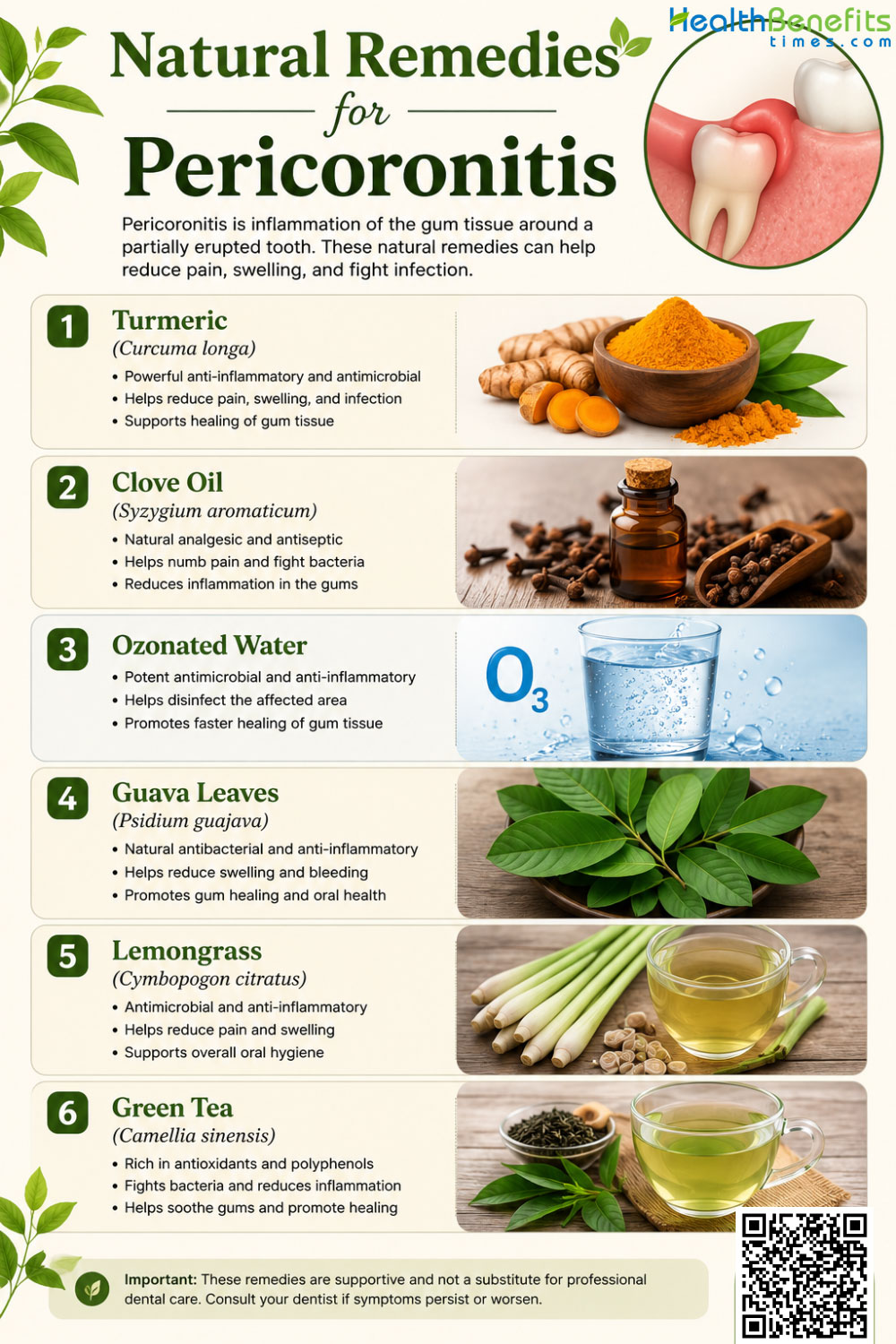
2. Clove Oil (Syzygium aromaticum)
Extracted meticulously from unopened flower buds, clove oil has served as a cornerstone of traditional dentistry for centuries. Its primary bioactive component, eugenol, acts as a remarkably potent natural anesthetic and a fierce anti-inflammatory agent. When applied to sore gingival tissues, eugenol essentially desensitizes the transient receptor potential cation channel (TRPV-1) nerve endings located close to the surface of the gums, providing rapid, numbing relief from severe toothaches. Beyond pain relief, eugenol actively inhibits the synthesis of thromboxane and restricts platelet aggregation, while simultaneously demonstrating powerful germicidal effects against aggressive periodontal pathogens and superinfections, including Candida albicans and Staphylococcus aureus.
Note: You must always dilute one or two drops of pure clove oil into a gentle carrier oil (such as coconut or olive oil) and apply it cautiously to the affected gum using a cotton swab to safely numb the localized pain.
3. Ozonated Water
Utilizing the unique biochemical properties of ozone gas dissolved in liquid, ozonated water is emerging as a highly effective, natural adjunctive therapy for treating deep oral infections. Ozone is a naturally occurring compound that delivers powerful antimicrobial, antifungal, and immunomodulatory effects directly to the infected site. When used to irrigate the mouth, it easily neutralizes the complex, oxygen-hating (anaerobic) bacteria hiding beneath the wisdom tooth flap and actively halts the accumulation of sticky dental biofilm. Clinical observations have demonstrated that flushing the pericoronal hood with ozonated water is just as statistically effective as traditional saline solutions at reducing pain, minimizing edema, and improving a patient’s overall quality of life within just seven days of use.
Note: You can use specially prepared ozonated water as a daily mouth rinse, swishing it gently around the back of your mouth to actively flush out trapped debris and thoroughly disinfect the deep gum pocket.
4. Guava Leaves (Psidium guajava)
Sourced from resilient tropical climates, guava leaves are incredibly rich in natural flavonoids, tannins, and bioactive metabolites that are aggressively hostile to oral pathogens. The extracts derived from these leaves inhibit the adherence of dental plaque bacteria, physically limiting the ability of pathogens like Streptococcus mutans to firmly bind to your teeth and gums. Furthermore, fermented guava leaf extract actively blocks specific inflammatory pathways in the body specifically by inhibiting inducible nitric oxide synthase (iNOS) and cyclooxygenase-2 (COX-2). By blocking these pathways, guava leaves prevent localized gum swelling from accelerating without disrupting the natural, healthy balance of your overall mouth chemistry.
Note: You can harness these benefits by boiling fresh, thoroughly washed guava leaves in water, letting the liquid cool completely, and using it as a therapeutic, anti-plaque mouthwash twice daily.
5. Lemongrass (Cymbopogon citratus)
Characterized by a vibrant, soothing citrus aroma, lemongrass contains exceptionally high levels of phenols and flavonoids that yield strong antioxidant and antispasmodic effects. In the realm of oral health, diluted lemongrass essential oil is known to actively stunt the growth of stubborn periodontal pathogens that often resist traditional antibiotic treatments. By creating a highly hostile environment for bacteria attempting to colonize the tight space under an erupting tooth, lemongrass acts as a highly safe and effective adjunct for managing both early-stage and chronic gum inflammation.
Note: You should add a single drop of lemongrass essential oil to a small cup of warm water and use it as a brief, soothing mouth rinse to cleanse the oral cavity and calm irritated tissues.
6. Green Tea (Camellia sinensis)
Beyond being a comforting beverage, green tea contains massive concentrations of beneficial flavonoids known scientifically as catechins. These highly bioactive substances act as powerful antiviral, anticaries (cavity-preventing), and collagenase-inhibiting agents. When introduced directly to the inflamed gum pockets surrounding a wisdom tooth, an alcohol-based green tea extract or a highly concentrated tea brew helps neutralize damaging free radicals, reduces the breakdown of soft tissue, and physically eliminates the specific bacteria, such as Porphyromonas gingivalis, responsible for deep, destructive gum infections.
Note: You can brew a strong, concentrated cup of pure green tea, allow it to cool entirely to room temperature, and drink it slowly, ensuring the liquid washes thoroughly over the affected back tooth to deliver its anti-inflammatory benefits.
Is There Any Exercise or Physical Activities for Pericoronitis?
When severe gum inflammation occurs in the tight posterior of the mouth, the surrounding jaw muscles often respond to the pain by going into a continuous, protective spasm. This results in a clinical condition called trismus, or lockjaw, which severely and bilaterally limits how far the mouth can open. To prevent permanent muscular stiffness, combat the abnormal thickening of tissue (fibrosis), and help the jaw muscles relax, specific rehabilitative physical activities are highly recommended.
1. Gentle Jaw Stretching
Re-establishing baseline flexibility requires slow, deliberate movements of the mandible (lower jaw). Stretching the jaw and facial muscles gently increases muscle-tendon elasticity, improves the range of motion in the temporomandibular joint, and helps regain vital control over the cheek muscles. By moving the jaw consciously in various directions, patients prevent the structural ligaments from tightening permanently due to disuse and pain guarding.
Note: You should slowly open your mouth as far as is comfortable, move your chin gently to the left, then to the right, and push it slightly forward holding each distinct position for three seconds before resting.
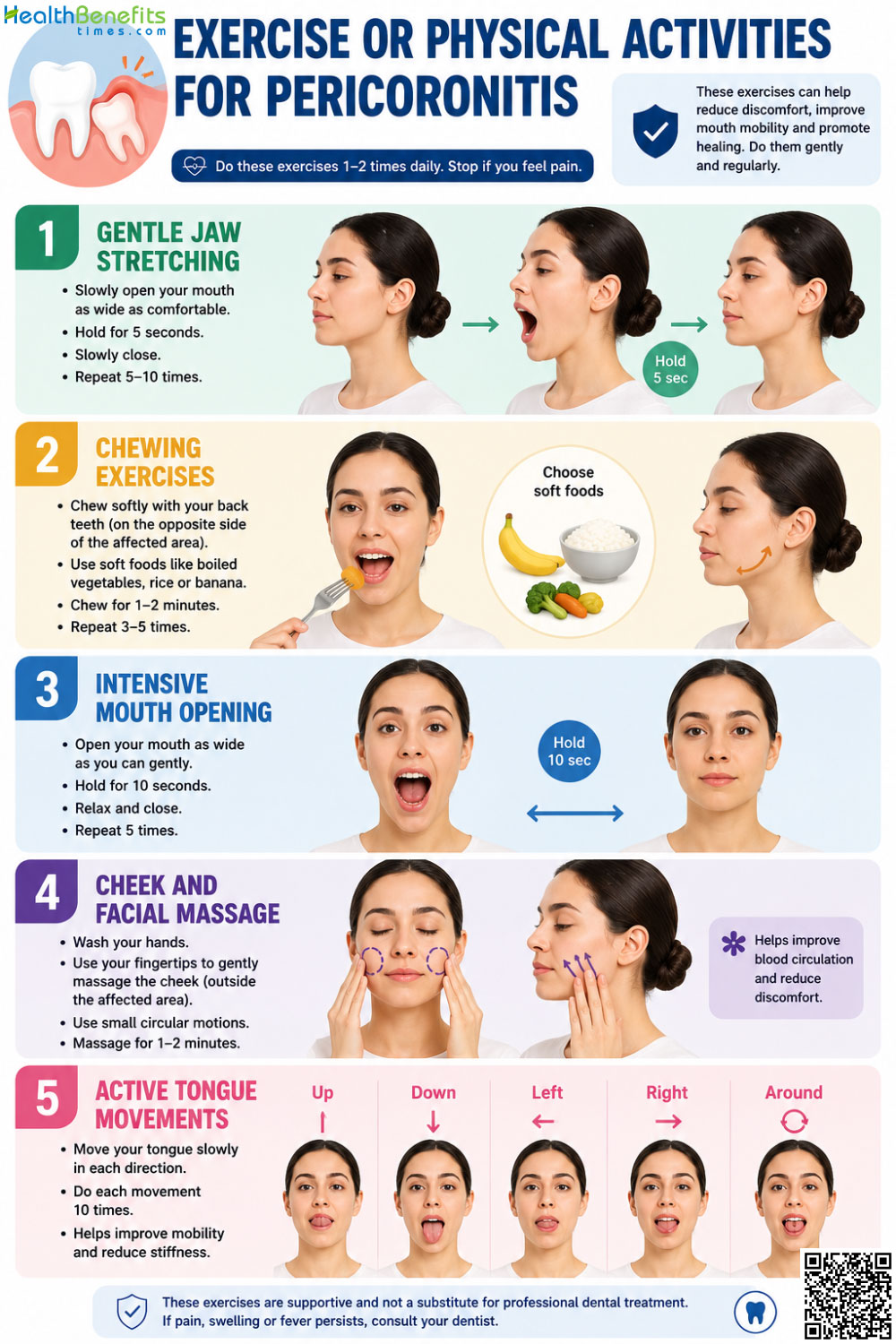
2. Chewing Exercises
Although chewing may seem counterintuitive when experiencing dental pain, actively engaging the jaw helps preserve function. Clenching the upper and lower jaws together tightly in a controlled manner strengthens the masticatory muscles, preventing the severe muscle atrophy that often accompanies prolonged trismus. This movement maintains the necessary structural integrity of the jaw bones and muscles.
Note: You can practice this by tightly clenching your upper and lower jaws together for a moment and releasing, repeating this specific movement ten times in a row to maintain muscle strength.
3. Intensive Mouth Opening
When trismus limits the ability to eat and speak, actively pushing the boundaries of the mouth’s mobility is required. Structured exercise interventions that force the jaw slightly past its comfortable resting point help physically stretch the abnormal scarring of tissue that occurs during a prolonged muscle spasm. Using specialized tools or simple wooden depressors allows for a passive, sustained stretch that gradually returns the bite to its normal 35 to 55 millimeter width.
Note: You can place a small, clean stack of wooden tongue depressors between your upper and lower front teeth, holding them in place for 10 to 15 minutes, and gradually add one more stick to the stack as your jaw mobility improves over the weeks.
4. Cheek and Facial Massage
The large masseter muscle, which connects the mandible to the skull, can become exceptionally rigid when an infection is present nearby. Manual stimulation of the cheeks and surrounding soft tissues encourages blood flow to the localized area, relaxes tense ligaments, and aids in the dispersion of localized fluid build-up. This superficial massage perfectly readies the muscles for deeper stretching and promotes a sense of physical relief.
Note: You should use your index and middle fingers to gently rub the outside of your cheeks and the jaw joint in slow, circular motions for about one minute before attempting to open your mouth widely.
5. Active Tongue Movements
Although it may seem physically disconnected from jaw mobility, the tongue shares an intimate neurological and muscular relationship with the floor of the mouth and the lower jaw. Engaging the tongue in sweeping, active motions helps prevent the slurred speech and excess salivation that often accompany a stiff, unmoving jaw. It actively encourages the entire muscular complex of the lower face to engage, coordinate, and function properly.
Note: You should practice rolling your tongue forward and backward, pressing it firmly against the inside of each cheek, and moving it in a full circular motion around the outside of your lips ten times a day.
Foods and Activities to Avoid
When the delicate oral mucosa is already highly inflamed from an erupting tooth, introducing the wrong environmental factors can drastically worsen the biological condition. If a patient is also prone to gastroesophageal reflux disease (GERD) or acid reflux, the stakes for oral health are significantly higher. Acid reflux frequently brings highly corrosive gastric acids up into the oral cavity, which dramatically lowers the pH of the mouth, strips away the protective buffering capacity of the saliva, and directly burns the already sensitive, ulcerated gum tissues.
Foods to Avoid When You Suffer from Pericoronitis
1. Small, Granular, and Seed-Like Foods
The primary mechanical driver of acute pericoronitis is the impaction of foreign matter beneath the operculum. Small, insoluble particles easily slide under the gingival flap but are nearly impossible to remove with standard brushing or salivary flushing. Once trapped, they act as a persistent foreign-body irritant, accelerating the localized inflammatory cascade and preventing the purulent exudate from draining.
Specific foods to avoid: Sesame seeds, poppy seeds, quinoa, chia seeds, raspberries/blackberries (due to the small seeds), popcorn kernels, and coarse-ground pepper..
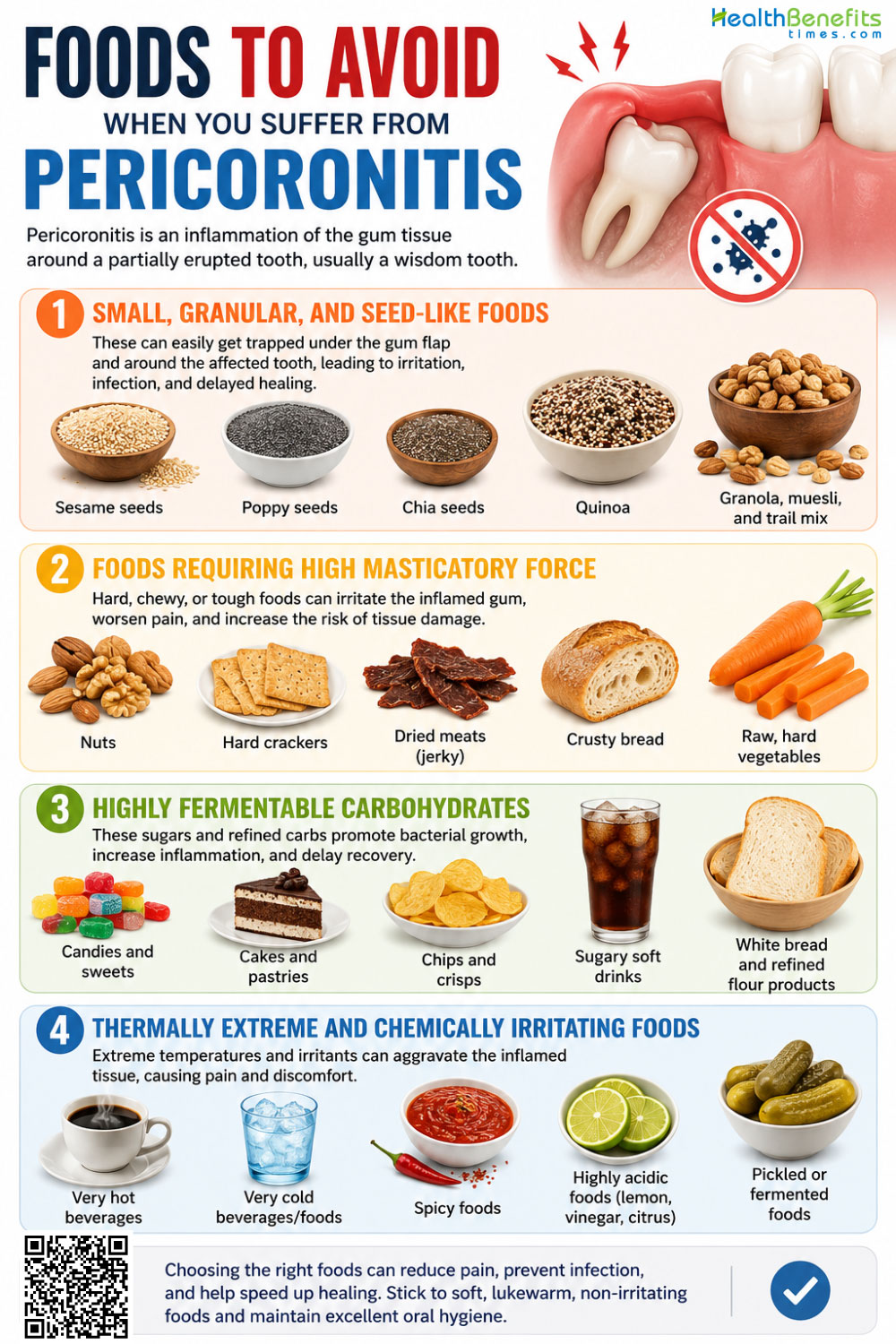
2. Foods Requiring High Masticatory Force
Acute pericoronitis is frequently accompanied by trismus (spasms of the muscles of mastication, limiting jaw opening) and localized edema that extends to the adjacent musculature. Furthermore, the swollen operculum often extends upward over the occlusal (biting) surface of the erupting tooth. Chewing tough foods forces the opposing maxillary tooth directly into the inflamed, swollen flap, causing severe mechanical trauma, ulceration, and exquisite pain.
Specific foods to avoid: Tough cuts of steak, beef jerky, thick bagels, crusty baguettes, and chewing gum.
3. Highly Fermentable Carbohydrates
The pericoronal space provides an ideal, low-oxygen environment for a polymicrobial biofilm. This microbiome is often heavily populated by obligate anaerobes (such as Prevotella and Fusobacterium species) and facultative anaerobes. Introducing refined carbohydrates provides a rapidly metabolizable substrate for these pathogens, accelerating the production of tissue-destructive enzymes and acidic byproducts that further degrade the mucosal barrier.
Specific foods to avoid: Sticky candies, highly refined pastries, sweetened beverages, and commercial syrups.
4. Thermally Extreme and Chemically Irritating Foods
The operculum during a pericoronal flare-up is characterized by acute vasodilation and hyper-sensitized nociceptors (pain receptors). Introducing chemical irritants directly triggers TRPV1 receptors, resulting in severe burning and radiating pain along the trigeminal nerve pathway. Similarly, extreme temperatures provoke a rapid vascular response in the engorged tissue, resulting in a deep, throbbing sensation that can last for hours after the exposure.
Specific foods to avoid: Highly acidic inputs (raw citrus, vinegars), spicy compounds (capsaicin-heavy hot sauces, raw chili peppers, horseradish), and extreme temperatures (boiling broths or ice-cold beverages).
Activities to Avoid When You Suffer from Pericoronitis
- Sleeping Totally Flat: If you suffer from frequent reflux, lying completely flat in bed allows gastric acids to easily travel up the esophagus and pool in the back of your mouth overnight, literally bathing your wisdom tooth infection in stomach acid while you sleep, which destroys the mucosa.
- Rigorous, Aggressive Brushing: While maintaining oral hygiene is absolutely crucial, scrubbing the swollen gum flap violently with a hard-bristled brush will physically tear the fragile tissue, cause unnecessary bleeding, and severely prolong the natural cellular healing process.
- Using Tobacco Products: Smoking or chewing tobacco introduces vast amounts of chemical toxins that severely restrict microvascular blood flow to the gums, stalling the cellular healing process and drastically increasing the likelihood of developing chronic, irreversible periodontal destruction.
- Delaying Dental Evaluation: Ignoring the swelling and hoping it resolves on its own allows the localized bacteria to multiply unchecked. Deferring professional care increases the risk of the infection migrating into the deep fascial spaces of the neck, which can quickly become a life-threatening emergency.
Myths and Misconceptions
Rampant misinformation regarding dental pain often leads individuals to make healthcare choices that inadvertently worsen their condition. Correcting these long-standing misconceptions is vital for promoting proper healing and preventing severe complications.
| Myth | Reality |
| “If the pain finally stops, the infection is completely cured.” | Pain often subsides temporarily due to nerve fatigue or the spontaneous drainage of pus, even if the pathogenic bacteria are still actively thriving under the gum flap. Without proper mechanical cleaning, the infection remains chronic and will inevitably flare up again. |
| “You should place an aspirin directly on the painful gum to numb it.” | Aspirin is a highly acidic medication meant to be safely absorbed in the stomach. Placing it directly on soft oral mucosal tissue will cause a severe, painful chemical burn, vastly worsening the ulceration. |
| “Wisdom teeth always need to be surgically removed immediately if they hurt.” | While extraction is a highly common solution, many mild pediatric and adult cases resolve naturally once the tooth fully erupts, or the localized infection is professionally cleaned and managed with meticulous oral hygiene. |
| “Brushing the painful area less will help it heal faster.” | Avoiding brushing entirely allows sticky plaque and food debris to accumulate at a vastly accelerated rate. Gentle, meticulous cleaning is biologically required to remove the exact bacteria causing the swelling. |
| “Applying hot compresses to the outside of the cheek will draw out the infection.” | Applying localized heat to the outside of the face during an acute dental infection expands blood vessels and can actually draw the pus outward into the facial tissues, rapidly increasing dangerous facial swelling. |
Special Considerations
The clinical severity and medical management of this condition change drastically depending on a patient’s specific life stage and underlying systemic health. Different demographics face highly unique biological risks when dealing with oral infections.
1. Children
While society generally associates this condition strictly with young adults in their late teens and early twenties, pediatric populations frequently encounter it during the normal eruption of their permanent first molars, typically occurring around age six. Because young children under the age of nine generally lack the physical manual dexterity required to effectively brush the very back of their mouths, these newly erupting teeth become prime, vulnerable targets for bacterial overgrowth. In rare, unfortunate cases, what begins as simple tissue inflammation in a child can progress rapidly into a severe, acute dentoalveolar abscess, requiring surgical incision and the administration of systemic antibiotics if parents do not physically assist with daily oral hygiene.
2. Pregnancy
During pregnancy, significant physiological and hormonal shifts cause a natural, low-grade inflammatory process throughout the entire oral cavity, making pregnancy gingivitis highly prevalent. Expectant mothers naturally experience suppressed cell-mediated immunity to protect the developing fetus, which unfortunately allows minor dental infections to spread into deep fascial spaces with alarming speed. If bacteria from a wisdom tooth pocket enter the maternal bloodstream, they can travel directly to the placenta. Clinical data shows that severe cervicofacial infections in pregnant women are strongly linked to adverse obstetric outcomes, including a notably higher risk of preterm birth, low birth weight, and even premature stillbirths. Routine oral health evaluations prior to and during pregnancy are absolutely critical to prevent life-threatening complications.
3. Chronic Conditions
Individuals living with chronic systemic illnesses, most notably diabetes mellitus, face profoundly heightened challenges when navigating oral infections. High blood sugar levels create a systemic environment where bacteria thrive aggressively, while simultaneously impairing the body’s natural immune response and drastically slowing down cellular wound healing. For these patients, a minor gum irritation from an erupting tooth can quickly escalate into a persistent, chronic infection that requires highly aggressive medical intervention to resolve.
4. Elderly
It is relatively rare for the elderly population to experience new wisdom tooth eruptions, but they are not entirely immune to this specific type of localized gum inflammation. In older adults, the condition is much more commonly associated with the mechanical irritation caused by ill-fitting partial dentures that press harshly against residual gum flaps, or the exceedingly late eruption of a previously dormant impacted tooth due to the natural, age-related resorption of the jawbone.
Precaution Before Use of Natural Remedies When You Have Pericoronitis
While natural herbs and essential oils are easily accessible, they contain highly active biological compounds that demand medical respect. Before applying any home remedy to an inflamed gum, you must carefully consider the following strict safety protocols:
- Always Dilute Essential Oils: Highly concentrated oils, particularly clove or lemongrass oil, are vastly too strong for direct mucosal application. You must dilute them properly in a safe carrier oil to prevent severe chemical burns and tissue necrosis to your delicate oral mucosa.
- Understand Daily Limits: While the FDA confirms the general safety of clove oil as a food supplement, the World Health Organization (WHO) dictates that the acceptable daily uptake of clove in humans is strictly 2.5 mg/kg of body weight to prevent systemic toxicity.
- Conduct an Allergy Patch Test: Before putting a completely new herbal paste or oil inside your mouth, you should test a tiny amount on the skin of your inner arm and wait 24 hours to ensure you do not experience an allergic reaction, hives, or contact dermatitis.
- Avoid Swallowing Topicals: Remedies designed specifically for localized gum application, such as raw turmeric paste or heavily diluted clove oil, should always be spat out after use. Swallowing them in large amounts can cause severe gastrointestinal upset or nausea.
- Do Not Discontinue Prescriptions: You must never use natural remedies as a replacement for vital antibiotics or medicated chlorhexidine mouthwashes prescribed by a licensed dentist. Herbal remedies should only be used as a supplementary comfort measure.
- Monitor for Irritation: If the active use of a natural mouthwash or herbal paste causes a sudden burning sensation, increases gingival bleeding, or makes the facial swelling visibly worse, you must stop using it immediately and rinse your mouth completely with plain water.
When to See a Doctor
While home remedies are excellent for managing minor, low-grade discomfort, an active bacterial infection trapped beneath the gum line can become incredibly dangerous if it begins to spread systemically. You must seek immediate, professional medical or dental evaluation if you experience any of the following severe warning signs:
- You develop a sudden, high fever accompanied by severe chills, rapid heart rate, or deep bodily fatigue.
- The swelling expands aggressively beyond your gums, moving visibly into your outer cheek, jawline, or tracking down into your neck.
- You experience increasing difficulty breathing, or it physically feels like your airway is becoming rapidly obstructed due to tissue swelling.
- You are physically unable to safely swallow your own saliva, water, or food, leading to uncontrollable drooling.
- The muscle spasms in your jaw (trismus) become so incredibly severe that you cannot open your mouth wide enough to speak clearly, eat, or allow a doctor to examine your teeth.
- You notice a large, localized collection of foul-tasting pus draining constantly into your mouth, indicating a mature abscess.
- The severe, throbbing pain does not improve at all after several days of meticulous oral hygiene, natural remedies, and over-the-counter pain management.
Comments
comments