

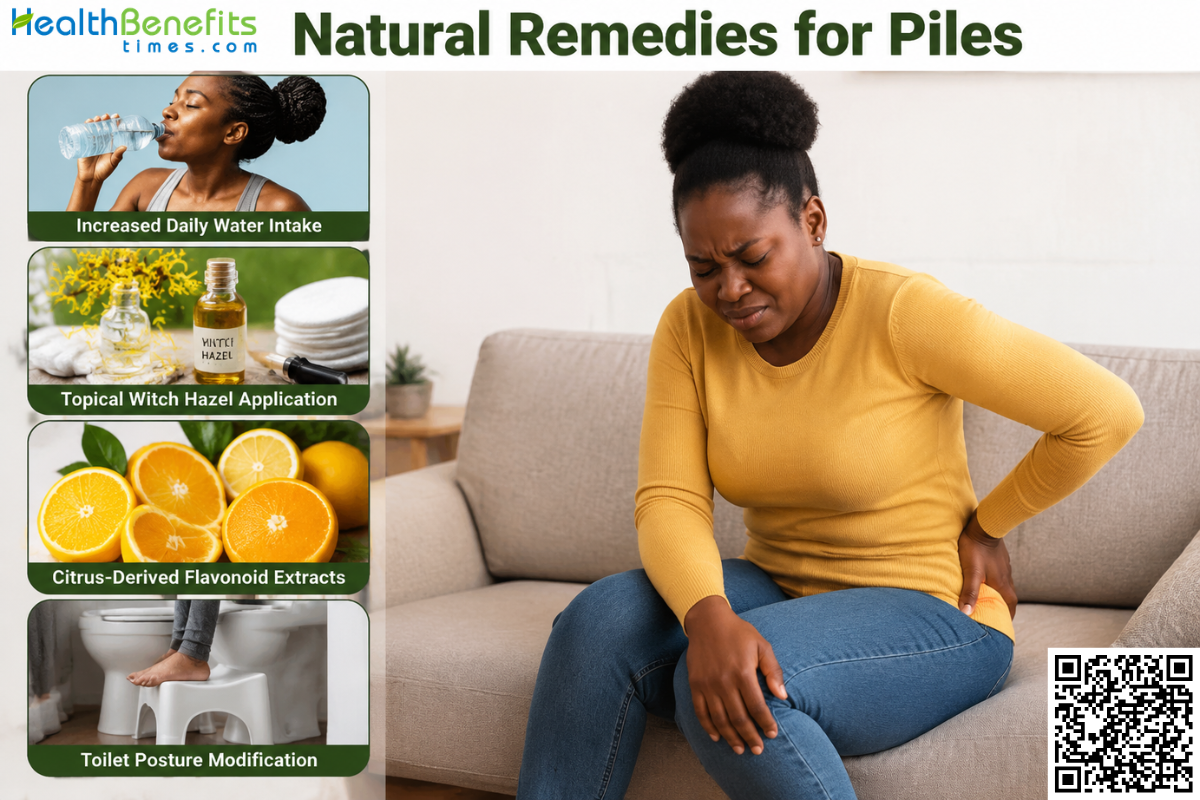
Causes of Piles
- Straining During Bowel Movements: The primary cause of hemorrhoids is excessive physical straining while using the toilet. This intense pressure directly forces the blood vessels in the lower rectum to stretch, swell, and become inflamed 4.
- Chronic Constipation and Diarrhea: Infrequent, hard bowel movements require significant pushing, which traps blood in the rectal veins. Conversely, chronic diarrhea causes repeated irritation and straining that can equally damage these sensitive blood vessels 2.
- Pregnancy: As a fetus grows, the expanding uterus places immense weight and pressure on the veins in the mother’s pelvis. This restricted blood flow causes the rectal veins to bulge, making piles a common complication during the later stages of pregnancy 4.
- Low-Fiber Diet: Consuming a diet lacking in natural fiber leads to hard, dry stools. This directly contributes to chronic constipation, which subsequently forces an individual to strain heavily during bathroom visits 3.
- Prolonged Sitting: Sitting for extended periods, particularly on the toilet, allows the anal tissues to relax and blood to pool in the lower extremities. The lack of physical support from the toilet seat increases the downward strain on rectal blood vessels, promoting significant swelling 2.
- Aging: As individuals grow older, the structural connective tissues that naturally support the veins in the rectum and anus begin to weaken and stretch. This tissue decline makes older adults significantly more susceptible to developing enlarged blood vessels in this area 4.
- Heavy Lifting and Obesity: Regularly lifting heavy objects or carrying significant excess body weight continuously increases intra-abdominal pressure. This constant downward force restricts proper blood flow and strains the pelvic veins, leading directly to hemorrhoid formation 2.
Symptoms of Piles
- Painless Rectal Bleeding: A frequent early symptom is noticing small amounts of bright red blood on toilet paper or directly in the toilet bowl following a bowel movement, which typically happens without causing physical pain 4.
- Anal Itching and Irritation: The sensitive skin surrounding the anal opening often becomes inflamed and secretes mucus, resulting in a persistent, intense urge to scratch the area 3.
- Pain and Aching Discomfort: While internal piles rarely cause pain, swollen external blood vessels can cause sharp pain, aching, or severe discomfort, particularly when an individual is sitting down or wiping the area 2.
- Protruding Tissue (Prolapse): Internal hemorrhoids can stretch and push downward outside the anal opening during a bowel movement, creating a noticeable bulge of soft tissue that may either slide back in on its own or require gentle manual repositioning 2.
- Hard, Tender Lumps: If blood stops flowing and pools inside an external hemorrhoid, it can form a clot. This creates a hard, swollen, and extremely sensitive lump under the skin near the anus, medically known as a thrombosed hemorrhoid 4.
- Fecal Leakage: In cases where internal piles grow large or prolapse frequently, they can prevent the anal muscles from closing completely, leading to minor mucus discharge or accidental leakage of stool 4.
Natural Remedies for Piles
1. Dietary Fiber Supplements (Psyllium Husk)
How it may help
Psyllium husk acts as a bulk-forming laxative that absorbs water in the digestive tract. This process creates larger, softer stools that are significantly easier to pass. By eliminating the need to strain during bowel movements, this fiber directly reduces pressure on the swollen blood vessels in the lower rectum, allowing irritated tissues time to heal naturally.
What research says
Clinical evidence confirms that fiber supplementation is a highly effective, first-line treatment for hemorrhoid management. Researchers conclude that regularly taking fiber significantly reduces persistent rectal bleeding, relieves overall discomfort, and successfully prevents internal piles from bulging outside the body during bathroom visits 2.
How to use it safely
To safely introduce psyllium husk, start with a small dose of one teaspoon daily mixed completely into a full glass of water. You must drink at least eight glasses of water daily, as consuming fiber without adequate hydration can harden stools and worsen constipation 5.
Potential precautions or side effects
Adding fiber too quickly frequently causes temporary stomach bloating and gas. Always consume psyllium with adequate liquids to prevent choking or dangerous blockages in the digestive tract 6.
2. Warm Water Sitz Baths
How it may help
Soaking the anal area in warm water helps relax the internal anal sphincter, a muscle that often spasms and causes sharp pain during hemorrhoid flare-ups. The gentle heat increases blood flow to the damaged tissues, which promotes natural healing while temporarily relieving intense itching and aching discomfort 7.
What research says
Clinical guidelines endorse warm sitz baths as a highly effective conservative treatment for immediate symptom relief. Medical experts conclude that while water soaks do not permanently shrink the swollen blood vessels, they significantly reduce pain, burning, and skin irritation when used alongside dietary changes 2.
How to use it safely
Fill a bathtub or a small plastic sitz basin that fits over your toilet with a few inches of warm water. Sit in the water for 15 minutes, two to three times daily, particularly after bowel movements. Afterward, gently pat the area dry without rubbing 7.
Potential precautions or side effects
Always test the water temperature first to prevent skin burns. Strictly avoid adding soaps, bath salts, or fragrances, as these chemicals will further irritate the highly sensitive anal tissues 2.
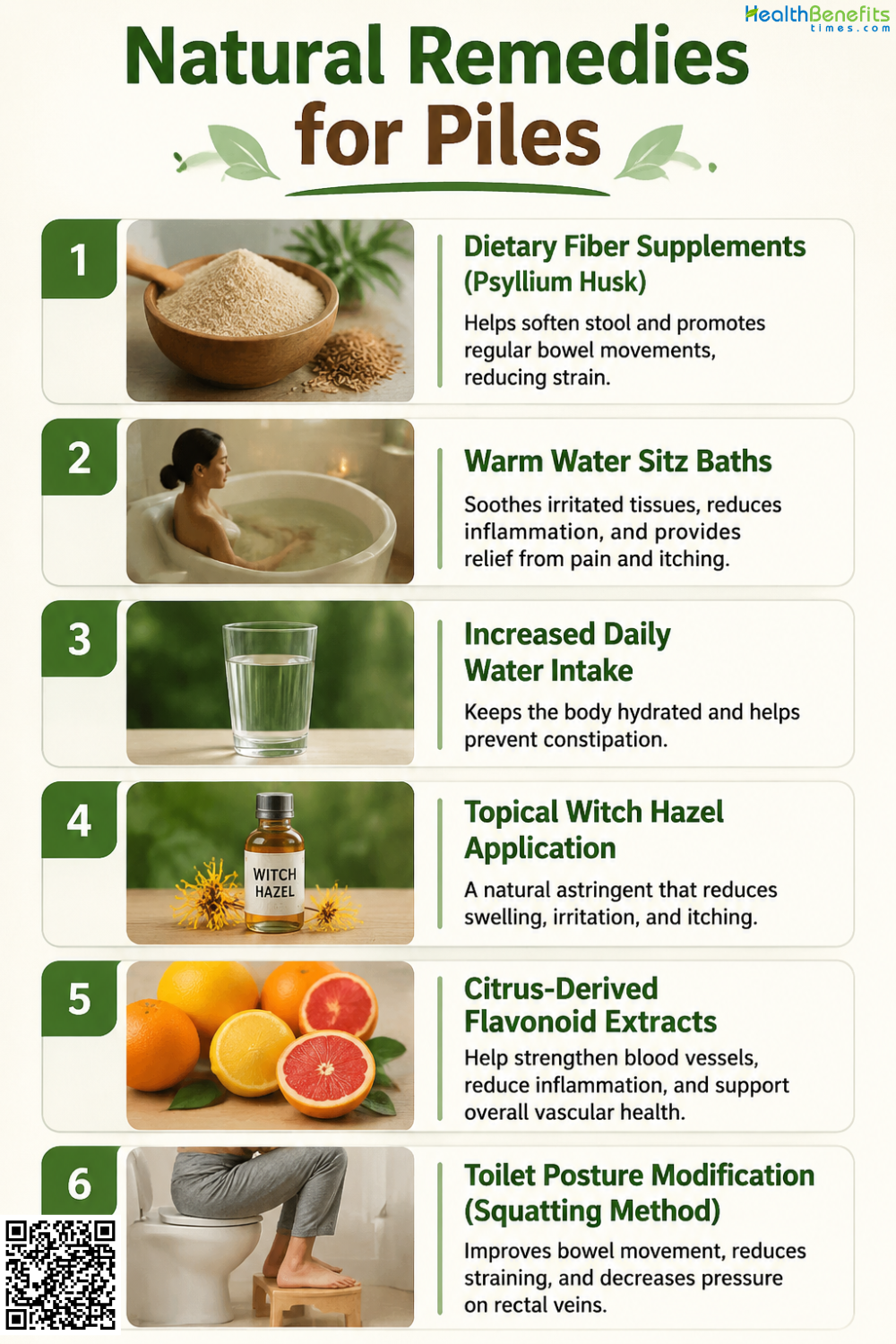
3. Increased Daily Water Intake
How it may help
Drinking adequate water softens stool by keeping it hydrated as it moves through the large intestine. Soft, bulky stools are much easier to pass, which directly eliminates the need to strain during bathroom visits. This lack of straining prevents dangerous pressure buildup in the rectal veins, allowing swollen tissues to heal.
What research says
Clinical guidelines emphasize that adequate daily water consumption is essential for treating piles. Medical experts conclude that combining high fluid intake with dietary fiber effectively prevents chronic constipation, reduces the physical force required to pass bowel movements, and significantly lowers the frequency of future hemorrhoid flare-ups 5.
How to use it safely
Aim to drink plenty of clear fluids daily, such as water or clear broths, to keep your digestive system functioning smoothly. Drink consistently throughout the day. If you are actively increasing your fiber intake, you must simultaneously increase your water consumption 5.
Potential precautions or side effects
Consult your doctor before significantly increasing your daily fluid intake if you have kidney disease, severe heart conditions, or take diuretic medications, as excessive water can cause dangerous fluid buildup.
4. Topical Witch Hazel Application
How it may help
Witch hazel is a natural astringent containing compounds that temporarily shrink swollen anal tissues. When applied directly to external hemorrhoids, it provides a cooling sensation that rapidly soothes severe itching, reduces minor bleeding, and relieves the aching pain associated with inflamed blood vessels.
What research says
Clinical guidelines support the use of topical astringents, including witch hazel, for the conservative management of hemorrhoid symptoms. Medical experts conclude that while these topical applications do not cure the underlying condition, they safely and effectively provide temporary relief from localized itching, tissue swelling, and physical discomfort 2.
How to use it safely
You can apply pure witch hazel extract directly to the external anal area using a clean cotton ball up to six times daily. Alternatively, use pre-moistened witch hazel pads to gently pat the area clean after bowel movements instead of wiping with dry toilet paper 8.
Potential precautions or side effects
Witch hazel is strictly for external use. Discontinue application immediately if you experience increased redness, severe burning, or skin dryness, as these indicate an allergic reaction or local irritation.
5. Citrus-Derived Flavonoid Extracts
How it may help
Citrus-derived flavonoids, such as diosmin and hesperidin, work internally to strengthen weak blood vessel walls and improve overall blood circulation in the rectal area. By increasing venous tone and reducing fluid leakage from capillaries, these plant-based compounds effectively shrink swollen tissues and lower local inflammation.
What research says
Clinical research confirms that oral flavonoid extracts, commonly classified as phlebotonics, provide significant relief from acute hemorrhoid symptoms. Studies conclude that these plant compounds quickly reduce persistent rectal bleeding, alleviate intense pain, and significantly lower the risk of recurrent flare-ups when used alongside dietary modifications 9.
How to use it safely
You can find these flavonoid extracts in over-the-counter oral dietary supplements. Take the pills exactly as directed on the product label, typically with meals to maximize absorption. For acute flare-ups, consult your doctor for the proper short-term dosage schedule.
Potential precautions or side effects
These supplements may occasionally cause mild stomach upset or headaches. Always consult a healthcare provider before use, especially if you are pregnant, nursing, or taking blood-thinning medications.
6. Toilet Posture Modification (Squatting Method)
How it may help
Changing from a sitting to a squatting position during bowel movements relaxes the puborectalis muscle, which normally creates a bend in the lower digestive tract. This postural shift straightens the rectal canal, allowing stool to pass smoothly and significantly reducing the straining that inflames hemorrhoidal veins.
What research says
Clinical studies demonstrate that modifying toilet posture by elevating the feet significantly improves bowel emptying. Researchers conclude that using a squatting position reduces the time spent on the toilet, decreases physical abdominal strain, and effectively lowers pressure on the lower rectum, which aids in healing hemorrhoids 10.
How to use it safely
Place a small, sturdy step stool under your feet while sitting on a standard toilet. Lean slightly forward, resting your elbows on your knees to elevate your knees above your hips. This safely mimics a natural squatting position without requiring full physical suspension.
Potential precautions or side effects
Individuals with severe knee, hip, or lower back problems should avoid extreme squatting to prevent joint strain. Ensure the footstool is completely stable to prevent accidental slips or falls.
Foods to Avoid When You Suffer from Piles
To effectively manage and heal piles, you must avoid foods that contribute to chronic constipation. A diet lacking in essential dietary fiber results in hard, dry stools that require excessive physical straining to pass. This direct mechanical strain severely aggravates the swollen blood vessels in the lower rectum, worsening pain and delaying the natural healing process.
1. Processed and Prepared Foods
Pre-packaged meals and snack foods contain almost no dietary fiber, leading directly to hard stools and severe constipation that aggravates inflamed blood vessels 5.
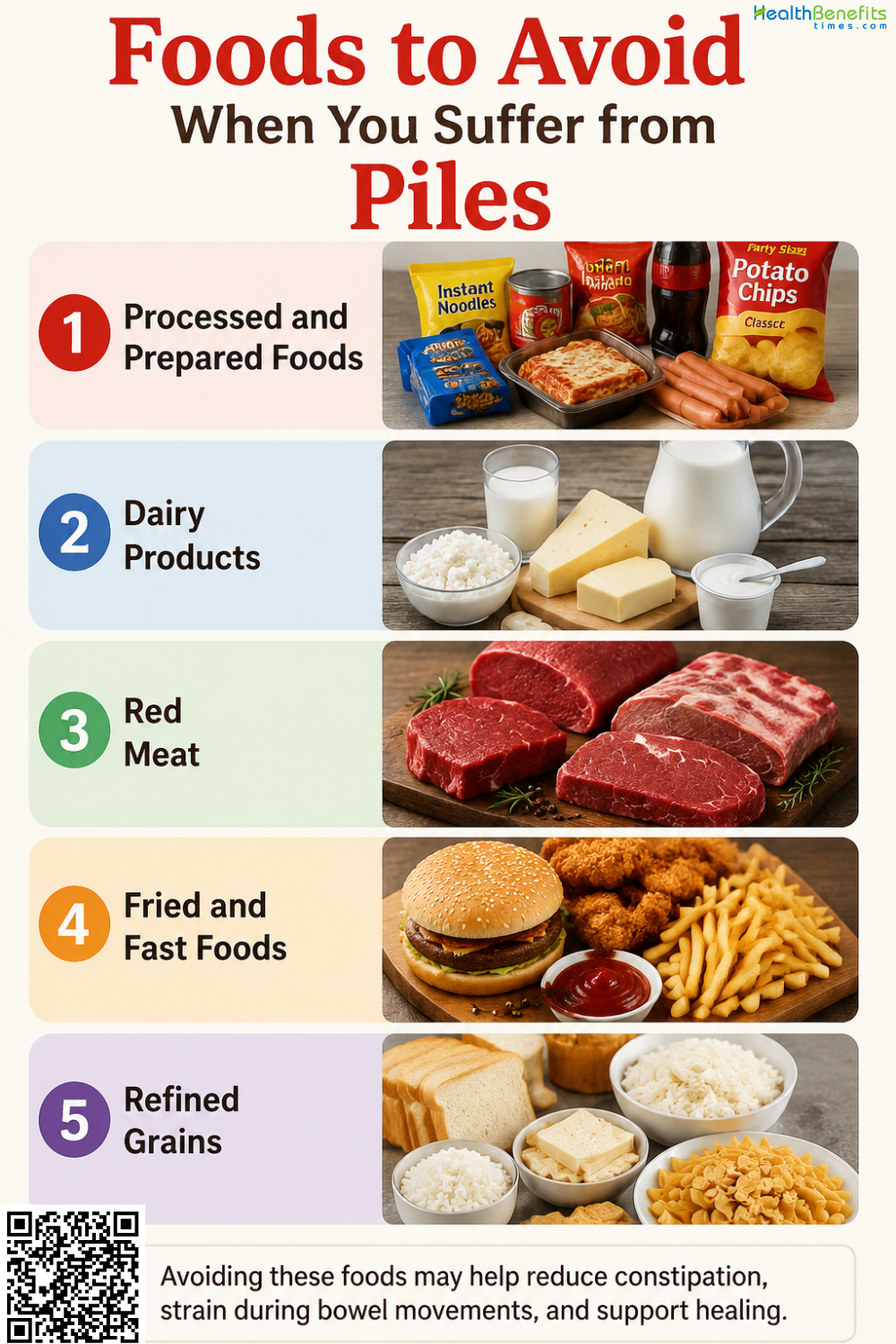
2. Dairy Products
Consuming high amounts of cheese and ice cream without adequate fiber slows down digestion and frequently contributes to severe chronic constipation 5.
3. Red Meat
Heavy meats take significantly longer to digest and contain zero dietary fiber, making them a primary dietary cause of hard, difficult-to-pass stools 5.
4. Fried and Fast Foods
Heavily fried foods are exceptionally high in fat and low in fiber, which drastically slows bowel movements and increases the physical need to strain 5.
5. Refined Grains
White bread, white rice, and regular pasta have had their natural fiber stripped away, directly increasing the likelihood of painful constipation during hemorrhoid flare-ups 5.
When to See a Doctor for Piles
While most cases of piles resolve with basic dietary modifications and conservative at-home treatments, certain symptoms demand professional clinical evaluation. It is crucial to obtain an accurate medical diagnosis to rule out severe gastrointestinal conditions, as hemorrhoid symptoms frequently overlap with more dangerous diseases.
1. Unexplained Rectal Bleeding
Any new or persistent rectal bleeding requires immediate clinical evaluation to definitively rule out serious underlying diseases, including colorectal cancer 4.
2. Persistent Symptoms
If aching pain, severe itching, or localized swelling fails to improve after exactly one week of consistent home treatments, a professional medical assessment is necessary 3.
3. Severe Anal Pain
Sudden, excruciating anal pain often indicates that a blood clot has formed inside an external hemorrhoid, creating a thrombosed pile that requires targeted medical intervention 2.
4. Changes in Stool Color
Passing stools that appear black, tarry, or maroon indicates bleeding higher up in the digestive tract, which constitutes a medical emergency completely unrelated to piles 4.
5. Lightheadedness or Dizziness
Experiencing extreme dizziness, chronic weakness, or fainting alongside rectal bleeding suggests significant internal blood loss, requiring immediate emergency medical care and rapid clinical evaluation 4.
Comments
comments