

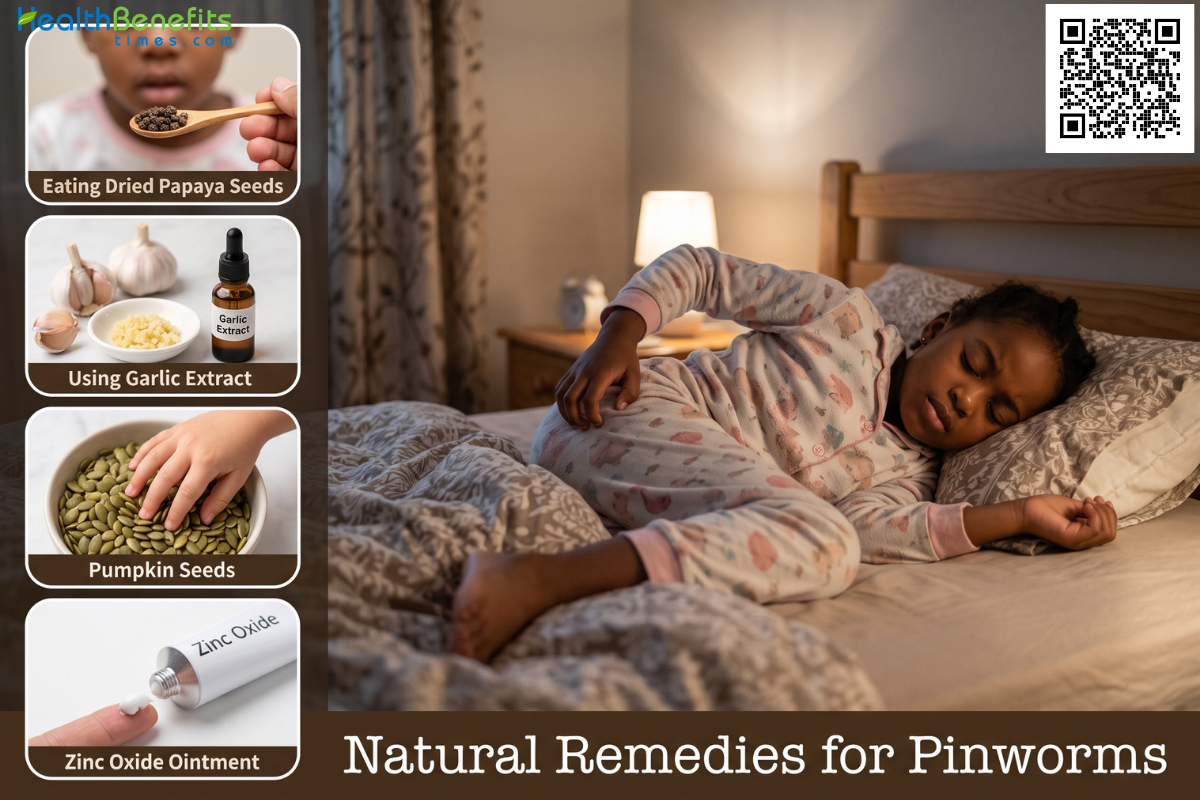
Causes of Pinworms
- Ingestion of Parasite Eggs: The primary cause of a pinworm infection is the accidental swallowing of microscopic Enterobius vermicularis eggs, which then travel to and hatch within the small intestine 3.
- Direct Physical Contact: Eggs are easily transferred when an infected individual scratches the affected perianal area, collects eggs under their fingernails, and then touches their own mouth or another person’s mouth 4.
- Contaminated Surfaces and Objects: Because pinworm eggs can survive on indoor surfaces at room temperature for two to three weeks, handling infected items such as bedding, towels, clothing, toys, or toilet seats, and subsequently touching the mouth, transmits the parasite 3.
- Autoinfection (Self-Infection): Infected individuals frequently prolong their condition by continuously re-infecting themselves when they scratch the itchy anal region during sleep and transfer the newly laid eggs back to their own digestive system 1.
- Airborne Inhalation: In less common instances, microscopic eggs can become airborne when heavily contaminated bedding, towels, or clothing are shaken, allowing the eggs to be inhaled and subsequently swallowed 3.
Symptoms of Pinworms
- Anal Itching: The most prominent symptom is frequent, intense itching around the anus, which typically worsens at night when female pinworms emerge to lay their eggs on the surrounding skin 5.
- Sleep Disturbances: Due to the severe nighttime itching, infected individuals often experience restless sleep, insomnia, and subsequent daytime irritability or difficulty concentrating 4.
- Visible Parasites: Tiny, thread-like white worms measuring roughly a quarter of an inch long may be visible to the naked eye near the anal opening, in stool, or on pajamas and bed sheets 1.
- Vaginal Irritation: In females, adult pinworms can occasionally migrate from the anal area into the vagina, causing localized itching, irritation, and sometimes an abnormal vaginal discharge 5.
- Secondary Skin Infections: Continuous scratching of the irritated anal region can break the skin, making the area vulnerable to secondary bacterial infections that may require additional medical treatment 4.
- Abdominal Discomfort: Although relatively uncommon, individuals carrying a particularly heavy concentration of pinworms in the intestines may experience mild abdominal pain or occasional nausea 5.
- Absence of Symptoms: Many infected individuals, particularly those carrying a low number of worms, remain completely asymptomatic and show no outward signs of the condition 5.
Natural Remedies for Pinworms
1. Frequent Handwashing and Keeping Fingernails Short
How it may help
Because pinworm eggs cause intense itching, scratching transfers the microscopic eggs directly underneath the fingernails. Keeping fingernails clipped short prevents the eggs from accumulating there. Thorough handwashing removes these eggs from the skin, breaking the cycle of self-infection and stopping the parasite from spreading to other people or surfaces.
What research says
Public health authorities confirm that strict personal hygiene is the most critical measure against pinworm transmission. Clinical guidelines conclude that routine handwashing with soap and warm water, combined with maintaining short fingernails, significantly reduces the presence of parasite eggs on the hands and lowers household reinfection rates 6.
How to use it safely
Trim your fingernails regularly and actively avoid biting your nails. Wash your hands thoroughly with soap and warm water for at least twenty seconds, scrubbing underneath the nails, especially after using the toilet, changing diapers, and immediately before eating or preparing any food.
Potential precautions or side effects
Excessive handwashing with harsh soaps can lead to dry, cracked, or irritated skin. To prevent skin barrier damage, use a gentle soap and apply a fragrance-free moisturizer after washing.
2. Daily Morning Bathing
How it may help
Female pinworms typically travel outside the intestines to lay thousands of microscopic eggs on the skin surrounding the anus during the night. Showering immediately upon waking physically washes away a large portion of these newly deposited eggs, reducing severe morning itching and preventing the parasite from spreading to household surfaces.
What research says
Clinical guidelines establish that maintaining strict personal hygiene is vital for managing intestinal parasites. Public health authorities confirm that washing the anal area every morning effectively removes accumulated pinworm eggs from the skin, which substantially reduces the risk of environmental contamination and prevents autoinfection 6.
How to use it safely
Shower every morning using warm water and a mild soap to carefully cleanse the perianal region. Stand in a shower rather than sitting in a bathtub, as parasite eggs can wash off into still bathwater and easily spread to other areas of your body.
Potential precautions or side effects
Vigorously scrubbing the sensitive perianal area can cause micro-tears and severe skin irritation. Always wash the skin gently to avoid creating open wounds prone to secondary bacterial infections.
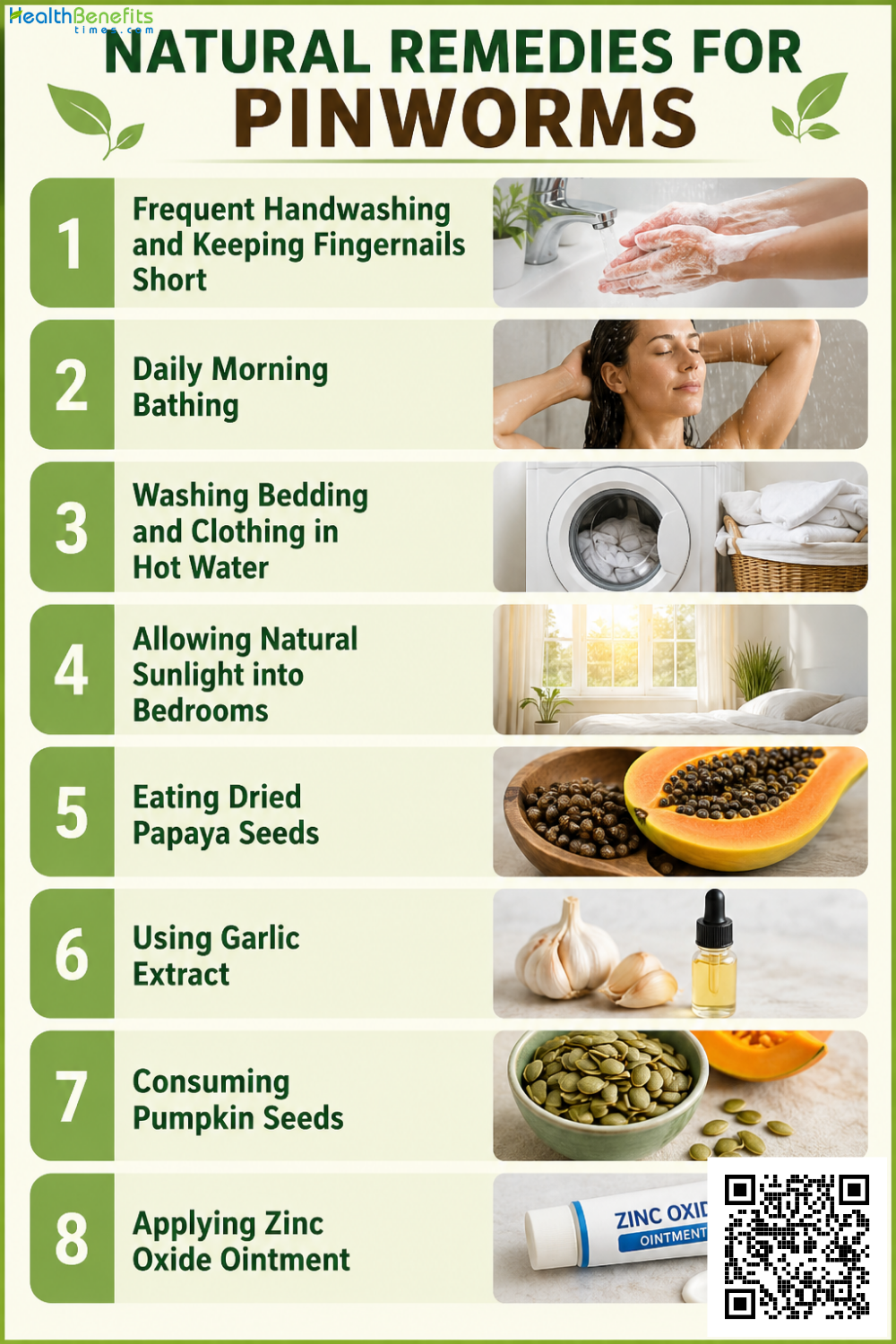
3. Washing Bedding and Clothing in Hot Water
How it may help
Pinworm eggs easily transfer from the skin to underwear, pajamas, and bed sheets during the night. Because these microscopic eggs can survive for weeks at room temperature, washing contaminated fabrics in hot water effectively destroys them. This thermal eradication halts the parasite’s life cycle and prevents household transmission.
What research says
Public health experts conclude that environmental sanitation is essential for eliminating pinworm infestations. According to clinical protocols, washing bedding, towels, and clothing in hot water, followed by drying them at high temperatures, successfully kills pinworm eggs and significantly reduces the risk of reinfection 6.
How to use it safely
Carefully gather all exposed bedding, towels, and daily clothing without shaking the fabrics. Wash these items in your washing machine using the hottest water setting available, and dry them immediately using high heat to ensure any remaining parasite eggs are fully eradicated.
Potential precautions or side effects
Never shake dirty laundry before washing, as this action can launch microscopic eggs into the air, allowing them to be accidentally inhaled or spread to clean surfaces.
4. Allowing Natural Sunlight into Bedrooms
How it may help
Pinworm eggs thrive in moist, cool, and dark environments, allowing them to survive on household surfaces for weeks. Exposing a bedroom to natural ultraviolet light and heat from the sun creates an inhospitable environment that dehydrates and destroys these microscopic eggs, limiting their ability to spread or cause reinfection.
What research says
Public health experts identify environmental control as a crucial component of eradicating parasitic infections. Clinical guidelines confirm that pinworm eggs are highly sensitive to sunlight and dry conditions. Opening blinds or curtains during the day successfully accelerates the destruction of eggs resting on exposed carpets, bedding, and furniture 6.
How to use it safely
Open your curtains and blinds wide every morning to maximize direct sunlight exposure in bedrooms and living areas. Ensure that rugs, bedding, and frequently touched furniture remain in well-lit, dry areas throughout the day to naturally diminish the presence of surviving eggs.
Potential precautions or side effects
While sunlight degrades parasite eggs, it can also fade sensitive fabrics over time. Rely on this method strictly as a secondary measure alongside medical treatments and thorough sanitation protocols.
5. Eating Dried Papaya Seeds
How it may help
Papaya seeds contain natural plant compounds and digestive enzymes, such as papain, that can damage intestinal parasites. These substances weaken the protective outer layers of the worms, which helps force them to detach from the intestinal walls and pass naturally through the digestive system 7.
What research says
Clinical research indicates that an elixir made from air-dried papaya seeds and honey can safely and effectively clear human intestinal parasites. Studies conclude that a significant majority of individuals who received this natural treatment were entirely cleared of their parasite infections within one week 7.
How to use it safely
Remove the seeds from a fresh papaya, rinse them, and let them air dry completely. Crush the dried seeds into a fine powder. Mix one teaspoon of this powder with a natural sweetener like honey and consume it once daily.
Potential precautions or side effects
Eating excessive quantities of papaya seeds can cause an upset stomach. Pregnant women must avoid them, as certain active compounds in the seeds might stimulate unwanted uterine contractions.
6. Using Garlic Extract
How it may help
Garlic contains potent natural compounds, particularly allicin, which possess strong antimicrobial and antiparasitic properties. When consumed, these active chemical compounds help create a hostile environment in the human digestive tract. This disrupts the metabolism of pinworms, weakening the parasites and assisting the body in naturally expelling them.
What research says
Clinical studies highlight the broad-spectrum therapeutic potential of garlic against various gastrointestinal infections. Scientific evidence confirms that garlic extracts, primarily due to active organosulfur compounds like allicin, exhibit significant antiparasitic activity. These natural extracts actively paralyze intestinal worms and reduce the overall parasitic burden 8.
How to use it safely
You can consume garlic safely by adding fresh, finely minced cloves to your daily meals or by taking commercially prepared, standardized garlic extract supplements. Always take garlic supplements with food to minimize gastrointestinal discomfort and ensure proper absorption.
Potential precautions or side effects
Eating large amounts of raw garlic can cause heartburn, upset stomach, and bad breath. Avoid high doses if you take blood-thinning medications, as garlic naturally increases bleeding risks.
7. Consuming Pumpkin Seeds
How it may help
Pumpkin seeds contain a natural plant compound called cucurbitacin. This active chemical temporarily paralyzes pinworms within the digestive tract. By preventing the worms from firmly attaching to the intestinal walls, the body can more easily sweep the parasites out during normal bowel movements.
What research says
Scientific studies confirm that pumpkin seed extracts possess notable antiparasitic properties. Clinical research concludes that consuming these seeds safely reduces intestinal parasite loads by effectively paralyzing the worms, offering a beneficial complementary dietary approach to managing gastrointestinal worm infections 9.
How to use it safely
Eat a small handful of raw, unsalted pumpkin seeds daily. You can consume them whole, blend them into smoothies, or grind them into a powder to sprinkle over meals. Drink plenty of water afterward to help flush the weakened worms from your system.
Potential precautions or side effects
Because they are high in fiber, eating too many pumpkin seeds at once may cause minor bloating, gas, or stomach upset. Chew them thoroughly to prevent mild digestive discomfort.
8. Applying Zinc Oxide Ointment
How it may help
Zinc oxide ointment acts as a thick physical barrier on the skin. Applying it around the anal area significantly reduces the severe nighttime itching caused by pinworm movements. By soothing the irritated skin and discouraging scratching, this barrier traps newly laid eggs and prevents them from transferring to fingernails.
What research says
Medical guidelines state that managing intense perianal itching is a crucial component of pinworm treatment. Health authorities advise that applying soothing, barrier-forming topical creams like zinc oxide effectively relieves discomfort, protects broken skin from secondary bacterial infections, and helps break the cycle of autoinfection caused by continuous scratching 4.
How to use it safely
Wash and carefully dry your anal area before bedtime. Using clean hands or a cotton swab, gently apply a generous layer of standard, over-the-counter zinc oxide ointment directly to the irritated skin. Wash your hands thoroughly with soap and warm water immediately after application.
Potential precautions or side effects
Zinc oxide is generally safe but can occasionally cause mild skin irritation. If you notice increased redness, swelling, or worsening pain, stop using the ointment and consult a doctor.
Foods to Avoid When You Suffer From Pinworms
While restricting specific food groups or avoiding sugars cannot cure a pinworm infection, eradicating the parasite requires strict adherence to hygiene to prevent swallowing new eggs. According to clinical guidelines, resolving an Enterobius vermicularis infection relies on halting the fecal-oral transmission route 10. Therefore, infected individuals should actively avoid consuming foods and beverages that are prone to environmental contamination or hygienic mishandling.
1. Unwashed Raw Vegetables
Consuming raw, unwashed vegetables increases the risk of ingesting pinworm eggs transferred from contaminated soil or fertilizers, which can constantly restart the infection cycle 11.
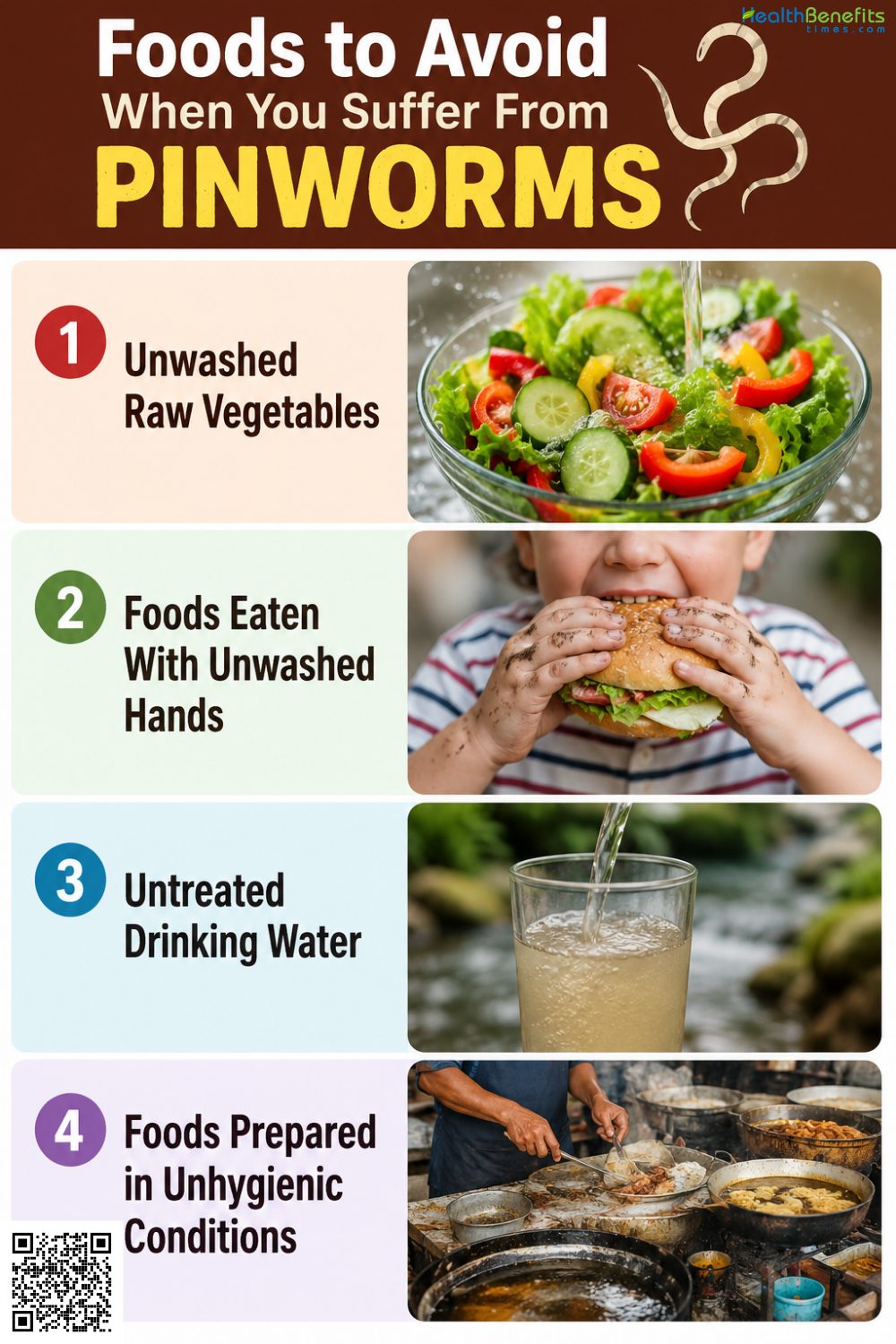
2. Foods Eaten With Unwashed Hands
Eating finger foods without washing your hands allows microscopic eggs trapped under your fingernails to re-enter your digestive tract, causing continuous autoinfection 10.
3. Untreated Drinking Water
In environments with inadequate sanitation, raw or untreated water can harbour intestinal parasites, making it vital to avoid unpurified water sources to prevent further parasitic exposure 12.
4. Foods Prepared in Unhygienic Conditions
Avoid eating uncooked meals prepared by individuals who skip strict handwashing, as infected food handlers can easily transfer microscopic eggs directly onto the food 13.
When to See a Doctor When You Struggle From Pinworms
Although pinworm infections are generally mild and easily treatable, certain complications require professional medical evaluation and prescription treatment to prevent further health issues.
1. Persistent or Worsening Symptoms
Consult a healthcare provider if intense nighttime itching continues for several days despite practicing strict hygiene and trying initial home remedies 4.
2. Signs of Skin Infection
Constant scratching breaks the skin. Seek medical care if the anal area becomes red, swollen, or tender, which indicates a secondary bacterial infection requiring antibiotics 4.
3. Vaginal Irritation in Females
Because pinworms can migrate, see a doctor if female patients experience unexplained vaginal itching, redness, or abnormal discharge, as this requires specific clinical management 5.
4. Severe Abdominal Pain or Nausea
While uncommon, heavy parasite loads can cause significant digestive distress. Seek immediate medical attention if intense abdominal pain, persistent nausea, or vomiting occurs 5.
5. Visual Confirmation of Parasites
Schedule an appointment if you clearly see small, thread-like white worms near the anal opening, as proper eradication requires highly effective prescription anti-parasitic medication 1.
Comments
comments