

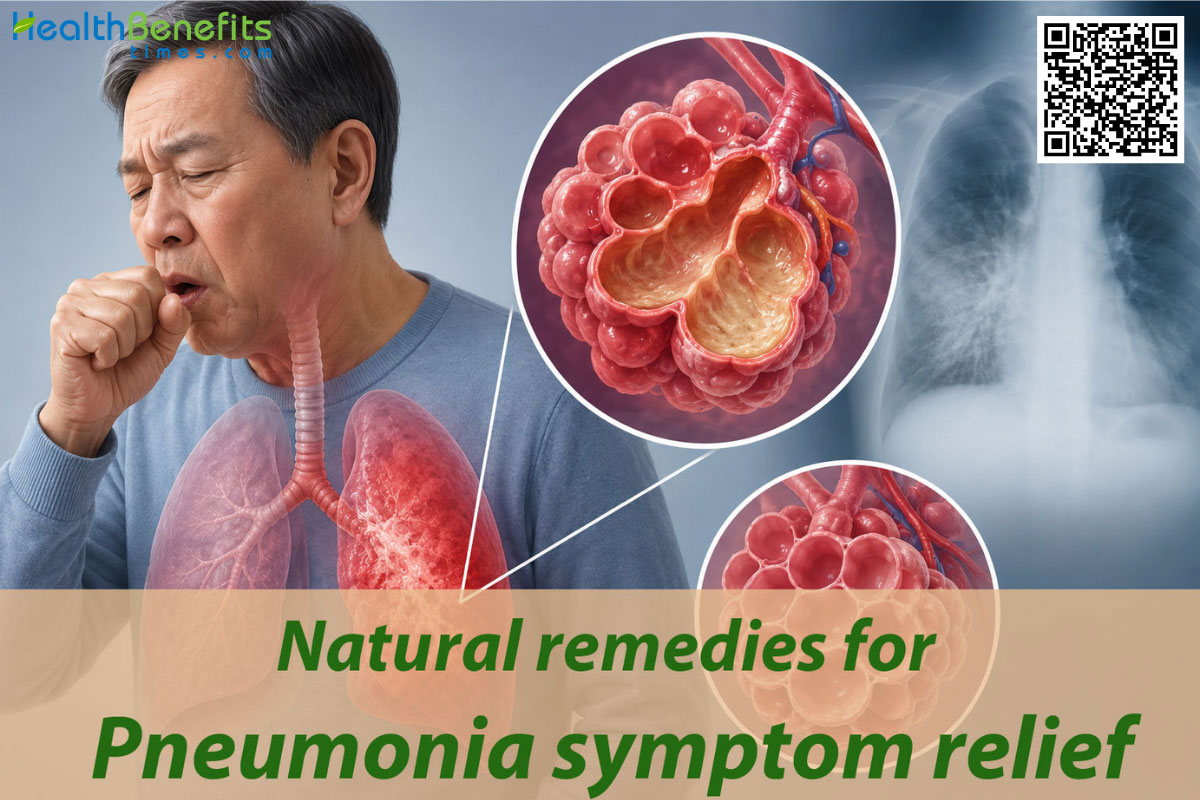
Have you ever wondered exactly what happens inside the body when a severe chest infection takes hold? Deep inside the respiratory system, the lungs contain tiny, balloon-like air sacs known as alveoli, which are fundamentally responsible for absorbing fresh oxygen and releasing carbon dioxide. Pneumonia is an acute infection that causes these delicate sacs in one or both lungs to become inflamed and rapidly fill up with fluid or pus 1. This dangerous localized swelling severely limits normal oxygen intake and makes the simple act of breathing feel incredibly painful and physically exhausting. As a major public health concern, this illness remains the single largest infectious cause of death in children worldwide, accounting for roughly fourteen percent of all mortality in children under the age of five 2. The severity of the disease can vary greatly depending on a person’s age, their overall baseline health, and the specific type of germ involved, meaning the condition can range from a mild inconvenience to a life-threatening medical emergency 3.
Causes of Pneumonia
1. Bacterial Invaders
Often, the human respiratory tract successfully blocks everyday germs, but sometimes highly aggressive bacteria slip through the body’s natural defenses. Streptococcus pneumoniae stands out as the most common bacterial cause of this illness acquired out in the general community 4. Another well-known bacterial strain, Mycoplasma pneumoniae, typically creates a much milder form of the disease that many people casually refer to as “walking pneumonia.”
2. Viral Infections
It might surprise you to learn that the very same viruses responsible for the common cold or the seasonal flu can also trigger severe lower lung inflammation. Respiratory syncytial virus (RSV) is widely recognized as the most frequent viral cause of these dangerous lung infections in infants and young children 3 3. Additionally, dominant viruses like SARS-CoV-2 and influenza frequently lead to rapid, widespread pulmonary complications in otherwise healthy adults.
3. Fungal Pathogens
Exploring the environment reveals that certain invisible fungi living in the soil or hiding inside bird droppings can also cause major respiratory issues. Fungal infections are generally quite rare in totally healthy individuals, but they frequently strike people who have chronic health conditions or heavily weakened immune systems 5. A specific fungus named Pneumocystis jiroveci is a well-documented and severe danger for those managing HIV or undergoing intense medical therapies.
4. Parasitic Organisms
Though incredibly rare compared to the vast sea of common bacteria and viruses, microscopic parasites can sometimes successfully invade the human body. These tiny organisms typically enter through direct skin contact, insect bites, or via contaminated food, eventually finding their way through the bloodstream to the lungs where they provoke intense allergic and inflammatory responses.
Symptoms of Pneumonia
Recognizing the early warning signs helps patients receive prompt and highly effective medical treatment. The physical indicators of this illness can be quite distressing and typically include:
- Sharp, stabbing chest pain that noticeably worsens when taking a deep breath or when experiencing a coughing fit 6.
- A persistent, exhausting cough that frequently brings up thick, discolored, or purulent phlegm.
- Sudden spikes in overall body temperature accompanied by severe sweating and intense shaking chills.
- Overwhelming physical fatigue and lethargy that makes simple daily tasks feel almost impossible.
- Noticeable shortness of breath that occurs even during periods of complete rest or minor exertion.
- Gastrointestinal distress, including unexplainable waves of nausea, persistent vomiting, or severe diarrhea.
- Altered mental status or severe cognitive confusion, which is a hallmark warning sign frequently seen in frail older adults 3.
- Fast, rapid breathing and a visible inward pulling of the lower chest wall, which are critical diagnostic markers heavily monitored in infants 7.
Pneumonia Fact table
Reviewing the basic facts in a structured, easy-to-read way makes it much easier to grasp the full scope of this complicated respiratory condition.
| Category | Details |
| Symptoms |
|
| Causes |
|
| Types of Pneumonia |
|
| How does spread |
|
| Age Group |
|
| You might be at a higher risk for exposure of this disease if you: |
|
| How doctors diagnose |
|
| Other facts |
|
Natural remedies for pneumonia symptom relief
When you are dealing with the uncomfortable aftermath of a severe lung infection, there are several gentle, non-invasive methods you can use right at home to support your long-term healing. While you must always finish any course of antibiotics exactly as prescribed by your doctor, these complementary natural strategies focus heavily on loosening thick chest congestion, reducing painful inflammation, and giving your immune system the peaceful, supportive environment it needs to fight back effectively.
1. Medical-Grade and Natural Honey
Taking a spoonful of nature’s sweetest traditional remedy can offer immense relief for your sore, highly irritated throat. Modern clinical research highlights that natural honey acts as a brilliant antimicrobial agent and is often superior to many standard over-the-counter medications in reducing cough severity and improving sleep quality 8. Because harsh chemical cough suppressants can dangerously trap infected mucus deep inside your lungs, honey provides a wonderful, safe alternative that simply coats the raw sensory nerves in your throat. This effectively reduces your painful urge to hack wildly without paralyzing your lower airway’s natural clearing mechanism 9.
Note: Honey is commonly eaten directly from a spoon or stirred into a mug of warm water with a squeeze of fresh lemon, taking roughly half a teaspoon right before bedtime for medicinal coughing relief.
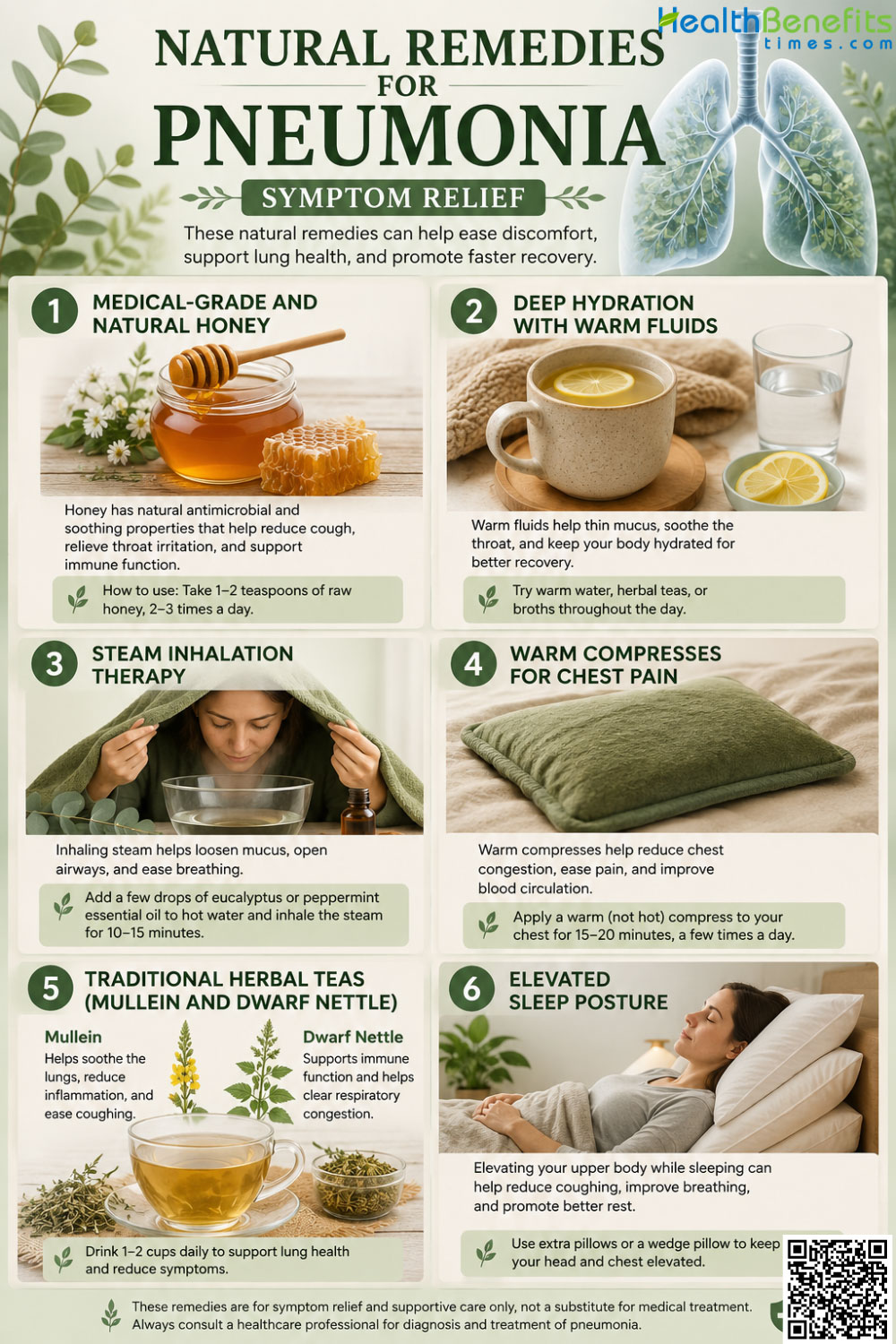
2. Deep Hydration with Warm Fluids
Keeping your internal biological systems flooded with healthy liquids is arguably one of the most critical steps you can take during your entire recovery window. When your microscopic air sacs are packed with thick, sticky pus, drinking ample amounts of water physically lowers the thickness and viscosity of those trapped secretions 10. By purposefully thinning out the mucus, your recovering body requires significantly less forceful effort to cough it up and successfully expel it from your chest cavity. Staying properly hydrated also helps successfully regulate your internal body temperature if you are battling a stubborn, lingering fever.
Note: Fluids are commonly ingested continuously throughout the day in the form of plain room-temperature water, warm herbal teas, or clear nutritious broths to keep respiratory secretions loose.
3. Steam Inhalation Therapy
Harnessing the natural power of warm moisture is a fantastic, accessible way to break up stubborn congestion trapped deep inside your bronchial airways. Steam works beautifully by directly introducing highly humidified air into your respiratory tract, which successfully softens and loosens the dry, hardened mucus clinging tightly to the walls of your lungs 11. This incredibly simple process massively reduces the painful friction in your chest and makes your subsequent coughing fits vastly more productive and less agonizing.
Note: Steam is commonly applied by sitting quietly in a warm, steamy bathroom with the shower running, or by carefully leaning over a safe bowl of hot water to breathe in the moist air for ten to fifteen minutes.
4. Warm Compresses for Chest Pain
Addressing the intense physical pain associated with this illness is essential for maintaining your comfort and allowing you to rest peacefully. Because intense lung swelling forces you to cough violently, the tiny intercostal muscles located directly between your ribs can become severely strained and agonizingly sore. Applying a gentle, localized heat source to your chest wall dramatically increases blood circulation to these overworked, exhausted muscles, helping to quickly relax the painful spasms and dull the sharp aches that happen every single time you inhale 11.
Note: A warm compress or a protective cloth-wrapped hot water bottle is commonly applied directly to the outside of the chest or the upper back for fifteen minutes to relax sore breathing muscles.
5. Traditional Herbal Teas (Mullein and Dwarf Nettle)
Exploring the fascinating realm of traditional botany reveals several specific plants that have been utilized successfully for centuries to support overall lung health. Scientific evaluations of specific plant extracts, such as mullein and dwarf nettle, show that they possess notable natural properties that can gently fight against certain stubborn respiratory germs 12. Incorporating these specific, time-tested botanical elements into your daily routine can help decrease the audible crackling sounds in your chest and significantly shorten the total duration of your lingering, irritating cough 13.
Note: These specific herbs are commonly brewed into a warm, soothing tea and consumed orally to harness their natural antibacterial properties and calm irritated airway linings.
6. Elevated Sleep Posture
Adjusting the physical angle of your body while you try to rest can make a massive difference in your overnight oxygen intake and sleep quality. When you lie completely flat on your back, gravity naturally causes the heavy, infected fluid in your lungs to pool backwards, which directly compresses your lower airways. By consciously raising your head and upper chest up while sleeping, you utilize gravity to keep your airways open, making breathing significantly easier and allowing your chest to clear out mucus much more efficiently 9 10.
Note: This postural adjustment is commonly applied by stacking two to three firm pillows under the upper back and head before going to sleep, ensuring the torso remains elevated.
Is there any exercise or physical activities to relief pneumonia symptom
Restoring your lung capacity requires a bit of proactive physical effort once the absolute worst of your fever has finally broken and you feel stable. Pulmonary rehabilitation exercises are highly effective clinical tools that help people with deeply compromised lungs live and breathe significantly better 14. You can perform several of these expertly designed breathing techniques right in your own home to help clear out lingering phlegm, safely re-expand your collapsed air sacs, and rebuild your respiratory stamina without accidentally overexerting your recovering body.
1. The Active Cycle of Breathing Techniques (ACBT)
Taking total control of your breathing rhythm is the core principle behind this highly regarded airway clearance method. The Active Cycle of Breathing Techniques is an established set of medical exercises used routinely in recovering patients to help carefully sweep excess sputum upward and entirely out of the lungs 15. By cycling through periods of gentle breathing, deep chest expansions, and highly controlled forced exhalations, you create variable pressures inside your airways that physically detach sticky, stubborn mucus from the sensitive bronchial walls 16.
Note: To do this, sit up straight, alternate between a few minutes of normal breathing, followed by three deep breaths, and finally perform two forceful “huffing” coughs to push phlegm upward.
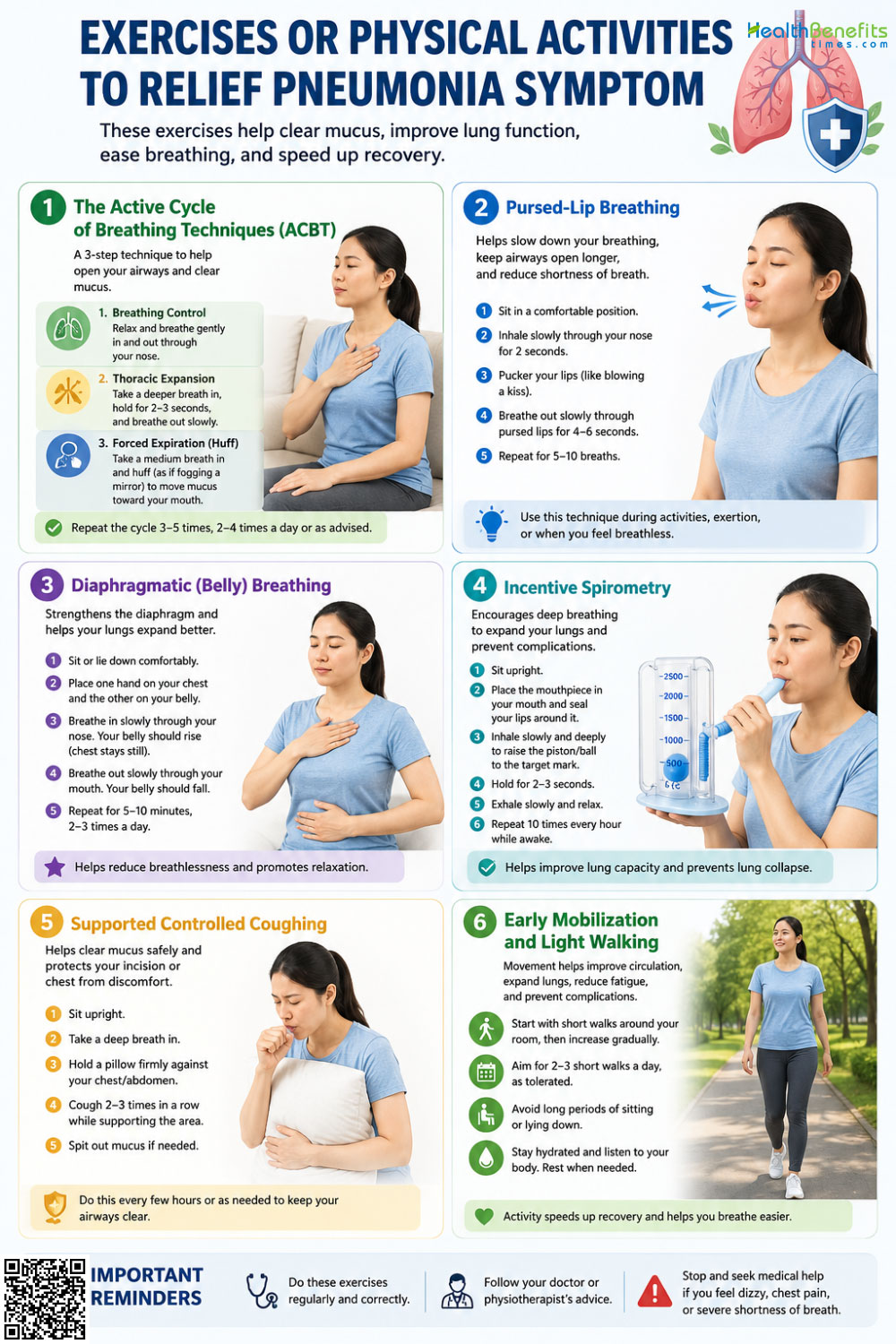
2. Pursed-Lip Breathing
Mastering the exact speed at which air leaves your body is crucial for preventing sudden, terrifying bouts of shortness of breath. This specific calming technique involves a deliberate, quiet inhalation followed by a highly controlled, elongated exhalation through tightly puckered lips 17. By blowing the air out slowly against the physical resistance of your own lips, you create a gentle internal back pressure that holds the smaller airways open for a much longer period, actively preventing the tiny air sacs from collapsing 18.
Note: To do this, inhale deeply through your nose for two seconds, pucker your lips tightly, and gently breathe the air out through your mouth for four slow seconds.
3. Diaphragmatic (Belly) Breathing
Shifting the heavy workload away from your exhausted chest and neck muscles is the primary goal of this deeply relaxing exercise. When you are suffering from severe respiratory distress, you often resort to panicked, shallow chest breathing, which is highly inefficient and causes tremendous physical anxiety. Diaphragmatic breathing trains you to consciously use your large, dome-shaped diaphragm muscle located just below your ribs, which easily pulls air much deeper into the lower, healthier lobes of your lungs 19.
Note: To do this, place one hand gently on your belly, breathe in slowly through your nose so that your stomach pushes your hand outward, and then exhale slowly while your stomach falls back inward.
4. Incentive Spirometry
Utilizing a simple, inexpensive medical device can visually guide you toward achieving much deeper, healthier lung expansions. An incentive spirometer is a handheld plastic apparatus that gently stretches and exercises your respiratory muscles, actively assisting in popping open tiny alveolar spaces that may have collapsed during the height of your infection 20. Practicing slow, perfectly maintained inspirations with this device effectively promotes massive lung expansion during your most vulnerable recovery phase 21.
Note: To do this, sit upright, seal your lips around the mouthpiece, inhale as slowly and deeply as possible to raise the internal floating piston, hold your breath for three seconds, and exhale normally.
5. Supported Controlled Coughing
Learning how to properly clear your throat without causing agonizing muscle spasms is an invaluable skill when your chest is already incredibly raw. Instead of engaging in weak, continuous dry hacking that tires you out and damages your throat, you must practice localized, highly forceful coughing to efficiently eject fluid. Learning to externally support your ribcage minimizes the violent structural jarring of your chest wall, allowing you to focus all your precious energy on a few highly productive expulsions 11.
Note: To do this, sit firmly in a chair, lean slightly forward, hug a large soft pillow very tightly against your chest, take a slow deep breath, and then cough forcefully two or three times.
6. Early Mobilization and Light Walking
Getting safely out of bed as soon as you feel physically capable is surprisingly beneficial for your overall pulmonary health. Prolonged, uninterrupted bed rest allows heavy, infected fluids to stagnate at the very bottom of your lungs, creating a perfect breeding ground for even more dangerous bacteria. Clinical trials highlight that early mobilization simply transitioning to an upright sitting position or taking highly assisted short walks significantly improves blood oxygen levels and accelerates the natural clearance of airway secretions 22.
Note: To do this, start by sitting upright in a chair for brief periods, and as your energy fully returns, slowly pace around your room for a few minutes at a time.
Foods and Activities to Avoid When You suffer from Pneumonia
Knowing exactly what to avoid is just as critical as knowing which natural remedies to apply during your fragile recovery window. You must actively protect your lungs from any further unnecessary irritation and ensure your body’s energy is not being wasted on processing harmful substances.
1. Over-the-counter cough suppressants
You should absolutely avoid taking standard drugstore cough suppressants unless explicitly directed by your treating doctor. Coughing is your body’s only mechanical way of clearing out the dangerous, infected pus sitting inside your lungs; suppressing this vital reflex traps the bacteria inside and dramatically prolongs your illness 11.
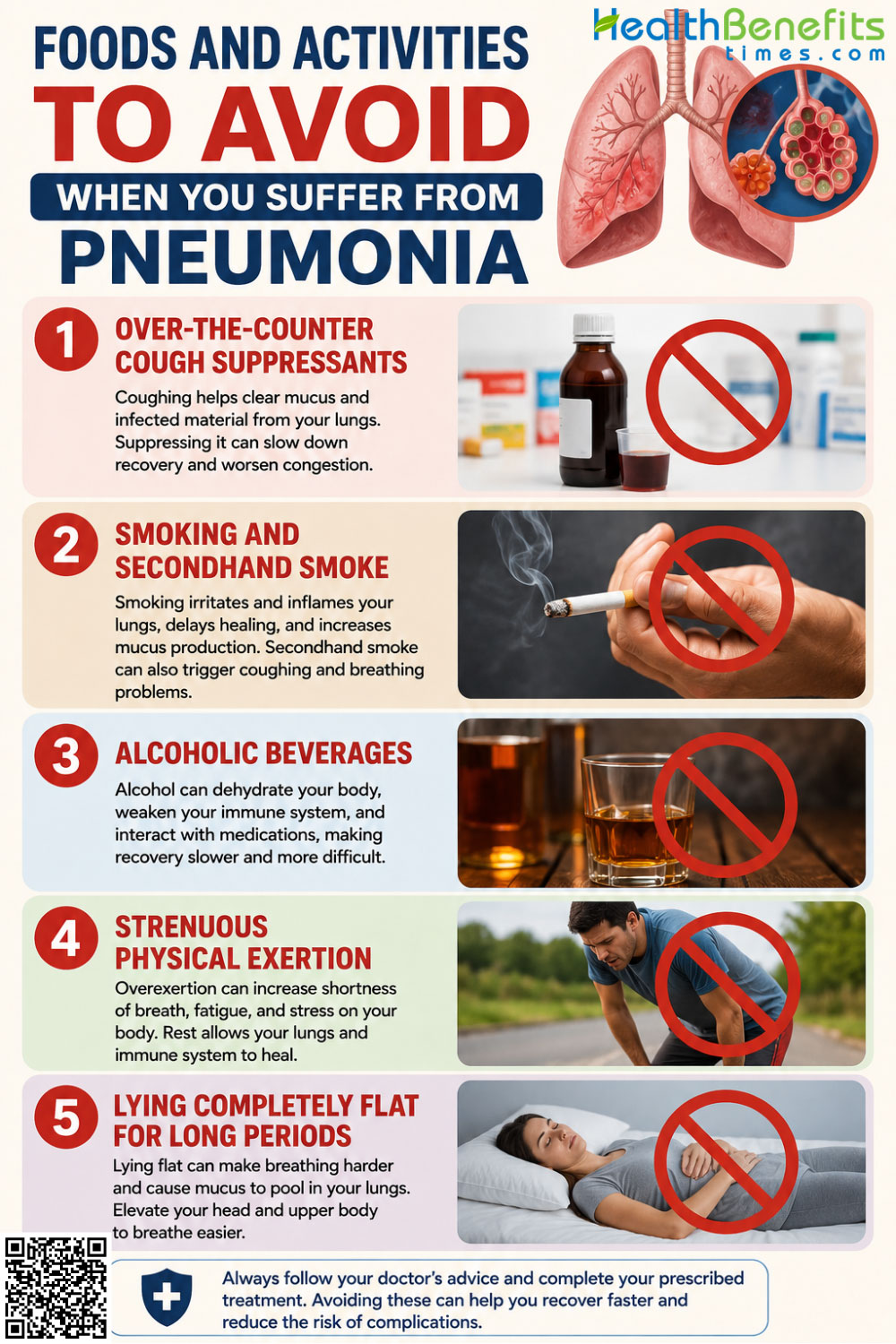
2. Smoking and secondhand smoke
You must strictly limit all contact with cigarette smoke and immediately stop smoking if you are a current tobacco user. Inhaling toxic, combustible smoke severely paralyzes the tiny hair-like structures in your airways that are desperately trying to sweep mucus out of your body, guaranteeing a much longer, more dangerous illness 23.
3. Alcoholic beverages
You should not drink alcohol of any kind while you are acutely unwell or currently taking a prescribed course of antibiotics. Alcohol acts as a severe diuretic that actively dehydrates your body, making your lung mucus thicker and much harder to cough up, while also dangerously interfering with how your liver processes your vital medications 24.
4. Strenuous physical exertion
You must avoid heavy lifting, vigorous exercise, or generally rushing around your house during your recovery period. Your body requires a massive amount of metabolic energy to successfully fight off a lung infection, and pushing yourself physically will rapidly deplete your oxygen reserves, leading to sudden, severe breathlessness 23 25.
5. Lying completely flat for long periods
You should avoid sleeping entirely flat on your back without any pillows to prop you up. Resting in a completely horizontal position forces your weakened lungs to work directly against gravity, restricting the full expansion of your chest and allowing infected fluids to pool dangerously in the lower lung lobes 26.
Myths and Misconceptions
Clearing up widespread confusion regarding this severe illness is necessary to ensure patients seek the correct medical treatments and do not mistakenly ignore potentially life-threatening warning signs.
| Myth | Reality |
| Going outside in the cold without a jacket causes the illness. 27. | The illness is exclusively caused by microscopic germs viruses, bacteria, or fungi that enter the lungs, not by simply being exposed to cold ambient temperatures or having wet hair. |
| It is just a slightly worse version of the common cold. 2. | It is a highly serious, potentially fatal infection that causes the lung’s air sacs to fill with thick pus, requiring professional medical evaluation and often strong prescription antibiotics. |
| You should immediately take medicine to stop your coughing. 11. | Suppressing a wet, productive cough is incredibly dangerous because it traps infected mucus deep inside your lungs; you actually need to cough to clear the infection out of your body. |
| You can only catch this disease once in your entire lifetime. | You can unfortunately contract the disease multiple times throughout your life because it is caused by dozens of entirely different bacterial strains and constantly mutating viruses.6 |
| If you feel better after two days of antibiotics, you are cured. 28. | You must always finish the entire prescribed course of medication; stopping early risks the infection returning much stronger and developing a severe, dangerous resistance to future treatments. |
Special Considerations
Caring for certain groups of people requires significantly higher levels of clinical surveillance and uniquely tailored medical interventions because their bodies react to severe lung infections in highly specific, often dangerous ways.
1. Children
Caring for the youngest members of society requires extra vigilance, as children under the age of five are uniquely vulnerable to rapid respiratory decline because their small airways can become blocked incredibly fast. When diagnosing the illness in young infants, healthcare providers heavily rely on observing abnormally fast breathing rates and “lower chest wall in drawing” a frightening physical phenomenon where the child’s flexible ribcage visibly sucks inward during inhalation due to the sheer physical effort required to pull oxygen through blocked tubes 2. Furthermore, newborns and very young infants may not show any traditional signs of lung infection like a cough; instead, they may simply refuse to feed, vomit frequently, appear intensely restless, or become completely lethargic and unresponsive 1.
2. Pregnancy
Expectant mothers experience unique and profound physiological adaptations that unfortunately make lung infections far more treacherous to their overall health. During pregnancy, especially as a woman enters her final trimester, her cell-mediated immune response naturally suppresses to prevent her body from rejecting the growing fetus, which inadvertently places her at a highly elevated risk for contracting more severe, disseminated forms of viral and bacterial diseases 29. Additionally, the physical elevation of her diaphragm to accommodate the growing baby significantly decreases her total lung volume and increases her baseline oxygen consumption 30. Consequently, an infection during this vulnerable time carries a substantially increased likelihood of dangerous complications, including preterm delivery, low birth weight, and severe respiratory failure 31.
3. Chronic conditions
Living with ongoing medical issues tragically strips away the body’s protective respiratory buffers, leaving individuals incredibly exposed to massive health setbacks. Patients already diagnosed with chronic obstructive pulmonary disease (COPD), severe asthma, underlying heart disease, or diabetes face a substantially higher baseline risk of contracting severe infections because their internal organs are already functioning under extreme daily stress 32. When these individuals encounter a pathogen like the pneumococcal bacteria, the resulting illness is not only more frequent but drastically more severe, often leading to rapid respiratory failure and extended stays in the hospital’s intensive care unit 33.
4. Elderly
Older adults face an entirely different set of complex diagnostic challenges primarily driven by a biological process known as immunosenescence, which is the natural, age-related weakening of the adaptive immune system 34. When elderly individuals develop a massive lung infection, they frequently do not exhibit the typical, easily recognizable symptoms like a high fever or a wet, phlegm-producing cough 35. Instead, the disease presents atypically, often manifesting as sudden, unexplainable mental confusion, acute lethargy, a total loss of appetite, or a sudden onset of recurrent physical falls 36. Because these subtle symptoms are easily mistaken for general aging or dementia, the critical diagnosis is often dangerously delayed, leading to a much higher overall mortality rate in this demographic.
Precaution before use of natural remedies when you have Pneumonia
Staying entirely safe while experimenting with natural, at-home treatments requires a solid understanding of basic biological limitations and medicinal interactions. You must always exercise immense caution and use absolute common sense when dealing with a disease that directly compromises your body’s vital oxygen supply.
1. Age restrictions on honey
You must never, under any circumstances, give natural honey to an infant who is younger than twelve months of age. Raw honey can occasionally contain microscopic botulism spores that a tiny infant’s undeveloped digestive tract cannot safely neutralize, leading to a rare but exceptionally fatal toxic condition 37.
2. Never replace prescribed antibiotics
You should never attempt to completely substitute a doctor’s prescribed course of chemical antibiotics or antiviral medications with herbal teas or holistic therapies alone. While natural remedies are fantastic for soothing the painful side effects of a cough, they are rarely potent enough to entirely eradicate a deeply entrenched bacterial lung infection on their own 38.
3. Watch for herbal-drug interactions
You must be highly aware that specific potent Chinese herbal medicines and plant-based supplements can occasionally alter how your body metabolizes commercial pharmaceuticals. Always consult with your general practitioner or a certified pharmacist before combining heavy doses of botanical extracts with your daily prescription pills to avoid toxic buildups.
4. Avoid dangerous thermal burns
You need to be incredibly careful when preparing a bowl of boiling water for your daily steam inhalation therapy. Because you are likely feeling deeply fatigued and physically uncoordinated from your illness, accidental spills of scalding water can cause devastating third-degree burns; never leave a bowl of steaming water unattended, especially near young children or lively pets.
5. Monitor physical exhaustion during breathing exercises
You must stop immediately if you begin to feel lightheaded or excessively dizzy while practicing diaphragmatic or pursed-lip breathing. Forcing your compromised lungs to work too hard too quickly can trigger a massive fit of coughing or a sudden lack of oxygen, so always perform these therapies gently and take frequent resting breaks.
When to see Doctor
Knowing exactly when to abandon your comfortable at-home care routine and immediately escalate to professional medical intervention is the absolute key to surviving a severe respiratory crash. Because lung infections can mutate and overwhelm the body in a matter of hours, you must remain incredibly vigilant regarding your physical state.
1. Severe breathing difficulties
You need to contact emergency services immediately if you find yourself violently gasping for air, if you are completely unable to finish a normal sentence without stopping to breathe, or if you are breathing at an abnormally rapid rate of more than thirty breaths per minute 35.
2. Sudden cardiovascular changes
You must seek urgent medical care if you detect a racing heart rate that stays consistently over 120 beats per minute, or if you begin to experience severe blood circulation problems characterized by a sudden, dangerous drop in your blood pressure.
3. Changes in skin coloration
You should go directly to the hospital if you notice a distinct bluish or grayish tint developing around your lips, fingertips, or face, which is a terrifying medical sign indicating that your vital organs are being starved of oxygen.
4. Worsening or agonizing chest pain
You need to see a doctor right away if the dull, aching pain in your chest suddenly transforms into a sharp, unbearable stabbing sensation that entirely prevents you from drawing any air into your lungs 11.
5. Mental deterioration
You must have someone transport you to a medical facility immediately if you or your loved one begins to show signs of intense, unexplainable confusion, sudden apathy, or periods of temporary unconsciousness, as this is a premier sign that the infection has grown severely out of control.31
6. Persistent high fever
You should schedule an emergency appointment if your body temperature skyrockets past 104 degrees Fahrenheit (40 degrees Celsius) and refuses to drop despite taking over-the-counter fever reducers, or conversely, if your temperature drops dangerously low below 95 degrees Fahrenheit.
Comments
comments