


Causes of Polymyalgia Rheumatica
The precise origins of this inflammatory condition remain elusive to the medical community, but comprehensive clinical evidence points toward a complex interplay of genetic vulnerabilities and environmental catalysts.
- Genetic Predisposition: Individuals with specific genetic profiles demonstrate a markedly higher susceptibility to the disease. A modest familial aggregation exists, and the condition is strongly linked to the HLA-DR4 allele, particularly among populations of white, Northern European ancestry 3.
- Environmental and Infectious Triggers: Distinct cyclical patterns in the incidence of the disease suggest that environmental factors, particularly infections, may act as primary catalysts. Viral or bacterial agents, such as parvovirus B19, Mycoplasma pneumoniae, and Chlamydia pneumoniae, are heavily suspected of triggering the abnormal autoimmune response that leads to widespread inflammation.
- Gut Microbiome Dysbiosis: The human gastrointestinal tract houses a vast microbial community that regulates systemic immunity. An imbalance in this flora, known as dysbiosis, can trigger autoimmune responses through the gut-joint axis by increasing intestinal permeability 4. This “leaky gut” allows microbial products like lipopolysaccharide to enter the systemic circulation, provoking chronic inflammation and disrupting the delicate balance between pro-inflammatory Th17 cells and regulatory T cells.
- Aging Immune System: Age-related alterations in immune function play a central role, as the condition almost exclusively affects older adults. As the body ages, epigenetic changes occur that alter the expression of genes responsible for regulating inflammatory cytokines, leading to an overactive, sustained immune response against healthy connective tissues.
- Altered T-Cell Activity: The pathophysiology involves distinct cellular abnormalities within the immune system itself. Research indicates that altered T-cell subtypes and elevated levels of specific cytokines, particularly Interleukin-6 (IL-6), drive the persistent systemic inflammation and the resulting musculoskeletal stiffness.
Symptoms of Polymyalgia Rheumatica
Recognizing the disease requires careful observation of its distinct clinical presentation, which heavily impacts mobility and daily comfort.
- Widespread aching and severe pain localized symmetrically in the shoulder girdle, neck, upper arms, thighs, and lower back 5.
- Pronounced morning stiffness that typically lasts for in excess of 45 minutes to an hour after waking up.
- A rapid, sudden onset of pain, with debilitating symptoms sometimes developing intensely overnight or over the course of a few days 6.
- Increased muscle rigidity and discomfort following prolonged periods of inactivity, such as sitting during a long car ride or resting on a sofa.
- Significant physical limitations, including difficulty raising arms above the shoulders, trouble putting on socks or dressing, and struggling to stand up from a seated position.
- Disturbed sleep architecture due to persistent, deep aching pain that prevents comfortable rest during the night.
- Systemic signs of inflammation, which can manifest as profound fatigue, mild fever, loss of appetite, and a general feeling of bodily malaise.
- Absence of visible joint swelling, which distinguishes it from conditions like rheumatoid arthritis, despite the severe inflammation of the soft tissues and bursae surrounding the joints.
Polymyalgia Rheumatica Facts Table
| Category | Details |
| Symptoms |
|
| Causes |
|
| Types of Polymyalgia Rheumatica |
|
| How does it spread |
|
| Age Group |
|
| You might be at a higher risk for exposure of this disease if you: |
|
| How doctors diagnose |
|
| Other facts |
|
Natural Remedies for Polymyalgia Rheumatica
When you are managing the intense symptoms of this condition, relying solely on pharmaceutical interventions may leave you searching for holistic support. Conventional treatments, particularly low-dose corticosteroids like prednisone, remain the gold standard for halting aggressive inflammation. However, integrating natural remedies and targeted nutritional strategies into your daily routine can provide significant adjunctive relief. These natural interventions help manage the side effects of your medications, support your immune system, and optimize your overall musculoskeletal well-being. Always undertake these natural interventions as complementary tools, maintaining open communication with your healthcare provider.
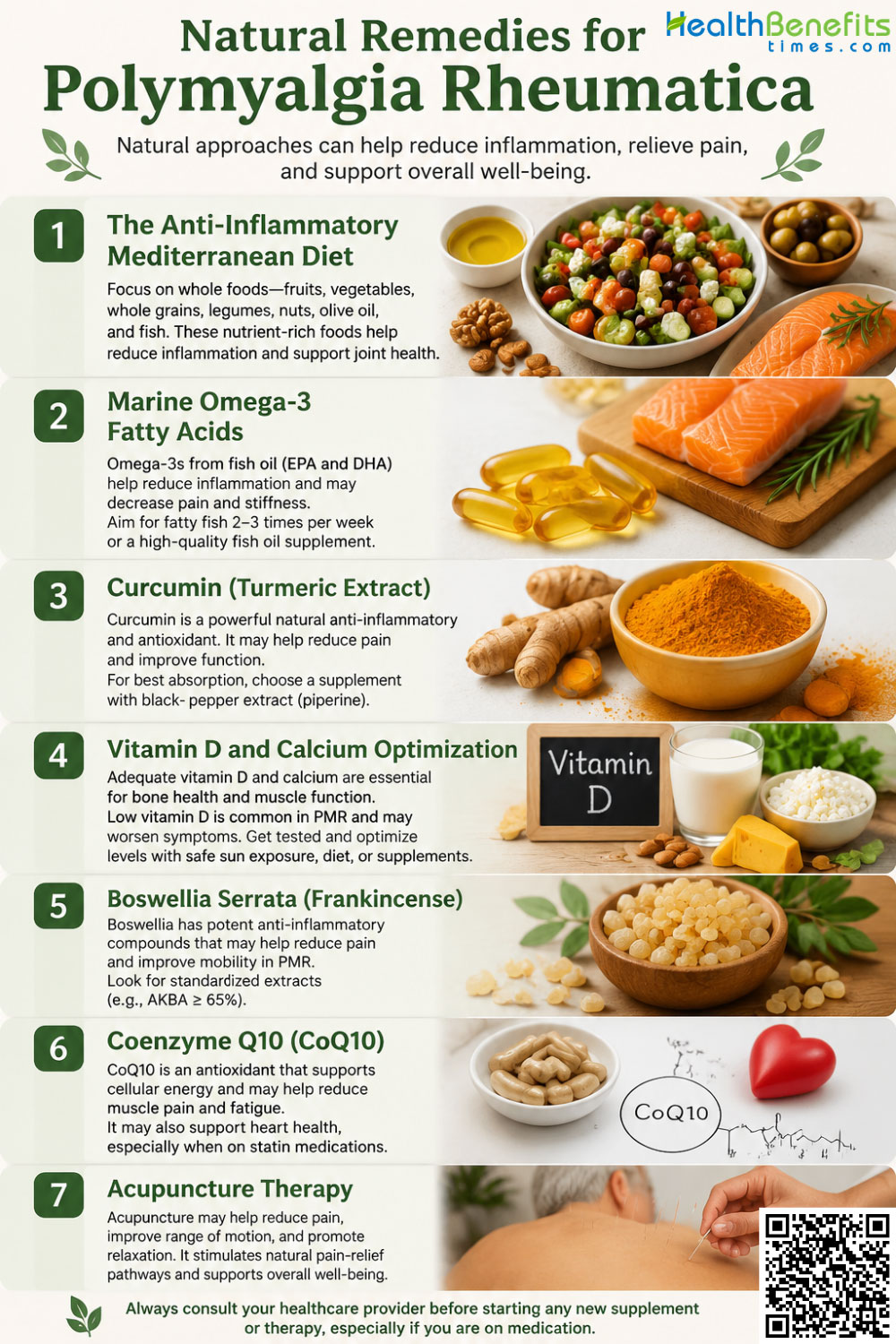
1. The Anti-Inflammatory Mediterranean Diet
Shifting your nutritional habits toward a Mediterranean-style diet can profoundly impact your systemic inflammation levels and overall immune health. This dietary pattern emphasizes a high intake of fresh fruits, vegetables, whole grains, nuts, seeds, and healthy monounsaturated fats while severely limiting processed items. Consuming a diet rich in natural antioxidants and dietary fiber encourages the growth of beneficial gut bacteria, which in turn fortifies your immune system and calms inflammatory pathways in the body 8. Correcting gut dysbiosis through this specific immunonutrition approach can alleviate subjective symptoms of rheumatic diseases by reducing the permeability of your intestinal wall. Furthermore, this diet fulfills the targets of immunonutrition by addressing underlying subclinical inflammation and supporting the healing of musculoskeletal injury caused by the disease.
Note: It is commonly consumed daily as a foundational lifestyle change, focusing heavily on extra virgin olive oil, leafy greens, and lean proteins to naturally reduce systemic swelling.
2. Marine Omega-3 Fatty Acids
Incorporating omega-3 fatty acids specifically eicosapentaenoic acid (EPA) and docosahexaenoic acid (DHA) into your daily routine offers powerful, natural immunomodulatory benefits. These essential fats, predominantly found in marine oils, act as vital precursors to oxylipins, which are bioactive lipids that serve to actively suppress systemic inflammation 9. Regular, high-dose intake of marine-derived long-chain omega-3s has been shown to have a sustained effect in reducing the incidence and severity of autoimmune disease flares over time 10. By integrating these fatty acids, you supply your body with the biological building blocks necessary to turn off the inflammatory cascade that causes your profound morning stiffness.
Note: It is commonly taken as a daily fish oil or algae-based oral supplement, or eaten through frequent servings of fatty fish like salmon, to lubricate joints and lower immune overactivity.
3. Curcumin (Turmeric Extract)
Turmeric is an ancient, aromatic botanical that contains curcumin, a bioactive polyphenol renowned for its potent antioxidant and anti-inflammatory properties. Curcumin works at a cellular level by improving your body’s redox status and decreasing the concentration of pro-inflammatory molecules, such as malondialdehyde, in the bloodstream 11. Patients using high-quality curcumin supplements often report a noticeable reduction in the subjective experience of muscle pain and fatigue. Because curcumin is highly unstable at a physiological pH and poorly absorbed in water, you must consume it alongside black pepper extract or in a specialized lipid base to ensure your body can utilize it effectively.
Note: It is commonly applied in cooking as a spice or taken as a standardized oral capsule for its medicinal pain-relieving and swelling-reducing benefits.
4. Vitamin D and Calcium Optimization
Ensuring your body maintains robust levels of Vitamin D and calcium is absolutely vital, especially since you are likely taking corticosteroids, which are notorious for causing rapid bone density loss. Vitamin D is not simply a vitamin for bone health; it acts as a secosteroid hormone that directly modulates the acquired and innate immune responses while supporting skeletal muscle efficiency {% https://pmc.ncbi.nlm.nih.gov/articles/PMC11280097/ %}. Correcting a Vitamin D insufficiency can help you combat the severe fatigue, generalized muscle weakness, and amplified pain signals often associated with chronic rheumatic conditions. Addressing this deficiency serves as a prophylactic measure against fragility fractures and glucocorticoid-induced osteoporosis.
Note: It is commonly consumed as a daily oral supplement combo to protect against drug-induced bone loss and to support overall muscle strength
5. Boswellia Serrata (Frankincense)
Extracts derived from the resin of the Boswellia tree have been utilized for centuries to reduce swelling and alleviate the pain associated with inflammatory diseases. Modern research demonstrates that Boswellia effectively regulates matrix metalloproteinase-3 (MMP-3), an enzyme that is deeply involved in the degradation of articular cartilage matrix and joint structures 12. By inhibiting these destructive enzymes, Boswellia acts as a gentle, natural anti-arthritic agent that protects your connective tissues without the harsh gastrointestinal side effects frequently seen with non-steroidal anti-inflammatory drugs.
Note: It is commonly taken as a concentrated oral capsule or applied topically as an essential oil blend to naturally soothe aching limb girdles.
6. Coenzyme Q10 (CoQ10)
CoQ10 is a naturally occurring antioxidant in your body that plays an indispensable role in generating cellular energy within the mitochondria. In the context of rheumatic and autoimmune diseases, supplementing with CoQ10 has been observed to improve disease activity indices and lower key inflammatory biomarkers, such as the erythrocyte sedimentation rate 13. By decreasing pro-inflammatory mediators and actively reducing systemic oxidative stress, it serves as an excellent supportive therapy to help you combat the deep, draining fatigue that typically accompanies chronic muscle inflammation.
Note: It is commonly used as an oral dietary supplement to boost cellular energy, alleviate chronic fatigue, and gently lower bodily inflammation.
7. Acupuncture Therapy
If you are seeking physical relief without ingesting botanical compounds, traditional acupuncture represents a widely utilized and safe complementary therapy. This practice involves inserting ultra-thin filiform needles into specific anatomical points to stimulate the nervous system, which encourages the release of natural pain-relieving endorphins. While long-term curative evidence remains mixed, many patients report significant short-term efficacy in decreasing subjective pain and improving muscular function when acupuncture is used alongside conventional medical therapies 14.
Note: It is applied physically by a licensed practitioner during scheduled clinical sessions to provide transient, natural pain relief and reduce severe muscle rigidity.
Is there any exercise or physical activities for Polymyalgia Rheumatica
Physical activity serves as a crucial pillar in the comprehensive management of your condition. While it may seem counterintuitive to force movement when your body is gripped by intense aching, a carefully tailored exercise routine is necessary to prevent severe muscle atrophy, counteract the debilitating side effects of your medication, and restore essential function to your stiff joints.
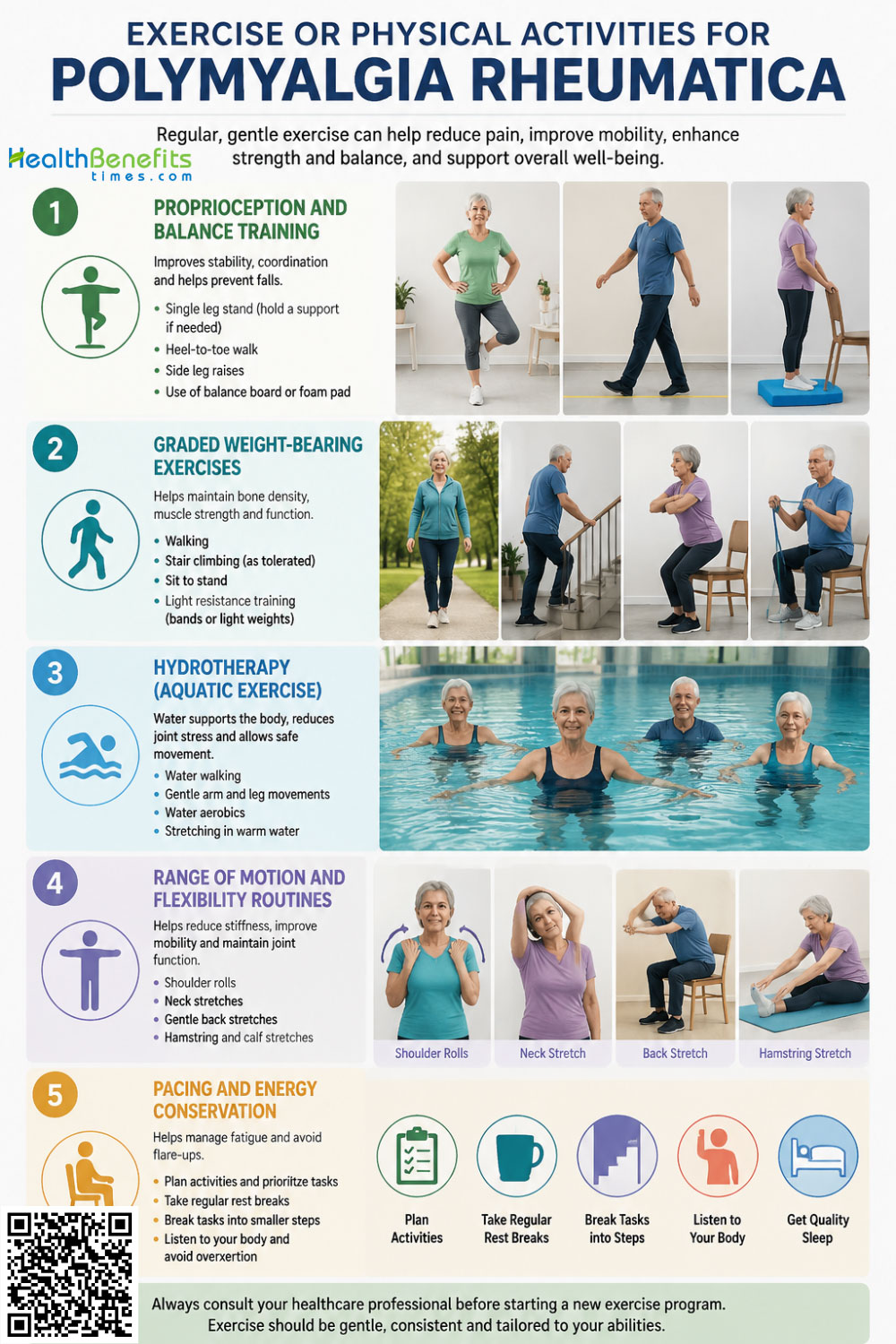
1. Proprioception and Balance Training
Prolonged steroid use frequently weakens your bones and can silently alter your body’s center of gravity, placing you at a significantly higher risk for dangerous falls. Engaging in specialized balance training helps your brain communicate more effectively with your stabilizing muscles. Exercises that challenge your spatial awareness in a safe environment improve functional joint stability and drastically reduce your risk of sustaining life-altering fragility fractures 15.
Note: To do this, perform simple daily activities like standing on one leg while holding a sturdy chair, or practice slow, controlled heel-to-toe walking in a clear hallway.
2. Graded Weight-Bearing Exercises
Maintaining your skeletal muscle mass is absolutely critical when your body is battling systemic inflammation. Graded weight-bearing exercises gently stress your bones and muscles, promoting bone density and actively combating the rapid sarcopenia (muscle loss) often seen in older adults with rheumatic conditions. You do not need to lift heavy gym weights; the primary focus is on utilizing slow, progressive resistance to strengthen your weakened pelvic and shoulder girdles without triggering a painful disease flare.
Note: To do this, practice sitting down and standing up from a firm chair without using your hands, or use light resistance bands for gentle chest pulls and leg presses.
3. Hydrotherapy (Aquatic Exercise)
Exercising in a warm pool offers the brilliant dual benefits of soothing heat and joint-protecting buoyancy. The hydrostatic pressure of the water naturally helps reduce peripheral edema and swelling, while the weightlessness allows you to move your stiff shoulders and hips through a much wider range of motion than you could ever tolerate on dry land. Many patients find water-based therapy to be the most comfortable and enjoyable way to rebuild their diminished cardiovascular endurance.
Note: To do this, walk briskly in chest-deep water or join a guided water aerobics class designed for individuals with arthritis, focusing on fluid, sweeping movements.
4. Range of Motion and Flexibility Routines
Morning stiffness is the defining, most frustrating struggle of this disease. Gentle stretching helps restore the natural range of motion in your affected joints by improving the lubrication of the joint cartilage 16. By prioritizing flexibility routines that target the upper limbs and shoulder girdle, you can gradually regain the ability to perform vital daily tasks, such as dressing yourself or combing your hair, with far less discomfort and restriction.
Note: To do this, perform slow, sweeping arm circles, gentle neck rotations, and torso twists every morning after a warm shower when your muscles are most pliable.
5. Pacing and Energy Conservation
While it is not a traditional “exercise” in the athletic sense, pacing is arguably the most vital physical activity strategy you must adopt. Pacing involves consciously breaking your daily physical tasks into smaller, manageable segments that are interspersed with planned rest periods. This self-management approach actively prevents the “boom and bust” cycle, where you overexert yourself on a good day and subsequently suffer a severe, mobilizing pain flare the following day.
Note: To do this, alternate heavy household chores with seated tasks, rest before you feel entirely exhausted, and spread physically demanding activities out evenly over the entire week.
Foods to Avoid When You Suffer from Polymyalgia Rheumatica
Dietary choices act as powerful, daily modulators of your immune system. Just as some nutrient-dense foods soothe your body, others can rapidly accelerate inflammation, disrupt your gut microbiome, and worsen your daily stiffness.
- Ultra-Processed Foods: Heavily packaged meals and snacks are loaded with artificial preservatives, emulsifiers, and industrial seed oils that irritate the delicate intestinal lining. This irritation contributes heavily to leaky gut syndrome and subsequent systemic inflammation that exacerbates your joint pain.
- Red and Processed Meats: Foods like bacon, sausage, and fatty cuts of beef contain high levels of saturated fats and pro-inflammatory compounds. Consuming these Western-style foods encourages the rapid growth of harmful gut bacteria that weaken your immune system and drive disease progression 17.
- Refined Sugars and Sweets: High sugar intake causes sudden, rapid spikes in your blood glucose levels. This metabolic instability prompts your immune system to release pro-inflammatory cytokines, which can dramatically increase your perceived muscle pain and cognitive fatigue.
- Refined Carbohydrates: White bread, sweet pastries, and regular pasta lack the essential dietary fiber needed to support a healthy, diverse gut microbiome. Without adequate fiber, your gut bacteria cannot produce the short-chain fatty acids necessary to keep systemic swelling in check.
- Excessive Alcohol: While moderate, occasional consumption is generally accepted, excessive alcohol stresses your liver, dehydrates your muscle tissues, and can severely interact with your prescribed medications. This chemical stress amplifies your daily fatigue and intensifies muscle aches.
Activities to Avoid When You Suffer from Polymyalgia Rheumatica
Your daily physical habits can either protect your vulnerable soft tissues or unnecessarily strain them. Actively avoiding certain physical behaviors is just as important to your recovery as engaging in proper exercises.
- Prolonged Inactivity: Sitting in one static position for long periods such as during a long car ride, an airplane flight, or binge-watching television allows inflammatory fluid to pool in your soft tissues. This results in severe “gelling” and intense stiffness when you finally attempt to move.
- Sudden Overhead Reaching: Because the disease heavily targets the soft tissues of the shoulder girdle, rapidly reaching for items on high kitchen shelves can easily tear or severely irritate your already inflamed bursae and tendons.
- High-Impact Aerobics: Activities that involve repetitive jumping, running on hard pavement, or sudden, jerky changes in direction place excessive concussive stress on your hips and lower back, almost certainly triggering a debilitating pain flare.
- Heavy, Unassisted Lifting: Carrying heavy grocery bags, moving heavy furniture, or lifting older children places immense, unsafe strain on the weakened connective tissues of your upper body and pelvic girdle.
- Overexertion Without Pacing: Attempting to complete all your physical chores or errands in a single morning will quickly drain your limited energy reserves, dramatically increasing your pain levels and causing profound fatigue the following day.
Myths and Misconceptions
Navigating a chronic diagnosis requires a clear understanding of the disease. Distinguishing factual medical realities from popular fiction is vital for your peace of mind and long-term treatment success.
| Myth | Reality |
| It is just a normal, inevitable part of getting older. | While it predominantly affects older adults, it is a distinct, aggressive autoimmune disease characterized by intense systemic inflammation, not simply the standard musculoskeletal wear-and-tear of normal aging. |
| An anti-inflammatory diet alone can completely cure the disease. | Diet is a powerful complementary tool to help manage symptoms and support the gut microbiome, but it cannot cure the condition on its own. Low-dose corticosteroids remain the necessary, standard medical intervention. |
| It causes your joints to physically swell, crack, and permanently deform. | Unlike rheumatoid arthritis, this condition primarily inflames the soft extra-articular tissues (bursae and tendons) around the joints. It rarely causes visible, outward joint swelling or permanent bone deformity. Furthermore, cracking knuckles does not cause or worsen the condition. |
| Gout and joint pain are only caused by consuming too much rich food and red wine. | Inflammatory rheumatic diseases have complex genetic and environmental triggers. While diet plays a modulating role, dietary indulgence is not the primary cause of these complex systemic autoimmune responses. |
| You should avoid all physical activity to protect your fragile body. | Complete bed rest is highly detrimental. Individualized, gentle physical therapy is clinically proven to reduce pain, maintain essential muscle mass, and combat the physical side effects of steroid medications. |
Special Considerations
The clinical presentation, progression, and management of this disease must be carefully contextualized based on the specific demographic and concurrent health status of the patient.
1. Children
The occurrence of this specific rheumatic condition in children is exceedingly rare, to the point of being virtually non-existent in modern clinical literature. When a child presents with widespread, sudden-onset muscle pain and high inflammatory markers, medical professionals must immediately pivot their diagnostic focus toward monogenic autoinflammatory diseases. In childhood, systemic inflammation of this nature is typically driven by distinct, inherited genetic mutations such as familial Mediterranean fever or forms of juvenile idiopathic arthritis rather than the polygenic, age-related immune dysregulation commonly seen in older adults 20. The rapid remission of symptoms in children usually requires highly specific biologic blockade treatments rather than standard therapies.
2. Pregnancy
Because this disease almost exclusively targets individuals over the age of fifty, its appearance during pregnancy is highly atypical and presents a profound diagnostic challenge for obstetricians and rheumatologists. When it does rarely occur in younger women who are pregnant, subjective symptoms can deteriorate as the pregnancy progresses, but they usually respond robustly and safely to carefully managed, low-dose prednisone therapy 21. Interestingly, historical epidemiological research indicates that having multiple former pregnancies does not increase the risk of developing the disease later in life. In fact, the hyperestrogenic state associated with multiple pregnancies might offer a slight, long-term protective effect on the vascular walls against future rheumatic inflammation and associated conditions like giant cell arteritis 22.
3. Chronic Conditions
Patients living with this disease frequently suffer from overlapping chronic conditions, primarily due to advanced age and the unavoidable long-term use of corticosteroid treatments. The most pressing chronic concern in this population is glucocorticoid-induced osteoporosis. Long-term steroid use aggressively suppresses natural bone formation and increases bone resorption, making proactive metabolic bone health management via calcium, Vitamin D, and antiresorptive medications absolutely essential to prevent catastrophic fractures. Furthermore, physicians must carefully monitor patients for the development of steroid-induced diabetes, chronic gastrointestinal distress, and hypertension, as these cardiovascular and metabolic conditions can silently accelerate while the superficial rheumatic pain is being successfully suppressed.
4. Elderly
The geriatric population faces unique, compounding vulnerabilities when struck by this disease. Older adults with the condition exhibit significantly higher rates of physical frailty, decreased gait speed, and diminished lower-body strength compared to healthy peers of the exact same age 16. Sarcopenia, which is the age-related loss of muscle mass, is aggressively accelerated by systemic inflammation and steroid use. For the elderly, clinical management must extend far beyond simple pharmacological pain relief. It must include aggressive physical rehabilitation, nutritional supplementation, and fall prevention strategies. A fragility fracture in an elderly patient with diminished physical function can lead to an irreversible loss of independence.
Precaution Before Use of Natural Remedies
While natural therapies offer gentle, holistic relief, they are not without serious risks, especially when combined with powerful pharmaceutical regimens. You must exercise caution and protective foresight before altering your routine.
- Never Abruptly Stop Your Medication: You must not substitute your prescribed corticosteroids with natural remedies on your own. Tapering prednisone without direct medical supervision can cause dangerous physical withdrawal symptoms, extreme disease relapse, and acute renal failure 23.
- Beware of Herb-Drug Interactions: Natural compounds are biologically active chemicals. High doses of certain herbal supplements, such as concentrated turmeric or boswellia, can alter how your liver enzymes metabolize your conventional medications, potentially increasing their systemic toxicity or drastically reducing their effectiveness.
- Acknowledge the Lack of Regulation: The dietary supplement and herbal industry is not strictly regulated in the same rigorous manner as prescription drugs. You must be vigilant about the quality of your supplements, as mislabeled products may lack the advertised active ingredients entirely or contain hidden, harmful contaminants like heavy metals 24.
- Monitor Your Kidney and Liver Function: If you decide to introduce potent botanical extracts or high-dose vitamins into your daily routine, ensure your physician is conducting regular blood panels. This verifies that your liver and kidneys are processing the organic compounds safely alongside your medications.
- Discuss Everything with Your Rheumatologist: Before swallowing a new supplement, trying traditional Chinese medicine, or adopting a highly restrictive diet, fully disclose your plans to your healthcare provider. Open communication ensures your natural remedies work synergistically with your overall treatment plan rather than interfering with it.
When to See Doctor
Managing this condition requires diligent self-monitoring and awareness of your bodily changes. You must recognize when your body is signaling that routine self-care is no longer sufficient and professional intervention is urgently required.
- You Experience Sudden Vision Changes or Headaches: If you develop severe, localized headaches, profound scalp tenderness, jaw pain when chewing food, or any blurred or double vision, you must seek immediate emergency medical care. These are the hallmark clinical signs of Giant Cell Arteritis, a closely related vascular condition that can cause permanent, irreversible blindness or stroke if left untreated.
- Your Symptoms Rapidly Return: If you are currently tapering down your steroid dosage under medical supervision and you experience a severe, sudden return of morning stiffness and widespread aching, contact your physician immediately to readjust your treatment protocol and halt the flare.
- You Develop Unexplained Fevers or Malaise: The sudden onset of low-grade fevers, extreme fatigue, a persistent dry cough, or numbness and tingling in your extremities can indicate that your immune system is poorly regulated, or that you are experiencing severe complications from unmonitored medication changes.
- Your Sleep is Severely Disrupted by Pain: When natural remedies and basic pacing strategies fail to the point where you cannot achieve restorative sleep due to deep, relentless tissue aching, it is a clear clinical indicator that your systemic inflammation is not adequately under control.
- You Experience Adverse Side Effects from Supplements: If you introduce a new herbal remedy, vitamin protocol, or dietary change and notice severe gastrointestinal distress, unexplainable skin rashes, or unusual bruising and bleeding, stop taking the supplement immediately and consult your doctor to rule out a dangerous interaction.
Comments
comments