

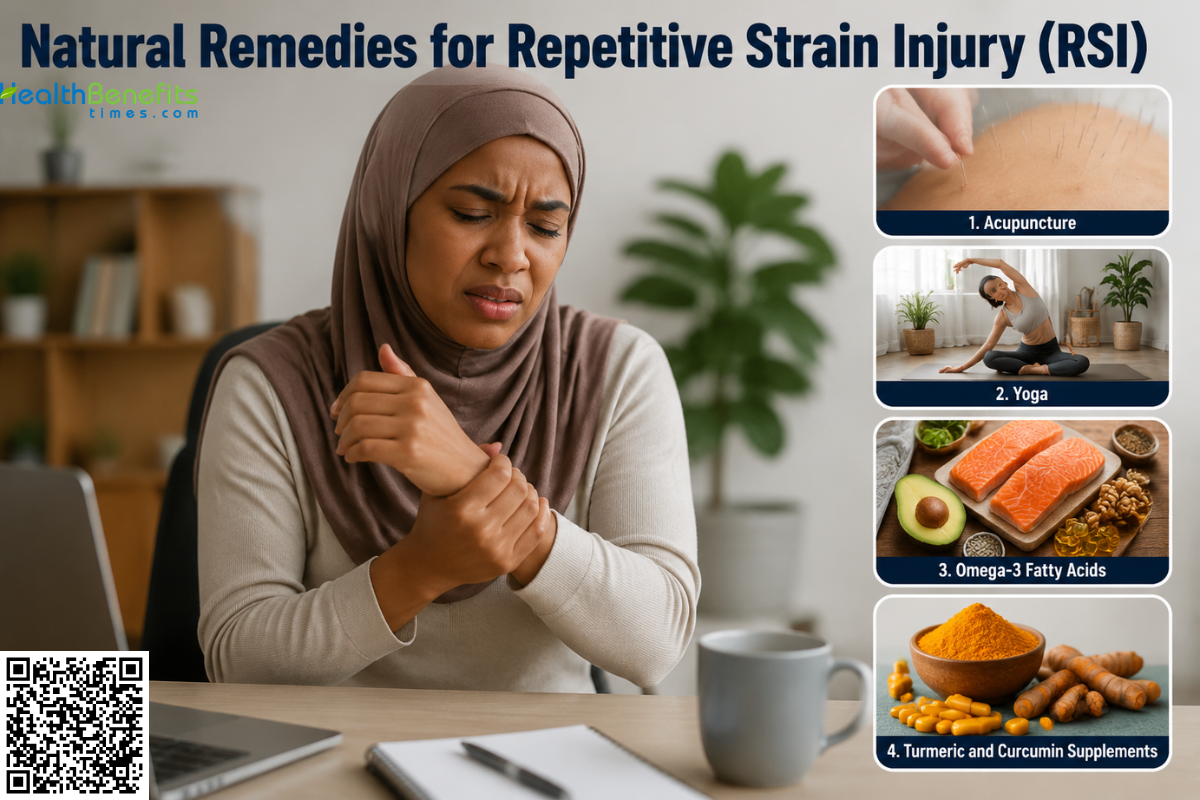
Causes of Repetitive Strain Injury (RSI)
- Continuous Repetitive Motions: Performing the exact same physical movement continuously with little variation prevents muscles and tendons from resting, which gradually leads to microscopic tears in the soft tissues 4.
- Awkward and Static Postures: Holding the body in unnatural positions—such as twisting the neck, severely bending the wrists, or reaching overhead—forces joints to work outside their natural alignment, increasing internal friction and reducing blood flow to the area 5.
- Forceful Physical Exertions: Tasks that require high physical effort, such as gripping objects tightly, heavy lifting, or pushing heavy loads, place extreme mechanical stress on the musculoskeletal system and accelerate tissue damage 4.
- Localized Contact Stress: Pressing a body part against hard or sharp surfaces, such as constantly resting the wrists or forearms on a hard desk edge while typing, physically compresses the underlying nerves and blood vessels 6.
- Vibration Exposure: The frequent or prolonged use of vibrating hand tools or heavy machinery disrupts normal blood circulation and nerve function in the hands and arms, contributing significantly to nerve and tissue damage 7.
- Inadequate Rest and Recovery: Failing to take sufficient physical breaks during demanding or highly repetitive tasks prevents the body’s natural healing mechanisms from repairing daily tissue wear and tear before it becomes a permanent injury 8.
Symptoms of Repetitive Strain Injury (RSI)
- Pain and Tenderness: Aching, throbbing, or sharp pain in the affected muscles and joints, which is often accompanied by heightened sensitivity when the area is touched 9.
- Stiffness and Limited Mobility: A noticeable reduction in the normal range of motion, making it physically difficult to bend, stretch, or move the affected limb smoothly 10.
- Numbness and Tingling: A “pins and needles” sensation or a complete loss of feeling in the extremities, typically resulting from physical compression of the surrounding nerves 10.
- Weakness and Loss of Function: A measurable decline in muscle power that frequently causes a weakened grip, dropping objects, or general clumsiness during daily tasks 11.
- Swelling and Inflammation: Fluid buildup and tissue irritation in the injured area, though this internal inflammation is sometimes only felt as pressure rather than seen externally 9.
- Skin Discoloration and Temperature Changes: Uncharacteristic changes in skin color, as well as the affected area feeling unusually cold or warm, caused by disrupted blood circulation 11.
Natural Remedies for Repetitive Strain Injury (RSI)
1. Rest and Physical Activity Modification
How it may help
Resting the affected area stops further mechanical stress, giving the body time to heal microscopic tissue tears. Modifying physical activities prevents the constant friction and strain that trigger inflammation, allowing irritated nerves and tendons to recover their normal function 12.
What research says
Clinical studies show that reducing repetitive motions and taking regular breaks significantly decreases pain and inflammation in upper extremity disorders. Evidence confirms that combining rest with activity modification is a highly effective primary intervention to prevent acute strain injuries from causing permanent nerve or tissue damage 8.
How to use it safely
You should take frequent, short breaks during repetitive tasks to relax your muscles. Adjust your daily routines to avoid the specific motions that cause pain. If you cannot stop an activity entirely, alternate tasks using different muscle groups to reduce the localized strain.
Potential precautions or side effects
Prolonged, total immobilization of a joint can cause muscle weakness and severe joint stiffness 13. Therefore, absolute inactivity is generally not recommended during recovery.
2. Ergonomic Workspace Adjustments
How it may help
Proper ergonomic workspace adjustments align the physical environment with the body’s natural posture, eliminating the awkward angles that cause physical stress. This alignment prevents excessive joint friction and nerve compression, reducing the daily musculoskeletal strain that directly leads to tissue inflammation and pain 5.
What research says
Clinical reviews indicate that implementing physical ergonomic interventions significantly reduces the severity of musculoskeletal symptoms in office environments. Evidence confirms that proper workstation design, such as using adjustable chairs and correct keyboard placement, effectively decreases chronic arm and neck pain while improving upper limb function 14.
How to use it safely
Position your computer monitor directly at eye level to prevent neck bending. Adjust your chair so your feet rest flat on the floor with your knees level with your hips. Keep your keyboard and mouse close to ensure your elbows remain comfortably bent at a 90-degree angle.
Potential precautions or side effects
Even with perfect ergonomic alignment, remaining in a single static posture for too long causes muscle fatigue. You must avoid locking your body into one rigid position throughout the workday.
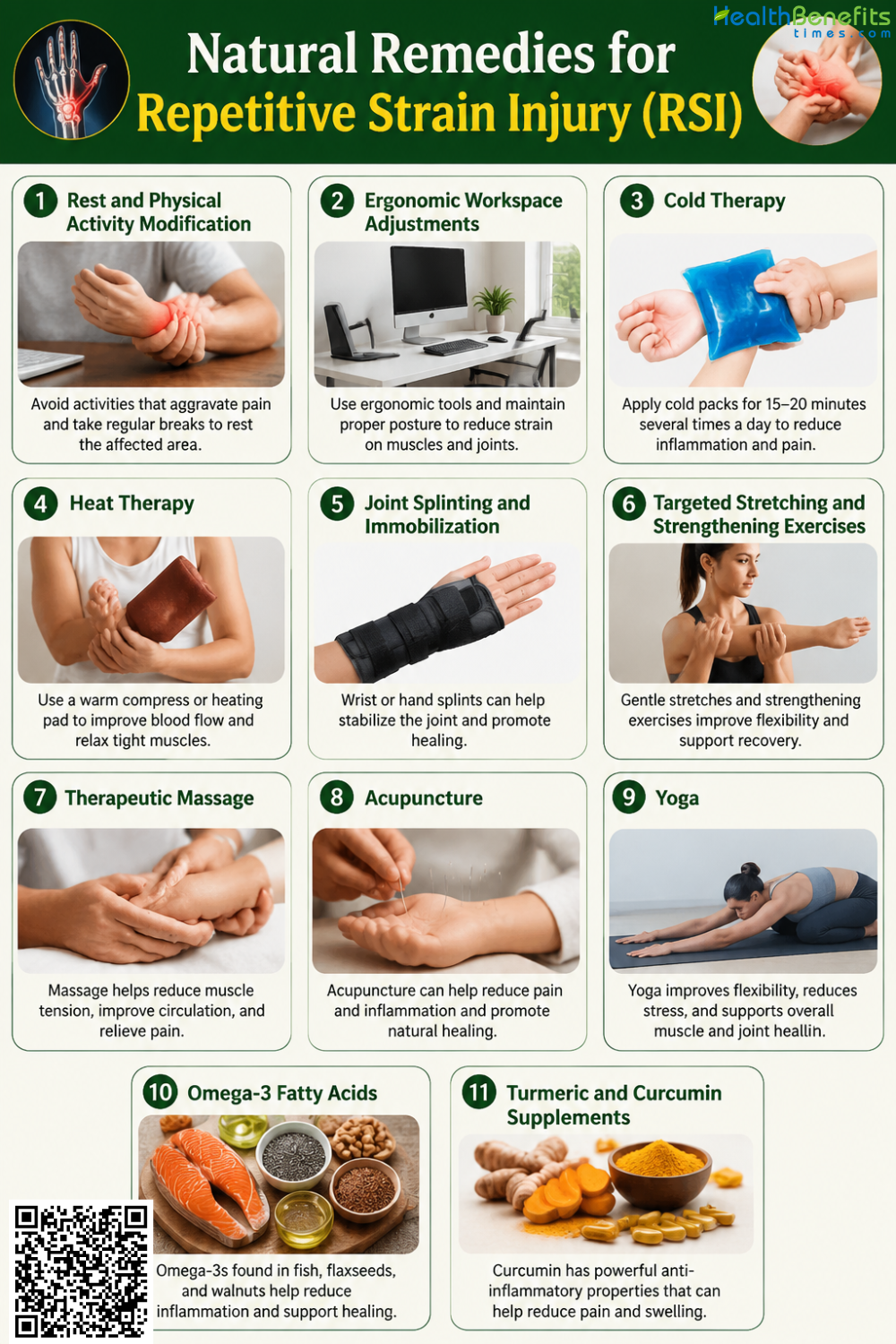
3. Cold Therapy
How it may help
Cold therapy constricts local blood vessels, which immediately reduces blood flow to the injured tissue. This physical response minimizes fluid buildup, effectively decreasing acute tissue swelling and inflammation while temporarily numbing local nerve endings to relieve sharp pain 15.
What research says
Clinical studies confirm that applying cold packs following soft tissue stress significantly reduces acute swelling and numbs pain receptors. Research concludes that cold therapy is a highly effective initial treatment for acute tendon and muscle inflammation, though it remains less effective for chronic joint stiffness 15.
How to use it safely
Wrap an ice pack in a thin cloth to protect your skin. Apply the cold compress to the injured area for 15 to 20 minutes, a standard clinical protocol for safe tissue cooling 15. You may repeat this application every two to three hours.
Potential precautions or side effects
Applying ice directly to bare skin or leaving it on for longer than 20 minutes can cause severe frostbite, skin burns, and permanent superficial nerve damage 15.
4. Heat Therapy
How it may help
Applying heat to an injured area dilates local blood vessels, which significantly increases blood circulation and oxygen delivery to damaged tissues. This biological response helps relax tight muscles, reduces chronic joint stiffness, and accelerates the natural cellular repair process of strained tendons 15.
What research says
Clinical research demonstrates that superficial heat therapy effectively increases tissue elasticity and reduces chronic musculoskeletal pain. Evidence confirms that applying continuous, low-level heat significantly improves joint flexibility and provides notable pain relief for long-standing muscle spasms and stiff connective tissues 15.
How to use it safely
Apply a warm, moist towel or a standard heating pad set to a low temperature directly to the stiff muscle. Leave the heat source in place for 15 to 20 minutes to allow the warmth to penetrate the soft tissues safely 15.
Potential precautions or side effects
Never apply heat to a new, acutely swollen injury, as this will increase tissue inflammation. You must also avoid sleeping with active heating pads to prevent severe skin burns 15.
5. Joint Splinting and Immobilization
How it may help
Wearing a rigid splint or brace physically holds the injured joint in a neutral resting position. This support prevents awkward movements that stretch damaged nerves and tendons, which directly reduces internal tissue friction and allows local inflammation to subside 13.
What research says
Clinical reviews confirm that joint splinting significantly relieves pain and numbness in nerve compression injuries. Evidence indicates that immobilizing the joint in a straight, neutral position—especially at night—effectively reduces internal pressure on nerves and improves long-term hand function 13.
How to use it safely
You should wear splints primarily while sleeping to prevent unconscious bending. Ensure the brace fits securely but does not restrict your blood circulation. During the day, remove the splint periodically to perform gentle movements and maintain your normal range of motion.
Potential precautions or side effects
Wearing a splint constantly without breaks can cause rapid muscle weakening and severe joint stiffness. You must avoid tightening the straps enough to trigger new numbness 13.
6. Targeted Stretching and Strengthening Exercises
How it may help
Targeted stretching improves tissue flexibility and increases blood flow to healing tendons. Strengthening exercises build the surrounding muscles to better support vulnerable joints. This combination reduces the mechanical load placed on inflamed nerves and tendons during daily movements, helping the body tolerate physical stress without injury 16.
What research says
Clinical studies demonstrate that specific resistance training and stretching routines significantly decrease pain in work-related upper extremity disorders. Evidence concludes that active exercise therapies are more effective than passive treatments for restoring long-term physical function and preventing the recurrence of chronic muscle and tendon strain 16.
How to use it safely
You should begin with gentle stretches before progressing to resistance exercises. Perform movements slowly and hold stretches without bouncing. Only stretch to the point of mild tension, never to the point of sharp pain, and always allow your muscles adequate rest between exercise sessions.
Potential precautions or side effects
Exercising an acutely inflamed joint or pushing through sharp, sudden pain can worsen microscopic tissue tears and significantly delay the natural healing process 16.
7. Therapeutic Massage
How it may help
Therapeutic massage physically manipulates soft tissues to improve localized blood circulation and reduce muscle tension. This mechanical pressure helps break up internal scar tissue and muscle adhesions that form around injured tendons, which temporarily relieves pain and restores flexibility to stiff, overused joints 17.
What research says
Clinical reviews indicate that massage therapy provides short-term pain relief for upper extremity musculoskeletal conditions, particularly chronic neck and shoulder tension. Researchers conclude that massage primarily offers temporary symptom reduction rather than a permanent cure for structural nerve or tendon damage 17.
How to use it safely
You should seek treatment from a licensed massage therapist experienced in repetitive strain injuries. Request moderate pressure and explicitly communicate if a technique causes sharp pain. Schedule your sessions during your recovery phase rather than immediately following a severe pain flare-up.
Potential precautions or side effects
You must avoid forceful massage if you take blood-thinning medications or have acute swelling, as extreme pressure can rarely cause nerve damage or blood clots 17.
8. Acupuncture
How it may help
Acupuncture involves inserting very thin needles into specific points on the body. This process stimulates local nerves, muscles, and connective tissues, which triggers the brain to release natural pain-relieving chemicals called endorphins. This nerve stimulation helps reduce the chronic pain and muscle stiffness associated with repetitive strain injuries 18.
What research says
Clinical research shows that acupuncture can effectively relieve chronic pain caused by upper limb nerve compression, such as carpal tunnel syndrome. Systematic reviews conclude that acupuncture provides significant short-term pain relief and improves mobility, though evidence for its long-term ability to cure structural tissue damage remains limited 19.
How to use it safely
You must only seek treatment from a certified, licensed acupuncture practitioner. Ensure they strictly use single-use, sterile needles to prevent serious infections. Discuss your specific injury clearly before beginning, and consider combining this treatment with standard physical therapy for the best results.
Potential precautions or side effects
You may experience minor bruising, bleeding, or temporary soreness at the needle sites. You should consult a doctor before trying acupuncture if you take blood-thinning medications 18.
9. Yoga
How it may help
Yoga combines physical postures and controlled breathing to improve overall joint alignment and muscle flexibility. This functional movement helps correct the poor posture habits that contribute to repetitive strain, effectively relieving physical compression on upper body nerves and increasing blood circulation to irritated tendons 20.
What research says
Clinical trials demonstrate that specialized yoga regimens significantly improve grip strength and reduce pain in patients with nerve compression injuries, such as carpal tunnel syndrome. Researchers conclude that targeted upper-body yoga postures provide more effective short-term symptom relief for repetitive strain than standard resting joint splints 21.
How to use it safely
You should begin with gentle, restorative classes led by a certified instructor. Inform your teacher about your specific injury before starting. Modify or completely avoid poses that require you to place direct body weight onto your wrists to prevent worsening your tendon inflammation.
Potential precautions or side effects
You may experience minor muscle soreness initially. However, forcing your joints into painful, extreme stretches can cause new muscle tears and worsen your exis
10. Omega-3 Fatty Acids
How it may help
Omega-3 fatty acids naturally block the body’s production of inflammatory chemicals. By reducing these internal chemical signals, they help decrease the chronic tissue swelling and joint pain caused by the continuous physical stress of repetitive strain injuries, promoting faster recovery of inflamed tendons 22.
What research says
Clinical research demonstrates that omega-3 supplements effectively reduce joint inflammation and nerve pain. Studies conclude that these essential fatty acids offer a safe, natural alternative to standard over-the-counter pain medications for managing chronic musculoskeletal pain and irritated soft tissues 22.
How to use it safely
You can increase your intake by eating fatty fish, such as salmon, twice a week or taking a high-quality daily fish oil supplement. For anti-inflammatory benefits, experts generally recommend a daily dose of 1,000 to 2,000 milligrams of combined EPA and DHA 23.
Potential precautions or side effects
High doses of fish oil can increase bleeding risks and cause mild stomach upset. You must consult a doctor before starting if you take prescription blood-thinning medications 23.
11. Turmeric and Curcumin Supplements
How it may help
Curcumin, the active chemical in turmeric, naturally blocks the enzymes that cause swelling and pain in the body. By interrupting these inflammatory signals, it helps decrease the localized tissue swelling and joint discomfort associated with repetitive strain injuries, allowing irritated tendons to heal 24.
What research says
Clinical research demonstrates that curcumin extracts effectively reduce pain and swelling in musculoskeletal conditions. Studies conclude that curcumin can manage chronic joint inflammation as effectively as some standard over-the-counter pain medications, offering a natural option for continuous tendon and muscle irritation 25.
How to use it safely
You should look for curcumin supplements that contain black pepper extract, known as piperine, because it significantly increases your body’s ability to absorb the compound 24. Experts generally recommend a daily dose of 500 to 1,000 milligrams to manage chronic inflammation safely 24.
Potential precautions or side effects
High doses may cause mild stomach upset or diarrhea. You must consult a doctor before using turmeric supplements if you take blood-thinning medications or have gallbladder disease 26.
Foods to Avoid When You Suffer from Repetitive Strain Injury (RSI)
1. Refined Sugars
Consuming high amounts of refined sugar triggers the release of inflammatory messengers called cytokines, which can worsen chronic joint and tendon swelling 27.
2. Artificial Trans Fats
Artificial trans fats strongly provoke systemic inflammation by damaging blood vessels, which actively slows the natural cellular healing process of injured soft tissues 28.
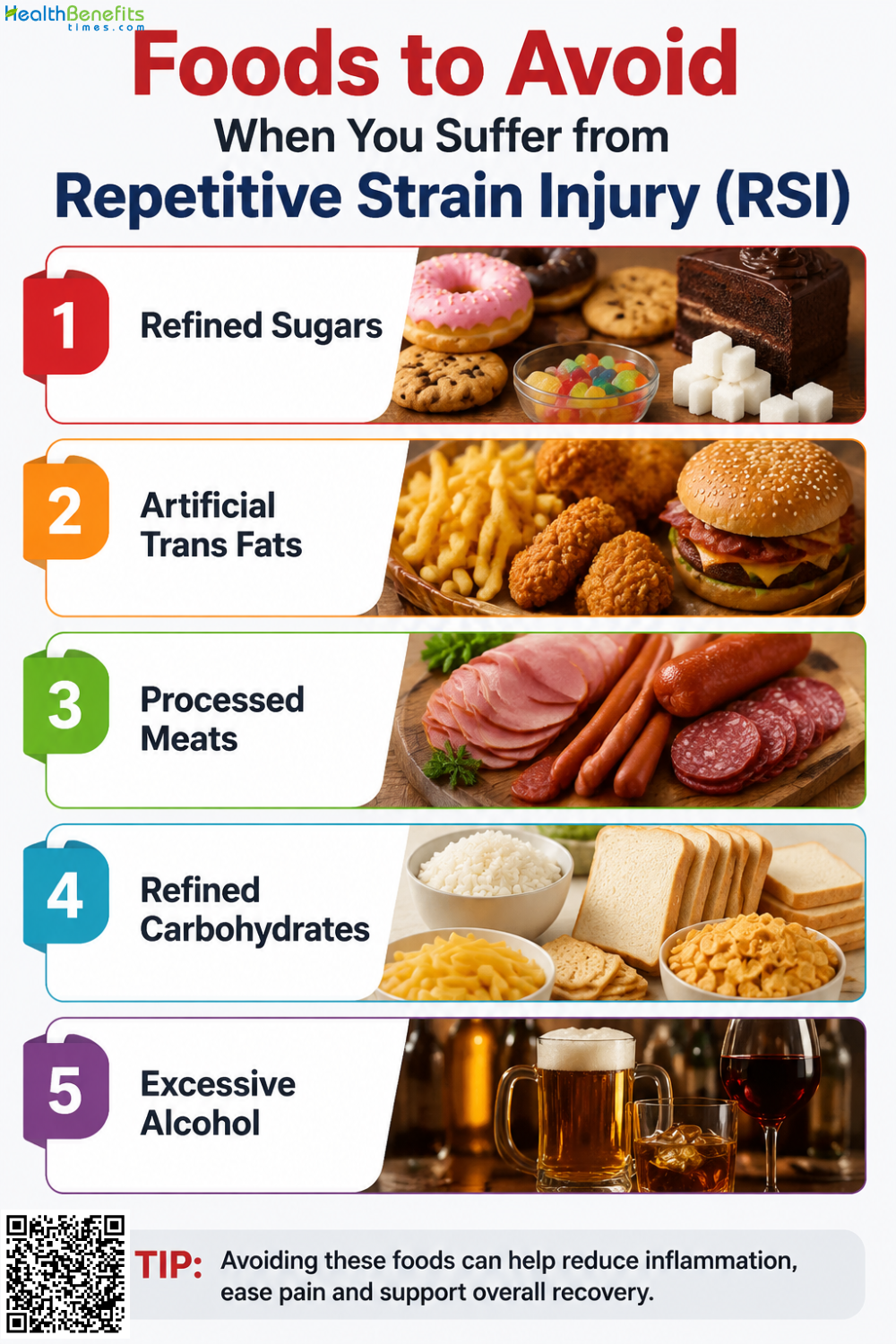
3. Processed Meats
Meats like bacon contain advanced glycation end products that stimulate severe inflammatory immune responses, prolonging persistent pain in strained muscles 29.
4. Refined Carbohydrates
Products made with white flour rapidly spike blood sugar, increasing the production of pro-inflammatory compounds that aggravate existing nerve irritation 30.
5. Excessive Alcohol
Heavy alcohol consumption disrupts internal tissue repair mechanisms and promotes widespread chronic inflammation, which intensifies the physical symptoms of strain injuries 31.
When to See a Doctor When You Struggle From Repetitive Strain Injury (RSI)
1. Persistent Pain Despite Rest
You should seek medical evaluation if severe joint or muscle pain continues for more than two weeks despite resting and using standard home treatments 12.
2. Numbness and Tingling
Consult a doctor immediately if you experience persistent tingling or complete numbness, which clinically indicate serious nerve compression requiring professional intervention 12.
3. Significant Muscle Weakness
Schedule an examination if your grip noticeably weakens or you frequently drop objects, as this signals advanced structural nerve or tendon damage 11.
4. Pain Disrupting Sleep
You should see a healthcare provider if throbbing pain or joint stiffness routinely wakes you up at night, indicating severe chronic soft tissue inflammation 10.
5. Visible Swelling and Discoloration
Seek immediate clinical care if the injured joint develops pronounced swelling, feels unusually hot, or changes color, as these symptoms require prompt medical evaluation 11.
Comments
comments