

Causes of Salmonellosis
1. Raw or Undercooked Meat and Poultry
The primary transmission route involves the consumption of inadequately cooked animal proteins. During the commercial slaughtering process, Salmonella bacteria naturally present in animal intestines often contaminate raw meat and poultry, which requires cooking to precise internal temperatures to destroy the pathogen 2.
2. Internally Contaminated Eggs
While external eggshells can become tainted with fecal matter, certain Salmonella strains directly infect the reproductive tracts of poultry. This internal transmission allows the bacteria to contaminate the egg yolk or white before the protective shell forms, causing illness when the eggs are consumed raw or lightly cooked 2.
3. Cross-Contamination During Food Preparation
The bacteria easily spread in both domestic and commercial kitchens when raw, contaminated foods touch surfaces, utensils, or ready-to-eat meals. If food handlers fail to wash their hands or sanitize cutting boards after handling raw meat, the surviving pathogens transfer directly to fresh produce or cooked foods 1.
4. Direct Contact With Animals
Many healthy animals naturally carry Salmonella in their gastrointestinal tracts without displaying any signs of illness. Humans frequently contract the infection by handling reptiles, amphibians, domestic pets, or backyard poultry, and subsequently touching their mouths or food without sanitizing their hands, which transfers the fecal bacteria directly into their digestive systems 2.
5. Contaminated Agricultural Produce
Fresh fruits and vegetables can harbor the bacteria if they are irrigated, processed, or washed with water contaminated by untreated animal or human waste. Because agricultural produce is frequently consumed raw, pathogens attached to the skin or leaves directly enter the human digestive tract, bypassing the heat sterilization provided by cooking 1.
Symptoms of Salmonellosis
- Acute Diarrhea: The most prominent indicator of the infection is the sudden onset of frequent, watery bowel movements. In more severe cases, the intense inflammation of the intestinal lining caused by the bacteria can result in visible blood in the stool 2.
- Severe Abdominal Cramps: Patients typically experience intense, colicky pain in the stomach and lower intestinal region. This sharp discomfort results directly from the gastrointestinal tract spasming as the immune system reacts to the invading pathogens 2.
- Fever and Chills: A sudden spike in body temperature is a standard systemic reaction to the bacterial infection. This fever frequently develops alongside sudden shivering or chills as the body’s immune system raises its internal temperature to fight off the spreading microbes 1.
- Nausea and Vomiting: As the bacterial toxins actively disrupt normal digestive processes, the upper gastrointestinal tract becomes highly irritated. This widespread irritation leads to persistent waves of nausea that often progress to active, repeated episodes of vomiting 2.
- Clinical Dehydration: Rapid fluid and electrolyte loss from persistent diarrhea and vomiting quickly causes physical dehydration. This condition physically presents through a severely dry mouth, significant decreases in urine output, and noticeable dizziness, which can become life-threatening in vulnerable groups if fluids are not rapidly replaced 1.
Natural Remedies for Salmonellosis
1. Oral Rehydration Solutions
How it may help
Oral rehydration solutions do not cure the underlying bacterial infection, but they are critical for managing severe fluid loss. By providing a precise balance of water, sugars, and essential salts, these solutions quickly replace the vital electrolytes depleted by the persistent diarrhea and vomiting associated with salmonellosis.
What research says
The World Health Organization concludes that oral rehydration therapy safely treats over ninety percent of non-severe dehydration cases caused by diarrheal diseases. Clinical guidelines confirm that the specific sodium-to-glucose ratio in these solutions maximizes intestinal fluid absorption, preventing life-threatening complications during active gastrointestinal infections 3.
How to use it safely
Dissolve commercial oral rehydration packets strictly according to the package instructions, using only safe, purified drinking water. Sip the liquid slowly throughout the day. Never mix the powder with milk, sodas, or sports drinks, as altering the precise chemical balance drastically reduces its effectiveness 3.
Potential precautions or side effects
These solutions are highly safe, but individuals with severe kidney disease or heart failure must consult a physician before use due to the specific potassium and sodium concentrations 4.
2. Probiotic Supplements
How it may help
Probiotic supplements introduce beneficial, live microorganisms into the digestive tract to restore a healthy gut balance. These helpful bacteria compete directly with the invading Salmonella pathogens for space and nutrients, which suppresses the infection and supports the body’s natural immune response in the intestines.
What research says
Clinical research concludes that specific probiotic strains, particularly Lactobacillus, effectively reduce the overall duration of acute infectious diarrhea 5. Studies confirm that these microbes actively inhibit Salmonella growth and strengthen the protective intestinal lining against further bacterial damage 5.
How to use it safely
Select a reputable supplement containing researched strains like Lactobacillus. Follow the specific dosage instructions provided on the product label. Take the supplement with water once severe vomiting has subsided to ensure the beneficial bacteria successfully reach your lower digestive tract.
Potential precautions or side effects
Probiotics may cause temporary mild gas or bloating. Individuals with severely weakened immune systems must avoid them, as introducing live bacteria can trigger dangerous bloodstream infections 6.
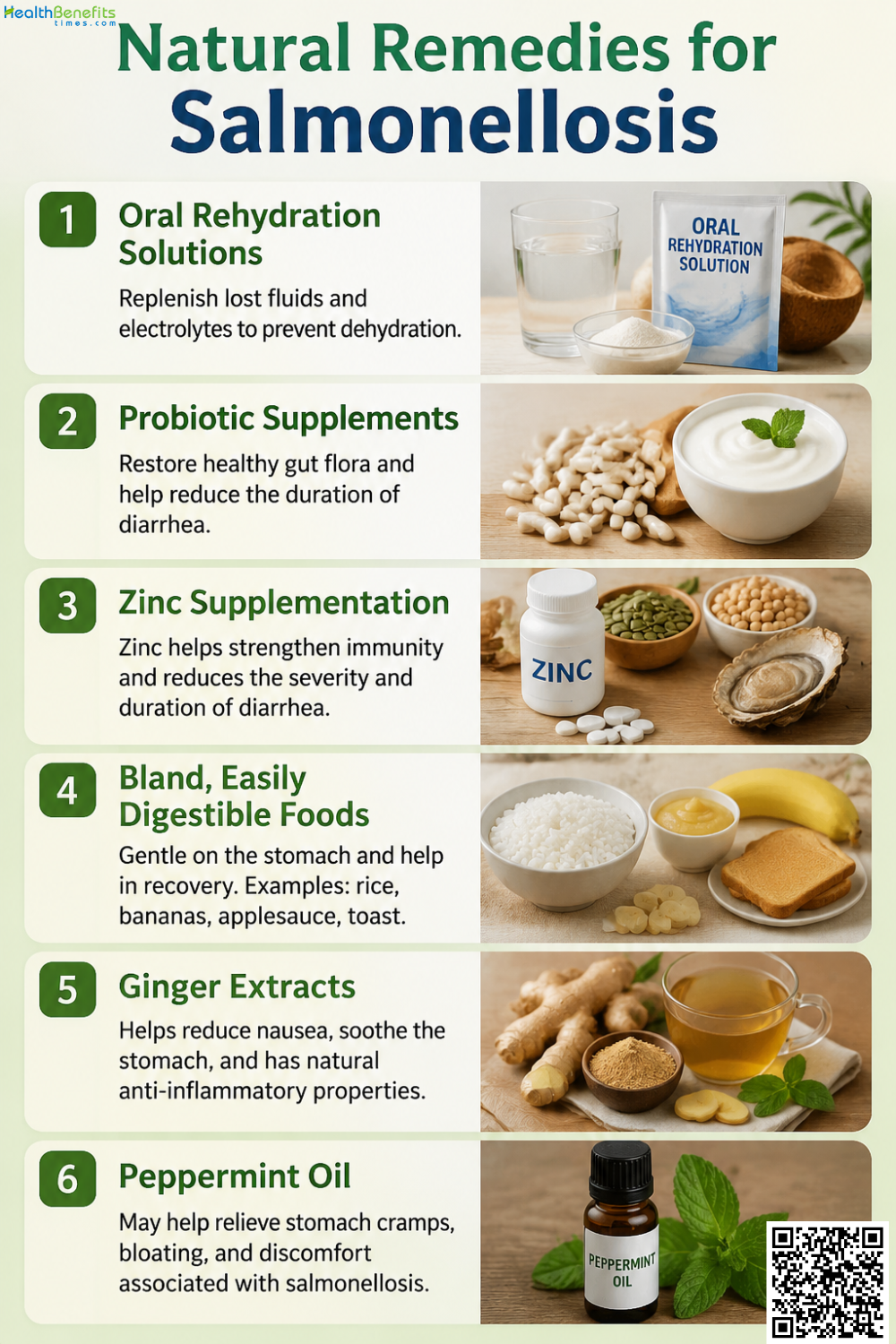
3. Zinc Supplementation
How it may help
Zinc is a vital mineral that actively helps repair the damaged intestinal lining caused by bacterial infections. It strengthens the local immune response in the gut and decreases the secretion of fluids into the intestines. This combined action effectively reduces the severity and fluid loss of diarrhea during a salmonellosis infection.
What research says
The World Health Organization concludes that daily zinc supplementation significantly reduces the duration and severity of acute infectious diarrhea. Clinical research confirms that completing a full 10- to 14-day course of zinc effectively stops intestinal fluid loss and lowers the risk of future diarrheal episodes 3.
How to use it safely
Take oral zinc supplements, such as zinc sulfate, exactly as directed by public health guidelines. The standard medical protocol requires taking the daily supplement for 10 to 14 consecutive days, even after diarrhea completely stops. Consume the supplement with food to minimize stomach discomfort 3.
Potential precautions or side effects
Taking high doses of zinc on an empty stomach frequently causes nausea and vomiting. Long-term overuse of these supplements actively interferes with the body’s ability to absorb essential copper 7.
4. Bland, Easily Digestible Foods
How it may help
Consuming bland, low-fiber foods helps soothe an inflamed gastrointestinal tract caused by the bacterial infection. These easily digestible foods require minimal effort from the digestive system, effectively reducing bowel stimulation. This approach rests the stomach and intestines while providing essential calories to recover from acute salmonellosis without triggering further diarrhea.
What research says
The National Institute of Diabetes and Digestive and Kidney Diseases recommends transitioning to soft, bland foods once vomiting subsides. Clinical guidelines confirm that consuming items like saltine crackers, plain rice, and toast helps solidify stool and prevents further irritation of the compromised intestinal lining during active food poisoning recovery 8.
How to use it safely
Gradually introduce small portions of plain foods, such as bananas, white rice, applesauce, or dry toast, into your diet once you can keep clear liquids down. Slowly increase your intake as your appetite returns, and continue drinking plenty of fluids to maintain hydration 8.
Potential precautions or side effects
Strictly avoid dairy products, caffeine, alcohol, high-fat foods, and spicy meals, as these directly irritate the stomach and will worsen diarrhea during a gastrointestinal infection 8.
5. Ginger Extracts
How it may help
Ginger root extracts contain active botanical compounds, primarily gingerols, which directly relax intestinal muscles and soothe stomach irritation. During a salmonellosis infection, these natural properties effectively reduce the severe nausea and frequent vomiting caused by bacterial toxins, allowing the inflamed digestive tract to rest and recover.
What research says
Clinical evaluations confirm that ginger is a highly effective natural antiemetic that significantly reduces both nausea and vomiting. Research concludes that its active compounds accelerate stomach emptying and block specific nerve receptors in the gut, safely alleviating severe gastrointestinal distress during acute digestive infections 9.
How to use it safely
Steep freshly sliced ginger root in hot water to make a soothing tea, or take standardized oral ginger capsules. Sip the tea slowly in small amounts once your active vomiting begins to subside, ensuring it has cooled enough to avoid further irritating your sensitive stomach.
Potential precautions or side effects
Consuming large amounts of ginger can cause mild heartburn or mild diarrhea. Individuals taking prescription blood thinners must exercise caution, as ginger naturally slows blood clotting 10.
6. Peppermint Oil
How it may help
Peppermint oil contains menthol, a natural compound that functions as a powerful antispasmodic. During a gastrointestinal infection like salmonellosis, it directly relaxes the smooth muscles lining the intestines. This relaxing effect significantly reduces the severe abdominal cramping and painful bowel spasms caused by the bacterial toxins.
What research says
Clinical research demonstrates that enteric-coated peppermint oil effectively relieves severe gastrointestinal spasms and abdominal pain. Studies confirm that its active ingredients block calcium channels in intestinal muscles, providing safe and significant relief from painful cramping during acute digestive distress 11.
How to use it safely
Take enteric-coated peppermint oil capsules with water, following the dosage instructions on the product label. The specialized coating ensures the oil safely reaches your intestines before dissolving. Alternatively, you can slowly sip warm peppermint tea to gently soothe your digestive tract.
Potential precautions or side effects
Peppermint oil frequently causes heartburn if the capsules dissolve too early in the stomach. Strictly avoid this remedy if you suffer from severe acid reflux or gallstones 12.
Foods to Avoid When You Suffer from Salmonellosis
1. Dairy Products
Avoid milk and cheese because gastrointestinal infections temporarily reduce the enzyme needed to digest lactose, which exacerbates diarrhea and severe abdominal cramping 8.
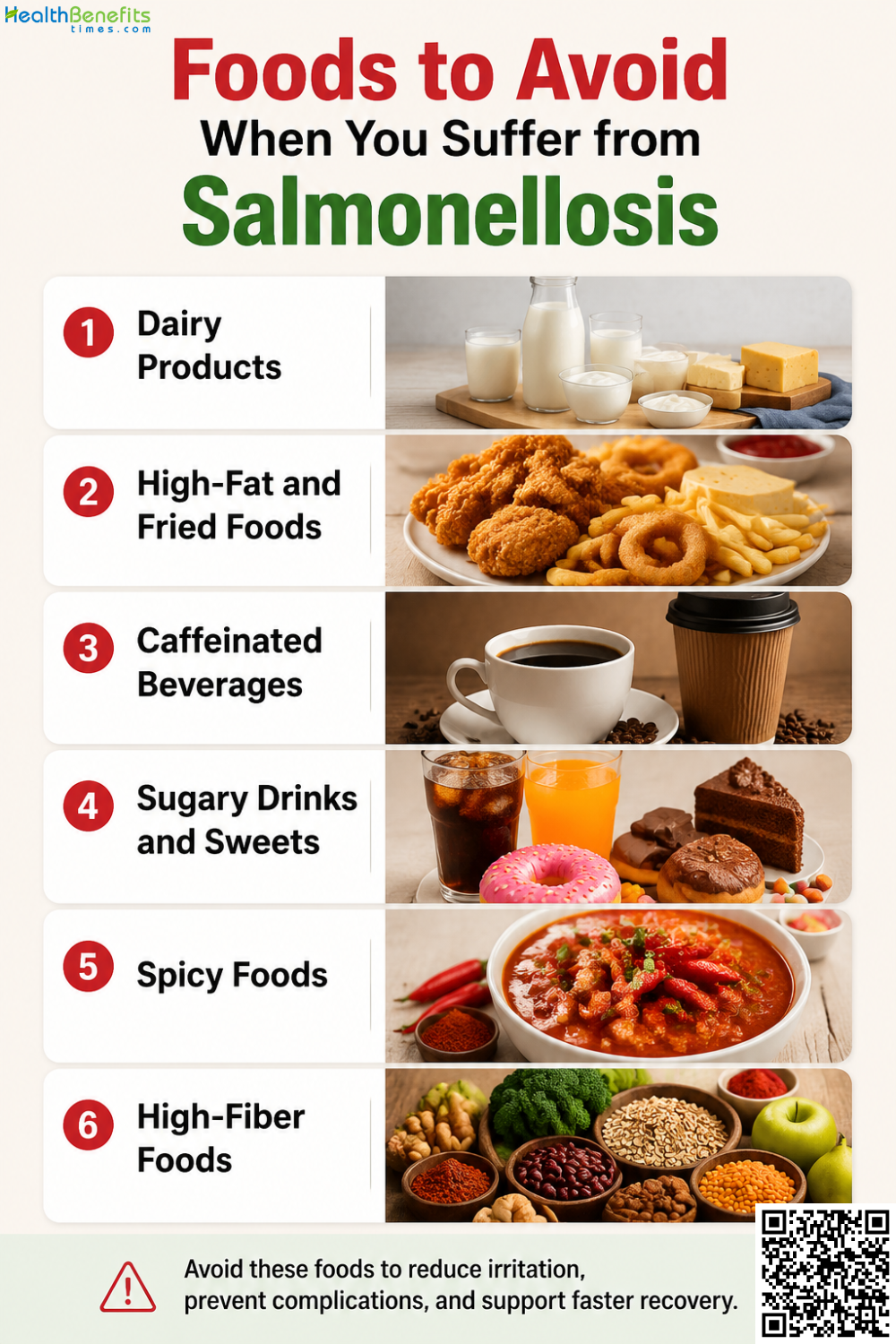
2. High-Fat and Fried Foods
Greasy meals delay stomach emptying and trigger painful intestinal spasms. These difficult-to-digest fats significantly worsen nausea and accelerate fluid loss during active bacterial infections 8.
3. Caffeinated Beverages
Coffee and energy drinks stimulate intestinal contractions and act as mild diuretics. This rapidly accelerates dehydration and increases the frequency of watery bowel movements 8.
4. Sugary Drinks and Sweets
High sugar concentrations draw excess water directly into the digestive tract. This osmotic effect prolongs severe diarrhea and worsens cramping during food poisoning recovery 8.
5. Spicy Foods
Strong spices contain chemical compounds that actively inflame the already sensitive stomach lining, provoking sudden nausea, intense abdominal pain, and overall gastrointestinal distress 8.
6. High-Fiber Foods
While normally healthy, raw vegetables and whole grains stimulate bowel activity. This rapidly forces food through the intestines, actively preventing recovery from infectious diarrhea 8.
When to See a Doctor When You Struggle From Salmonellosis
1. Prolonged Diarrhea
Seek medical evaluation if severe diarrhea lasts beyond three days without improvement. This duration indicates the body is struggling to clear the bacterial infection independently 13.
2. Bloody Stools
Consult a healthcare provider immediately if you notice blood in your bowel movements. This symptom highlights severe intestinal inflammation and tissue damage from the bacterial toxins 2.
3. High Fever
Seek prompt medical attention if your body temperature exceeds 102°F (38.9°C). A persistently high fever strongly suggests the bacterial infection is spreading beyond the digestive tract 13.
4. Severe Dehydration
Go to a hospital if you experience a dry mouth, dizziness, or minimal urination. These are life-threatening signs of severe dehydration that require immediate intravenous fluids 13.
5. Persistent Vomiting
Contact a physician if continuous vomiting prevents you from keeping liquids down. This accelerates clinical dehydration and makes home-based oral fluid replacement impossible 13.
Comments
comments