

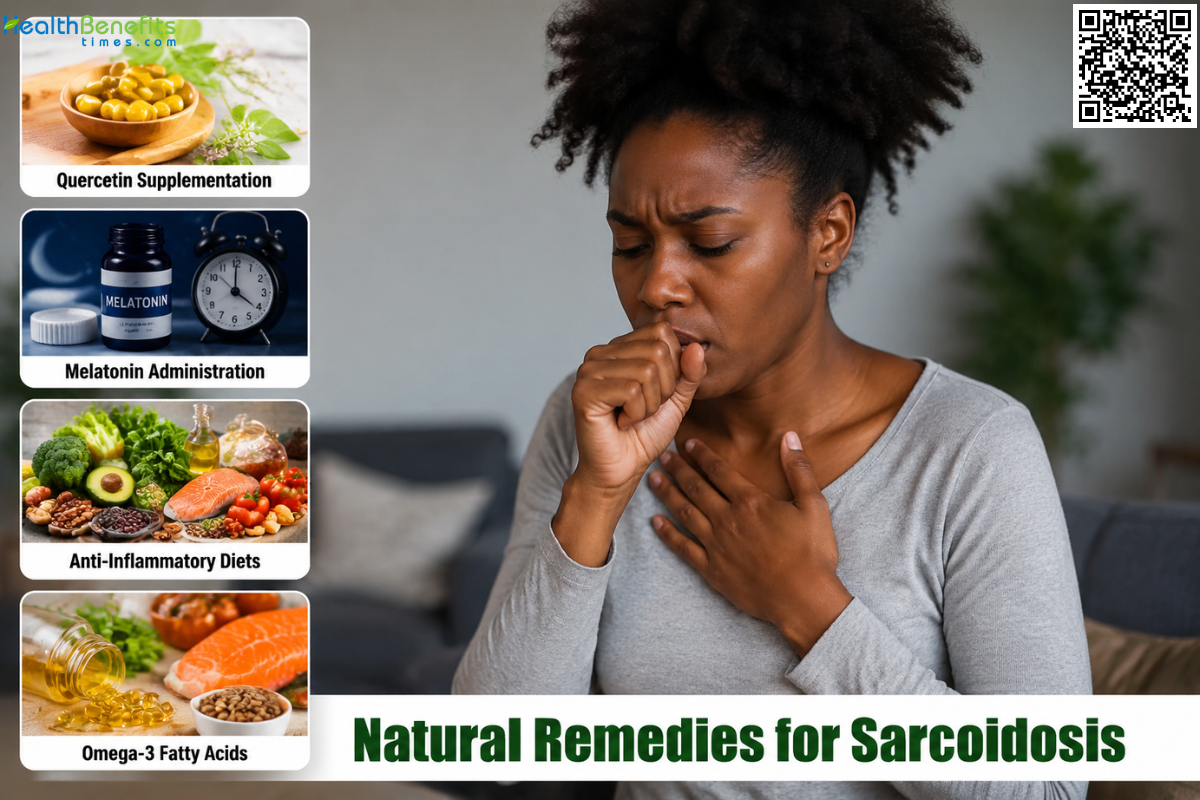
Causes of Sarcoidosis
- Genetic Susceptibility: While sarcoidosis is not strictly an inherited disease, specific genetic variations significantly increase a person’s risk. Scientific studies demonstrate that mutations in particular genes, such as the human leukocyte antigen (HLA) complex and the BTNL2 gene, make individuals more vulnerable to the disease when they encounter external triggers 4. Furthermore, family clustering strongly supports a genetic link, as having a close relative with sarcoidosis substantially elevates the probability of developing the disorder 5.
- Environmental and Occupational Toxins: Inhaling airborne chemicals, fine particles, and industrial dusts is a major catalyst for the condition in vulnerable populations. Prolonged occupational exposure to hazardous materials, including microscopic silica dust found in construction, heavy metal particles, and agricultural pesticides, can irritate lung tissue and initiate the inflammatory process 6. Additionally, frequent contact with airborne organic particles, such as indoor mold and agricultural dust, serves as a well-documented environmental trigger that stimulates the disease in the respiratory tract 7.
- Infectious Agents: Although sarcoidosis is not contagious, prior exposure to specific bacterial organisms often provokes the initial immune system malfunction. Clinical researchers frequently detect the remnants of particular microorganisms, notably Mycobacteria (a family of bacteria related to tuberculosis) and Propionibacterium acnes (a common skin bacterium), trapped within the inflamed tissues of patients 4. These infectious agents act as biological catalysts, leaving the immune system in a hyper-reactive state that continuously produces inflammation long after the original threat has passed 7.
- Immune System Dysfunction: The biological mechanism driving sarcoidosis is an excessive and uncoordinated immune response. When a susceptible individual encounters an environmental or infectious trigger, specialized white blood cells gather in target organs and fail to shut down their defensive activities properly 8. This continuous, uncontrolled cellular accumulation forces the immune system to mistakenly attack healthy tissues, resulting in the chronic formation of inflammatory lumps called granulomas that can permanently impair normal organ function 9.
Symptoms of Sarcoidosis
- Systemic and General Symptoms: Before organ-specific signs emerge, many individuals experience generalized, whole-body symptoms. Common initial indicators include persistent, overwhelming fatigue, unexplained weight loss, night sweats, and mild fevers. Furthermore, the disease frequently causes visibly swollen lymph nodes, most commonly located in the neck, armpits, or groin areas 10. A specific acute presentation known as Löfgren’s syndrome combines fever, enlarged lymph nodes, joint swelling, and a characteristic skin rash 1.
- Respiratory Symptoms: Because the condition primarily targets the respiratory system, breathing-related difficulties are the most widely reported issues. Patients characteristically develop a chronic, dry cough that does not produce mucus. As inflammatory cells accumulate in the lung tissue, individuals frequently experience wheezing, a feeling of tightness in the chest, and progressive shortness of breath that significantly worsens during physical exertion 10.
- Skin and Dermatological Symptoms: Visible skin abnormalities develop in up to a third of affected individuals. A primary manifestation is erythema nodosum, which presents as tender, red, or purplish raised bumps predominantly on the shins and lower legs. Another distinct dermatological sign is lupus pernio, characterized by chronic, disfiguring purplish lesions on the nose, cheeks, ears, and lips 7. Additionally, old physical scars or tattoos may suddenly become raised, red, or tender due to new cellular clusters forming under the skin 10.
- Ocular (Eye) Symptoms: The disease can trigger significant inflammation within the eye structures, sometimes without producing obvious early warning signs. When symptoms do appear, they typically include blurred vision, severe sensitivity to light, chronic dryness, and noticeable redness or pain. If the internal eye inflammation (uveitis) is left untreated, it can lead to permanent structural damage and irreversible vision loss 11.
- Cardiac and Neurological Symptoms: In rarer instances, the inflammatory clusters infiltrate the heart muscle or the nervous system, potentially causing severe complications. When the heart is involved, patients may suffer from irregular heartbeats, chest palpitations, and fainting spells caused by disrupted electrical signals 10. If the disease attacks the nervous system, it can result in facial drooping, severe headaches, localized numbness, and shooting nerve pain 3.
Natural Remedies for Sarcoidosis
1. Pulmonary Rehabilitation and Structured Exercise Therapy
How it may help
Pulmonary rehabilitation and structured exercise improve how the body uses oxygen and strengthens breathing muscles. For individuals with sarcoidosis, targeted physical activity reduces severe tiredness, decreases shortness of breath, and increases overall physical endurance to make daily tasks easier to manage 12.
What research says
Clinical research concludes that structured exercise therapy significantly improves physical fitness and health-related quality of life in sarcoidosis patients. Studies show that completing a pulmonary rehabilitation program leads to a measurable increase in walking distance and a substantial reduction in disease-related fatigue 13.
How to use it safely
Before starting, you must obtain medical clearance from a lung specialist. Work with a certified respiratory therapist to create a supervised exercise plan. Begin with low-intensity activities, such as walking or light resistance training, and slowly increase the effort as your lung capacity improves.
Potential precautions or side effects
Stop exercising immediately if you experience chest pain, dizziness, or sudden, severe shortness of breath. Pushing too hard can dangerously lower blood oxygen levels and trigger irregular heartbeats 12.
2. Quercetin Supplementation
How it may help
Quercetin is a natural plant compound that acts as a strong antioxidant. It helps neutralize harmful molecules that cause cell damage. By lowering this cellular stress, quercetin reduces the widespread swelling that drives the formation of inflammatory cell clumps, called granulomas, in sarcoidosis 14.
What research says
Clinical trials confirm that quercetin supplementation significantly boosts the total antioxidant capacity in the blood of sarcoidosis patients. Researchers concluded that taking quercetin effectively reduces both oxidative stress and biological markers of inflammation, making it a beneficial complementary therapy for managing disease activity 14.
How to use it safely
Clinical studies often utilize a daily dosage of 2,000 milligrams split into four equal doses for sarcoidosis patients 14. However, you must consult your doctor before starting this supplement to confirm the correct amount for your specific condition and avoid unintended interactions.
Potential precautions or side effects
High doses can cause headaches, upset stomach, or kidney stress. Quercetin may also interact with blood thinners and certain antibiotics, altering how your body absorbs these prescription medications 15.
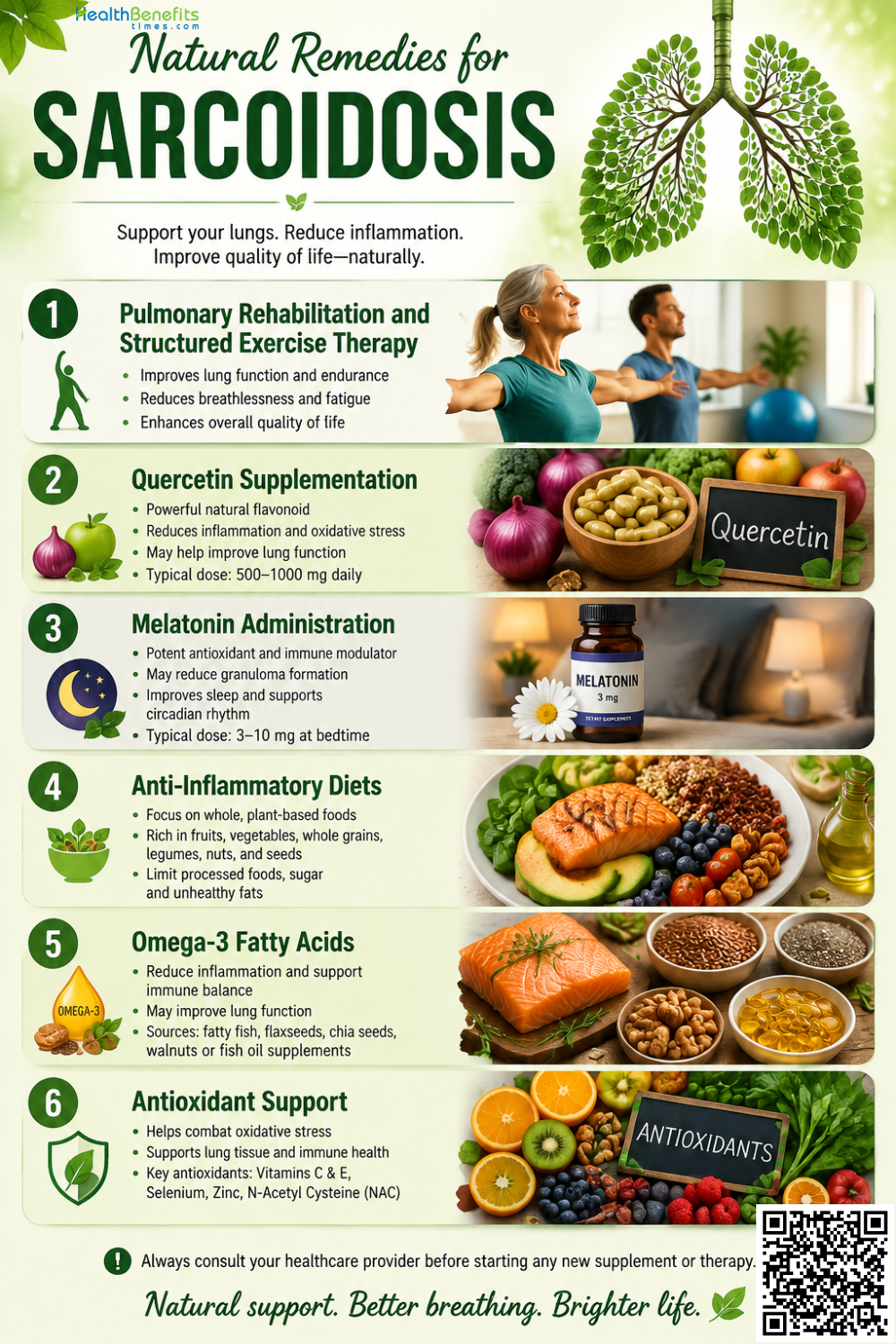
3. Melatonin Administration
How it may help
Melatonin is a natural hormone that regulates sleep cycles and acts as a powerful immune system regulator. For individuals with sarcoidosis, it helps reduce widespread inflammation and repairs sleep disturbances. This dual action minimizes severe daily fatigue, decreases daytime sleepiness, and significantly improves overall physical and mental well-being 16.
What research says
Clinical trials confirm that melatonin effectively improves sleep quality and reduces extreme daytime sleepiness in patients with pulmonary sarcoidosis 16. Furthermore, long-term studies indicate that melatonin acts as a safe immunomodulator, leading to stabilized lung function and the resolution of skin lesions in chronic, treatment-resistant sarcoidosis 17.
How to use it safely
For sleep support, clinical trials typically use 3 milligrams of oral melatonin taken one hour before bedtime 16. For immune-regulating benefits, doctors have safely supervised higher doses up to 20 milligrams daily 17. You must consult your physician to determine the correct, safe dosage for your specific symptoms.
Potential precautions or side effects
While generally well-tolerated, melatonin can cause mild morning grogginess, vivid dreams, or headaches. It may also interact negatively with blood pressure medications, blood thinners, and prescribed immune-suppressing drugs.
4. Anti-Inflammatory Diets
How it may help
An anti-inflammatory diet helps reduce chronic internal swelling by supplying the body with powerful plant compounds and antioxidants. By prioritizing whole, unprocessed foods, this dietary approach lowers the production of inflammatory chemicals, which can prevent the worsening of granulomas and ease overall symptoms in people with sarcoidosis 18.
What research says
Scientific reviews highlight that anti-inflammatory diets, particularly those rich in antioxidants and flavonoids, actively reduce lung inflammation. Researchers conclude that combining a nutrient-dense diet with conventional treatments increases the effectiveness of medications like corticosteroids, potentially lowering the required drug doses and managing medication-induced side effects 18.
How to use it safely
Base your daily meals on colorful vegetables, berries, lean proteins, and healthy fats while avoiding refined sugars and processed items. Because sarcoidosis can disrupt calcium metabolism, you must consult your doctor before significantly increasing your dietary calcium or adding vitamin D supplements 19.
Potential precautions or side effects
Sudden dietary shifts may cause temporary digestive discomfort or unintended weight loss. You must consult a clinical dietitian to ensure your specific meal plan avoids any dangerous medication interactions.
5. Omega-3 Fatty Acids
How it may help
Omega-3 fatty acids are essential nutrients recognized for their powerful anti-inflammatory properties. In the context of sarcoidosis, these fats help reduce widespread internal swelling and support immune system regulation. By calming an overactive immune response, omega-3s assist in controlling the cellular inflammation that drives granuloma formation across various organs.
What research says
Clinical research reveals that patients with sarcoidosis have significantly lower blood levels of omega-3 polyunsaturated fatty acids than healthy individuals. Studies conclude that depleted omega-3 levels are directly predictive of severe disease progression and multiple organ involvement, making fatty acid assessment useful for evaluating overall disease activity 20.
How to use it safely
You can naturally increase omega-3s by consuming fatty fish, such as salmon, twice weekly. If utilizing supplements, standard clinical dosages range from 1,000 to 2,000 milligrams daily. You must consult your primary physician before starting supplementation to ensure the correct dosage for your specific health profile.
Potential precautions or side effects
High doses of omega-3 supplements can thin your blood, increasing bleeding risks alongside anticoagulant medications. Minor side effects occasionally include fishy breath, mild heartburn, and general stomach upset.
6. Antioxidant Support
How it may help
Antioxidant support helps combat oxidative stress, a process where harmful molecules damage cells and drive inflammation. In sarcoidosis, the body quickly depletes its natural antioxidant reserves, such as vitamin C and glutathione. Restoring these levels helps neutralize cellular damage, calms the immune system, and reduces internal swelling 21.
What research says
Clinical studies reveal that patients with sarcoidosis have significantly lower blood levels of essential antioxidants, including vitamin C and glutathione. Researchers conclude that diminished antioxidant defenses directly contribute to increased disease severity and systemic inflammation, making antioxidant supplementation a valuable strategy to improve overall disease management 21.
How to use it safely
You can increase your antioxidant intake naturally by eating fresh fruits, vegetables, and nuts. If considering supplements like vitamin C or N-acetylcysteine to boost glutathione, you must consult your doctor first to establish the correct clinical dosage and prevent interactions with your prescribed medications 22.
Potential precautions or side effects
High doses of antioxidant supplements can cause mild digestive issues, such as diarrhea and stomach cramps. Excessive vitamin C may also increase the risk of kidney stones in susceptible individuals.
Foods to Avoid When You suffer from Sarcoidosis
When managing sarcoidosis, modifying daily nutrition is critical to prevent dangerous metabolic complications and suppress immune overactivity. The abnormal immune cell clusters, called granulomas, independently synthesize active vitamin D, which forces the body to absorb dangerous amounts of calcium into the bloodstream and kidneys 23. To protect vital organs and improve the effectiveness of prescribed treatments, individuals must carefully eliminate specific dietary triggers that accelerate tissue damage and mineral toxicity.
1. Calcium-Fortified Foods
Patients frequently experience high blood calcium levels. You must avoid excessive calcium intake, including fortified juices and dairy, to prevent severe kidney complications and stones 24.
2. Vitamin D-Enriched Products
Because sarcoid granulomas overproduce active vitamin D, consuming supplements or fortified milk rapidly increases the risk of dangerous calcium accumulation and organ damage 25.
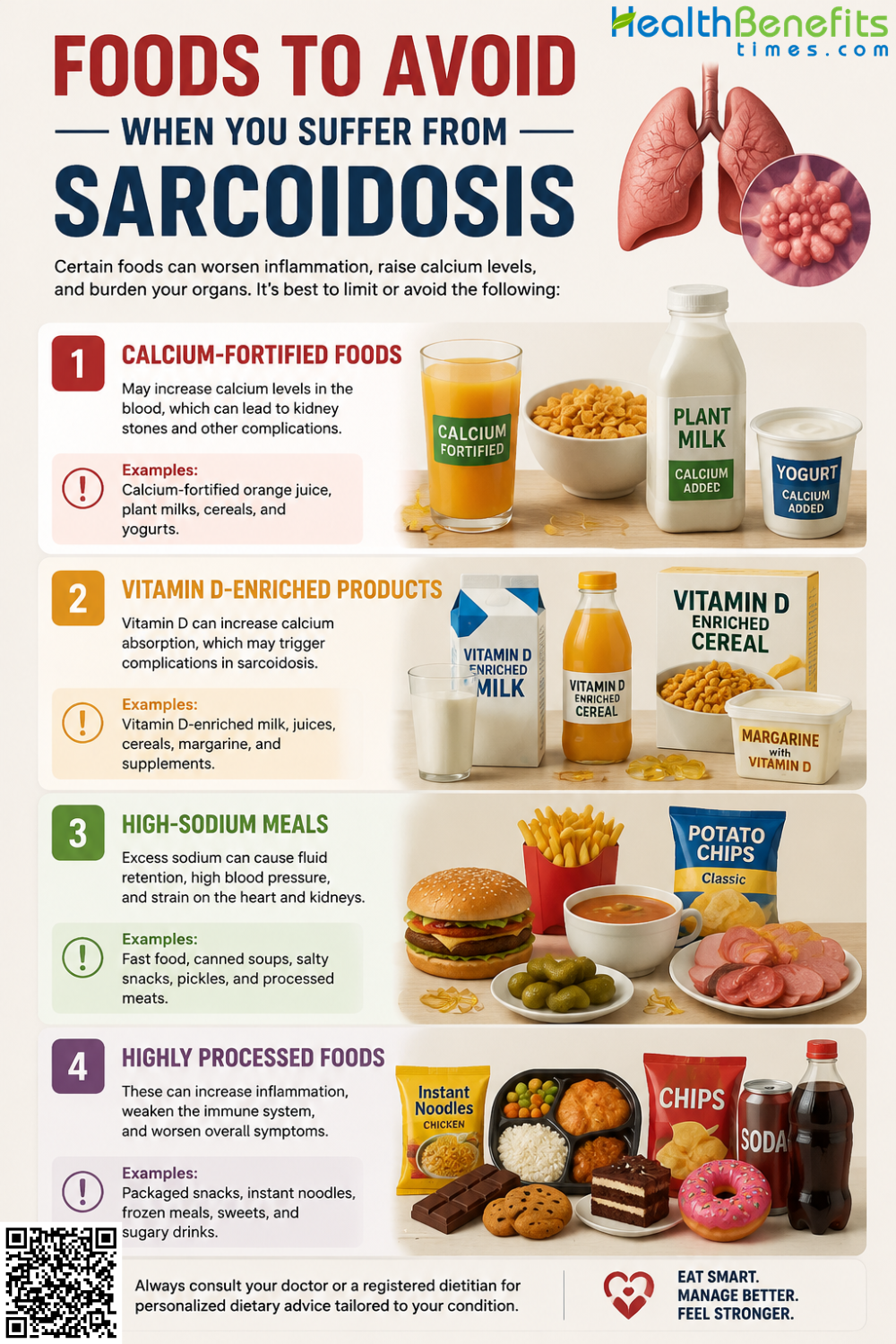
3. High-Sodium Meals
Clinical studies demonstrate that high dietary sodium intake increases lung inflammation and accelerates pulmonary fibrosis. Avoid heavily salted foods to minimize severe respiratory complications 26.
4. Highly Processed Foods
Refined sugars and processed meats trigger systemic inflammation that worsens granuloma formation. Eliminating these items supports corticosteroid treatments and stabilizes overall immune function 18.
When to See a Doctor When You Suffer from Sarcoidosis
While many individuals manage sarcoidosis with minimal medical intervention, the disease can unpredictably attack vital organs. Continuous clinical monitoring is essential to prevent permanent tissue scarring and organ failure. You must seek immediate medical evaluation if new, severe, or rapidly worsening symptoms emerge, as these warning signs often signal dangerous internal complications requiring urgent adjustments to your treatment plan.
1. Worsening Breathing Issues
You must seek immediate care for sudden shortness of breath, chest pain, or persistent coughing. These indicate progressive lung scarring and rapidly declining respiratory function requiring urgent treatment 27.
2. Cardiac Irregularities
Fainting, unexplained dizziness, or rapid, irregular heartbeats require emergency evaluation. These specific symptoms signal cardiac sarcoidosis, a dangerous complication that disrupts heart rhythms and can cause sudden heart failure 28.
3. Sudden Vision Changes
Contact a specialist immediately if you experience blurred vision, severe light sensitivity, or deep eye pain. Unmanaged ocular sarcoidosis causes rapid inflammation that risks permanent nerve damage and blindness 29.
4. Neurological Symptoms
Facial weakness, extreme headaches, or sudden body numbness necessitate urgent clinical testing. These warning signs indicate neurosarcoidosis, meaning inflammatory cellular clusters are actively attacking your central nervous system 30.
Comments
comments