

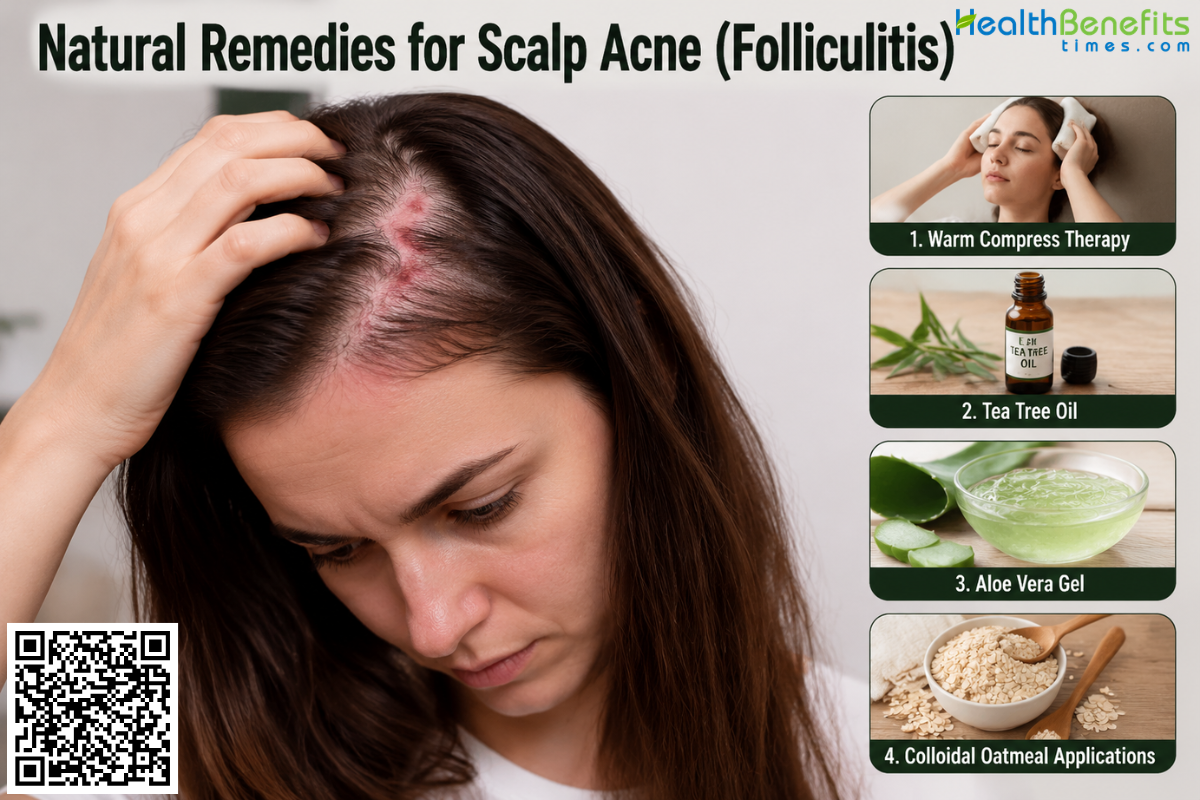
Causes of Scalp Acne (Folliculitis)
- Bacterial Infections: The most frequent cause of scalp acne is a bacterial infection, typically by Staphylococcus aureus, which enters the hair follicle through small cuts, scratches, or damaged skin barriers 1.
- Yeast Overgrowth: An overgrowth of natural yeasts found on the skin, such as Malassezia, can invade hair follicles and trigger an inflammatory response, especially in warm, sweaty, and humid environments 5.
- Hair Product Buildup: The frequent use of heavy, oil-based hair care products, pomades, and waxes can physically block the openings of hair follicles, trapping dead skin cells and natural oils that lead to inflammation 6.
- Friction and Trapped Moisture: Wearing tight headgear, such as helmets, hats, or headbands for extended periods causes physical friction that damages the follicles, while trapped sweat creates an ideal environment for microbial growth 1.
- Certain Medications: The use of specific prescription drugs, including systemic corticosteroids, lithium, and targeted cancer therapies, can alter the skin’s chemical balance and induce a type of folliculitis that mimics acne 6.
- Weakened Immune System: Underlying medical conditions that compromise the body’s immune defenses, such as diabetes or HIV, make the scalp significantly more vulnerable to recurring or severe follicle infections 1.
Symptoms of Scalp Acne (Folliculitis)
- Red Bumps (Papules): The condition typically begins with the appearance of small, red, inflamed bumps that develop directly at the base of individual hair follicles 1.
- Pus-Filled Blisters (Pustules): As the infection or inflammation progresses, these bumps often turn into white-headed pimples or pus-filled blisters that can rupture and leave crusty sores on the scalp 1.
- Itching and Irritation: An infected or inflamed scalp frequently causes persistent itching, irritation, or a noticeable burning sensation in the affected areas 1.
- Pain and Tenderness: The skin surrounding the inflamed hair follicles often becomes tender, sore, or physically painful to the touch, which can be worsened by brushing the hair or wearing headgear 1.
- Large Swollen Lumps: In deeper or more severe infections, the superficial bumps can evolve into large, painful, and swollen cystic nodules trapped beneath the surface of the skin 2.
- Scarring and Hair Loss: If left untreated, chronic or deep-tissue follicular infections can permanently destroy the hair follicle structure, resulting in tough, scarred skin and irreversible patches of hair loss 4.
Natural Remedies for Scalp Acne (Folliculitis)
1. Warm Compress Therapy
How it may help
A warm compress helps manage scalp folliculitis by increasing local blood flow and softening the surrounding skin. This localized heat encourages inflamed, pus-filled bumps to open and drain naturally, which directly relieves tissue pressure, reduces swelling, and accelerates the healing of infected follicles 1.
What research says
Clinical guidelines classify warm compress therapy as the primary first-line treatment for uncomplicated, superficial folliculitis. Dermatological evidence confirms that applying moist heat effectively promotes the drainage of superficial lesions and can resolve mild bacterial infections without requiring immediate prescription antibiotics 1.
How to use it safely
Soak a clean cloth in comfortably warm water and wring out the excess. Gently press the damp cloth against the affected areas of your scalp for 15 to 20 minutes. Repeat this process three to four times daily until the bumps shrink and drain.
Potential precautions or side effects
Always use a fresh, clean cloth for each application to prevent spreading the infection. Avoid using excessively hot water, which can burn your scalp and worsen inflammation.
2. Tea Tree Oil
How it may help
Tea tree oil contains active compounds that provide natural antibacterial and anti-inflammatory benefits. It helps clear scalp acne by targeting the bacteria and yeasts responsible for infecting hair follicles, while simultaneously reducing the redness and swelling associated with inflamed bumps 7.
What research says
Clinical research demonstrates that tea tree oil possesses broad-spectrum antimicrobial properties. Studies confirm it effectively neutralizes Staphylococcus aureus, the main bacteria causing folliculitis, and significantly reduces inflammatory skin lesions without triggering the bacterial resistance often seen with standard antibiotics 7.
How to use it safely
Always dilute tea tree oil before applying it to your scalp. Mix a few drops into a gentle carrier oil, such as coconut oil, or add it to your daily shampoo. Gently massage the blend into the affected areas and rinse well.
Potential precautions or side effects
Never apply undiluted tea tree oil to your scalp, as it can cause severe irritation or allergic dermatitis 7. Stop using it immediately if itching or burning worsens.
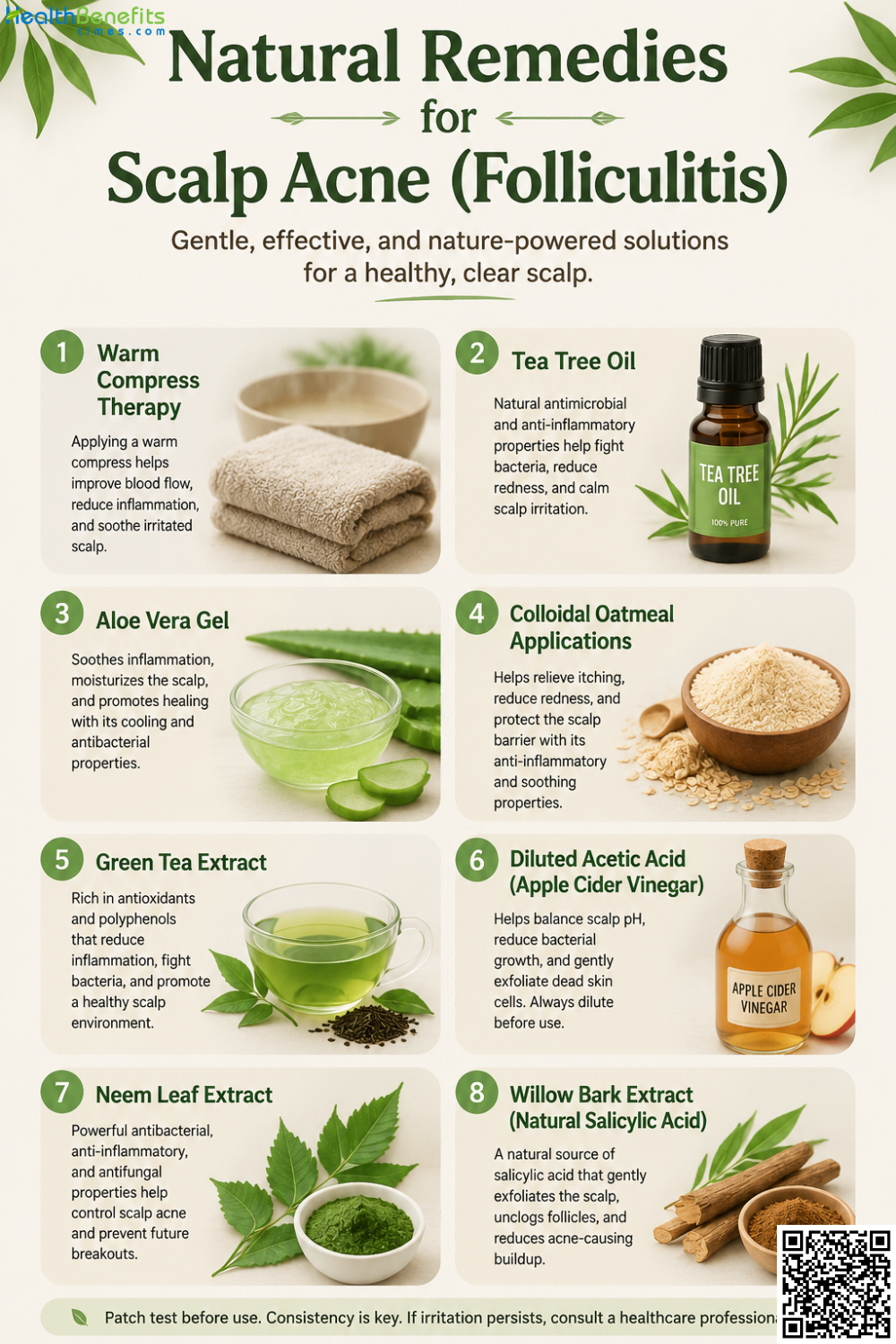
3. Aloe Vera Gel
How it may help
Aloe vera gel provides immediate cooling relief to an inflamed scalp by significantly reducing redness, itching, and swelling. Its natural active compounds and antimicrobial properties help calm irritated hair follicles and inhibit the growth of acne-causing bacteria, creating a healthier environment for the skin to heal 8.
What research says
Scientific reviews confirm that aloe vera contains natural salicylic acid and other anti-inflammatory enzymes that effectively reduce skin inflammation and pain. Research concludes that these specific properties accelerate the healing of skin lesions and provide mild antibacterial action against common skin pathogens without causing harsh chemical irritation 8.
How to use it safely
Apply pure, unfragranced aloe vera gel directly to the inflamed areas of your scalp. Gently massage it in and leave it on for about 30 minutes before washing your hair with a mild shampoo. You can repeat this soothing treatment daily to maintain scalp health.
Potential precautions or side effects
Although generally safe, pure aloe vera can occasionally cause mild itching or allergic contact dermatitis in sensitive individuals 8. Always perform a small patch test before applying it entirely.
4. Colloidal Oatmeal Applications
How it may help
Colloidal oatmeal helps control scalp acne by forming a protective, moisturizing barrier over the skin that immediately soothes intense itching and burning. Its natural plant compounds reduce redness and calm the inflamed hair follicles, creating a healing environment without stripping the scalp of its essential moisture 9.
What research says
Clinical studies demonstrate that colloidal oatmeal contains active antioxidant and anti-inflammatory compounds called avenanthramides. Research concludes that these specific compounds effectively reduce skin inflammation, restore the compromised skin barrier, and significantly decrease clinical symptoms of itching and dryness associated with inflammatory skin conditions 9.
How to use it safely
Mix finely ground, pure colloidal oatmeal with warm water to create a thick, spreadable paste. Apply this mixture directly to your inflamed scalp, and let it sit for 10 to 15 minutes before rinsing thoroughly with cool water. You can use it twice weekly to soothe irritation.
Potential precautions or side effects
Colloidal oatmeal is considered highly safe for topical use, though rare instances of mild allergic contact dermatitis can occur 9. Discontinue use if swelling or redness worsens.
5. Green Tea Extract
How it may help
Green tea extract helps manage scalp acne by significantly lowering the production of excess oil on the scalp. Its active plant compounds also possess natural antibacterial and anti-inflammatory properties, which work together to shrink inflamed bumps and prevent hair follicles from becoming clogged and infected 10.
What research says
Clinical studies show that the topical application of green tea extract containing epigallocatechin gallate (EGCG) effectively decreases skin oil production and reduces underlying inflammation. Research concludes that it suppresses the growth of common bacteria and significantly lowers the number of inflammatory lesions on the skin 10.
How to use it safely
Brew a strong cup of green tea and let it cool completely. After washing your hair, pour the cooled tea over your scalp as a final rinse. Gently massage it into the skin and leave it on, or rinse with cool water after ten minutes.
Potential precautions or side effects
Topical green tea extract is widely considered safe and well-tolerated. However, it can occasionally cause mild skin dryness or minor irritation in individuals with specific botanical allergies 10.
6. Diluted Acetic Acid (Apple Cider Vinegar)
How it may help
Diluted apple cider vinegar, which contains active acetic acid, helps restore the natural acidic balance of the scalp. This chemical shift creates an unfavorable environment for bacteria and fungi. It also assists in breaking down trapped oils and dead skin cells, effectively unblocking infected hair follicles 11.
What research says
Scientific evaluations confirm that the acetic acid found in apple cider vinegar possesses significant antimicrobial properties. Laboratory studies conclude that it effectively inhibits the growth of Staphylococcus aureus and common fungal pathogens by disrupting their cell structures and breaking down their protective microbial biofilms 11.
How to use it safely
Mix one part apple cider vinegar with three parts water to ensure safe dilution. After washing your hair, pour this solution over your scalp and massage gently. Leave it on for two to three minutes before rinsing thoroughly with plain water.
Potential precautions or side effects
Never apply undiluted vinegar to your scalp. Concentrated acetic acid can cause severe chemical burns, strip the skin of natural moisture, and significantly worsen existing inflammation 11.
7. Neem Leaf Extract
How it may help
Neem leaf extract helps manage scalp acne by providing strong natural antibacterial and antifungal actions. It directly targets the bacteria and yeasts that infect hair follicles. Additionally, its natural soothing properties help reduce the painful redness and swelling associated with inflamed scalp bumps 12.
What research says
Scientific studies confirm that neem leaf extract possesses potent broad-spectrum antimicrobial and anti-inflammatory properties. Clinical research concludes that its active compounds effectively inhibit the growth of Staphylococcus aureus and various skin fungi, significantly reducing both skin infections and local tissue inflammation without causing bacterial resistance 12.
How to use it safely
Boil a handful of fresh neem leaves in water until the liquid changes color, then let it cool completely. Use this infused water as a final rinse after washing your hair. Alternatively, mix a few drops of pure neem oil into a gentle carrier oil and massage it in.
Potential precautions or side effects
Neem extract is generally safe, but undiluted neem oil can cause mild skin irritation or allergic contact dermatitis in sensitive individuals 12. Always perform a small patch test first.
8. Willow Bark Extract (Natural Salicylic Acid)
How it may help
Willow bark extract contains natural salicin, which gently exfoliates the scalp and dissolves excess oils. This peeling action helps unclog blocked hair follicles, releases trapped dead skin cells, and prevents the buildup of bacteria that lead to painful scalp bumps 13.
What research says
Clinical research confirms that the salicin in willow bark provides significant anti-inflammatory and gentle exfoliating properties. Studies conclude that it effectively reduces skin redness, minimizes pore blockage, and promotes the shedding of dead skin cells, offering acne-clearing benefits similar to synthetic salicylic acid but with less irritation 13.
How to use it safely
Look for gentle scalp serums or shampoos containing willow bark extract. Apply the product to a wet scalp, massage it in carefully to loosen skin debris, and let it sit for a few minutes before rinsing thoroughly with warm water. Use it two to three times weekly.
Potential precautions or side effects
Though milder than synthetic acids, willow bark can still cause minor dryness or flaking. Individuals with aspirin allergies should avoid it entirely, as the underlying chemical structures are highly similar 13.
Foods to Avoid When You Suffer from Scalp Acne (Folliculitis)
Clinical evidence indicates that specific dietary choices can trigger systemic inflammation and increase skin oil production, which may significantly worsen scalp acne.
1. High-Glycemic Carbohydrates
High-sugar foods and refined carbohydrates rapidly spike blood sugar, increasing hormonal oil production and promoting inflammatory acne breakouts across the scalp 14.
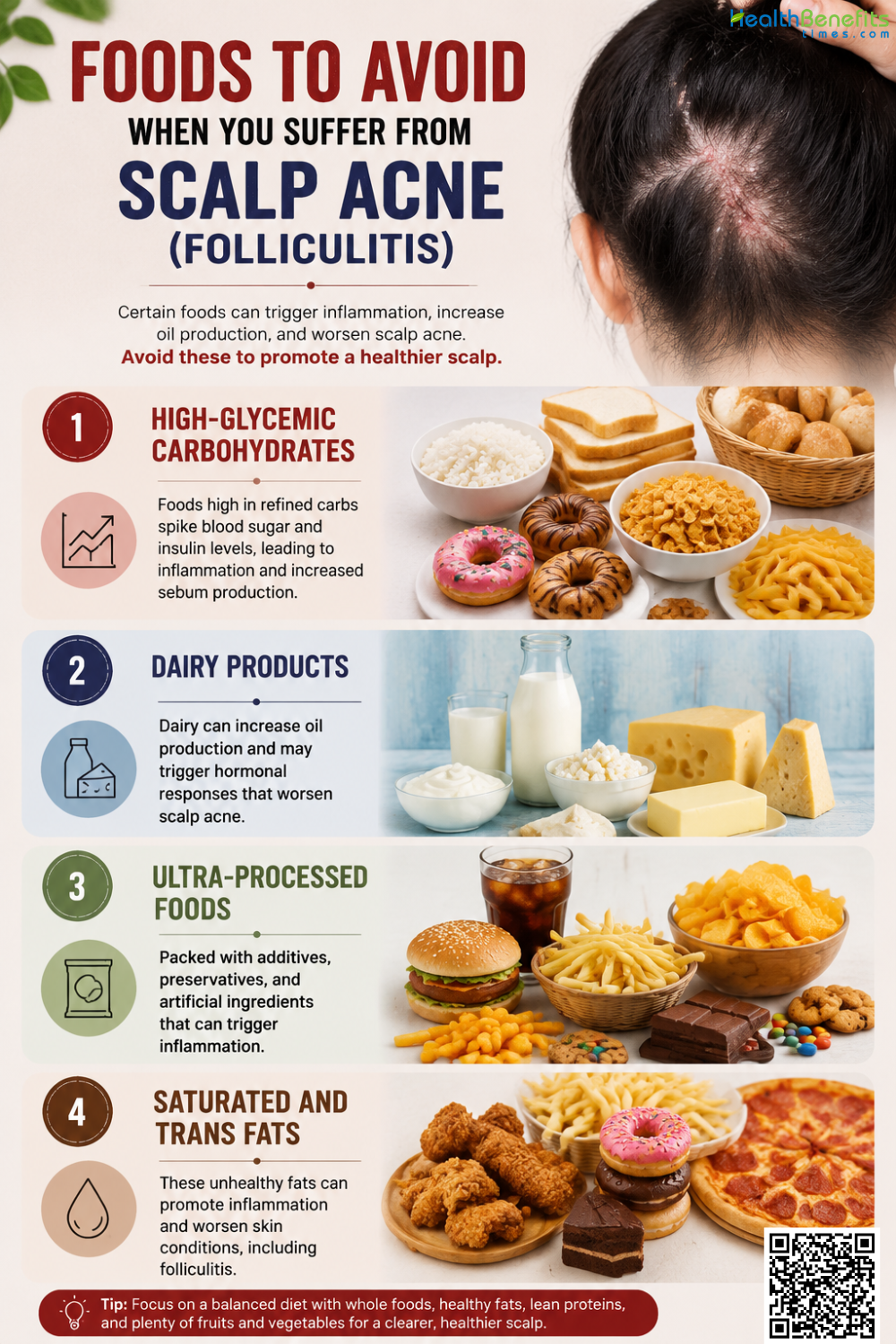
2. Dairy Products
Cow’s milk contains natural hormones and growth factors that stimulate oil glands and increase skin inflammation, directly aggravating infected hair follicles 15.
3. Ultra-Processed Foods
Heavily processed snacks often contain artificial additives and unhealthy fats that drive systemic inflammation, impairing the skin’s immune response to bacterial infections 16.
4. Saturated and Trans Fats
Diets heavy in fried or greasy foods alter the composition of natural skin oils, creating an environment that encourages acne-causing bacteria to multiply 17.
When to See a Doctor When You Suffer from Scalp Acne (Folliculitis)
While mild scalp acne often resolves naturally, severe or persistent infections require clinical evaluation to prevent permanent tissue damage or systemic illness.
1. Lack of Improvement
Consult a doctor if the inflamed bumps do not improve or disappear after two to three days of basic home care and warm compresses 1.
2. Worsening Symptoms
Seek medical care if the lesions multiply rapidly, spread to other areas, or become increasingly painful, red, and swollen over time 1.
3. Large, Painful Boils
Professional treatment is necessary if small bumps develop into deep, pus-filled boils, as these require sterile clinical drainage and prescription antibiotics 1.
4. Signs of Systemic Infection
Seek immediate emergency care if the scalp infection is accompanied by a sudden fever, chills, or swollen lymph nodes, indicating widespread infection 1.
5. Hair Loss and Scarring
A dermatologist should evaluate any infection that destroys hair follicles, causes visible patches of hair loss, or leaves hard skin scars 4.
Comments
comments