


Causes of Scleroderma
1. Autoimmunity and Immune System Dysfunction
An abnormal immune response where the body mistakenly attacks its own connective tissues, resulting in endothelial cell activation, excessive collagen production, and subsequent tissue fibrosis.
2. Genetic Predisposition
Inherited genetic factors, including familial clustering and the involvement of the major histocompatibility complex (MHC) region, which are commonly associated with autoimmune disorders.
3. Environmental and Occupational Exposures
Prolonged exposure to certain environmental triggers, most notably silica dust and industrial organic solvents such as toluene, xylene, trichloroethylene, and polyvinyl chloride.
4. Infectious Agents
Potential triggering of the immune system by specific viral infections, including Cytomegalovirus (CMV), Epstein-Barr virus, and parvovirus B19.
5. Vascular Abnormalities
Initial vascular insults and endothelial damage that lead to structural vessel changes, initiating a progressive microvasculopathy.
6. Stress
Both mechanical and psychosocial stress have been implicated as contributing factors that may influence the onset and exacerbation of the condition.
7. Malignancy
A close temporal relationship in a subset of patients suggests that the onset of certain cancers (such as breast or lung cancer) may initiate a specific immune response that drives the development of scleroderma, particularly in those with RNA polymerase I/III antibodies. 5, 6, 7, 8
Symptoms of Scleroderma
1. Skin and Facial Changes
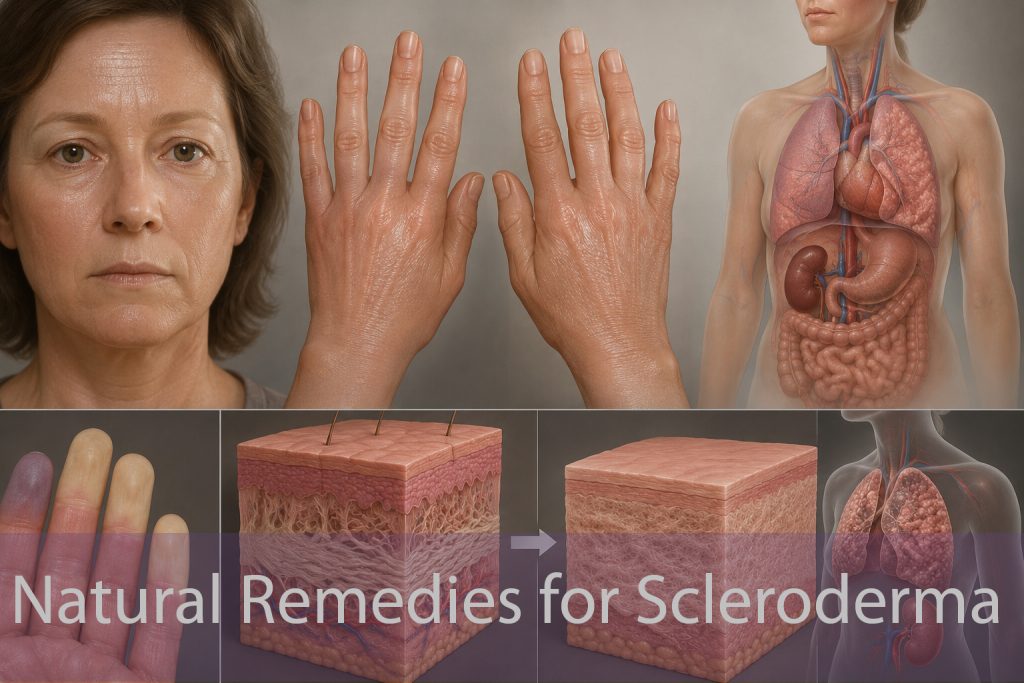
Thickening, tightening, and hardening (induration) of the skin. Shiny skin, puffy fingers, and a progressive loss of skin elasticity. Reduced mouth opening (microstomia) and pursed lips (Acorn et al., 2003). Calcium deposits forming under the skin, known as calcinosis.
2. Vascular and Circulatory Issues
Raynaud’s phenomenon, where fingers or toes intermittently turn white, blue, or red in response to cold temperatures or emotional stress. Numbness, tingling, or burning sensations in the extremities (Acorn et al., 2003). Telangiectasia, characterized by red spots on the skin caused by swollen or widened tiny blood vessels.
3. Musculoskeletal Problems
Joint pain, morning stiffness, and arthritis, predominantly in the hands, wrists, and ankles. Muscle weakness and muscle atrophy. Reduced joint mobility and tendon fibrosis. Difficulty with fine motor control, such as manipulating buttons or opening jars.
4. Gastrointestinal Complications
Difficulty swallowing (dysphagia) and frequent choking on food or saliva. Severe acid reflux or gastroesophageal reflux disease (GERD). Dry mouth, gingivitis, and periodontitis. Bloating, nausea, early satiety, and unintended weight loss or malnutrition. Bowel involvement resulting in diarrhea or constipation.
5. Respiratory (Lung) Symptoms
Shortness of breath and persistent, disruptive coughing. Pulmonary hypertension and interstitial lung disease.
6. Cardiac (Heart) and Renal (Kidney) Symptoms
Irregular heartbeats (arrhythmias), chest pain, and heart failure. Inflammation of the heart muscle (myocarditis) or pericarditis. Sudden, severe high blood pressure indicating a scleroderma renal crisis, which can lead to a rapid decline in kidney function.
7. General Systemic Symptoms
Overwhelming daily fatigue. Extreme sensitivity to, and difficulty coping with, cold temperatures (Acorn et al., 2003). 9, 10, 11
Natural Remedies for Scleroderma
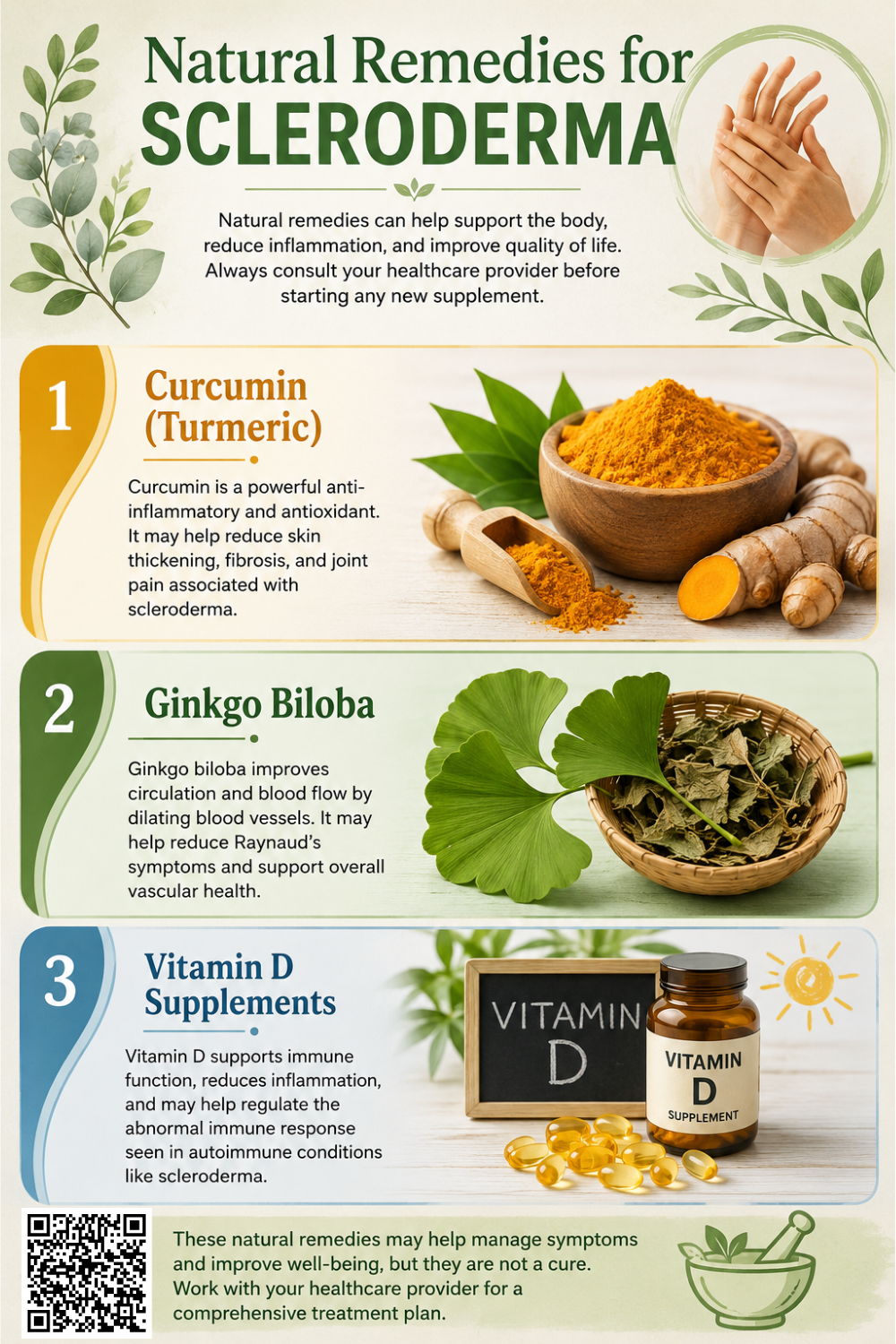
Curcumin, the active compound in turmeric, possesses strong anti-inflammatory and antioxidant properties. It may help reduce the excessive tissue scarring (fibrosis) that is common in scleroderma. Preclinical studies indicate that curcumin modulates cellular pathways to increase controlled cell death in damaged cells, potentially slowing the progression of systemic sclerosis. You can consume it as a dietary spice or take it as an oral supplement. If using supplements, choose products containing black pepper extract to significantly improve absorption. Curcumin can act as a mild blood thinner. High doses may cause stomach upset and should be used cautiously if you are taking anticoagulant medications.
2. Ginkgo Biloba
This plant extract is widely used to improve blood circulation. In scleroderma, it helps manage Raynaud’s phenomenon, a condition where blood vessels in the fingers and toes constrict severely in response to cold or stress. Clinical trials have demonstrated that Ginkgo biloba is effective in reducing the frequency of Raynaud’s attacks by promoting vasodilation, which improves blood flow to the extremities. Ginkgo biloba is typically taken in capsule or liquid extract form. You should start with a low dose and follow standard guidelines provided by a healthcare professional. Because it improves circulation, Ginkgo biloba can increase the risk of bleeding. It is strictly contraindicated if you are taking blood-thinning medications or preparing for surgery.
3. Vitamin D Supplements
Vitamin D plays a crucial role in immune system regulation and bone health. Maintaining proper levels may help reduce the widespread inflammation and fatigue associated with systemic autoimmune diseases. Medical literature identifies that patients with systemic sclerosis often have low levels of Vitamin D. Supplementation is frequently recommended as part of a comprehensive care strategy to support overall immune function. You should undergo a blood test to determine your baseline Vitamin D levels before starting supplementation. Dosage should be tailored specifically to correct any identified deficiency. Excessive intake of Vitamin D can lead to high calcium levels in the blood (hypercalcemia), which may cause nausea, weakness, and potential kidney damage over time.
Foods to Avoid When You suffer from Scleroderma
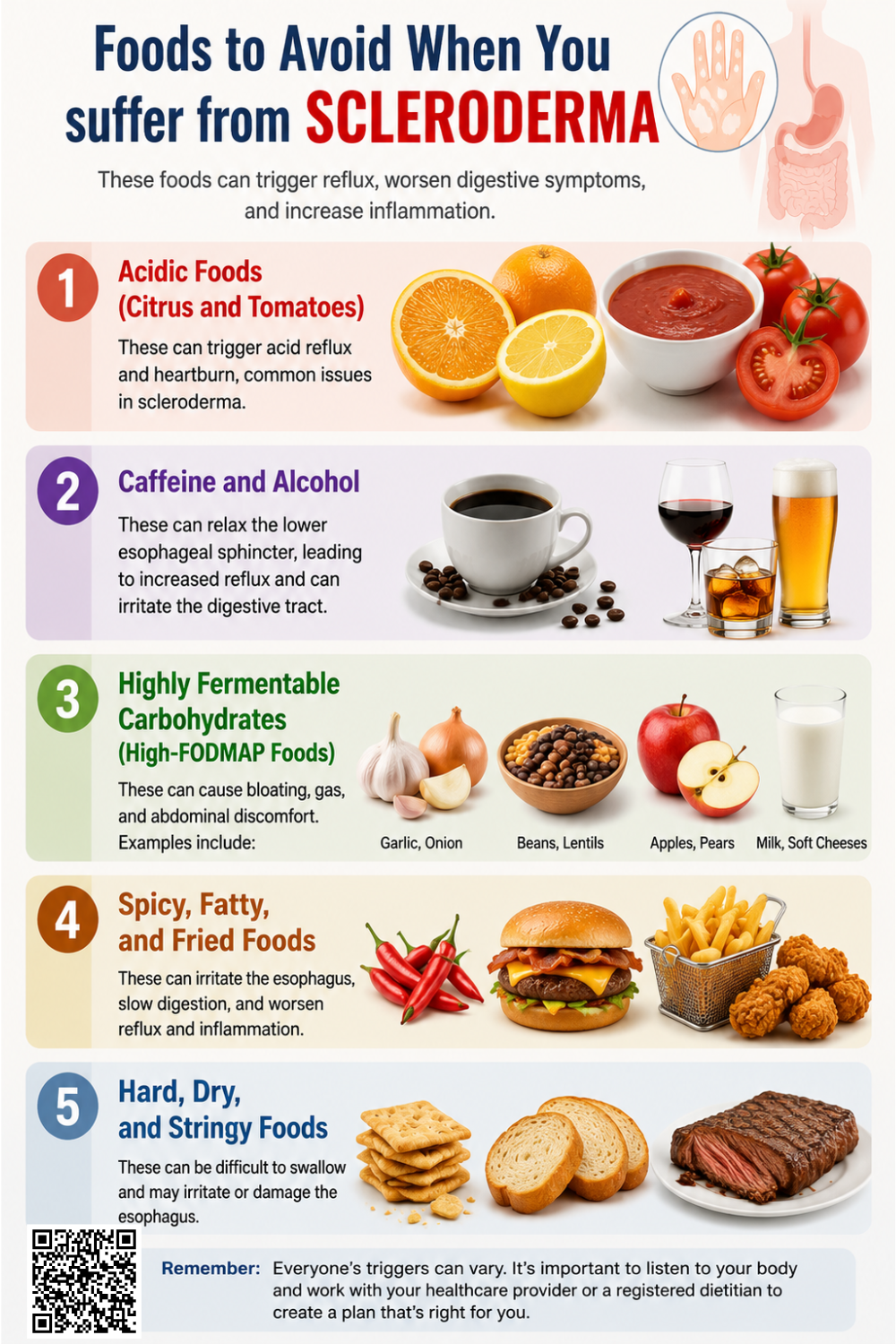
Scleroderma frequently causes weakening of the lower esophageal sphincter, making severe gastroesophageal reflux disease (GERD) a common and painful symptom. Consuming highly acidic items like oranges, lemons, grapefruits, and tomato-based sauces can directly irritate an already sensitive esophageal lining and trigger intense heartburn. Eliminating these from your diet can help manage mucosal inflammation and prevent further acid-related tissue damage. 12, 13
2. Caffeine and Alcohol
Both caffeinated beverages (like coffee, espresso, and certain teas) and alcoholic drinks act as chemical relaxants on the esophageal sphincter. Because systemic sclerosis already disrupts normal esophageal motility and sphincter tone, consuming these beverages allows stomach acid to easily flow backward into the esophagus. Removing them from your daily routine is a highly recommended lifestyle modification to keep reflux symptoms under control. 14, 15
3. Highly Fermentable Carbohydrates (High-FODMAP Foods)
Individuals with scleroderma often experience slowed intestinal motility, which frequently leads to Small Intestinal Bacterial Overgrowth (SIBO)—a condition that causes severe bloating, excess gas, and nutrient malabsorption. Foods that are high in rapidly fermentable carbohydrates (FODMAPs)—such as garlic, onions, apples, and artificial sugar substitutes (like sorbitol)—act as direct fuel for these excess bacteria. Limiting these foods can drastically reduce chronic abdominal discomfort. 16, 17
4. Spicy, Fatty, and Fried Foods
Meals that are heavily laden with saturated fats or aggressive spices pose a dual threat to a compromised digestive tract. High-fat and deep-fried foods significantly delay gastric emptying, worsening the gastroparesis (sluggish stomach emptying) that is prevalent in scleroderma patients. Meanwhile, heavy spices can cause direct chemical irritation to the GI mucosa. Avoiding heavy, greasy, or overly hot meals helps prevent prolonged bouts of bloating, nausea, and regurgitation. 18, 19
5. Hard, Dry, and Stringy Foods
Because systemic sclerosis is defined by the fibrosis (thickening and hardening) of tissues, many patients develop microstomia (restricted opening of the mouth) alongside dysphagia (difficulty swallowing). Foods that are physically tough, dry, or stringy—such as tough cuts of steak, dry crusty bread, or raw, fibrous vegetables—can be incredibly difficult and even hazardous to swallow. Transitioning to softer, moisture-rich, and easily chewable foods makes eating much safer and far less exhausting. 20
When To See a Doctor When You Have Scleroderma
1. Abrupt Onset of Severe High Blood Pressure and Headaches
Scleroderma renal crisis (SRC) is a severe medical emergency that typically presents with a sudden spike in blood pressure, acute kidney injury, severe headaches, and visual disturbances. If untreated, it can quickly lead to life-threatening renal failure, requiring immediate emergency department evaluation and management with ACE inhibitors. 21 | 22
2. Progressive Shortness of Breath and Fainting Spells
Experiencing progressive dyspnea (shortness of breath) upon exertion, unexplained fatigue, weakness, or syncope (fainting) necessitates urgent medical attention. These symptoms may signal the development of systemic sclerosis-associated pulmonary arterial hypertension (SSc-PAH), a catastrophic complication characterized by progressive right heart failure and elevated pulmonary arterial pressure. 23 | 24
3. Persistent Chest Pain and Chronic Cough
Vague but worsening cardiopulmonary symptoms such as chest pain, a persistent cough, or the inability to perform simple daily physical tasks without severe exhaustion should never be ignored. Because pulmonary hypertension involves complex intracellular signaling pathways and profound vascular remodeling, prompt specialist screening is essential to avoid delayed diagnosis and irreversible right ventricular dysfunction (Bahi et al., 2024; Maarman, 2022). 25 | 26
4. Sudden Decline in Renal Function Alongside Skin Thickening
Patients experiencing a rapid decline in kidney function alongside diffuse skin thickening must be evaluated immediately by a specialist. Scleroderma renal crisis mimics many other critical conditions, but accurate and swift diagnosis is imperative to prevent end-stage renal disease and the need for emergency hemodialysis. 27 | 28
Comments
comments