

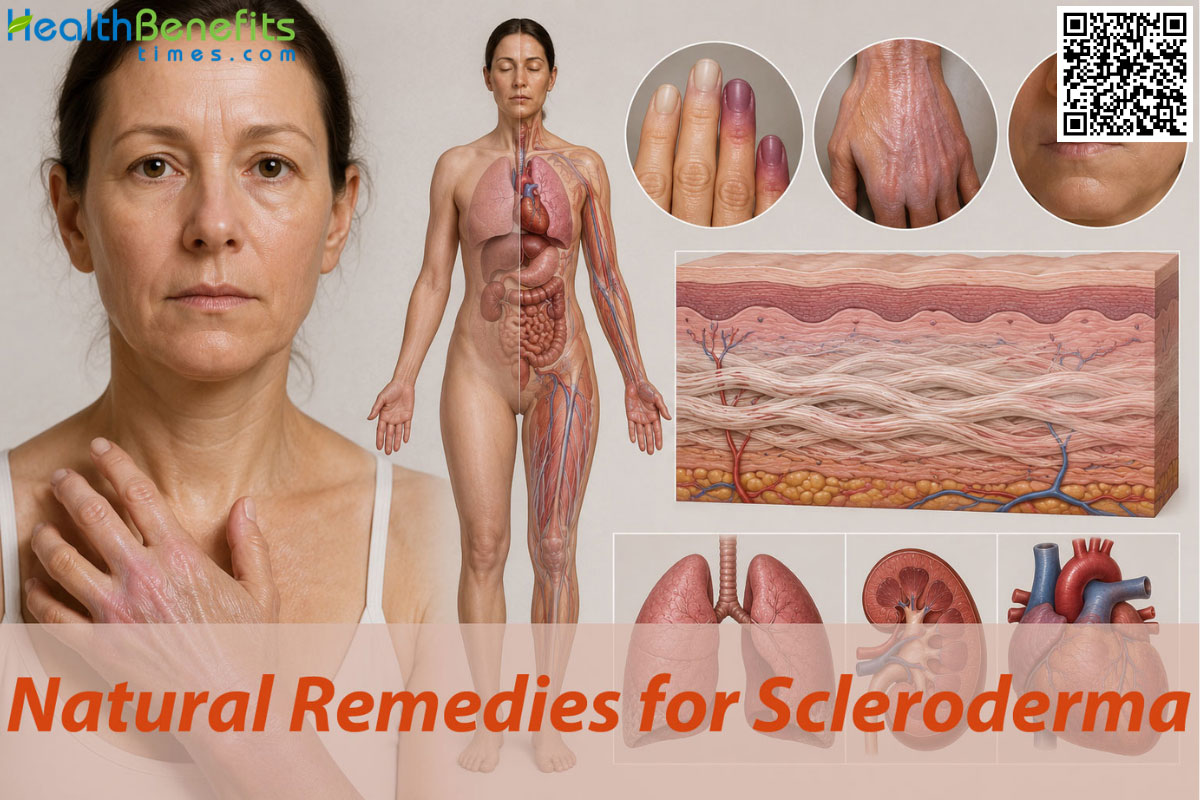
Causes of Scleroderma
Unraveling the origins of this complex disease reveals that there is no single event or pathogen to blame; rather, it emerges from a perfect storm of converging internal vulnerabilities and external triggers.
- Autoimmune System Malfunction: The absolute foundation of the disorder is an overactive immune response, where the cells meant to protect the body instead initiate a relentless attack on healthy connective tissues 3.
- Fibroblast Hyperactivity: Specialized biological cells called fibroblasts, which are normally responsible for maintaining and repairing tissue, are chemically forced into overdrive, leading directly to the excessive collagen production that hardens the body 4.
- Genetic Susceptibility: Even though it is not passed down directly from parent to child in a predictable pattern, certain inherited genetic markers particularly those tied to the X chromosome significantly increase the likelihood that a person will develop the disease at some point in their life 1.
- Environmental and Occupational Exposures: Sustained contact with hazardous industrial materials, such as heavy silica dust, organic solvents, and certain chemical compounds, acts as a powerful catalyst for the disease in vulnerable individuals 5.
- Viral Triggers: Encounters with specific viruses, including the Epstein-Barr virus, are widely considered to be biological catalysts that can awaken dormant autoimmune tendencies and set the fibrotic cascade into motion 6.
- Endothelial Cell Damage: Early and frequent microscopic injuries to the delicate inner lining of the blood vessels disrupt normal circulation, triggering a vicious cycle of inflammation and faulty tissue repair 7.
Symptoms of Scleroderma
The daily reality of living with this disorder varies drastically from person to person, as the clinical presentation can impact almost every physiological system in unexpected ways.
- Progressive thickening, hardening, and an uncomfortable tightening of the skin, typically beginning on the fingers, hands, and face before spreading outward 8.
- Raynaud’s phenomenon, a highly sensitive vascular reaction where fingers and toes turn dramatically pale or blue, become numb, and tingle painfully in response to minor cold exposure or emotional stress 9.
- Persistent joint pain, profound morning stiffness, and a highly noticeable loss of mobility in the wrists, elbows, and hands as the skin tightens like a shrinking glove 8.
- The painful formation of hard calcium deposits directly under the skin or clustered around bony areas like the knees and elbows, known clinically as calcinosis 9.
- Tiny red spots scattered across the skin caused by permanently swollen, damaged blood vessels near the surface, termed telangiectasia 8.
- Severe gastrointestinal distress, encompassing unmanageable heartburn, chronic abdominal bloating, debilitating alternating diarrhea and constipation, and a frightening difficulty swallowing food 10.
- Respiratory decline marked by a persistent, dry cough and a rapidly decreasing ability to catch a deep breath, largely due to irreversible scarring deep within the lung tissue 11.
- Cardiovascular complications, including irregular heartbeats and dangerous fluid accumulation inside the protective sac surrounding the heart muscle 10.
- The formation of stubborn, slow-healing open sores or deep ulcers located on the sensitive fingertips and knuckles, which are highly prone to secondary infections 8.
Scleroderma Facts Table
Grasping the full scope of systemic sclerosis requires understanding the statistical and clinical truths that define the condition.
| Category | Details |
| Symptoms
|
|
| Causes |
|
| Types of Scleroderma |
|
| How does spread |
|
| Age Group |
|
| You might be at a higher risk for exposure of this disease if you: |
|
| How doctors diagnose |
|
| Other facts |
|
Natural Remedies for Scleroderma
Many individuals navigating the heavy burden of systemic sclerosis actively seek out complementary and nutrition-based therapies to help manage their complex web of symptoms. While potent pharmacological treatments are undeniably essential for halting severe immune attacks and protecting major organs, natural remedies serve a highly valuable supportive role. When carefully implemented, these natural interventions can reduce total body oxidative stress, calm systemic inflammation, and significantly enhance a patient’s daily quality of life.
1. Vitamin D Supplementation
Emerging nutritional science highlights the critical role of Vitamin D far beyond its well-known traditional association with building strong bones and absorbing dietary calcium. In the context of aggressive autoimmune diseases, this essential hormone actively modulates both the innate and adaptive branches of the human immune response. Clinical evaluations frequently reveal a strikingly high prevalence of severe Vitamin D deficiency among scleroderma patients, a depletion that is strongly associated with poor overall vitality, profound muscle weakness, and a highly elevated risk of developing osteoporosis. Furthermore, rigorous observation indicates that adequate levels of Vitamin D possess distinct antifibrotic properties, meaning it naturally suppresses the exact cellular pathways that force the body to overproduce collagen and thicken the skin 12. Keeping these levels in an optimal range also supports vital cardioprotective functions and acts as a shield against the progression of devastating lung complications.
Note: You can take Vitamin D easily as an oral daily supplement, typically purchased in the highly absorbable form of cholecalciferol (Vitamin D3), but you should always insist on having your blood levels tested by your physician first to determine the exact dosage your body requires.
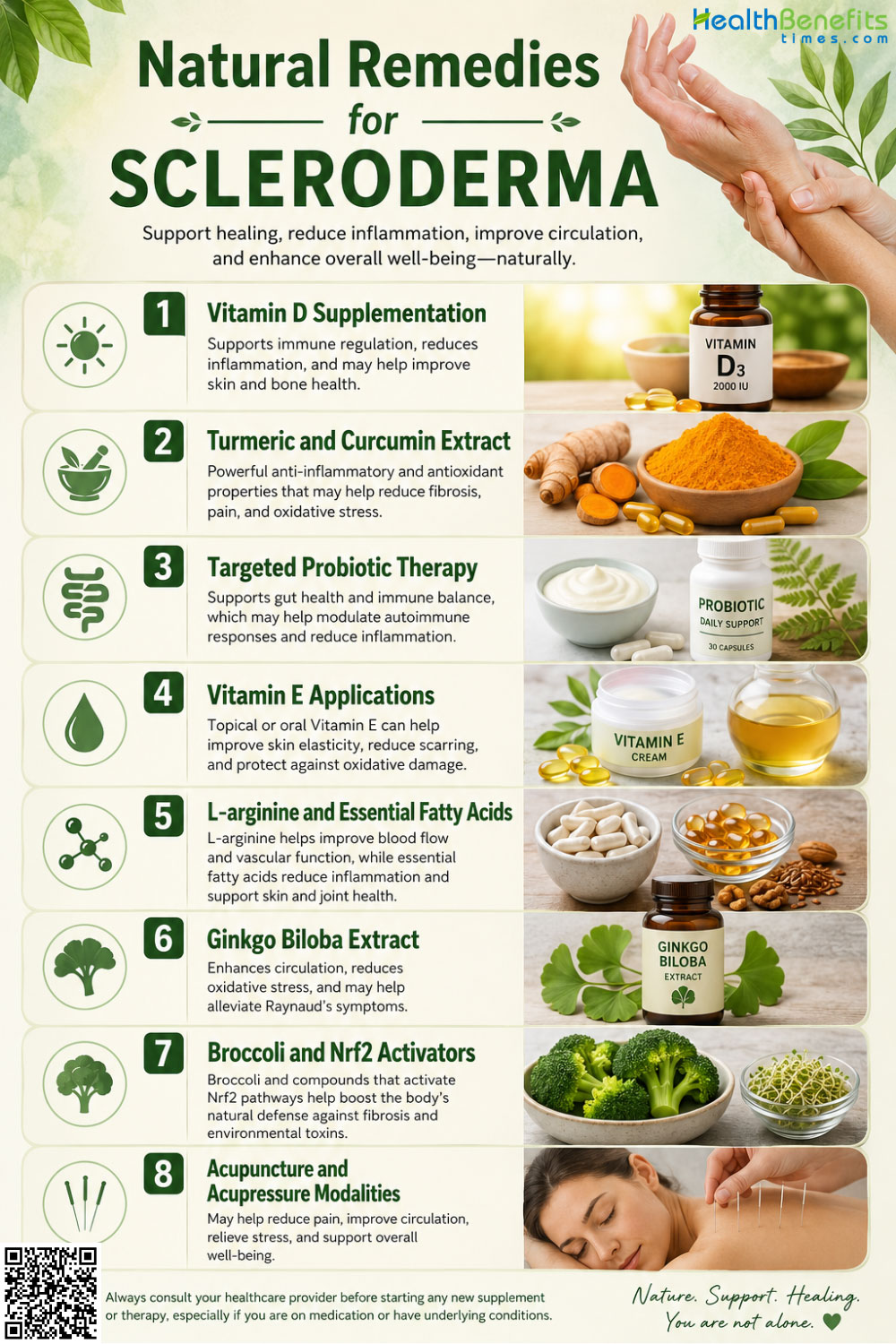
2. Turmeric and Curcumin Extract
Tapping into ancient medicinal practices, curcuminthe primary active botanical compound found within the bright yellow spice turmeric is highly regarded globally for its profound anti-inflammatory and antioxidant properties. Because systemic sclerosis is fundamentally driven by chronic, simmering inflammation that deeply damages the inner lining of blood vessels and overstimulates collagen-producing cells, suppressing this internal fire is paramount. Targeted research consistently demonstrates that high-quality curcumin effectively attenuates endothelial cell fibrosis, noticeably reduces the thick deposition of collagen in tissues, and inhibits the biochemical pathways that lead to excessive cellular scarring 13. By actively modulating damaging inflammatory cytokines in the bloodstream, curcumin acts as a safe, natural dampener on the overactive immune responses that exacerbate joint swelling and stiffening tissues.
Note: You can consume turmeric by liberally incorporating the raw spice into your daily cooking, or for stronger therapeutic benefits, you can swallow it as a concentrated oral curcumin supplement that is specifically formulated with black pepper extract to dramatically increase how much your body absorbs.
3. Targeted Probiotic Therapy
Navigating digestive health is a monumental challenge for this patient population, as the delicate gastrointestinal tract is structurally altered in up to 90 percent of individuals with the systemic form of the disease. This physical damage leads to sluggish gut motility, severe trapped gas, and a common complication known as small intestinal bacterial overgrowth (SIBO). Introducing probiotics which are highly beneficial, live microorganisms helps restore a harmonious balance to a devastated gut microbiome. Specific hardy bacterial strains, such as Saccharomyces boulardii and various forms of Lactobacillus, have clearly demonstrated the ability to alleviate painful bloating, reduce daily gastrointestinal distress, and gently modulate the localized immune response inside the gut lining 14. By repairing the microscopic intestinal flora, these microorganisms not only drastically improve your digestive comfort but also help to counteract the severe malnutrition that frequently accompanies advanced scleroderma.
Note: You can ingest probiotics naturally by eating fermented foods like high-quality plain yogurt and kefir on a daily basis, or you can take a multi-strain oral probiotic capsule every morning that is specially coated to survive harsh stomach acids.
4. Vitamin E Applications
Protecting the physical barrier of the body is crucial, and Vitamin E serves as a potent, fat-soluble antioxidant that actively defends cellular membranes against the destructive effects of everyday oxidative stress and free radicals. Because scleroderma causes the skin to become painfully tight, severely dry, and highly prone to micro-tearing, maintaining localized skin integrity is a top priority for physical comfort. When applied directly to the body, Vitamin E provides intense, deep moisturization, helping to soothe and soften taut areas while protecting the fragile epidermis from further environmental damage 15. Internally, when consumed as part of a nutrient-dense diet, it powerfully supports internal vascular health and reduces the systemic oxidative burden, a benefit that is particularly vital for individuals suffering from slow-healing digital ulcers and severely impaired blood circulation.
Note: You can apply Vitamin E topically by simply breaking open a liquid gel capsule and gently massaging the thick oil directly onto dry, intact areas of your tight skin, or you can nourish your body from the inside by eating a handful of almonds or sunflower seeds.
5. L-arginine and Essential Fatty Acids
Combating the terrifying reality of vascular complications, particularly the onset of Raynaud’s phenomenon, requires interventions that support healthy blood vessels. L-arginine is a naturally occurring amino acid that acts as a direct building block for nitric oxide, a crucial molecule responsible for vasodilation, which is the necessary widening and relaxing of blood vessels. By naturally boosting nitric oxide production in the body, L-arginine helps gently coax constricted blood vessels open, allowing warm blood to finally flow back into numb hands and feet 16. Operating in tandem, essential fatty acids, particularly the Omega-3s derived from high-quality marine sources, possess potent anti-inflammatory properties that calm the irritated lining of the vascular system. Together, this powerful combination of nutrients can noticeably reduce the frequency and the agonizing severity of cold-induced vascular spasms.
Note: You can easily incorporate essential fatty acids into your routine by eating fatty fish like salmon twice a week or taking a purified Omega-3 capsule, while you can take L-arginine as an oral dietary supplement pill specifically to encourage better blood flow.
6. Ginkgo Biloba Extract
Drawing from one of the oldest and most resilient tree species on earth, Ginkgo biloba is heavily utilized in complementary medicine specifically for its proven ability to enhance peripheral microcirculation. In the physical context of scleroderma, where the microscopic blood vessels in the fingers and toes are physically crushed by tightening skin and severe inflammation, finding ways to promote blood flow out to the extremities is a primary therapeutic goal. Clinical observations consistently suggest that taking standardized, high-quality extracts of Ginkgo biloba can successfully help decrease both the total duration and the intense severity of recurring Raynaud’s phenomenon attacks 17. By acting as a natural, gentle vasodilator and providing sweeping antioxidant support, it helps protect the delicate, starving vascular networks from suffering further oxygen-deprived tissue damage.
Note: You can take Ginkgo biloba daily as a standardized oral capsule or as a few drops of liquid herbal tincture in water, but you must ask your primary doctor first, as this herb can occasionally interact with prescription blood-thinning medications.
7. Broccoli and Nrf2 Activators
Revisiting the power of a deeply nourishing diet, what you eat plays a massive, undeniable role in managing your total systemic inflammatory load over time. Broccoli, alongside other cruciferous vegetables, contains highly unique bioactive compounds that safely activate the Nrf2 pathway inside the human body. This specific biochemical pathway acts as a master genetic regulator of your own internal antioxidants, signaling your cells to clear out toxic cellular debris and actively reduce widespread systemic inflammation 18. Consuming functional foods that naturally lower inflammation and combat oxidative stress right in the bloodstream provides the exact essential micronutrients necessary for tired cells to repair themselves against the onslaught of autoimmune attacks.
Note: You can eat fresh broccoli lightly steamed or roasted with a little olive oil several times a week to preserve its active healing compounds, ensuring your body receives a steady, delicious supply of natural anti-inflammatory nutrients.
8. Acupuncture and Acupressure Modalities
Turning to time-honored physical therapies, traditional Eastern practices like acupuncture and acupressure focus heavily on manually stimulating specific neurological points on the body to restore balance, alter nerve signaling, and alleviate chronic symptoms. For individuals battling the daily grind of scleroderma, these hands-on modalities are primarily explored for natural pain management, drug-free gastrointestinal relief, and desperately needed vascular support. Rigorous observation has noted that precise electrical acupuncture stimulation can lead to a measurable, sustained increase in skin surface temperature, firmly suggesting an immediate improvement in localized blood flow which is highly beneficial for those suffering from freezing hands 19. While it certainly does not halt the root autoimmune process, it serves as a deeply relaxing, valuable adjunct for improving daily physical comfort.
Note: You can receive acupuncture treatments by visiting a licensed, trained practitioner who will gently insert hair-thin needles into specific points on your body, or you can practice acupressure on yourself at home by applying steady, firm thumb pressure to corresponding pain-relief points.
Is There Any Exercise or Physical Activities for Scleroderma?
Engaging in physical therapy and maintaining a consistent, carefully tailored exercise regimen are absolutely critical components of a successful scleroderma care plan. Because the disease relentlessly forces tissues to tighten and causes muscles to waste away from disuse, active movement acts as a direct mechanical countermeasure. Staying active preserves your independence, dramatically improves cardiovascular endurance, and fights off the crushing fatigue associated with chronic illness.
1. Hand and Finger Stretching Protocols
Guarding the mobility of the upper extremities is vital, as the hands are frequently the very first and most severely affected areas in the disease process, often leading to permanent joint contractures where the fingers become frozen in a curled position. Dedicated hand exercises are designed specifically to preserve the absolute maximum range of motion and maintain the patient’s critical ability to perform basic daily activities like dressing and eating. Gentle, consistent, daily stretching physically helps break up early tissue adhesions and keeps the internal tendons gliding smoothly beneath the rapidly thickening skin. Certain highly effective physical therapy protocols highly recommend utilizing warm paraffin wax baths to deeply heat and soften the tight tissues immediately prior to stretching, which greatly reduces pain and increases the elasticity of the collagen 20.
Note: You can perform this by gently pulling each of your fingers perfectly straight using your opposite hand, holding the stretch right at the point of mild tension for ten seconds, and repeating this sequence daily after warming your hands in a bowl of warm water.
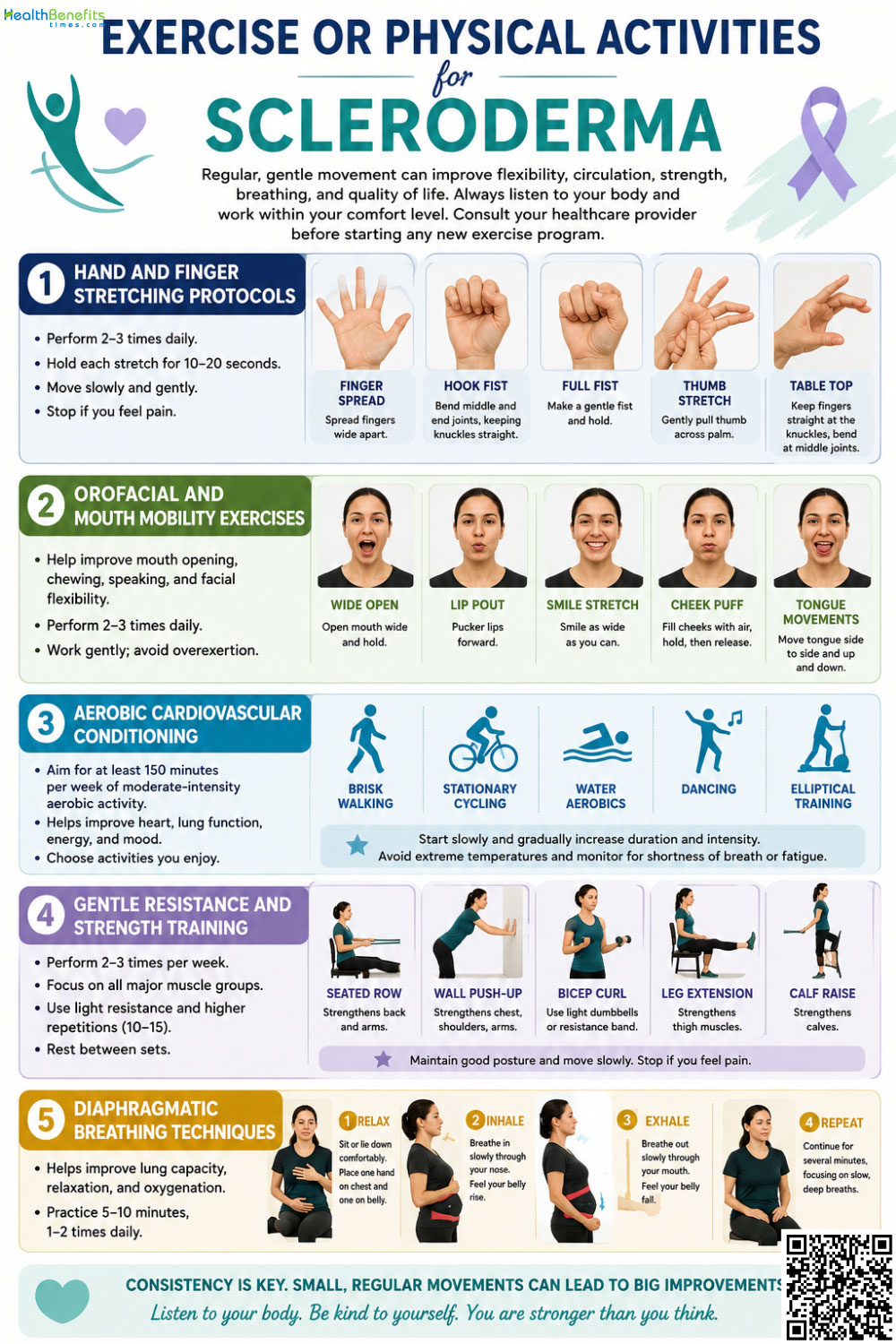
2. Orofacial and Mouth Mobility Exercises
Battling the shrinking of the facial skin is a unique challenge, as tightening around the jaw can quickly lead to a frustrating condition called microstomia, which is a severe physical limitation in the ability to fully open the mouth. This restriction severely complicates eating solid foods, speaking clearly to others, and maintaining the proper daily dental hygiene required to prevent tooth decay. Orofacial exercises are explicitly designed to aggressively but safely stretch the perioral tissues around the lips and mechanically increase the oral aperture over time. These therapeutic techniques include making wildly exaggerated facial expressions, employing manual stretching using the thumbs, and engaging in oral augmentation exercises that utilize stacked wooden tongue depressors to gently force the jaw to open wider and wider 21.
Note: You can do this at home by hooking your clean thumbs slightly inside the corners of your mouth and gently pulling outward for a five-second stretch, or by placing a small stack of wooden tongue depressors between your side teeth and holding them there while you watch television.
3. Aerobic Cardiovascular Conditioning
Protecting the heart and lungs is quite literally a matter of life and death, making baseline cardiovascular fitness a vitally important goal for this specific patient population. Engaging in carefully supervised aerobic exercises, such as brisk walking, riding a stationary cycling machine, or participating in water aerobics, actively helps improve peak oxygen uptake and overall cardiac pumping function. Regular aerobic activity also naturally boosts total systemic circulation, which helps push warm blood to the freezing extremities, and floods the brain with endorphins that powerfully combat disease-related fatigue and the heavy fog of depression 22.
Note: You can incorporate this by engaging in twenty to thirty minutes of low-impact, steady walking on a flat treadmill or swimming slow laps in a heated pool, making sure to maintain a moderate pace where you can still comfortably hold a conversation without gasping.
4. Gentle Resistance and Strength Training
Counteracting the physical decline of the body requires effort, as muscle atrophy and profound physical weakness almost always accompany chronic autoimmune diseases due to a combination of sedentary habits and high systemic inflammation. Implementing a routine of moderate-load resistance training safely helps rebuild lost muscle mass, firmly stabilize the wobbly joints, and drastically improve your functional independence as you age. By actively strengthening the major muscles surrounding stiff, painful joints, patients can better support their skeletal structure, which significantly reduces friction pain and makes heavy daily tasks like lifting objects or standing up from a low chair much easier 23.
Note: You can practice this by using very light dumbbells or simple elastic resistance bands two to three times a week, completely focusing your attention on slow, highly controlled movements that target your arms, your legs, and your core muscles.
5. Diaphragmatic Breathing Techniques
Focusing on the breath is paramount because interstitial lung disease which is the permanent scarring of the delicate lung tissue affects a massive portion of scleroderma patients, making preserving every ounce of lung capacity essential for survival. Practicing diaphragmatic breathing and engaging in controlled coughing exercises fall directly under the critical umbrella of pulmonary rehabilitation. These highly specific exercises strengthen the large diaphragm muscle, vastly improve the exchange of oxygen and carbon dioxide, and physically help patients manage the terrifying sensation of breathlessness, thereby improving overall physical endurance 24.
Note: You can do this by sitting up very straight, placing one hand flat on your stomach, and taking a slow, deep breath in through your nose so that your stomach actively pushes out against your hand, then exhaling very slowly through tightly pursed lips.
Foods to Avoid and Activities to Avoid
Taking control of systemic sclerosis extends far beyond what remedies you add to your daily routine; it also heavily relies on meticulously minimizing your exposure to the internal dietary and external environmental triggers that actively exacerbate the condition.
Foods to Avoid When You Suffer from Scleroderma
Dietary management is particularly important for controlling devastating gastrointestinal complications like Gastroesophageal Reflux Disease (GERD) and delayed stomach emptying.
1. Ultra-Processed Foods
Avoid consuming heavily processed, artificial items like instant noodles, packaged baked goods, and highly salted deli meats. These factory-made foods often contain dangerous chemical additives, artificial emulsifiers, and excess sodium that can severely disrupt your fragile gut microbiome and promote widespread systemic inflammation 25.
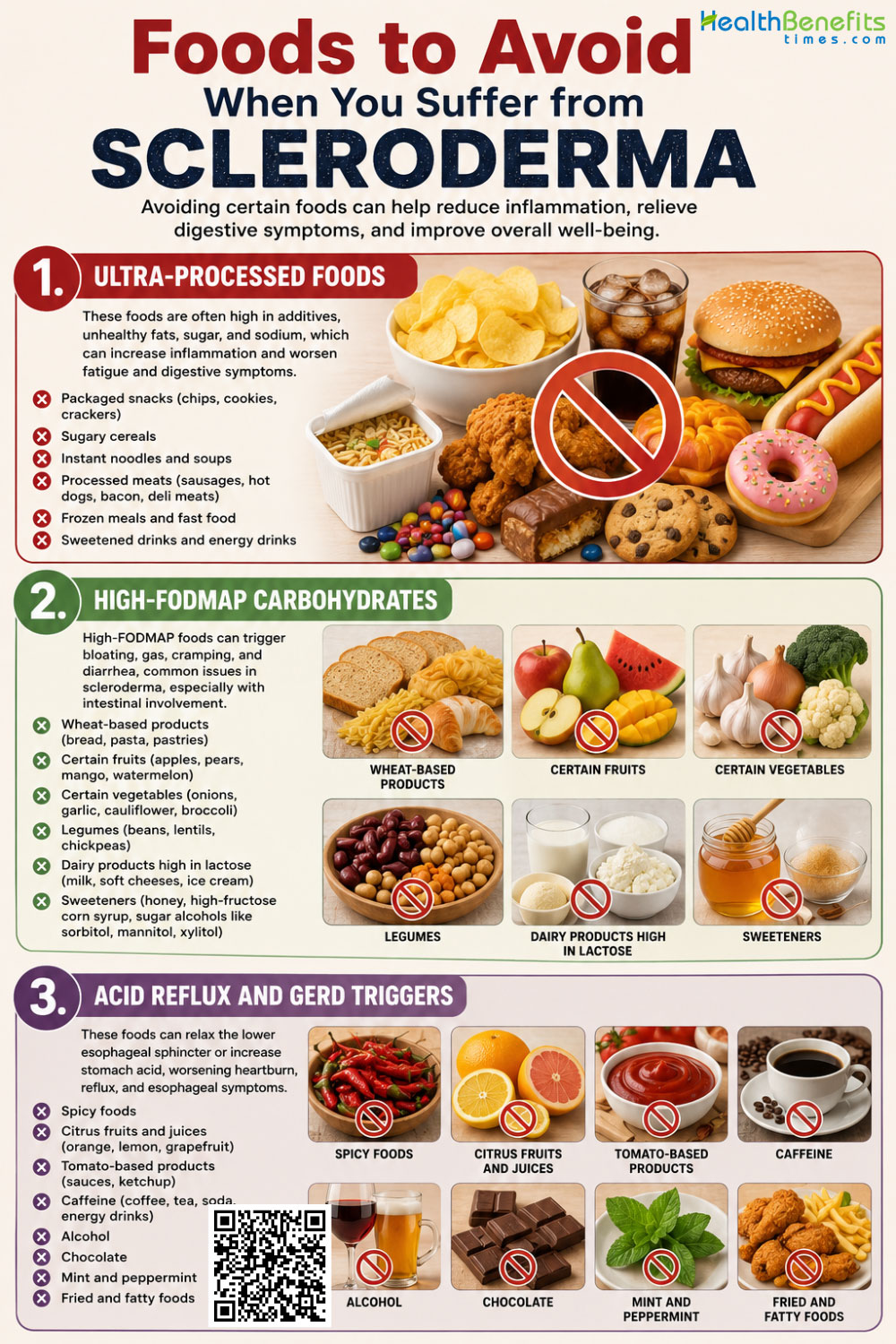
2. High-FODMAP Carbohydrates
If you regularly suffer from severe abdominal bloating and painful gas, it is crucial to minimize your intake of foods that are very high in fermentable sugars. This restrictive list includes heavy wheat products, heavy dairy, beans, lentils, and certain seemingly healthy produce like raw onions, garlic, apples, and peaches 26.
3. Acid Reflux and GERD Triggers
To prevent painful, burning acid reflux and protect the delicate lining of your esophagus from permanent erosive damage, you must completely steer clear of greasy fried foods, heavy red meat, hot chili spices, highly acidic citrus fruits, raw tomatoes, strong vinegar, and caffeinated coffee 27.
Activities to Avoid When You Suffer from Scleroderma
Certain ingrained lifestyle habits and physical actions can directly trigger severe vascular spasms or rapidly worsen your internal organ involvement.
1. Smoking and Tobacco Use
You must completely avoid smoking cigarettes or using any form of tobacco. Tobacco smoke directly and permanently damages the delicate inner lining of your blood vessels, which drastically worsens Raynaud’s phenomenon and aggressively accelerates fatal lung tissue damage 28.
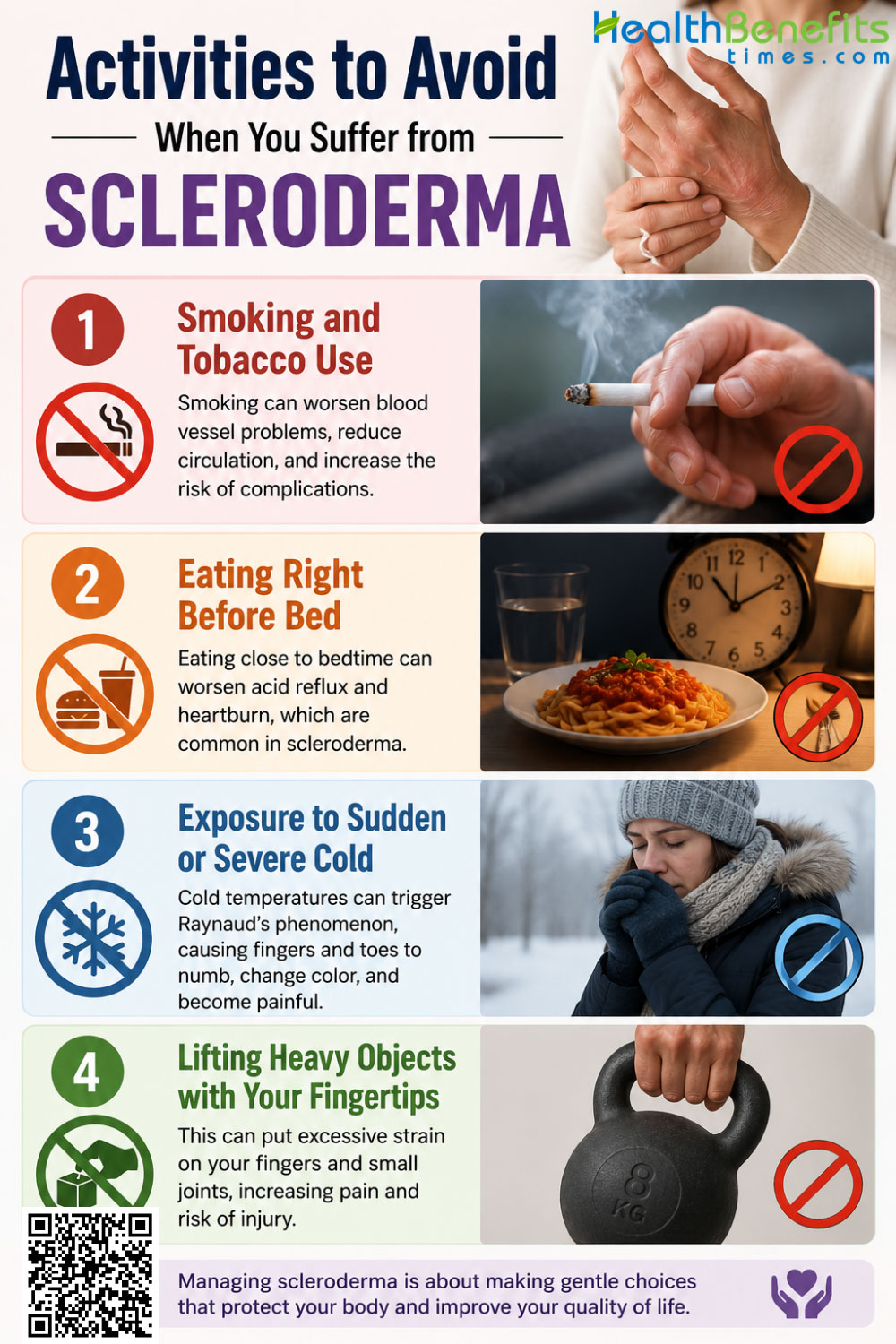
2. Eating Right Before Bed
Avoid the habit of consuming large meals or heavy snacks within three full hours of lying down to sleep. Eating late prevents gravity from assisting your weakened digestion, virtually guaranteeing that corrosive stomach acid will reflux freely into your esophagus during the night 29.
3. Exposure to Sudden or Severe Cold
Avoid reaching barehanded into deep freezers at the grocery store or spending extended time in heavily air-conditioned environments. Sudden, sharp temperature drops are the absolute primary trigger for causing painful, prolonged Raynaud’s attacks that starve your fingers of oxygen.
4. Lifting Heavy Objects with Your Fingertips
Avoid carrying heavy, bulky grocery bags by the thin plastic handles using just the tips of your fingers. This improper carrying technique places immense, unnecessary physical stress on highly vulnerable joints and compromised skin, potentially leading to microscopic tears and the formation of horrific digital ulcers.
Myths and Misconceptions
Because this condition remains quite rare in the general population, there is a massive amount of public misunderstanding regarding its true nature, how it spreads, and what treatments actually achieve.
| Myth | Reality |
| Scleroderma is highly contagious and can be easily caught from others. 30 | False. It is strictly an internal autoimmune disorder driven by a combination of genetic and environmental factors. It is biologically impossible to transmit the disease to another person through a handshake, cough, or any form of physical contact. |
| Scleroderma is purely a cosmetic skin condition that only causes wrinkles or stiffness. | False. While the localized forms primarily affect the skin, the systemic sclerosis variant deeply and fatally impacts major internal organs, including heavily scarring the lungs, heart, esophagus, and kidneys. |
| Drinking special teas, taking natural remedies, and eating strict diets can permanently cure the disease. | False. There is currently no known medical or natural cure for scleroderma anywhere in the world. Natural remedies can beautifully help manage symptoms and improve your quality of life, but they absolutely do not eliminate the underlying autoimmune dysfunction. |
| Only elderly individuals develop scleroderma. | False. While it can technically occur at almost any age, systemic scleroderma most frequently strikes individuals in the absolute prime of their active lives, typically presenting between 30 and 50 years of age. |
| All patients will eventually develop severe, life-threatening internal complications and die young. | False. The disease is incredibly variable. Many patients have mild, highly limited forms of the disease and go on to live long, highly productive, and completely normal lives with appropriate, ongoing symptom management. |
Special Considerations
Understanding that systemic sclerosis behaves radically differently depending on the patient’s age, specific life stage, and overlapping medical history is crucial. These unique physiological populations require highly tailored, extraordinarily vigilant care strategies to prevent catastrophic outcomes.
1. Children
Facing a diagnosis in youth is daunting, though juvenile-onset systemic sclerosis is incredibly rare, thankfully accounting for less than 5 percent of all reported scleroderma cases globally. While the eventual organ manifestations heavily mirror those seen in adults, affected children actually tend to have significantly better overall outcomes and much higher long-term survival rates. The initial onset in youth is usually slow and insidious, frequently beginning with isolated, unexplained Raynaud’s phenomenon long before any visible skin changes ever appear. Interestingly, the underlying genetic profile of pediatric patients often differs wildly from adult females with the disease, actually closely resembling the genetics of adult males, alongside unique gene associations 31. Care for these children focuses heavily on minimizing heavy systemic inflammation to ensure they maintain completely normal physical growth and a healthy psychological development trajectory.
2. Pregnancy
Historically speaking, achieving pregnancy in women with systemic sclerosis was considered an exceedingly dangerous, nearly impossible endeavor, but today, with meticulous multi-disciplinary planning, many women experience completely successful outcomes. However, the medical risks absolutely remain elevated compared to the general population. Pregnant individuals with the disease face notably higher rates of preterm deliveries, dangerous preeclampsia, and intrauterine growth restriction, which is a condition where the baby remains much smaller than expected inside the womb 32. Because of these risks, extensive pre-pregnancy counseling is absolutely vital; a high-risk physician must thoroughly evaluate the mother’s lung capacity and cardiac pumping function long before conception ever occurs. On a highly positive note, a significant number of women happily report a complete, albeit temporary, improvement in their painful Raynaud’s symptoms during pregnancy due to the body’s naturally increased blood volume and hormone-induced vasodilation.
3. Chronic Conditions
Navigating healthcare becomes exponentially more difficult because systemic sclerosis very often does not exist in total isolation. Many complex patients slowly develop what rheumatologists refer to as “overlap syndromes,” a situation where they simultaneously exhibit the diagnostic criteria for multiple other autoimmune disorders, such as Rheumatoid Arthritis, Systemic Lupus Erythematosus, or Sjögren’s syndrome 33. Managing multiple chronic conditions at once requires a highly delicate medical balancing act, as the powerful therapies used to suppress one disease might inadvertently worsen the other. For instance, severe pulmonary arterial hypertension can rapidly accelerate to a fatal point if compounding, overlapping inflammatory disorders are simply left unchecked. Furthermore, compounding gastrointestinal distress across multiple diseases can lead to chronic, severe malnutrition, which relentlessly worsens daily fatigue and drives profound anemia.
3. Elderly
Treating older populations presents unique hurdles; when scleroderma is newly diagnosed in older adults, or as patients with long-standing disease naturally age, the primary clinical focus shifts entirely toward managing cumulative, irreversible organ damage. The elderly are at a significantly higher biological risk for severe nutritional decline and frailty due to decades of long-term gastrointestinal impairment 34. Additionally, naturally aging cardiovascular systems are far less resilient when faced with the intense vascular demands of scleroderma, making terrifying complications like pulmonary hypertension and sudden scleroderma renal crisis much more perilous and harder to survive. Physical rehabilitation in the elderly must be extremely gentle but highly persistent to combat age-related muscle atrophy combined with the disease-driven joint immobility.
Precaution Before Use of Natural Remedies
While natural, holistic therapies offer beautifully gentle, supportive benefits, they are absolutely not entirely devoid of risks, especially when they are combined with a highly active, volatile immune disease and a complex daily regimen of prescription drugs.
1. Never Replace Prescribed Medications
You must never use natural, herbal remedies as a direct substitute for your physician-prescribed immunosuppressants, blood pressure controllers, or chemical vasodilators. Natural therapies are strictly supplemental; abandoning your core medical treatment can trigger rapid, life-threatening internal organ failure within days.
2. Beware of Blind Immune Stimulation
You should remember that scleroderma is fundamentally an autoimmune condition where the immune system is the enemy. Taking herbs or supplements aggressively marketed to “boost the immune system” (such as high doses of echinacea or elderberry) may theoretically worsen your condition by further stimulating the very hyperactive immune cells that are already attacking your healthy tissues 35.
3. Monitor for Accidental Vitamin Toxicity
You must be careful with fat-soluble vitamins, particularly Vitamin D and Vitamin E, because they are permanently stored in the body’s fatty tissues rather than being flushed out in urine. Taking massive, unregulated megadoses without routine laboratory monitoring can lead to highly dangerous internal toxicity, severely affecting your liver, kidneys, and calcium metabolism.
4. Always Check for Dangerous Drug Interactions
You need to understand that potent botanicals like Ginkgo biloba, high-dose Omega-3 fish oils, and concentrated turmeric possess naturally mild blood-thinning properties. If you are already taking heavy prescription anticoagulants or anti-platelet medications, blindly combining them with these herbs can dramatically increase your risk of suffering an uncontrollable internal bleed 36.
5. Proceed Carefully with Any New Physical Therapy
If you already suffer from significant, documented lung or heart involvement, pushing yourself too hard during a new aerobic exercise routine can cause unrecoverable cardiac damage. You must always receive explicit medical clearance and hands-on guidance from a specialized physical therapist before starting any heavy physical regimen.
When to See a Doctor
Because systemic sclerosis can occasionally cause rapid, completely unexpected acute crises within the internal organs, knowing exactly when to bypass home remedies and immediately seek emergency medical attention is absolutely crucial for your survival.
- Experiencing Sudden, Severe High Blood Pressure: If you notice that your blood pressure spikes abruptly to terrifyingly high levels, accompanied by a pounding headache, blurry vision, or deep mental confusion, you must seek emergency care immediately. This is the absolute hallmark of Scleroderma Renal Crisis, a deadly medical emergency requiring rapid, life-saving intervention with specialized ACE inhibitors to prevent irreversible kidney failure 37.
- Developing Severe Difficulty Swallowing or Choking: If you begin to frequently choke on your own saliva, or you find that solid food is consistently getting painfully stuck deep in your chest behind your breastbone, you need an immediate medical evaluation to prevent choking to death or accidentally aspirating food particles directly into your lungs 38.
- Noticing Unexplained, Worsening Shortness of Breath: If you experience a sudden, terrifying inability to catch your breath, or you notice rapidly worsening breathing difficulties during minimal exertion like walking to the mailbox, this may strongly indicate progressive lung scarring or dangerously rising blood pressure within the pulmonary arteries.
- Discovering Infected, Draining Digital Ulcers: If the painful, open sores on your fingertips begin to suddenly drain thick pus, become severely hot and inflamed, or if the surrounding tissue turns black and gangrenous, you require urgent medical wound care and heavy antibiotics to prevent deep bone infection or surgical amputation 39.
- Suffering Extreme, Unintentional Weight Loss: If you experience rapid, unexplained weight loss coupled with chronic, daily diarrhea or sudden fecal incontinence, this clearly signals severe intestinal malabsorption, a condition which can quickly lead to life-threatening malnutrition if not medically managed by a gastroenterologist.
Comments
comments