

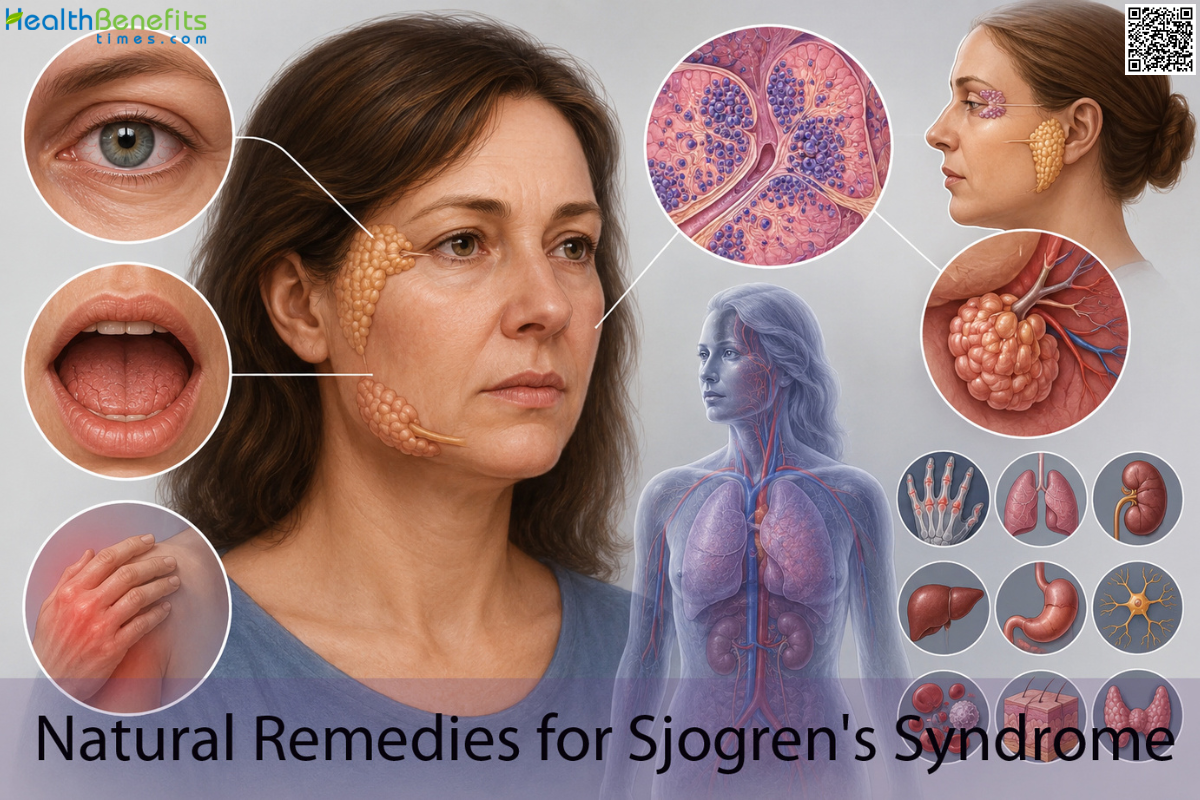
Causes of Sjogren’s Syndrome
1. Autoimmune System Dysfunction
An abnormal immune response where T and B lymphocytes attack the body’s own exocrine glands, leading to chronic inflammation and glandular dysfunction.
2. Genetic Susceptibility
Inherited genetic factors play a significant role, particularly specific Human Leukocyte Antigen (HLA) alleles (such as HLA-DR and HLA-DQ) and polymorphisms in genes controlling immune differentiation like IRF5 and CXCR5.
3. Environmental Triggers
Exposure to certain infectious agents or viruses can trigger the disease in genetically susceptible individuals. Pathogens such as the Epstein-Barr virus (EBV) and Hepatitis C are considered potential pathogenic triggers that activate an innate immune response.
4. Hormonal Factors
Hormonal abnormalities and regulation heavily influence the onset of the condition. It predominantly affects women during their perimenopausal and postmenopausal years, indicating a strong hormonal link.
5. Epigenetic Alterations
Epigenetic processes, including DNA methylation and alterations in micro-RNA signaling, affect the epithelial cells of salivary glands and contribute to autoimmune responses.
Symptoms of Sjogren’s Syndrome
1. Dry eyes (keratoconjunctivitis sicca)
Sensations of grittiness, burning, redness, blurred vision, and the need for frequent artificial tears.
2. Dry mouth (xerostomia)
Difficulty chewing and swallowing dry food, hoarseness, accelerated dental decay (cavities), recurrent mouth infections, and frequently needing water at the bedside.
3. Swollen salivary glands
Painless or painful enlargement of the major salivary glands, particularly the parotid glands located behind the jaw.
4. Systemic dryness
Significant dryness affecting the skin, nasal passages, airways (tracheobronchial tree), and vagina.
5. Profound fatigue
Extreme, chronic tiredness that limits physical capacity and impacts daily functioning.
6. Musculoskeletal symptoms
Chronic joint pain (arthralgia), stiffness, and muscle aches.
7. Neurological and cognitive issues
Cognitive impairment commonly described as “brain fog,” severe headaches, restless leg syndrome, and peripheral neuropathy (numbness or tingling in the extremities).
8. Organ involvement (extra-glandular)
Symptoms related to inflammation in the lungs (such as chronic cough or shortness of breath from interstitial lung disease), kidneys (interstitial nephritis), and gastrointestinal tract. 1, 2
Natural Remedies for Sjögren’s Syndrome

Herbs that contain high levels of mucilage, such as blond plantago and tragacanth, naturally coat the mucous membranes to trap moisture. This action serves as a gentle, botanical saliva substitute for a dry mouth. Clinical observations in traditional medicine indicate that mucilaginous herbs can effectively reduce oral discomfort and soothe irritated gastrointestinal tracts in individuals experiencing systemic dryness. You can prepare these herbs as soothing water-based extracts, gargles, or mild mouthwashes to apply directly to dry oral tissues. These remedies are generally well-tolerated. However, swallowing large amounts of raw mucilage without adequate water may cause digestive blockages. Discontinue use if throat irritation occurs.
2. Acupuncture
This traditional practice involves inserting very thin needles into specific points on the body to stimulate the nervous system. This process can promote better blood circulation and encourage localized salivary gland function. Although broad clinical trials present mixed efficacy, several case studies and patient surveys indicate that acupuncture provides subjective relief from severe dry mouth, joint pain, and disease-related fatigue. You should strictly receive treatment from a certified, licensed acupuncturist who follows sterile procedures and has experience treating complex autoimmune conditions. Mild side effects may include temporary soreness, minor bruising, or light bleeding at the insertion sites. It is not recommended for individuals with severe bleeding disorders.
3. Mind-Body Interventions
Chronic autoimmune diseases carry a significant psychological and physical burden. Relaxation techniques and meditation help lower stress hormones, easing muscle tension and fighting severe autoimmune fatigue. Extensive surveys of patients with Sjögren’s syndrome demonstrate that a large majority of individuals who practice meditation or structured relaxation report noticeable improvements in their overall mental well-being and daily energy levels. You can practice basic deep breathing, guided visualization, or mindful meditation daily at home using specialized audio guides or by attending local community classes. These behavioral therapies are highly safe and carry no physiological side effects.
Foods to Avoid When You Suffer from Sjögren’s Syndrome
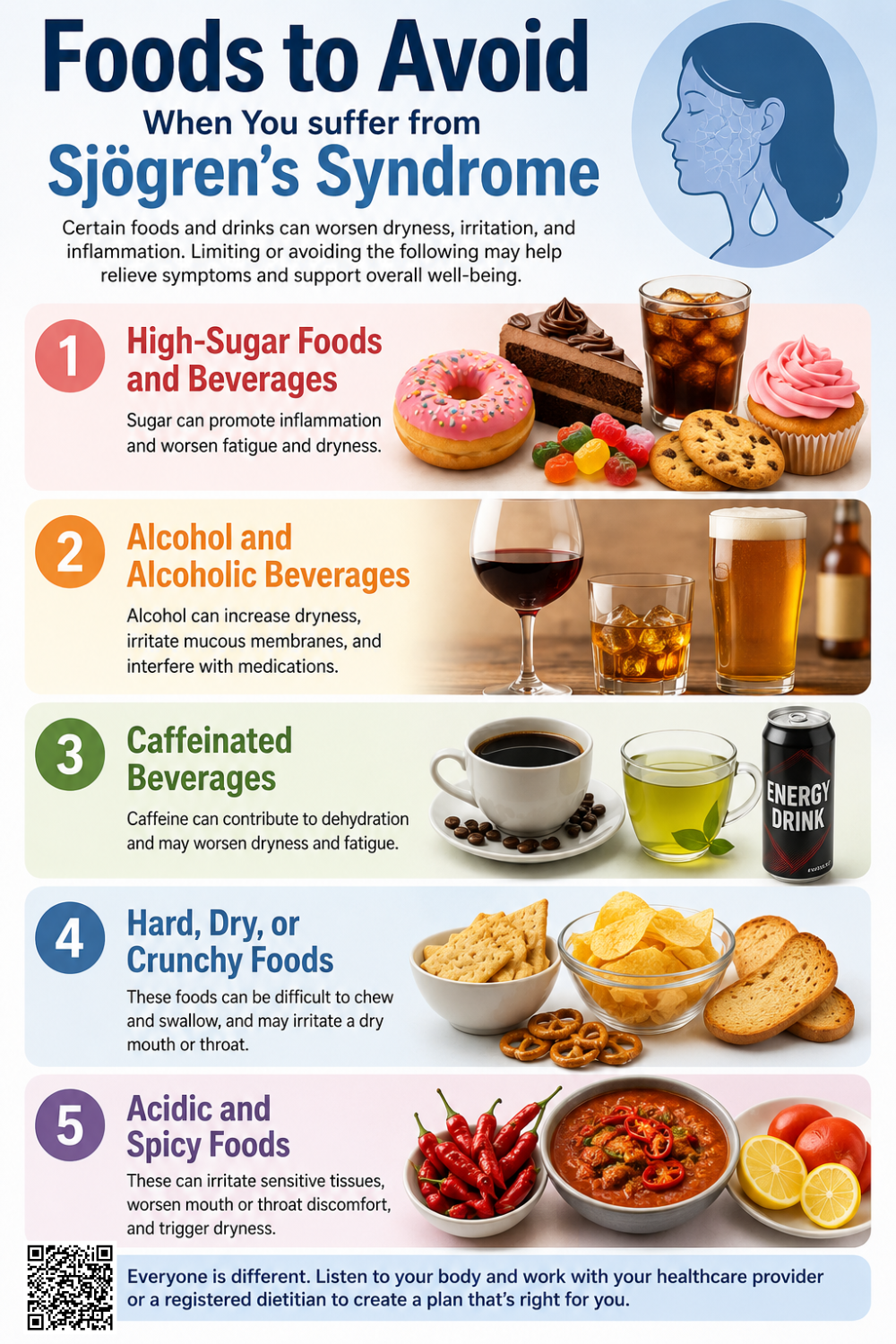
Individuals with Sjögren’s syndrome suffer from severely reduced salivary flow, which compromises the mouth’s ability to neutralize acids and wash away food debris. Consuming a diet high in sugar leads to an overproduction of acid by oral microorganisms, drastically increasing the risk of rampant dental caries. To preserve your remaining oral health, it is critical to avoid sugary snacks, candies, and sweetened beverages. 3, 4
2. Alcohol and Alcoholic Beverages
Alcohol has a significant dehydrating effect on both the body and the oral mucosa. For those already experiencing xerostomia (dry mouth) due to compromised salivary glands, alcoholic beverages further exacerbate dryness, discomfort, and difficulty speaking or swallowing. Clinical guidelines highly recommend avoiding alcohol to help maintain essential moisture in your oral cavity. 5, 6
3. Caffeinated Beverages
Similar to alcohol, caffeine acts as a mild diuretic and has been shown to increase systemic dehydration. Studies indicate that patients who regularly consume caffeine report significantly higher instances of symptomatic xerostomia and oral discomfort compared to those who do not. Abstaining from caffeinated coffee, tea, and sodas can help mitigate the severity of your dry mouth symptoms. 7, 8
4. Hard, Dry, or Crunchy Foods
Without adequate saliva to soften and lubricate food, dry and crunchy items such as crackers, chips, and dry toast become incredibly difficult to chew and swallow safely. Furthermore, the sharp edges of these unsoftened foods can easily abrade or injure the delicate, under-lubricated oral tissues, leading to lasting pain and potential sores. 9, 10
5. Acidic and Spicy Foods
The lack of protective saliva leaves the oral mucosa highly vulnerable to irritation and inflammation. Spicy foods can trigger intense burning sensations and oral pain, while highly acidic foods—such as citrus fruits, tomatoes, and vinegar—not only cause severe discomfort but also accelerate the erosion of unprotected tooth enamel. Minimizing these harsh irritants is essential for daily comfort and structural tooth protection (Singh et al., 2019). 11, 12
When To see Doctor when you have Sjögren’s Syndrome
1. Severe Vision Changes or Ocular Pain
While dry eyes are a hallmark of Sjögren’s, sudden shifts in your vision or significant eye pain are not normal. If you experience rapidly worsening blurred vision, extreme light sensitivity, or a persistent scratching sensation that does not improve with artificial tears, it may indicate a serious complication like a corneal ulcer or perforation. These are vision-threatening medical emergencies that require immediate intervention from an ophthalmologist. 13, 14
2. Breathing Difficulties and Persistent Cough
Sjögren’s can affect the moisture-producing glands in your respiratory tract, but it can also target the lung tissue itself. If you develop a chronic, dry cough or start feeling short of breath during routine activities, it is crucial to consult a healthcare provider. These symptoms can be early warning signs of interstitial lung disease (ILD) or tracheobronchial disease, which require prompt imaging (like a high-resolution CT scan) and pulmonary evaluation. 15, 16
3. Sudden Muscle Weakness or Paralysis
Though less common, Sjögren’s can involve your kidneys, leading to conditions like distal renal tubular acidosis. This disrupts how your body handles acids and electrolytes, occasionally causing dangerously low potassium levels (hypokalemia). If you experience profound, unexplained muscle weakness, severe cramps, or episodes of flaccid paralysis in your limbs, seek emergency medical attention immediately. This is a severe complication that requires urgent intravenous electrolyte correction. 17, 18
4. Neurological Symptoms and Severe “Brain Fog”
It can be incredibly frustrating to deal with the cognitive hurdles of Sjögren’s, but significant neurological shifts warrant a specialized medical visit. If you develop numbness, burning, or tingling in your hands and feet (peripheral neuropathy), or experience severe cognitive impairment, seizures, or meningitis-like symptoms (such as a stiff neck and severe headache), contact a neurologist. Both the central and peripheral nervous systems can be directly impacted by the condition’s inflammatory pathways. 19, 20
5. Widespread Joint Pain, Swollen Glands, and Debilitating Fatigue
The daily exhaustion of Sjögren’s is already a heavy burden, but if you notice a sudden, severe spike in your symptoms—such as painful swelling in your parotid glands (at the jawline), new symmetric joint pain and stiffness, or fatigue that completely prevents you from functioning—it is time to check in with your rheumatologist. These systemic flares may require an adjustment in your immunosuppressive therapies or screening for concurrent autoimmune disorders. 21
Comments
comments