


Causes of Skin Lesions
1. Infections
Bacterial, viral, fungal, and parasitic pathogens are among the most frequent origins of skin abnormalities. For example, bacterial infections from staphylococcus or streptococcus bacteria often lead to localized abscesses, impetigo, or cellulitis. Viral pathogens, such as the varicella-zoster virus, cause conditions like chickenpox and shingles, which present as painful, fluid-filled blisters 3. Additionally, parasitic infestations like scabies create intensely itchy, raised bumps through superficial skin burrowing 4.
2. Autoimmune and Inflammatory Disorders
Conditions where the body’s immune system mistakenly attacks healthy skin tissue frequently produce chronic lesions. Psoriasis, a chronic inflammatory disorder, creates thick, red plaques covered with silvery scales due to an abnormally rapid buildup of skin cells 5. Eczema and lupus also cause persistent, inflammatory rashes or scaling patches that flare up periodically.
3. Allergic Reactions and Environmental Exposures
Physical contact with environmental irritants, harsh chemicals, or specific allergens triggers a localized immune response known as contact dermatitis, producing red, itchy, or blistering skin. Furthermore, hypersensitivity reactions to insect bites, plant toxins, or certain medications can lead to localized swelling, hives, and raised skin papules.
4. Systemic Diseases and Metabolic Conditions
Internal chronic diseases frequently manifest externally as skin lesions. For instance, individuals with diabetes mellitus are prone to specific skin complications and slow-healing ulcers due to poor blood circulation, nerve damage, and altered immune responses 6. Conditions affecting the liver or blood vessels can similarly cause distinct vascular lesions or severe changes in skin pigmentation.
5. Cellular Mutations and Malignancies
Uncontrolled, abnormal cellular growth within the skin tissue leads to cancerous lesions. Chronic exposure to ultraviolet radiation from the sun damages cellular DNA, significantly increasing the risk of malignant lesions such as basal cell carcinoma, squamous cell carcinoma, and melanoma 7. These dangerous lesions often appear as irregularly shaped moles, unhealed bleeding sores, or continuously changing pigmented spots.
6. Physical Trauma and Mechanical Injury
Direct injury to the skin—including cuts, persistent friction, surgical incisions, or thermal burns—immediately disrupts the skin barrier and forms acute primary lesions 8. As the body repairs the localized tissue damage, these initial injuries predictably evolve into secondary skin lesions such as crusts, scabs, and permanent scars.
Symptoms of Skin Lesions
1. Changes in Color and Pigmentation
A noticeable change in skin color is a primary indicator of a skin abnormality. These areas can appear as flat patches that are red, pink, brown, black, or entirely without color. Irregular color distribution, multiple colors within a single spot, or a sudden darkening of an existing mole are critical warning signs used by clinicians to identify potentially cancerous lesions like melanoma 9.
2. Severe Itching
An overwhelming urge to scratch the affected area is the most frequent symptom associated with surface-level skin disorders. Persistent itching commonly accompanies inflammatory lesions, allergic reactions, and parasitic infestations, and excessive scratching can further damage the skin barrier, leading to dangerous secondary bacterial infections 10.
3. Pain, Burning, and Tenderness
Many lesions cause significant physical discomfort even without being touched. Bacterial infections often produce swollen, warm, and highly tender lumps under the skin, while viral outbreaks generate nerve-related burning, stinging, or shooting pain in the localized area where the skin rash occurs 11.
4. Texture Alterations and Elevation
The physical feel of the skin often changes, resulting in raised bumps, firm lumps, or thick patches. Chronic inflammatory conditions cause the skin cells to build up rapidly, developing dry, rough, or leathery plaques that crack, flake, and peel over time.
5. Fluid Discharge and Blistering
Certain lesions present as small or large fluid-filled sacs on the skin surface. When these blisters rupture due to pressure or disease progression, they may leak clear fluid, blood, or pus, which typically signals an active infection, an autoimmune blistering disease, or a severe allergic response 12.
6. Open Sores and Ulceration
In severe cases, lesions break down the deeper layers of skin tissue, forming open wounds or craters. These ulcers may fail to heal properly, especially in individuals with poor blood circulation or advanced metabolic conditions, requiring specialized medical wound care to prevent severe tissue death.
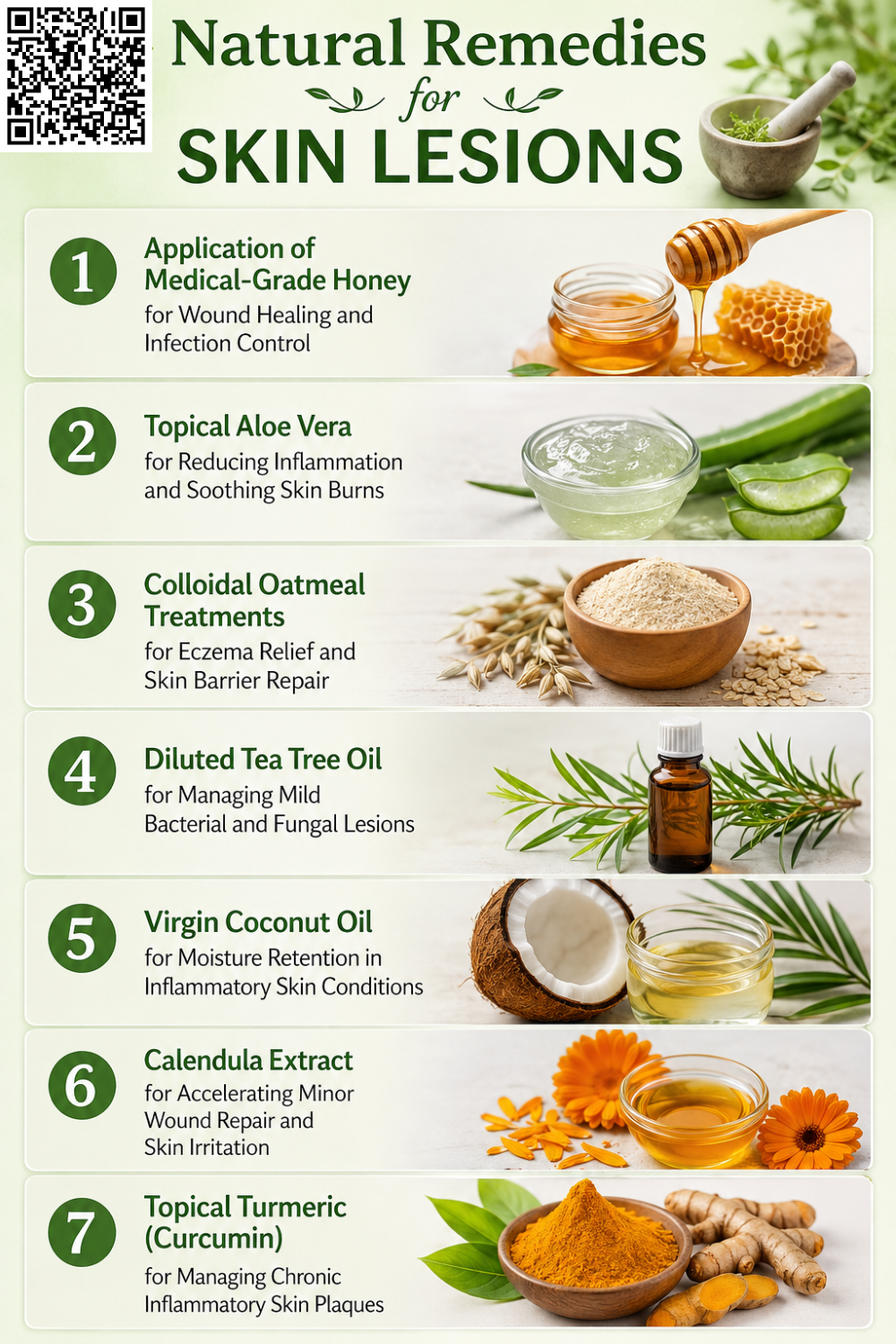
1. Application of Medical-Grade Honey for Wound Healing and Infection Control
How it may help
Medical-grade honey creates a moist healing environment that prevents tissue from drying out and scarring. It contains natural enzymes that produce hydrogen peroxide, which clears away dead skin cells and destroys harmful bacteria, protecting open skin lesions from further infection 13.
What research says
Clinical studies demonstrate that applying medical-grade honey significantly reduces healing time for minor burns and infected wounds compared to standard gauze dressings 14. Research confirms its high sugar concentration and acidic nature actively inhibit the growth of common antibiotic-resistant skin bacteria 15.
How to use it safely
Do not apply raw grocery store honey to your skin. Instead, squeeze medical-grade, sterilized honey onto a clean, sterile gauze pad. Place the pad gently over the lesion and secure it with medical tape. Change the dressing daily or whenever it becomes heavily saturated with fluid.
Potential precautions or side effects
You may experience mild stinging upon application. Stop use immediately if increased swelling or redness occurs, as this may indicate a rare allergic reaction to trace bee pollen.
2. Topical Aloe Vera for Reducing Inflammation and Soothing Skin Burns
How it may help
Aloe vera gel contains vitamins, enzymes, and specialized plant compounds that naturally cool the skin and lock in moisture. When applied to superficial skin lesions like minor burns or inflammatory rashes, these compounds help block pain pathways and reduce localized redness and swelling 16.
What research says
Clinical reviews confirm that applying topical aloe vera significantly speeds up the healing process of first- and second-degree burns compared to standard burn treatments 17. Furthermore, active compounds within the plant extract stimulate collagen production, which helps repair damaged skin barriers in inflammatory skin conditions.
How to use it safely
Wash the affected skin gently with mild soap and water. Apply a thin layer of pure, fragrance-free aloe vera gel directly to the intact lesion or minor burn up to three times a day. Do not apply the gel to deep, open wounds or severe burns.
Potential precautions or side effects
Always test a small amount of gel on healthy skin first. Stop use if you experience a burning sensation, itching, or increased redness, which suggests an allergic reaction.
3. Colloidal Oatmeal Treatments for Eczema Relief and Skin Barrier Repair
How it may help
Colloidal oatmeal binds to the skin to create a protective film that traps moisture and restores the compromised skin barrier. It contains specific plant chemicals called avenanthramides that relieve severe itching, soothe redness, and decrease swelling associated with dry, inflammatory skin lesions like eczema and contact dermatitis 18.
What research says
Clinical studies conclude that topical colloidal oatmeal significantly improves skin dryness, scaling, and itch intensity in patients with chronic eczema. Furthermore, research confirms its active compounds directly suppress the release of inflammatory proteins, providing measurable relief for irritated skin and promoting surface-level cellular repair 19.
How to use it safely
Sprinkle one cup of finely ground colloidal oatmeal into a bathtub filled with lukewarm water. Soak your body for 10 to 15 minutes, then gently pat your skin dry with a clean towel. Immediately apply a fragrance-free moisturizer to lock in the hydration.
Potential precautions or side effects
Colloidal oatmeal is highly safe, but you should avoid it if you have a known oat allergy. Discontinue use if you develop increased redness, stinging, or an unexpected rash.
4. Diluted Tea Tree Oil for Managing Mild Bacterial and Fungal Lesions
How it may help
Tea tree oil contains active plant compounds that break down the outer protective walls of harmful bacteria and fungi. When applied to mild skin lesions, such as inflamed acne or superficial fungal rashes, these compounds help stop the spread of infection and reduce localized swelling 20.
What research says
Clinical reviews confirm that tea tree oil exhibits strong antimicrobial activity against common skin pathogens, including staphylococcus bacteria and fungi that cause athlete’s foot. Research concludes it is a clinically effective topical treatment for reducing the severity of mild to moderate superficial skin infections.
How to use it safely
Never apply pure tea tree oil directly to your skin. Always dilute one to two drops of the essential oil into a tablespoon of a carrier oil, like olive or jojoba oil. Gently dab this mixture onto the specific lesion using a clean cotton swab once daily.
Potential precautions or side effects
Undiluted tea tree oil causes severe skin irritation and chemical burns. Stop using it immediately if you develop a red, blistering rash, which indicates allergic contact dermatitis.
5. Virgin Coconut Oil for Moisture Retention in Inflammatory Skin Conditions
How it may help
Virgin coconut oil contains specific fatty acids, particularly lauric acid, which deeply hydrate dry, inflamed skin. By creating a physical barrier on the skin surface, it traps moisture inside and prevents environmental irritants from worsening chronic inflammatory lesions, such as those caused by mild eczema or localized dermatitis.
What research says
Clinical studies show that applying virgin coconut oil significantly improves skin hydration and reduces surface fluid loss in patients with chronic dry skin conditions 21. Furthermore, research confirms its fatty acid profile provides mild antibacterial properties, which helps prevent secondary skin infections common in scratched, inflamed lesions 22.
How to use it safely
Wash and gently pat the affected area dry. Take a small amount of cold-pressed, unrefined virgin coconut oil and massage it into the dry lesion until fully absorbed. Apply this twice daily, ideally immediately after bathing, to lock in maximum moisture and soothe skin irritation.
Potential precautions or side effects
Coconut oil can clog pores, so avoid using it on acne-prone areas. Discontinue use if you experience increased redness or itching, which may indicate a rare topical allergy.
6. Calendula Extract for Accelerating Minor Wound Repair and Skin Irritation
How it may help
Calendula extract contains active plant compounds that reduce inflammation and promote new tissue growth 23. When applied to minor skin lesions, cuts, or superficial burns, it increases local blood flow, which naturally speeds up the skin’s physical repair process and soothes mild irritation.
What research says
Clinical studies conclude that calendula extract significantly accelerates minor wound healing by stimulating collagen production, a vital protein needed to rebuild damaged skin barriers. Research also confirms its anti-inflammatory properties effectively reduce localized swelling and redness associated with acute skin trauma 24.
How to use it safely
Wash the minor lesion gently with mild soap and water. Apply a thin layer of over-the-counter calendula cream or ointment directly to the affected area up to three times daily. Do not use calendula extracts on deep wounds or actively bleeding lesions.
Potential precautions or side effects
Avoid calendula if you have allergies to plants in the daisy family, such as ragweed, as it may trigger severe allergic contact dermatitis upon application.
7. Topical Turmeric (Curcumin) for Managing Chronic Inflammatory Skin Plaques
How it may help
Turmeric contains curcumin, a potent active compound that directly blocks the biological pathways responsible for skin cell overgrowth. When applied to chronic skin lesions, such as thick psoriasis plaques, curcumin helps reduce severe redness, scaling, and the rapid buildup of irritated skin tissue 25.
What research says
Clinical reviews confirm that topical curcumin significantly decreases the severity of chronic inflammatory skin diseases, particularly psoriasis, by slowing down abnormal cell division 26. Research concludes it is a safe and effective supplemental treatment for reducing plaque thickness and soothing persistent inflammatory lesions 27.
How to use it safely
Mix one teaspoon of pure turmeric powder with a soothing carrier, like virgin coconut oil, to form a thick paste. Apply a thin layer directly to the affected plaque, leave it on for 15 minutes, and rinse gently with warm water. Repeat once daily.
Potential precautions or side effects
Turmeric temporarily stains the skin a bright yellow color. Discontinue use if you experience localized burning or a new rash, as some individuals develop allergic contact dermatitis from topical application.
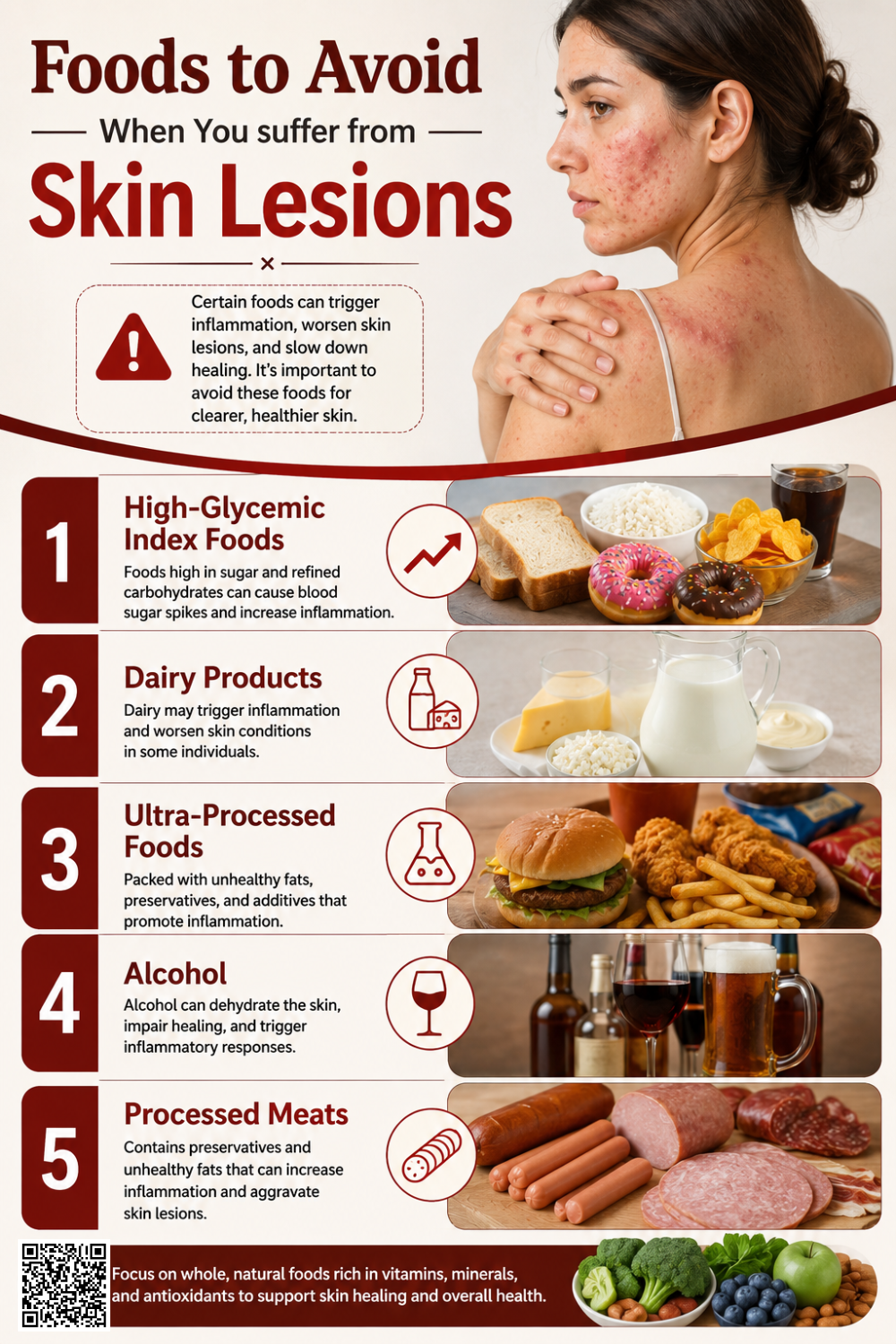
1. High-Glycemic Index Foods
Refined carbohydrates like white bread spike blood sugar, increasing systemic inflammation and worsening chronic inflammatory skin lesions such as acne and psoriasis 28.
2. Dairy Products
Cow’s milk contains hormones that stimulate excessive oil production and trigger cellular inflammation, significantly aggravating breakouts and delaying the healing of existing lesions 29.
3. Ultra-Processed Foods
Packaged foods high in trans fats and preservatives promote chronic internal inflammation, which directly exacerbates autoimmune skin plaques and prevents natural tissue repair 30.
4. Alcohol
Alcohol consumption impairs skin hydration, delays wound healing, and severely triggers flare-ups in inflammatory skin conditions like psoriasis and rosacea by dilating blood vessels 31.
5. Processed Meats
Meats with high levels of saturated fats and chemical preservatives trigger inflammatory immune responses, which can worsen eczema rashes and disrupt the skin’s protective barrier 32.
When To See a Doctor When You Suffer from Skin Lesions
1. Rapid Mole Changes
Consult a doctor if a mole exhibits asymmetry, irregular borders, multiple colors, or rapid changes in size, as these are primary warning signs of melanoma 33.
2. Signs of Infection
Seek immediate care if a lesion becomes excessively painful, warm to the touch, leaks yellow pus, or is accompanied by a fever, indicating a severe bacterial infection 34.
3. Failure to Heal
You should be evaluated by a physician if any skin sore, ulcer, or scaly patch bleeds easily and fails to heal completely within two to three weeks 35.
4. Sudden, Widespread Eruptions
Visit a hospital if a blistering rash spreads rapidly across your body, especially if it affects mucous membranes, as this indicates a severe allergic reaction 36.
5. Impaired Daily Function
Schedule a medical consultation if chronic lesions, such as severe psoriasis plaques, cause extreme physical discomfort, severely disrupt your sleep, or resist standard over-the-counter treatments 37.
Comments
comments