

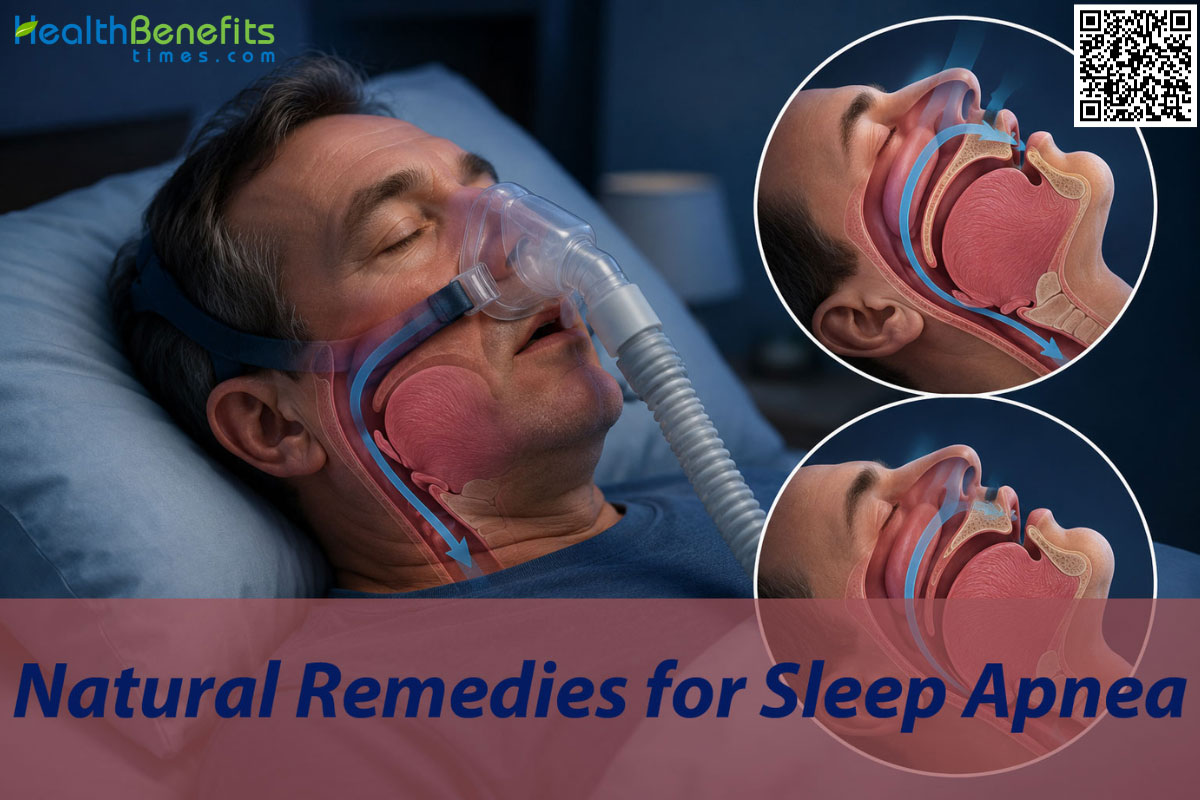
Causes of Sleep Apnea
1. Excessive Body Weight and Adipose Tissue
Carrying excess body fat, particularly centralized around the neck and upper torso, profoundly narrows the internal diameter of the pharyngeal passage. Overweight individuals frequently accumulate substantial lipid deposits within the tongue and soft palate, making these anatomical structures significantly heavier and far more prone to collapsing backward when muscle tone naturally relaxes during the sleep cycle 5.
2. Anatomical and Craniofacial Abnormalities
Natural skeletal variations in bone structure and tissue size heavily dictate the absolute openness of the respiratory tract. Individuals possessing a shorter lower jaw relative to the upper jaw (retrognathia), a highly arched hard palate, or a disproportionately large tongue are biologically predisposed to experiencing breathing blockages, as their inherent airway space is fundamentally more confined from birth 2.
3. Hypertrophic Tonsils and Adenoids
Glandular lymphatic tissues located at the back of the throat serve a frontline immune function, but when they become chronically enlarged, they act as massive physical barriers. This specific condition is notably recognized as a primary driver of disrupted respiration in pediatric populations, as the outsized tissues consume the extremely limited space within a child’s developing airway 6.
4. Fluid Redistribution Dynamics
Daily upright activities often involve prolonged standing or sitting, causing blood plasma and interstitial fluids to pool heavily in the lower extremities due to gravitational force. Upon lying flat for sleep, this accumulated fluid rapidly migrates upward into the parapharyngeal spaces of the neck and chest, directly applying outward compressive pressure on the windpipe and worsening obstruction 7.
5. Endocrine and Hormonal Fluctuations
Chemical messengers govern the structural integrity of tissues throughout the entire body. Disorders such as polycystic ovary syndrome, advanced hypothyroidism, and general hormonal imbalances can drastically alter the physical shape of the face and upper respiratory tract, while simultaneously disrupting the brain’s baseline respiratory drive 8.
6. Advanced Age and Neuromuscular Decline
As humans grow older, the natural elasticity and baseline tension of the muscles supporting the throat gradually weaken and atrophy. Simultaneously, the neurological pathways responsible for coordinating rhythmic breathing and detecting drops in blood oxygen become far less responsive, drastically increasing vulnerability to both central and obstructive respiratory events 9.
7. Inherited Genetic Traits
Susceptibility to respiratory blockages often runs deep within family lineages and ancestral genetics. Genetic markers heavily influence jaw alignment, metabolic fat distribution patterns, and upper airway soft tissue architecture, meaning that having immediate relatives with the disorder substantially elevates personal risk independent of other lifestyle factors 10.
8. Detrimental Lifestyle Factors
Consuming toxic substances predictably destabilizes the delicate tissues of the airway. The consumption of alcohol chemically forces throat muscles to relax beyond normal parameters, while inhaling tobacco smoke triggers chronic inflammation, severe swelling, and fluid retention throughout the upper respiratory tract 11.
Symptoms of Sleep Apnea
- Loud and Disruptive Snoring: Forcing oxygen through a heavily narrowed or partially collapsed respiratory passage creates intense, violent tissue vibrations, resulting in loud, chronic snoring that frequently disturbs bed partners and penetrates through walls 12.
- Witnessed Respiratory Pauses: Bed partners commonly observe the patient entirely stopping breathing for several seconds to over a full minute, followed immediately by sudden choking, gasping, or harsh snorting as the brain urgently forces a micro-awakening to prevent suffocation 13.
- Excessive Daytime Drowsiness: Because the disorder shatters normal, restorative sleep architecture into fragmented pieces, patients endure profound daytime fatigue, rendering them perpetually unrefreshed, lethargic, and groggy despite spending an adequate number of hours in bed 14.
- Refractory Morning Headaches: Waking up consistently with a dull, pervasive, and hard-to-treat headache is a direct physiological consequence of enduring repetitive oxygen desaturations and toxic carbon dioxide retention in the bloodstream throughout the night 2.
- Cognitive Impairment and Forgetfulness: Chronic oxygen deprivation inflicts immense oxidative stress on the cerebral cortex, frequently manifesting as poor concentration, severe short-term memory loss, and a noticeable, frustrating decline in executive functioning during waking hours 1.
- Mood Instability and Irritability: The immense neurological toll of severe sleep deprivation heavily impairs emotional regulation networks in the brain, leading to heightened irritability, sudden mood swings, clinical depression, and a significantly grumpier general disposition 15.
- Involuntary Microsleeps: Advanced, untreated stages of the condition force the exhausted brain into sudden, uncontrollable lapses into sleep while performing routine daytime tasks, creating lethal hazards while reading, watching television, or operating motor vehicles 16.
Sleep Apnea Facts Table
| Category | Details |
| Symptoms |
|
| Causes |
|
| Types of Sleep apnea |
|
| How does spread |
|
| Age Group |
|
| You might be at a higher risk for exposure of this disease if you: |
|
| How doctors diagnose |
|
| Other facts |
|
Natural Remedies for Sleep Apnea
Taking an active, informed role in managing your respiratory health empowers you to reclaim your nightly rest. While severe cases with profound oxygen drops require advanced medical devices, you can utilize numerous evidence-based, lifestyle-centric remedies to drastically improve breathing dynamics and lower disease severity.
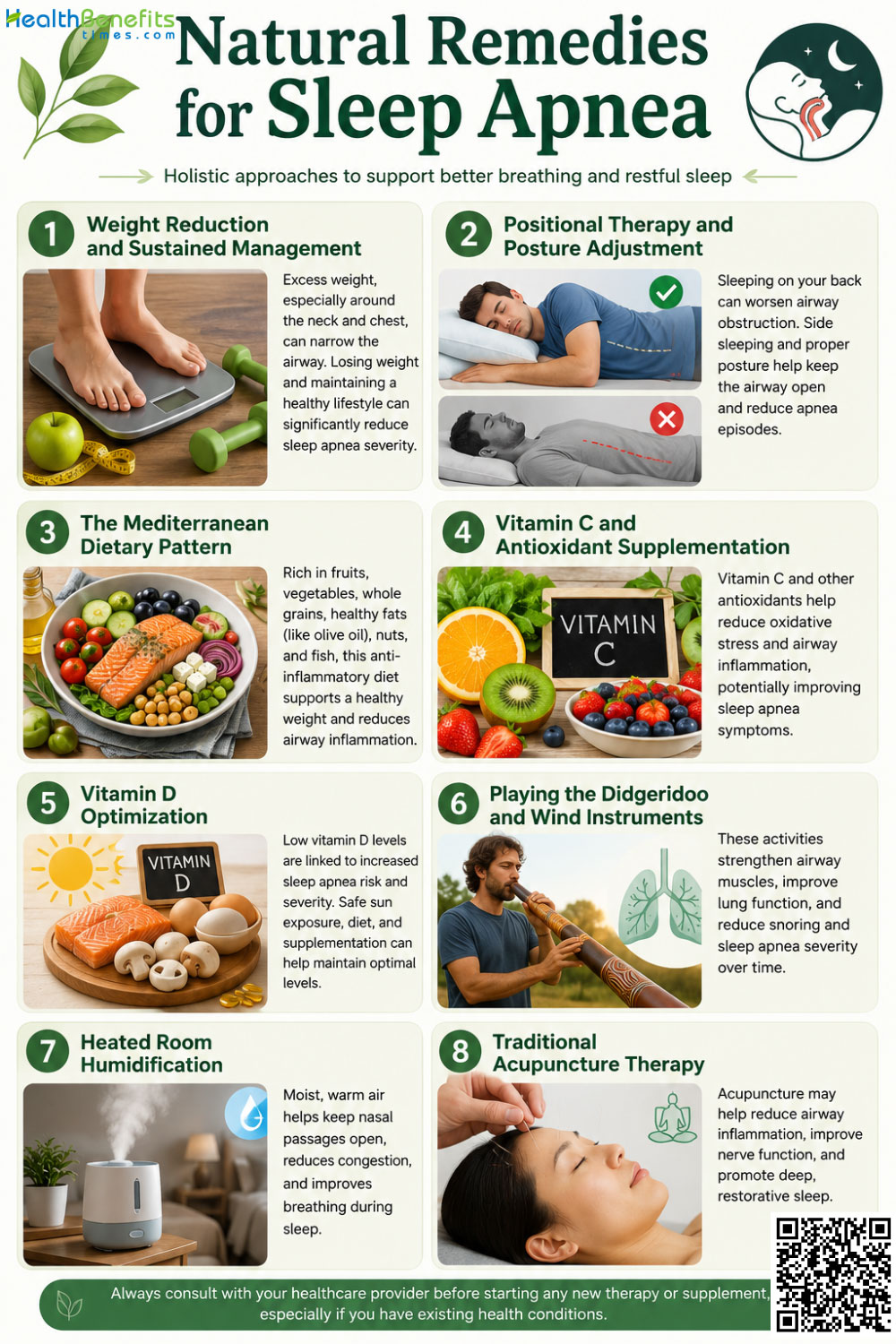
1. Weight Reduction and Sustained Management
Shedding excess adipose tissue stands as one of the most clinically profound steps you can take to relieve physical pressure on your respiratory tract. When you carry extra weight, fat deposits stubbornly accumulate around your neck and the base of your tongue, physically crowding the extremely limited space available for oxygen exchange. Losing a measured percentage of your overall body weight actively depletes this parapharyngeal fat, widening the diameter of your throat and drastically decreasing the frequency of airway collapses 11.
Note: You can apply this remedy by adopting a sustained, calorie-conscious dietary plan paired with routine cardiovascular exercise to naturally dissolve throat fat and stabilize your nighttime breathing over several months.
2. Positional Therapy and Posture Adjustment
Gravity acts as a relentless, invisible force against your airway geometry when you rest flat on your back in the supine position. Lying facing the ceiling allows the heavy tissues of your tongue, uvula, and soft palate to sink directly downward, entirely sealing off your windpipe. Training your body to sleep strictly on its side dramatically alters this gravitational pull, preventing soft tissues from collapsing backward and frequently eliminating breathing pauses altogether in mild to moderate positional cases 17.
Note: You can commonly use this technique by sleeping with a specially designed lateral contour pillow or by wearing a snug garment with a tennis ball affixed to the upper back to physically deter you from rolling supine 18.
3. The Mediterranean Dietary Pattern
Nourishing your body with specific anti-inflammatory foods directly impacts the cellular health and muscular integrity of your upper respiratory tract. Adopting a Mediterranean diet, which heavily features olive oil, fresh seafood, fruits, and whole grains while strictly shunning refined sugars, effectively reduces systemic oxidative stress and local throat inflammation. This nutritional framework not only facilitates natural weight loss but also enhances the neuromuscular control of your airway dilator muscles through its rich array of protective plant-based micronutrients 19.
Note: You can eat for remedial benefits by replacing saturated animal fats with healthy plant oils and consuming fresh vegetables daily to lower the inflammatory swelling in your respiratory passages.
4. Vitamin C and Antioxidant Supplementation
Enduring repetitive drops in oxygen throughout the night unleashes a highly destructive cascade of damaging free radicals into your bloodstream, deteriorating the delicate inner endothelial linings of your blood vessels. Introducing high levels of antioxidants, particularly Vitamin C and Vitamin E, serves as a powerful biological shield against this nocturnal oxidative stress. Supplementing your daily intake neutralizes these harmful molecules, quickly improving vascular function and promoting more restorative, uninterrupted sleep cycles 20. Maintaining sufficient levels of these vital dietary nutrients is formally associated with a substantially reduced risk of developing sleep-disordered breathing 21.
Note: You can apply this by eating a diet incredibly rich in citrus, bell peppers, and leafy greens, or by taking an over-the-counter daily vitamin supplement to protect your cardiovascular tissues from oxygen-deprivation damage.
5. Vitamin D Optimization
Maintaining robust levels of the sunshine vitamin is surprisingly essential for preserving the mechanical strength and tension of your throat muscles. Severe biological deficiency in Vitamin D frequently correlates with an increased severity of nighttime breathing interruptions due to its fundamental role in regulating muscle tone and dampening systemic immune inflammation. By restoring your serum concentrations to optimal ranges, you actively fortify the endurance of your airway muscles and protect against the cascading metabolic complications linked to poor sleep 22.
Note: You can naturally remedy low levels by exposing your skin to moderate daily sunlight or safely consuming a medically approved Vitamin D3 supplement to support overall airway muscle integrity.
6. Playing the Didgeridoo and Wind Instruments
Mastering the art of playing a double-reed wind instrument might seem unorthodox, yet it serves as a rigorous, highly effective workout for your vocal tract. Learning to play the didgeridoo involves a complex respiratory technique called circular breathing, which forces you to constantly engage and tense the muscles of your lips, cheeks, and pharynx. This continuous vibration and internal pressure naturally tone the flaccid tissues of the upper airway, making them significantly stiffer and far less prone to vibrating into a snore or collapsing during deep sleep 23. Regular practice has been shown to tangibly reduce daytime fatigue and quiet the sleeping environment for partners 24.
Note: You can utilize this method by practicing with a didgeridoo for roughly twenty minutes a day, five days a week, to progressively build the muscular endurance of your throat.
7. Heated Room Humidification
Breathing dry, stagnant room air aggressively dehydrates the mucosal linings of your nasal passages, prompting rapid defensive swelling and increased mucus production. Employing a heated passover humidifier infuses your immediate bedroom environment with warm, soothing moisture, drastically lowering nasal airway resistance and preventing the forced mouth-breathing that inevitably pushes the tongue backward. This gentle conditioning of the inspired air resolves nasal dryness and naturally encourages unobstructed, silent breathing through the nose 25.
Note: You can commonly apply this remedy by operating a heated humidifier on your nightstand or using a simple saline nasal spray before bed to keep your upper airways moist and completely open.
8. Traditional Acupuncture Therapy
Seeking out ancient restorative practices offers a surprisingly effective, non-pharmacological adjunct to modern respiratory management. Undergoing targeted sessions of manual acupuncture or electroacupuncture involves the strategic stimulation of specific energetic meridian points that influence the nervous system. This holistic intervention actively improves nocturnal oxygen saturation levels and measurably reduces the hourly rate of breathing pauses by calming systemic inflammation and subtly enhancing the neural drive to respiratory muscles 26. Clinical evaluations indicate that this therapy reliably diminishes the subjective burden of severe daytime sleepiness 27.
Note: You can apply this for remedial benefits by attending regular, scheduled sessions with a licensed practitioner who will carefully place fine needles at specific intersections to tone your upper respiratory function.
Is there any exercise or physical activities for Sleep apnea
Dedicating time to isolated muscular conditioning is just as crucial for your internal throat structures as it is for your limbs. Myofunctional therapy, scientifically known as oropharyngeal exercise, constitutes a non-invasive daily workout specifically engineered to fortify the exact dilator muscles responsible for keeping your windpipe patent.
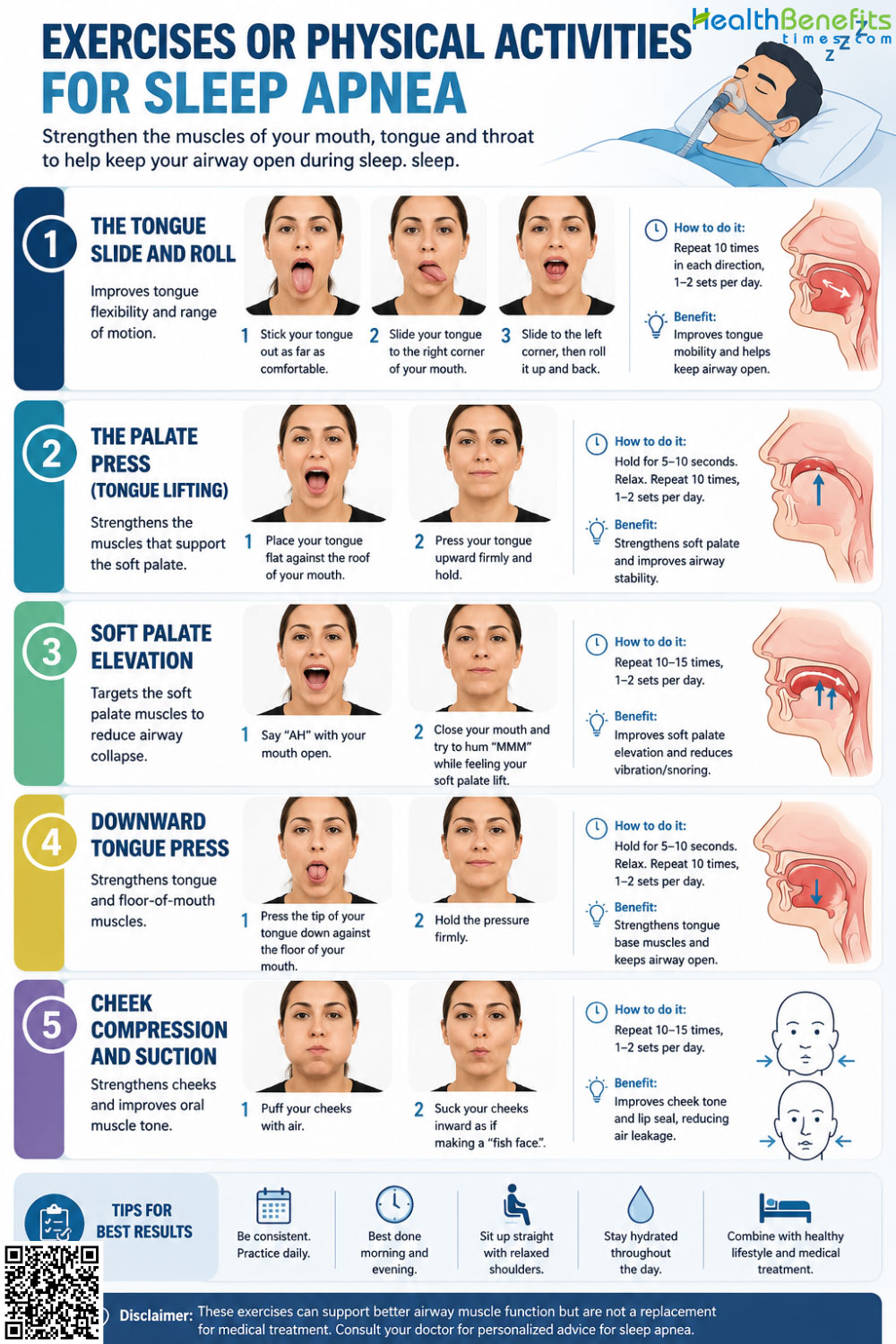
1. The Tongue Slide and Roll
Targeting the bulky base and midsection of the tongue prevents these tissues from sagging backward when neurological signals quiet down at night. Enhancing the mobility, tension, and resting posture of this specific area drastically improves your biological resistance against gravitational airway collapse 28.
Note: You can do this by pressing the tip of your tongue against the roof of your mouth right behind your front teeth, slowly sliding it backward as far as possible, and repeating this sweeping motion twenty times per session.
2. The Palate Press (Tongue Lifting)
Focusing intense upward pressure against the hard palate actively conditions the intrinsic muscles of the tongue, building crucial muscular endurance. This sustained isometric contraction trains the entire muscular unit to maintain a forward, elevated resting posture rather than dropping down into the vulnerable pharyngeal space 29.
Note: You can do this by suctioning your entire tongue completely flat against the roof of your mouth, holding the upward pressure firmly for three seconds, and releasing it with a loud clicking sound for twenty repetitions.
3. Soft Palate Elevation
Isolating the delicate tissues surrounding the uvula directly expands the lateral dimensions of the upper pharyngeal space. Strengthening these soft palatal structures severely mitigates the violent tissue vibrations that generate loud snoring and prevents the upper muscular walls of the throat from caving inward during deep inhalation 30.
Note: You can do this by standing before a mirror, opening your mouth wide, and forcefully contracting your throat to lift the soft palate in a yawning motion, holding the dramatic elevation for one full second across thirty repetitions.
4. Downward Tongue Press
Creating opposing tension by forcing the tongue downward aggressively fortifies the structural floor of the mouth and stabilizes the jaw muscles. This specific dynamic movement ensures the tongue maintains robust structural integrity and does not easily yield to the negative suction pressures generated during rhythmic breathing 31.
Note: You can do this by firmly anchoring the tip of your tongue behind your bottom front teeth and pressing the back of the tongue forcefully down against the floor of your mouth, holding for three seconds and repeating twenty times.
5. Cheek Compression and Suction
Engaging the lateral buccinator muscles located inside the cheeks creates a rigid, unyielding boundary for your oral cavity. Toning the side walls of your mouth prevents the cheeks from collapsing inward under the vacuum of breathing, thereby protecting the stability and overall openness of the entire upper airway 32.
Note: You can do this by tightly closing your lips, forcefully sucking your cheeks inward like drinking through a narrow straw for five seconds, and then puffing them out like an inflated balloon for ten seconds, repeating the entire cycle three times.
Foods and Activities to Avoid
When you suffer from an upper airway disorder, meticulously managing what you avoid is just as critical to your survival as what therapies you implement. Certain dietary choices and deeply ingrained daily habits can severely inflame your throat, increase dangerous mucus production, or drastically weaken your muscular control overnight.
Foods to Avoid When You Suffer from Sleep Apnea
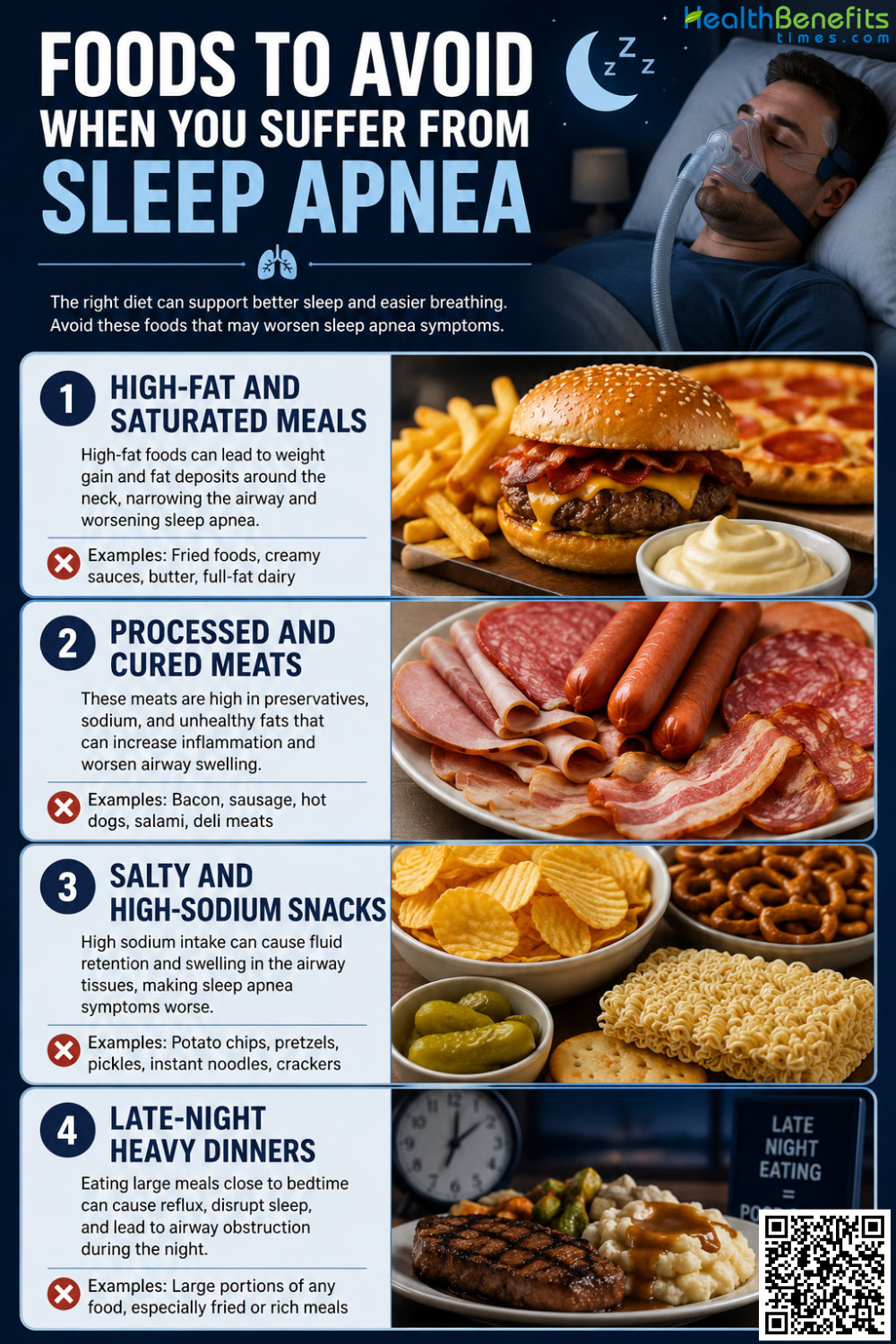
1. High-Fat and Saturated Meals
Overloading your digestive system with heavy, fat-laden foods aggressively spikes systemic inflammation and accelerates the rapid deposition of fatty tissues directly into your neck. Consuming a daily diet consisting of more than 35% fat has been clinically proven to essentially double the severity and frequency of your nighttime respiratory disruptions 33.
2. Processed and Cured Meats
Indulging heavily in chemically preserved meats, such as bacon, hot dogs, and sausages, introduces harsh dietary irritants into your bloodstream. Frequent intake of these highly processed proteins correlates strongly with a worsening trajectory of airway collapsibility and overall sleep fragmentation 34.
3. Salty and High-Sodium Snacks
Flooding your delicate vascular system with excessive sodium wreaks absolute havoc on your natural fluid balance, leading to severe, generalized water retention. When you transition to a sleeping posture, this massive volume of retained fluid migrates straight into your throat, physically swelling the mucous membranes and completely suffocating the airway 35.
4. Late-Night Heavy Dinners
Consuming dense, high-calorie meals immediately prior to bedtime forces your body to expend immense physiological energy on digestion while you desperately attempt to rest. This poor digestive timing drastically increases the risk of nocturnal acid reflux and demonstrably multiplies the total number of choking episodes experienced overnight 36.
Activities to Avoid When You Suffer from Sleep Apnea
1. Sleeping in the Supine Position
Allowing yourself to routinely sleep flat on your back is the single most detrimental postural habit for respiratory patency. This anatomical alignment invites the unyielding force of gravity to drag your jaw, tongue, and soft palate straight down into your pharynx, creating a perfect physical barricade against incoming oxygen 37.
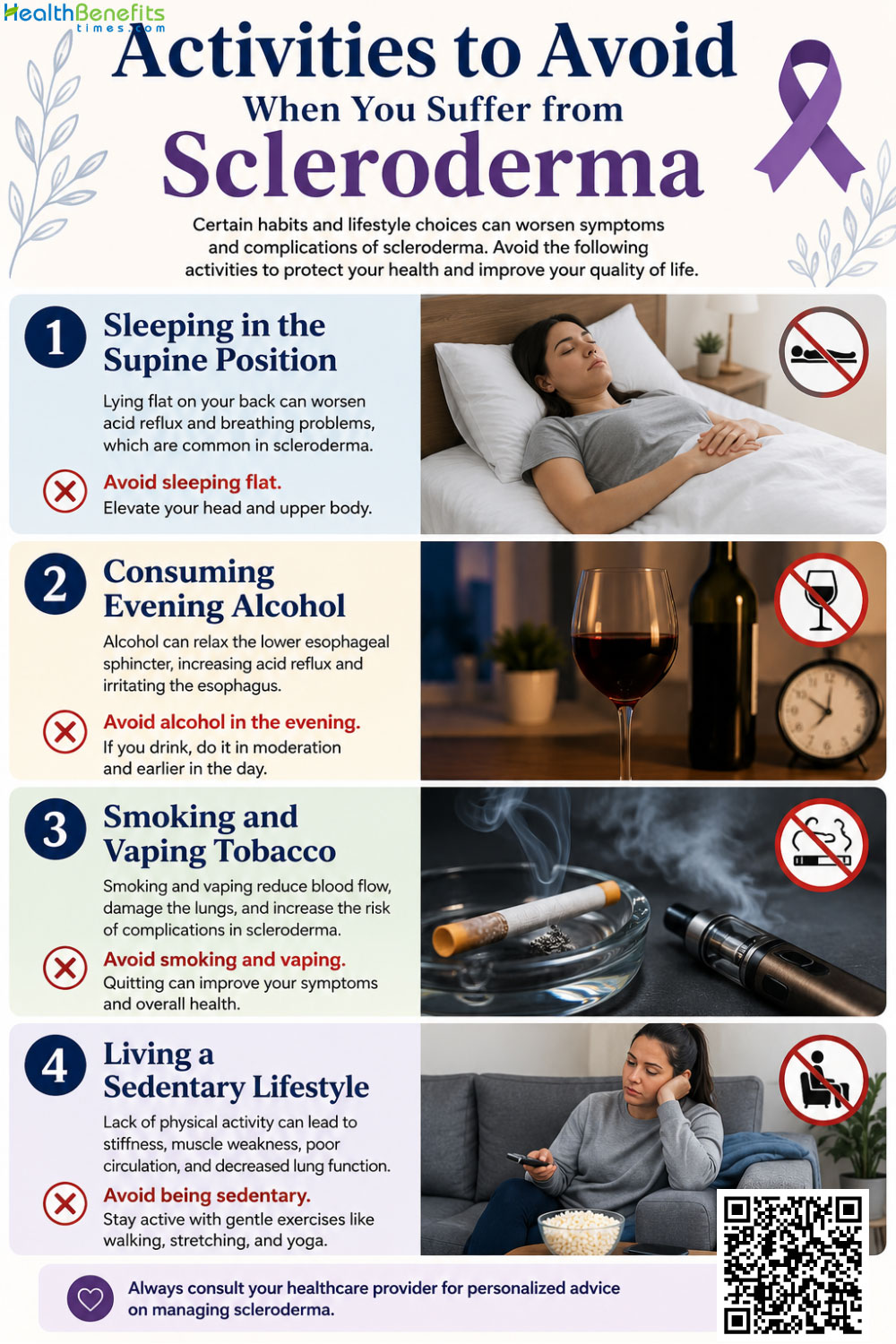
2. Consuming Evening Alcohol
Reaching for a nighttime alcoholic beverage chemically sabotages your body’s innate neurological defenses. Alcohol functions as an incredibly potent muscle relaxant, rendering the vital dilator muscles of your throat dangerously slack and virtually guaranteeing severe, prolonged collapses of the airway during the critical second half of the night 38.
3. Smoking and Vaping Tobacco
Drawing harsh, toxic smoke into your lungs systematically inflames and destroys the delicate epithelial linings of your entire respiratory tract. This continuous chemical assault provokes chronic tissue swelling, increased mucus production, and an immensely heightened vulnerability to complete nighttime airway closure 11.
4. Living a Sedentary Lifestyle
Confining yourself to a chair or couch for extended waking hours promotes the massive, dangerous pooling of stagnant fluid in your lower extremities. Without the active pumping action of routine walking or cardiovascular exercise, this fluid remains trapped until bedtime, where it inevitably shifts upward to choke the neck 39.
Myths and Misconceptions
| Myth | Reality |
| Snoring is merely a harmless acoustic annoyance for bed partners and carries no medical significance. 40 | While an occasional quiet snore due to a mild head cold is benign, loud, persistent snoring serves as a blaring biological alarm. It indicates severe turbulent airflow and serves as the primary warning sign that the brain is silently enduring dangerous, repetitive oxygen starvation. |
| The older individuals get, the fewer hours of sleep their bodies require to function properly. {% https://pmc.ncbi.nlm.nih.gov/articles/PMC3740354/ %} | Aging naturally alters microscopic sleep architecture, often leading to increased nighttime awakenings, but the physiological baseline requirement for a full night of rest remains absolutely unchanged. Experiencing abbreviated sleep is a distinct symptom of untreated fragmentation, not a reduced biological need. |
| Being able to fall asleep instantly, anywhere and anytime, is the true hallmark of a healthy sleeper. 16 | Possessing the capacity to lose consciousness the moment one sits down is actually a grave clinical red flag. This behavior points directly to a state of profound, chronic sleep deprivation, frequently driven by the endless micro-awakenings caused by nocturnal respiratory blockages. |
| Consuming alcohol immediately before bed helps initiate deeper, more restful sleep cycles. 41 | Folklore often heavily praises the nightcap, but clinical literature proves that alcohol aggressively degrades sleep quality. Although it may hasten initial unconsciousness, it severely disrupts REM cycles, exacerbates breathing pauses, and creates highly fragmented awakenings in the latter half of the night. |
| Sleep apnea is simply an alternative, modern medical term for severe insomnia. 42 | These disorders represent entirely distinct clinical pathologies with vastly different mechanisms. Insomnia dictates an inability to initiate or maintain sleep, whereas this respiratory disorder involves falling deeply asleep but physically failing to breathe, forcing the nervous system into a continuous loop of panic and revival. |
Special Considerations
1. Children
It is a profound misconception that breathing disorders exclusively afflict overweight adults. In pediatric populations, the problem is most frequently caused by the natural, biological hypertrophy (enlargement) of tonsils and adenoids. The condition predictably hits its peak prevalence between the ages of 3 and 6 years, occurring precisely when these lymphatic tissues reach their maximum size relative to the child’s small, developing airway 43. If left unmanaged, childhood sleep fragmentation inflicts massive developmental damage, causing bedwetting, severe behavioral issues mimicking ADHD, and even severely stunted physical growth 44. In many of these pediatric cases, the surgical removal of the tonsils is recognized as the primary and most effective intervention 45.
2. Pregnancy
The demanding physiological journey of pregnancy introduces massive shifts that can abruptly unmask severe breathing disorders. As gestation progresses, rapid maternal weight gain, extreme upward pressure from the growing uterus on the diaphragm, and extreme hormonal fluctuations naturally narrow the respiratory passages. The clinical risk predictably peaks in the third trimester 46. If an expecting mother develops breathing pauses, she becomes significantly more susceptible to highly dangerous complications, including gestational diabetes, high blood pressure, and late-onset preeclampsia 47. Furthermore, the intermittent oxygen deprivation can induce systemic oxidative stress that may negatively impact fetal development and placental function 48.
3. Chronic conditions
Patients suffering from underlying metabolic or cardiovascular issues face uniquely terrifying challenges when resting. In individuals diagnosed with congestive heart failure, fluid homeostasis is deeply dysregulated. During the upright hours of the day, gravity pulls excess bodily fluid into the lower legs. At night, when the patient lies completely flat, up to 600 milliliters of this accumulated fluid rapidly shifts from the legs directly into the delicate neck tissues and lungs, instantly crushing the upper airway and triggering severe breathing pauses 7. Consequently, treating the underlying heart failure with specific diuretics or elevating the head of the bed is often absolutely necessary to combat the sleep disorder 35.
4. Elderly
The inevitable biological progression of aging introduces a natural decay in muscle tone, particularly within the crucial dilator muscles of the upper airway, coupled simultaneously with a sharp decline in the brain’s baseline respiratory control centers. As a direct result, the prevalence of sleep-disordered breathing skyrockets, rapidly approaching an alarming 50% in adults over the age of 65 9. This specific demographic presents a highly complex clinical puzzle due to multimorbidity (the presence of multiple chronic diseases) and general physical frailty. Furthermore, data conclusively indicates that while elderly individuals often struggle initially to adapt to traditional mechanical treatments, their long-term compliance steadily improves and outpaces younger demographics 49.
Precaution Before Use of Natural Remedies
While modifying your daily lifestyle is heavily encouraged and biologically rewarding, utilizing holistic and physical therapies requires a fundamental baseline of medical caution.
- Do not unilaterally abandon prescribed therapies: You must understand that natural remedies should be utilized strictly as complementary, supportive strategies, not as sudden, direct replacements for a prescribed continuous positive airway pressure (CPAP) machine, especially if you have been clinically diagnosed with severe nocturnal oxygen desaturation.
- Acknowledge fixed anatomical limitations: You must realistically recognize that behavioral weight loss and throat exercises will entirely fail to cure the condition if your blockages are biologically caused by severe craniofacial abnormalities, such as an exceptionally receded jaw, a deviated nasal septum, or massively enlarged tonsils.
- Beware of heavily marketed, unverified gadgets: You must navigate the commercial market carefully, as it is flooded with expensive external nasal strips and over-the-counter mouth guards. Clinical studies have repeatedly shown that simple external nasal dilator strips act almost entirely as a placebo; they may momentarily make the nose feel more open, but they do absolutely nothing to cure the deep pharyngeal collapse 50.
- Consult specialists before undertaking major dietary shifts: You must speak with a primary care provider if you have serious comorbid conditions like advanced kidney disease or severe diabetes, as rapidly shifting to a high-protein or drastic calorie-deficit diet can inadvertently strain your failing organs.
- Monitor relentlessly for masked symptoms: You must avoid the trap of relying solely on side-sleeping or playing an instrument to quiet your snoring, as this can give you the highly dangerous, false impression that your airway is entirely clear, even if silent, lethal oxygen drops are still occurring undetected.
When to See a Doctor
Self-management has definitive biological limits. You must immediately seek professional medical evaluation and request a formal diagnostic sleep study if you begin experiencing life-altering or potentially fatal symptoms.
- Witnessing Intense Apnea Events: If your bed partner actively watches you completely stop breathing, turn blue in the face, or violently gasp and choke for air while unconscious, immediate medical intervention is absolutely mandatory to prevent sudden cardiac events.
- Falling Asleep at the Wheel: If your profound daytime fatigue has escalated to the terrifying point where you involuntarily nod off at traffic lights or while actively driving at highway speeds, you represent a lethal danger to yourself and the public, requiring immediate suspension of driving and urgent clinical care.
- Unrelenting, Severe Morning Headaches: Waking up daily with a throbbing, pervasive headache that does not respond well to hydration or standard painkillers is a profound, undeniable sign of nocturnal brain hypoxia (oxygen starvation) and excessive carbon dioxide retention.
- Sudden Onset of High Blood Pressure: If you unexpectedly develop systemic hypertension that remains stubbornly difficult to control even with standard pharmaceutical medications, an undetected, untreated nighttime breathing disorder is a highly likely, dangerous culprit forcing your heart into overdrive.
- No Tangible Improvement After Exhaustive Lifestyle Changes: If you have successfully lost weight, trained yourself to sleep exclusively on your side, performed daily throat exercises, and completely avoided alcohol, yet you still wake up feeling completely exhausted, you must see a specialist immediately to secure mechanical intervention.
Comments
comments